


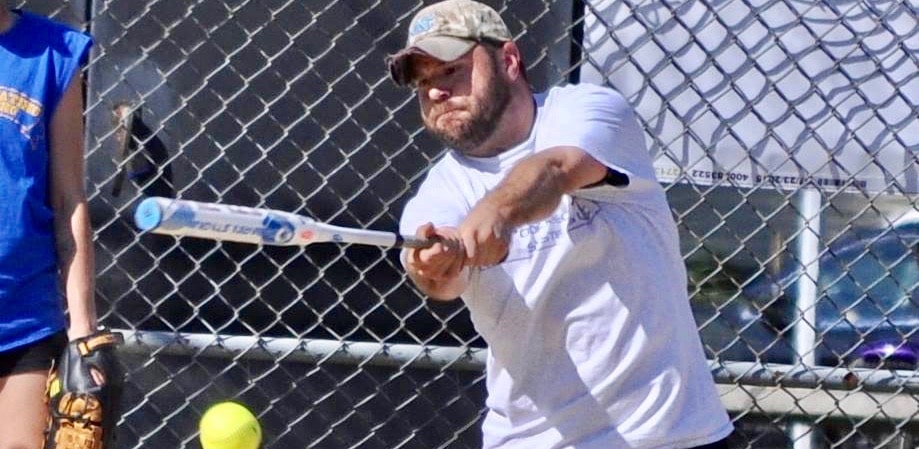
"If telling Michael’s story helps even one person, it will be worth it." – Blake Rear
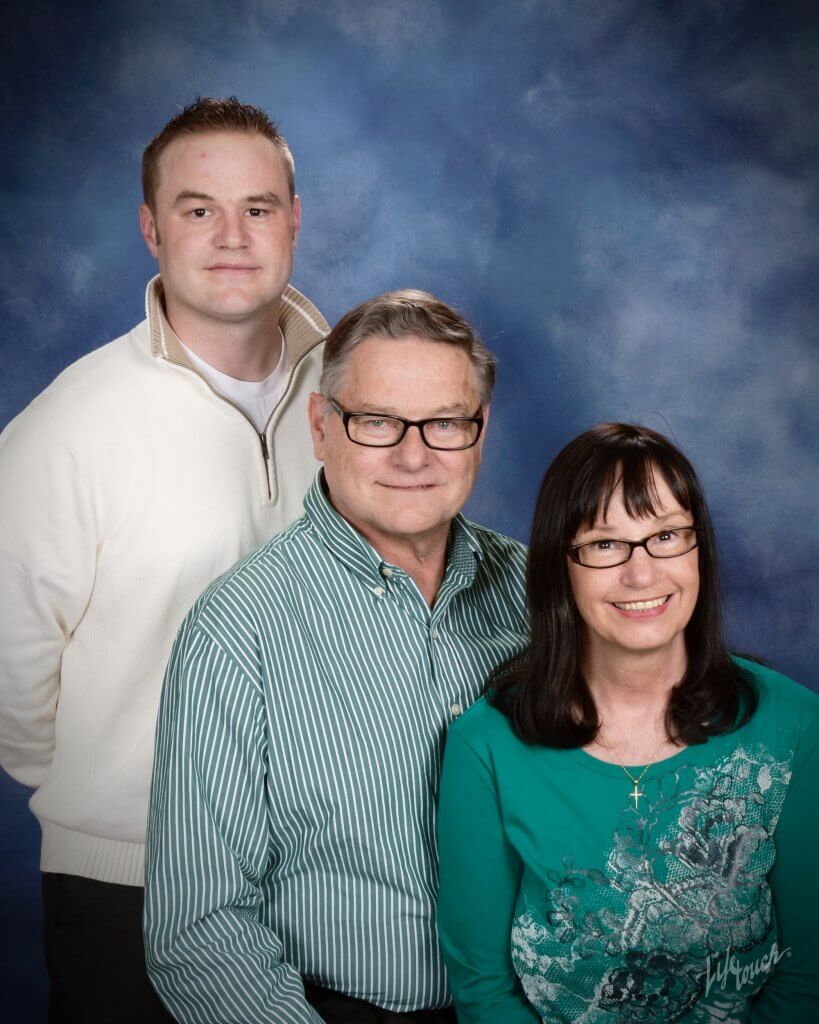
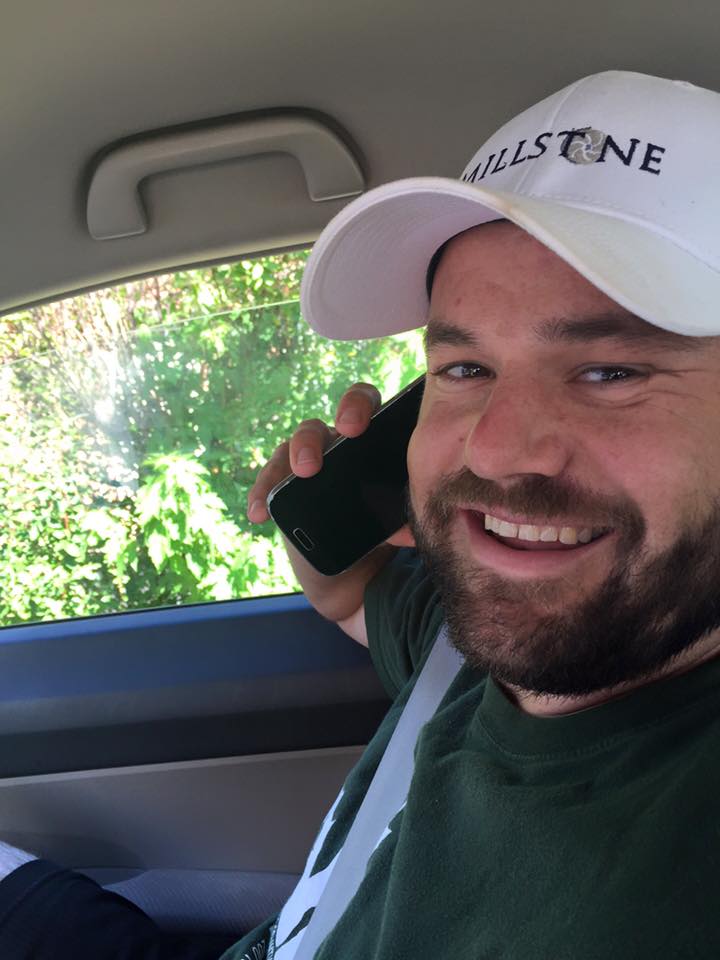
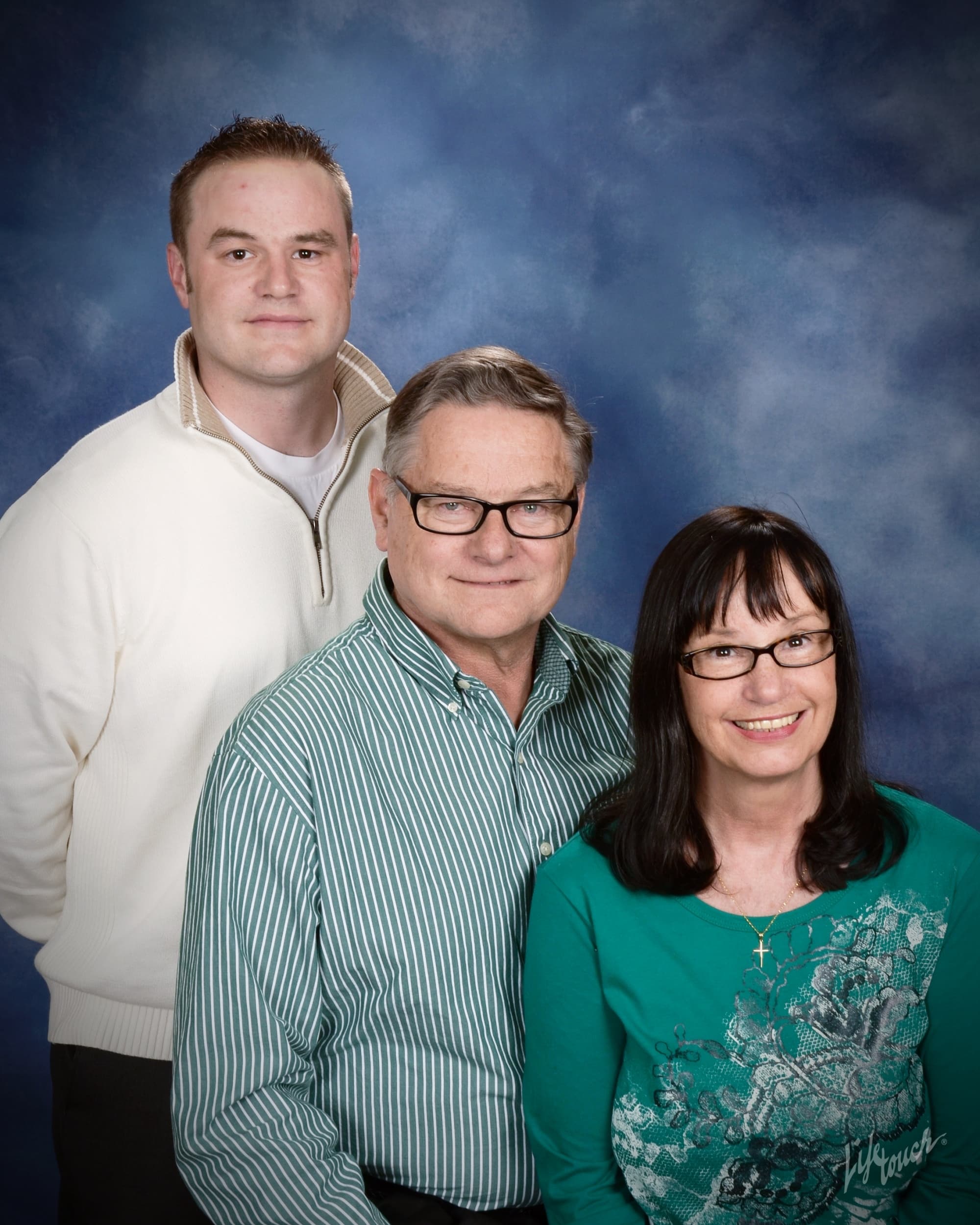
Call it a mother’s intuition, but when Joyce Rear couldn’t reach her son the morning of Feb. 20, 2016, she knew something was wrong … really wrong.
Yet, nothing — not a bad feeling, nor Michael Rear’s prior history with pain pills and heroin — could prepare Joyce for walking into his apartment and finding his 33-year-old lifeless body on the floor.
In a recent interview with Joyce and Blake Rear (Michael’s father), Joyce recalled the last words her son had spoken to her in person after she had dropped him off at his boss’s house, where he would often catch his ride into work:
“Thanks for the ride Mom. I love you.”
“Every time I took him anywhere, he would always get out of the car and say that,” Joyce said, her voice filled with emotion.
Michael, who had struggled with addiction in one form or another since he was a teenager, had been clean for about a year and a half then, but was still dealing with a suspended driver’s license as a result of an arrest in May 2014 for heroin possession.
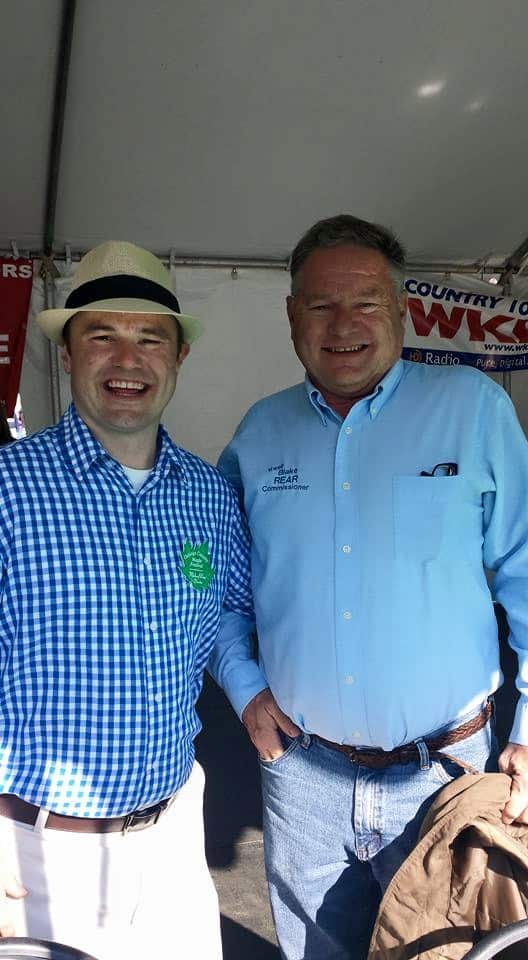
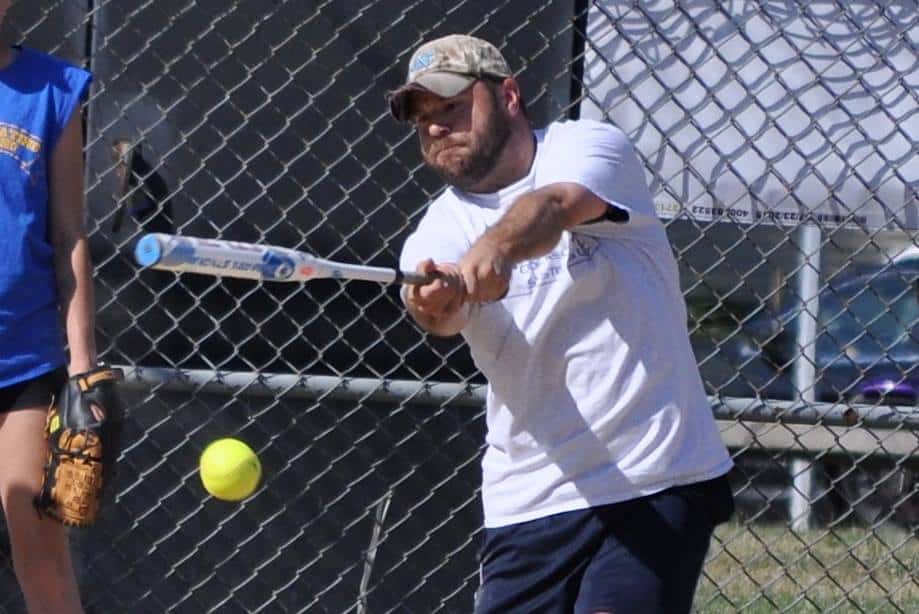
He had been avidly attending Alcoholics Anonymous meetings — leading meetings and sponsoring addicts — while also refereeing and umpiring for various Chardon sports teams and helping his father, a Geauga County commissioner at the time, run for re-election.
“I talked to him on the phone (the night he died) because we were going to put signs out on the lawns,” Joyce recalled. “He had helped the Saturday before and he was going to help again and I said, ‘Michael, do you want me to come get you now and you can spend the night or should I get you in the morning?’ And then he said, ‘Come and get me in the morning.’”
Michael went to an AA meeting that night and someone drove him home, Blake said
“(When he was back home), whatever possessed him, he got an Uber,” he said. “He drove somewhere with the driver and purchased (heroin).”
Trying to understand what triggered the relapse is very difficult for people who have never struggled with addiction or have an “addictive brain,” the Rears said.
“I don’t know that there are answers for what makes someone do something at that time,” Joyce said, adding she and Blake learned, after the fact, how heroin and opioids physically and permanently change the brain.
“We learned … it was a brain disease, the cravings never go away,” Joyce said. “So here is this young man dealing with those cravings day after day after day.”
Joyce said it’s difficult to monitor someone once they’re an adult and on their own.
“As a parent, when they turn 18, they’re adults and no one tells you anything and if your child determines he doesn’t want to tell you, you’re in the dark,” she said. “They’re not the same person you thought they were. To impose and interfere is difficult.”
Addiction Takes Hold
Unlike some addictions, which can stem from past trauma or a troubled childhood, Michael’s story didn’t fit those molds.
Growing up in Chardon alongside his older brother, David, Michael was heavily into sports as a child, including little league baseball, football and swimming. Both he and David, who is now 39, were close. They were both smart and witty, and played well off one another, the Rears recalled fondly.
Michael was the president of his freshman class, involved in several academic groups, student council, track, baseball and was a church lector.
It wasn’t until his sophomore year in high school that he began dabbling with alcohol, Joyce said.
“I didn’t realize it until his senior year,” she said. “Then I found out (he was) going out with friends and (they were) drinking. In January of 2000, he smashed his truck into a tree.”
Blake added, “He hit the biggest one, full speed. He had passed out in the car. He had been drinking.”
Michael was 17 at the time and he broke both his ankles and crushed his eye socket — which was luckily recovered, Blake said.
Looking back, Joyce and Blake realized it was during his recovery that Michael began taking pain medication.
“They always say, ‘Talk to your kids.’ And we did talk to the kids constantly, but I will admit I was way too trusting about Michael, his friends and their parents,” said Joyce, who was a family and consumer science teacher at Chardon Schools at that time. “I didn’t notice anything. I think he used alcohol (mainly) instead of the pain meds.”
Because of his surgeries, Michael had to change his original plans of going to The Ohio State University for college. Instead, he went to Kent State University – Geauga for his first year, Blake said, adding Michael was functioning fine, involved in sports and working part-time at Giant Eagle in Chardon, but they surmise he was likely still drinking and taking pain meds.
Between his first car accident and the end of college, after he transferred to OSU, Michael received two DUIs.
“Along with those, there was always court-ordered substance abuse programs, which he thought were a joke,” Joyce recalled. “He went through everything he had to go through, but he wouldn’t take it seriously. During that time, he was drinking and I assume taking painkillers off and on. I got a call in May his senior year at OSU, 2004, that he had taken cocaine and that he was scared to death because he wanted more and he knew he shouldn’t be doing this.”
Taking turns staying with him so he was never alone, the Rears got Michael through his finals week at college and then brought him home. He finished a final required course at the KSU-Ashtabula campus (the credits were transferable to OSU) and graduated in 2004 with a bachelor’s degree in history, Blake said, adding Michael had intended to go to law school.
During his post-college years, Michael worked at Giant Eagle, was a wine distributor and worked for a stint at Scrambler Marie’s in Mayfield Heights.
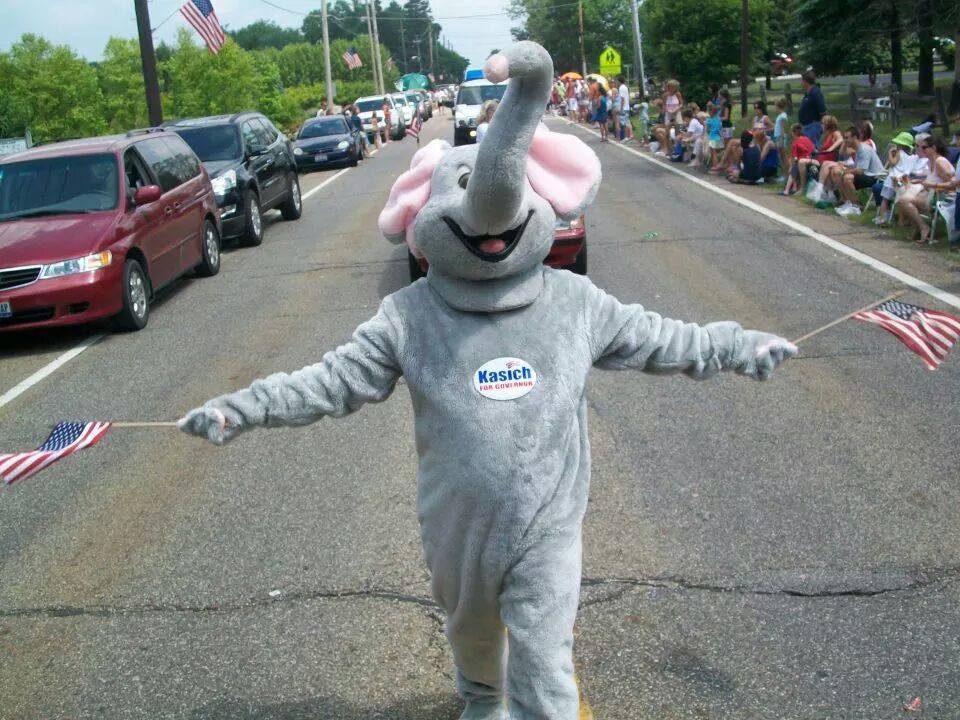
He managed and played on a golf league, was on the Geauga County Maple Festival Board of Directors, in charge of the Sap Run, and continued refereeing and umpiring local sports teams.
He also continued drinking and using painkillers, the Rears said.
The Awakening
On Aug. 29, 2009, Michael got another DUI going home after a wedding.
“He had just continued drinking and continued drinking and continued drinking and then decided he was going to go home,” Joyce said, shaking her head in dismay. “He ended up being stopped on his way home and he was arrested. At that time, Blake and I were just beside ourselves. It felt like we were going through one thing after another. The next day, he came over to the house and he told us. I can remember being disgusted. He just fell on his knees and he said, “Oh my God I really am. I’m an alcoholic.’”
The Rears took Michael to an AA meeting and he walked out with a person who had been one of his coaches in high school, who became his sponsor, Blake said.
“That was like a light bulb (moment) because I don’t think Michael knew this individual had problems,” he said.
Joyce said from that incident on, Michael was a model 12-Step program person. He attended meetings, he did everything he needed to do, but this time, he actually believed in it.
“He didn’t drink alcohol after that,” Joyce said, adding, however, he did continue to take painkillers, often downplaying it and not believing it qualified as an addiction.
“In May of 2014, I got a call from him and he told me he had gotten arrested for possession of heroin,” Joyce said. “He had completed a deal. He hadn’t used it. He was in his car in a parking lot (in Lyndhurst) and they were being watched by the police. So he was arrested. He totally cooperated. They tested him for substance abuse and he was clean. They confiscated (the heroin) and let him go.”
Although he wasn’t on heroin at that moment, Michael had been using it for about a week to 10 days prior to his arrest, Blake said.
He went through withdrawal on his own in the Rears’ home and started rehabilitation immediately at Glenbeigh in Rock Creek, an alcohol and drug treatment center.
“A couple of days later, they let him go on an outpatient basis because he didn’t have any of the substance in him,” Joyce said. “He was very serious about the treatment, did everything he needed to do for the treatment and continued to work and also continued to go to AA meetings.”
The Downhill Spiral
Michael stayed clean and didn’t present in front of a judge in Cuyahoga County until September of 2014.
“He got a judge who was extremely punitive with very little knowledge of addiction and how to treat it,” Joyce said.
“She threw the book at him,” Blake added.
The judge took away Michael’s driving privileges for three years, even for work and AA meetings, the Rears said.
“She made him quit his job, which … I can see,” Joyce said, referring to the wine distributing. “But he had no healthcare then and he had no transportation. He had to go to AA meetings on precise days. He was not allowed to go anywhere where alcohol was sold. That includes a grocery store. He was not allowed to go to any family functions that had alcohol there.”
Michael, 31 at the time, got another job and moved back in with his parents. During this time, he was vice president of the county maple festival and religiously worked his 12-Step program, the Rears said, adding he went to his monthly probation meetings and did everything he was asked.
Despite his progress, however, the judge denied his request for work driving privileges in December of 2014. She denied it again in July 2015.
“So Michael really got blasted and yet he still did what he was supposed to do,” Joyce said.
In the fall of 2015, Michael decided it was time to move out of his parents’ house, so he relocated to an apartment near his work in Gates Mills.
“He was going to a lot more meetings than he needed to and spoke at them,” Blake said, adding when Michael lived with them, he would often wake up in the middle of the night and hear Michael on the phone with addicts who called him at a moment of need.
In January of 2016, Michael relapsed on painkillers, Joyce said.
“He came to me in January and told me, ‘Mom, I relapsed. I’m taking painkillers. They found out at work and they made me go to treatment,’” she recalled, adding she remembers Michael being worried he would be thrown in jail if the judge found out, so he was living constantly with that anxiety.
The Monday before he died, Michael and the Rears volunteered at a youth basketball tournament at Cardinal Schools. On Wednesday, there was a political candidates night at Kent State University – Geauga, where Blake was.
“All of a sudden, (Michael) showed up. He got a ride there somehow,” Blake recalled, smiling as he remembered his son’s support.
Little did he know then, his son would be gone two days later.
The Journey Through Grief
“At first, there was a numbness along with intense sadness,” Joyce said, regarding how both she and Blake felt after Michael died. “Blake was very angry and I felt betrayed by God, although the feeling of betrayal did not last long. Mostly, we felt intense sadness and pain. There was also a sense of relief because we didn’t have to worry about him anymore.”
Joyce shared a passage from her journal:
“I float along living life and then out of the blue, I get this crushing realization that I will never see you again and it is unbearable, so I do my best to push it away.”
During the first year, Blake’s anger changed to deep sorrow, Joyce said.
“We thought of Michael constantly and everything we did or saw would remind us of him. I went through grief counseling, which was a tremendous help for me. Blake didn’t. It just wasn’t something he was comfortable with, but he talked freely with family about what he was feeling,” Joyce said. “I found that I cried often, especially at first, then I accepted that it was okay to cry. I didn’t have to try to hide it. I was tired all the time and learned that grieving is hard work, so I didn’t expect too much of myself.”
People often say the first year is the hardest and Joyce agreed.
“It does get to the point where it doesn’t hurt as much or as often,” she said. “Two of the most important things I learned in counseling (were) not to blame myself and to take it easy on myself. I think when we lose someone we loved, we start wondering if we just did something differently, maybe he/she would still be alive. This type of thinking does nothing positive.
“As soon as we could truly say we did nothing wrong, his death was not our fault — it was easier. Blake and I attended conferences and workshops on opiate addiction,” she added.
Joyce shared another passage from her journal after attending her first workshop:
“I learned a lot at the conference my dear child and friend. I truly understand that you had a disease. You were not weak, unmotivated or irresponsible. You were a strong, intelligent, beautiful man who died because of your disease, not your lack of willpower.”
The Rears said they have amazing family and friends who helped them along the way. They just needed to let them in and accept their help and comfort.
“Additionally, I believe our strong faith helped us to heal,” said Joyce, adding she has felt her son’s spirit around her many times.
She said the two biggest things she and Blake learned since Michael’s passing were how much he loved helping others — which was demonstrated by how many people showed up at his funeral, standing in line out the door and down the street of Burr Funeral Home in Chardon — and how addiction is a disease.
“Understand it is a disease and because it is a disease, it needs to be treated like a disease,” Blake said. “It’s an illness and without the treatment of this illness — and every body is different, every case is different, all the causes are like the colors in the rainbow — but it’s an illness and they are not going to probably overcome it without help and support.
“If telling Michael’s story helps even one person,” Blake added, pausing with emotion, “it will be worth it.”
This concludes Part I of a six-part series on the opioid crisis in Geauga County. Read related story here:


