


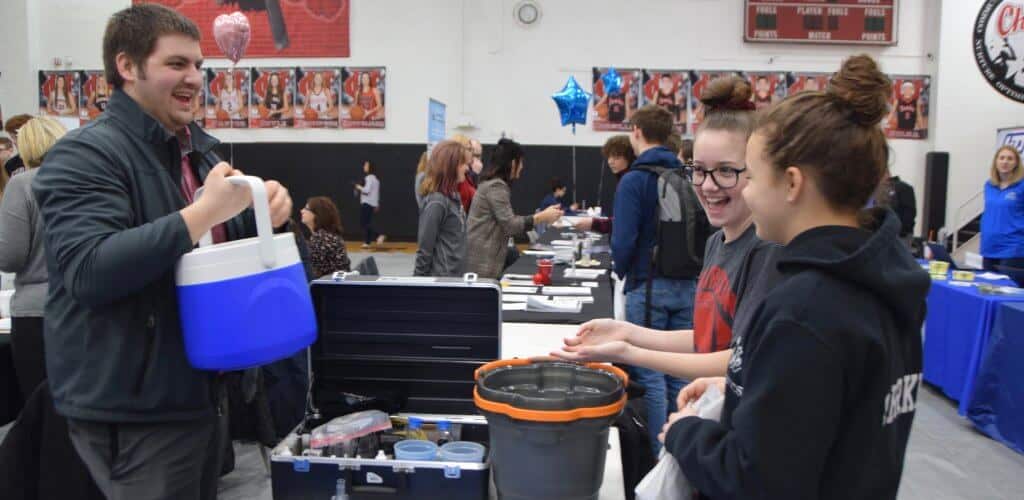
Career Day Teaches Chardon Students About Life After School
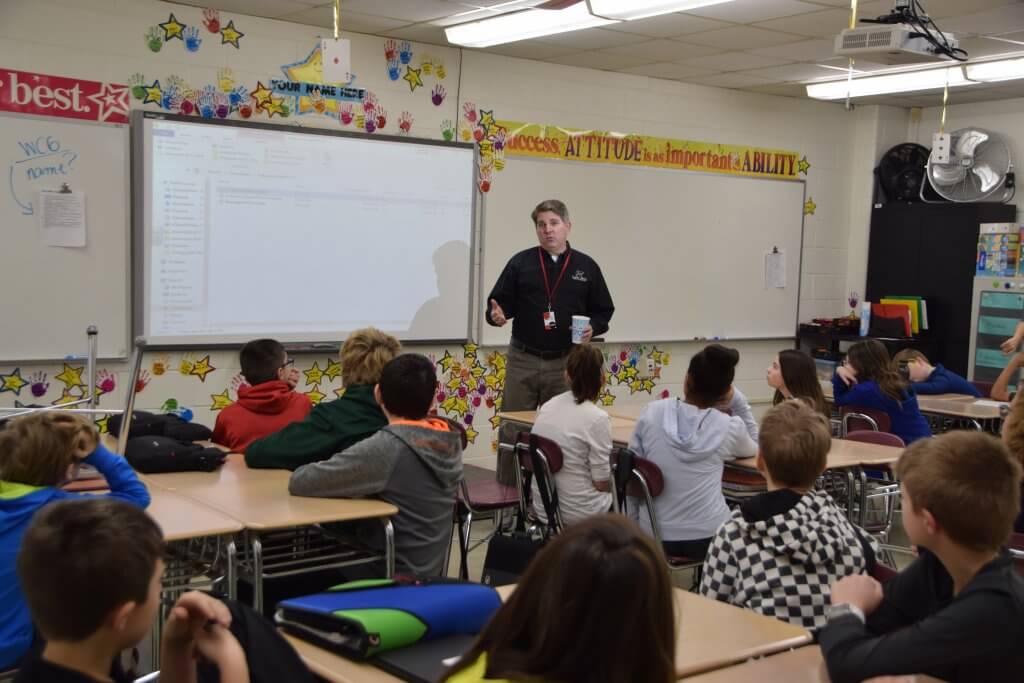
A sea of fifth-grade heads bobbed in front of Shalyn Swick, a teacher at Chardon Middle School, as she counted off the basic skills they would need, as adults, to be gainfully employed.
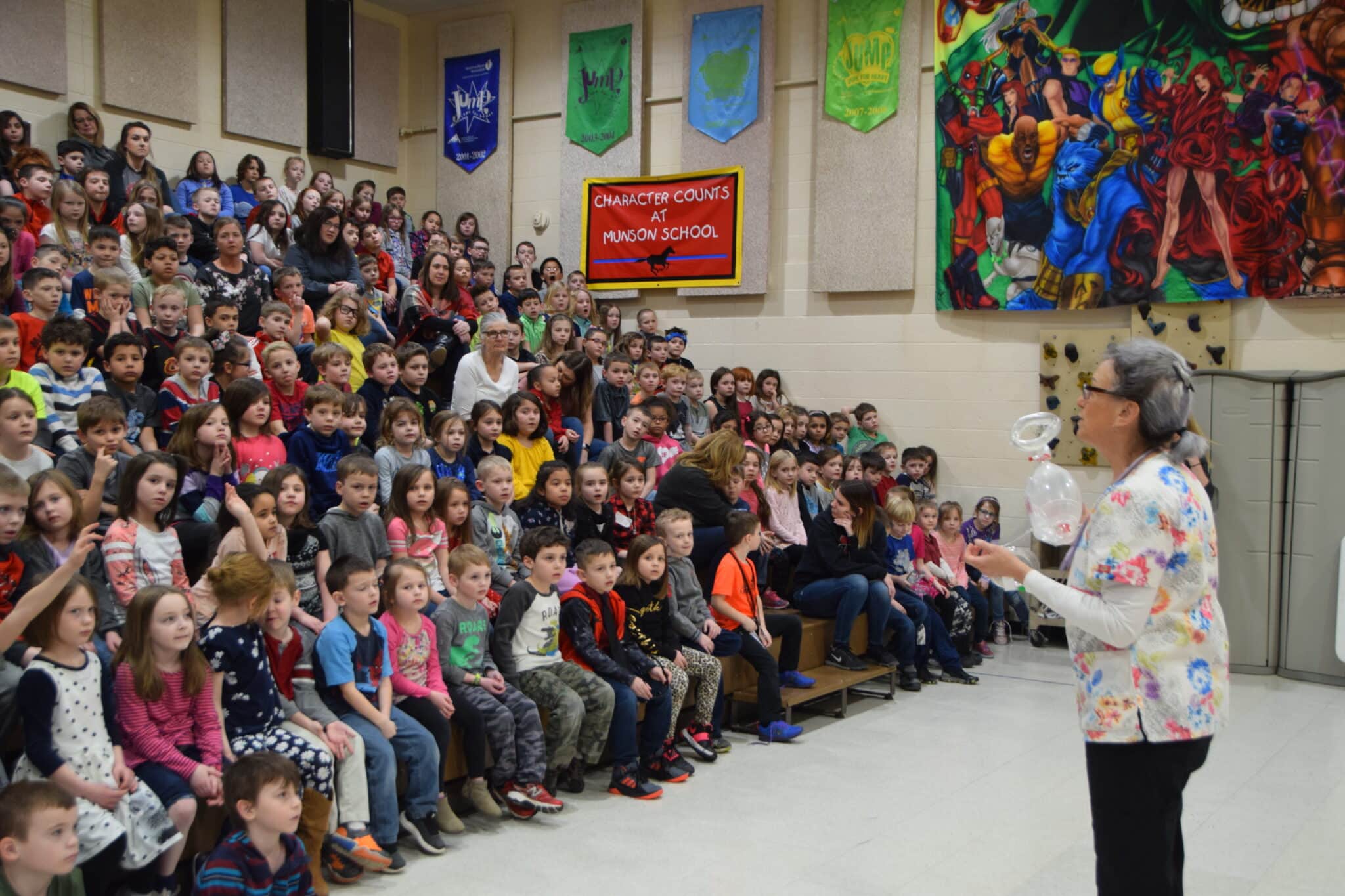
A sea of fifth-grade heads bobbed in front of Shalyn Swick, a teacher at Chardon Middle School, as she counted off the basic skills they would need, as adults, to be gainfully employed.
“Be on time, every day, ready to work,” Swick told them. “You are training your brain and your body right now.”
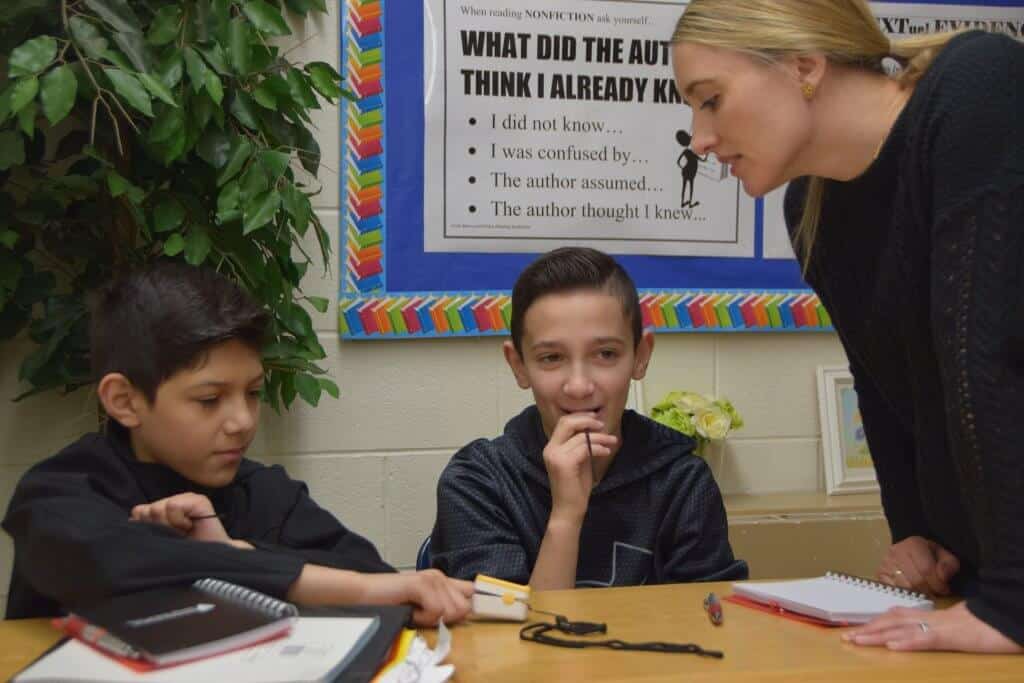
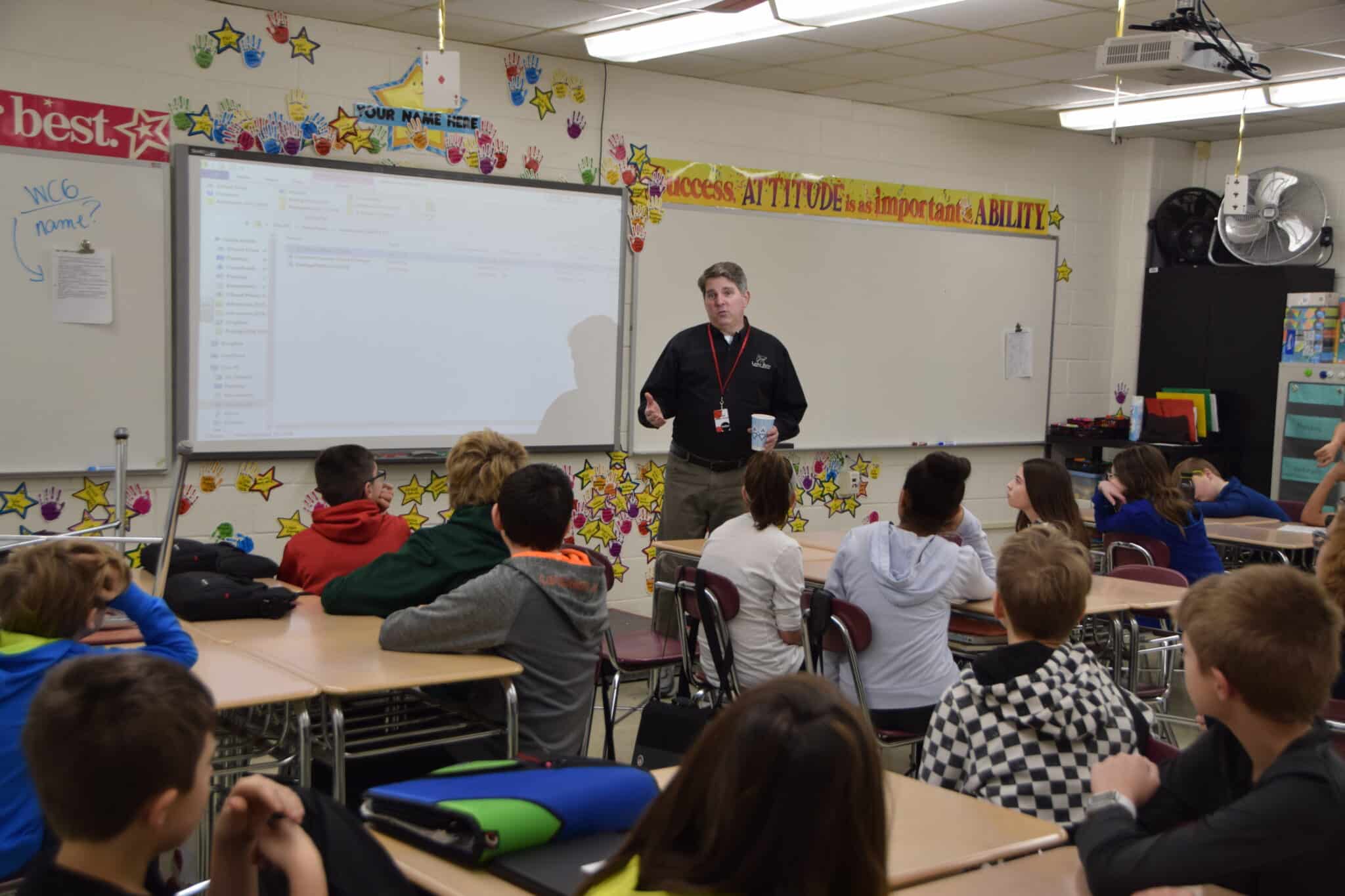
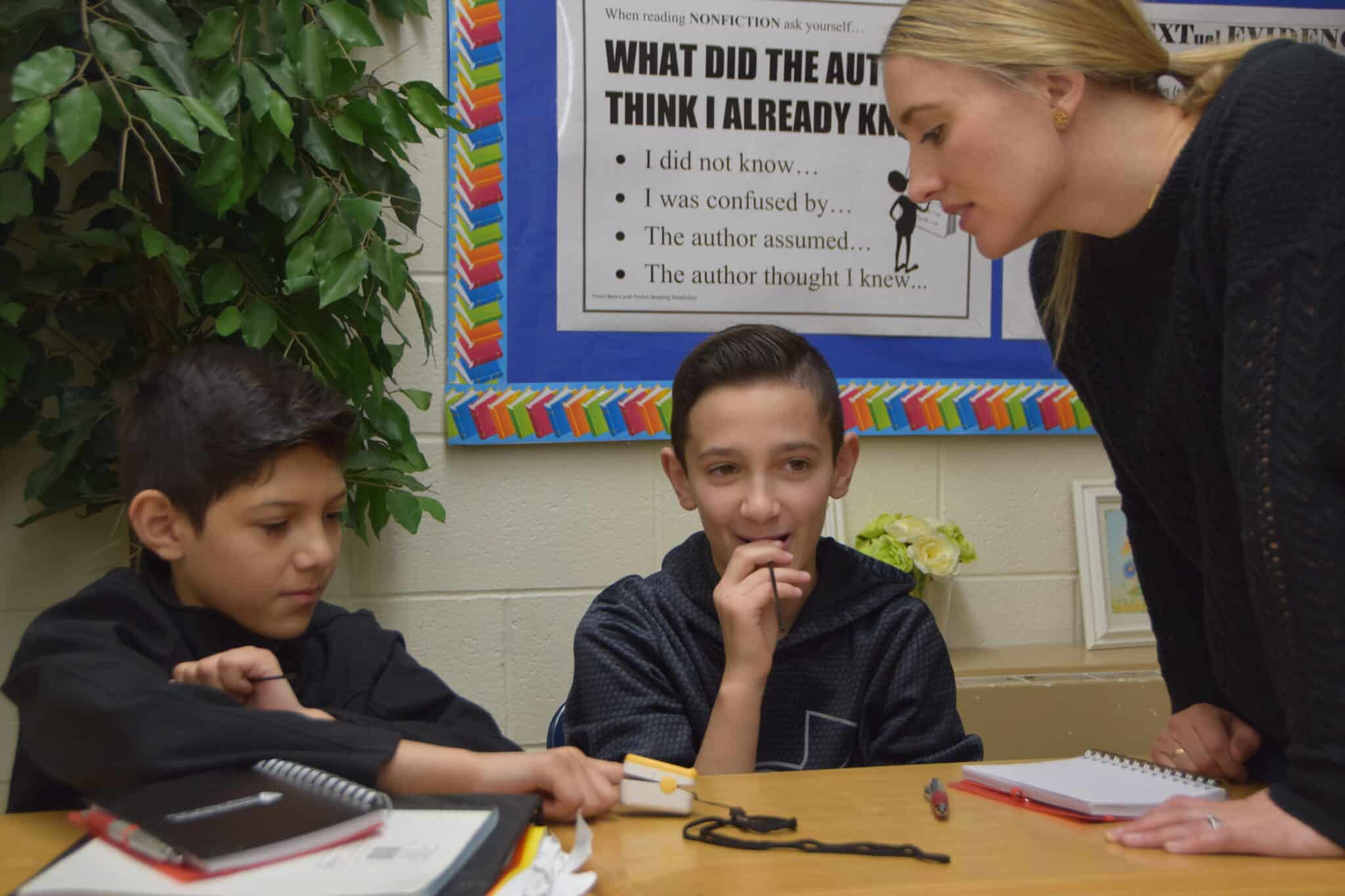
Down the hall in room 218, students in Rachel Holub’s sixth-grade class fidgeted with coffee straws, as Elizabeth Bechkowiak, a respiratory therapist at University Hospitals, asked them to try and take a breath through one.
“This is what it feels like to breathe with asthma,” Bechkowiak told the students, who alternated between giggles and awed silence as she described her job in riveting detail.
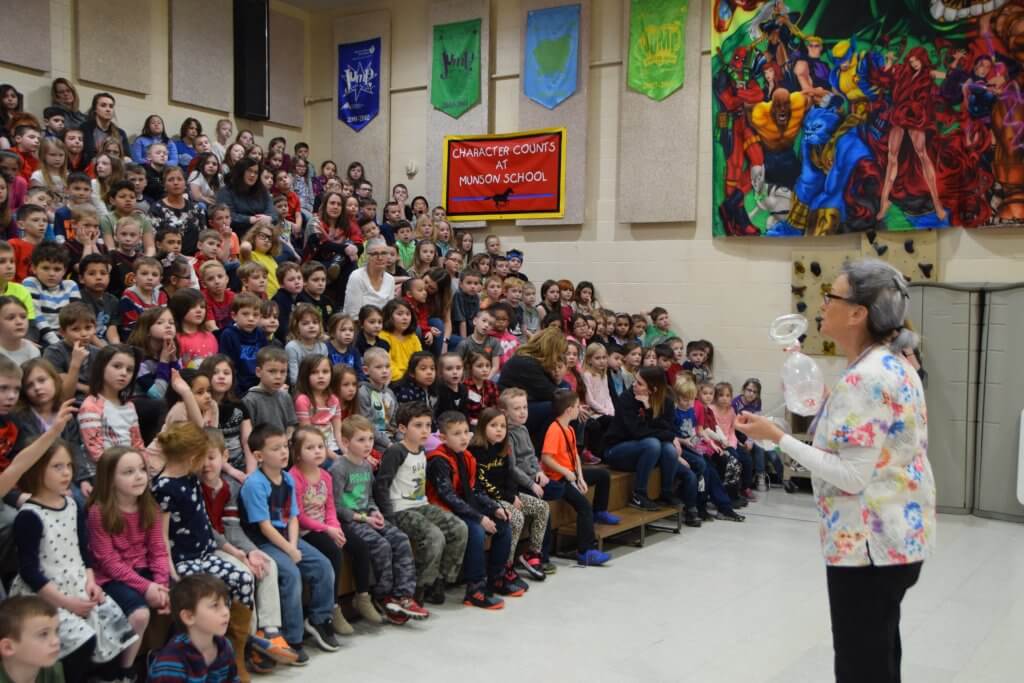
Similar scenes played out across all four Chardon school buildings Mar. 1, as students across the district marked Career Day.
Assistant Superintendent Ed Klein said last Friday students in all grades and buildings were given the opportunity to explore their future in education, employment, entrepreneurship or enlistment.
Those four options are what the district refers to as the “4E’s,” a term that grew out of its Vision 2020 strategic plan to prepare students for post-high school life.
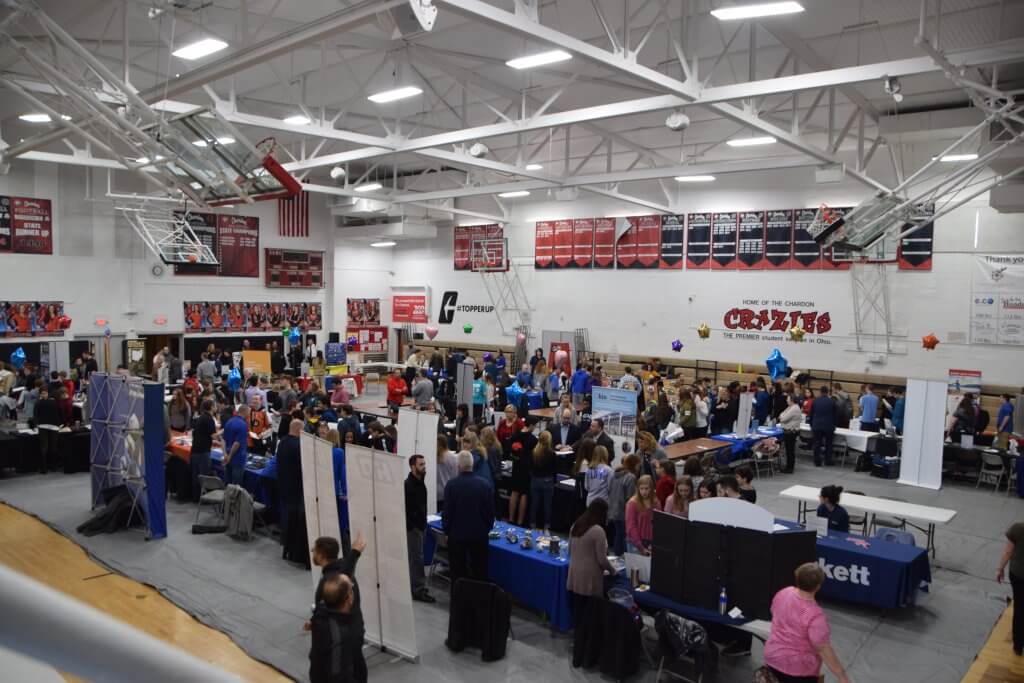
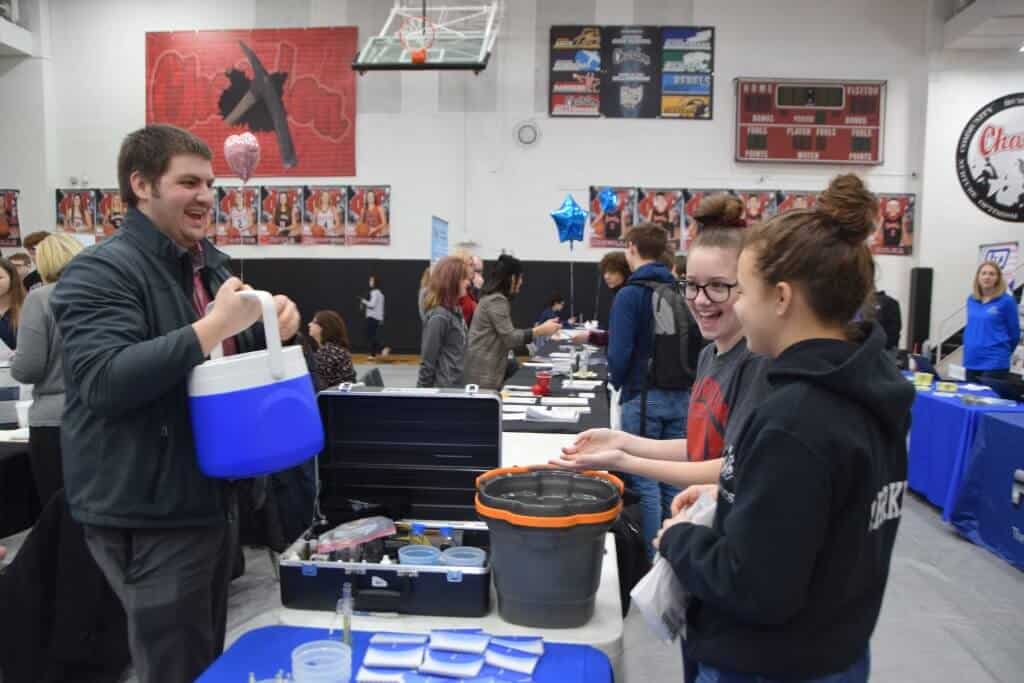
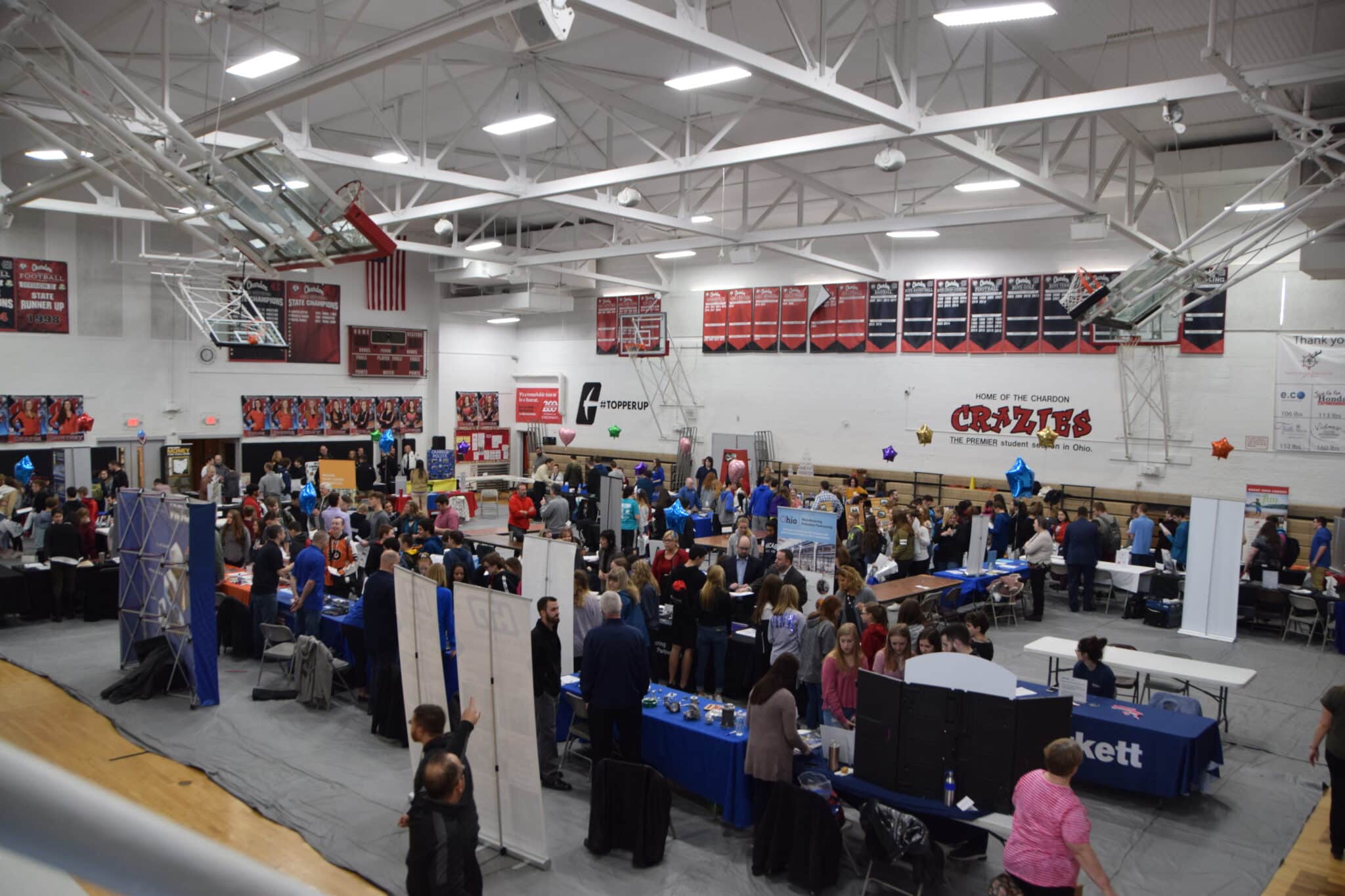
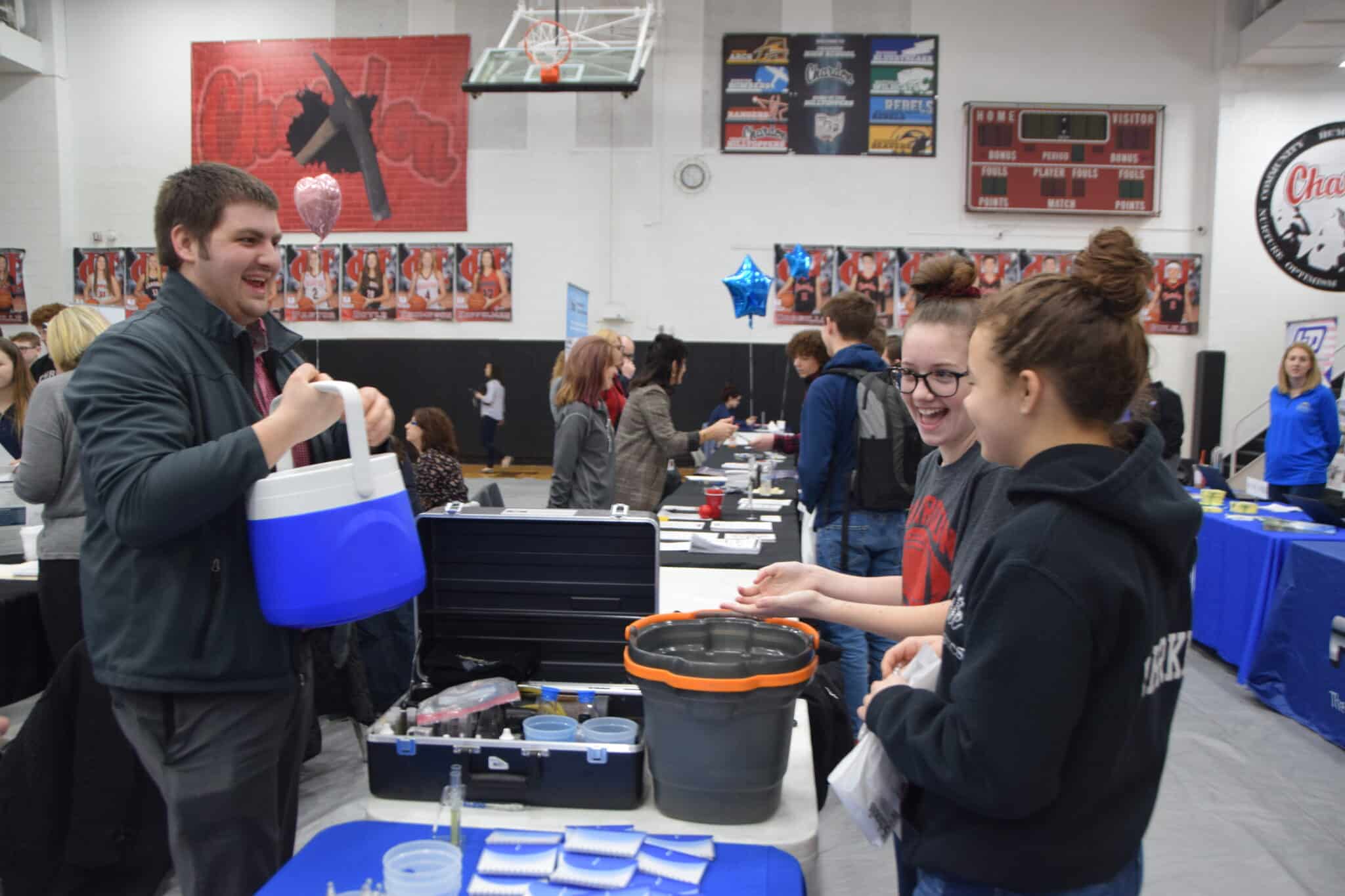
Parents and community members gave elementary and middle school students real-life examples of their day-to-day work, while at the high school, more than 1,200 students made direct contact with their potential future fields as representatives of local employers, colleges and branches of the armed forces crowded into the gymnasium for an all-day career fair.
In Chardon, students seeking to reduce the cost of a college education can enroll in AP classes, take classes at local universities or receive college credit for courses like Herner’s, taught by accredited Chardon teachers.
According to the College Board — a nonprofit organization that administers the SAT test and manages the national Advanced Placement program — the cost of a year of college has more than doubled since 1988.

Those not wanting to go directly to college after high school, however, will find local employers are happy to take on the costs of a college education.
Jeremy Tomsic, a recruiter at Component Repair Technologies in Mentor, said moving into a manufacturing career straight out of high school gives young adults an opportunity to find out what they want in life while taking a career path in a growing industry.
“A place like CRT, for example, we’ll pay for your school if it’s job related — even if it’s not job related,” Tomsic said.
Success in a high-tech field like aircraft repair depends less on a college degree and more on character, he said.
“Really it’s how motivated you are. That’s why we like to get curious, motivated, sharp, critical thinking people,” Tomsic said.
Across the floor, Keegan Nick, a territory manager at Kinetico Water Systems, said the company, which has its headquarters and manufacturing base in Newbury Township, also provides a college tuition reimbursement program.
“We have probably 50 percent of our employees that come right out of high school or a year out of high school,” Nick said. “They end up getting paid to go to college and work full time.”
Like Tomsic, Nick said the company is more concerned with character — they look for employees who can take on some responsibility and work independently.

Students interested in traditional education and enlistment options were also well-provided for last Friday.
Post-secondary options were offered by 11 area colleges and trade schools, and representatives of the U.S. Marine Corps, Army, Navy and Air Force, as well as the Ohio National Guard provided information on enlistment opportunities.
Chardon fire and police departments, and the Geauga County Sheriff’s Office also gave time to students seeking employment in public service.
In an email Monday, Klein said the day was a huge success.
He also set an example for students who may find their purpose in life-long learning.
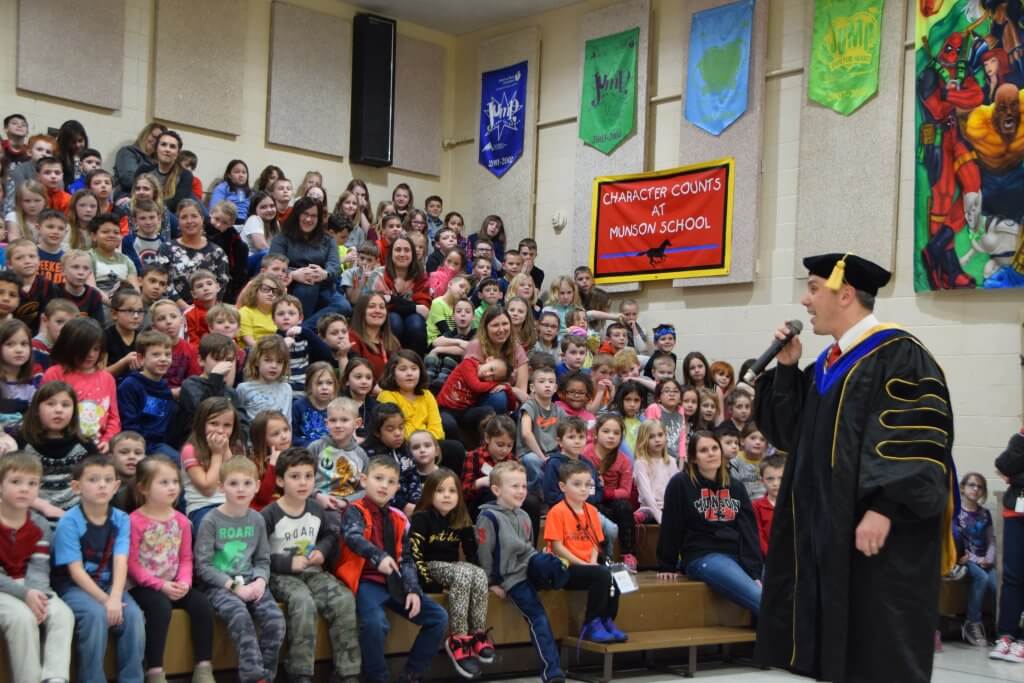
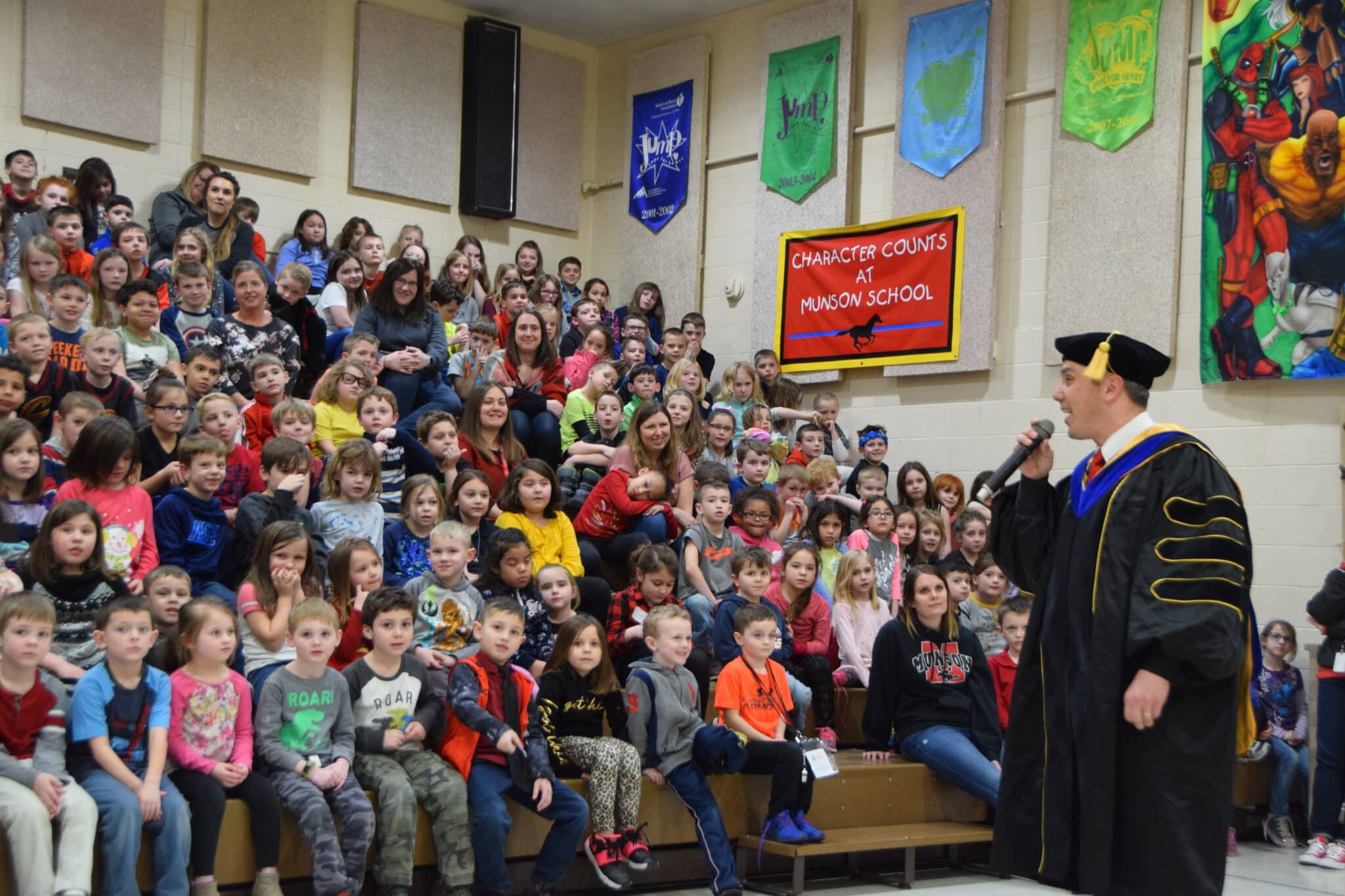
Donning his doctoral gown and hood, Klein told kindergarten-through-third-grade students last Friday afternoon at Munson Elementary School the most important thing they can do for their future is read. After he finished school, Klein said he went on to college and has never since stopped taking courses.
“That’s my purpose,” Klein told the crowd of kids.
To find their purpose, he had two simple suggestions: “Keep reading and keep asking questions.”


