


Any traveler of Geauga County’s back roads is familiar with Fieldstone Farm Therapeutic Riding Center on Snyder Road in Bainbridge Township.
Any traveler of Geauga County’s back roads is familiar with Fieldstone Farm Therapeutic Riding Center on Snyder Road in Bainbridge Township.
The white board fences, manicured grounds and brown-trimmed, cream-colored buildings attached to an indoor riding arena look like a larger version of many horse farms in the Chagrin Falls ZIP code.
What passers-by don’t see are the miracles that have changed thousands of lives at the riding center over the decades.
Since before the center opened its doors in the mid-1990s, clients have learned to overcome their extraordinary challenges there, guided by friendly and knowledgeable staff and volunteers.
Local writer and horsewoman Betty Weibel knew there was a terrific tale to be told about the transformations that occur when people open their hearts and minds to connect with horses.
Familiar with the operation and on a first-name basis with many of the people at the center, Weibel had the idea for a book, but was unsure when she started her literary journey three years ago just how she wanted to frame the content.
“How do you put a fresh look on something you see every day?” she said in a phone interview.
She consciously steered away from writing a chronological history of Fieldstone riding center, seeing that as not very appealing to the general public, and resisted focusing on the many horses that have populated the center and meant so much to so many.
“I did a couple of versions. I didn’t want to write to horse people,” Weibel said.
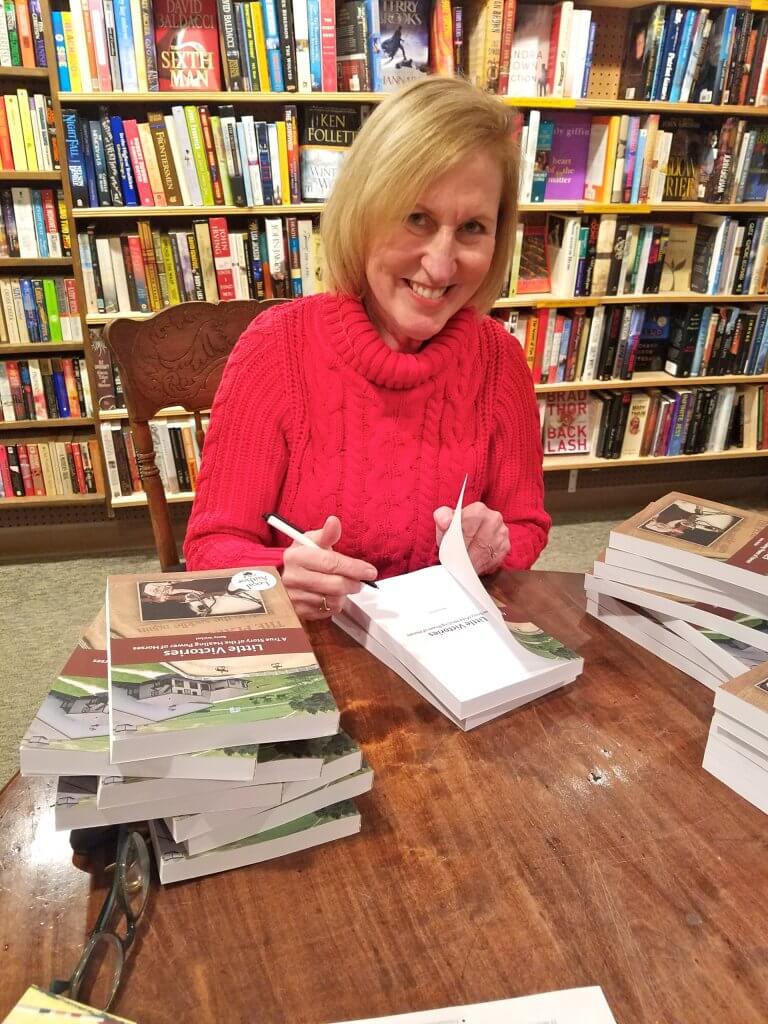
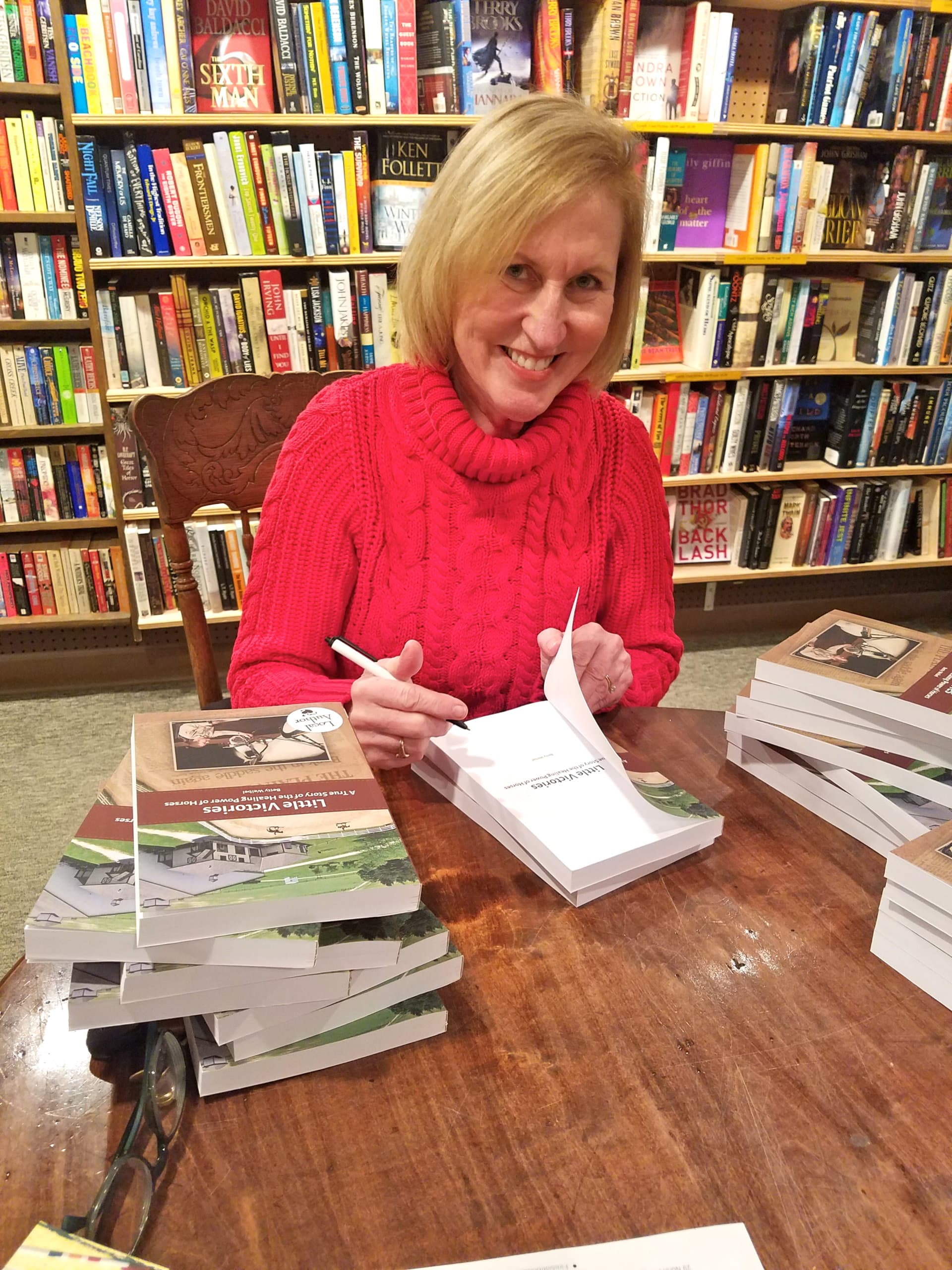
She collaborated with her publisher, Brown Dog Books, and aimed for the young adult audience, recently publishing “Little Victories – A True Story of the Healing Power of Horses.”

“Even the font is planned to appeal to teens,” Weibel said, adding middle-school readers will find it very digestible.
Discovering the right “voice” for her narrative boiled down to a thread that weaves throughout the book that is both easy to read and riveting.
That thread was the encompassing career of one young woman following tragedy.
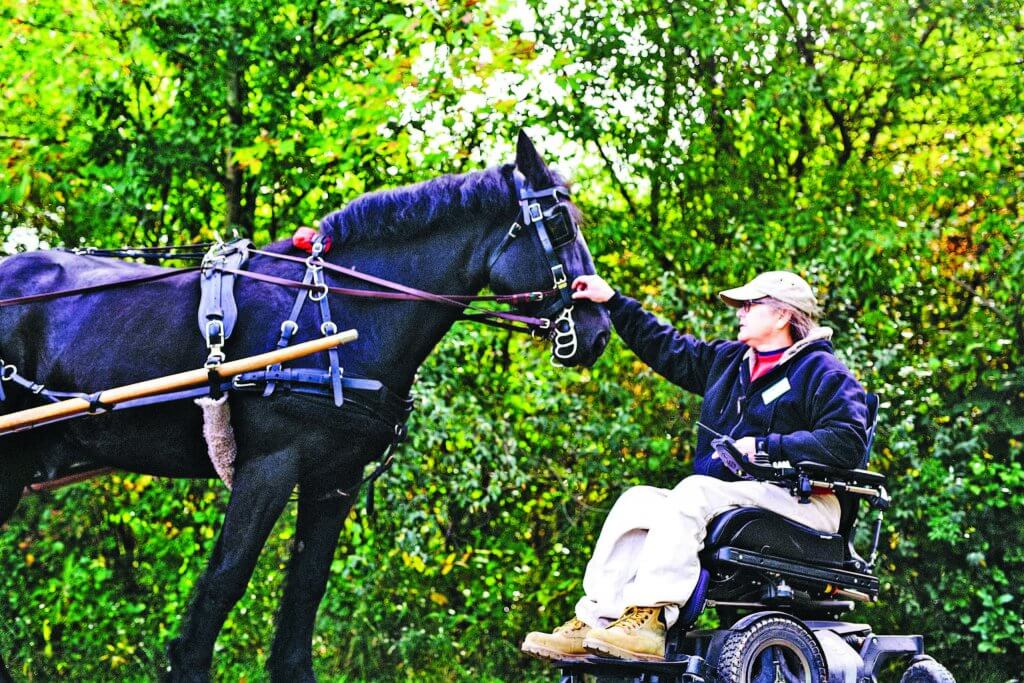
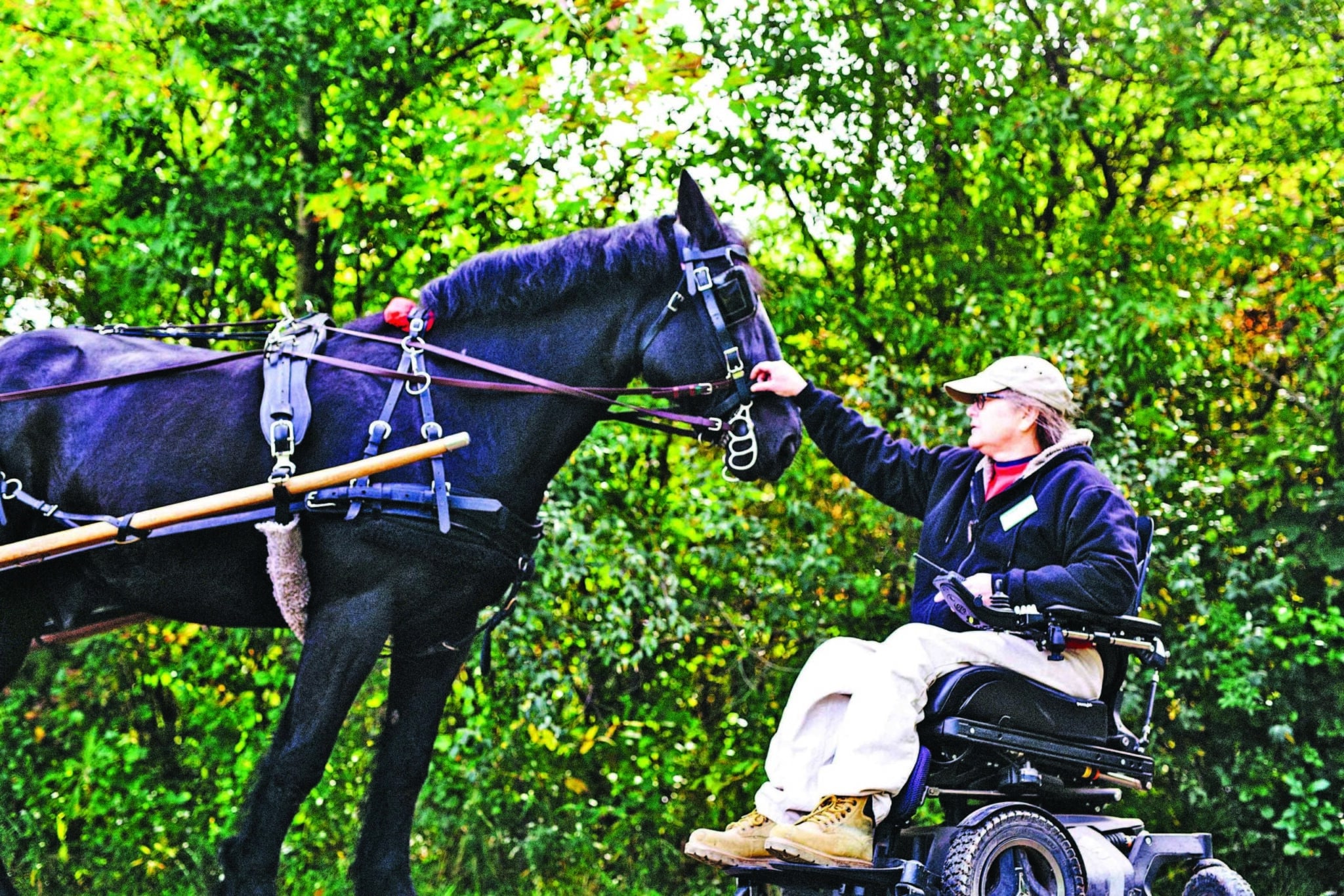
Fieldstone riding center was born following a horrific beginning in 1994, when the roof of an indoor arena collapsed on top of Debbie Gadus, a young woman just starting out on her career with horses.
As a determined paraplegic, Gadus turned her experiences and love of horses to a caring and positive career. “Little Victories” tracks her efforts to learn to ride again, including some awkward moments, and to teach others with handicaps to trust and love horses.
Weibel said she only had half a dozen interviews with Gadus, who was instrumental in founding Fieldstone riding center. The book tracks Gadus from her hospital bed to her years of therapeutic teaching through the creation of the Snyder Road facility.
Before she started writing, Weibel said she was aware the average person is shy of people with handicaps.
Gadus’ story is a perfect platform from which to introduce the reader to the mindset of people who resist being considered handicapped and students at Fieldstone riding center who draw a big X through the first syllable of “Disabled,” she said.
Weibel recounts Gadus’ objection to being considered disabled and her resistance to offers of help.
“Debbie contributed amazing insight into being handicapped,” Weibel said. “I didn’t know her when I first interviewed her.”
But Weibel did her homework, studied the history of the center and talked to many people who knew Gadus before Weibel interviewed her. Despite her outgoing manner with students and horses, Gadus is, by nature and reputation, reserved, the writer said.
On each visit, Weibel was able to delve a little deeper into what made Gadus the indomitable leader who refuses to think of herself as handicapped.
After several visits, Gadus admitted she had kept a journal and allowed Weibel access to it.
Weibel also includes her own memories of one of the founders of therapeutic riding, Gretchen Singleton, whom she knew from her years at Lake Erie College in Painesville.

Singleton hosted a course called “Teaching Riding for the Handicapped” in 1977 and Weibel quotes her reasons for encouraging those with physical disabilities to ride.
Horseback riding has proven to improve balance, mobility, muscle tone, coordination and posture, as well as enhance independence, concentration and self-esteem — words Weibel took out of Singleton’s notes.
“Therapeutic riding is proven to be highly motivational and enriching, as you will see when our students set aside their crutches, wheelchairs and disabilities and settle into the saddle,” Singleton is quoted as telling her students.
Weibel follows Gadus’ successes across Northeast Ohio and names the many people, horses and stables that encouraged and assisted Gadus on her journey.
Gadus still teaches and volunteers at Fieldstone riding center, and lives in Burton, Weibel said.
While the center is a main player in “Little Victories,” Weibel emphasized it represents all the many therapeutic riding centers across the country and the dedicated people and horses that create them.


