


Inadequate Internet Makes Life Difficult During COVID Crisis
Part II of a Three-Part Series: Townships, We Have a Problem
The COVID crisis has brought to light what many consider a major problem: lack of reliable internet connections for those who live in rural communities.
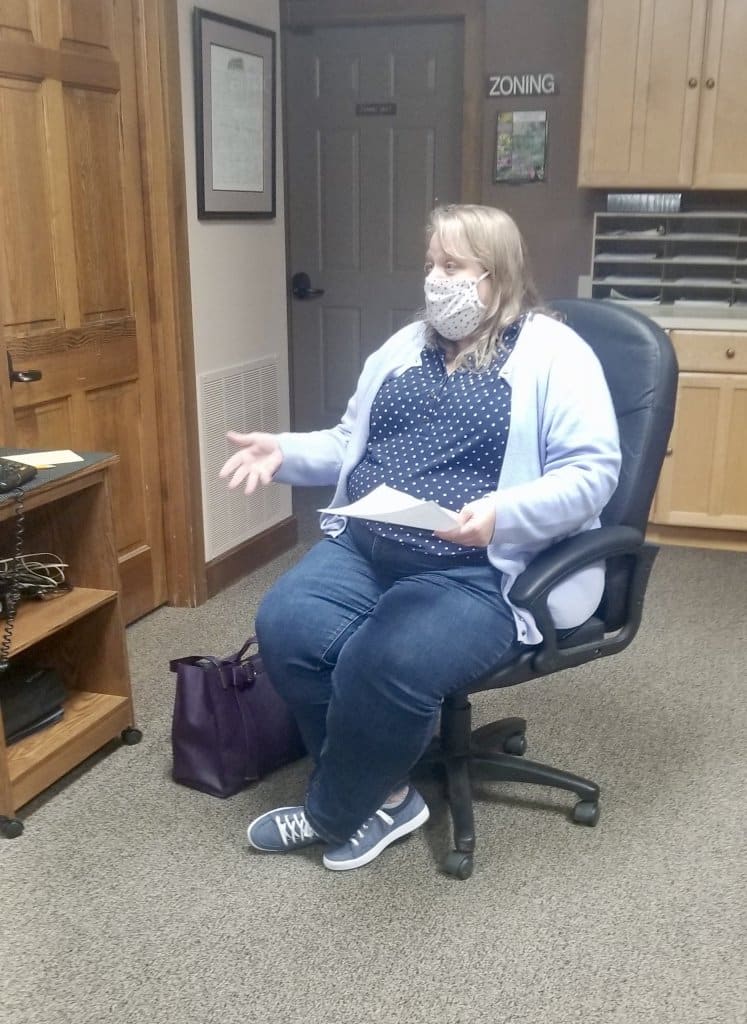
The COVID crisis has brought to light what many consider a major problem: lack of reliable internet connections for those who live in rural communities.
According to a recent study by Broadbandnow, published in the September 2020 edition of the “AARP Bulletin,” 40 million Americans are unable to obtain reliable internet service. Although the states with the largest problems include Oklahoma, Arkansas, Mississippi, Wyoming and Alaska, about 10 to 20 percent of Ohioans are currently under-served for high speed internet.
The problem is acute in the more rural sections of Geauga County, where large lot zoning, while allowing for privacy, causes most major internet providers such as Spectrum to deny bringing in cable lines due to lack of density and therefore lack of profitability.
In some townships, residents have access to smaller carriers, such as Windstream or Suddenlink, using antiquated lines and equipment which frequently breaks down, disrupting service, or provides service that is inadequate to homes with multiple users.
With parents working from home due to the coronavirus pandemic and children doing online learning, many complain of insufficient bandwidth.
Lack of access to reliable internet has been an ongoing issue in many townships, including Troy, Newbury and Auburn.
Newbury Township Trustee Greg Tropf has been working for months on the problems residents, particularly in the southern part of the township, are having with their Suddenlink service. He said at the Sept. 16 trustees meeting he has been working with frustrated residents to write a letter to Suddenlink officials.
“This is a big issue,” Trustee Glen Quigley said. “Because of COVID, people are working from home and doing distance learning. It’s not a good thing when they can’t get internet.”
Tropf did not return phone calls seeking further comment.

Auburn Township Trustee John Eberly said recently the township receives constant complaints from residents about unreliable internet service, making it next to impossible to work from home or attend online meetings and classes.
Eberly said Auburn Township Trustees recently posted an online survey on internet problems and received more than 100 responses almost immediately. During the two weeks the survey was conducted, more than 800 responded, said Township Fiscal Officer Fred May. Most complained about intermittent service, not enough band width and long waits for repairs.
Trustees have tried in vain to convince larger suppliers, such as Spectrum, to serve more of the township, but Spectrum officials told them they are not interested because of lack of density, leaving most Auburn residents with their choice of Suddenlink or Windstream for cable and internet service. Spectrum provides internet and cable to about 350 homes and surrounding businesses in and around the Auburn Lakes condo development.
Auburn resident Cindy Tomasek told trustees at their Sept. 21 meeting she and her husband, who live in a development and both work at home, found one workable solution to get enough internet band width: they subscribe to both companies.
“We have two internet providers in our house,” Tomasek said. “And even with both, we can only get six megabytes. It’s very frustrating.”
“That’s the number one complaint we get from our residents,” Trustee P.J. Cavanagh told her.
“I have Suddenlink and my internet is out for the second day and my neighbor is out, as well,” said Pam Sandoval, who lives in a development in Auburn Township. “I had to use my phone hotspot just to do my job.”
Sandoval is just one of dozens of Auburn residents who have called the township trustees recently to complain about inadequate cable and internet service.
Shelly Lewis, who moved with her family from Northern Virginia to Auburn Township 18 years ago, lives on a single street development with 15 homes, each on a 2-acre lot, about 0.3 miles from a main road.
“We initially used Suddenlink cable television and had dial-up internet,” Lewis told the Maple Leaf in a recent email. “I don’t remember when we signed on with Suddenlink for internet, but at the time, they were the only option.”
Slow speeds and insufficient bandwidth made it impossible for Lewis and her family to stream television shows and download something from the internet at the same time, she said.

“My son never wanted to have sleep-overs here because their video games would always freeze at critical times. They didn’t have that problem at his friends’ homes in Bainbridge,” Lewis said. “A few years ago, Suddenlink upgraded their speed significantly and we happily signed on. When it’s working, it handily meets all of our needs. The problem is the frequency and duration of service outages. It’s constant. Yesterday, our service went in and out all day long. We were forced to upgrade our cellular (phone) service to an unlimited data plan so that we could run hotspots during our constant outages.”
Lewis’ husband works from home and she has a full-time volunteer position that requires her to use the internet and attend ZOOM meetings frequently.
“We are both frequently dropped from virtual meetings and have hours at a time when we cannot work,” Lewis said. “I missed two important deadlines last week because of service outages. People wonder why I do so much of my work after midnight. It’s when I have internet service. I plan my work according to the weather because nearly every rain storm results in a service outage.
“There is one (Suddenlink) service technician for the entire Ohio territory and he comes from West Virginia,” she continued, adding waits for service can take weeks and the company has denied her requests for re-imbursement or credits for the lost connection time.
“The frustrating part is that there has been no one to turn to for help,” Lewis said. “For years, we’ve been calling our township trustees and they’ve told us there is nothing they can do.”
Linda DeMarco, also an Auburn resident and Suddenlink customer, is in a unique position to understand the frustration people have with their inadequate internet service. She and her husband work out of their homes for their own companies, LDR Americas and Future Plans Rural America, which help find internet service for under-served rural areas throughout Ohio and Appalachia.
“In 2020, this should be like turning on electricity,” DeMarco said during a recent phone interview. “The internet is a necessity that everyone in America needs.”
DeMarco and her husband, during one of their recent internet outages, were forced to pack up all of their computer equipment and drive to her mother’s house in Lyndhurst in order to conduct, ironically, a scheduled webinar on the problems rural America faces with the lack of reliable internet.
“It has to change. This is unconscionable. This is crazy,” she said.

John Cossick, also of Auburn, said in a recent email Suddenlink, which he and his family have been using for internet since 2015, provides service he describes as “sporadic at best.”
“We will go through several days of it working like it should, then for seemingly no reason, we have no internet,” Cossick wrote. “It is not atypical to have an internet outage five or six times a month. My wife and I still go to work, so the five or six times are times that occur when we are home to catch it (and) I don’t have a way of knowing how much it goes down when I’m not home. I have the option of working from home a couple of days a week, but I’m not willing to try because I can’t trust my internet service.”
Like the others, Cossick is frustrated with the quality of service from Suddenlink when he has a problem.
“It’s very difficult to contact a customer service rep at Suddenlink,” Cossick wrote. “If you persist and want to invest 30 minutes plus on hold, you can do it, but their customer service is poor (and) they don’t discount for time lost.
“As irony would have it, their billing process is super easy. As long as the internet is up, I can pay my bill online,” Cossick concluded.
Next week: Finding answers: How can everyone have access to fast, reliable internet?


