


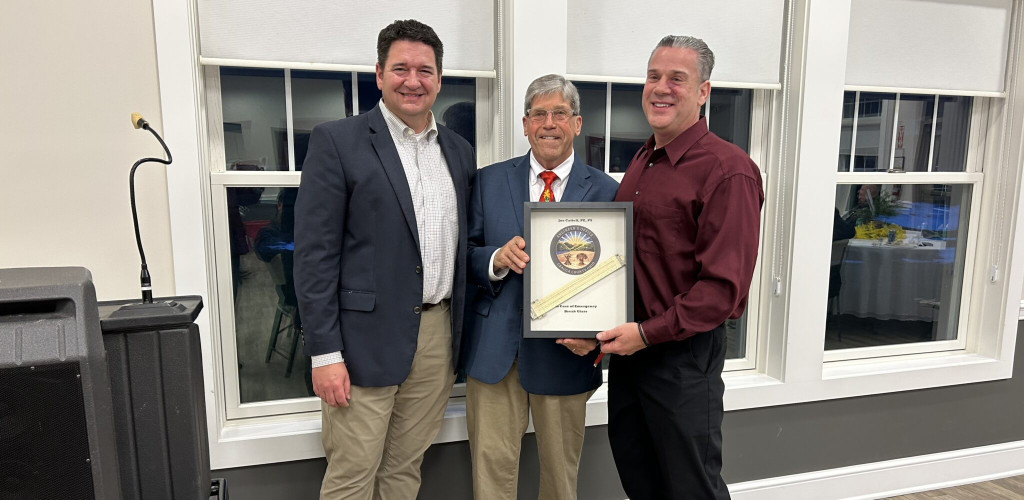
After 30 years of plowing, repairing and designing Geauga County’s roads and bridges, anyone might think Joe Cattell would have seen enough asphalt to last a lifetime.
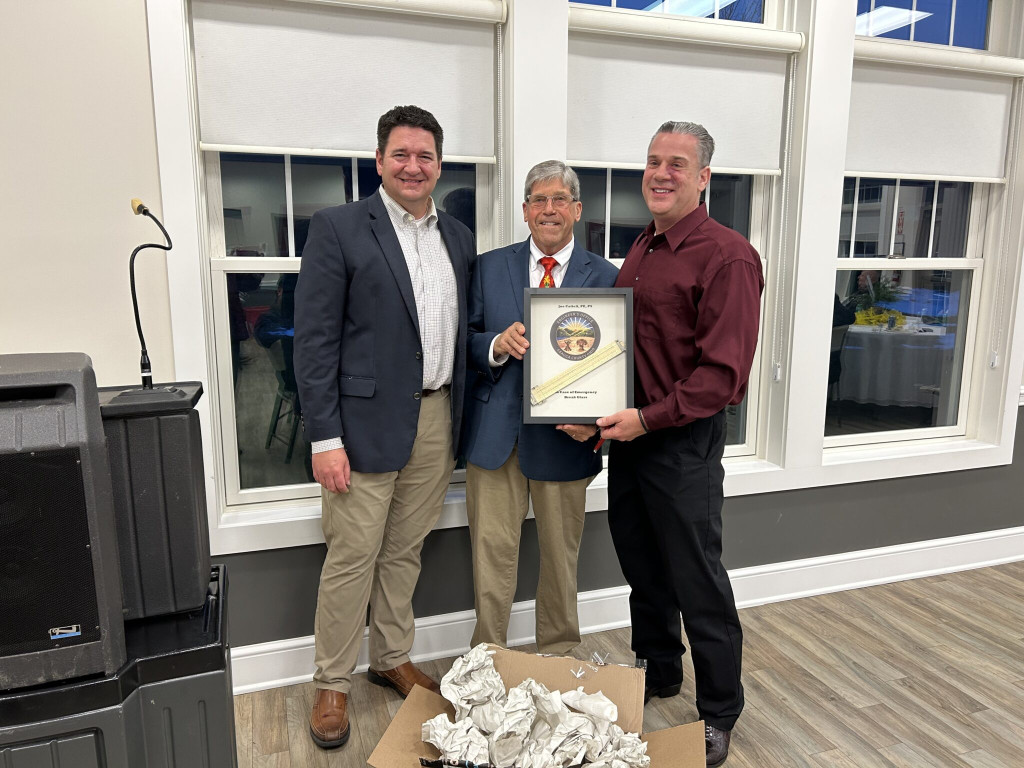
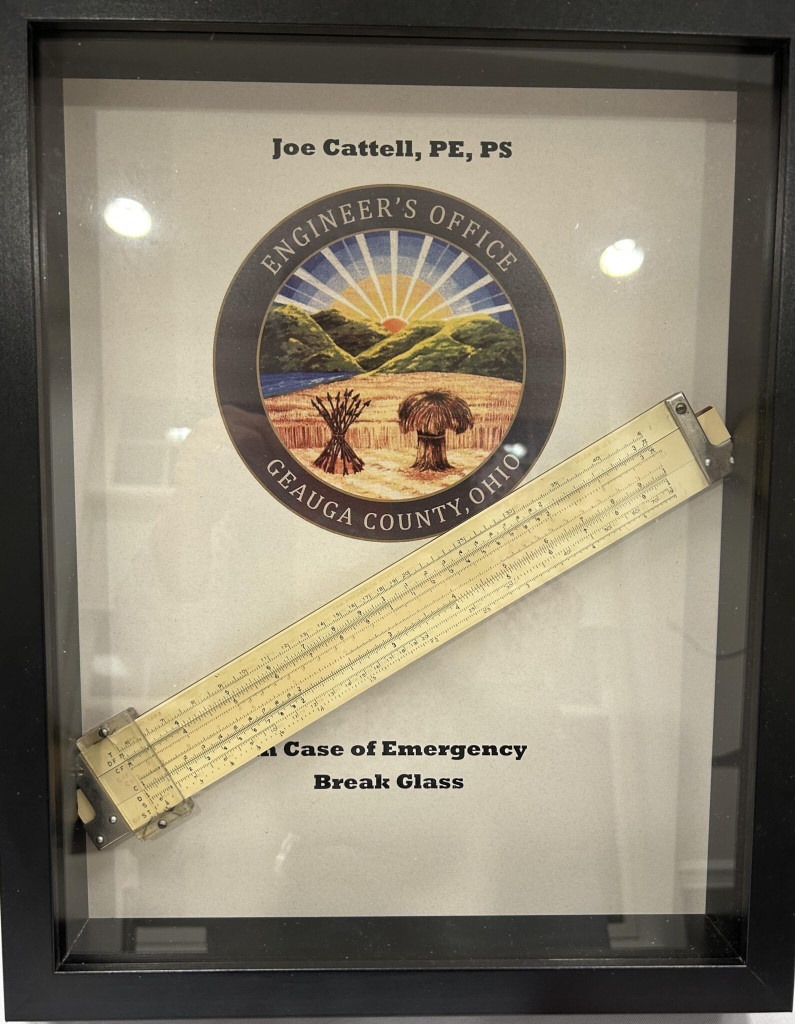
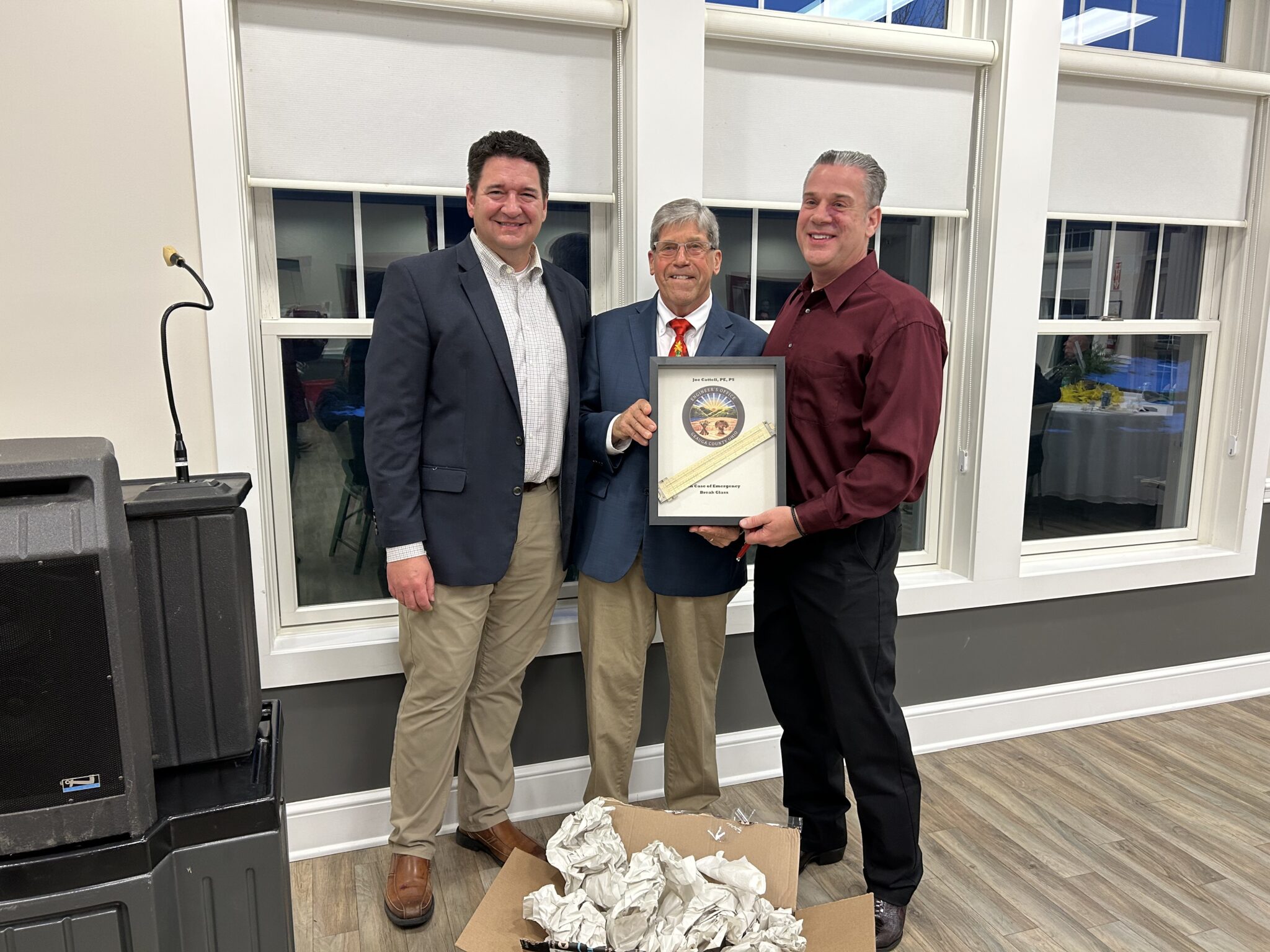
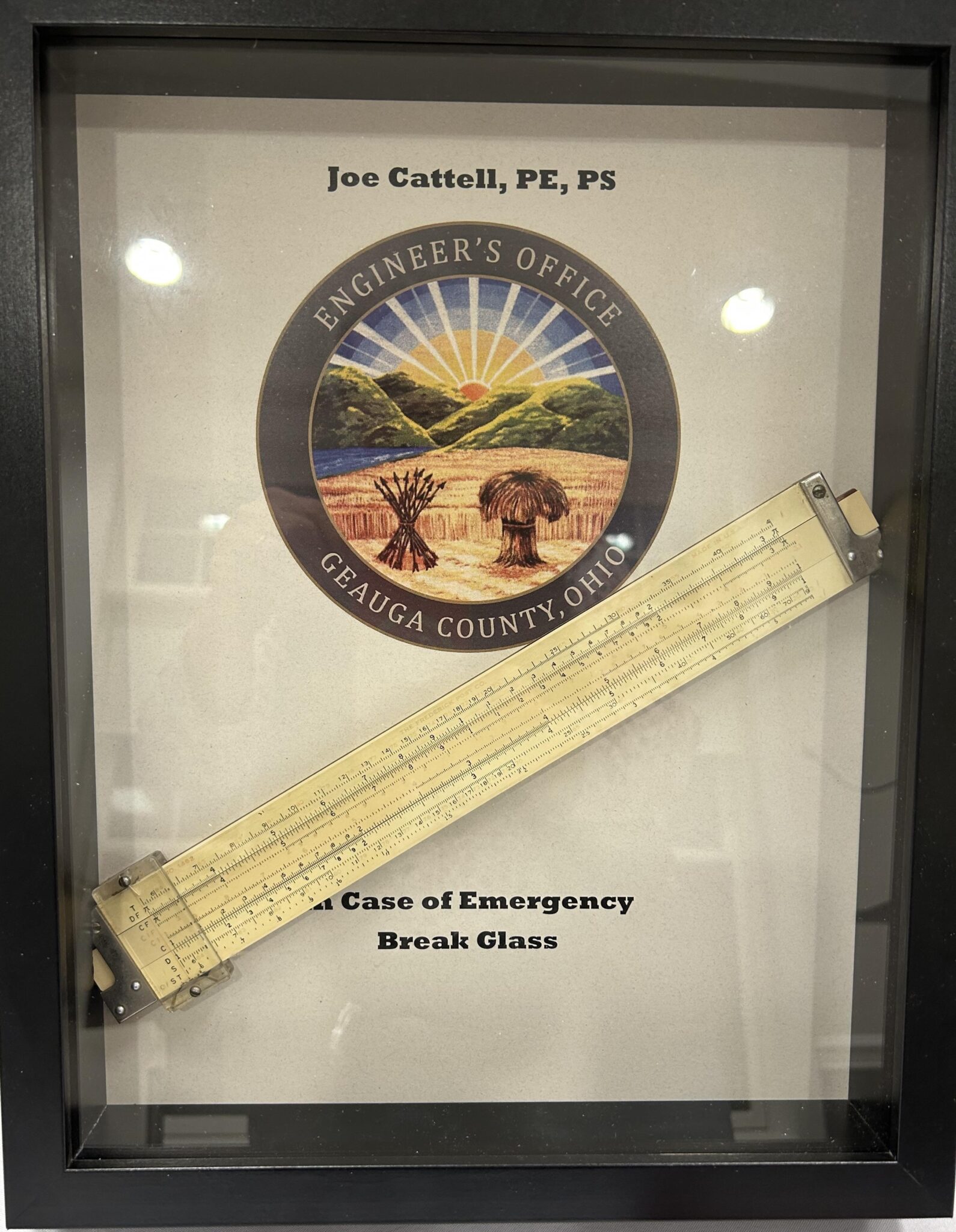
After 30 years of plowing, repairing and designing Geauga County’s roads and bridges, anyone might think Joe Cattell would have seen enough asphalt to last a lifetime.
But, soon after his retirement as county engineer Jan. 6, Cattell, 55, plans to hit the road — all the way to Utah, he said during an exit interview Dec. 23.
First on his retirement agenda is taking a year to re-evaluate his future and travel, via his RV, and hike and motorcycle through the Southwest.
“I’ve always loved the mountains in Utah — when it’s warm,” Cattell said. “I’ll start in Arizona.”
Spending more time with his grandchildren, ages 3 and 2, is also at the top of his list.
Other entities have reached out to him, but he’s in no rush to get back to work, he said.
In his wake, he’s leaving 480 lane-miles of county roads and 186 bridges all over Geauga in good condition, to be nurtured by Andy Haupt, who ran unopposed for county engineer in November.
During his 12 years as county engineer, Cattell not only worked with staff to eliminate all potholes on county roads, reconstruct 24 bridges and improve safety across the county road map, he moved the engineer’s office to Merritt Road, building new offices next to the county garage and putting up an enormous salt storage structure.
“In the last 12 years, we’ve replaced 24 bridges,” Cattell said, adding the official definition of a bridge is anything stretching over a 10-foot span or more.
“We replaced five in 2024,” he said.
Projects that require research and planning, such as bridge building, have always appealed most to him.
“That’s what I’ve always liked — cradle to grave,” he said.
A major project starts with reading accident reports to evaluate the need for a stop sign, traffic lights, lane widening or redesign of the road or bridge. Traffic studies are essential to the decision, he said.

“We can’t just randomly put up signs,” Cattell said, adding dealing with the public can be a challenge and he likes it when a solution makes everyone happy.
Once the need is justified and defined and a cost is estimated, specifications for the large road or bridge project are drawn up and the bidding process scheduled, Cattell said.
A pre-construction meeting with the contractor and one of Cattell’s engineers irons out details and, once the weather cooperates, detour signs go up and work begins.
While drivers may gripe about the detours and single-lane delays, Geauga’s weather is to blame.
“In Northeast Ohio, our construction season is so short, we are working everywhere when the weather is good enough,” he said.
Sleet and snow keep his road workers busy this time of year.
Cattell said he remembers the winter of 1996 when parts of the county got five feet of snow in 24 hours.
The National Guard was called in to help load the mountains of snow in trucks and haul it away, he recalled.
Keeping the roads plowed and salted is a big part of the job for a few months of the year, but, come spring, the plows are put away and the potholes are addressed.
Smaller highway projects — maintenance, ditching and tree removal — are handled by his employees and equipment, Cattell said, adding contractors bid on the larger jobs such as bridges, road reconstruction and paving.
“Historically, we have had good relations with contractors. There’s no finger-pointing between us,” he said. “They want to work here. We get a better price margin than the state and other counties.”
Each contracted job is assigned to one of the engineers in the office. That engineer follows the project from start to finish and can answer the contractor’s questions on the job without delays, said Haupt, who sat in on the interview on Jan. 23.
That is a benefit for the contractor when time is money, he said.
Cattell doesn’t use consultants for projects, depending on his staff to cover all the bases and make decisions as needed, Haupt said.
Dollars make a difference on the engineer’s side, as well. Because Geauga’s gasoline tax and license fees come directly to his office, he has independent control of the office’s annual $15 million budget, Cattell said.
“I like the autonomy. We see a problem and can get moving on it,” he said.
Working with the state or federal governments to get a job funded, started and finished takes more steps and can take longer, Cattell said.
Some state and federal grants help, such as the $2.2 million federal grant received last year from Congressman Dave Joyce, he said.
“The financial part of the job interested me,” Cattell said.
There are many facets to managing the money, he said, adding keping track of equipment, engineering, human resources, scheduling work and managing 43 employees all requires experience and thought.
Besides providing services to the townships, Cattell, who interfaces with many county departments, said he has found collaboration with them has been positive.
He and his staff depend on the Geauga County Prosecutor’s Office for a lot of legal advice, he said.
“Every department has really supported us,” Cattell said. “Everybody needs the roads.”
Haupt has known Cattell since joining the department in 1996 and credited Cattell as a good friend and mentor from the start.
“Joe was already designing stuff — he showed me all kinds of things. Those were good days,” Haupt said.
The incoming county engineer said he left the county office and went to work with the Ohio Department of Transportation for a few years.
When he came back, the culture shift to “working outside the box” was stronger than ever and Haupt said he appreciated the “project from cradle to grave” environment.
“I learned a ton from Joe,” Haupt said. “He was always ready to share.”


