


Three Candidates Compete for Two Seats on Cardinal BOE
Three candidates are running for two full-term seats on the Cardinal Schools Board of Education. They are incumbent Kristen Klepper, Edna Phile and incumbent Linda Smallwood. Below are their responses to our candidate questionnaire. Phile did not provide contact information.
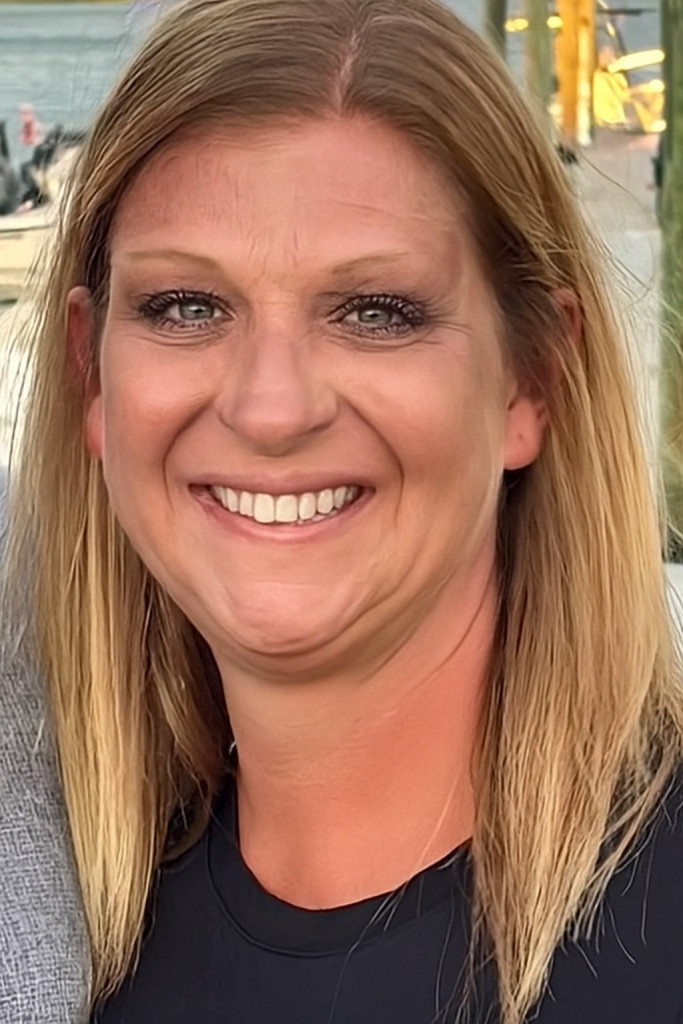

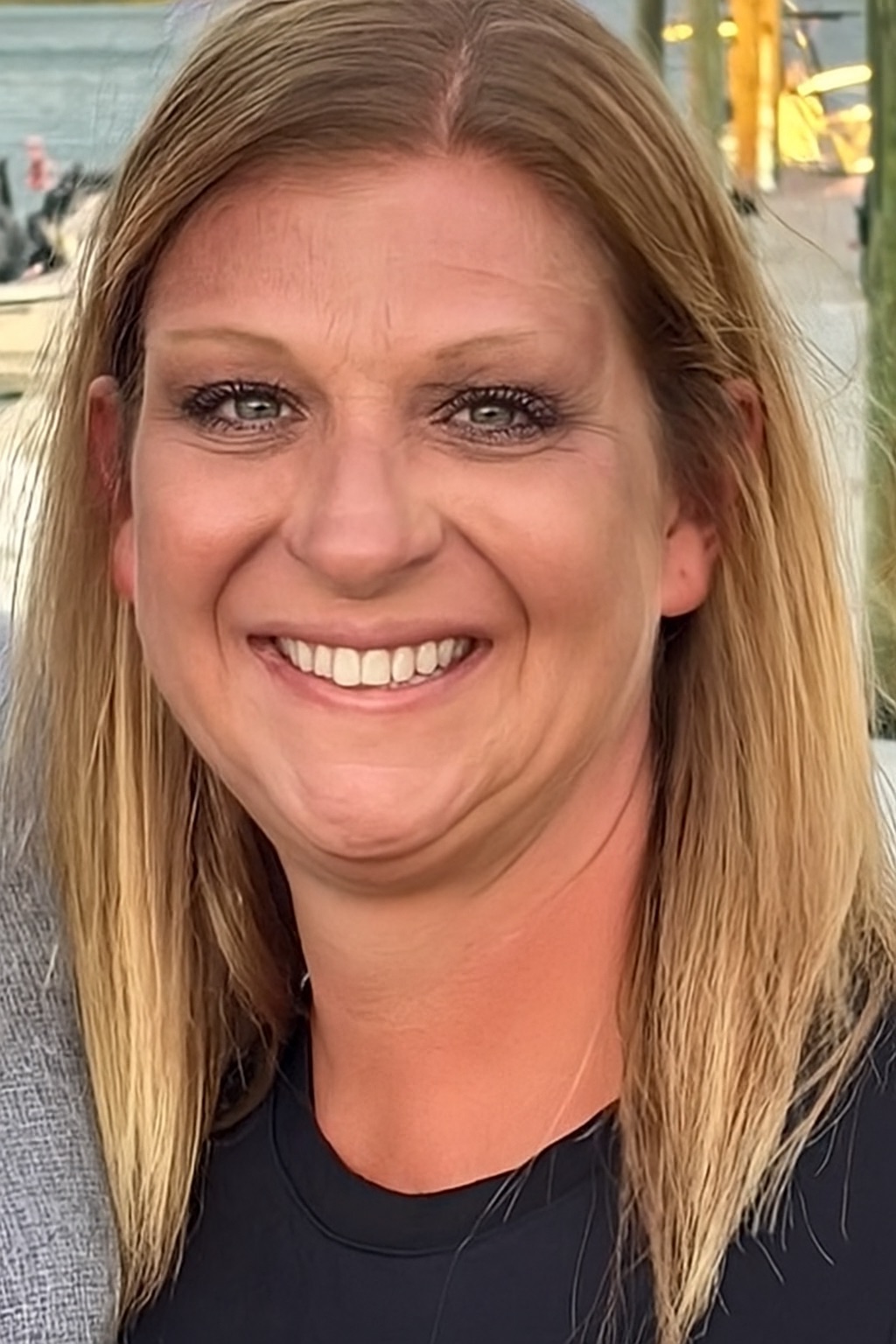
Three candidates are running for two full-term seats on the Cardinal Schools Board of Education. They are incumbent Kristen Klepper, Edna Phile and incumbent Linda Smallwood. Below are their responses to our candidate questionnaire. Phile did not provide contact information.
Kristen Klepper
Age: 44
Current Occupation/Employer: Vice president, Asphalt Recycling OEM & Contractor
Education: Candidate left blank
Linda Smallwood
Age: Candidate left blank
Current Occupation/Employer: Candidate left blank
Education: Some college
- How important is it for the board to consider the financial burden on taxpayers when
making budget decisions?
Klepper: Very important
Smallwood: Very important
- How important is it for a board of education to be publicly unified in their decisions?
Klepper: Very Important
Smallwood: Important
- How effective is the district’s budget in addressing educational needs?
Klepper: Effective
Smallwood: Very Effective
- How effective is the budget in addressing taxpayer needs?
Klepper: Effective
Smallwood: Very Effective
- Do you believe board members have a role in the day-to-day operation of the district?
Klepper: No
Smallwood: No
- Do you believe board members have a role in the day-to-day operation of the district?
Klepper: Day-to-day decisions, staffing, and programs are the responsibility of the superintendent and district administrators. Board members provide oversight and ensure accountability by asking questions and reviewing data, but should refrain from directing staff or becoming involved in operational details. Their role is to focus on governance and big-picture goals. This separation allows the district to function smoothly while maintaining clear lines of authority and accountability between the board and administration.
Smallwood: The board of education hires the superintendent and the treasurer. They are responsible for the day-to-day operations. The board works very closely with them and is kept abreast of any situations that arise. The public is welcome to contact board members if their concerns are not satisfied after following the proper channels. This causes less chaos than 5 board members interjecting their opinions into day-to-day operations.
- Do you believe an individual board member’s opinion on an issue supersedes their obligation to support a board decision?
Klepper: No
Smallwood: Yes
- Do you believe an individual board member’s opinion on an issue supersedes their obligation to support a board decision?
Klepper: Once the board has debated and voted, each member is obligated to uphold and support the board’s collective decision, even if they personally disagreed. Individual opinions are important during discussion and deliberation, but they do not override the board’s official actions. Speaking with one voice maintains the board’s credibility, prevents confusion for staff and the community, and supports effective governance. Board members may still explain their views respectfully, but should avoid undermining the board’s decision or acting independently outside the board’s established process.
Smallwood: A board member should always vote their conscience.
- Do you believe students should be permitted to request to be addressed by alternative names or pronouns in a classroom setting without parent approval?
Klepper: No
Smallwood: No
- Do you believe students should be permitted to request to be addressed by alternative names or pronouns in a classroom setting without parent approval?
Klepper: I believe parents have the primary right and responsibility to be involved in important decisions about their children. While students should always feel supported at school, I do not believe staff should use alternative names or pronouns without parental knowledge or approval. Schools should partner with families and maintain open communication so parents are aware of and engaged in matters that significantly affect their child’s identity and well-being.
Smallwood: Parental rights are very important. I do not believe students should be permitted to be addressed by alternate names or pronouns in a classroom without parental approval.
- Do you believe comprehensive sex education classes should be taught in your district?
Klepper: Decline to answer
Smallwood: Decline to answer
- Do you believe comprehensive sex education classes should be taught in your district?
Klepper: I don’t hold a firm stance on this topic. I recognize that comprehensive sex education can provide students with important, age-appropriate information about health, safety, and responsible decision-making. At the same time, I respect that many parents feel strongly about guiding these conversations themselves in a way that aligns with their family’s values and beliefs. Ideally, the district should aim for a balanced approach—offering fact-based, medically accurate information while also ensuring parents have a clear understanding of the curriculum and the option to opt their children out if they choose.
Smallwood: At Cardinal, we strive to keep our young students away from sexual exposure. We teach sex education in the upper grades as mandated by state law.
- Do you believe your district’s current facilities adequately meet the needs of the student body?
Klepper: Yes
Smallwood: Yes
- Do you believe your district’s current facilities adequately meet the needs of the student body?
Klepper: As a member of the facilities committee, I’ve spent considerable time evaluating our district’s buildings and identifying areas for improvement. We’ve completed several important projects, and I believe our facilities generally meet the needs of our students. At the same time, it’s essential that we maintain what we already own and plan proactively for future needs. Ongoing maintenance, thoughtful upgrades, and responsible budgeting ensure our buildings remain safe, functional, and supportive of student learning now and in the years to come.
Smallwood: A goal of the board in recent years has been to repair and update the facilities, making them more than adequate to meet the needs of the student body.
- What motivated you to run for your local school board?
Klepper: I’m running for reelection because I care deeply about the future of our community — and I believe that future begins in our classrooms. As a parent of four children who have grown up in this district, I’ve seen both the strengths and the challenges in our schools firsthand. I’m running to serve, to listen, and to ensure parents have a strong voice. I believe in high standards, fiscal responsibility, and supporting the people who make our schools work. This is my home, and I want to give back by helping our schools remain places of learning, growth, and opportunity for every student.
Smallwood: A strong desire to set Cardinal on a very secure financial footing and bring in curriculum to ensure our students success in the future whether it be college, trade, tech or military.
- Does your district align with your vision of education for the community? If yes, in what ways? If no, what changes should be made?
Klepper: I believe our district reflects my vision of providing a safe, supportive, and high-quality education for all students. We have strong programs, dedicated staff, and a clear focus on student achievement. While I’m proud of our career-based interventions, there is always room for improvement as we strive for excellence. I see opportunities to build on our foundation by expanding pathways and partnerships that prepare students for the workforce. I will continue collaborating with the superintendent, parents, and community members to ensure our district evolves to meet the needs of students and the community.
Smallwood: Yes, we are preparing our students to be productive citizens of the community.
- What are the major challenges facing your district, and how can the board address them?
Klepper: Like most school districts, our biggest challenge is declining enrollment, which affects funding and programs. The board can address this by enhancing academics, career-based pathways, and extracurricular offerings, while engaging families and the community to understand their needs. Maintaining high-quality facilities and programs, combined with clear communication and collaboration, will help attract and retain students and ensure the district remains strong and vibrant.
Smallwood: Financial burdens mandated by the state and uncertainty of future state funding. The board will keep a watchful eye on state actions.
- What do you feel are the board’s primary roles and responsibilities? Do you feel your local school board has, until now, fulfilled those roles? If yes, how? If no, where have they fallen short?
Klepper: The board’s primary roles are setting policy, approving budgets, hiring and evaluating the superintendent & treasurer, and providing oversight. Our board has generally fulfilled these responsibilities through careful decision-making, facility projects, and program oversight. Ongoing community engagement and transparent communication are areas to continue improving to ensure all stakeholders feel informed and involved.
Smallwood: Financial and curriculum oversight are the board’s primary roles and responsibilities which the current Cardinal board has fulfilled. All expenses have been evaluated and any waste eliminated. We have right-sized our district which reduced expenses. We have identified previously overlooked streams of revenue. With the added savings, we have purchased new curriculum for all grades.
- What metrics should a local board of education use to determine whether its goals are being met and its policies successfully carried out?
Klepper: Academic performance indicators, such as test scores, graduation rates, and college or career readiness, show student outcomes. Enrollment trends, attendance, and retention provide insight into community engagement. Financial metrics track responsible budgeting and resource allocation. Surveys of students, parents, and staff can measure satisfaction, school climate, and policy effectiveness. Regularly reviewing these metrics helps the board assess whether goals are being met, identify areas for improvement, and ensure policies are successfully implemented while keeping the district aligned with community expectations.
Smallwood: Improved test scores and real world opportunities for graduates.
- What are the expectations for public behavior for members of the board of education?
Klepper: Board members are expected to act with integrity, professionalism, and respect. They should make decisions in the best interest of students, support board actions once decided, maintain confidentiality when needed, and engage the community transparently. This upholds public trust and ensures effective, collaborative governance.
Smallwood: Board members must follow the board policies which spell out expectations.
- After reviewing the current and/or proposed budget for your school district, where would you look to make budget cuts if elected? What areas would you not consider cutting?
Klepper: If reelected, I would approach budget decisions carefully, prioritizing efficiency and student impact. I would review administrative costs, non-essential programs, and operational inefficiencies for potential savings. I would avoid cutting core academic programs, student support services, and career-based or extracurricular opportunities, as these directly impact learning and student development. Maintaining investments in high-quality staff, facilities, and technology is critical. Any adjustments should be made thoughtfully, with input from staff, parents, and the community, to ensure the district continues to provide a safe, effective, and well-rounded education for all students.
Smallwood: I would not consider cutting STEM classes which help students in the future nor History classes because I feel students need a good grounding of the past. I feel we have already done extensive budget cutting and am happy with the results. Cardinal suffers from inflation as do our residents, however we have not asked for new money since 2017 and have no plans to ask for more in the near future. We have been good stewards of the money our residents have so generously voted to provide us.
- Do you believe school districts have a responsibility to provide a mental health/social emotional learning curriculum? Why or why not?
Klepper: While SEL has become politicized, we can’t ignore the real mental health struggles our students face. They live in a world far more complex than the one many of us grew up in. I’ve had to comfort my own children as they grieved classmates lost to suicide—an experience no parent should face. These tragedies are painful reminders that many students are suffering silently and need support. Though finding balance can be hard, we must keep having compassionate conversations about how to support every student’s well-being.
Smallwood: There is a danger that it can become agenda driven, however, we follow the state law in providing mental health services.


