Kenston Voters to Choose 3 of 6 for School Board
Six candidates are vying for three seats on the Kenston Schools Board of Education Nov. 4. They are incumbent Dennis Bergansky, Mabel Kopp, incumbent Beth Krause, Girtha Smith, Benjamin Timmons and incumbent Jennifer Troutman. Below are their responses to our election questionnaire. Kopp, Krause, Smith and Timmons did not respond.
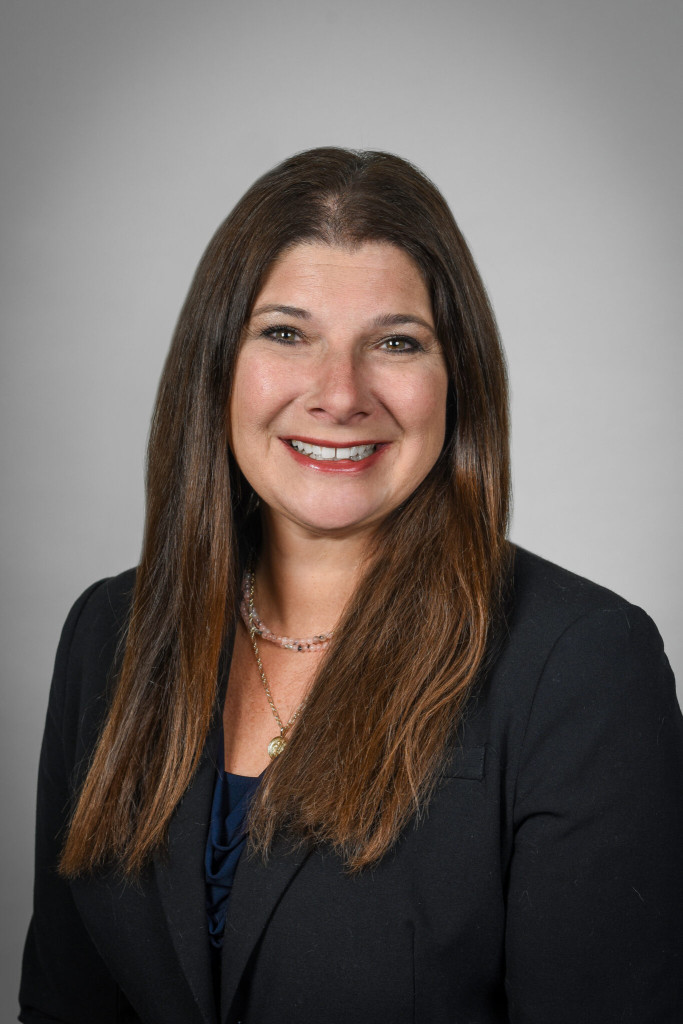

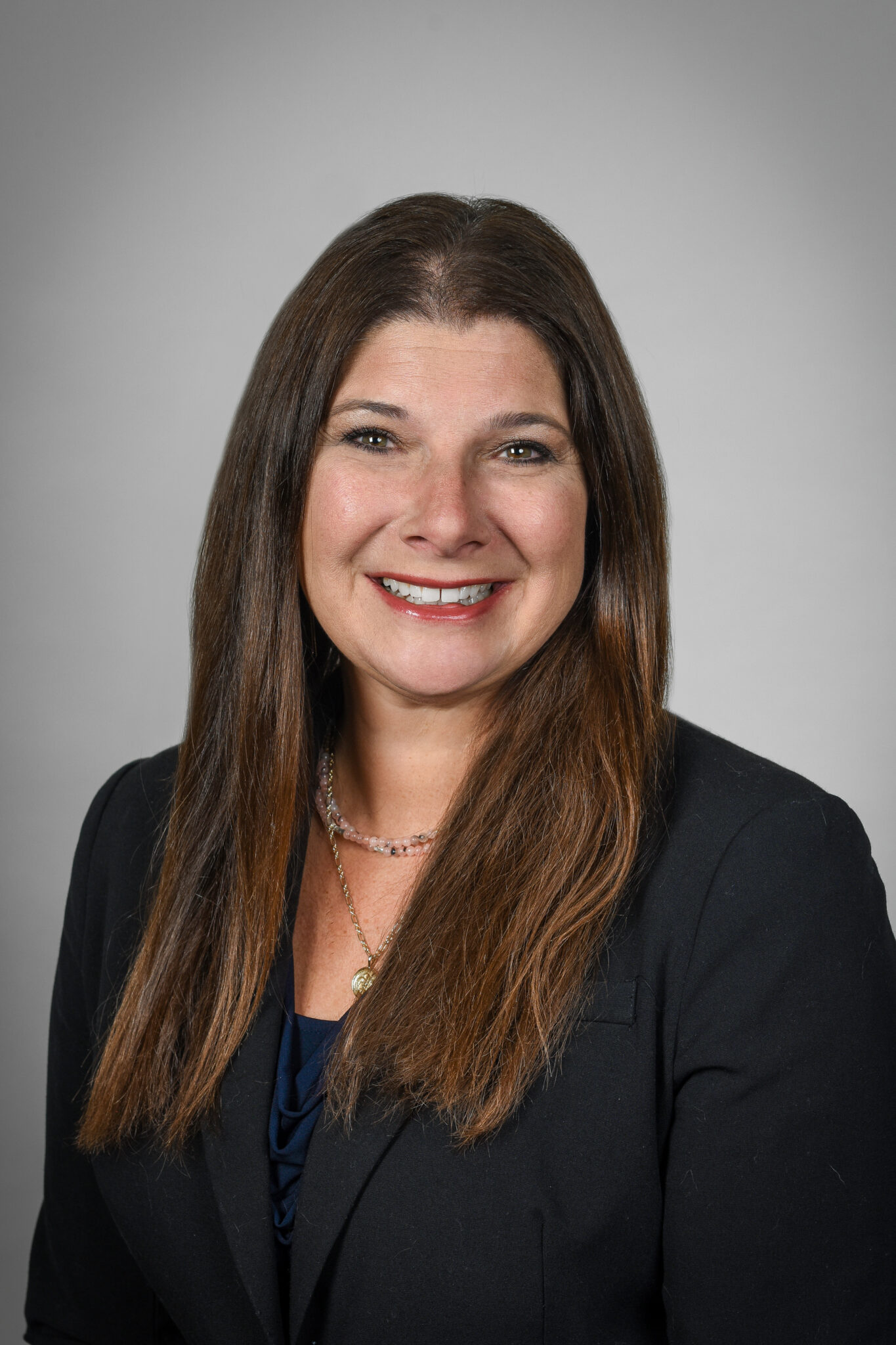
Six candidates are vying for three seats on the Kenston Schools Board of Education Nov. 4. They are incumbent Dennis Bergansky, Mabel Kopp, incumbent Beth Krause, Girtha Smith, Benjamin Timmons and incumbent Jennifer Troutman. Below are their responses to our election questionnaire. Kopp, Krause, Smith and Timmons did not respond.
Dennis Bergansky
Age: 58
Current Occupation/Employer: Retired police officer/Realtor
Education: Two year of college and Ohio Basic Peace Officer Training Academy
Jennifer Marie Troutman
Age: 53
Current Occupation/Employer: Attorney, U.S. Department of Homeland Security
Education: Ohio Northern University, Petite College of Law; Bowling Green State University, Bachelor of Science; Warren John F. Kennedy High School
- How important is it for the board to consider the financial burden on taxpayers when making budget decisions?
Bergansky: Very important
Troutman: Very Important
- How important is it for a board of education to be publicly unified in their decisions?
Bergansky: Important
Troutman: Important
- How effective is the district’s budget in addressing educational needs?
Bergansky: Effective
Troutman: Effective
- How effective is the budget in addressing taxpayer needs?
Bergansky: Effective
Troutman: Effective
- Do you believe board members have a role in the day-to-day operation of the district?
Bergansky: No
Troutman: Yes
- Do you believe board members have a role in the day-to-day operation of the district?
Bergansky: The board should not have a role in the day-to-day operation.The board’s role is to hire good, qualified and honest persons as the superintendent and treasurer. Then the board approves the hiring of other qualified administrative staff. The superintendent and their staff should handle the day-to-day operations.
Troutman: One of the responsibilities of the school board is to set policies for the school district. Those policies are then implemented in every building through administrative procedures, which trickle down to the classrooms. These policies set the stage for expectations that include everything from curriculum to finances and everything in between. So, while I do not believe board members have a role in the day-to-day operations in the plain meaning of the phrase, they do so indirectly because they set the policies by which the district is expected to operate.
- Do you believe an individual board member’s opinion on an issue supersedes their obligation to support a board decision?
Bergansky: No
Troutman: No
- Do you believe an individual board member’s opinion on an issue supersedes their obligation to support a board decision?
Bergansky: When an issue is passed by a majority vote of the board members then the board should work together for what is in the best interests of the school. There will be times where the members feel differently on an issue. When I first got on the board, I was told that it is important to all vote together to show unity in the public eye. I don’t agree with that and feel one should vote the way they feel is best for the district.
Troutman: I believe that each board member should vote the way they feel is best for the district after doing their due diligence and gathering all of the information available to make an informed decision. I believe there are times when it is appropriate to vote no on an issue and a board member should not feel pressured to vote one way or the other. However, even if a board member disagrees with the majority of the vote, the end result needs to be supported. Each member gets one vote but the final vote count is the manner in which the board speaks as one voice. The final decision needs to be supported
- Do you believe students should be permitted to request to be addressed by alternative names or pronouns in a classroom setting without parent approval?
Bergansky: No
Troutman: Decline to answer
- Do you believe students should be permitted to request to be addressed by alternative names or pronouns in a classroom setting without parent approval?
Bergansky: If there is legislature at the state level, we follow that. The schools should not hide things regarding the children from the parents, unless that student is 18. One thing I am against is allowing students to use the bathroom or locker room for those of the opposite biological sex based on what sex or pronoun they think they are. How one wants to look, or who they like is their choice, but when it invades the privacy of the other actual gender, in their designated space, I am against it and NO men in women’s sports!
Troutman: There is recent legislation that school districts, including Kenston, must follow that concerns this issue.
- Do you believe comprehensive sex education classes should be taught in your district?
Bergansky: Yes
Troutman: Decline to answer
- Do you believe comprehensive sex education classes should be taught in your district?
Bergansky: The curriculum is set by the state and we follow state law. When I was a student it was covered in health class
Troutman: There is recent legislation that deals with this issue as well. Kenston must follow the current legislation regarding curriculum in this area.
- Do you believe your district’s current facilities adequately meet the needs of the student body?
Bergansky: Yes
Troutman: No
- Do you believe your district’s current facilities adequately meet the needs of the student body?
Bergansky: Yes the facilities meet the current student needs. At some point the middle school will probably be replaced. New buildings are expensive but at some point the older, outdated buildings become a large financial burden that warrants new construction.
Troutman: It is no secret that our middle school building is a very old building and is in need of many repairs. In addition, the classroom designs have not kept pace with the current educational trends. Many districts have moved away from traditional rows of desks and moved towards a more open, collaborative environment. This is my vision for Kenston. Education has evolved and so should our classrooms and learning spaces. In addition, our learning spaces should include workforce and career readiness spaces so that our students get hands-on learning in order to be employable upon graduation.

-
What motivated you to run for your local school board?
Bergansky: I was very active in the community and noticed a lack of transparency from the school district, especially in regards to the finances. The district was deficit spending for years. The district was also falling in the state rankings during the past decade. Enrollment was going down, yet hirings at the administrative level were going up. It was time for a positive change. My dedication to serve kicked in and I ran for the board.
Troutman: I ran four years ago because I wanted to assist the district in being better fiscal stewards of taxpayer dollars, to become more transparent in financial matters and communication and strengthen district leadership. I decided to run for reelection because I want to continue on the trajectory that I believe the district has started on four years ago. We have made great strides, but we have much more to accomplish.
-
Does your district align with your vision of education for the community? If yes, in what ways? If no, what changes should be made?
Bergansky: Yes it does. I feel we currently have the right people in the top positions to move Kenston forward and back to the top tier of the rankings.
Troutman: In many ways, yes! A huge step forward towards my vision of education was taken this school year when the high school began to offer more electives to the students. The ability to craft a schedule that is more personal for each student gives them more choices and as a result, a greater investment in their own education. There are always ways to improve in the educational product we are offering, and I am happy to continue to have those conversations with our experts in the Districts, with input from students and parents. My vision for special education is a work in progress!
-
What are the major challenges facing your district, and how can the board address them?
Bergansky: Of course finances are always an issue when it comes to public schools. Our current superintendent and treasurer are doing a great job with saving where we can. Other challenges are the continuing changes in curriculum. Once again, we have the right leadership to handle it.
Troutman: Funding a high performing district is always a challenge. We have made solid improvements over the last few years but there is more work to do. The board has supported the closure of a building, the right sizing of the staff to student ration and by placing a permanent improvement levy on the ballot. The board needs to continually evaluate the financial health of the district and rely on the expertise of the treasurer. The other challenge is to improve our educational rankings in the state. The board can address both of these challenges by continuing to manage our finances.
-
What do you feel are the board’s primary roles and responsibilities? Do you feel your local school board has, until now, fulfilled those roles? If yes, how? If no, where have they fallen short?
Bergansky: Our responsibility is to hire the right people for the job. This isn’t about hiring people who are nice, or people who grew up here. It is about hiring the best person for the job. Someone who is willing to do it right and for the right reasons. Our obligation is to the students and the taxpayers. I think the changes we have made the past three years have fulfilled our current obligation. But there is no stopping and we need to always strive to do better.
Troutman: Adopting policies, hiring the superintendent and treasurer and voting on contracts and other issues the superintendent recommends. Being supportive of all students and staff. Attending school events when possible. Yes, I feel this board has done a good job fulfilling these roles. The current board, of which I am currently on, is responsible for hiring the superintendent and treasurer. Under their leadership, the district now has permanent improvement money and has saved operating funds in a variety of ways. Board members can often be seen at multiple events and we continue to update policies.
-
What metrics should a local board of education use to determine whether its goals are being met and its policies successfully carried out?
Bergansky: Policies are there to be followed. If they aren’t followed, then action needs to be taken. Our goals will be met when every student that graduates from Kenston is ready for either college, trades, employment or military service. I wish there was a way to grade what our graduates are doing eight-10 years after graduation. To me, what is important is are they being successful in life and did we help them get there?
Troutman: The district has a strategic plan that is updated every three years. This plan was developed with community, staff, and administrative input in conjunction with the board members. It is the vision and goals for the district in a number of areas. In addition, each school year the principals, directors, treasurer and superintendent present goals to the board. These goals are reflective of the policies that are in place.

-
What are the expectations for public behavior for members of the board of education?
Bergansky: I expect board members to be HONEST! I have been very disappointed by a past board member and a current board member for the verbal attacks and lies they have spread about me, other board members, employees and even parents. Some of these lies were even read at a board meeting. Things I have said are true, and anyone is welcome to speak directly to me instead of believing lies. Just ask me.
Troutman: Professionalism, honesty, fairness and transparency. Respectful communication when speaking with students, parents, staff, other board members and the public even when there is a disagreement. Confidentiality is a must. Avoiding conflicts of interest and the appearance of conflicts of interest. Advocate for public education and attend district events. Follow state, local and federal laws, district and board policies, ethical codes of conduct and the Sunshine Law.
-
After reviewing the current and/or proposed budget for your school district, where would you look to make budget cuts if elected? What areas would you not consider cutting?
Bergansky: During the past two-three years, we have made numerous changes to save money without hurting the education of our students. We have done it through attrition of unnecessary positions, cutting wasteful spending, closing a building, making it policy to make sure that certain payments to outside sources are approved before the work is done. No more hiring of “acquaintances” to do sub-contracted work at high prices. For the first time in many years we did NOT deficit spend! We can’t control the spending of the past administration that was approved by the past board, but we have been accomplishing a lot with the new leadership.
Troutman: As a board member for the past four years, I have worked very hard alongside the treasurer to be more efficient in our spending. The strategies that the district have implemented over the past two years have stopped years of deficit spending. With the passage of the permanent improvement levy, we have dedicated funds to use for repairs, which keeps money in the operating budget. We should always be looking at ways to streamline our operations to stretch every dollar we receive from our taxpayers.
-
Do you believe school districts have a responsibility to provide a mental health/social emotional learning curriculum? Why or why not?
Bergansky: Once again, the curriculum is set by the state. I do believe the district and its employees should be vigilant to notice mental and emotional issues and report it to the administration. There are state guidelines on reporting if they feel a child is in danger. Good education and the safety of our students should always be a priority.
Troutman: Yes. Schools don’t replace families but they play a role in supporting mental health and social emotional learning because students cannot fully learn if their social and emotional needs are not being met. Students need tools for resilience, self-regulation, empathy and conflict resolution. In addition, research shows that students who feel safe and supported perform better academically. Further, early mental health support can reduce bullying, absenteeism, substance use and crisis-level issues later. The curriculum should be focused on the skills and include parental input.