


Police Staffing Shortages: Is Geauga on Par with the Nation?
Whereas most fire department challenges in Geauga County have paralleled national themes, local law enforcement trends have proven to be more of a mixed bag.

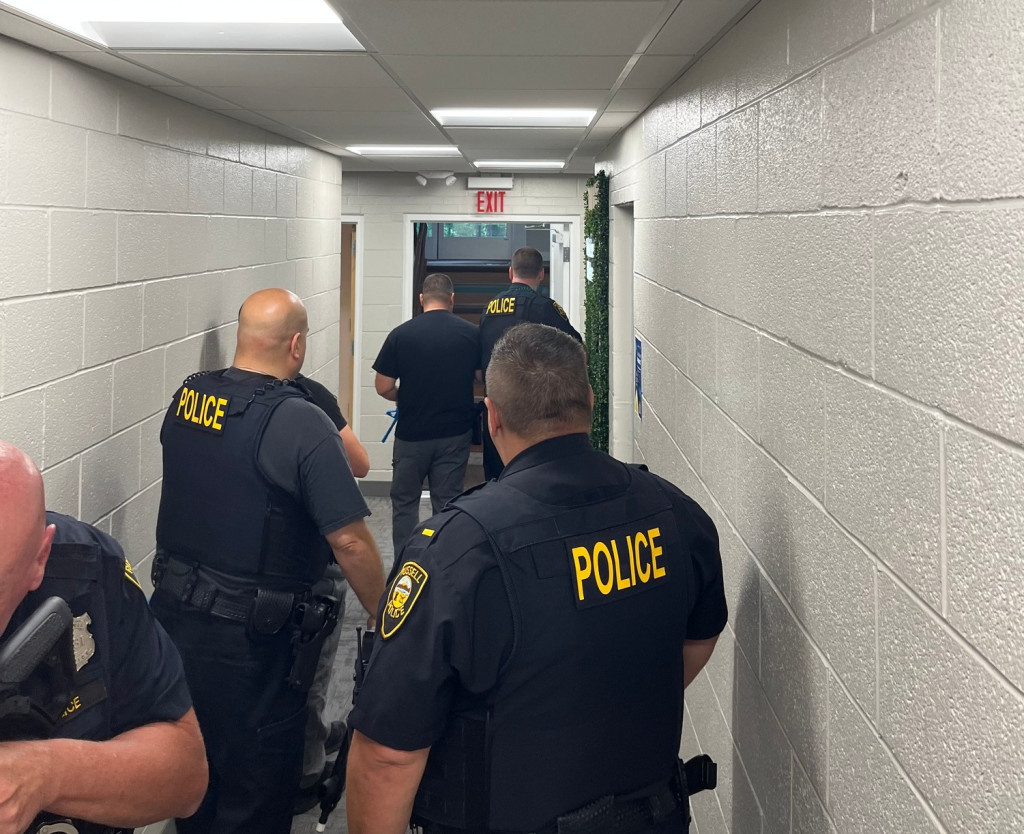
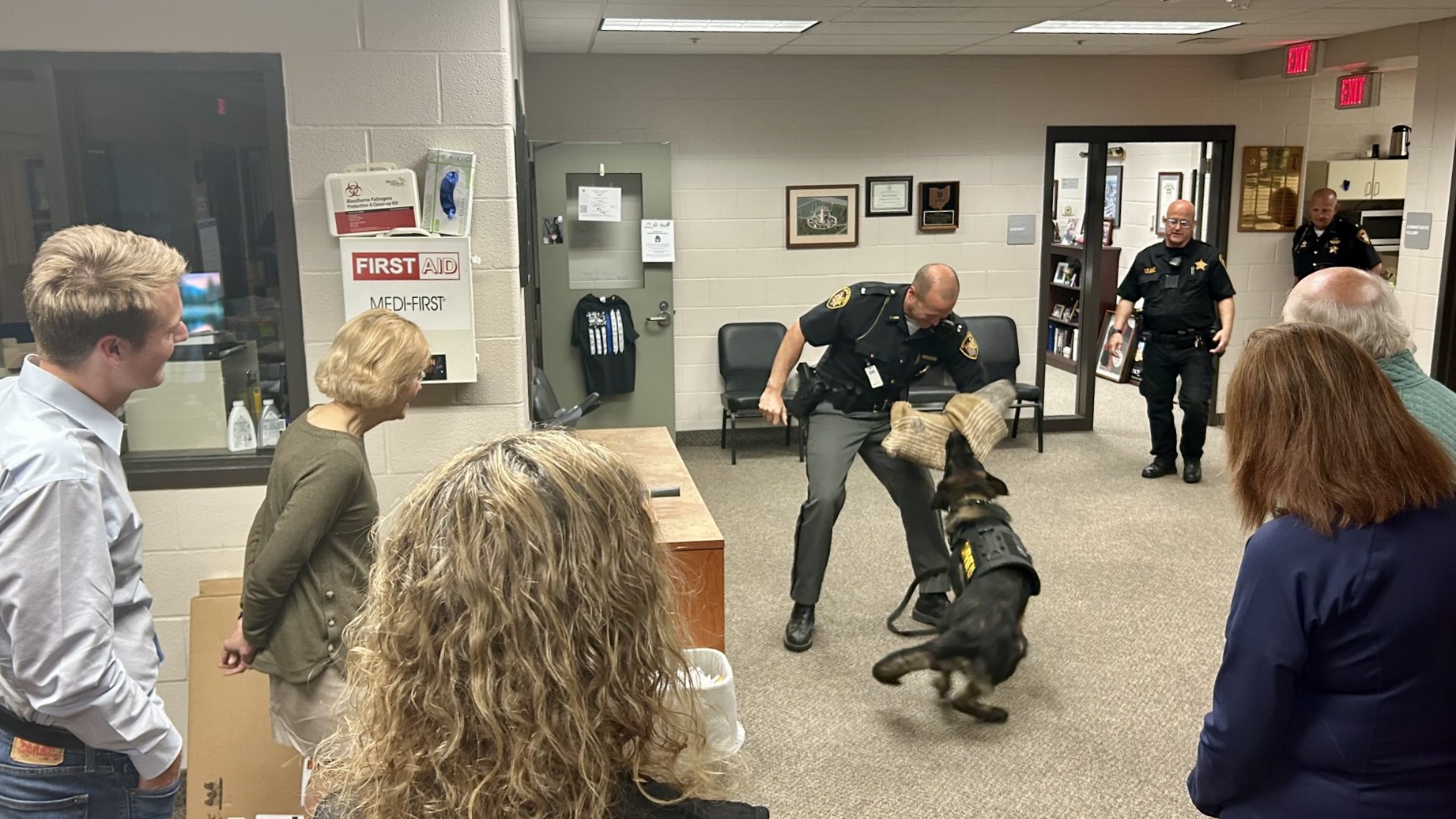
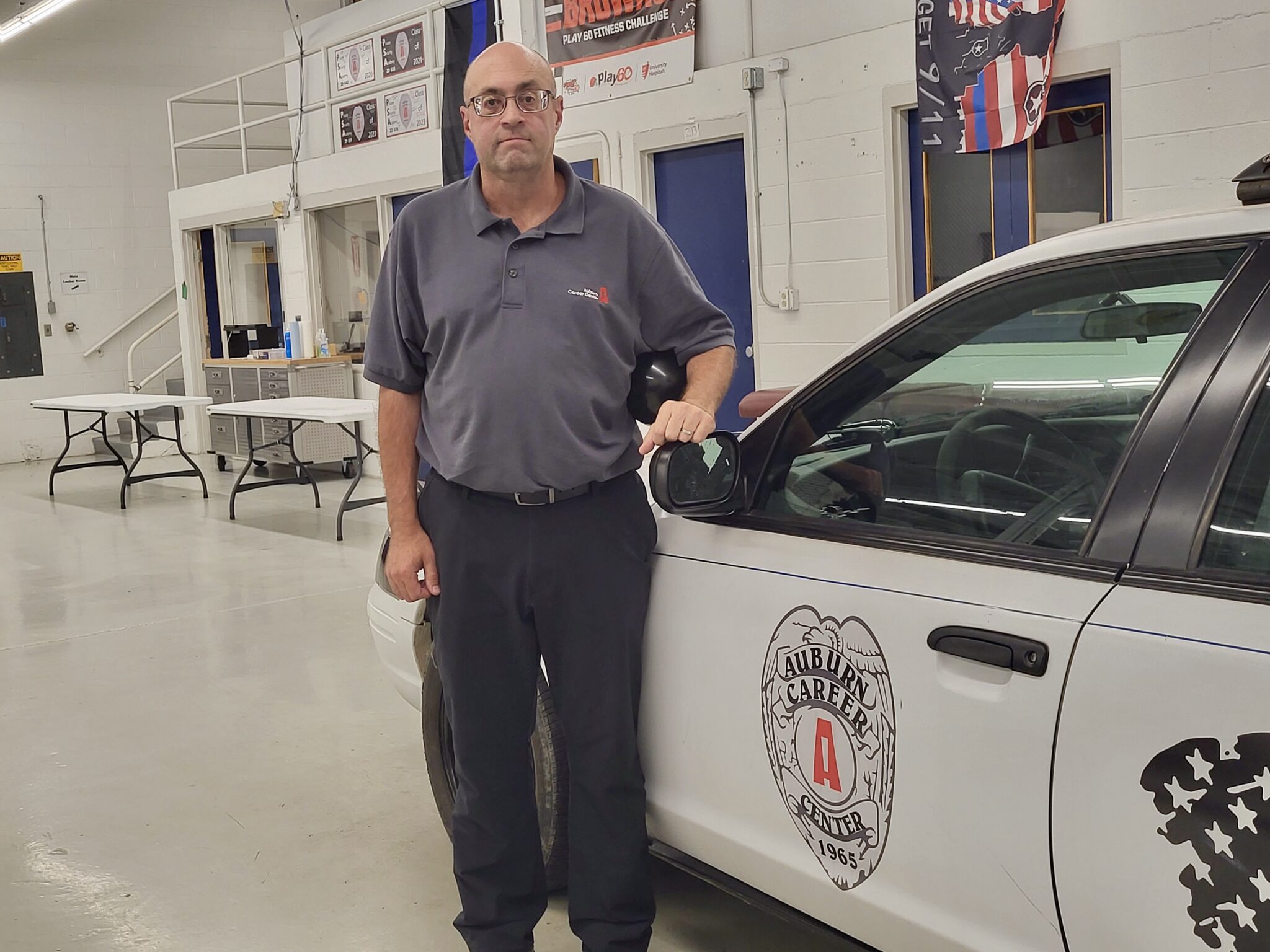
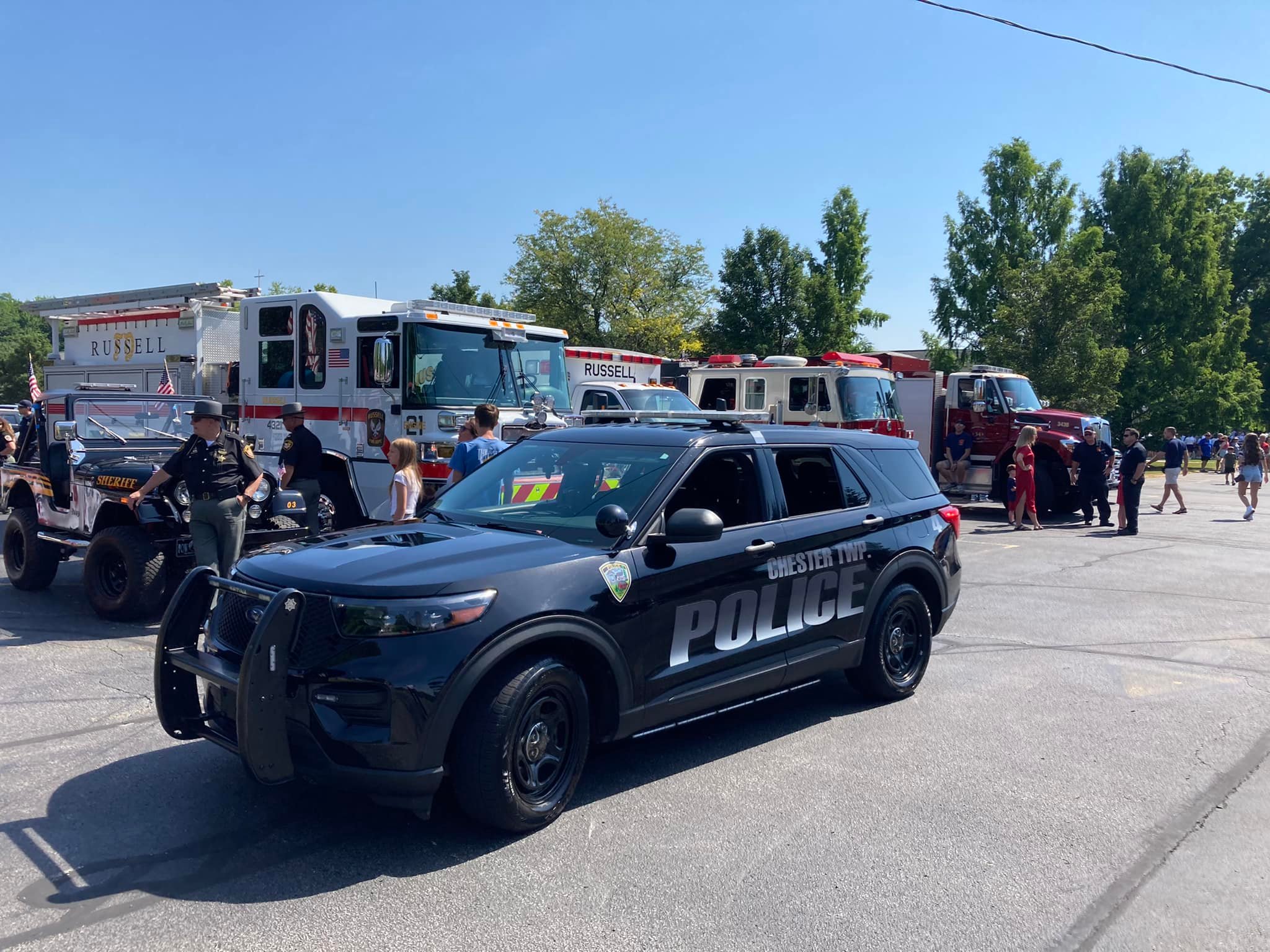

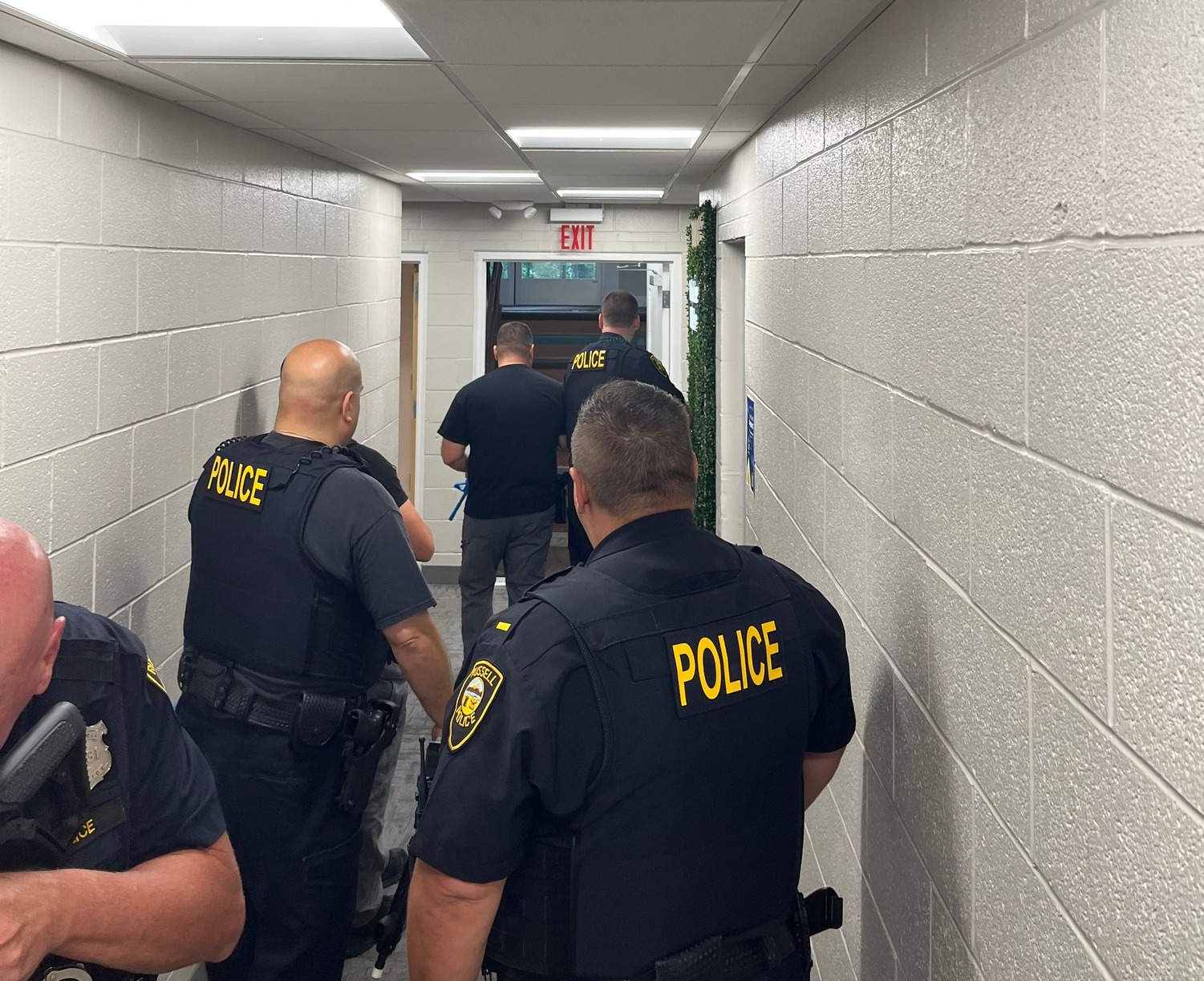
In honor of National First Responders Day, Oct. 28, the Geauga County Maple Leaf is running a four-part series on the myriad challenges first responders have and continue to face in an ever-changing world and society — ranging from staffing shortages and high-turnover, to burnout and public perception.
Whereas most fire department challenges in Geauga County have paralleled national themes, local law enforcement trends have proven to be more of a mixed bag.
Nationally, many police departments face threats of understaffing as retirements and resignations outweigh recruitment.
A report by the Police Executive Research Forum found agency staffing dropped 4.8% between 2020 and 2022, with increases in both retirements and resignations and decreases in the number of applications for full-time officer positions.
Locally, some law enforcement agencies have maintained stable staffing, while others struggle to fill vacancies.
But the one thing noted across the county is that the profession, as a whole, has changed significantly in recent years due to shifting public perceptions, cultural differences among younger generations and an expansion of job duties.
Staffing Shortages in the County
Of the six local law enforcement agencies who responded to the Geauga County Maple Leaf, Chester, Russell and Middlefield police departments all had at least one vacant position.
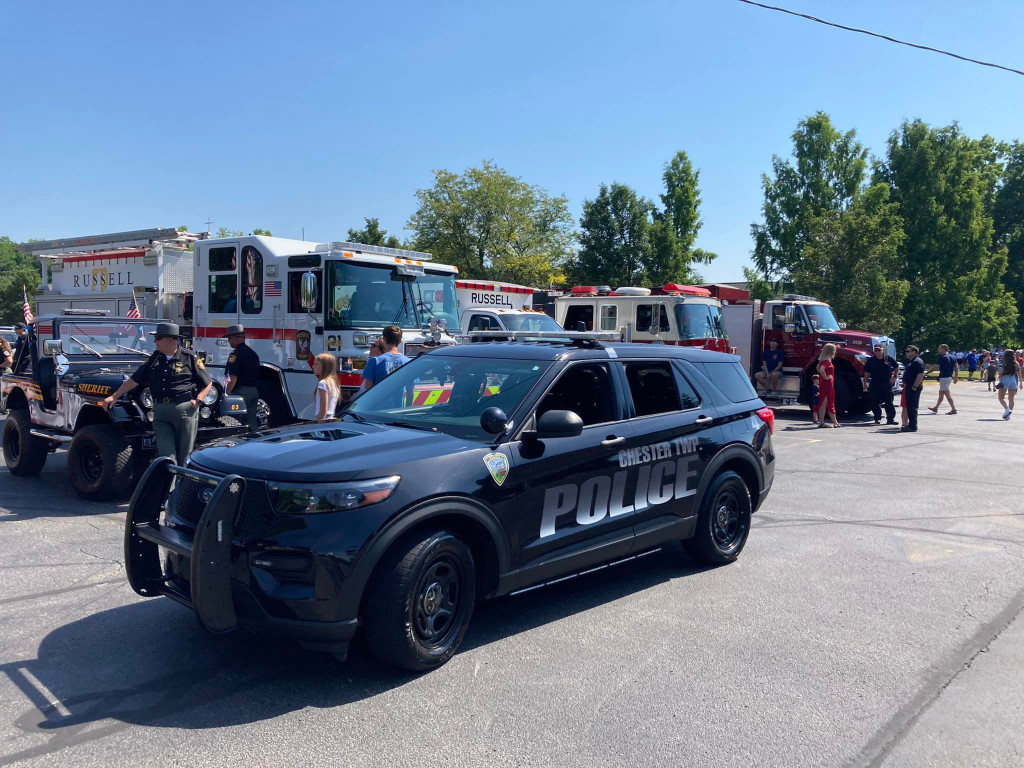
The Chester Township Police Department has been trying to fill a position for three months, said Police Chief Craig Young.
The department, when fully staffed, has 18 full-time officers.
“In previous years, you never had to worry about vacancies,” Young said. “It was more getting through the background process on candidates and working through that hiring process, really.”
Russell Township has had two part-time positions open for over a year, Police Chief Tom Swaidner said, adding the department is also looking to add a full-time detective position due to increasingly complex investigations.
“Currently, our patrol officers are handling those duties and, when they’re in the station, making phone calls or going to other places to get surveillance videos and doing follow-up type investigation, they are not out patrolling,” Swaidner said. “Their main function is to be out in a patrol setting.”
Russell is one of the only departments in the area without a detective, he added.
“That speaks to the types of crimes that aren’t being solved in a day or two. They have lengthy investigation processes,” Swaidner said. “They involve cybersecurity, they involve bank fraud, they involve things that you have to file for a subpoena or a search warrant, but then you have somebody that has to go through those records to then find that needle in a haystack … that evidence that’s needed for prosecution.”
While the department responds to emergencies as quickly as possible, an officer pulled from an investigation will have to leave from the station instead of already being on patrol, he said.
Russell tries to staff four part-time and 12 full-time officers, Swaidner said, adding part-time officers are used for vacation fill-ins and gaps in the schedule, which are now being filled with overtime.
The Middlefield Police Department is currently two full-time officers short, said Police Chief Joe Tucholski, adding they have not been at full staff — 10 officers — for a year.
“Finding new recruits gets harder every day,” he said. “I would say all departments are struggling. Academy classes are a fourth of the size they were just five years ago.”
Then, an academy class would have 40 to 50 cadets, Tucholski said, adding now, they are lucky if they see a class of 10.
“Turn on the news or read the paper. Who wants to do a job where you get ambushed and killed while you eat your lunch?” he asked, referencing the recent death of a Lorain police officer.
While Chardon’s police department does not currently have vacancies, it is familiar with staffing shortages, said Police Chief Scott Niehus, adding the 12-officer department lost three of its staff right as COVID-19 hit.
“It was probably a 12-to-18-month period (where) there were a lot of folks that worked a lot of overtime to try to get us through that,” Niehus recalled.
Staffing is always going to be a challenge in a small agency, he said.
“There’s not an abundance of us,” the chief added.
Currently, Chardon has 15 full-time officers who are hired through the Civil Service Commission, Niehus said.
“Oftentimes, we’ll have a civil service list established … of 10 names that have been tested, they’ve met the civil service requirements for hiring and as long as I have that list, I can pull the next available candidate to be processed for hiring,” he explained. “The giant caveat to that (is) we’ve had a real challenge maintaining a list. We’ll give a civil service exam, we’ll certify a list of 10 names on that list and oftentimes, before we have openings or we can get down to them, they’ve accepted positions in other police agencies.”
Niehus recalled being one of 800 or 900 candidates sitting for a civil service test when he first started in the profession.
“Sometimes, they didn’t even have positions,” he said. “They were just creating a list. So, it was a real competition.”
Some of those same agencies are now having to advertise nationally to fill those positions, Niehus said.

Recruiting Challenges
There are a few reasons why young people may not be entering the industry, Niehus said.
“I think the younger folks now are much more concerned about their time off and their work-life balance than we ever were,” he said. “When I started, and I started at the (Geauga County Sheriff’s Office), I was just barely making a living.”
His starting salary was $17,500, he said.
“We didn’t have much overtime, but I worked a ton of details trying to make ends meet,” he recalled.
In Russell, searching only for part-time officers means the department is often last in line when it comes to hiring.
“When I first started and when many of our guys first started years ago, you got into a department on a part-time basis to get your foot in the door and that has kind of changed now,” Swaidner said. “Now … agencies are offering sign-on bonuses and lateral transfers and all these things to entice people to those larger agencies or agencies of need.”
Lateral transfers refer to when agencies can hire officers from other agencies at about the same salary rates they previously made, rather than a base salary rate.
Departments used to remain solvent using lateral transfers due to decreasing police academy numbers, Young said.
“What you’re seeing, though, is that’s drying up, it’s starting to solidify where everybody’s made their moves, everybody’s lateraled, but you still don’t have enough individuals coming up through the academies, so you still don’t have enough, with retirements, to backfill those numbers,” he said. “We’re really dependent on academies kicking out new hires and there’s just nobody going into the academies.”
There is a small pool and everyone is trying to entice people to come to the job, Swaidner said.
“Over the years, I look at part-time as really being gauged on two things. It’s either they want to get their foot in the door, or they want to make extra money,” Swaidner said. “When we’re attracting people, we try to figure out what’s their ‘why’ and help them achieve that.”
The nature of the profession might also impact its desirability, Young said.
“This is a profession (where) you’re going to be up all night,” he said. “You work odd hours, your sleep is not normal, you have to compromise family events, you have to compromise social events for a profession. And even though it’s a noble profession, a lot of individuals coming into the workforce now, they don’t want to have to sacrifice (those things).”
The profession is a calling, Swaidner said.
“I think that a lot of us have family members who have been officers. My uncle, I have two cousins that were police officers, I have friends who were police officers, so that kind of led me down this path,” he said. “Some of our guys who work for our department, their dad was a police officer, so they had family … our lieutenant, his son’s actually a police officer.”
However, those generational trends may be changing, Swaidner said, adding there is also a bigger push for jobs where you can quickly climb the ladder, versus law enforcement, where you start at the bottom and work your way to the top.
He recalled his own experience entering the industry as a part-time officer and working his way to full-time, eventually becoming a sergeant and then finally applying for the chief’s position.
“Our profession in general has a lot of start from the bottom, work your way to the top, and I don’t know if that’s so much being sought after anymore in this new generation of people coming into the workforce,” Swaidner said.

Shifts in Public Perception
Society’s view of law enforcement across the country has also changed, Young noted.
“The press didn’t do us any favors over the past five, six, seven years. Some of that was due to police misconduct that was warranted and a lot was due to police misconduct that was either exaggerated or fabricated,” he said. “I think those are the things that really make people turn away from the profession, when you know that you’re either going to get ‘canceled’ or you’re going to be in a situation where you could be sued.”
Many young people considering the profession are stopping to re-think if it’s something they want to get into, Young said.
No officer signs up to have their image and actions cascaded across social media, Niehus added.
While good for transparency and invaluable for investigations, body cameras only give the public a limited view of an incident, he said, adding they are worn in a fixed position and may not show what an officer is seeing or hearing.
No one wants to work with a corrupt officer, Niehus said.
“Usually when those officers make themselves known, they get dealt with pretty quickly,” he said. “And something that’s different than maybe in other professions is, if an officer acts outside the scope of their employment, they’re looking at not only a loss of job, but they can get tried criminally.”
Transgressions do not happen often in Chardon and they are handled swiftly, Niehus said.
“Our officers have body cameras now, they’re required to wear them and our officers wear them gladly,” he said, adding if you conduct yourself professionally, you have nothing to worry about.
When it comes to community trust, it only takes one incident before perception problems start to build, said Bainbridge Township Police Chief Jon Bokovitz, noting he works to keep his department internally clean.
“My goal as chief is making sure we don’t have perception problems,” he said. “Keep our guys in line, they gotta do things the right way.”

Departments Holding Steady
Unlike the aforementioned agencies, Bainbridge Township Police Department and the Geauga County Sheriff’s Office have not experienced any staffing challenges in recent years.
While Bainbridge’s department has had officers transfer out, they largely have not had problems filling those positions, Bokovitz said.
“We’ve had officers waiting to go to other departments because of lateral transfers where they make more money, basically,” he said. “We’ve also had people coming to us for lateral transfers to fill those spots. We’ve really not had an issue with (staffing) other than replacing people with other officers, basically.”
The department’s staffing has been steady since the early 2000s, he said.
While, currently, their staffing comes from both the academy and lateral transfers, the majority of hires have been laterals, Bokovitz said, chalking their fortune up to the township’s demographics.
“We have really good community support and our residents really like us,” he said. “So, we have a reputation with other police officers, you know, ‘Hey, it’s not a bad place to work, people like you, you get paid decent money.’”
The department has been very fortunate, he said, noting its funding is levy based.
The township has also grown significantly since Bokovitz first started in Bainbridge in the 1980s. Then, 7,500 people lived in the township. Now, its population is just under 13,000, he said, adding as a result, more tax revenue is available, allowing the department to increase salaries and remain competitive with other departments.
On a county level, Sheriff Scott Hildenbrand said his office has not had issues maintaining staff, but is currently undergoing some growing pains.
As the county’s population has increased, so have emergency calls, the sheriff said, adding as a result, more deputies need to be added to maintain response times.
Luckily, his office always has the support of the Geauga County Commissioners, Hildenbrand said.
“Any time that we’ve gone to commissioners with a reasonable request, they have honored that,” he said. “In fact, for next year’s budget, because of the number of calls for service that we are responding to, we’ve requested to add a law enforcement deputy to each of the four different platoons for a total of four deputies, and at this point, it looks like the commissioners are going to fund that.”
Such a move will increase the number of deputies on the road and available to respond to calls and will “help all around,” Hildenbrand said.
“As the deputies earn longevity, they get more vacation, they get more time off, so it’s harder and harder to find people part-time to fill those slots,” he said. “Our remedy will be to add these deputies to the roster.”
The sheriff’s office recruitment efforts have been minimal, Hildenbrand said, listing a good work environment, good pay, benefits and good equipment as reasons why.
They have not had to offer sign-on bonuses or incentives, he said.
“We’ve been fortunate enough that we have applicants that apply to us without us even advertising,” Hildenbrand said. “And then when it comes time that we have somebody retire or they get promoted or whatever, we have a list of applicants that would like to come work for us.”

Expansion of Duties
While his office has not faced struggles with staffing, being able to adequately handle mounting mental health and addiction cases has been a challenge, Hildenbrand said.
“I think the biggest challenge that law enforcement in general is facing across the nation is the mental health issues and addiction issues,” the sheriff said.
While GCSO staff is trained to handle such cases, there is a general lack of mental health resources and hospitals in the area to bridge the gap between incarceration and someone getting the help they need once they’re released, the sheriff said.
“Sometimes, they will sit in jail for months before they can get a bed at a mental health facility, and the other problem is when they are done, the lack of available follow-up for the number of people that are there is a concern,” he said.
While the county partners with Ravenwood Health and the Geauga County Board of Mental Health and Recovery Services, there are just not enough people or facilities to accommodate the number of people in need, Hildenbrand said.
“Back (in the) ‘60s and ‘70s, there were state mental hospitals and they don’t have those anymore. They did away with those. And what happened was, when they did that, the county jail became the mental health hospital,” the sheriff said. “So, when people acted up and maybe committed a crime and some of it was due to their mental health, they ended up in jail.”
While jails now offer mental health treatment, a significant gap in care remains after release, he said.
“Part of the disconnect is the follow-up after they get out of jail (and) ensuring that they continue with the treatment,” Hildenbrand said, adding otherwise, patients often end up back in jail.
Russell’s police department is working to get its entire staff certified in crisis intervention and has been sending officers to crisis intervention team training, as well as running simulations on a MILO (multiple interactive learning objectives) system to de-escalate mental health-related situations, Swaidner said.
“We wanna help people in their time of need and sometimes, their time of need is that mental side, or maybe they suffer from autism or a type of medical condition that they can’t vocalize,” he said.
Likewise, cybersecurity crimes are a concern with a township’s aging demographic, Swaidner said.
“People, as they age, they become more vulnerable to the types of scams that are out there,” he said. “I think, for us, it’s about educating them and providing them an atmosphere where they feel comfortable to call us if they have that question.”
While local law enforcement continues to rise to these challenges — learning to adapt to constantly advancing technology, rising mental-health needs, maintaining the public’s trust and finding a work-life balance — one thing leadership across the country agree on is that the profession is a significant tenant of society and worth the efforts.
As Young noted after attending the FBI National Academy last year, a lot of police executives throughout the U.S. and larger world are facing these same issues head on, continuing to work on finding viable solutions.
“A lot of it is trying to bring people back to a noble profession and trying to let people understand that there is a higher calling for these jobs,” Young said. “And self sacrifice and sacrifice to a community is still a good thing.”
***Part IV, set to publish in the Oct. 30 edition of the Geauga Maple Leaf, will look at solutions law enforcement agencies have deployed to combat staffing, morale and public image challenges. ***


