


Where Did These Stock Certificates Come From?
History says that milk processors in 1923 didn’t want to buy milk from the Pure Milk Co-operative. They didn’t want dairy farmers to have the clout to set prices. So, the Pure Milk Co-operative started processing their own milk and established retail routes to sell in the Cincinnati area.
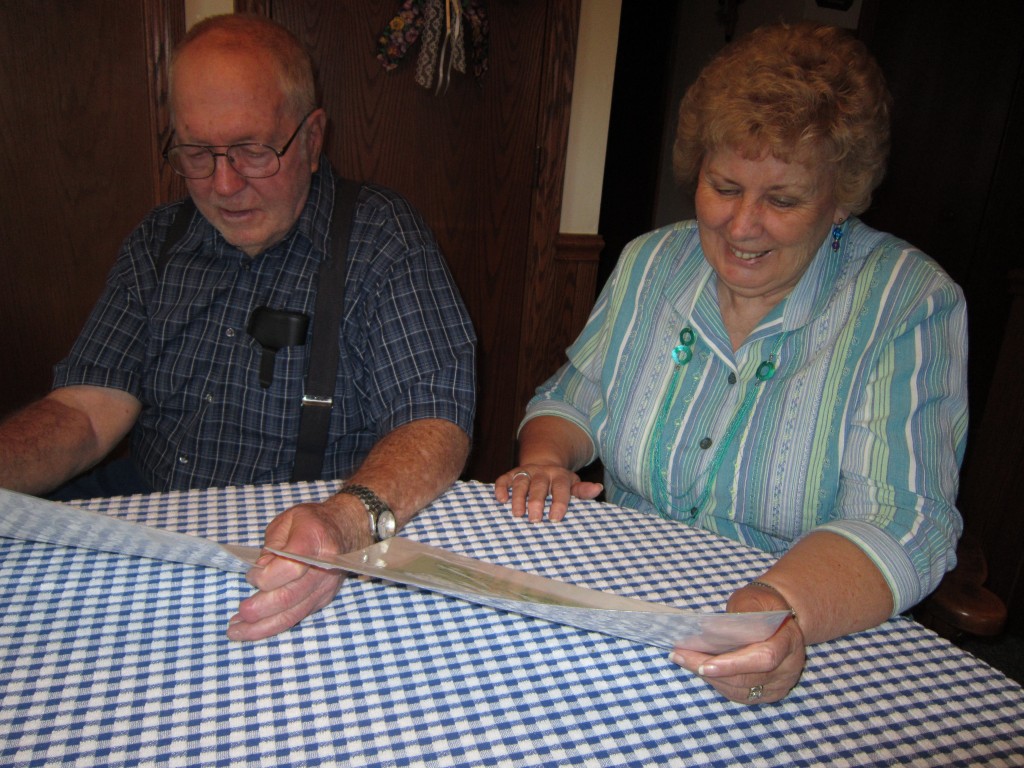
One Sunday afternoon recently, long-time friends Joyce and Carl Stokes from New Lyme stopped in for a visit. They brought with them a couple of interesting items that had been given to them.
One of these items was a couple of stock share certificates from an organization called The Co-operative Pure Milk Association Inc. of Ohio. These certificates were dated 1923.
What made these certificates most interesting was where they came from. Joyce and Carl have family out in Wyoming and their daughter out there found them at an auction. How they got from Ohio to Wyoming is a good question. They were not issued to anyone because there was no name on them or number of shares represented by the certificate.
Another question was where was The Cooperative Pure Milk Association in business in Ohio in 1923? Some research found information from the Economic Research Service, USDA that said the co-operative was in business headquartered in Cincinnati. They were buying milk from dairy farmers in Ohio, Indiana and Pennsylvania.
Because dairy farmers, and most of them were very small with perhaps five to 10 cows, were not getting a decent milk price from processors, they saw a need to join together to bargain for a better price.
Milk buyers or processors wanted to buy milk as cheaply as they could and individual dairy farmers had very little clout to bargain for a better price.
Dairy processors yet today still want to buy milk as cheaply as they can. They are in business to make a profit and buying their milk at low prices is one way to help their profit.
History says that milk processors in 1923 didn’t want to buy milk from the Pure Milk Co-operative. They didn’t want dairy farmers to have the clout to set prices. So, the Pure Milk Co-operative started processing their own milk and established retail routes to sell in the Cincinnati area. They were successful. This upset processors and they started a price war that was costly for both themselves and the co-operative.
Eventually the co-operative won the battle and the processors started working with them. At one time the Pure Milk Association was the largest co-operative in the United States involved in the retail milk business.
Looking back there were a lot of small cooperatives formed in this country to market dairy farmer’s milk. Here in northeastern Ohio, we had the Dairyman’s Cooperative Sales Association (DCSA), headquartered in Youngstown, and buying a lot of milk in this area.
We also had the Milk Producer’s Federation (MPF), in Cleveland, buying local milk. A third one that got most of their milk from just south and west of us was the Akron Milk Producers (AMP).
Several smaller coops have also been in and out of business over the years. Most of them merged to form large ones with more bargaining power.
Today, the MPF, DCSA and AMP have merged along with several others to form what is now the Dairy Farmers of America, the largest milk marketing cooperative in the country.
Some processors, especially here in northeastern Ohio, have been skillful in paying just a few cents a hundred pounds of milk more than the cooperative to convince dairy farmers to stay out of the organizations. Unfortunately, a few dairy farmers have not joined the cooperative. They do not recognize that they wouldn’t get this extra money if the cooperative was not there.
Milk marketing cooperatives have an interesting history. We haven’t yet figured out how the 1923 stock certificates from Ohio found their way to Wyoming.
Thanks to Carl and Joyce Stokes for sharing these certificates with us. They also brought a 1976 issue of Hoard’s Dairyman magazine with some interesting information but that is a story for another day.
Parker is an independent agricultural writer.


