Guest Column: Increased School Breakfast Participation Contributes to Student Success
With over half a million children in Ohio living in food-insecure households, many students are arriving to school with empty stomachs.
Research consistently has shown a clear link between students eating breakfast and student performance.
With over half a million children in Ohio living in food-insecure households, many students are arriving to school with empty stomachs. Making sure students eat breakfast, including at school, can help to improve student academic performance and behavior. Schools that have seen an increase in breakfast participation have reported that attendance, test scores and social interaction have improved and that students make fewer trips to the nurse’s office.
Based on FY 2017 USDA data, only 56 percent of students that qualify for meal assistance at school access their school’s breakfast program. After nearly a year of stakeholder meetings and discussion, Rep. Scott Lipps and I introduced House Bill 734, which will encourage schools to work toward improving student breakfast participation.
This legislation requires schools in high-poverty areas to develop a plan to achieve a 70 percent participation rate of free or reduced-price meal qualifying students eating breakfast as compared to free and reduced-price students eating lunch, if they are not already meeting this national benchmark.
By the end of the first year after the bill’s passage, the legislation would require those schools with at least 70 percent of the enrolled students qualifying for free or reduced meals to achieve a 70 percent breakfast participation rate which would include an additional 229 schools or 9,789 students.
By the end of year two, the legislation would further require that schools with at least 60 percent of the enrolled students qualifying for free or reduced meals, to develop a plan to achieve a 70 percent participation rate which would include a total of 474 schools or 22,062 students.

By the end of year three, the legislation would require that schools with at least 50 percent of the enrolled students qualifying for free or reduced meals, develop a plan to achieve a 70 percent participation rate, which would then include a total of 832 schools or 42,838 students.
As HB 734 does not require a specific breakfast model to be used, schools may employ a variety of strategies to boost the number of students participating in the breakfast program. Just as each school is unique, so will be each plan that schools implement as part of their personalized breakfast program. For a program to be successful, there must be buy-in from the administrators, teachers, staff, parents and students; it is important not to focus on mandating a particular delivery mechanism.
Partners increasing preparedness for instruction time through school meals have a wide array of ideas and strategies from which schools working toward increasing their breakfast participation rates can benefit. As such, the legislation would require that the Ohio Department of Education publish participation data online and submit an annual report to the General Assembly that details the implementation and effectiveness of the programs including the number of children and participation rates by school building and type of breakfast model utilized by each school.
This presentation of information about the plans that schools are using will enhance the dialogue within districts and across the state. As we introduced HB 734 earlier this summer, I am hopeful the legislature will give careful consideration to our proposal to help decrease food insecurity for students.
The legislature took steps in the most recent operating budget to address summertime food insecurity for students by amending the bill to include House Bill 80, which I jointly sponsored with Rep. Kent Smith. The law, which was enacted last fall, allows school districts to partner with an approved sponsor to offer a summer nutrition program, in the event that the school is unable to offer the program themselves.
In addition to the sponsor assuming the program liability, the bill authorizes school districts to charge these sponsors within reason, to cover any expenses incurred from offering these programs. Thus, removing the only barrier these districts have to providing this service.
As school districts with at least 50 percent of their students qualifying for free lunches are federally required to offer a summer nutrition program, it is great to offer this option to districts while making sure that food insecure children are getting the nutrition they need when school is not in session.
Recently, the Children’s Hunger Alliance published an impact report entitled, “The State of Childhood Hunger: Creating a Full Future for Ohio’s Children,” which makes a strong case for increasing children’s access to nutritious food. Readers wishing to obtain a hard-copy version of this report may request a copy to be mailed to them from my office: rep76@ohiohouse.gov or 614-644-5088.
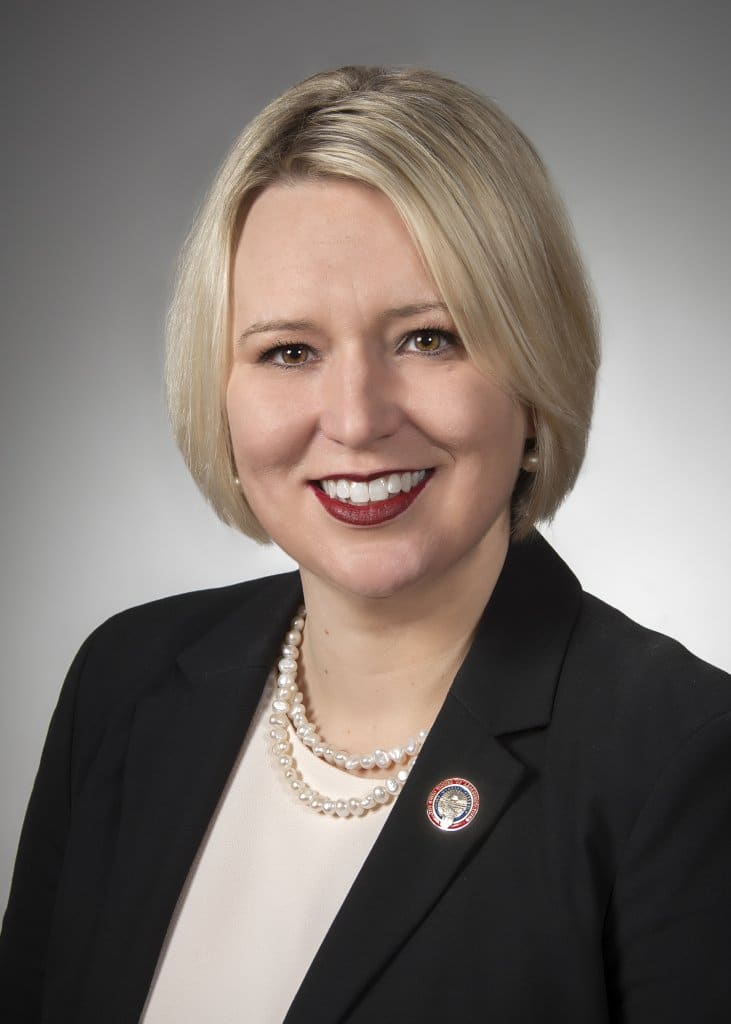
State Rep. Sarah LaTourette is currently serving her second term in the Ohio House of Representatives. She represents the 76th Ohio House District, which includes most of Geauga and northern Portage counties.