


Fire Departments Combat Staffing, Service Challenges
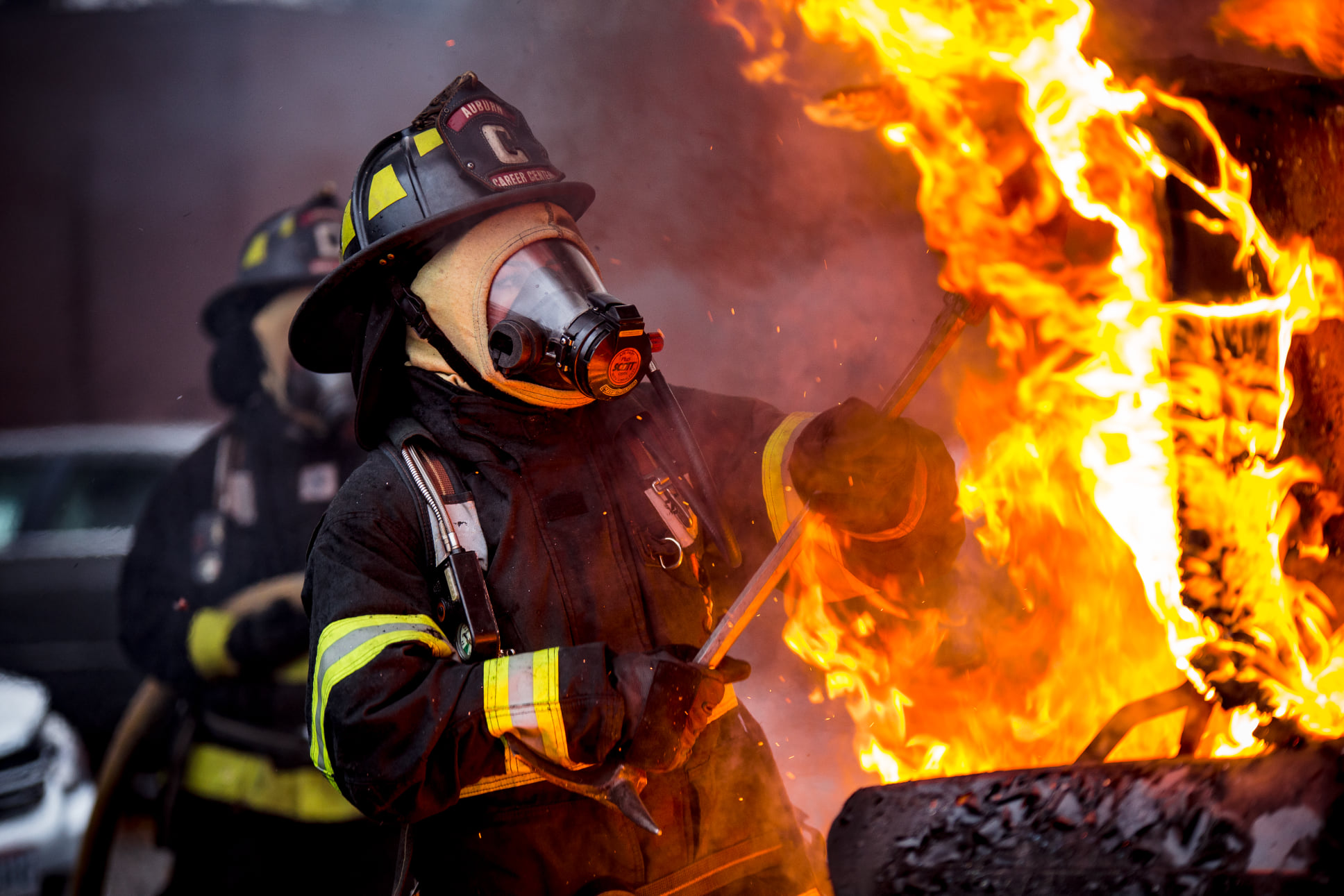
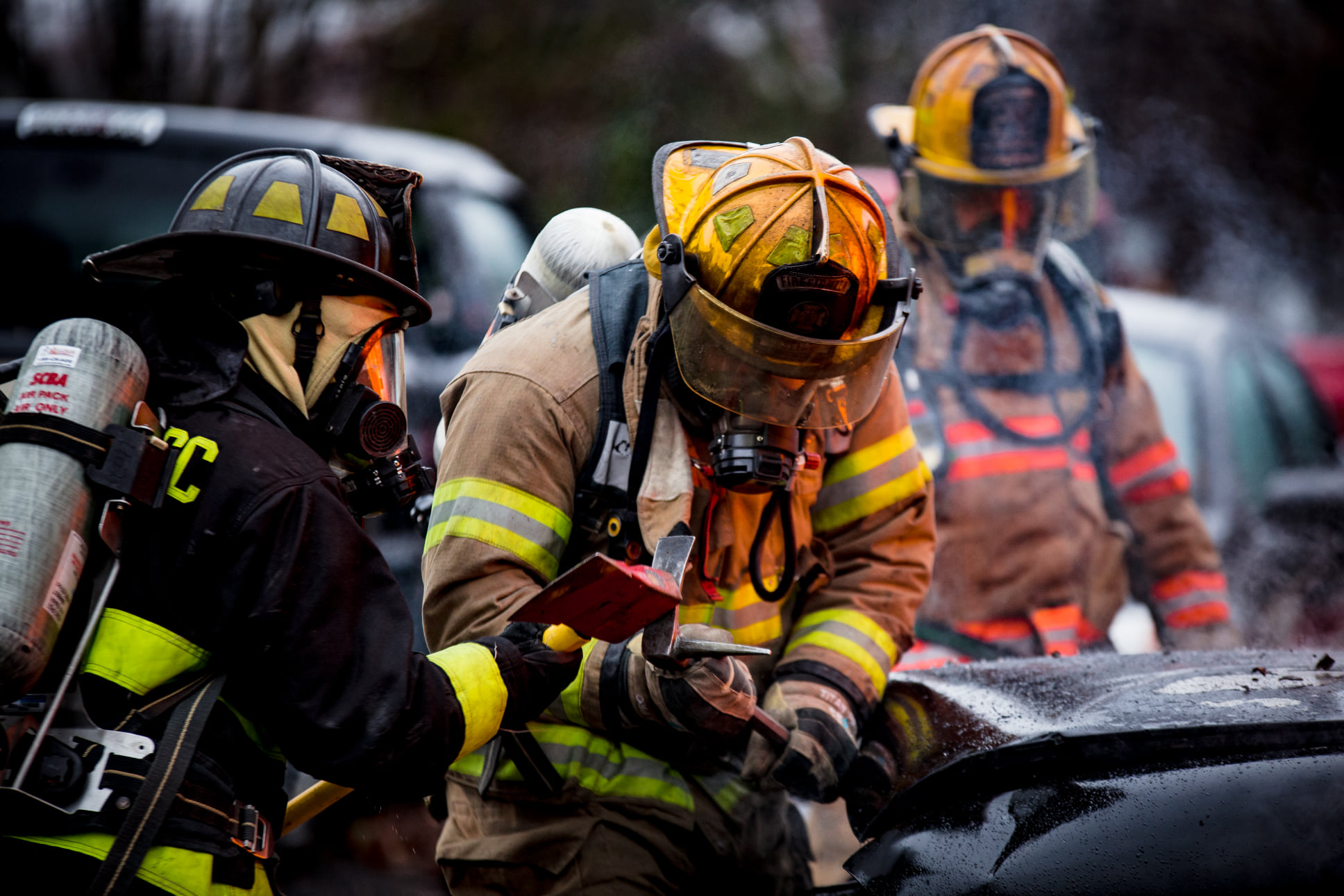
In honor of National First Responders Day, Oct. 28, the Geauga County Maple Leaf is running a four-part series on the myriad challenges first responders have and continue to face in an ever-changing world and society — ranging from staffing shortages and high-turnover, to burnout and public perception.
Over the last decade-plus, fire departments across the nation have been battling a plethora of challenges ranging from staffing shortages and escalating costs to first-responder burnout and health decline.
Fire chiefs juggle a slew of issues beyond their prime directive of putting out structure fires and getting patients to the emergency room.
Since 2020, the cost of equipment and materials has skyrocketed, according to several fire chiefs in Geauga County.
As many of them have lamented, finding and keeping trained, dedicated personnel to provide the services communities expect is a continuous and difficult task.
Given the heart-wrenching fire and accident scenes they witness, firefighters and paramedics often suffer from post-traumatic stress and other mental health issues that also affect their families, officials shared during recent interviews.
The job of a firefighter is inherently dangerous.
Despite enduring constant training and safety equipment updates, firefighters risk injury, disease, emotional stress and death just doing their jobs.
Geauga County residents count on a quick 911 response — some may even take it for granted — but few know the story behind the wailing sirens and flashing lights that signal help has arrived.
Staffing Issues
Unlike their handle, fire departments often field calls that have nothing to do with fires.
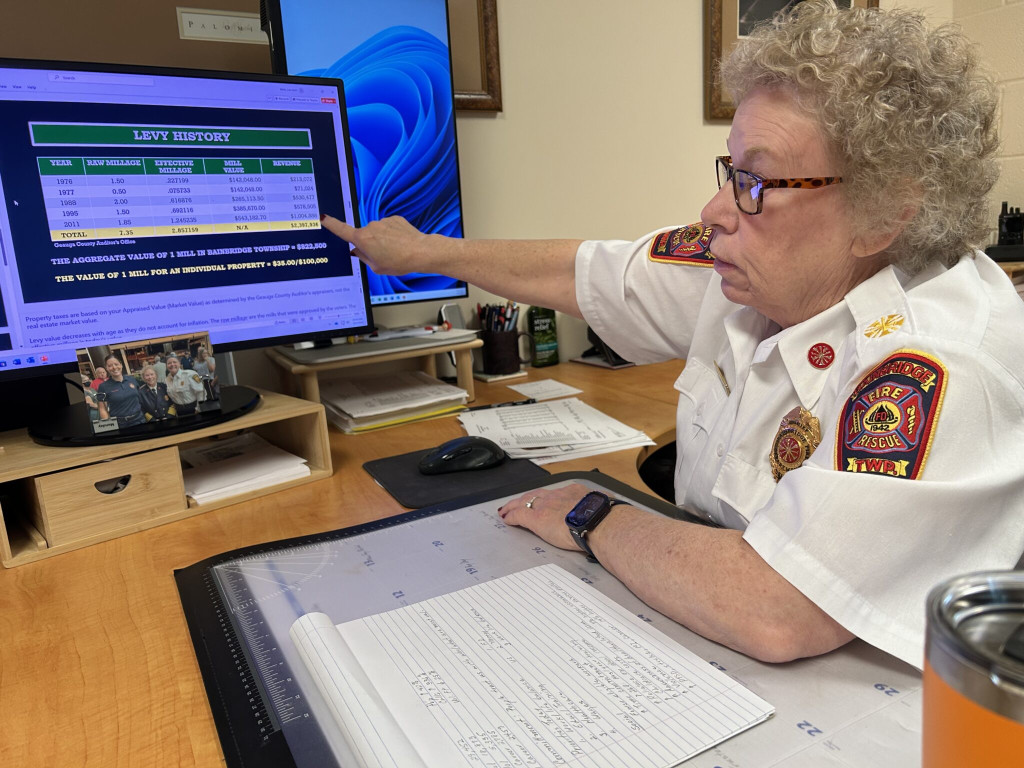
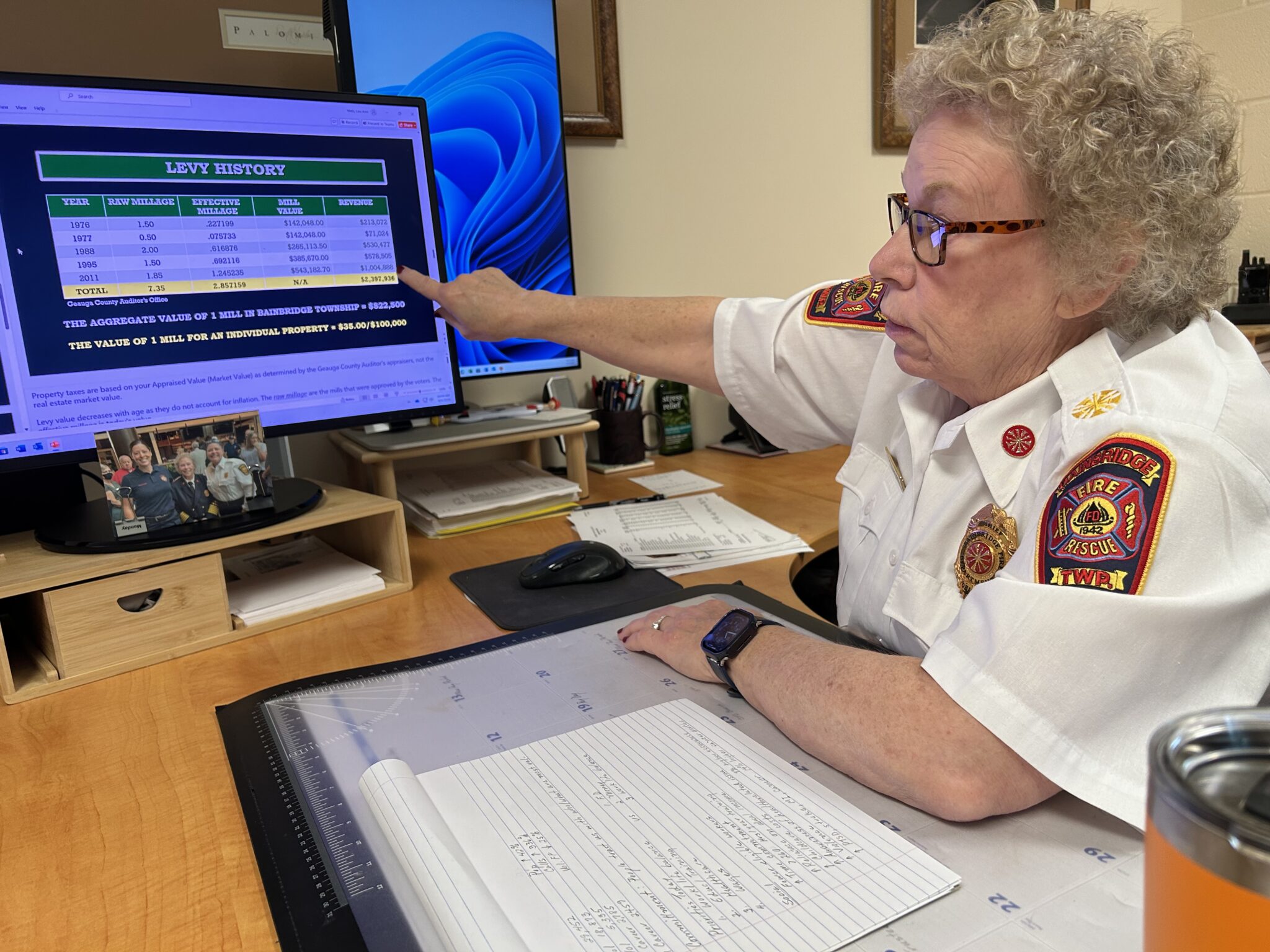
Demand for emergency medical services grows every year, said Bainbridge Township Fire Chief Lou Ann Metz, noting 73% of her department’s calls are for medical assistance.
Ambulances pull out of the station much more often than fire engines, rushing across more than 26 square miles of a township with about 13,000 residents, she said.
“It’s common to get three to five calls in half an hour,” Metz said, adding the average response time is five minutes and 40 seconds.
As such, EMS eats up a large part of the department’s revenue.
“EMS is expensive to run,” she said, adding personnel costs 83% of the annual department budget.
BFD has 16 full-time line personnel, four full-time administrative personnel and 20 part-time employees who usually have full-time positions with other fire departments, Metz said, noting she currently is in need of six more staff for the job.
Across the state, recruitment and retention are two of the most critical challenges facing fire departments today, with many struggling to maintain adequate staffing levels, according to the Ohio Fire Chiefs’ Association.
Departments struggle to add to their roles as their coverage areas expand — a situation BFD is currently facing.
“We are the most populous township in Geauga County,” she said, adding the population is projected to increase.
Bainbridge has seen 11% growth in housing compared to 2% across the county since 2010, the chief said.
And she is bracing for a lot more, with housing and commercial development inevitable around the Geauga Lake complex.
Demographic changes are another factor at play, Chardon Fire Chief Justin Geiss said.
“Geauga County has an aging population. By 2030, we expect 30% of our population will be 60 years or older,” he said.
Senior housing, assisted living and nursing homes are leading to an increase in EMS demand as those facilities are built or expanded across the county, Geiss said.
Age, however, does not only impact service needs, it affects workforce availability, as many departments across the nation continue to grapple with the challenge of attracting younger recruits — something frequently compounded by limited local funding, said Bruce Varner, past president of the USA branch of the Institution of Fire Engineers in the Fire and Safety Journal Americas.
“Staffing is a huge problem, nationally,” Geiss said, adding that was not always the case.
“After 9/11, there were tons of people driven to go into the fire service,” he said.
Since 2015, fewer and fewer young people seem to have any interest in it as a career, he said.
“The pool has really dwindled,” the chief said. “Young people coming in want a different work-life balance. They don’t want to work overtime to cover open shifts.”
Smaller departments struggle with staffing, as well, oftentimes unable to compete with larger departments when it comes to compensation.
Parkman Township Fire Chief Mike Komandt said his 12 employees are part time and all but one have jobs at other departments.
“The department is funded for two people on duty 24/7,” he said.

Recruiting & Retention
Young, new recruits may have fire academy credentials, but are short on experience, said Komandt, who, at age 43, is the oldest member of his department.
“(They) need the supervision of an older, more experienced firefighter/paramedic,” he said. “We need staff who have a sense of responsibility, are motivated to learn and are reliable.”
Some of the best recruits are former high school athletes who played under good coaches, Komandt said.
His department invests in new gear, equipment and testing for the recruits. Most of them are grateful and continue to work part time in Parkman even if they get on full time elsewhere, but staffing can be sporadic, Komandt said.
“It’s just difficult. We’re not the highest-paid fire department in the county,” he said. “They may come to get their feet wet with us. If they have time, they’ll come to work. They realize we’ve made an investment in them.”
Middlefield Fire Department, however, has been a bit of an enigma.
Its roster of 20 has been stable, said Fire Chief Bill Reed.
Everyone is part time and the East Geauga Fire District — which includes Middlefield village and township, as well as Huntsburg Township — contracts with Middlefield Village for fire protection, he said.
Middlefield Village contracts with Community Care Ambulance for rescue and transport, so the duties of firefighters are comparatively lighter than in other departments, he said.
“A lot of guys like to work for us because we don’t run an ambulance. They’d rather just fight fires,” Reed said. “I don’t have any problems retaining people.”
Similar to others, many of MFD’s part-time firefighters hold full-time positions with other departments, so they are cross-trained in paramedical procedures, he said, adding one of the fire engines is equipped to treat victims at the scene.
“The rescue engine goes out on most calls. The only thing we can’t do is transport,” Reed added.
Unlike MFD, Chester Township Fire Department constantly competes for staff with suburban Cleveland departments to the west.
“Chester borders larger departments. Big raises are going on right up the street,” Fire Chief Andrew Nagy said. “Out of every five new hires, one or two stay with us.”
After graduating from the fire academy, recruits usually spend a couple of years studying and certifying to become paramedics, he said.
Chester’s department has 10 full-time employees including Nagy, which provides three full-time staff per shift.
Two part-time employees fill out the shift, Nagy said.
“For a while, we weren’t getting a lot of applicants, but recently, there have been more,” he said, attributing the increase to a societal shift that values the trades more than in recent generations.
About 85% of the 25 part-time employees have full-time positions with other departments, and they aren’t keen to work holidays and weekends at Chester, the chief said.
“We have holes in our schedule on holidays,” he added.
While recruits in their 20s may find the firefighter/paramedic pay appealing, their priorities aren’t always in line with a department’s needs, according to several chiefs.
“Societal values have changed,” Metz said.
She recalled when she started in the fire service, it was made clear her priorities had to be God, the fire department, then everything else.
Today, many younger firefighters and paramedics value a work/life balance first, education and training second, healthcare third and wages fourth, she said.
When she recruits new people, just getting them through the door can be a challenge, Metz said, adding a candidate has to pass a background check, a drug test and have no felonies on their record.
“There are not that many qualified workers,” Metz said.

‘This Job’s Not for the Faint of Heart’
At the risk of stating the obvious, firefighting and EMS can be hazardous to an individual’s physical and mental health.
Between burning buildings, noxious fumes, long 24- and 48-hour shifts, exposure to potentially infected patients, the list of dangers is long.
“The high-stress environment of firefighting and EMS response contributes to mental health issues like (post-traumatic stress disorder) and depression,” Varner said in his article.
While the job’s physical threats have been well-documented over the years, its impact on mental health has only recently taken the stage.
“This job is brutal on mental health,” Metz said. “We see things that never go away.”
Many of her personnel grew up in the area and are sometimes called to rescue or treat friends or relatives, she said.
Those staffing the station are on 24-hour shifts and, if someone scheduled for the next shift can’t make it, someone may pull that shift, as well, she noted.
Given the increase in the number of calls, both in Bainbridge and surrounding communities, there is not much time to decompress or take a nap, Metz said, adding she often worries about lack of sleep.
“Studies show fatigue exasperates the impact of a tragedy,” she said. “(They) don’t get much down time. The chiefs have to manage that in their personnel. They have to become physical and mental health coaches. It makes the job that much harder.”
Komandt noted the hours can pile up for an individual.
“Plenty of guys are working 90 hours a week and raising a family. It doesn’t leave much time to work on ourselves,” he said, adding the average work week of 72 hours means missing family events and holidays.
The divorce rate is also high among firefighters and EMS providers, Komandt said.
“The suicide rate is unbelievably unacceptable,” Metz added.
Monitoring the mental state of employees is a new wrinkle in chiefs’ job description — one leadership across the country is tackling, she said.
Up to 57% of firefighters experience post-traumatic stress, according to the National Library of Medicine, Geiss said.
“What we see are people’s worst days,” Komandt said, adding families are traumatized and it can be up to the EMS team to be a patient advocate.
“All that comes back on the first responders. We want to reassure (families) there’s going to be a positive outcome,” Komandt said. “Sometimes, there just isn’t.”
Social media has compounded the impact on first responders, especially when they are helping people they know. It has personalized tragedies, adding to the emotional overload, Geiss said.
In the past, fire services protected the identities of victims, but when so many witnesses have cell phones and use them indiscriminately, victims and personnel can get inadvertently hurt.
“That has been huge,” Geiss said. “Social media can be an awesome tool … to communicate with the public, but it certainly has its drawbacks.”
Having been a firefighter and paramedic for more than 40 years, Metz has seen a lot of changes and challenges, but one thing that has not changed — “This job is not for the faint of heart.”

Fire Equipment Costs Skyrocket
While most Geauga County voters support their fire and EMS departments — renewing levies that increase their property taxes — the cost of personnel, equipment and materials continues to rise and some departments continue to struggle to make ends meet.
“Balancing budgets while upgrading technology and training personnel remains a formidable challenge in some departments,” Varner echoed in his article.
The price of new fire vehicles has shot up 60% in the last decade, Geiss said.
A fire engine costs close to $1 million and ambulance costs have gone up more than 50%, he said, adding a ladder truck that cost $750,000 in 2002 now has a price tag of $2.2 million.
Only additional or replacement levies provide new or increased revenue.
“A levy passed in 1996 still collects on 1996 home values in 2025,” Geiss said, referring to levy renewals. “We’re doing more each year with the same funding.”
Nagy said Chester has not passed an additional fire levy since 2019.
“The rises in cost are huge, especially for apparatus,” he said.
Levies bring in two-thirds to three-fourths of the money Parkman Fire Department has to work with, Komandt said. Grants and billing for EMS makes up all but 1%, which comes from donations.
However, the cost of fire vehicles has, in some cases, tripled in the last five to eight years, Komandt said.
Three fire truck manufacturers — Oshkosh Corp., Rosenbauer America and REV Group — that make apparatus have about 85% of the market, so they control the costs, he said.
“Not only has the price increased, but build time has gone from six months to three to four years,” Komandt said, adding the production rate for ordered vehicles is just a few trucks per day and there is a backlog of orders.
He surmises the backlog is due to the large amount of American Rescue Plan Act funds political entities received during the COVID-19 pandemic. Trucks were ordered in mass quantities as townships, cities and villages rushed to use the funds by the deadline or lose them.
“It’s supply and demand,” Komandt said. “There is a higher demand now than in 2017-2018.”
Reed said the price of fire trucks is an enormous problem for the EGFD.
“If the industry keeps raising the prices of trucks, we’ll have to take out loans to buy them,” he said. “I can see fire departments having to share trucks and split the cost to buy them.”
Departments go to extreme measures to keep their trucks in good shape and they can last for decades, but to no avail, he said.
The National Fire Protection Agency requires every fire truck be replaced after 21 years of service, regardless of condition, Reed said, adding if the older trucks are safe to use, they still have to be disposed of and they can’t be sold to another department because of their age.
“It’s not the law, but if you don’t do it and something happens, it becomes a liability issue,” he explained. “You really need to comply or it bites you.”
Grants often help departments pay for equipment, but they’re never guaranteed.
Federal Emergency Management Agency grants usually arrive in May, but Nagy said he has not yet heard if or when they will be coming.
“Federal grants, in general, are uncertain this year,” he added.
Vehicles are only one piece of the cost conundrum fire chiefs face.
If pay is not competitive, recruits move on.
Part-time firefighters start at $18.64 per hour and can be earning $26.62 per hour after the first year, Metz said of her department.
Full-time employees earn about $66,000 the first year, she said, noting BFD has unions and has to compete for employees with neighboring departments in Cuyahoga County.
Health insurance also costs the township more than $5,000 per employee, she said.
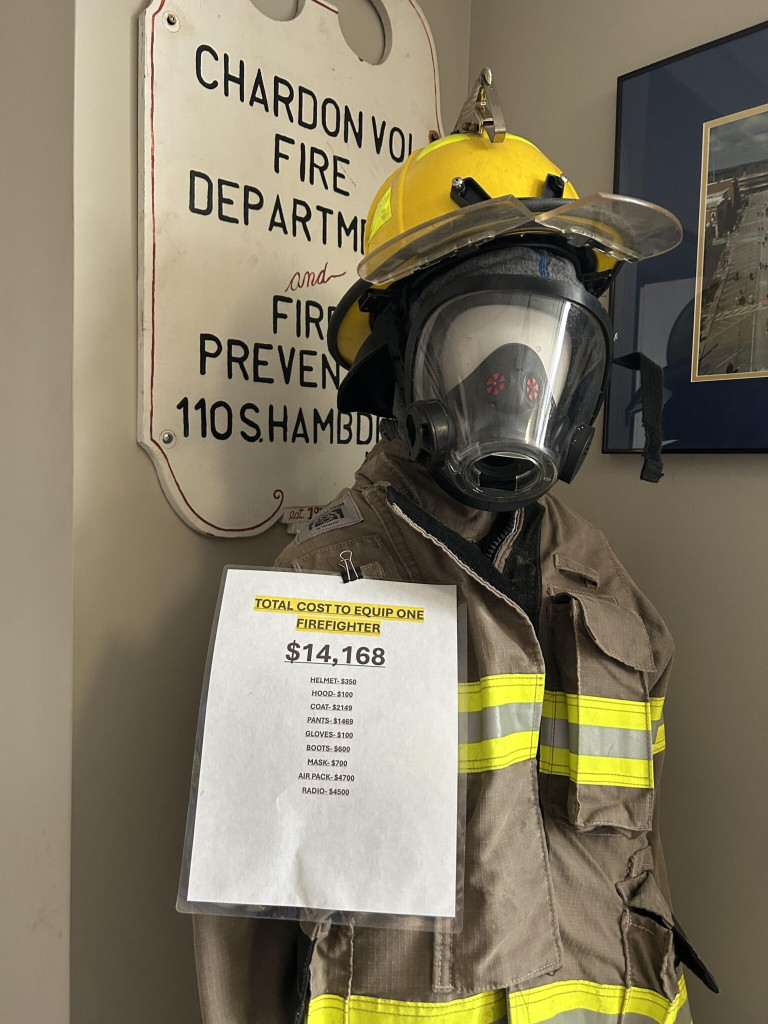
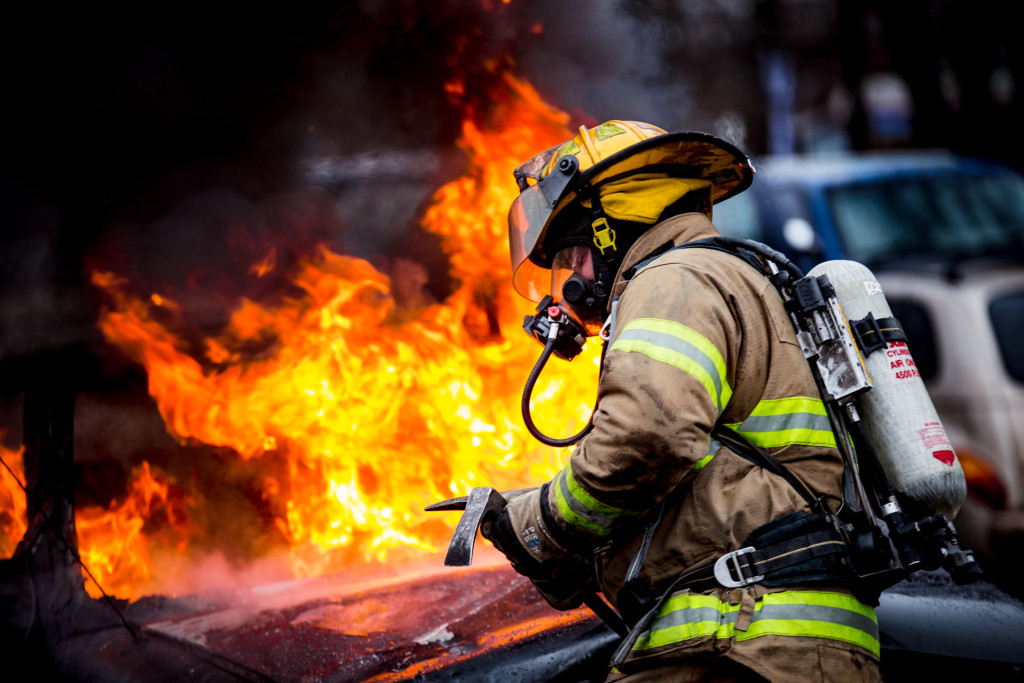
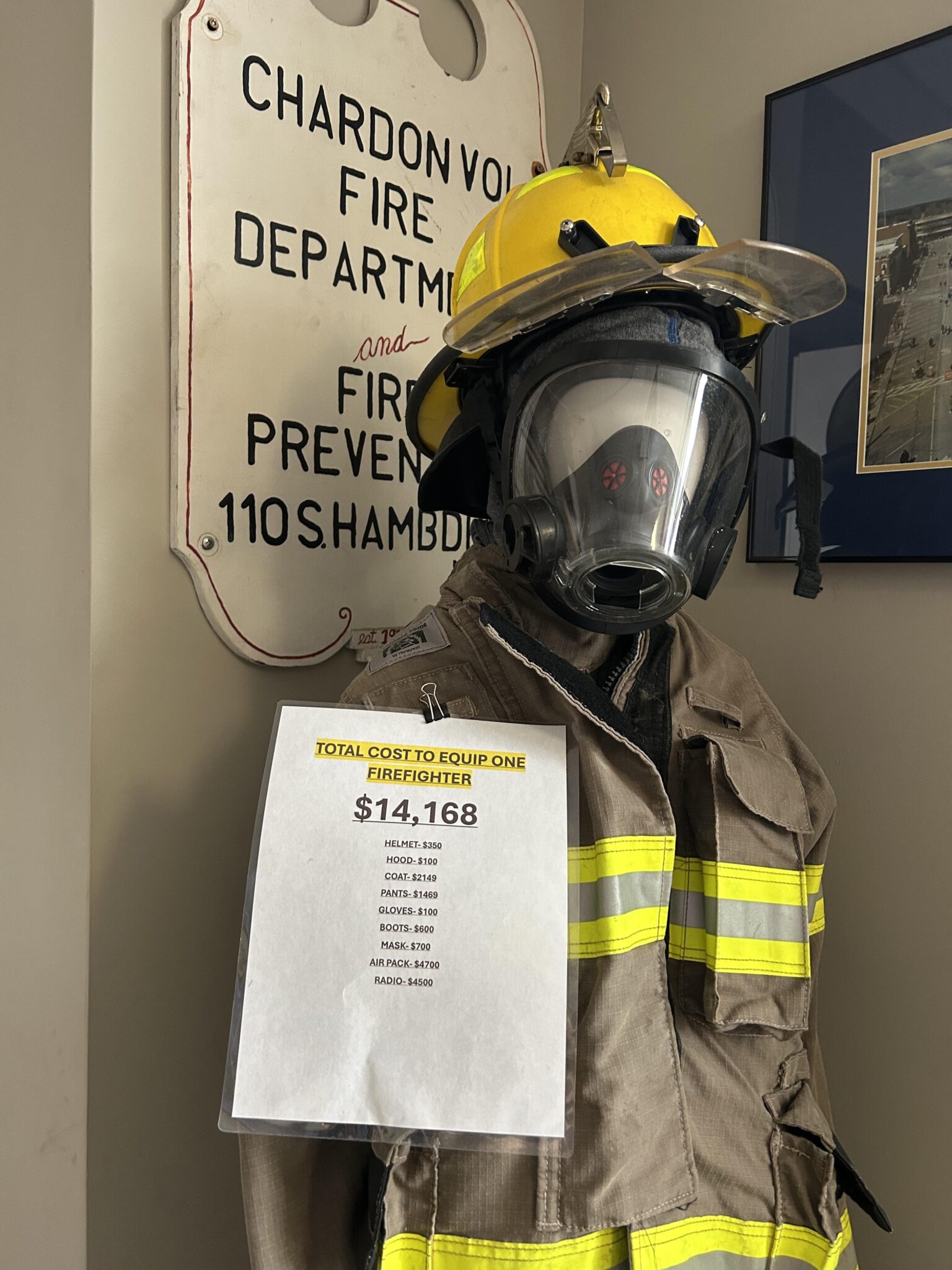
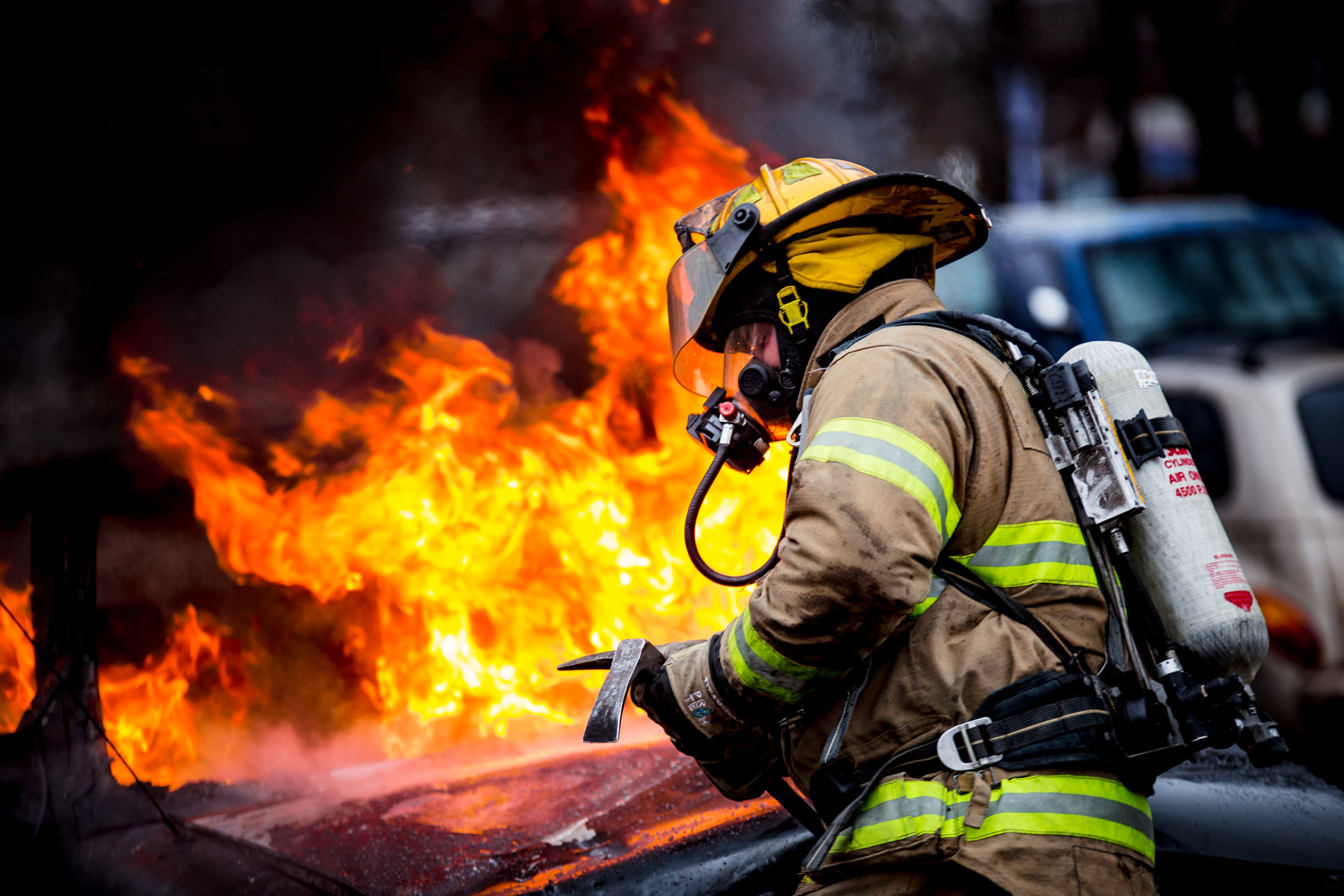
Equipping a firefighter with full gear – helmet, hood, coat, pants, gloves, boots, mask, air pack and radio – costs about $16,000, Geiss said.
Taking into account all that goes into running a fire and EMS operation successfully, ensuring when tragedy strikes, help will arrive, might put into greater perspective the value residents get for the amount they pay, he said.
“People don’t realize how little they pay for fire and safety,” Geiss said.
*** Part II, scheduled to run in the Oct. 16 edition, will dive into the varied solutions fire departments have come up with to combat continued challenges. ***




ANN WISHART/KMG
Bainbridge Township Fire Chief Lou Ann Metz reviews the costs of fire protection and emergency medical service, noting the township’s population is growing faster than that of Geauga County.
ANN WISHART/KMG
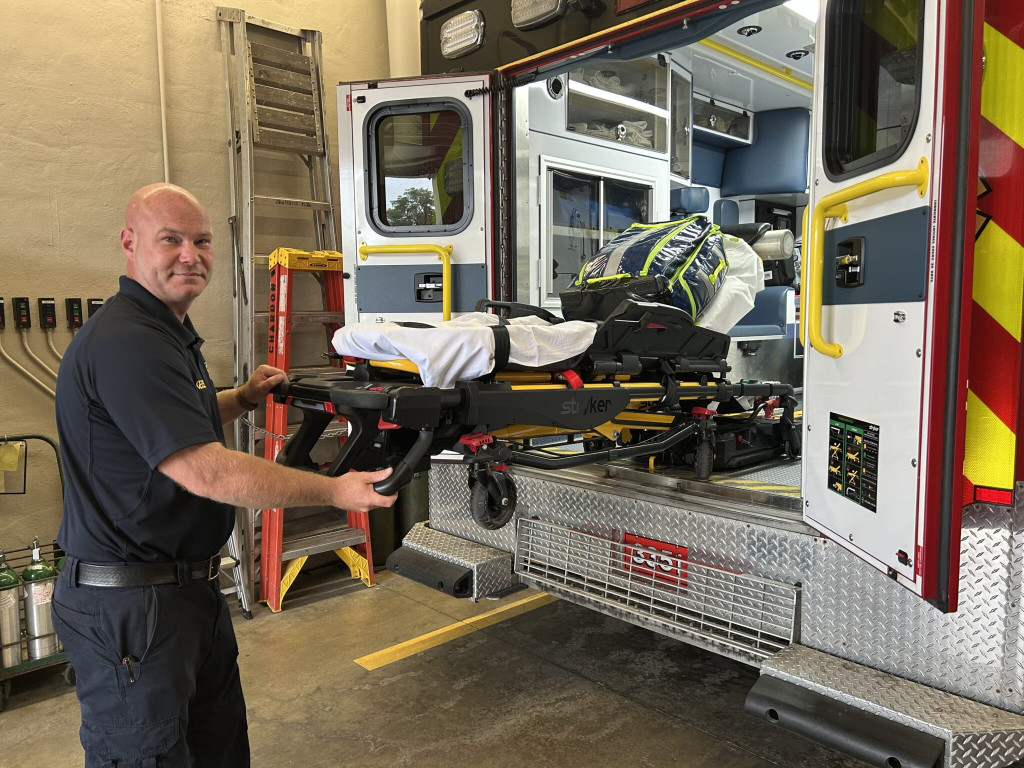
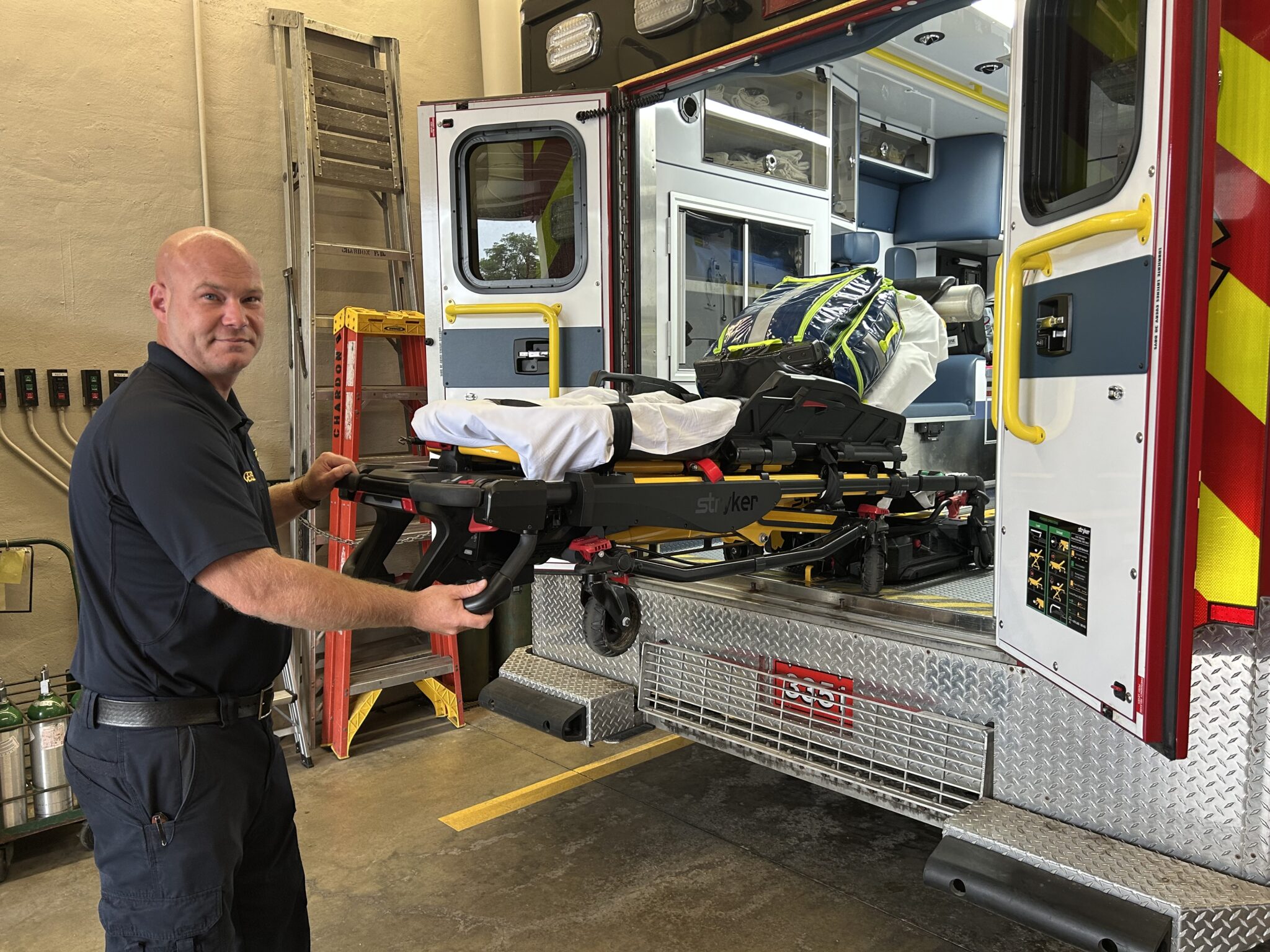
Chardon Fire Chief Justin Geiss displays an ambulance cot, explaining an ambulance and the EMS team are equipped to help save lives on the way to the hospital.
ANN WISHART/KMG
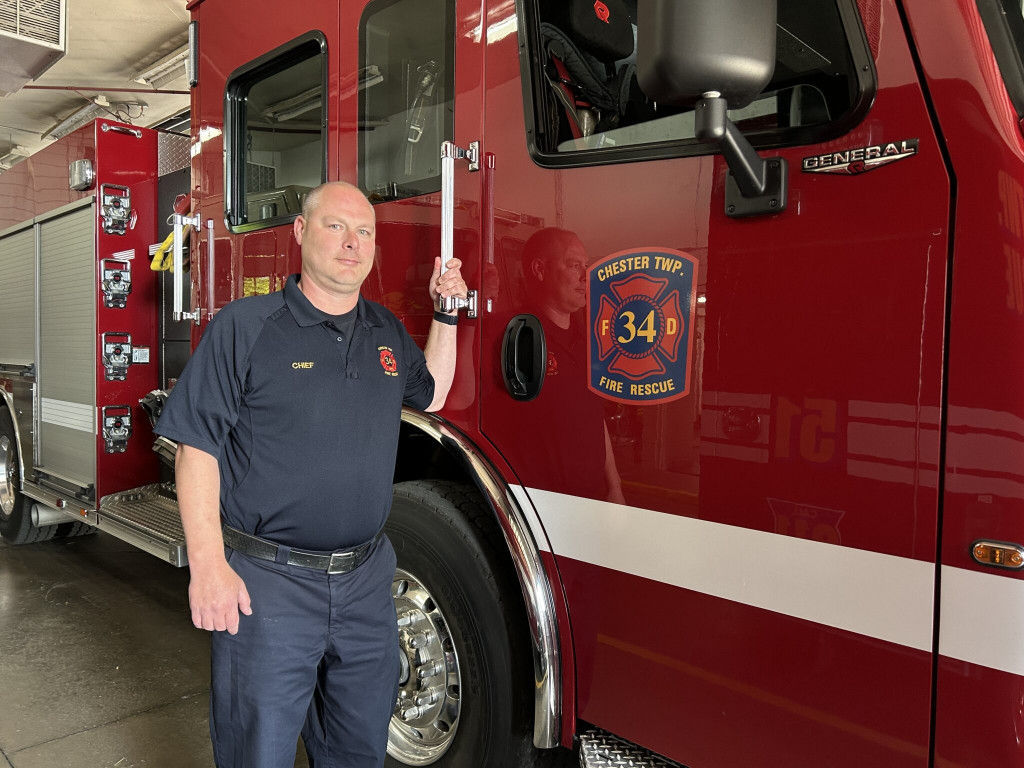
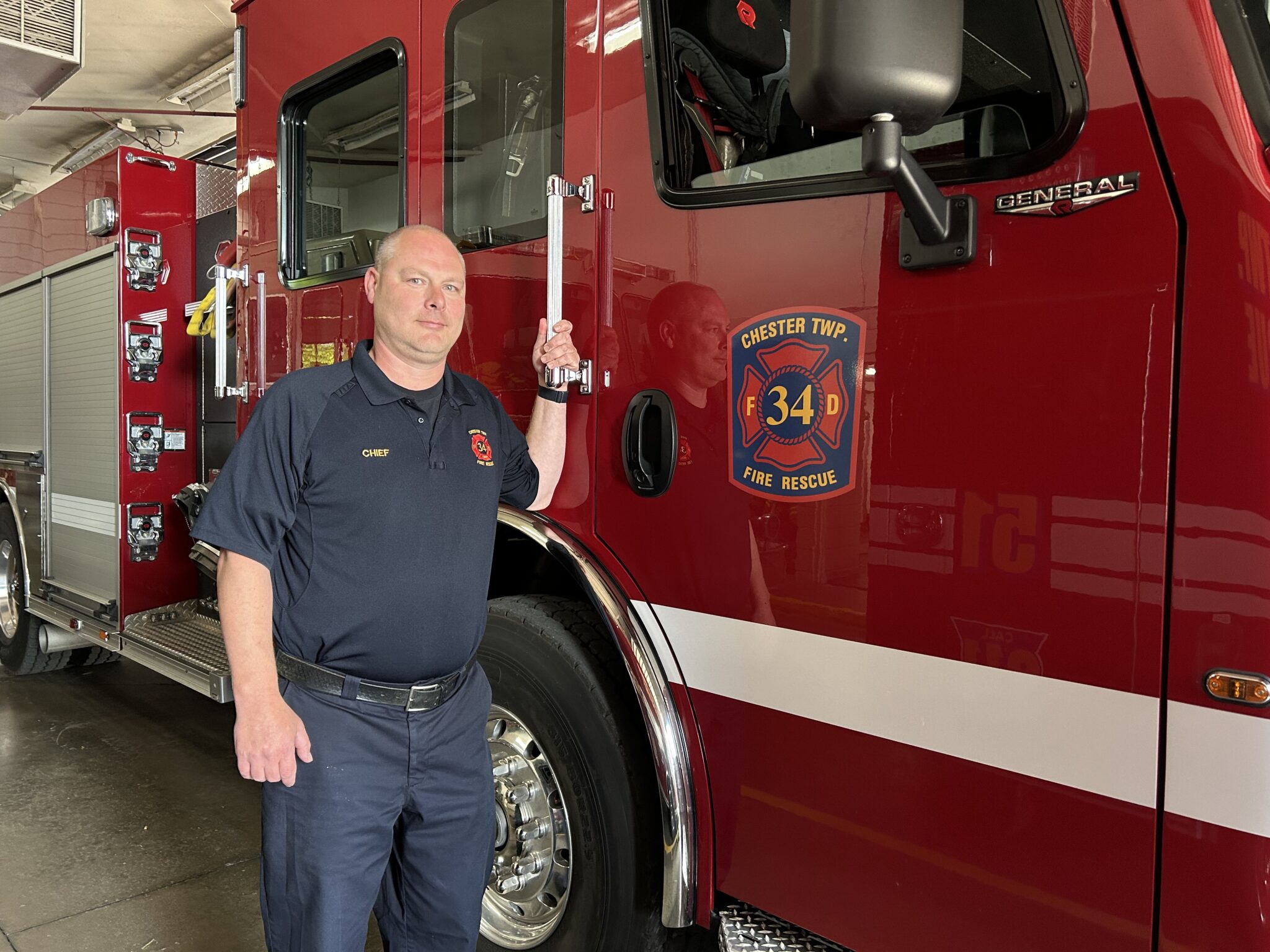
Chester Township Fire and Rescue Chief Andrew Nagy says Chester competes with wealthier departments next door in Cuyahoga County for qualified firefighters and paramedics. Recruitment and retention in many Geauga County departments is a challenge, chiefs report.
ANN WISHART/KMG
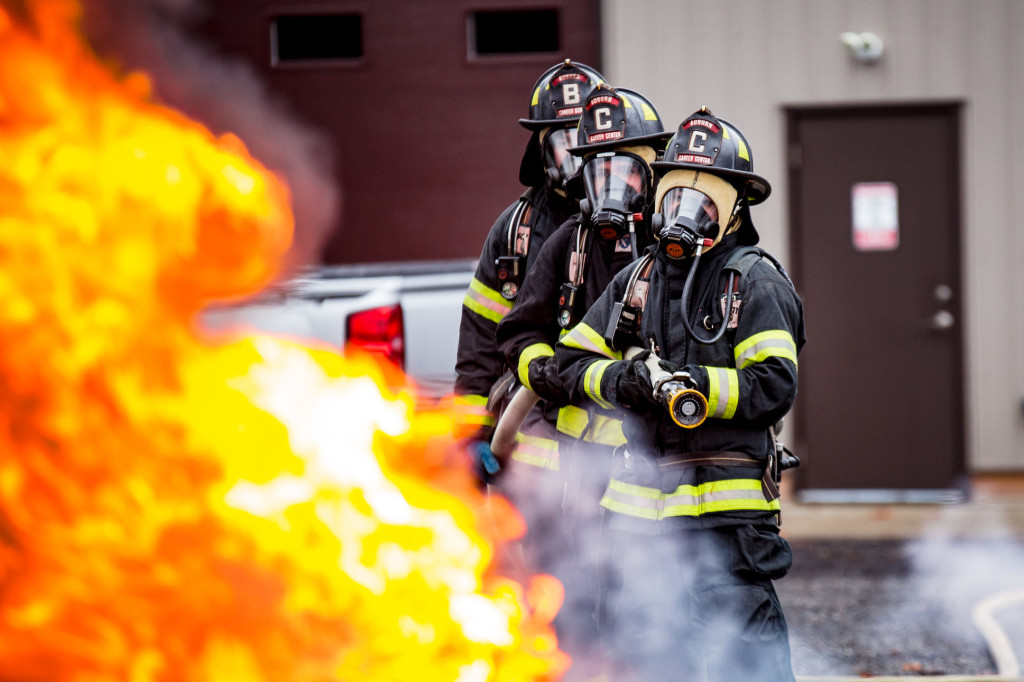
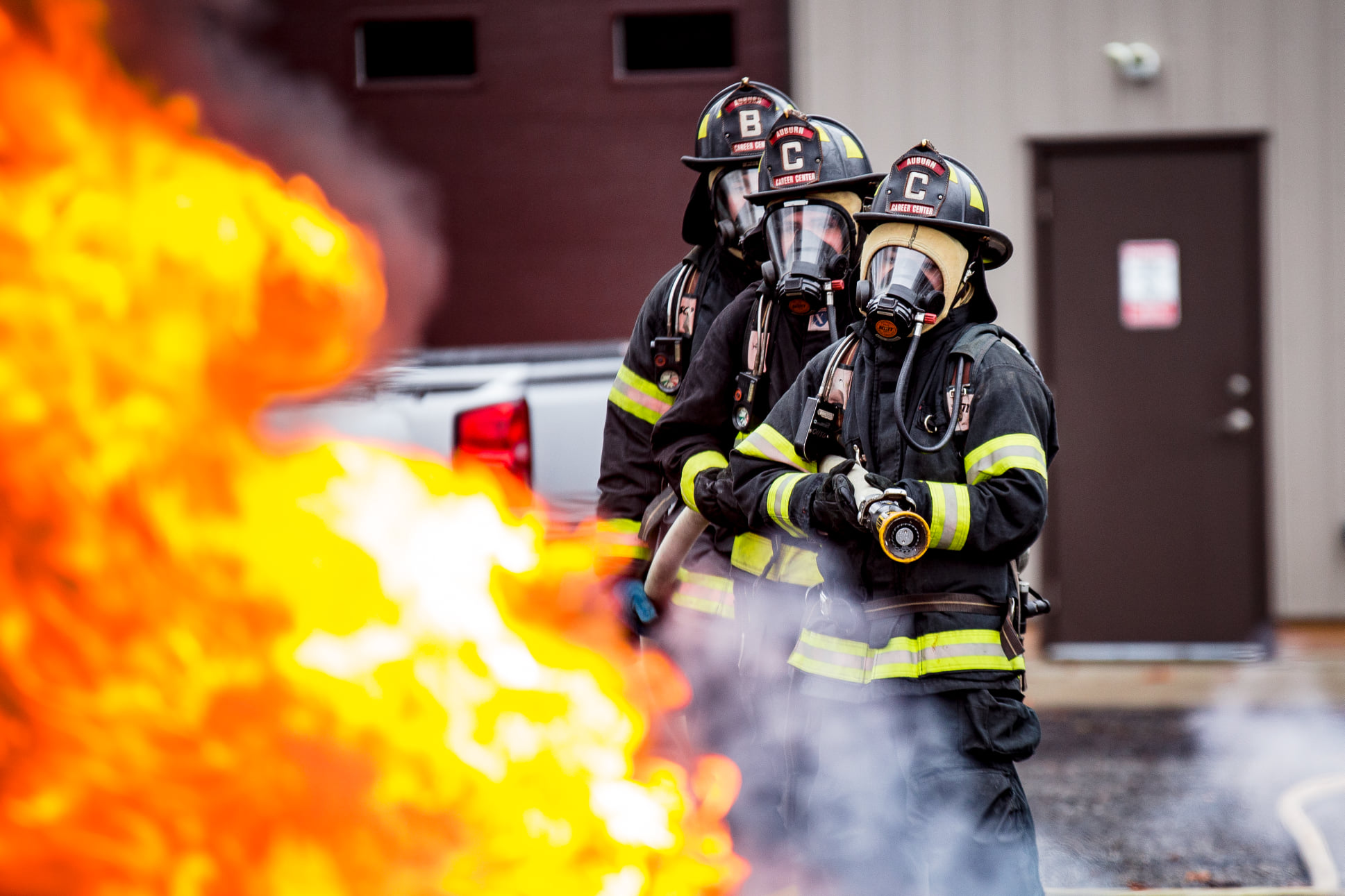
The cost of outfitting a firefighter continues to rise. Chardon Fire Chief Justin Geiss said the current price for gear is about $16,000 and each firefighter needs two sets.


