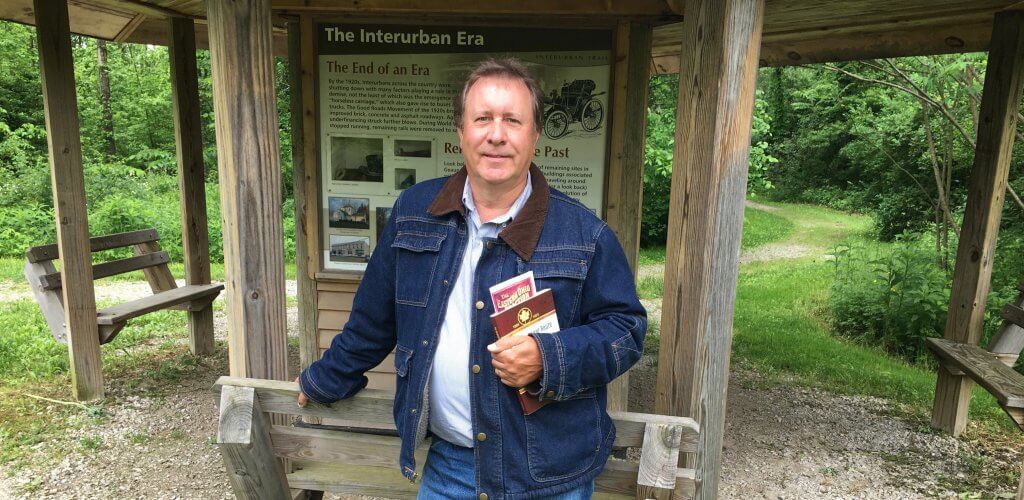
The year 1925 marked the last stop to an era and mode of transportation that attracted many far and wide to the allure and possibilities of Geauga County.
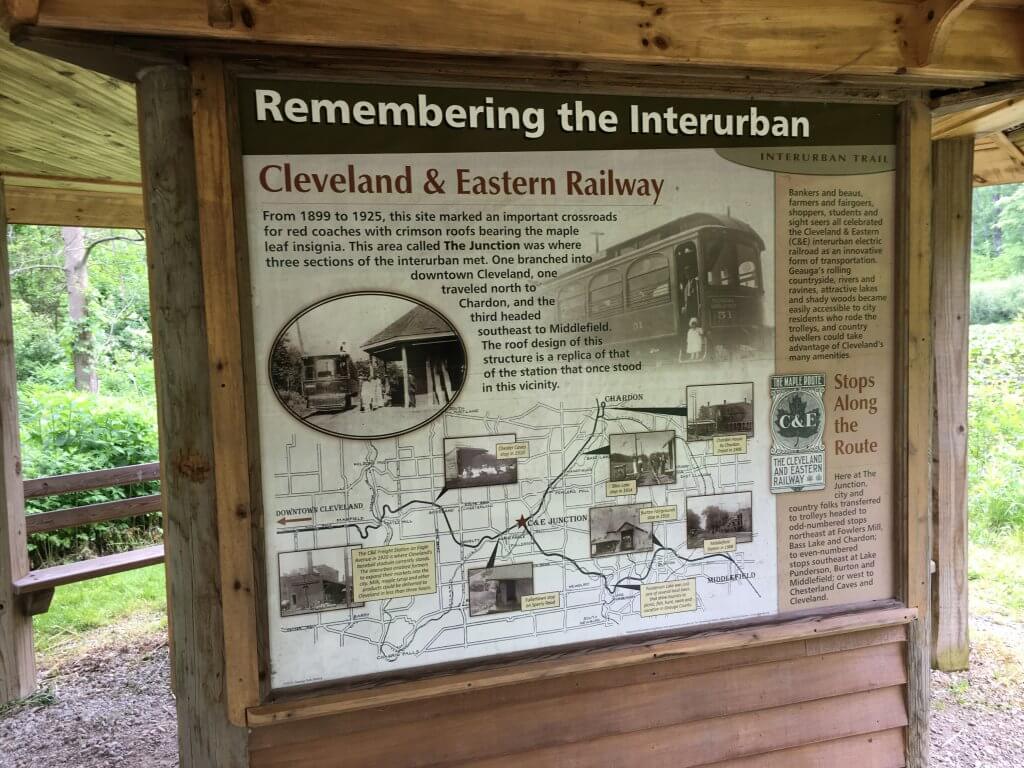
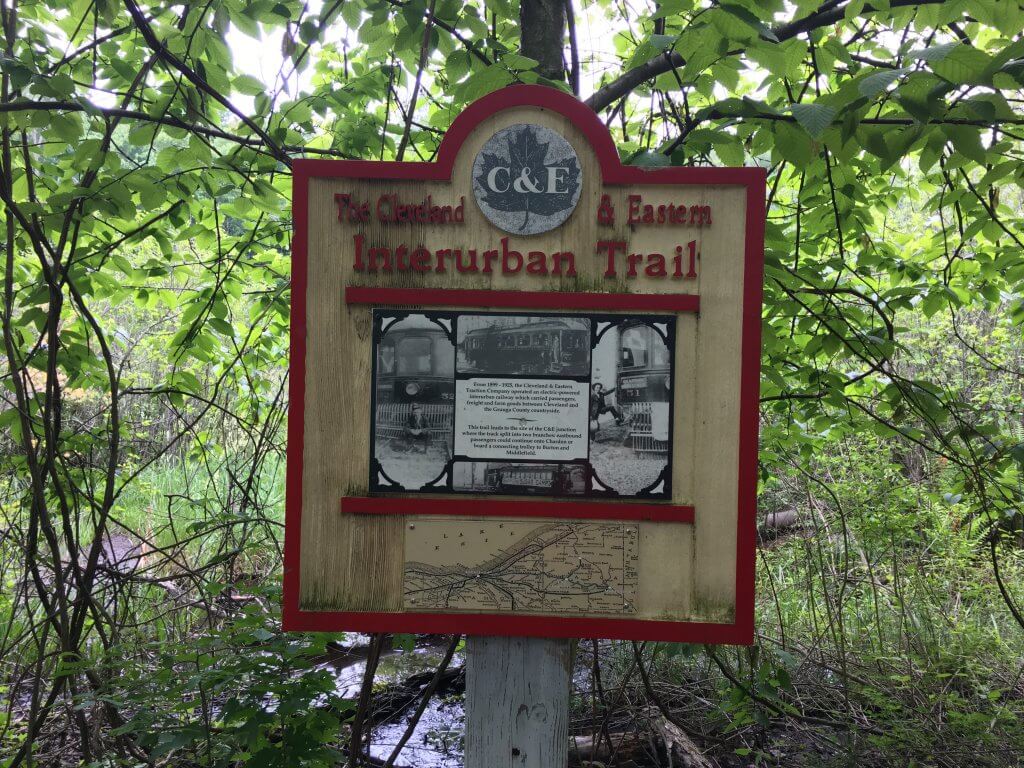
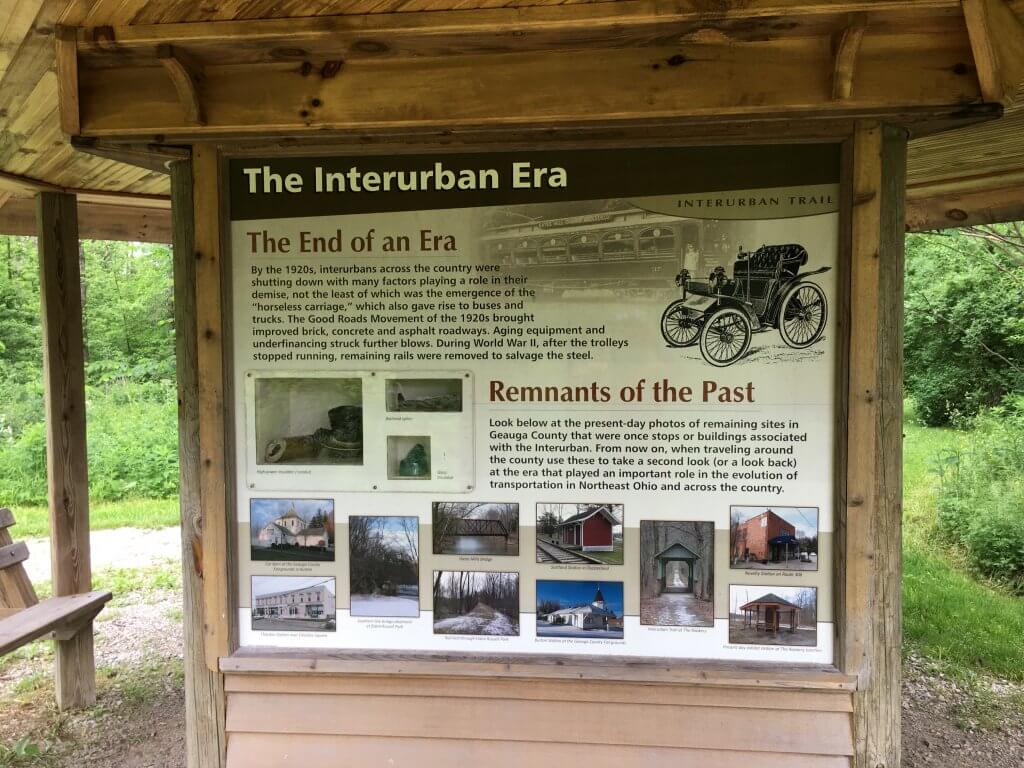
The year 1925 marked the last stop to an era and mode of transportation that attracted many far and wide to the allure and possibilities of Geauga County.
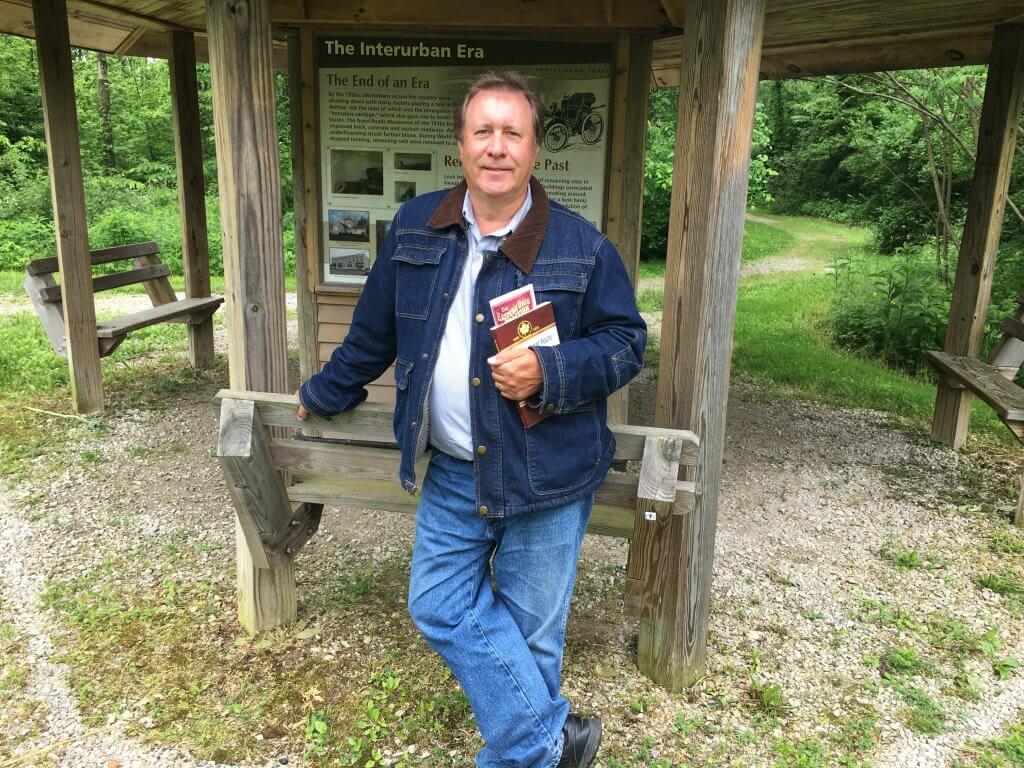
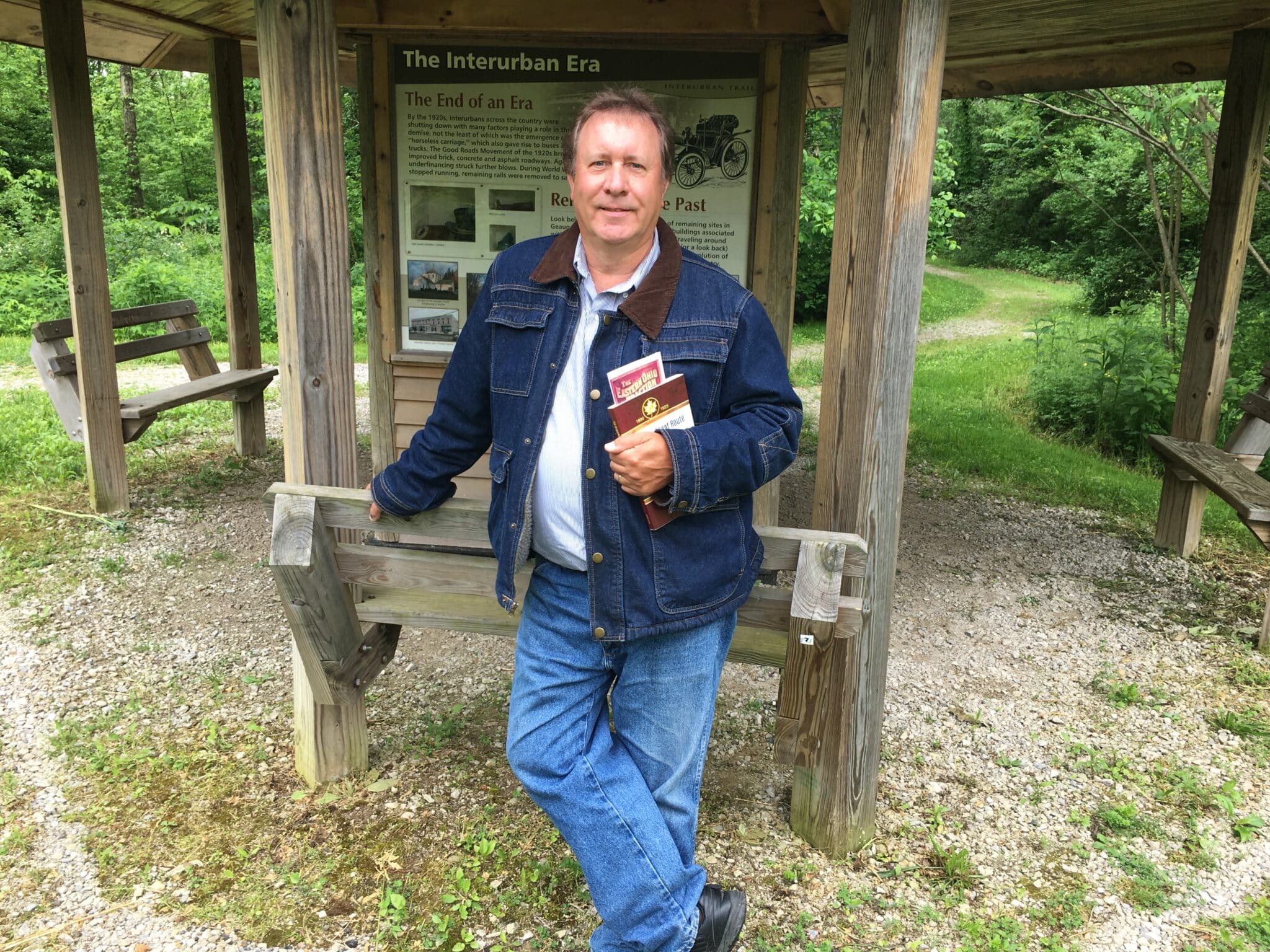
However, if you know where to look, the details and romance of Cleveland’s interurban railway are just a journey waiting to be rediscovered in the new book, “The Maple Leaf Route,” by local author Dan Rager.
“Few counties in Ohio are as diverse as ours,” said Rager, of Munson Township. “The country life is still practiced by farmers, while residents have wide open spaces to enjoy nature, camping, hunting and outdoor activities all year around. An Amish community nested in the outskirts, while clean air, open skies, brooks and rivers are abundant.
Who wouldn’t want to live here? These are the main reasons the Maple Leaf Route was successful and is why I live here.”
Rager’s mission is to bring awareness to the importance of the Maple Leaf Route and region while sharing long forgotten stories from those who lived in Gates Mills and Geauga County over a century ago.

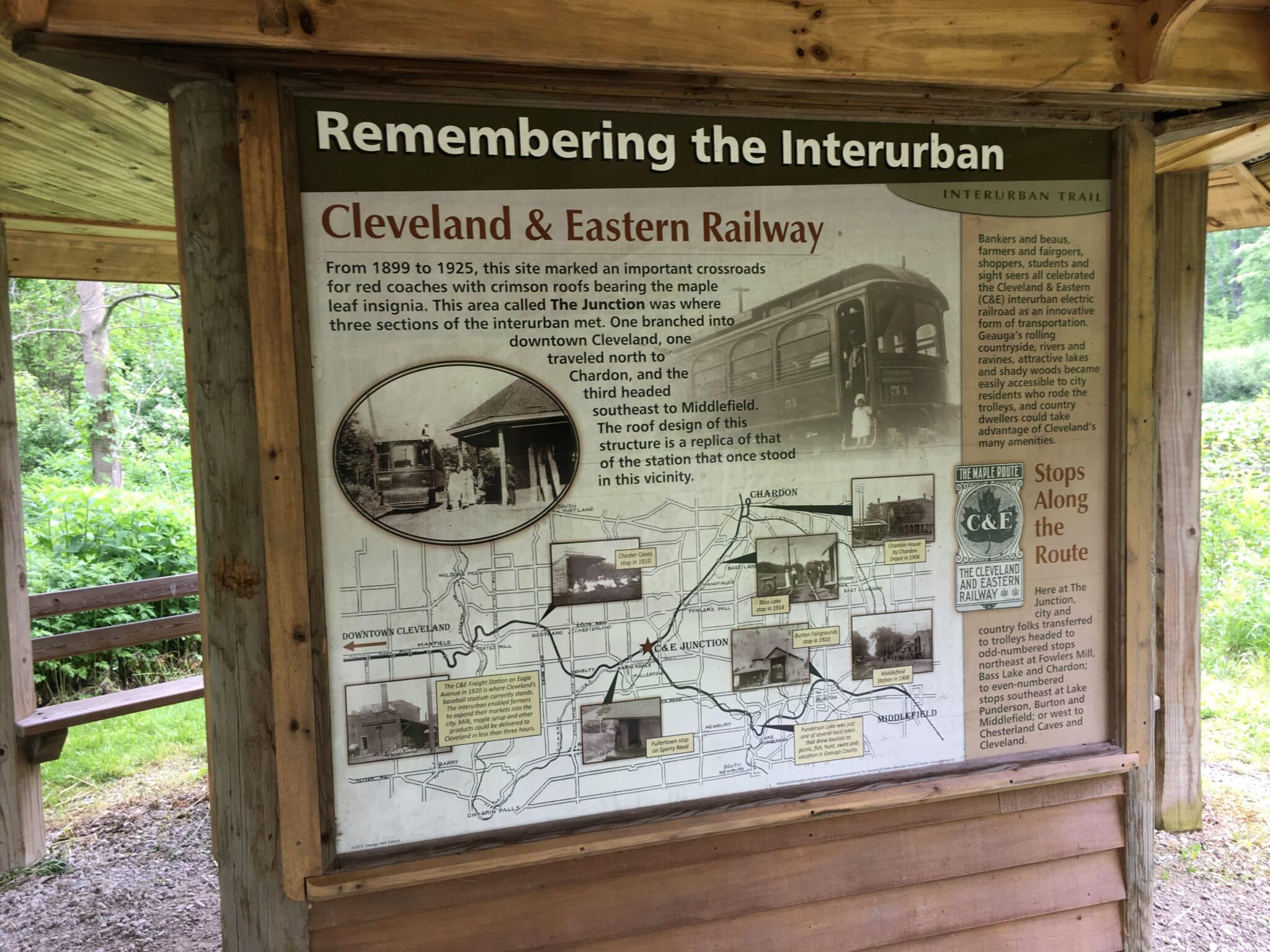
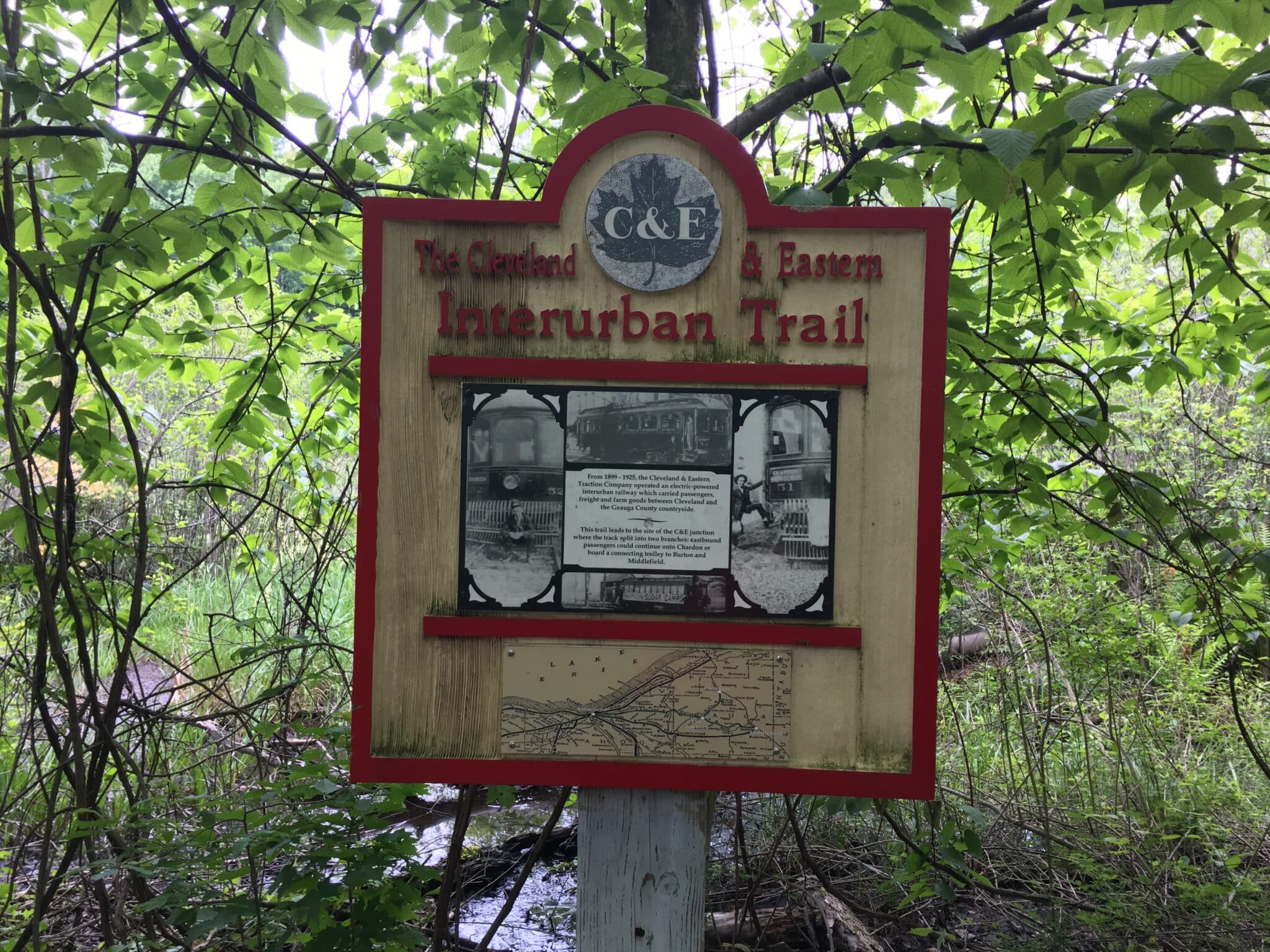
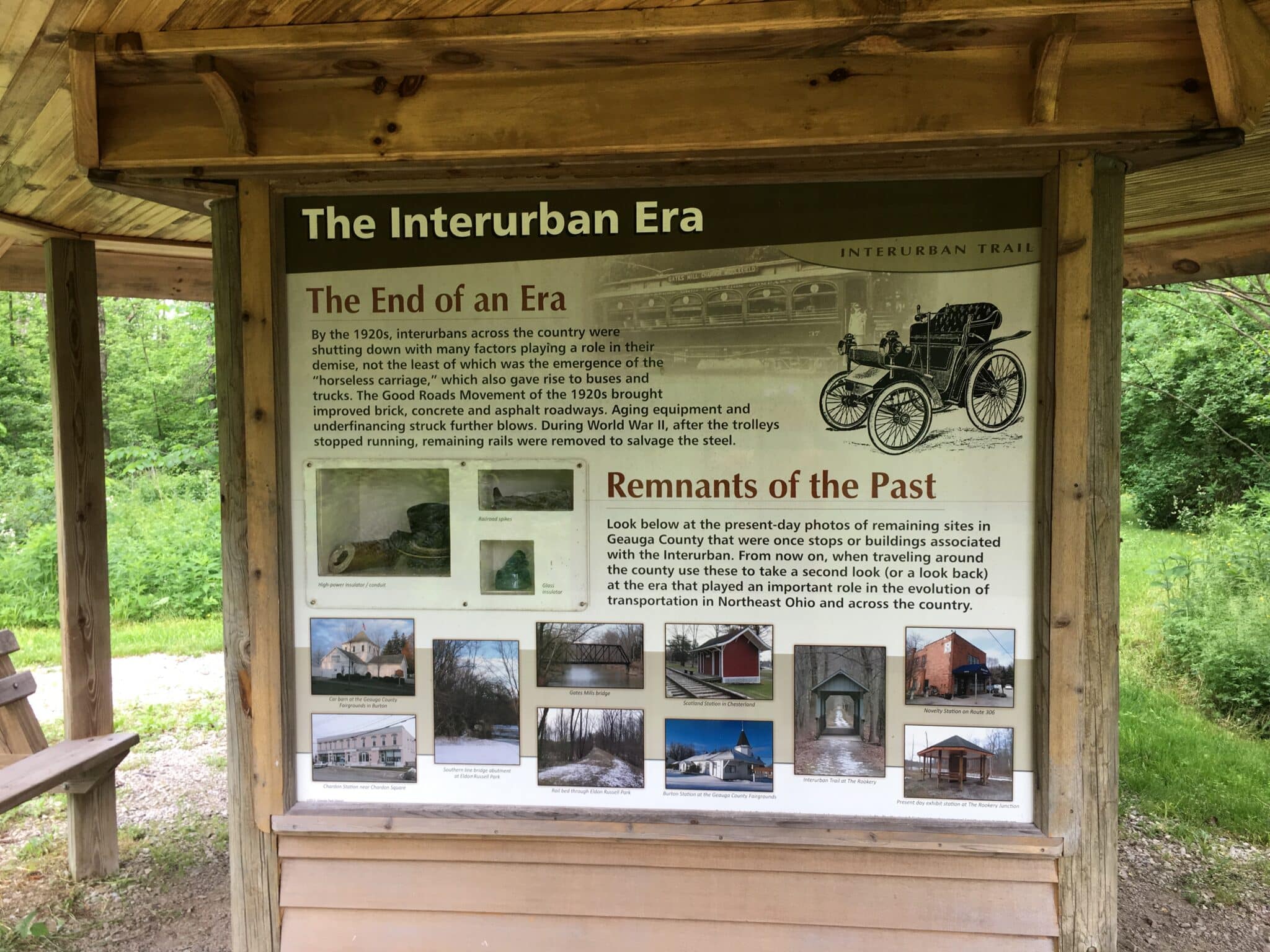
Geauga Park District’s The Rookery, a 603-acre tract located in southwest Munson Township, was the interurban railroad junction from 1899 until 1925, with the Cleveland & Eastern Traction Company operating the electric-powered interurban railroad.
The very remote area had a power substation and a passenger freight station, now home to wetlands with open marshes and swamp forests.
The interurban railway began at Public Square in Cleveland and ran all of the way to Middlefield Village.
“The lovely white building at the entrance to the Geauga fairgrounds in Burton was a former train ticket booth,” Rager said.
His book chronicles stories, rare photos, maps and original documents from railroads operating the Geauga County Maple Leaf Route, the Cleveland & Chagrin
Falls Electric Railway and neighboring lines in and around Northeast Ohio.
Rager, a Cleveland State University professor, has more than 250 published works. He travels internationally conducting and giving master classes that lecture on a variety of subjects reflecting countries and cultures around the globe. His works are used in more than 175 countries.
Rager’s affinity for trains began as a kid.
At age 11, his mother took him with her to visit a cousin in Chicago.
“After our meal in the dining car, the waiter set silver finger bowls in front of us,” Rager said. “I promptly picked mine up and drank it.”
He heard about a railroad that ran through the county a century ago and began collecting information since the 1990s.
“The Cleveland & Eastern or Maple Leaf Route was an intriguing story, so I wrote a book about it,” Rager said.
Rager added most people in the county (and connected areas) do not know about this train and how it changed the area’s way of life.

“We still find that there are residents of Gates Mills that are unaware that the interurban coursed its way through our village,” said Marcia Gerstacker Anselmo, president of the Gates Mills Historical Society. “Our oft traversed footbridge over the Chagrin River was built for the Cleveland and Eastern and our village green was the site of the car barns. When the line bankrupted, property they owned became the site of Gates Mills Town Hall and purportedly, bricks from the car barn were used to build our new town hall.”
Ansemo added,“’The Maple Leaf Route,’ by Dr. Rager, does a wonderful job of bringing the history of the Cleveland and Eastern and Gates Mills’ role in it once again to life.”
While researching and documenting materials, Rager met many people who gave him access to material on the interurban railway that was unknown and unpublished.
He said past generations collected and saved critical information and filed it away in basements and cabinets only to be discovered 70 plus years later.
“Through his conversational manner of writing, he invites the reader to join in on how the Cleveland and Eastern opened up opportunities for economical growth in Geauga County,” said Kari Liebenauer, of The Cleveland and Eastern Interurban Historical Society and Museum. “The journey discusses the growth of commerce in Geauga County via transportation of milk and other commodities shipped to Cleveland. He tells the story of how influential wealthy Clevelanders rode to Geauga County to enjoy the peace and tranquility of the open spaces that the county could provide. The Cleveland and Eastern system, during its life, encouraged the economic development in Burton, Chardon, Chesterland at Thayer’s General Store and other cities it served along its right-of-way, until it disappeared in 1925.”
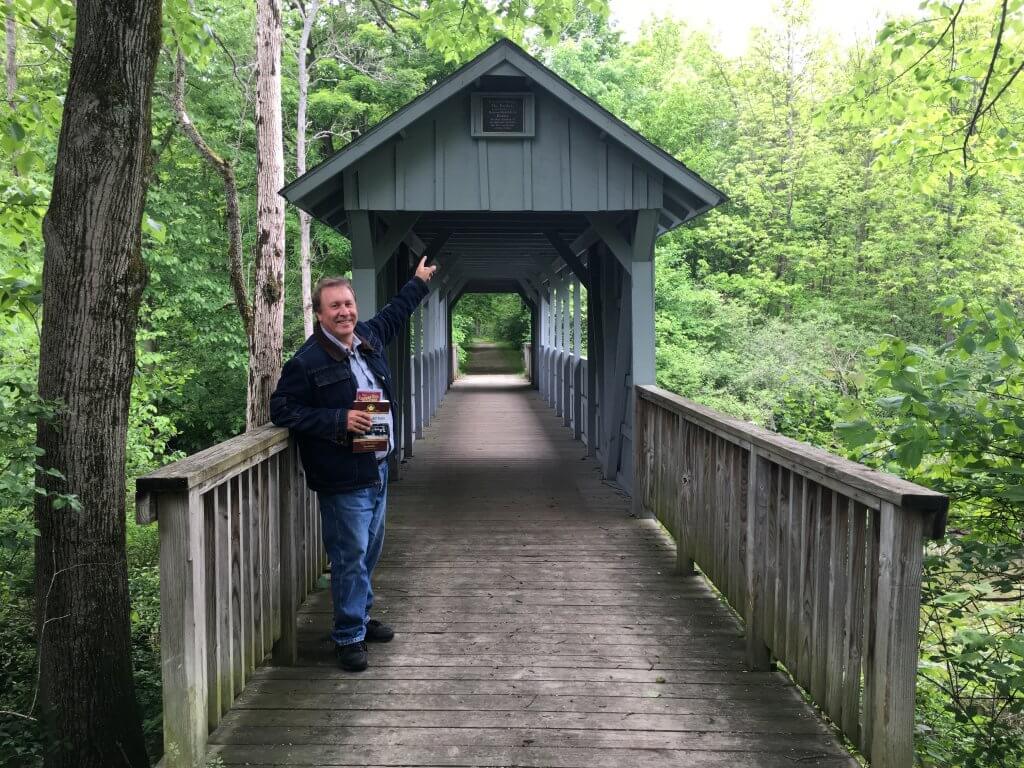
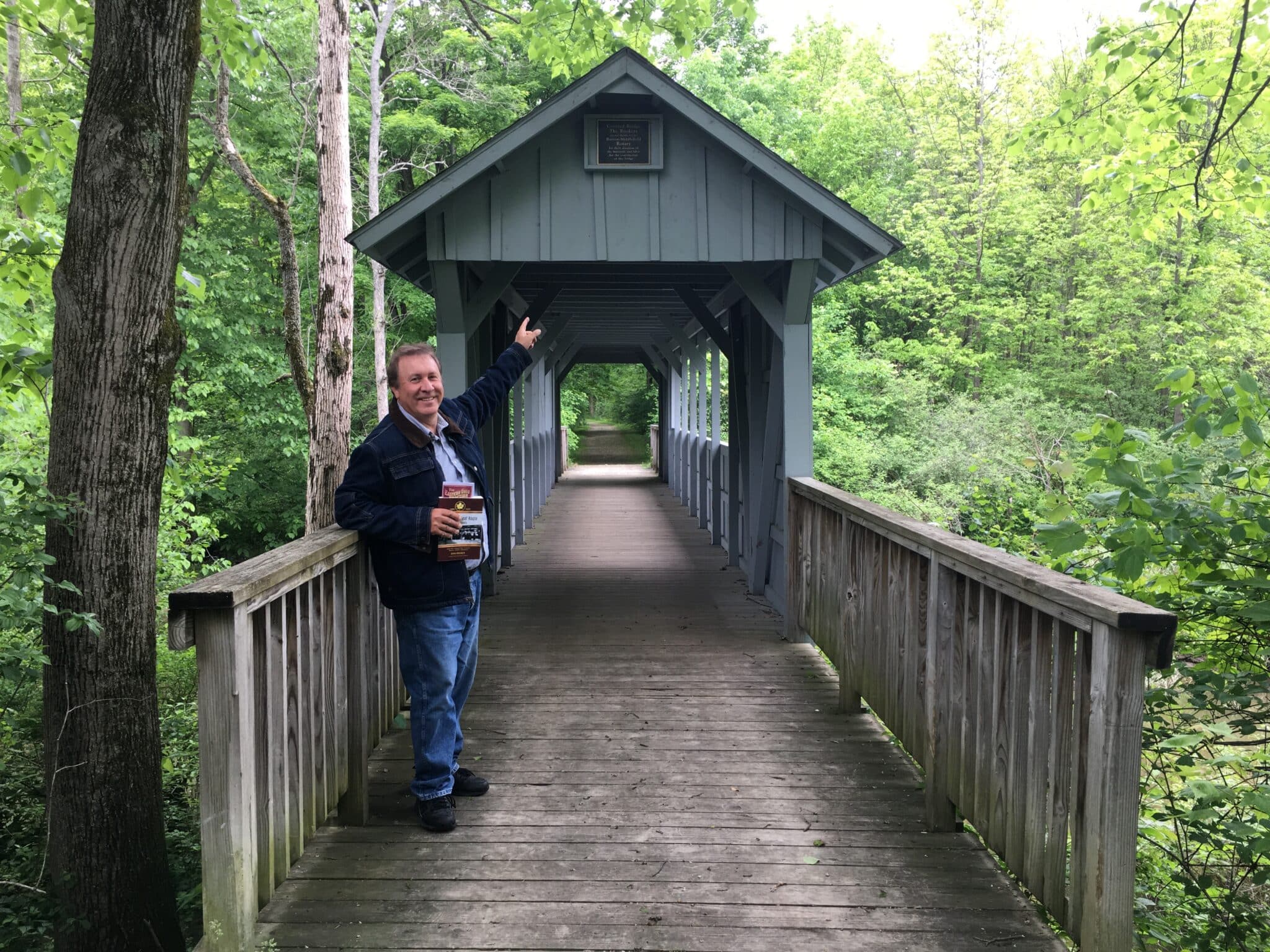
The Burton-Middlefield Rotary in 1992 built a covered bridge on top of the original interurban right-of-way bridge in proximity to the junction at stop 28B.

“There had been several books printed previously, but I explained to Dan that none of these that I had read had very much detail in them and left as many questions,” said Bob Johnson, of Burton-Middlefield Rotary Club. “Our club has always had a keen interest in the early interurban lines as many of us are history buffs and this was a very unique piece of history for a very rural and lightly populated county.”
Johnson found this new publication offered a wealth of information and answered many questions.
Rager also created a period map, which he sells at presentations, that corresponds with the book. It has original line and main dirt roads from 1899-1925.
He also gives away replica tickets of the interurban railway and an advertising brochure reproduced from a 1910 campaign.
“Since the publishing of the book, more people have come forward with photos, documents and information about their relatives, grandfathers, etc., who worked on the line,” Rager said. “I am now collecting information for a second edition.”
“The Maple Leaf Route” is available for $30 from the Maple Leaf Publishing Company, P.O. Box 144, Chardon, OH 44024. Contact: mapleleafroute@gmail.com.