


"This is about our district helping to facilitate the village's ability to participate in the process." – Scott Hunt
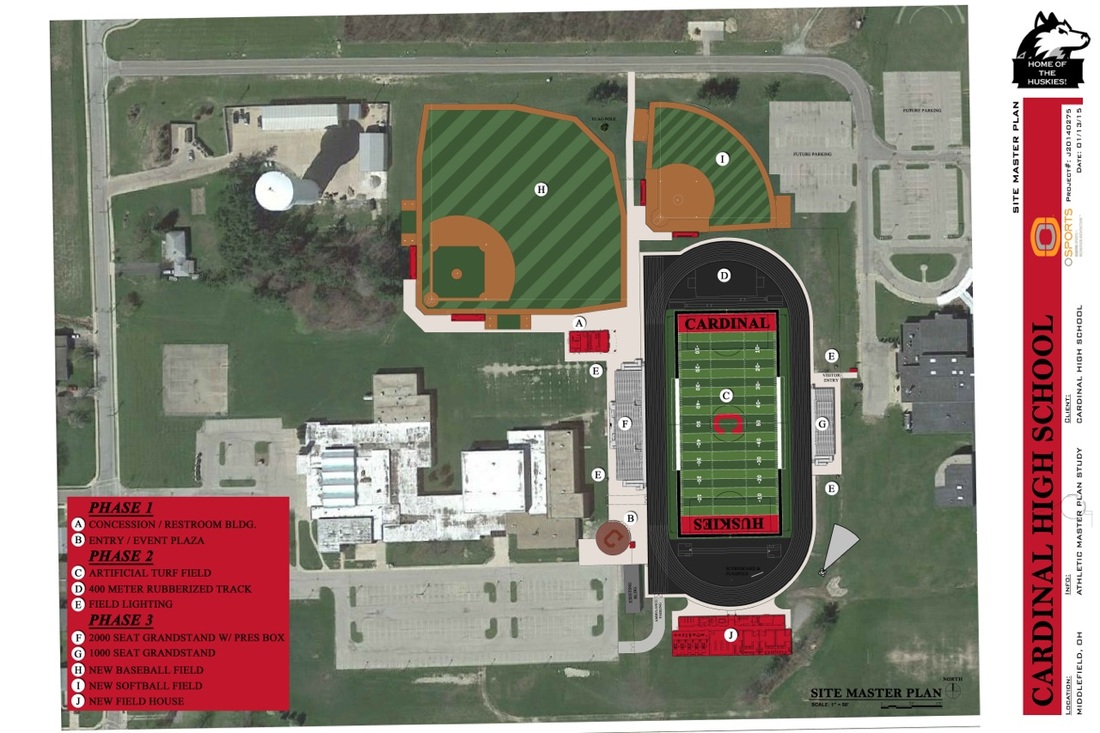
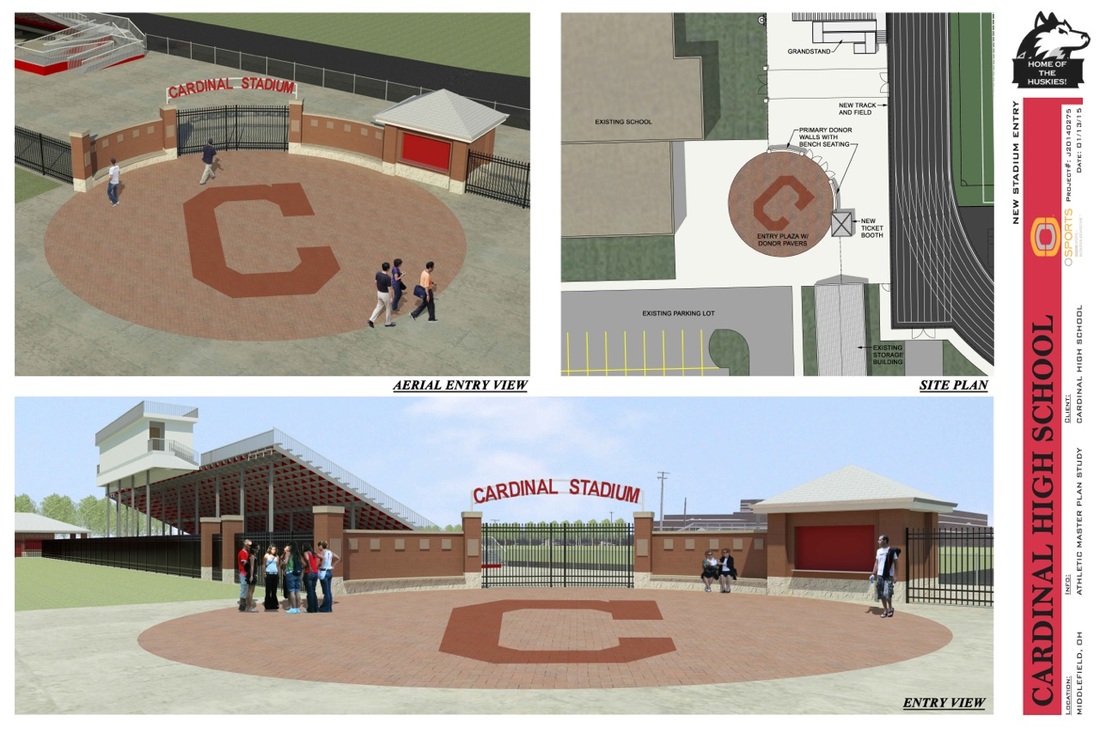
Improvements to the sports complex at Cardinal Schools will move forward, with or without a deal between the district and Middlefield Village Council, said Bill Poole.
Vice president of Huskie Nation Foundation (HNF) and former village mayor, Poole said last Thursday the nonprofit organization is still committed to enlarging and improving the track and football field as well as undertaking other projects.
Without an agreement between the village and the district, the work will just move along more slowly than people had hoped.
“Their deal isn’t going to make or break us,” Poole said after a special school board work session last Wednesday.
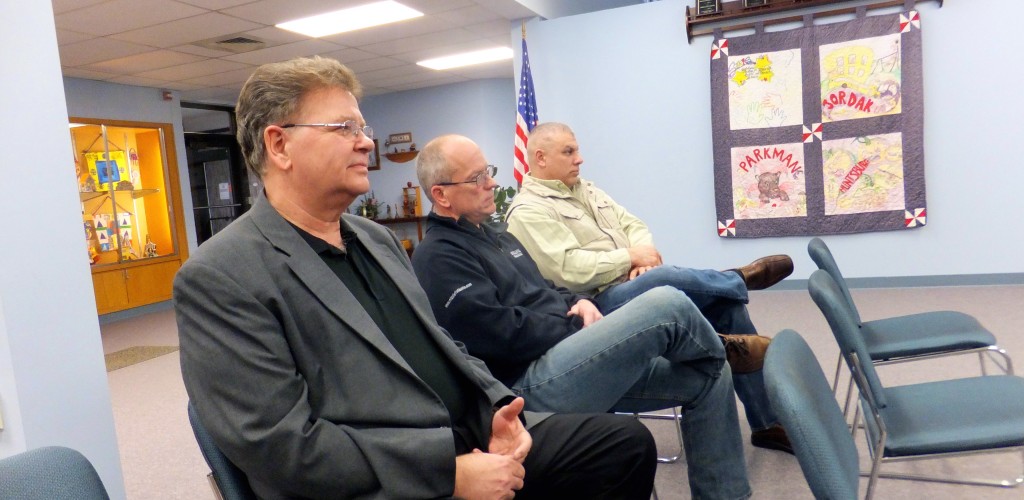
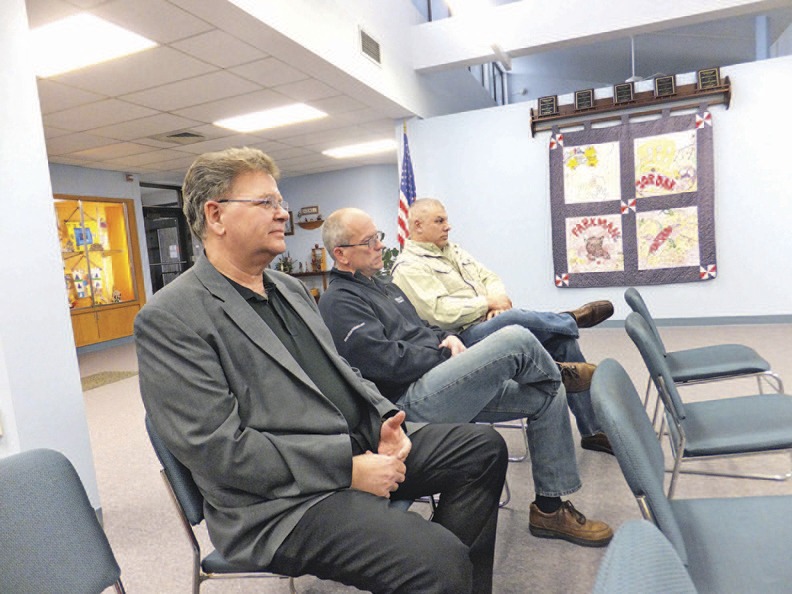
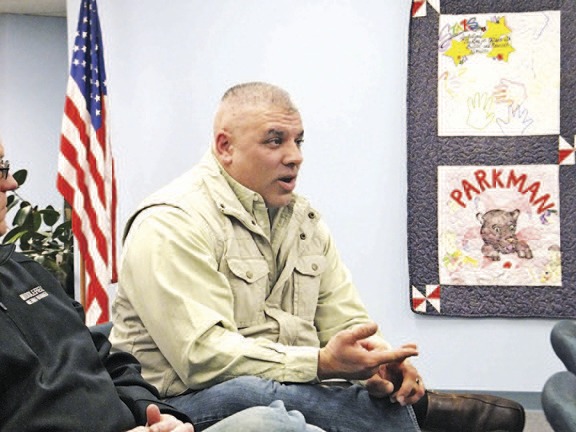
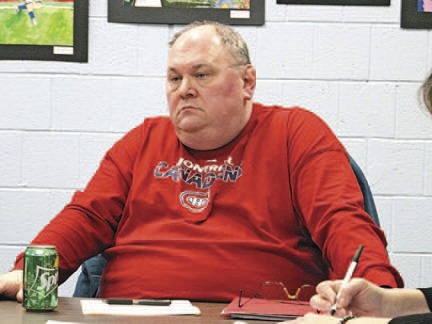
Village Mayor Ben Garlich, Councilman Scott Klein and Police Chief Joe Tucholski attended the meeting to discuss a pending deal with the district.
Last year, the school board heard a plan from the HNF to upgrade and enlarge the district’s athletic facility, but neither the district nor the village can legally contribute funds to the nonprofit organization.
The school board’s suggestion was for the village to front-load payments for the use of the school facilities for the village’s annual recreation program. Paying forward $150,000 over two years would provide the district with maintenance funds and give HNF non-monetary support to pursue matching grant monies.
The village started supporting the recreation program about 15 years ago with the arbitrary figure of $10,000 per year. The district’s most recent proposal was for the village to pay $150,000 over 15 years, countering council’s proposal of $10,000 per year for the first 15 years, then five years for free.
In February, the village changed that proposal to 17 years.
Village legal counsel said by years 16 and 17, HNF could be financially stable and the school could be making money off the facility by leasing it out to other events.
Poole said the 15-year deal is a “sweetheart deal for the village” because it ensures the cost of using the complex for the village recreation program won’t increase.
Without the deal, the board could insist on a higher lease rate in coming years, he said.
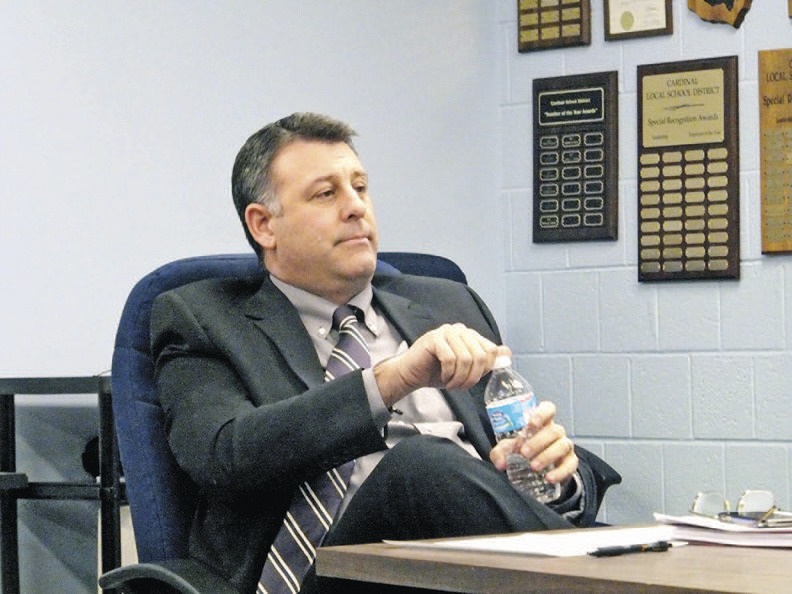
Cardinal Schools Superintendent Scott Hunt said the expansion plan was rolled out last fall by the HNF. Foundation members took the plan to council and talks have progressed slowly.
“This discussion has nothing to do directly with the foundation,” Hunt said last Wednesday. “This is about our district helping to facilitate the village’s ability to participate in the process.”
The annual payment of just more than $10,000 to the schools has helped cover maintenance and janitorial services at the schools. Those services will continue if the $150,000 is paid up front over the first two years, he said.
“The money goes directly into our coffers,” Hunt said, adding the funds may be used to help complete projects at the sports complex.
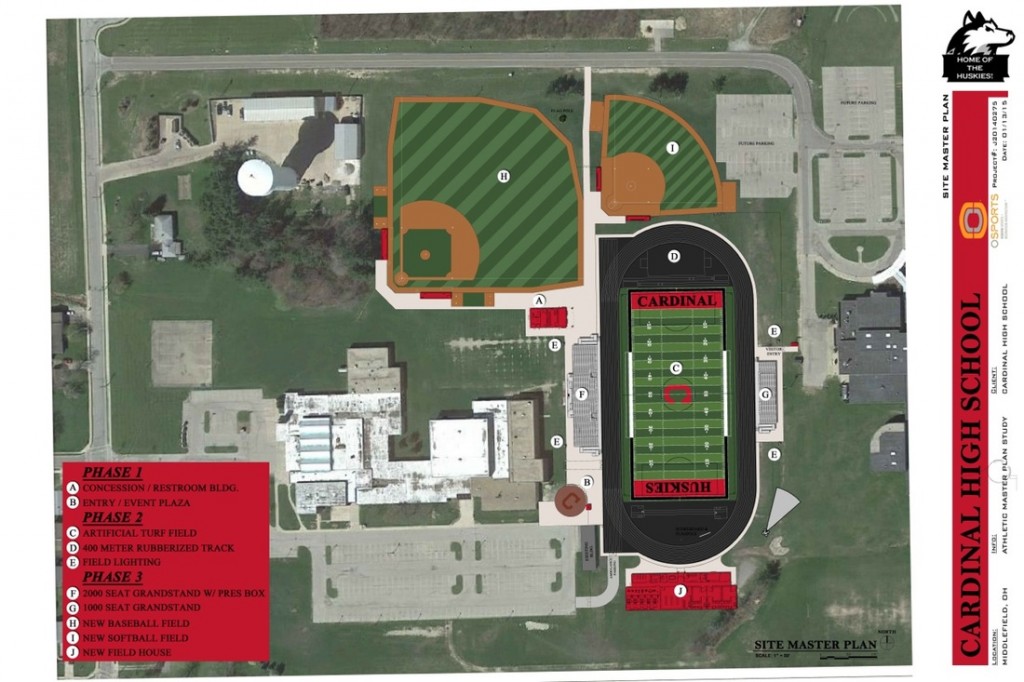
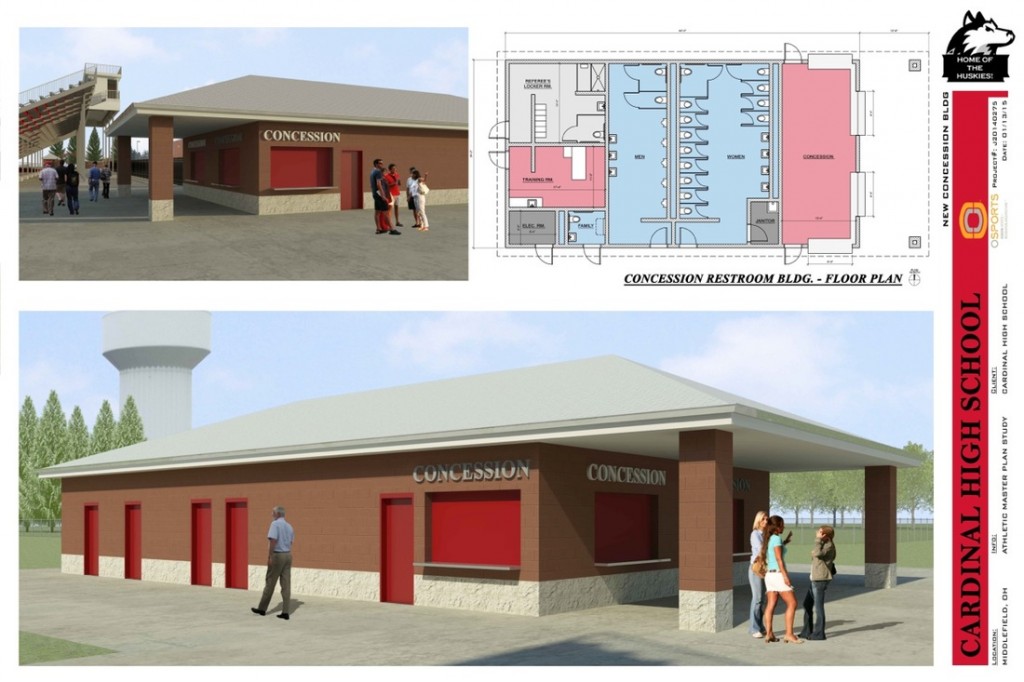
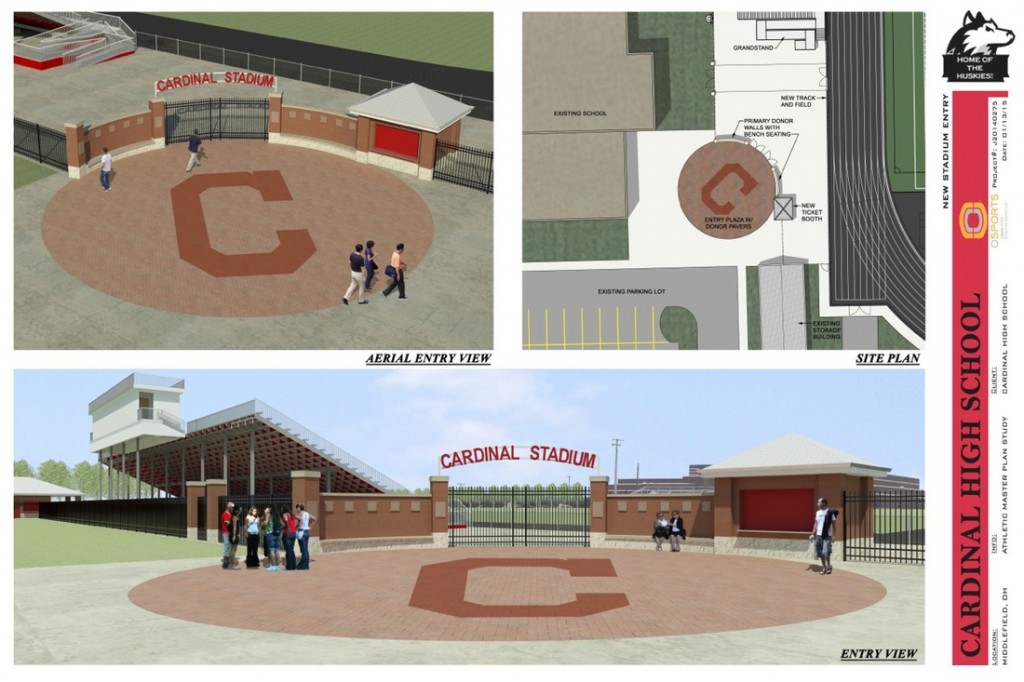
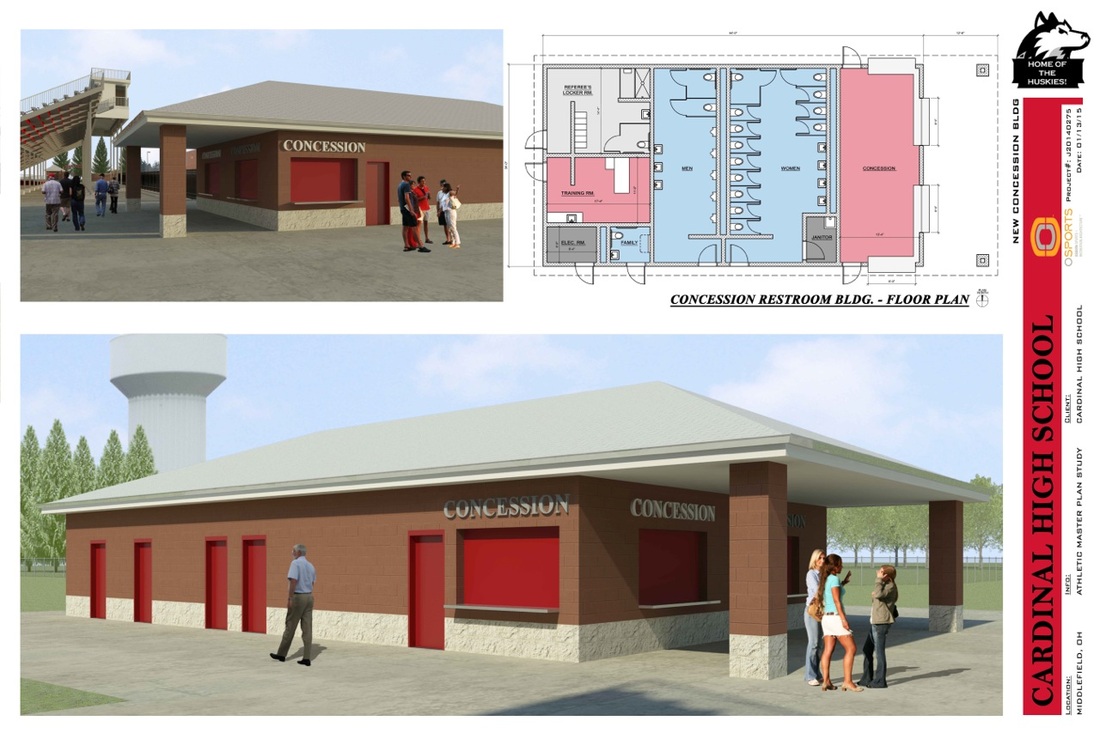
HNF proposes to bring the track up to a useable condition, put artificial turf on the football field, build a field house with restrooms, concession space and a referees’ office, among other additions and improvements.
The district is talking about putting $50,000 toward lighting for the complex, Hunt said, adding the board must consider the need for a new levy for the district in the next three to five years.
“I want this place to be great. But we still have to operate,” he said.
School board member Andy Sefcik said he has reservations about expanding the sports complex.
“I’m nervous about a big vacuum of money that’s going to be needed out there,” he said.
Different school districts have found other ways to accomplish the same goal, he said, adding Macedonia passed a bond issue and Aurora’s expansion was supported by private funding.
At Twinsburg, the athletic boosters expanded the sports facility a step at a time over 10 years, he said.
“A sports complex is a luxury, now,” Sefcik said.
So far, only $30,000 to $40,000 has been raised for the project, he said, adding he’d like to see sports other than basketball and football provided at Cardinal.
“This is not comfortable for us,” Garlich said. “We have roads to repair. We aren’t flush with money.”
Before Garlich’s term as mayor, council had put aside $500,000 to build a stadium, a project that never materialized, he said.
Those funds have been returned to the general fund and have been needed through the recession.
Tucholski said an improved sports complex will be good for Cardinal students.
“As administrators and school teachers and board members, you guys are supposed to be for the kids. Our kids deserve something to be proud of,” he said, adding sports keeps students involved in school.
“The better we raise our kids, the better we raise our community,” he said.
Board member Wendy Anderson said being involved in the schools is critical to kids staying out of trouble.
“Colleges want students to be well rounded. Their GPA’s a very small part of it. If we don’t give them opportunities … they struggle when they leave here,” she said.
Board President Ken Klima said a better complex will draw more activities to the community.
“Yes, there are risks, but I think it’s worth it,” he said.


