


The gift of a box of cookies at holiday time will not raise ethics issues for public officials, but concert tickets and rounds of golf…
The gift of a box of cookies at holiday time will not raise ethics issues for public officials, but concert tickets and rounds of golf probably will, an Ohio Ethics Commission representative told local officials April 13.
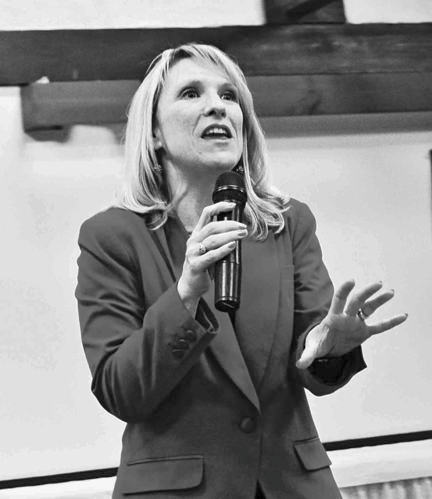
“There is no dollar amount for gifts allowable under state law,” Susan Willeke said at the Geauga Township Association’s quarterly dinner meeting in Claridon last Wednesday.
Willeke, who has worked for the ethics commission for almost 25 years, serves as education and communications administrator. She told area public officials her agency serves as the watchdog of local government, but besides investigating complaints of possible wrongdoing, it also serves as a pro-active educational tool for trustees and other officials to use.
She urged them to contact her office whenever the officials have a question about whether something is acceptable under Ohio ethics laws.
She told the audience of about 100, which included township trustees, fiscal officers, county officials as well as representatives from safety forces and the Geauga County Prosecutor’s and Engineer’s offices, that no public official considers themselves a “bad egg” or a “wretched person,” but because most of them have personal and business lives outside of their office, opportunities sometimes tempt good people to cross the line.
“We all have potential conflicts of interest because we also exist outside of our public role,” Willeke explained. “When public and private interests overlap, it can cause a tug of war. We have to take scissors, cut that rope and make them separate.”
Whenever a public official faces such a question, if they put it in writing and submit it to the ethics commission, and they follow the commission’s recommendations, they will then have immunity if any legal action is taken later, she said.
“You will be following our advice and it’s free advice,” Willeke told the group.
Under Ohio law, townships are allowed to set a dollar limit for gifts that officials can accept from outside vendors, but the law specifies only that such gifts cannot be “substantial” and does not define what that means. The ethics commission makes that determination.
“Cookies, a cup of coffee or a modest meal are not illegal, nor are promotional goods such as pens or mugs,” she said. “Generally, ‘substantial’ means tickets to a ball game, vacations, scheduled catered luncheons, construction on your home or golf outings.
“If you have any gift questions, call us,” she said, adding jokingly that just because Cleveland Browns tickets aren’t worth anything and the owners can’t give them away, that doesn’t mean they’re not considered substantial under the law.
She said her goal is to educate officials so well, the commission’s inspectors have nothing to investigate.
<t6>Conflicts of interest, in which a public official or their family member can benefit from the person’s actions in office, are another problem the ethics commission frequently investigates, but the big-
gest violation of Ohio law is nepotism,
according to Willeke.
“That constitutes one-third of our investigative workload,” she said.
Nepotism does not mean two people who are related cannot work for the same government entity.
“That happens,” she told the group.
But when a public official tries to use their influence to obtain a job for a family member, or is in some way involved in the hiring process, it can be a fourth-degree felony under Ohio law, she said.
“That’s a lose-lose-lose situation,” she said. “As an illegal contract, it becomes void by statute. The official goes to jail and the relative loses their job. And we then continue to see loss of faith in government, when people get into office and get their relatives jobs.”
Abstaining when the vote is taken isn’t enough to avoid prosecution if the person discussed the issue or participated in the hiring process in any way, including passing on a person’s resume or making a recommendation.
“It’s an awful, egregious violation of the public trust,” Willeke said. “Please help us tackle this.”
She urged the officials to call her office to ask questions, without fear of putting themselves under scrutiny.
“You chose public service as a way of life, to make a difference in your community,” Willeke said. “Don’t ever doubt the work you do will make your community a safer and better place to live and raise kids.”


