Kaden was born with significant developmental disabilities.
Kaden was born with significant developmental disabilities.
He never learned to crawl or walk and spent much of his day lying still, interacting little with those around him.
By age 4, his development was equivalent to that of an 18-month-old.
After years of doctor and hospital visits with no answers — and with Kaden’s condition worsening — his parents decided to make the two-hour trip north to DDC Clinic – Center for Children with Special Needs, 14567 Madison Road in Middlefield Township, said DDC Clinic Executive Director Eli Miller.
His parents had heard about the clinic’s work with children with special needs, and that visit became the beginning of Kaden’s success story.
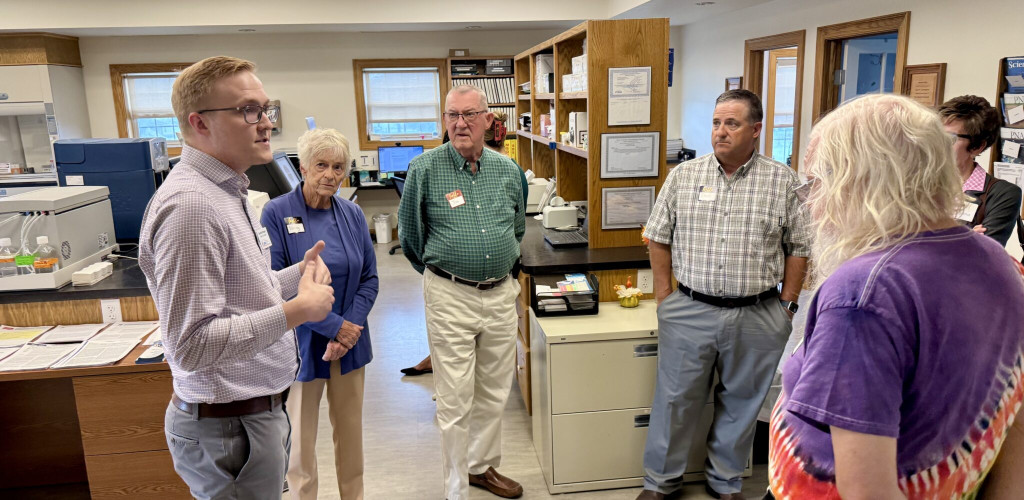
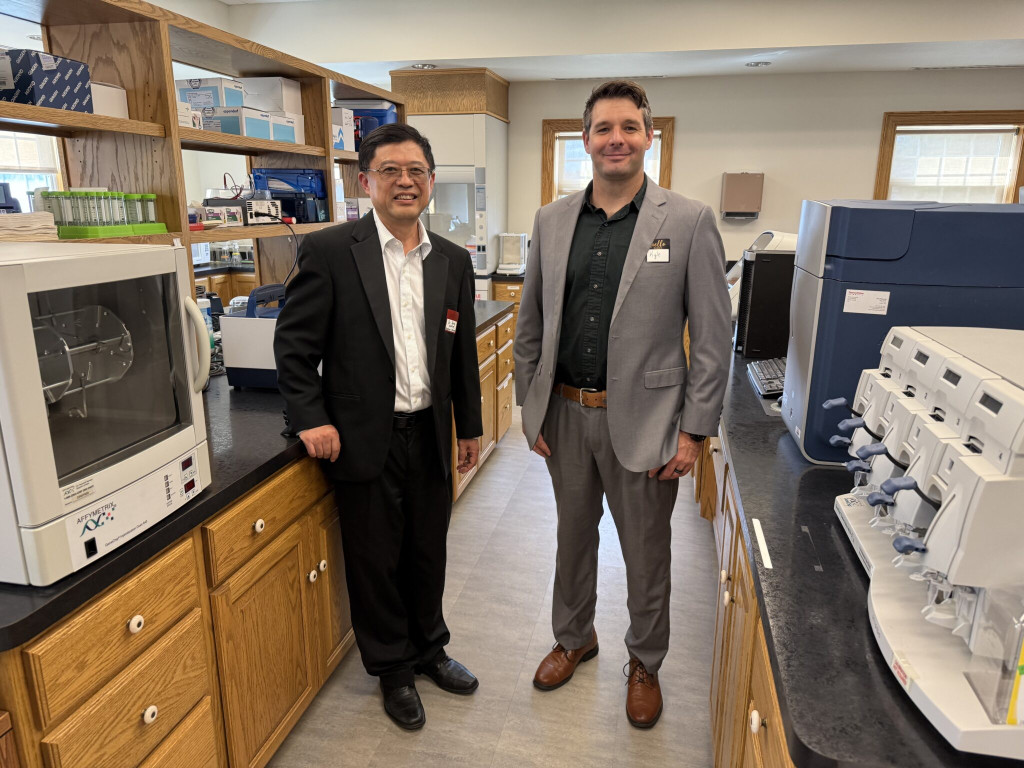
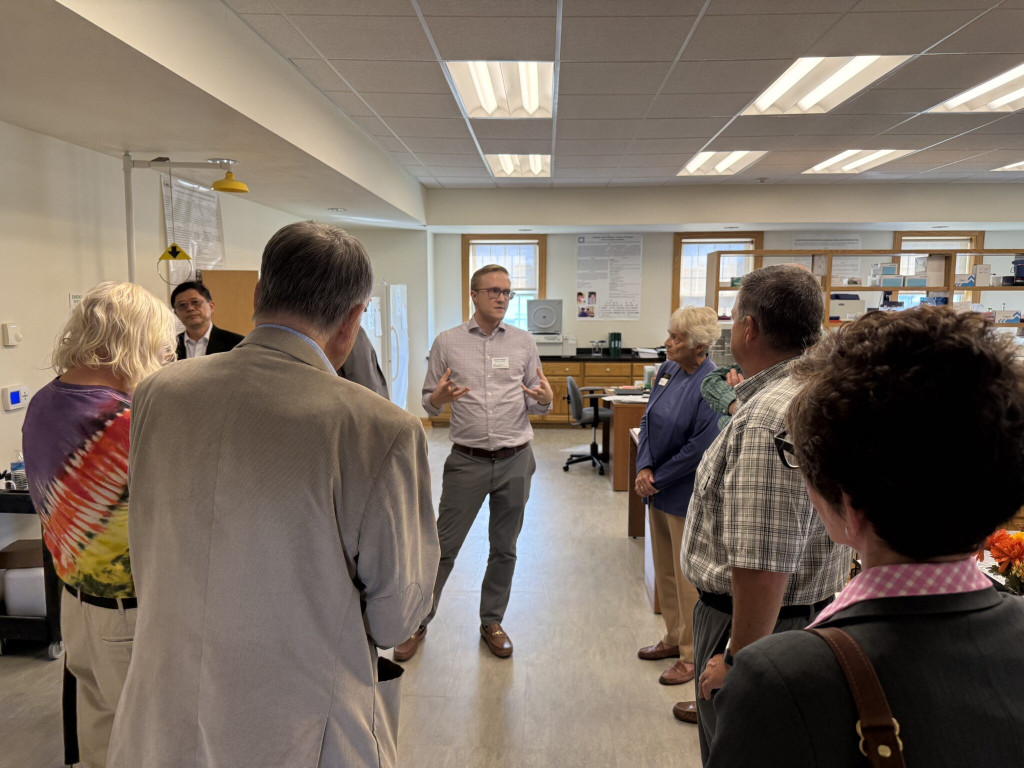
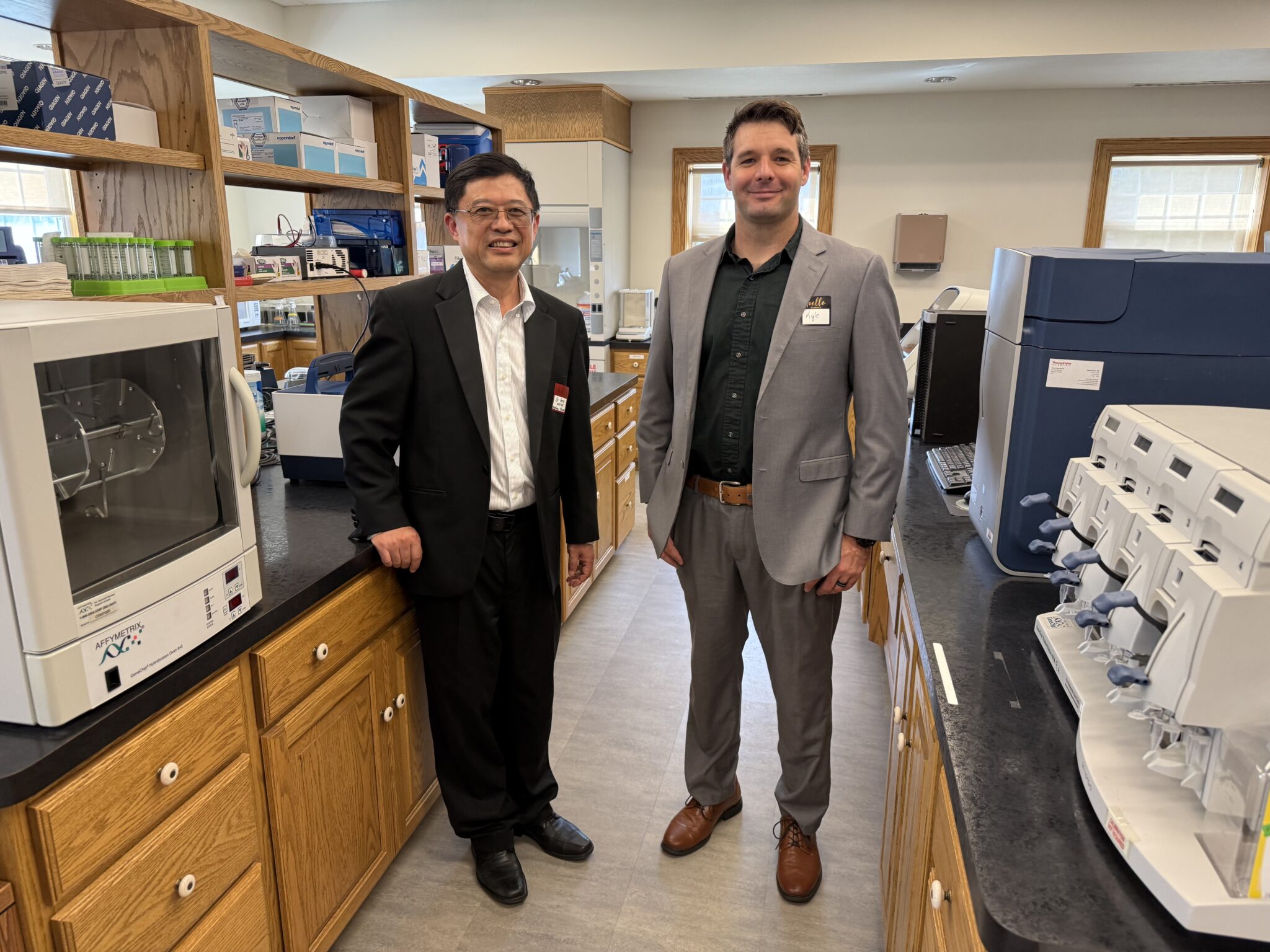
On Sept. 25, the DDC Clinic invited the community to experience its groundbreaking work during the annual Discovery Day Open House, featuring tours of its research laboratories, live demonstrations and opportunities to meet physicians, researchers and staff.
“Being founded by Amish families amidst a large Amish community, DDC Clinic is often referred to as an ‘Amish Clinic,’” Miller said. “While 90 percent of our patients are from the Amish communities throughout Ohio and many other states, we also have
non-Amish patients from other states and even foreign countries. In fact, our
patients come from 38 different states and eight countries. DDC Clinic is truly a gift
from the Amish culture to the rest of the world.”
Miller noted that the clinic’s patient numbers grow each year, with the total expected to reach 2,000 in 2025. Patients range in age from infants to adults, traveling from as far away as New Zealand and Australia.

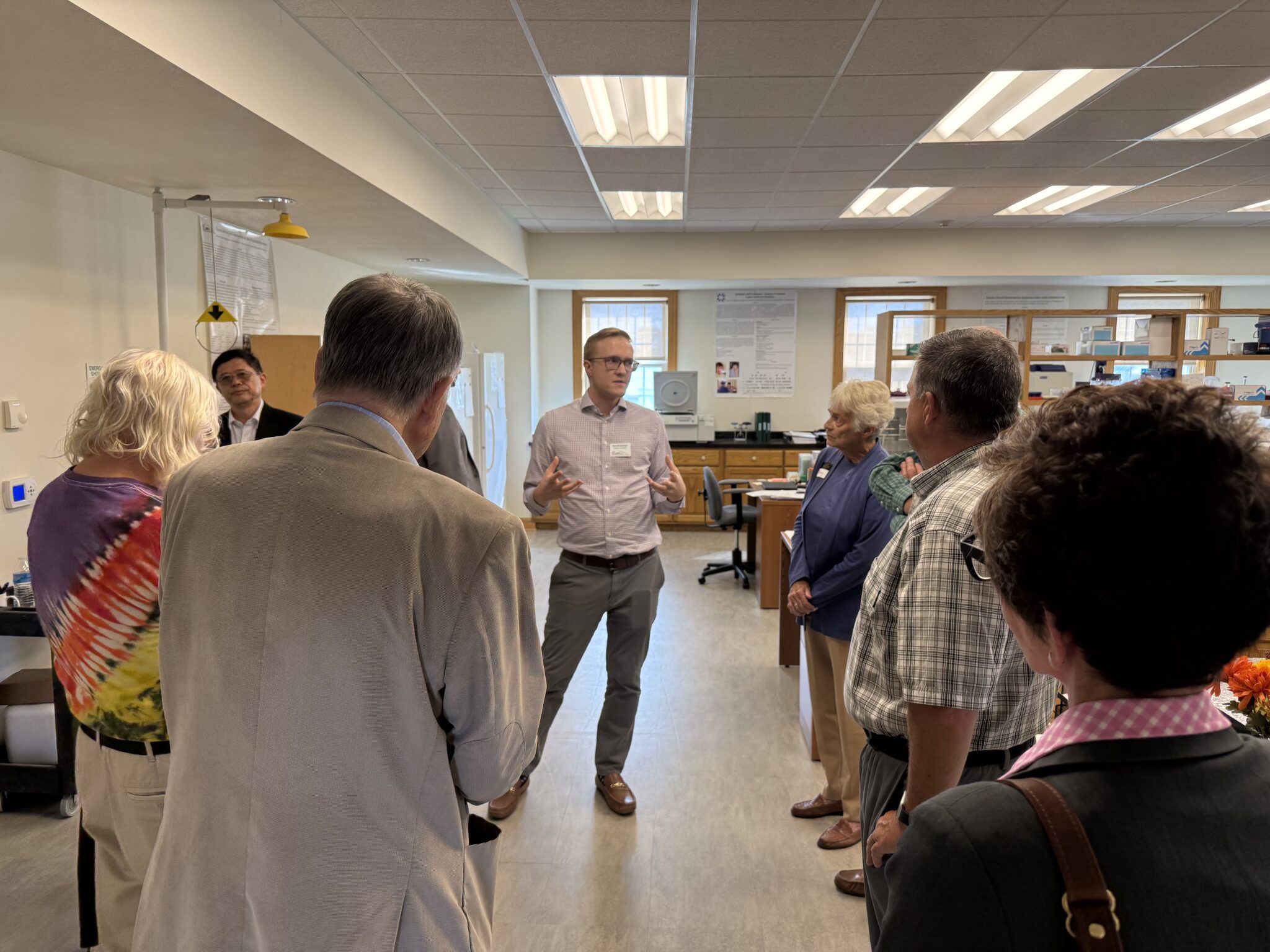
During the open house, visitors heard Genetic Counselor Garrett Edinger speak inside the Family Heart Center.
“Our family has had a long working relationship with the Amish,” said David Patterson, of Chester Township. “It’s hard to believe all the technology and advances that Dr. Wang and his staff have done. But I think the most amazing part is DDC’s personal connection with the Amish. I don’t think it would have worked near as well without the cooperation and mutual respect the Amish community and the clinic staff have for each other. It’s really an inspiration.”
The clinic not only uses state-of-the-art diagnostic equipment in-house at the Family Heart Center — such as echocardiograms, EKGs and electronic heart monitors — but also collaborates with adult and pediatric cardiologists from Cleveland Clinic, University Hospitals Cleveland Medical Center and others to provide specialized cardiogenetic care at a fraction of the cost of major medical centers, Miller said.
The clinic also partners with researchers including Dr. Darius Ebrahimi-Fakhari, of Harvard Medical School, Dr. Mitchell Braxton, of the University of Maryland, Dr. Binnaz Yalcin, of France, Dr. Muhammad Ansar, of Switzerland, and many others from Case Western Reserve University, Cleveland Clinic and University Hospitals, Smith said.
“Some of the innovative approaches that are helping children across the country here at DDC Clinic include DNA-based newborn screening,” Miller said. “By collecting a few tubes of cord blood at birth (no needle stick needed), our lab uses one drop of that blood to test for 270 rare genetic disorders.
“This innovative testing panel named GAP (Genetic Awareness Panel) also tests to see if the patient is a carrier of those disorders,” he added. “GAP was developed in-house by our lab team and has tested thousands of newborns since 2018. Some disorders don’t present any symptoms until later in life, so knowing at birth enables the family to get proactive treatment even before symptoms occur.”
At Kaden’s first appointment, Wang diagnosed him with SAMS Association, also known as Aicardi-Goutieres Syndrome 5, “an autosomal recessive disorder characterized with cerebral vasculopathy and early onset of stroke,” according to the DDC.
At the time, Kaden was one of 20 children the clinic was treating for this rare genetic disorder, named for its serious clinical risks: stenosis, aneurysm, Moyamoya disease and stroke.
Because of narrowing blood vessels in his brain, Kaden was at significant risk for stroke. But there was also reason for hope.
“Our clinic had established a treatment plan for SAMS patients using IV infusions of a medication originally developed to treat rheumatoid arthritis,” Miller said. “The hope for Kaden was that the medication’s anti-inflammatory properties might help limit his disease progression, reduce his risk for stroke and prevent further physical and intellectual disabilities.”
Kaden began treatment and his progress exceeded everyone’s expectations.
After just two months, his disease progression not only stopped, but reversed.
“MRI scans revealed opening of his brain’s constricted blood vessels,” Miller said. “His developmental assessment scores increased by two and half years.”
Now a happy and energetic boy, Kaden continued to make strides.
“As time went on, a smiling Kaden took some purposeful steps across our exam room, with his mother supporting him,” Miller said. “Kaden’s treatment truly made a difference in his quality of life. We remain hopeful that he and other young children receiving treatment for SAMS will continue to improve and maybe someday, be able to walk on their own.”