


Imagine Chester Township without the steady stream of traffic going down Mayfield Road.
Yes, there was a time when Chester Township was nothing but dirt roads, often impassable, and farms — farms with no easy way to get their produce to the city.
The Chesterland Historical Village, at the corner of Caves and Mayfield roads, recreates this bygone era. And on April 2, the village held an open house from 2-4 p.m., with the focus on the Cleveland and Interurban Historical Society and Museum, housed in the basement of the original town hall.
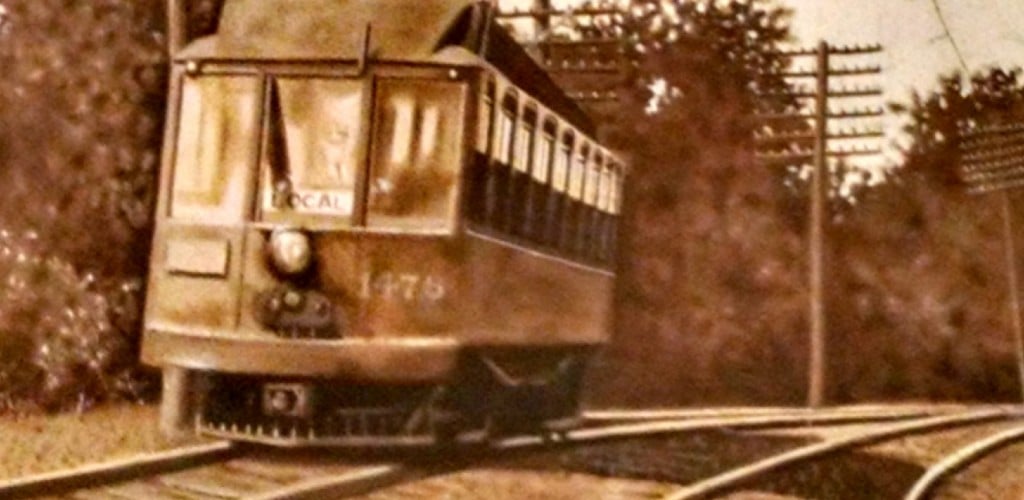
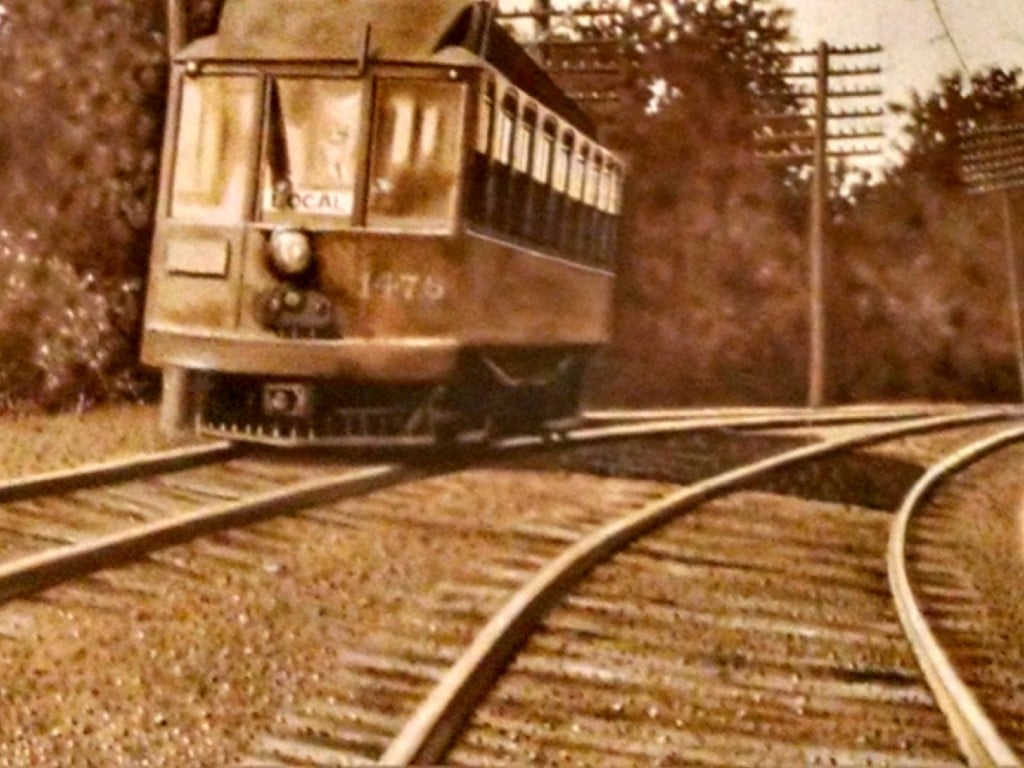
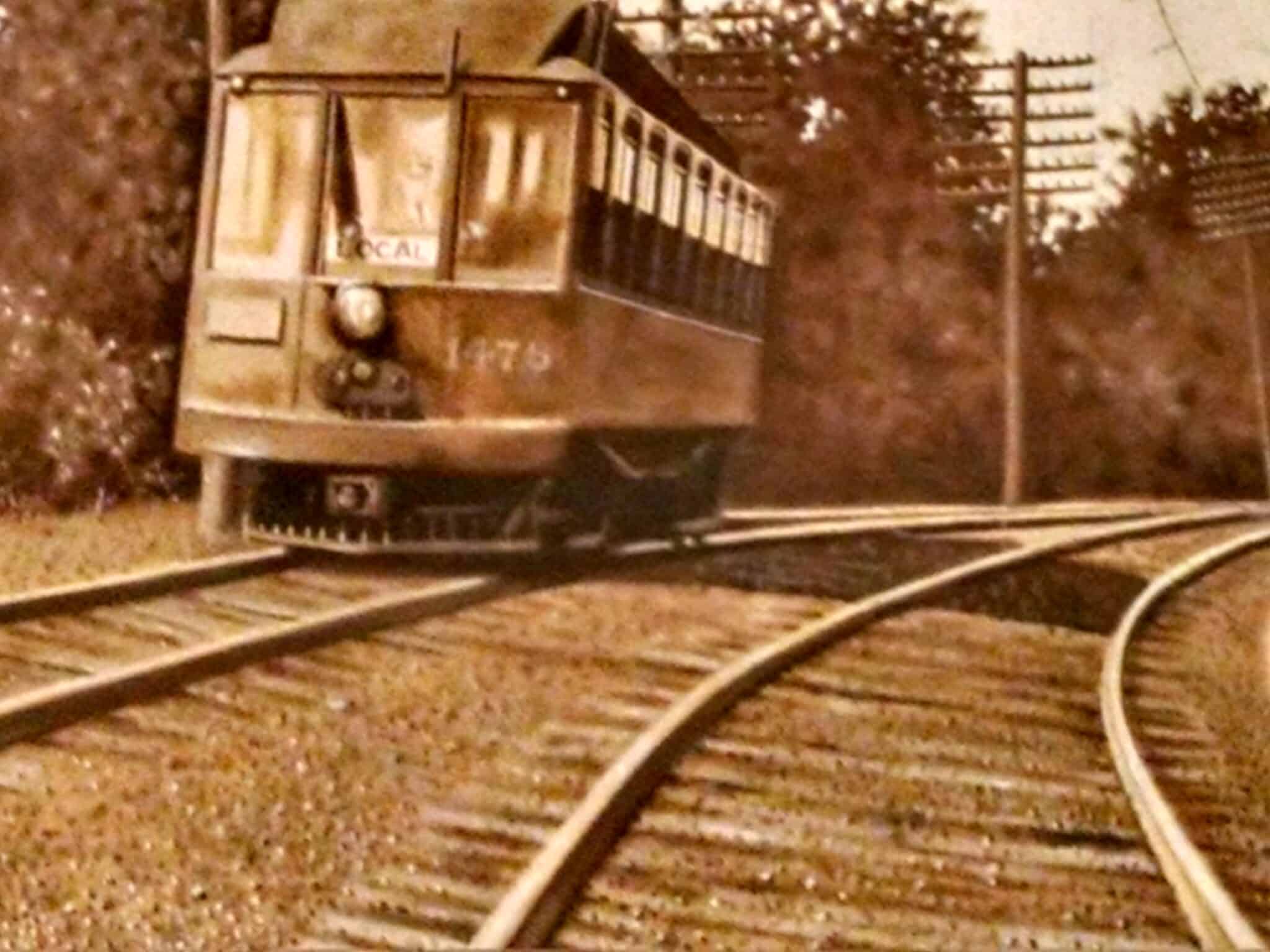
The electric railroad known as the Cleveland and Eastern Electric Railway became a lifeline between the farms of Geauga county and the bustling city of Cleveland, according to the historical society.
The interurbans, as they were popularly known, crisscrossed northern Ohio and provided economical and efficient access between Cleveland and the countryside. The routes stretched from Toledo to Akron to Middlefield, with two stops in the Chester area, according to the historical society.
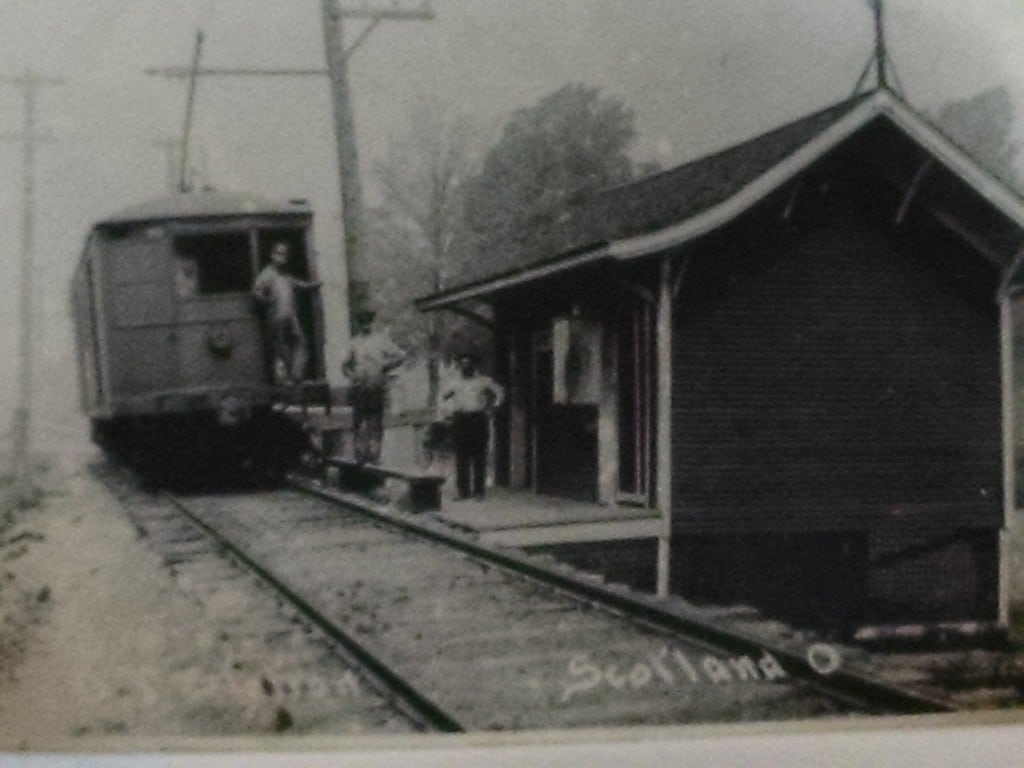
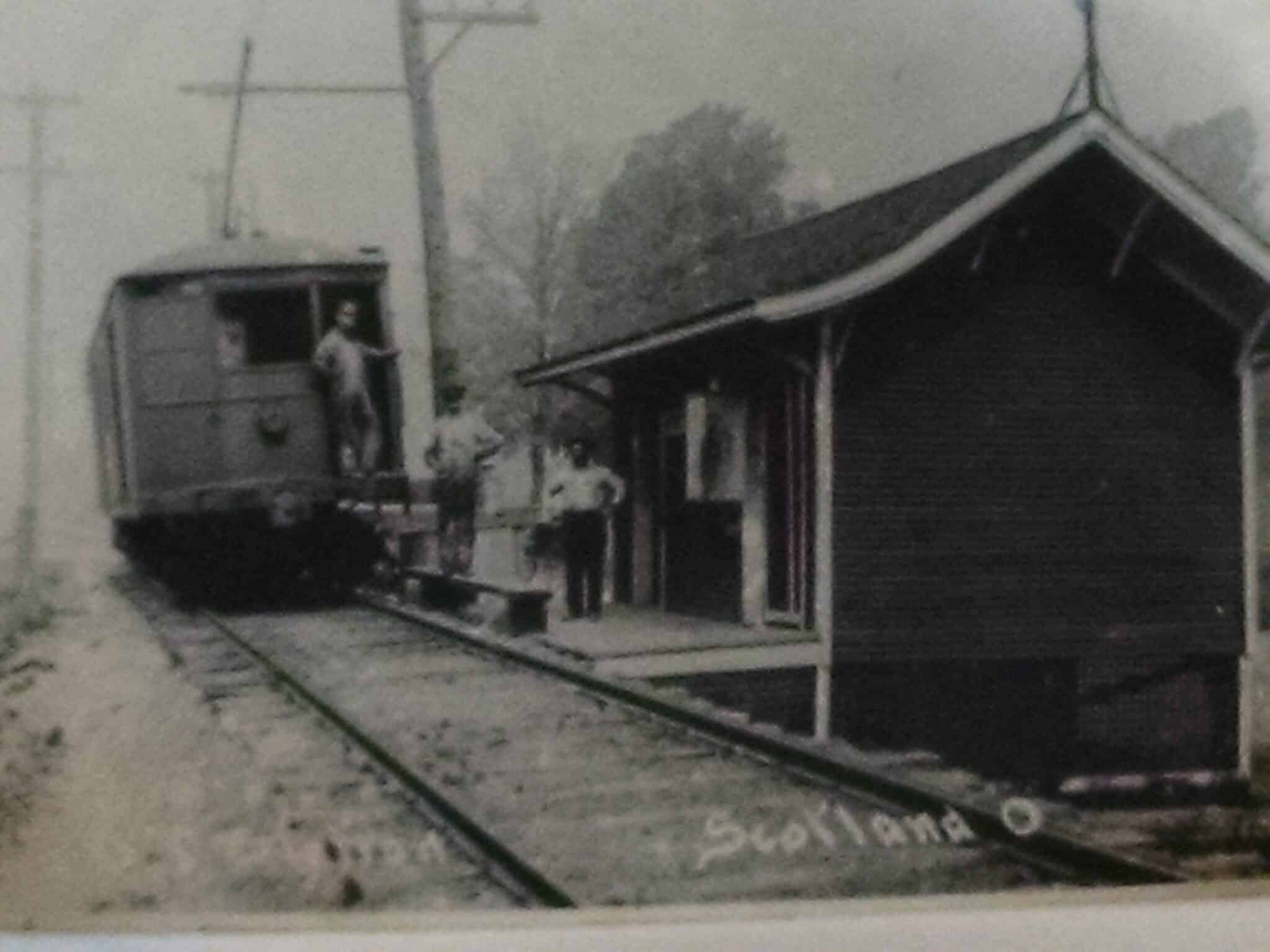
The interurban stopped in Scotland, behind the Thayer General Store, which was located next to Bloom Bros, said Dick Philpott, president of the Cleveland and Interurban Historical Society and Museum.
It also stopped at the Chesterland Caves, where a resort stood, which, according to Philpott, “had a dance floor and picnic tables.”
Construction of the Cleveland and Eastern Electric Railway started in 1898, Philpott said, adding the line ran from 1900 to 1925.
Electricity was supplied by a motor in the Gates Mills car barn, which ran through an overhead wire to the cars, he said.
In 1900, there was a massive fire in the Gates Mills car barn, which destroyed several cars and locomotives and the barn itself, according to the historical society’s informational booklet.
To make matters worse, “the track was poorly maintained and there were many accidents,” Philpott said, adding “drunks would lie down on the tracks” and at least one man was struck and killed by a train.
A major accident occurred when two trains collided head on near Scotland Station, according to the booklet. Both cars burned to the ground, but, fortunately, there was no loss of life.
Yet the interurban served a valuable purpose, Philpott said.
It brought milk and produce from Geauga county farms to the city of Cleveland, and mail and other goods from Cleveland to the countryside, he said, adding city dwellers took the train to enjoy the country and those living out in the country took the train to see shows and shop in the city. Groups would even charter the trains for outings and picnics.
So what brought the era of the interurbans to an end?
Philpott maintains “General Motors, Firestone and Sohio bought up many of the interurbans and replaced them with buses.”
With the advent of buses, the three companies had an outlet for their vehicles, tires and fuel, he said.
Other reasons for the demise of the interurbans was the improvement of roads and the arrival of affordable, mass-produced cars, according to the Encyclopedia of Cleveland History.
Many of the interurban cars met a sad fate after they were abandoned. After taking out the machinery, the wooden cars were burned. Some of the cars were sold to Canadian railroads, according to the historical society.
The Chester Township Scotland Station was used as a garage after the line’s demise, but was eventually restored and moved to the Chesterland Historical Village, where a piece of the original track lays in front of it, Philpott said.
The Thayer General store stood for many years in its original spot next to Bloom Bros., but, when scheduled for demolition, was taken down piece by piece and reassembled in the historical village not too far from the Scotland Station, according to news reports at that time.
The Chesterland Historical Village houses many of Chester’s original buildings, such as the school house and an early home.
The museum itself has a library and is filled with pictures, many in thick photo albums, and models of trains and track layouts.
Obsolete? Perhaps, but there are those who argue that a mass transit system like the interurbans would still be useful today.
The historical society meets the first Thursday of every month at the museum at 7 p.m. Visit the society’s website, trainweb.org/ceihsm, for more information.


