Joyce: Congress Grappling with Economic Issues
Ohio Congressman David Joyce addressed topics ranging from Social Security funding and mental health care to Trump’s “Big Beautiful Bill” and Elon Musk while in town last month.
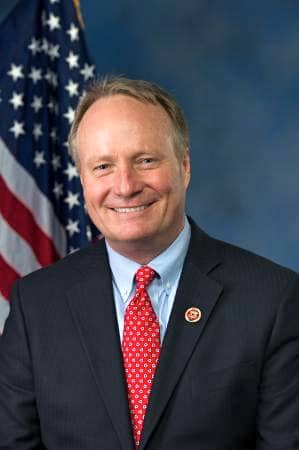
Ohio Congressman David Joyce addressed topics ranging from Social Security funding and mental health care to Trump’s “Big Beautiful Bill” and Elon Musk while in town last month.
Most of his comments centered around the economic situation in the federal government and how it is affecting individuals and communities in Ohio.
“Social Security’s going to run out of money unless we make some changes. We need to be realistic about that,” Joyce said.
Medicare and Medicaid are suffering, as well, because some people are getting those benefits who don’t deserve them, he said, adding individuals who are not entitled to them should be kicked off.
Once they are off, the roles need to be policed so undeserving individuals don’t find a way to get back on the list, he said.
Trump’s “Big Beautiful Bill” passed through both houses of Congress on July 25, but not without a lot of negotiating and uncertainty about how it will affect the country, he said.
“There are a lot of good parts in the bill. There are no tax cuts in the bill,” Joyce said, adding the tax cuts from 2017 remain in effect.
“There would have been tax increases if the bill had not passed,” he said.
By keeping taxes steady, individuals, families and businesses can plan for their futures, he said.
“At the end of the day, there is something for everyone in it,” Joyce said.

Other parts of the bill allow businesses to write off some expenses so they can grow their operations “…better, faster, quicker,” he said.
Trump’s Department of Government Efficiency is being reinvented now Elon Musk is out of the picture, Joyce said.
“DOGE sounded good. What did it really do? It created a lot of apathy,” he said. “They came in with an ax when they should have had a scalpel.”
Joyce said he is on the U.S. House appropriations committee, which understands some things have to be cut but it needs to be done slowly.
“We’ve got to get leaner,” he said. “Part of the team met with the White House. A lot of areas can be cut. The states and municipalities have to get use to … not as much federal money to go around.”
The administration has also created DOGE groups in each agency or department to close down overruns and examine expenses, Joyce said, adding, however, some damage from the early Musk months remains.
“He’s moved out and we are still trying to pick up the pieces,” he said.
Regarding the mental health crisis, Joyce said he favors the federal government supporting the states to solve the problems close to home.
“In the ‘70s, we used to have mental health hospitals,” he said.
Now, many people with mental health problems end up incarcerated, which exacerbates the problems, Joyce said.
“We are better off block-funding the states – let them decide,” he said.
Unemployment compensation should not be paid to individuals able to hold a job, Joyce said.
“We should make sure people who need (those benefits) are getting them, not people who are taking advantage of the system,” he said, adding there are many who can and should go back to work.
“We are trying to bring more work back to America,” Joyce said. “We’ll need more workers.”
Social Security is projected to be out of money by 2033, Joyce said.
“We have to get it instilled in the workforce … that Social Security is not a retirement,” he said. “We have to start making some changes. The system was built to give a hand — not a hand-out.”