A free program exploring the life of early women’s rights activist Victoria Woodhull and the broader struggle for women’s voting rights will take place March 26 at Kent State University at Geauga as part of Women’s History Month.
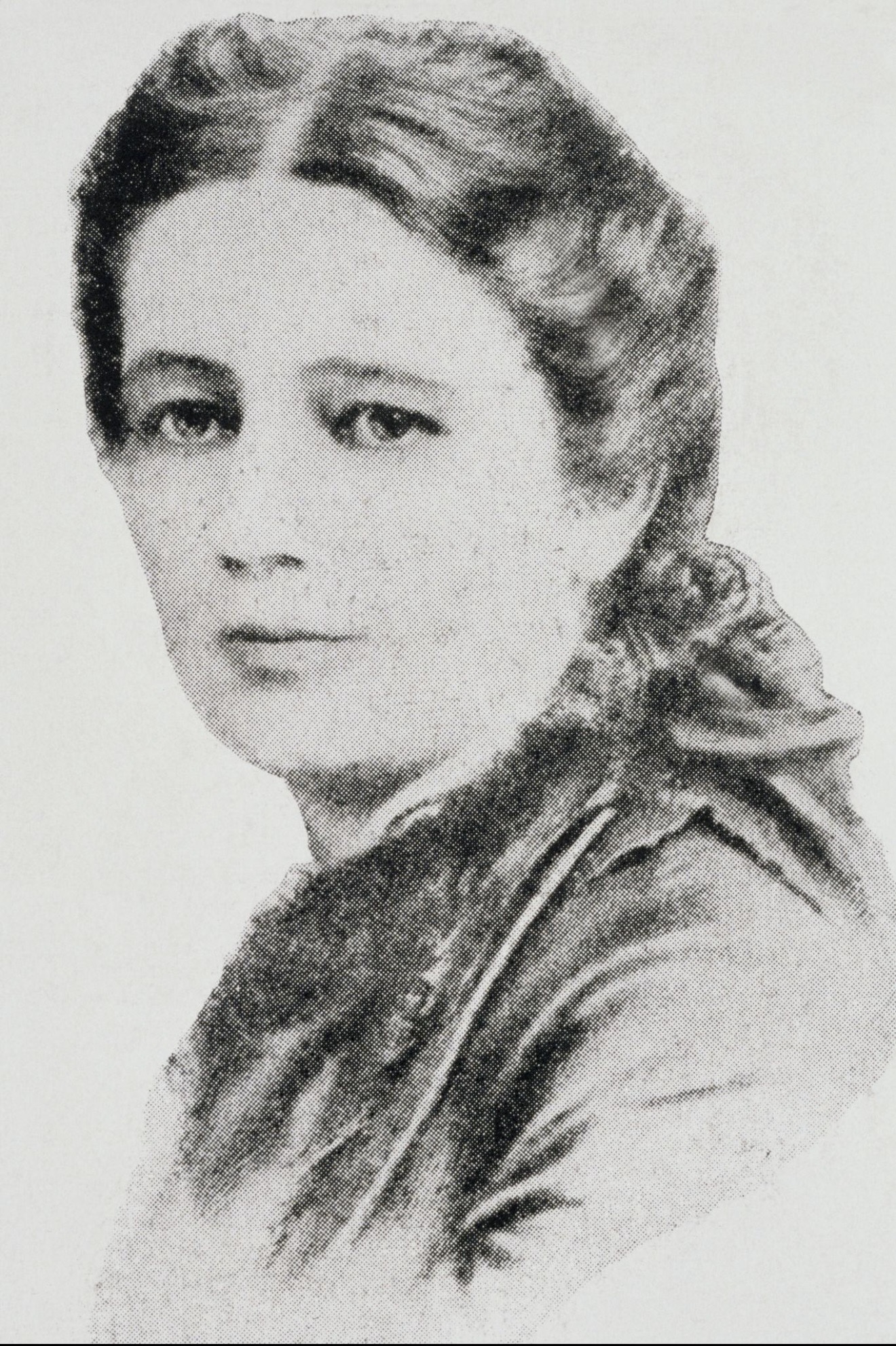
A free program exploring the life of early women’s rights activist Victoria Woodhull and the broader struggle for women’s voting rights will take place March 26 at Kent State University at Geauga as part of Women’s History Month.
The event, which begins at 6 p.m., is being hosted by the South Newbury Union Chapel in conjunction with the traveling exhibition Rightfully Hers: American Women and the Vote, organized by the National Archives and Records Administration.
The program will include a presentation about Woodhull’s life and the national women’s suffrage movement, along with a 30-minute film that examines the long fight for women’s voting rights in the United States. The audience will have an opportunity to ask questions at the end of the film.
Woodhull, who spent part of her early life in Ohio, was one of the most unconventional and controversial figures in the early suffrage movement. Born in 1838, she grew up in a traveling family and experienced a variety of occupations before becoming involved in political and social reform.
By the late 1860s and early 1870s, Woodhull had emerged as a prominent advocate for women’s rights, labor reform and greater equality. Along with her sister Tennessee Claflin, she launched the newspaper Woodhull & Claflin’s Weekly, which became a platform for progressive political ideas and advocacy for women’s suffrage.
Woodhull made history in 1871 when she became the first woman to testify before Congress, arguing that women already had the constitutional right to vote under the Fourteenth Amendment to the United States Constitution.

The following year she took an even more dramatic step. In 1872, Woodhull was nominated for president by the Equal Rights Party, making her the first woman to run for President of the United States. Her running mate was abolitionist Frederick Douglass, although Douglass did not actively campaign on the ticket.
At the time, women were still nearly 50 years away from winning the right to vote nationwide. The constitutional right for women to vote would not come until the ratification of the Nineteenth Amendment to the United States Constitution in 1920.
The Rightfully Hers exhibition from the National Archives explores that long struggle for equality at the ballot box. Through photographs, historical documents and stories of influential activists, the exhibit traces the decades of organizing, protests and advocacy that led to the passage of the 19th Amendment.
The exhibit also highlights the contributions of well-known leaders such as Susan B. Anthony, Elizabeth Cady Stantonand Alice Paul, while also recognizing the role of lesser-known but influential voices like Woodhull.
Organizers say the March 26 program is designed to give local residents an opportunity to learn more about the individuals and movements that helped transform American democracy. By examining Woodhull’s life and the broader suffrage movement, the program will provide historical perspective on the efforts that ultimately secured voting rights for women across the United States.
More than a century after the passage of the 19th Amendment, Woodhull’s story remains a reminder of the bold voices and determined activism that helped bring about one of the most significant expansions of voting rights in American history.