



Geauga County author Dan Rager released his newest novel, “Ohio’s Interurban Railroad History — Volume 5 ‘Golden Spike Edition,’” Sept. 1, taking readers on a chronological journey of the entire state’s railway system.

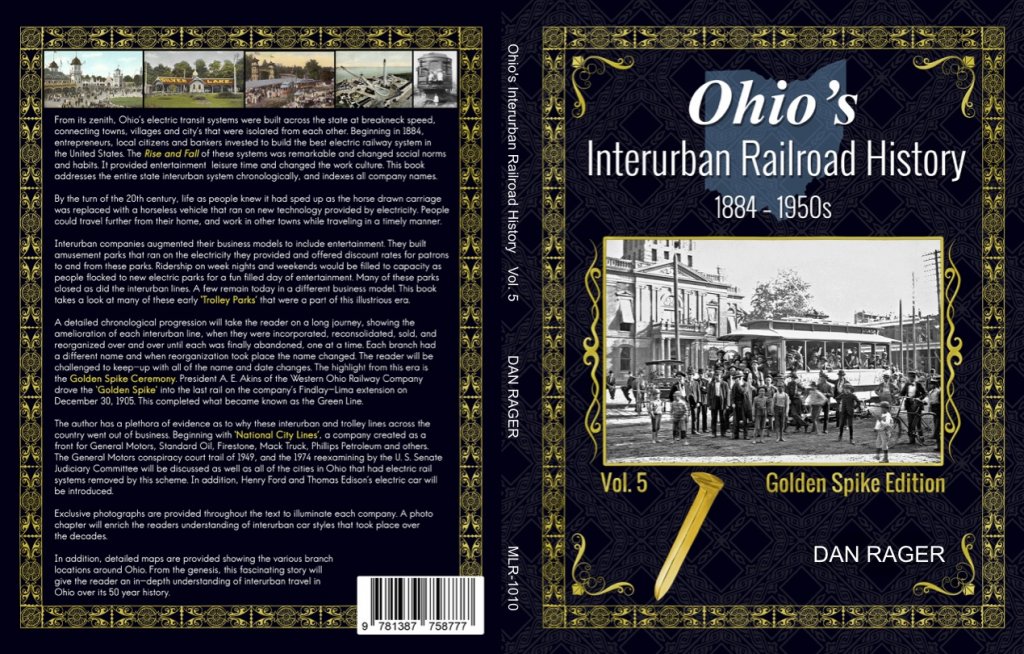

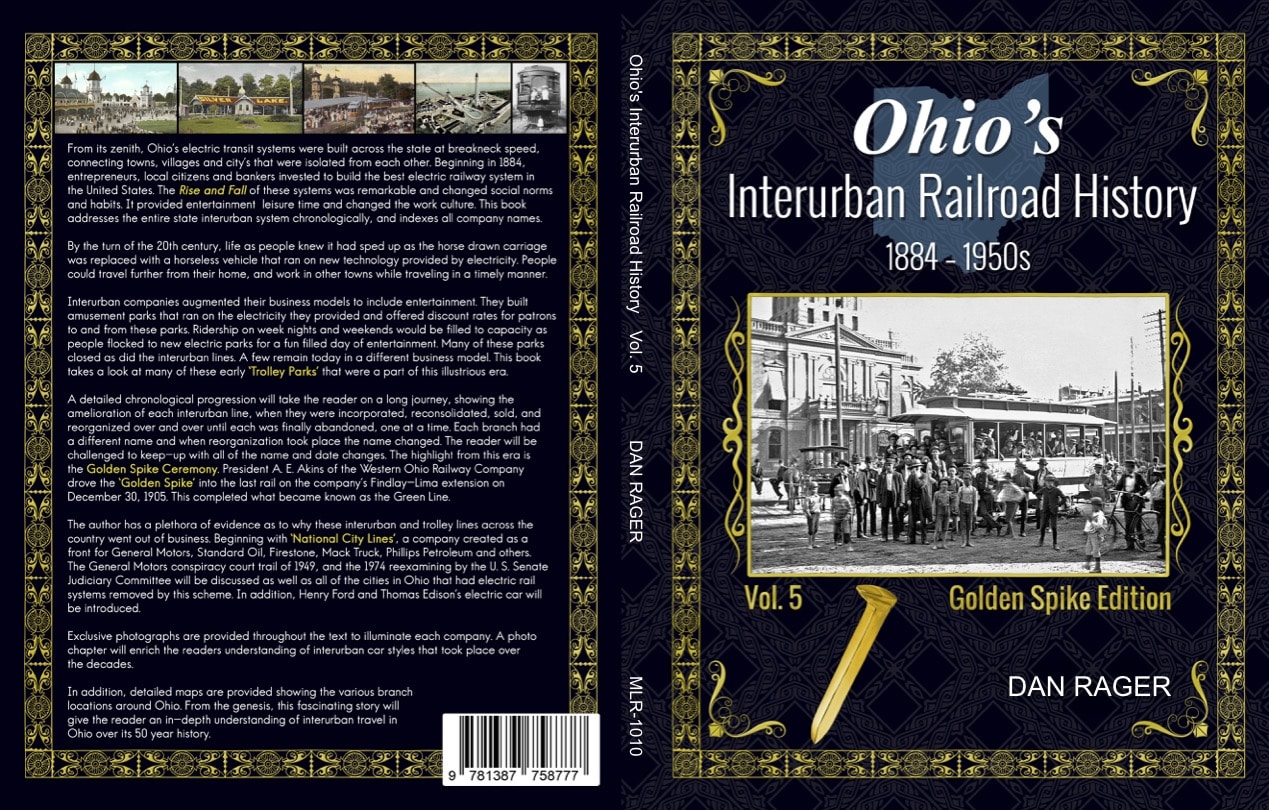
Geauga County author Dan Rager released his newest book, “Ohio’s Interurban Railroad History — Volume 5 ‘Golden Spike Edition,’” Sept. 1, taking readers on a chronological journey of the entire state’s railway system.
“From the genesis, this fascinating story will give the reader an in-depth understanding of interurban travel in Ohio over its 50-year-history,” Rager said, adding the book is complete with detailed maps of various branch locations around Ohio.
This is Rager’s fifth book on local railroad history and includes the entire electric rail system in Ohio, chronologizing the building progression and demise of interurban railways around the state.
Rager is an emeritus professor of music at Cleveland State University, with over 300 published works.
He began collecting information about Geauga County railroads around 1990.
“I collected a lot of material in a paper box after a decade, but I never thought I would write books about it,” Rager said. “That came later after I saw the interest in it. No one had written about railroads in this area up to this point. However, everyone I met had their own story to tell.”
From its apex, Ohio’s electric transit systems were built across the state at breakneck speed — connecting towns, villages and cities isolated from each other, he said.
Geauga County was no exception.

“The rise and fall of these systems was remarkable and changed social norms and habits,” Rager said. “This book takes a look at many of these early ‘Trolley Parks’ that were a part of this illustrious era. A detailed chronological progression will take the reader on a long journey, showing the amelioration of each interurban line, when they were incorporated, reconsolidated, sold and reorganized over and over until each was finally abandoned, one at a time.”
Each branch had a different name and when reorganization took place, the name changed, he said, adding readers will be challenged to keep up with all name and date changes.
Rager also provides evidence as to why these interurban and trolley lines across the country went out of business.
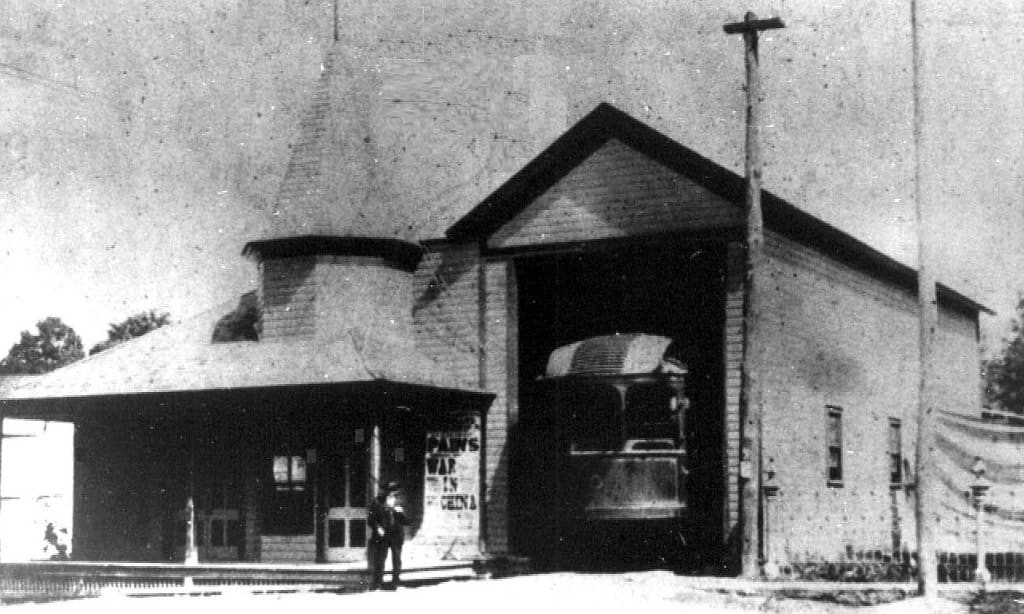
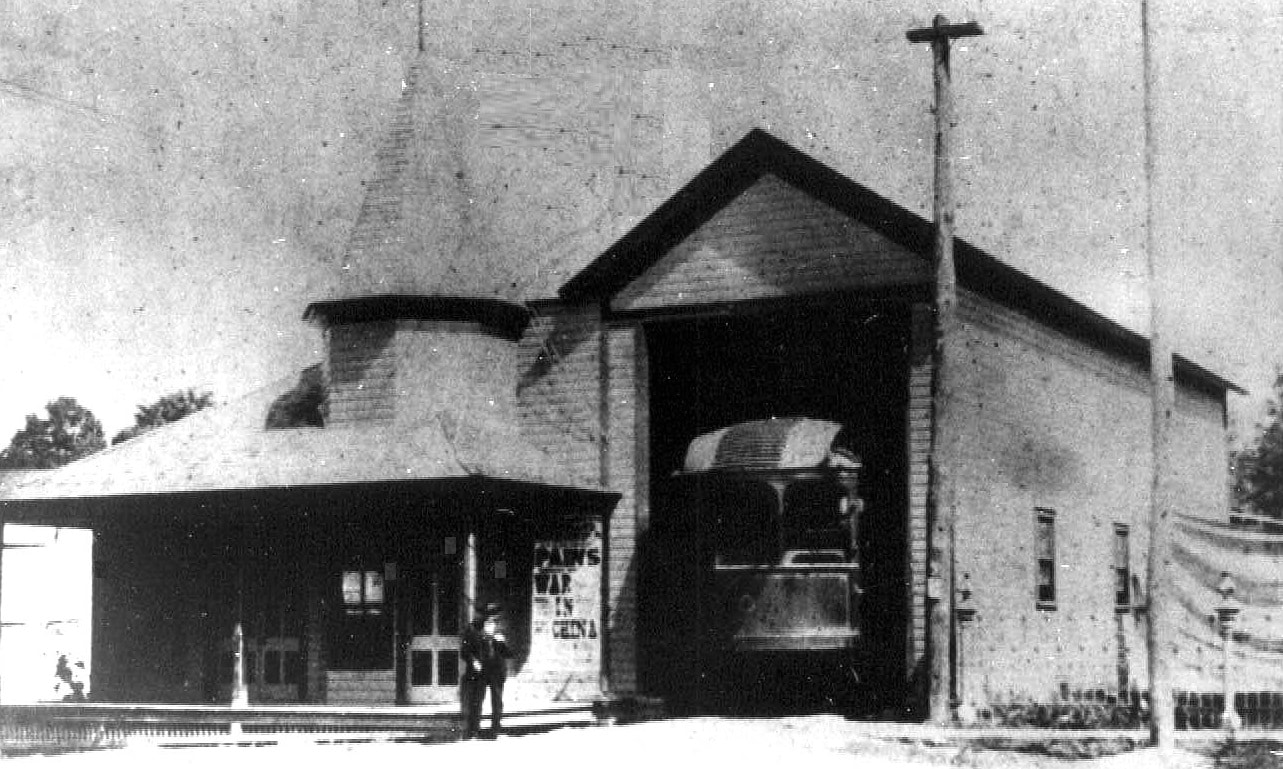
Exclusive photographs are shown with a photo chapter of car styles spanning decades.
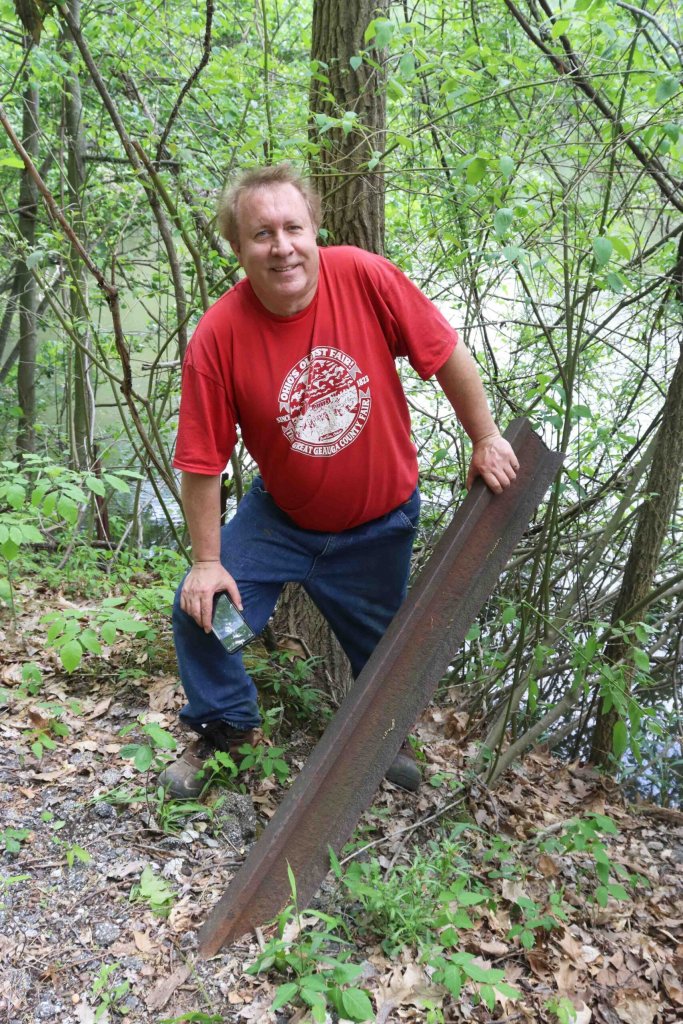
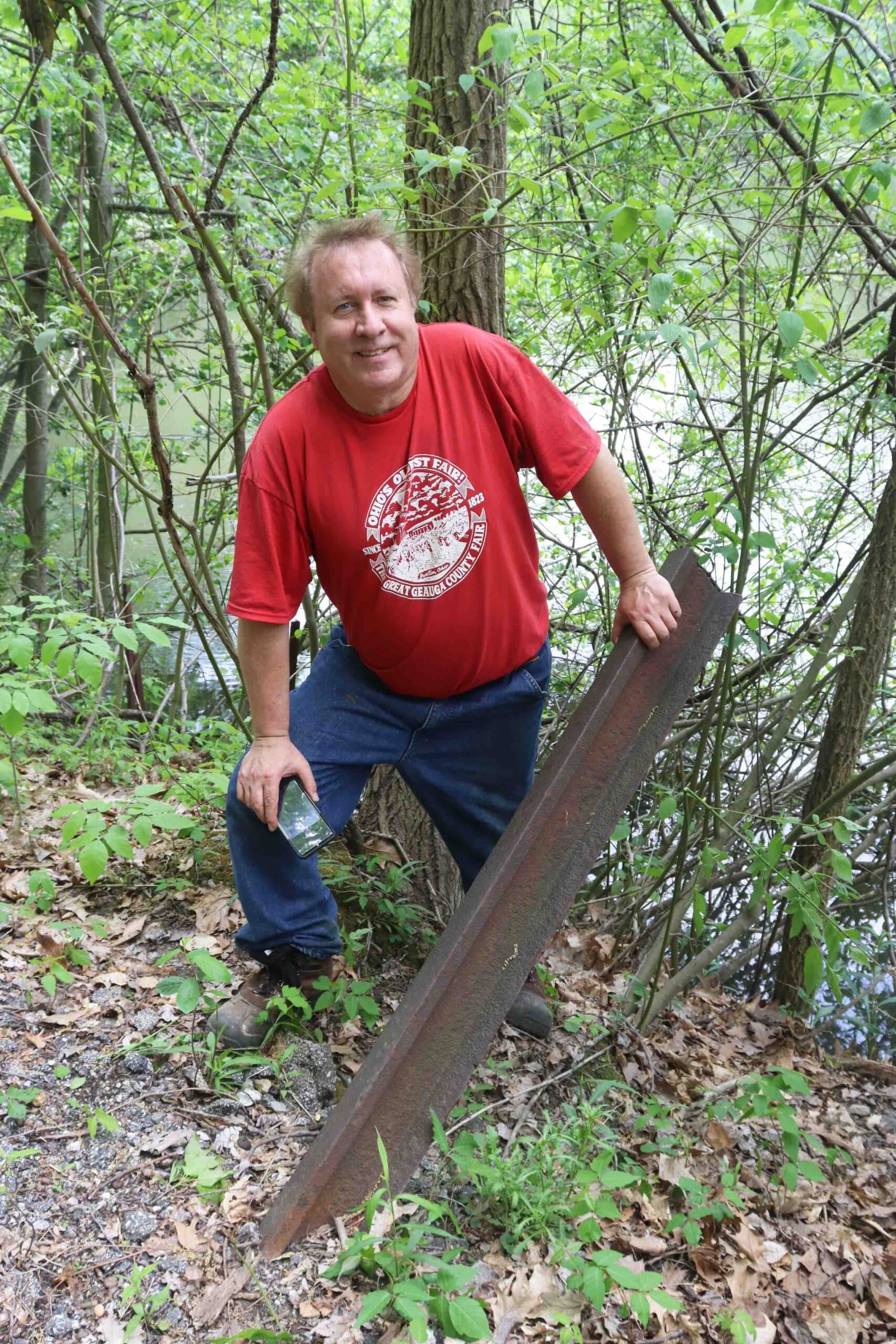
Rager has already begun collecting, researching and walking right-of-ways for his next two books containing all new material and showing the construction and operational differences between the Cleveland and Chagrin Falls interurban and Cleveland and Eastern lines in Geauga County.
Included will be several stone quarries used to build and haul stone around Northeast Ohio, including the valley of Mooreland Hills, which had six stop locations and six trestles, he said.
Volume 7 will be an extension of the Baltimore and Ohio line (talked about in Volume 4) and have an exclusive photograph collection of action photos from the 1970s, Rager said.
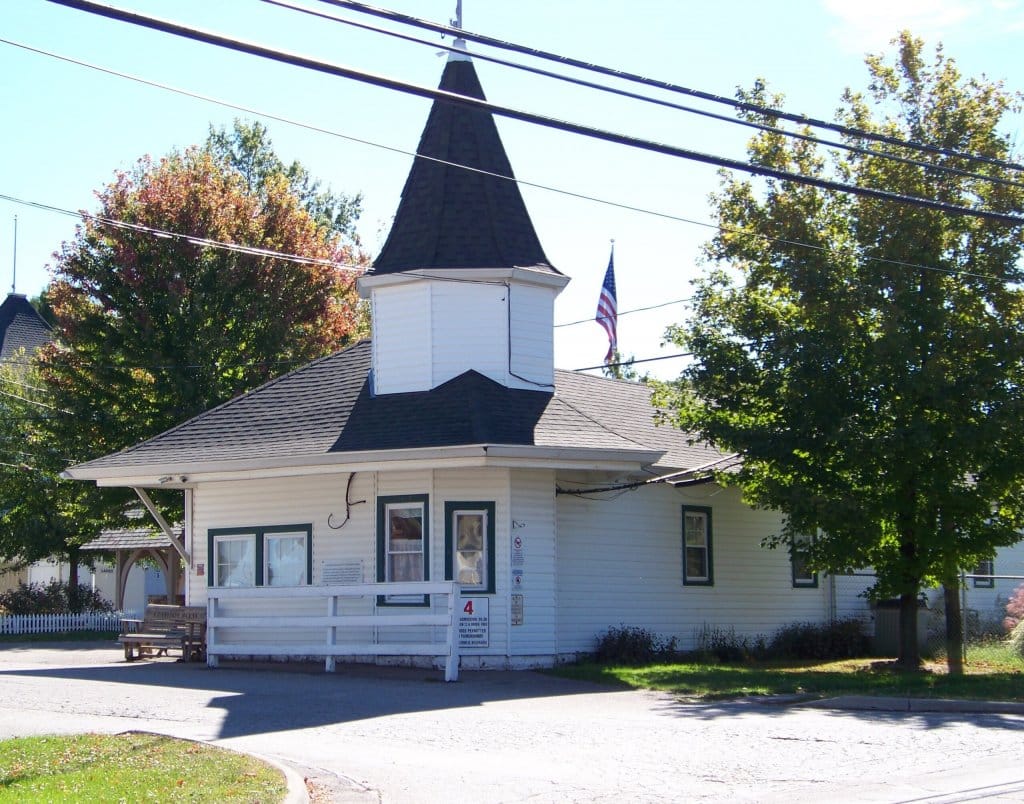
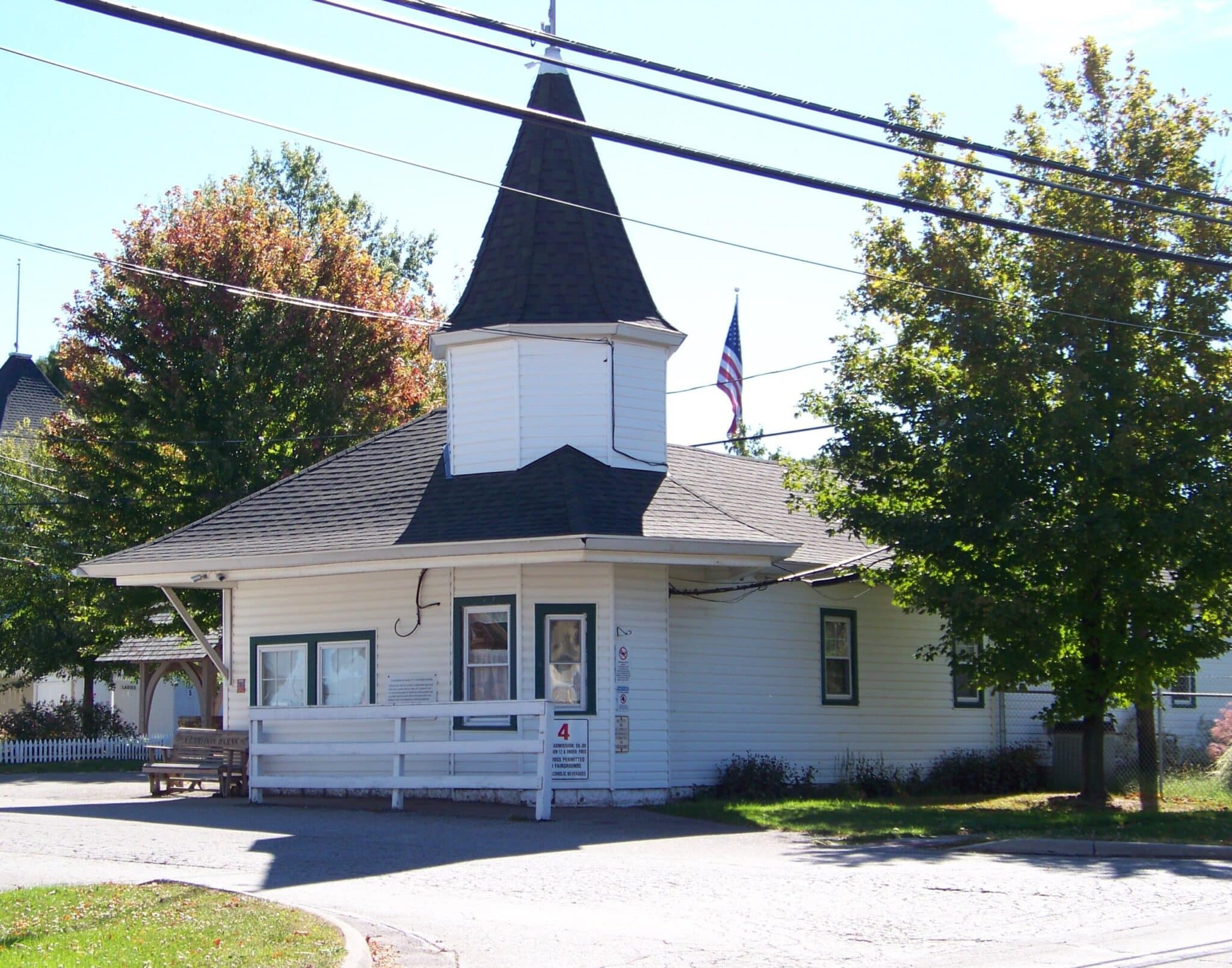
Chardon, Burton, Middlefield and other towns will be presented, bringing back memories of the way each town looked at that time. Huntsburg Township and East Claridon will be discussed and shown through maps and photos, he said.
“I could find a main line publisher, but they would not include all of the photos that I do,” Rager said, of the reason he chose to self-publish his book. “They want perfect quality, clean and clear prints. A lot of the negatives and printed photos I find are in poor condition. I have someone to help with this. Most are over a century or more old. Photographs back then were nothing like today. I believe it is not the quality of the photo that matters, but the history behind it, which is part of the story I am presenting. I have a blurb in the front of each book explaining this, so readers understand my intent.”
Rager said many readers will be shocked to learn about General Motors and other conspirators that fronted a company called National City Lines.
“It bought-up interurban and trolley lines across the country and operated them for a profit,” Rager said. “Then, one by one, closed them and installed bus routes. After the lines were abandoned, the scheme replaced electric rail with buses, which were made by General Motors, fueled with Standard Oil gas and ran on Firestone tires. Politicians benefited. Many mayors and councilmen received new Cadillacs and amenities for taking out their electric lines for buses. The government brought suit against these companies.

“Finally and most importantly, all of our towns and cities were designed around and grew because of these interurbans,” Rager added. “From commerce to population shift out of the cities into the suburbs, interurbans changed our lives.”
Rager does presentations on all of his books throughout the tri-state area.
“Whether it is the B&O steam line or the interurbans, people come to my presentations to learn and experience what life was like before dirt roads, cars and trucks,” Rager said. “A simpler time changed our modern world and disappeared into legend. While my talks generally last an hour, I spend more than that answering questions of interest afterwards. Over the years, a lot of followers have continually attended my talks. They are relatives of great grandparents … who bring me photos and original items from the family’s archives. I sometimes use them in the next book. People feel a connection with the past when they see old photos of places their relatives lived and worked.”
Rager will be doing a presentation at Chardon Library on Oct. 6 at 7 p.m. Registration is required.
His other books include “The Maple Leaf Route,” “All Aboard the Maple Leaf Route – Volume 2,” “The People’s Automobile – Volume 3,” “Building the Lake Branch – Volume 4,” and his newest volume, all available at Maple Leaf Publishing Co., Mountain Road Cycles in Chardon or online at:
http://www.lulu.com/shop/dan-rager/the-maple-leaf-route/paperback/product-23511192.html


