


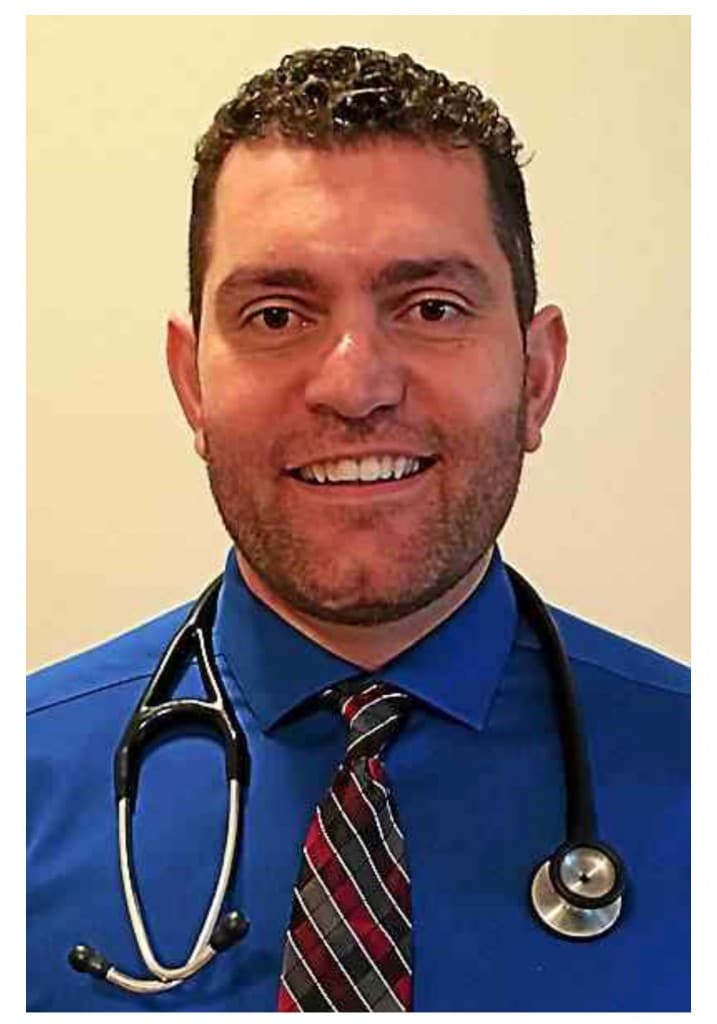
These people are not outcasts. They're your cousin, they're your coach, they're people in your community that you care about. – Dr. Zaid Fadul
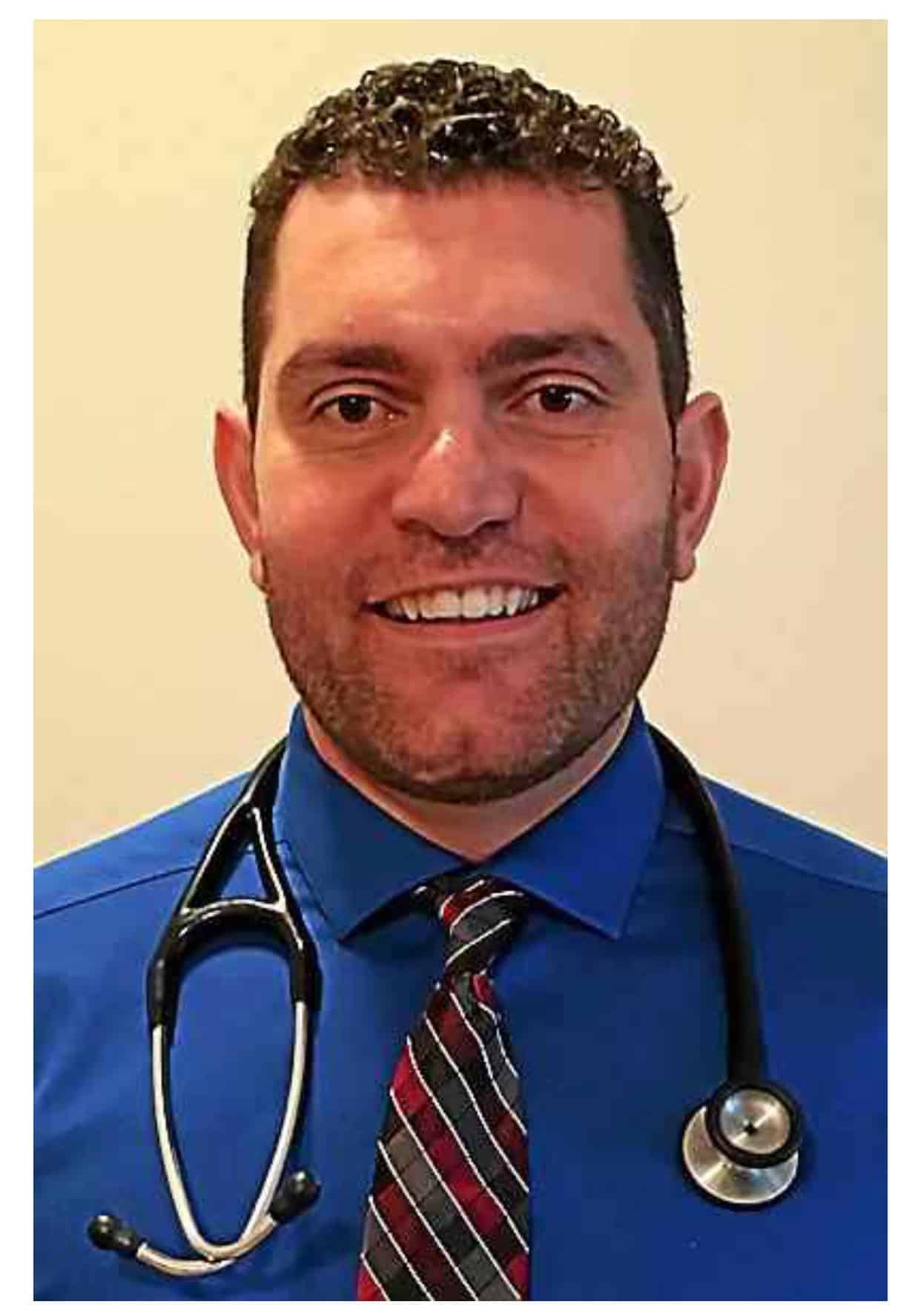
When a hospitalist at University Hospitals Geauga Medical Center noticed a particular group of patients weren’t getting the long-term care they needed, he decided it was time to do something about it.
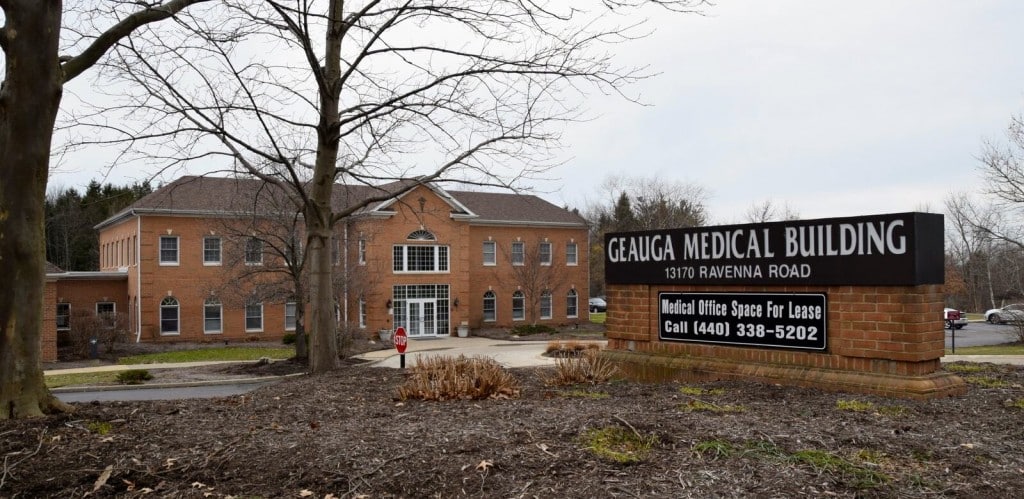
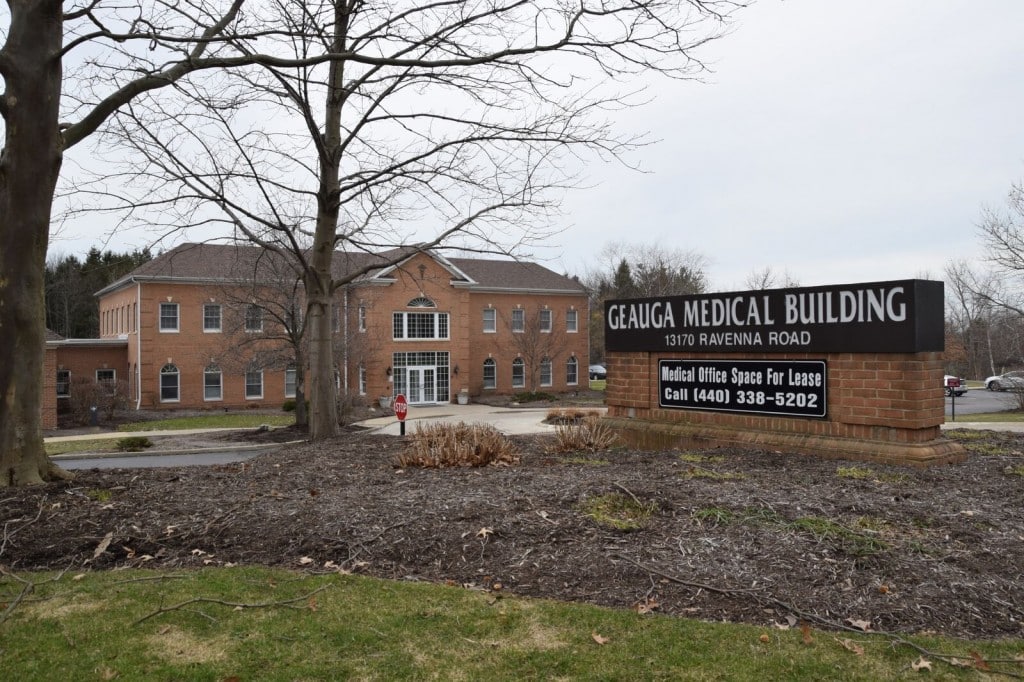
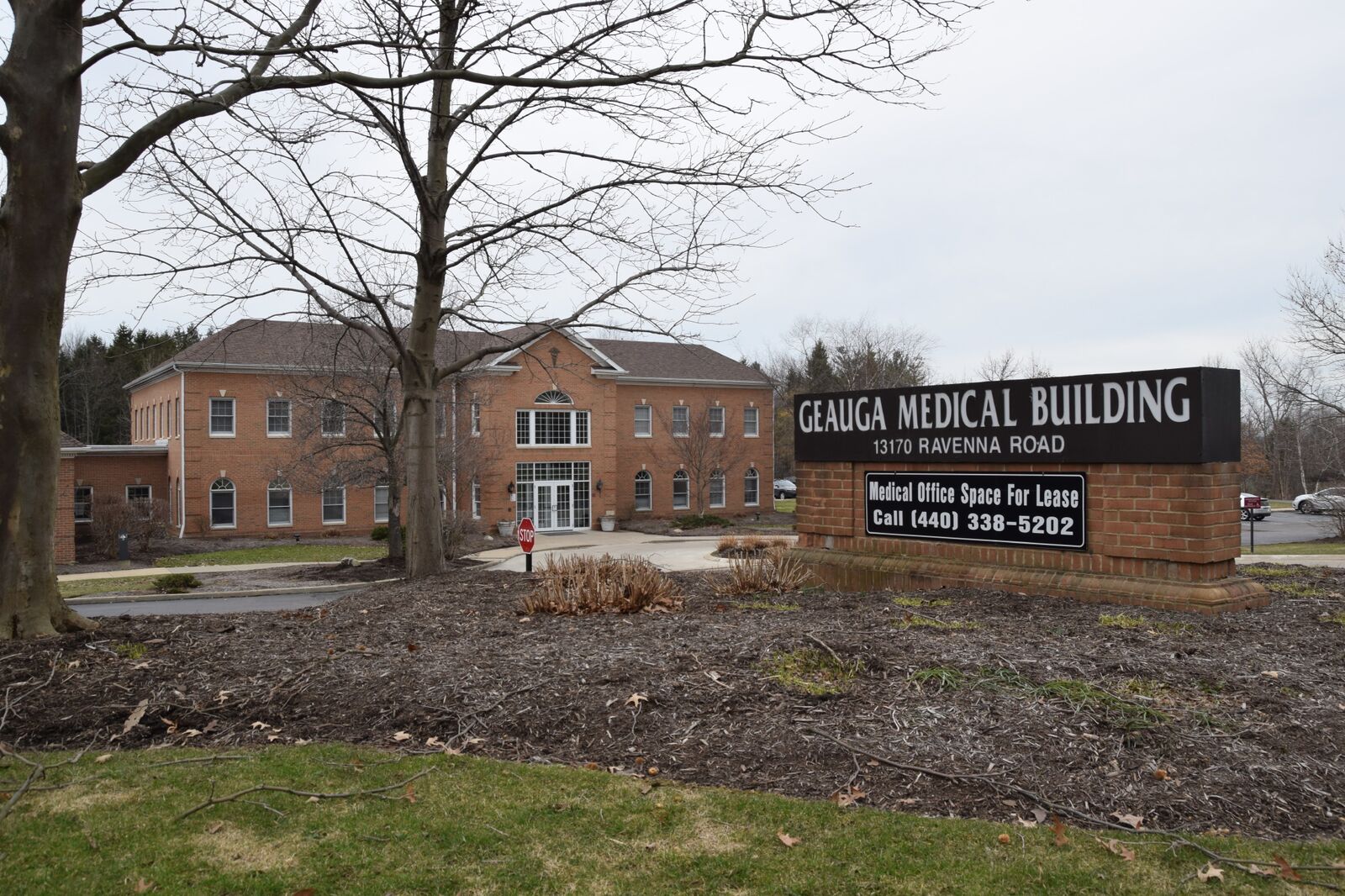
As a result, Dr. Zaid Fadul opened the Geauga Medical Therapy Center on Ravenna Road, across from the hospital, at 13170 Ravenna Rd., to serve addicts — a group of patients people often turn away from.
“Most clinics treat these patients like they’re criminals,” Fadul in a recent interview.
And although abusing drugs is a “choice initially,” Fadul said by the time he sees patients who have been discharged from detox and outpatient programs, their criminal records are due to “desperation.”
“They need to get money to get drugs not to get high, but so that they don’t get sick,” he said.
His clinic is different than others in the area because it treats addiction as a chronic disease affecting the patient’s whole body.
Fadul gave the example of a patient with high blood pressure whose visits to the hospital only occur when there is immediate danger of a stroke.
“They need immediate intervention, but 99 percent of their life they still need the care of a doctor” to manage their blood pressure, Fadul said.
At the hospital, he saw patients addicted to alcohol, opiates and other substances discharged to short-term programs and unable to stay sober after a few months of treatment. Based on research done on smokers, he knows the best success comes when a person is free from an addiction not for months, but for years.
Fadul’s experience with addiction also shows that sobriety rates are similar to success rates for cancer therapies. For most cancer patients, five years after chemotherapy and cancer treatments are done, the chance a recurrence of that cancer is less than 3 percent.
“The same is true of addicts,” said Fadul.
In his experience, if people reach the five-year milestone, their chance of returning to addiction and substance abuse is only 3-5 percent.
Dr. Dennis Michelson is the director of counseling at the clinic. He works with county and municipal drug courts to refer patients to Fadul and sees addiction clients in his office.
Fadul’s approach is “personal and it’s different,” Michelson said.
Fadul’s office doesn’t simply hand out methadone or provide the kind of short-term answers Michelson calls “putting novocaine on your soul.”
“They take care of the medical need,” Michelson says of the clinic.
Each patient’s plan of care is customized instead of being part of a program or group therapy.
Michelson also ran the treatment program at the Geauga County Safety Center for eight years. He learned while many people did very well with sobriety in the strict environment of the jail, their relapses came when they left that environment and no long-term sobriety programs were available.
Fadul’s clinic is a necessary part of the sobriety equation for Michelson because it is “genuinely long-term.”
Another key to success is to recognize that alcohol and drugs are rarely the problem, says Michelson. Instead, abusing those substances is “the way people learn how to deal with their problems.”
Fadul agrees.
He sees his patients as people who are self-medicating to find an escape — some from abuse, rape or post traumatic stress disorder. For him, the role of his clinic is to help rebuild the lives of people who have suffered trauma and give them the tools to work through it without substance abuse.
In addition to his work at the clinic, Fadul served in the U.S. Air Force, which is where the concepts of accountability and earning privileges were drilled into him. He uses these in his work with patients who need stability from his program in addition to the care they may have received through other outpatient programs at Laurelwood, Ravenwood or Lake-Geauga Recovery Centers.
When Fadul first began working with addicts, he had an image of a group of people no one would want to work with. But over the years, he has learned that everyone is touched by addiction.
“One in seven Americans is addicted to some substance,” says Fadul.
Addiction is costly to society in terms of jailing addicts, public rehab programs, and even the cost of providing support for children taken from addicted parents and placed in state care.
But he has seen many of his patients go from living off of public services to returning to work.
Fadul is encouraged to see them go from a “net loss for the community” financially to once again contributing to society.
“These people are not outcasts,” says Fadul. “They’re your cousin, they’re your coach, they’re people in your community that you care about.”
Anyone with questions about receiving long-term addiction care can call 440-409-7055 for information about the Geauga Medical Therapy Center, located at 13170 Ravenna Rd.


