Two County Appointees Voted For Lucrative Deal, Two Abstained, One was Absent — And Two Seats Unfilled
“What you’re saying is all we’re asking. We are asking you guys to look at this, please. That’s what it comes down to.” – Ralph Spidalieri
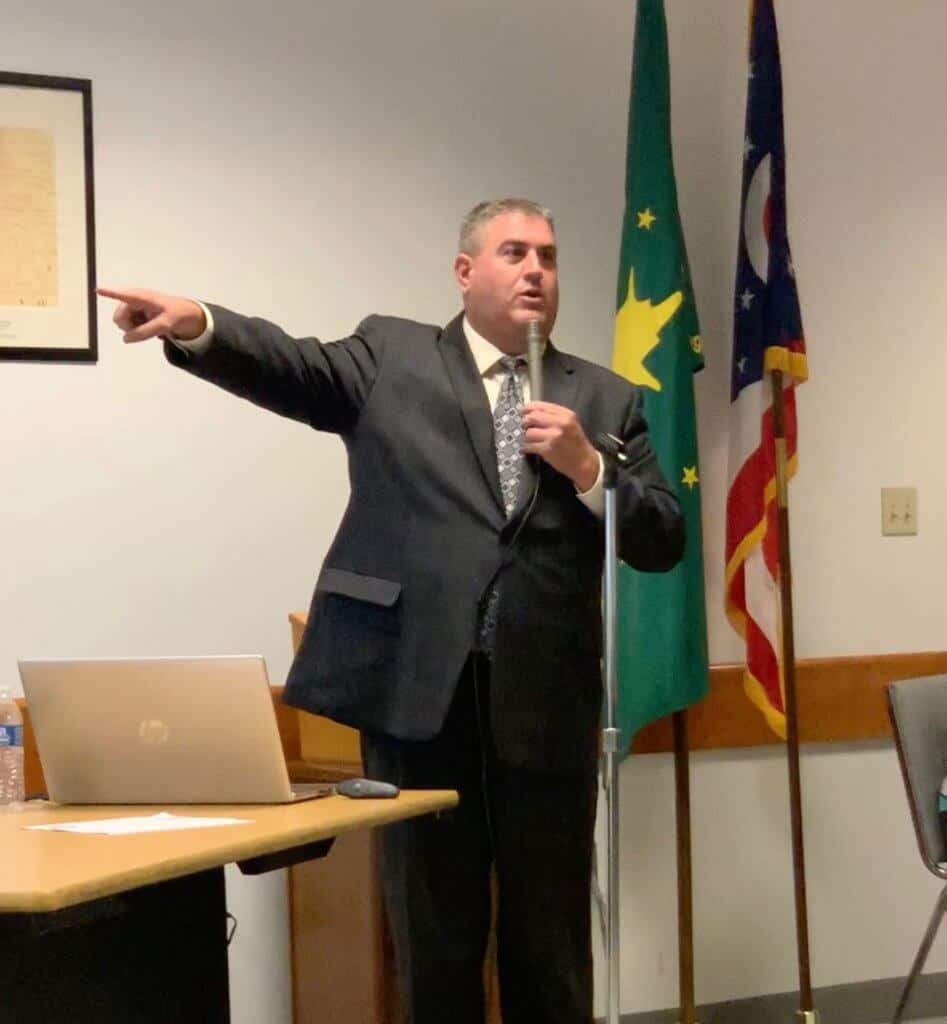
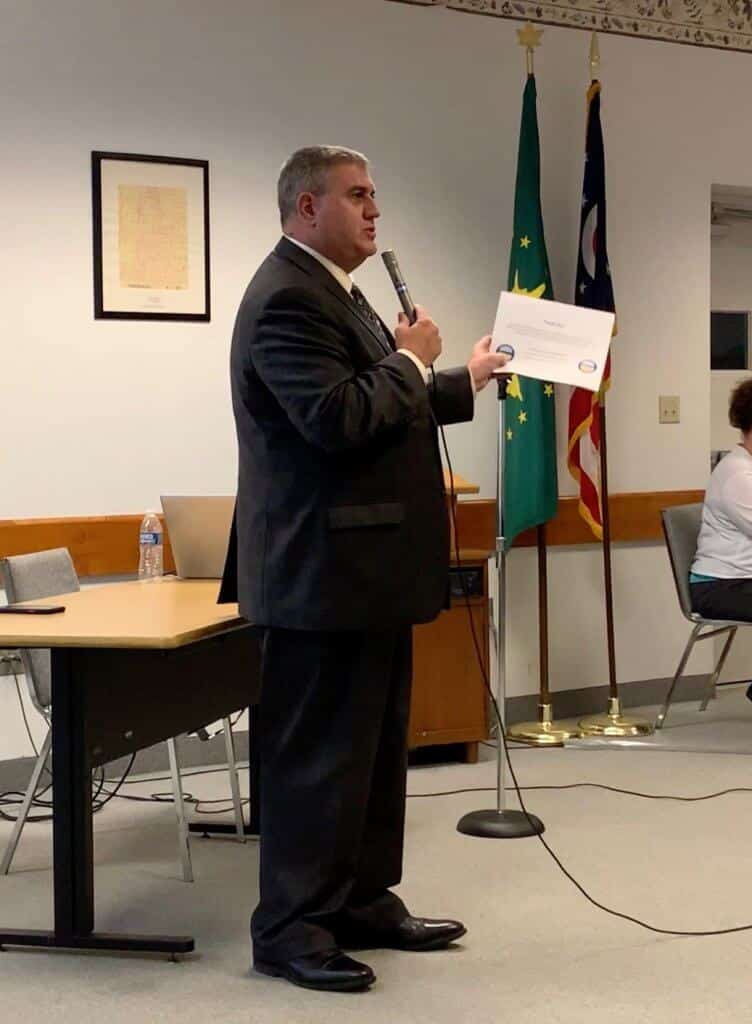
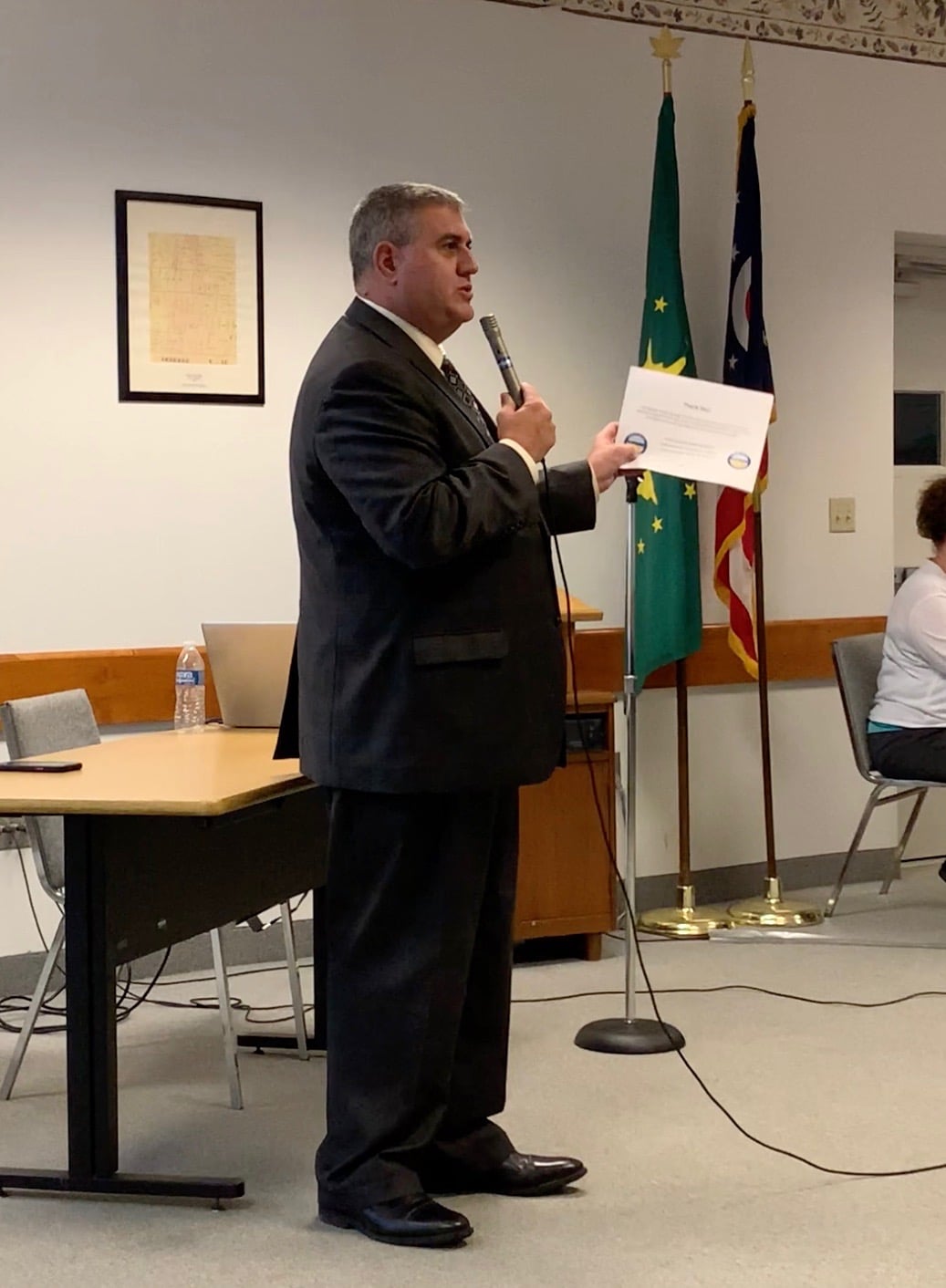
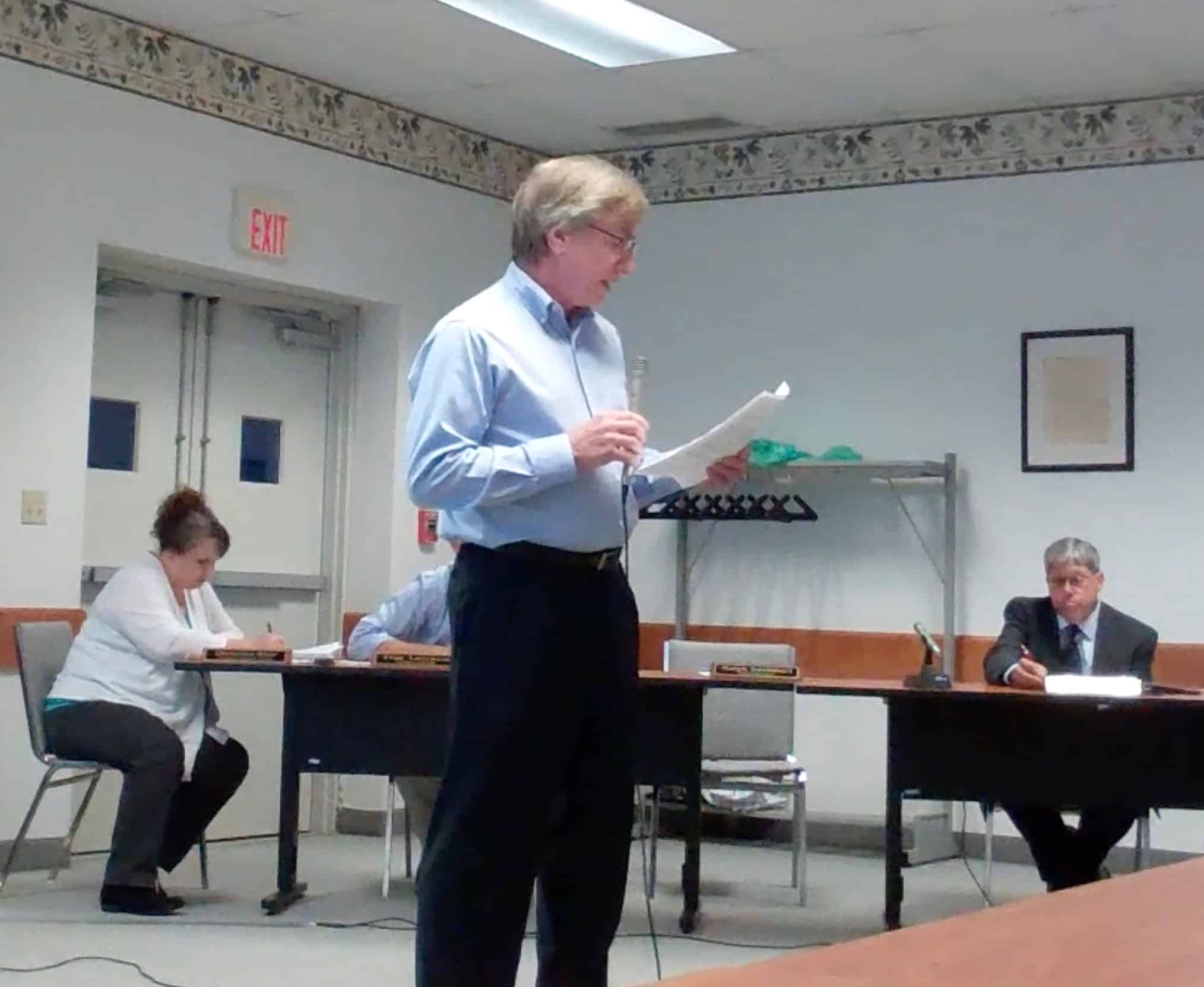
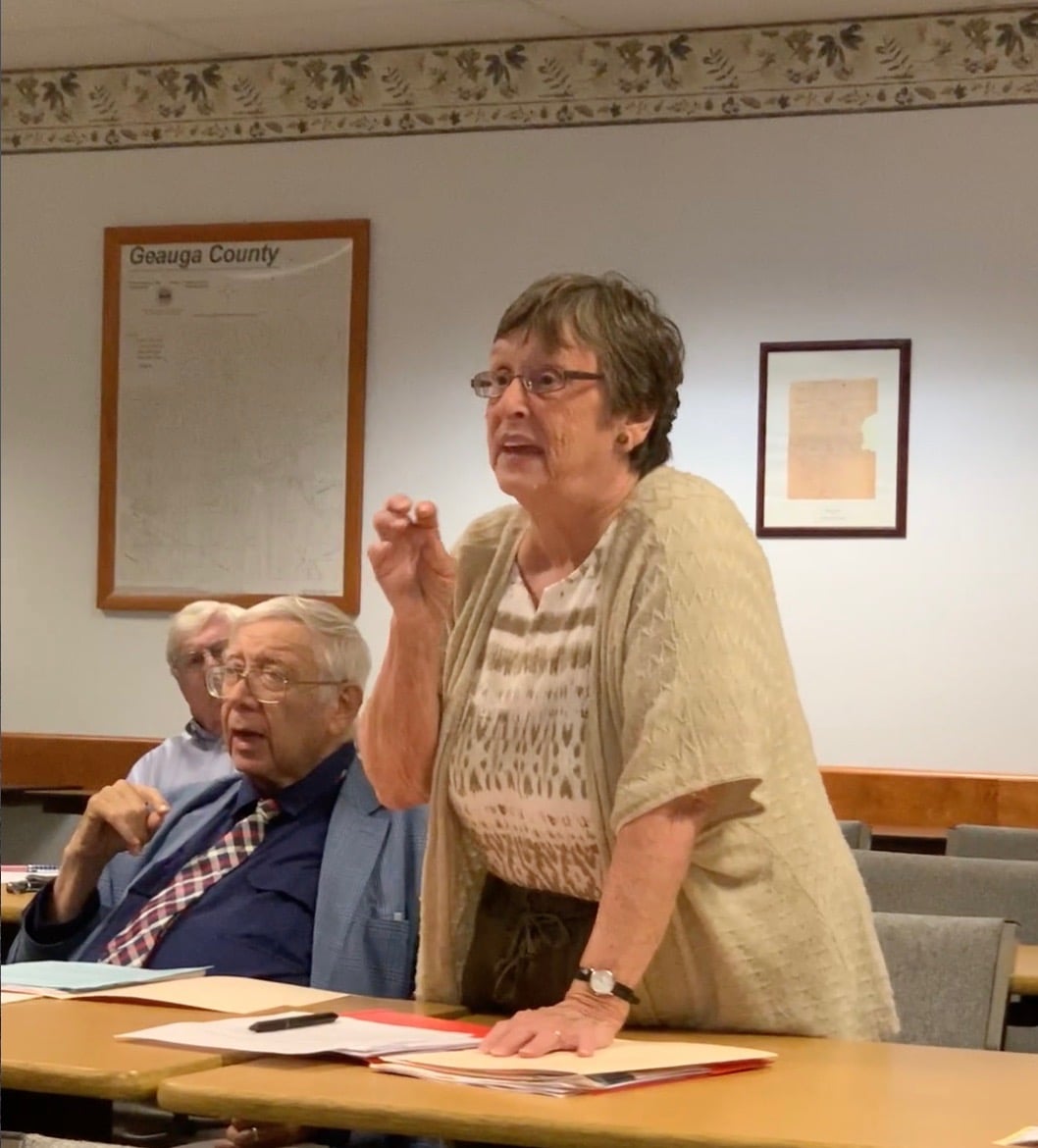
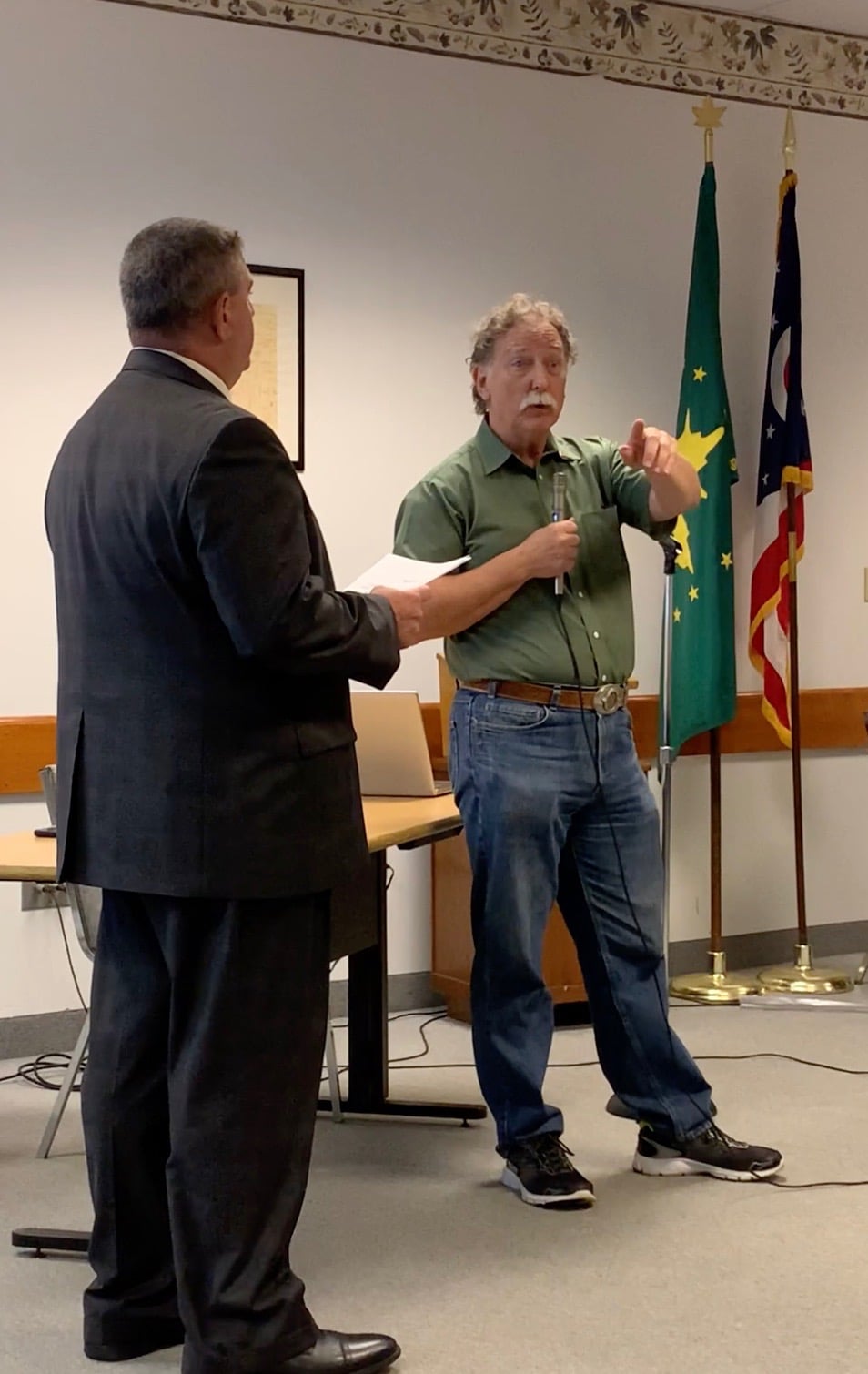
Ever since details of Geauga County Board of Mental Health and Recovery Services Executive Director Jim Adams’ new five-year contract were made public in August, Geauga County Commissioner Ralph Spidalieri said he has heard voices of outrage from taxpayers.
“For me, it’s a concern also because I’m basically reliving what happened back in 2014, where this same type of scenario happened,” said Spidalieri.
Five years ago, Adams was scheduled to receive rolling raises from roughly $112,000 to nearly $154,000.
“The public went crazy with it; we had news teams coming to the commissioners’ office, just a lot of public outcry,” Spidalieri said, adding the mental health board eventually rescinded the contract and Adams was given a “more reasonable salary.”
Adams’ new deal provides for a salary of $117,329 in 2019, escalating to $139,681 in 2023. It guarantees a salary increase of $5,586 per year for five years, making him the highest paid county department head. Including benefits, his total compensation package balloons from $162,987 this year to $188,859 in 2023.
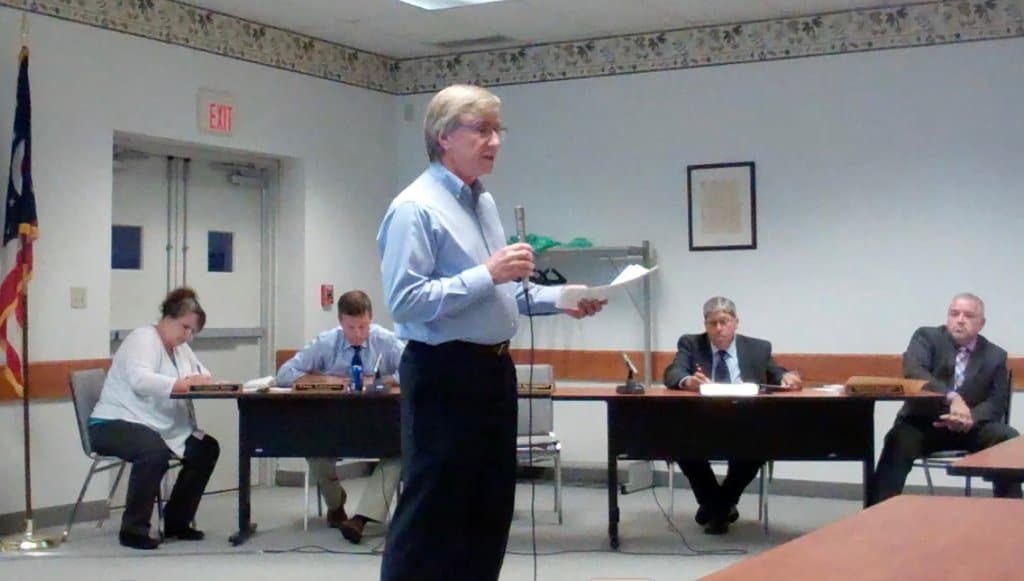
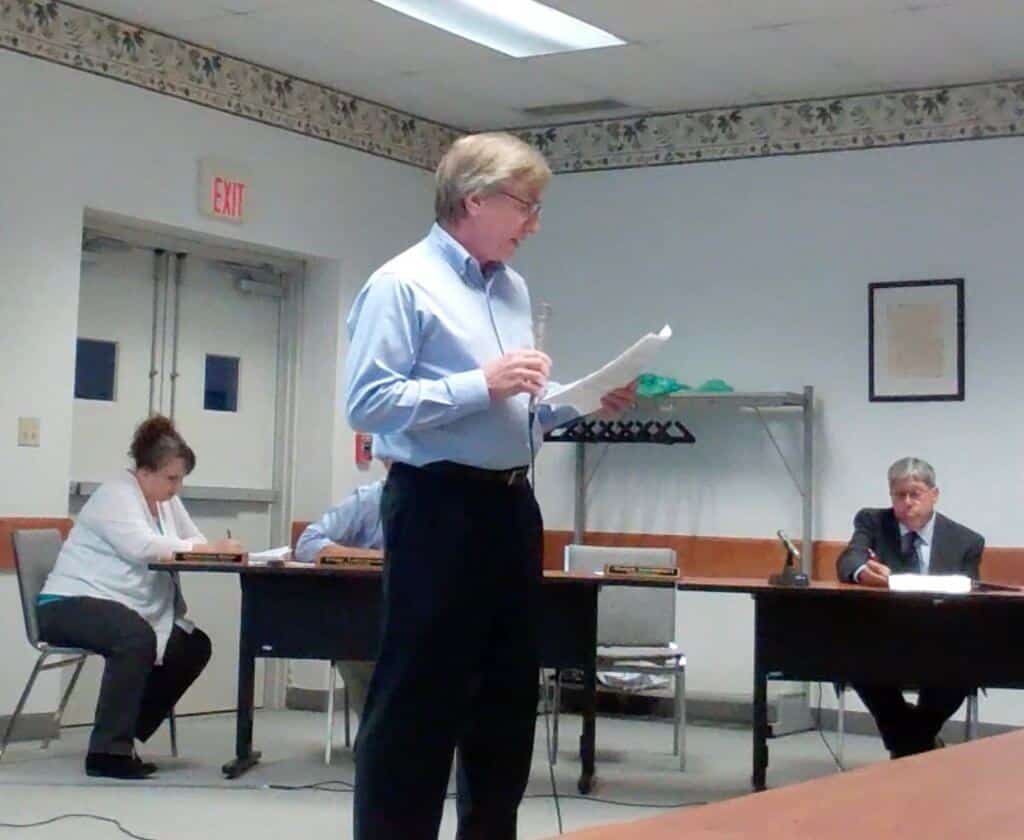
Adams, who has been at the helm of the mental health board for 31 years, said last month, only one of the commissioner-appointed board members — Ohio law allows county commissioners to appoint eight members and the state of Ohio, six — voted against his contract. Two others abstained and a third was absent. He also noted commissioners failed, since May, to fill two open board seats.
After news of Adams’ contract broke, commissioners removed two of their appointed board members for failing to attend meetings and filled those seats, as well as the two open seats.
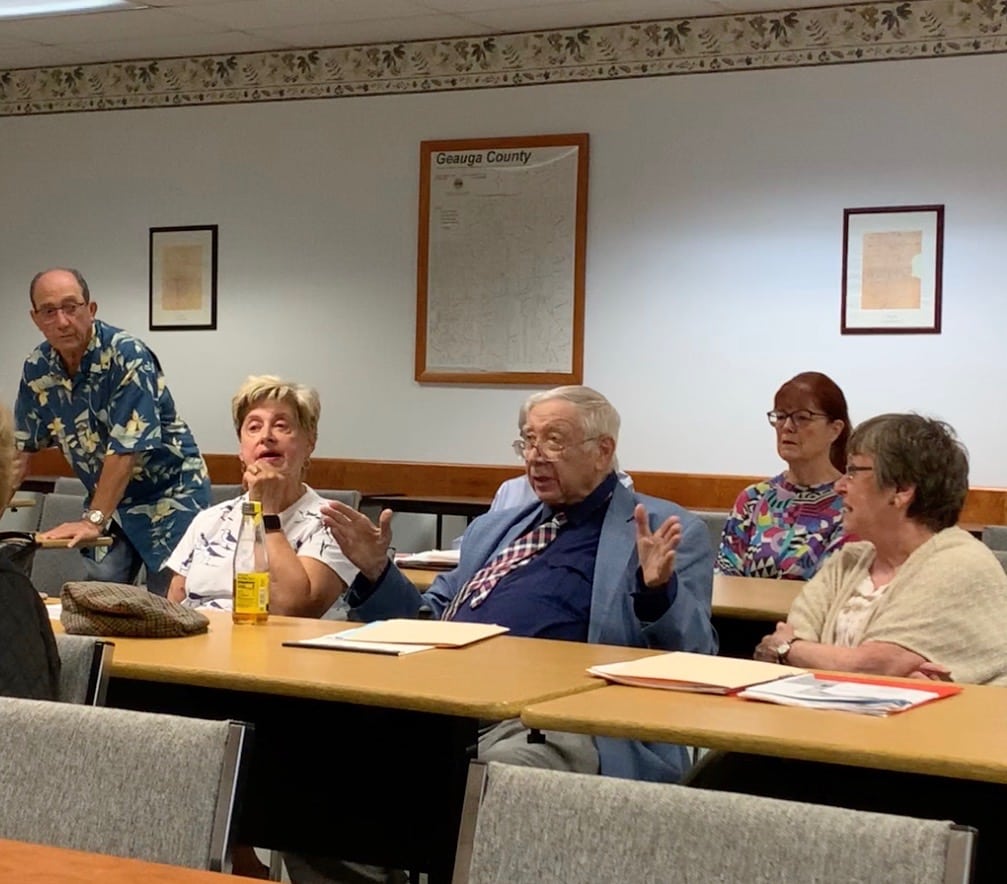
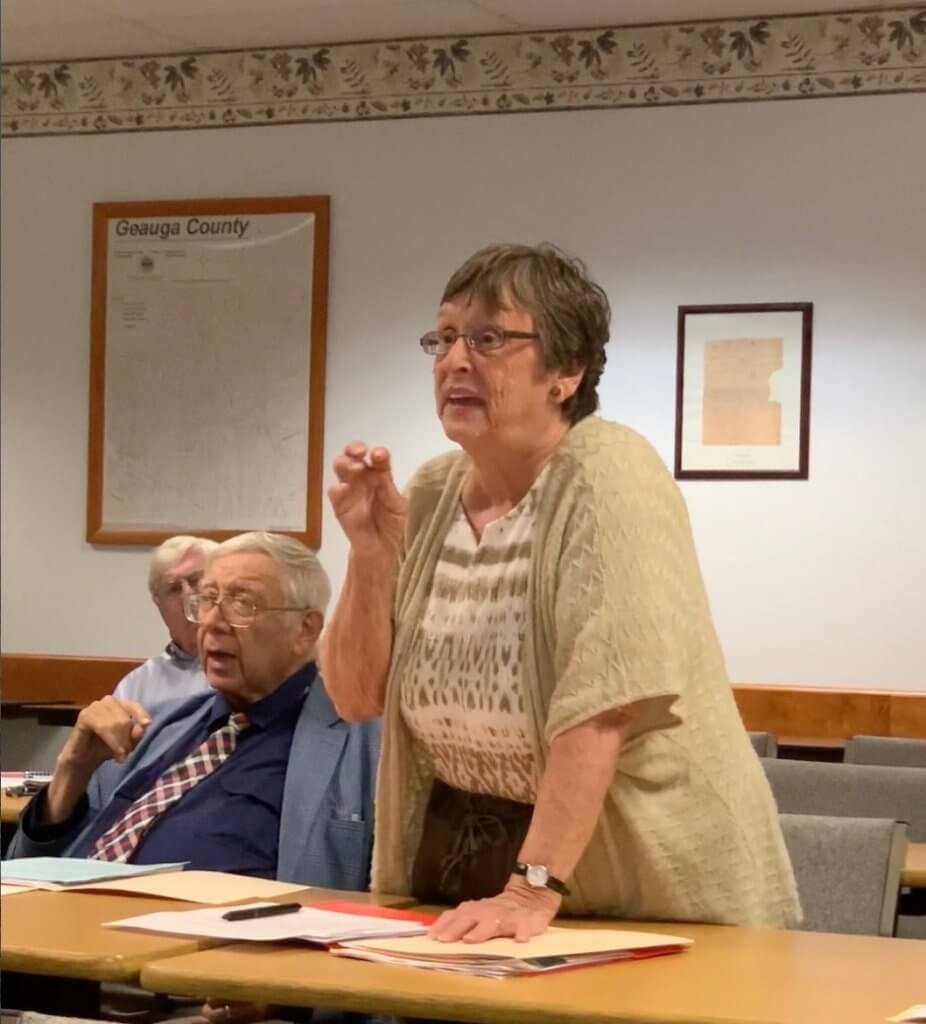
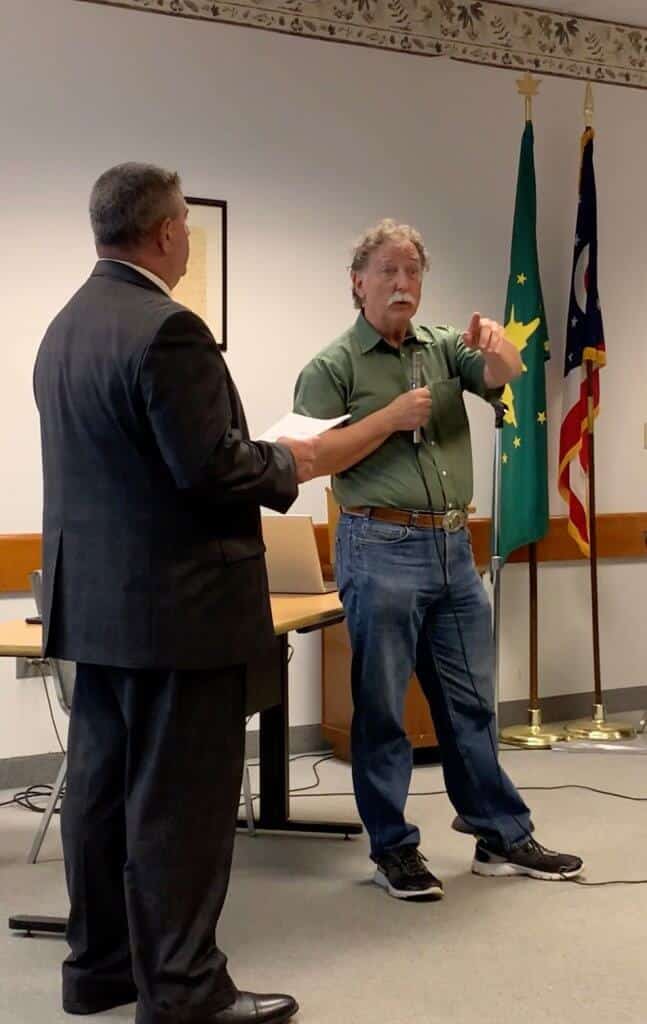
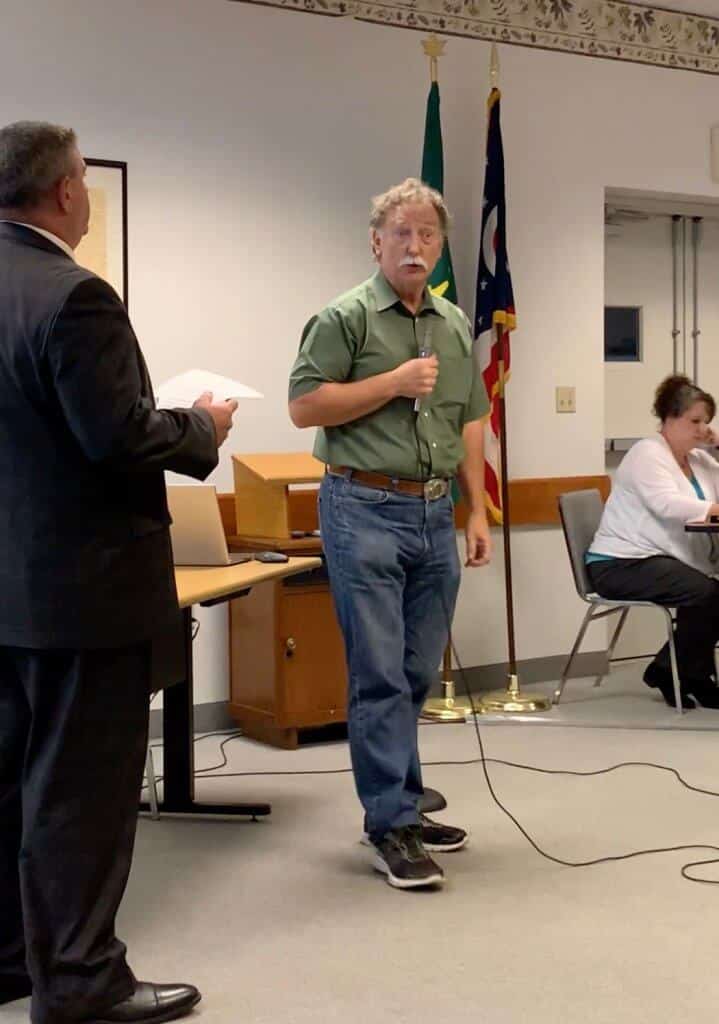
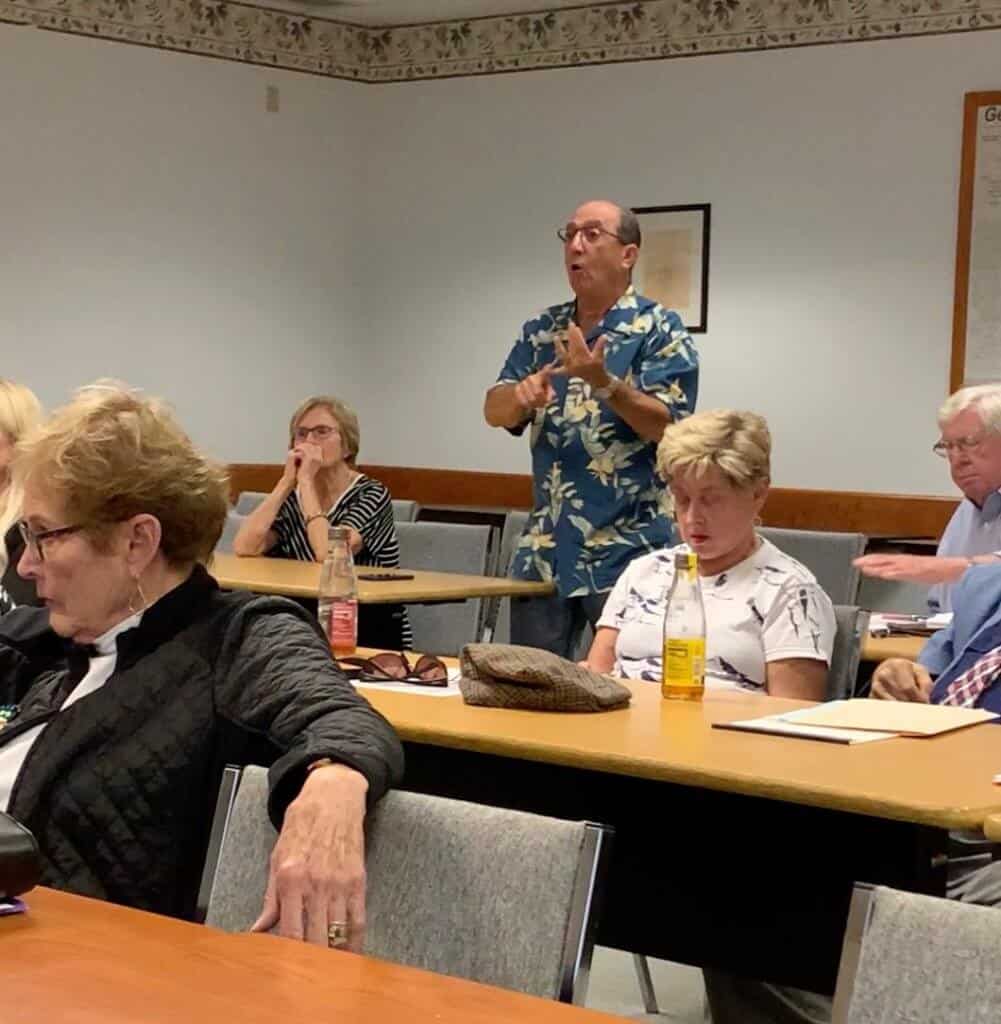
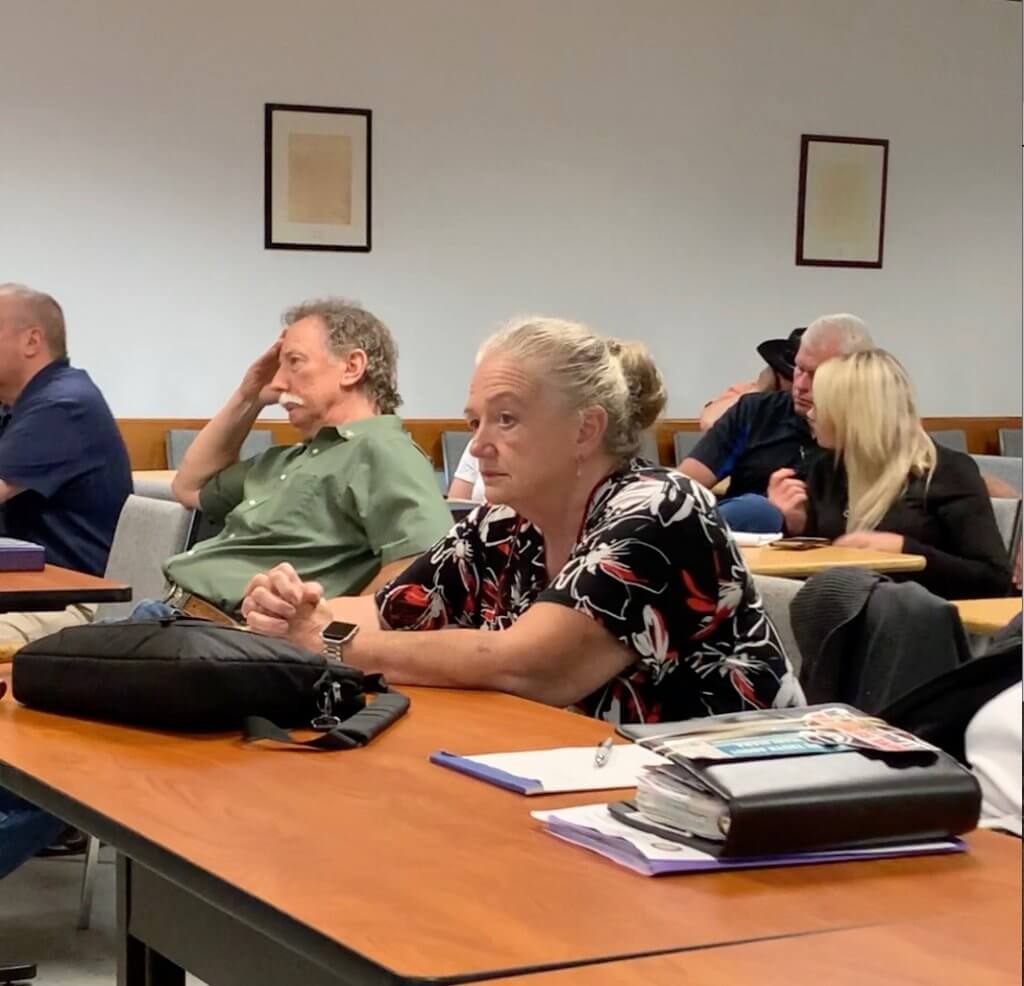
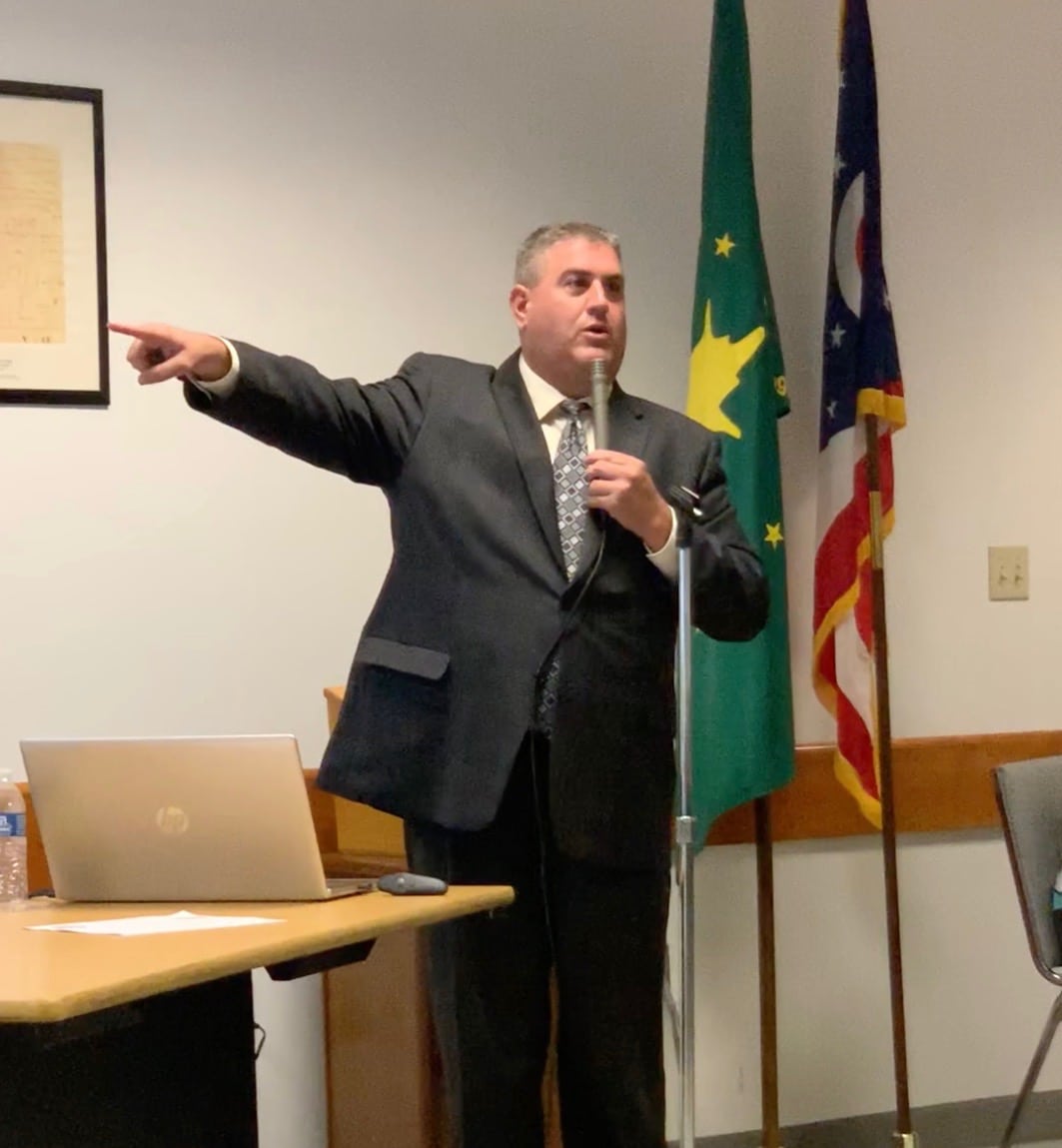
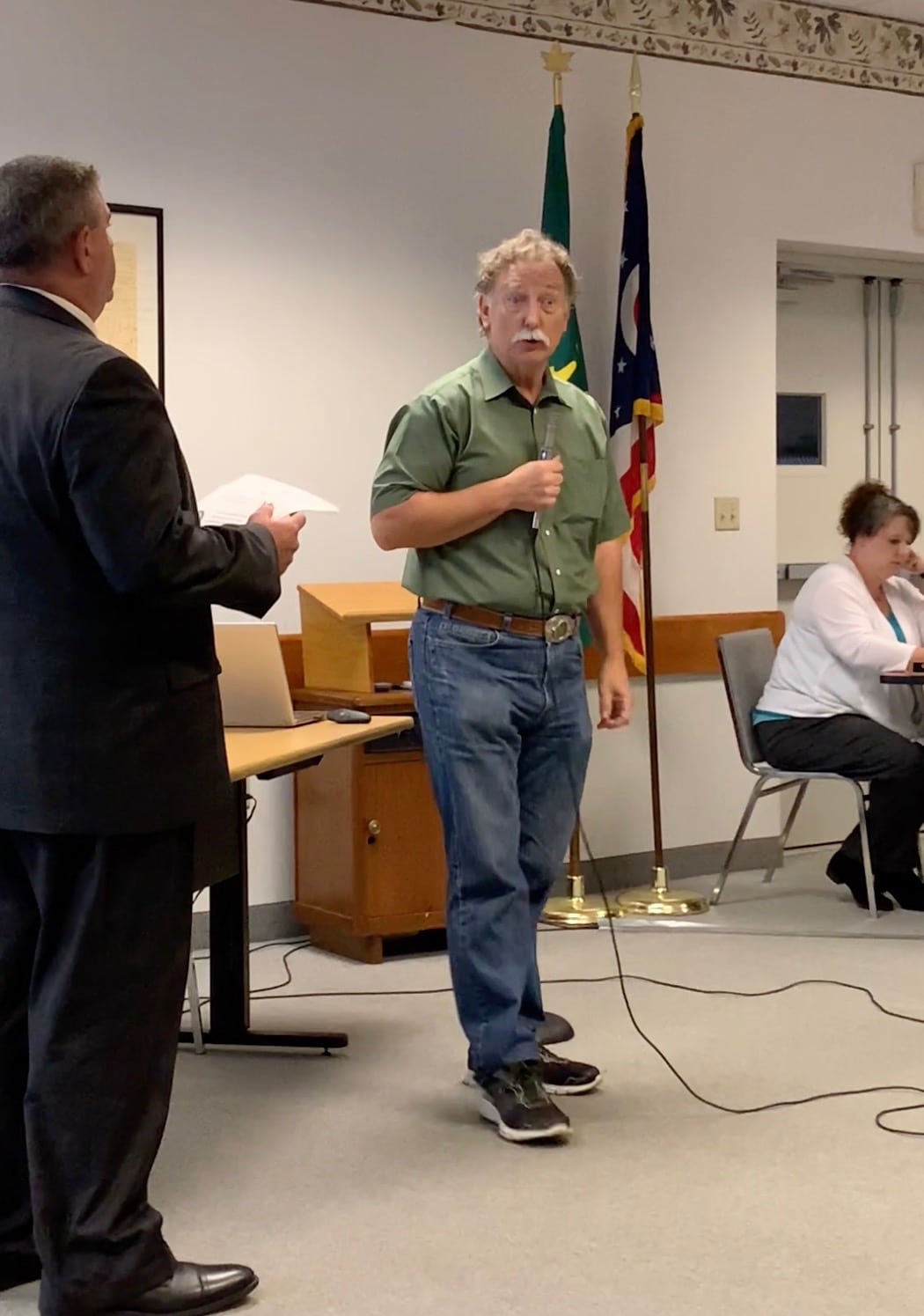
In order to educate residents how their tax dollars are spent and managed relative to Adams’ new contract, county commissioners held a special meeting Oct. 1 in Building 8 of the county office complex at 470 Center St., Chardon. The 90-minute meeting included a PowerPoint presentation followed by a question and answer period.

The GCBMH is responsible for not only distributing funds and administering public mental health, alcohol and drug addiction services in the county, but for developing, promoting and monitoring services, facilities and programs that are responsive to the behavioral healthcare needs of residents.
In 2018, it had revenue — property taxes, reimbursements and grants — of nearly $5.6 million and distributed approximately 79 percent of those funds — $4.39 million — to agencies such as Catholic Charities, Family Pride of Northeast Ohio, Lake-Geauga Recovery Centers, NAMI Geauga, Ravenwood Health and WomenSafe. Operational expenses were $674,706, including salary expenses of $481,051.
“One of the things that’s unique with the mental health department is that it’s primarily a pass-through organization,” Spidalieri said, adding it, essentially, is a referral agency.
Spidalieri said surveys were sent out to all 88 counties in the state and 51 responded, sharing information on county population, the operating budget for their mental health department, the number of department employees and their director’s compensation.
With that information, the commissioners’ office also calculated director compensation on a per capita basis.
They then compared Geauga’s numbers with those of five surrounding counties: Ashtabula, Cuyahoga, Lake, Portage and Trumbull. What they found was Geauga had the:
- Smallest population (93,389)
- Fewest number of employees (3-4)
- Third highest director salary ($117,329)
- Largest cost per capita to the taxpayer ($1.26)
Spidalieri said it was not the commissioners’ intention to discredit the mental health board or Adams, but to make everyone aware of the contract’s ramifications on taxpayers.
“Here we go again in 2019, we’re coming into a levy, where are we going to be?” he said, espousing support for passage of a 0.7-mill, five-year renewal levy on Nov. 5. “We know there are people out there that need these services.”
Spidalieri said the last thing commissioners want to do is interfere in the mental health board’s business, but the first thing commissioners are going to do is look at responsibility and accountability.
“My dad always told me, ‘If you think it’s wrong, it probably is,’” he said. “And when you look at something like this (contract), it just feels wrong.”
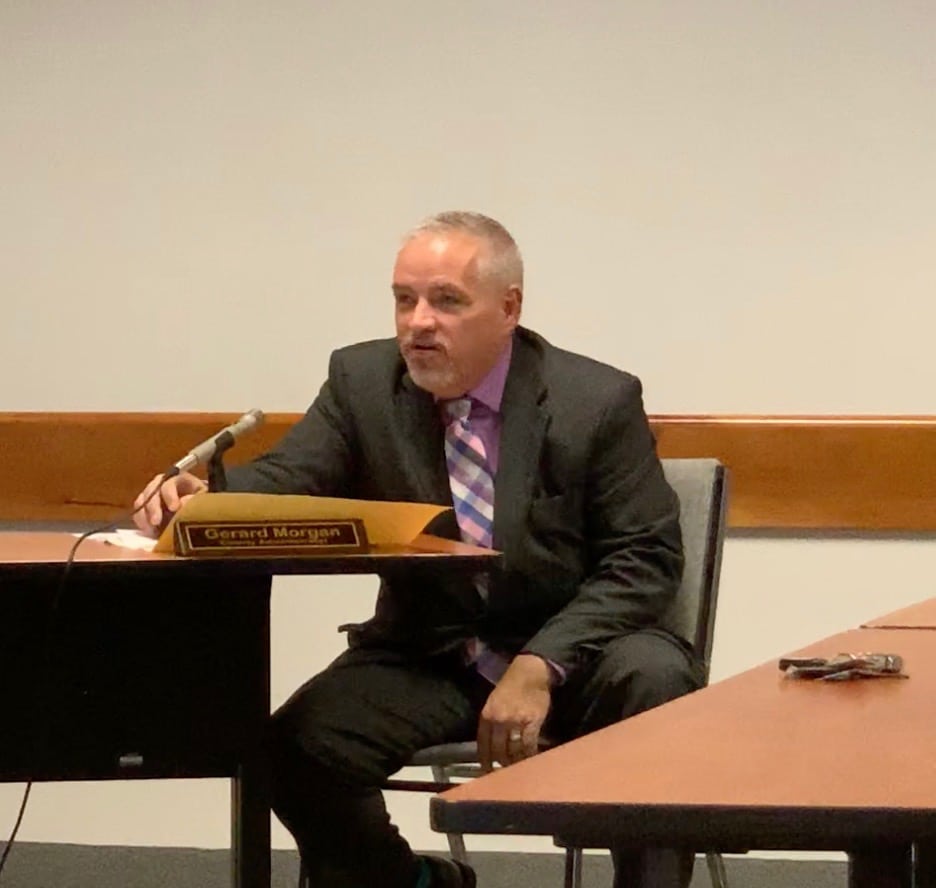
County Administrator Gerry Morgan said government employees do not have guaranteed employment, but rather their employment is at will.
“To my knowledge, there are only two other individuals in the county who have contracts and neither one of those are on boards with members who are appointed by the commissioners,” he said.
Morgan said Adams is provided with no less than a 4.15-percent annual salary increase.
“In the last 10 years, the highest increase any county employee had gotten as part of a base salary is 3 percent,” he added. “There are a number of years when that was zero.”
Morgan explained county taxpayers also are on the hook under Adams’ contract for providing him with:
- Use of an automobile — for county work and personal use — with all expenses paid. (No other county employees are permitted to use county vehicles for personal use, Morgan said.)
- A $250,000 group life insurance policy. (County provides a $50,000 policy for full-time employees, Morgan said.)
- 60-day payout of accrued sick time upon separation — not upon retirement — from employment. (Ohio law provides a maximum of 30 days sick time payout upon retirement, Morgan said.)
- Professional liability insurance coverage of $2 million per occurrence and $4 million total coverage, which would cover professional actions outside of Adams’ county employment. (Morgan said employee liability insurance is limited to work performed for the county.)
In addition, if Adams’ contract is not renewed after the five-year term, he would be entitled to stay on as an employee of the mental health board with all benefits.
“Our goal tonight is to assure proper spending,” Spidalieri said, concluding his presentation. “We want the levy to pass because of the fact that we know there are people out there that need these services.”
But he asked board members to reconsider the terms of Adams’ deal.

Adams Asked for Less
Adams said the board began working on his new contract in January 2018.
“After the new board members (commissioner appointees) came on in August and September of last year, the board actually went back and recreated the process, started from scratch,” he explained.
He said the board’s Planning and Policies Committee met again to answer all new board members’ questions, “so all the board members that came on had a full understanding of what they were talking about and what they were discussing.”
Adams admitted he requested a five-year contract.
“After 30 years, I think my work stood on its own and I think the work that I’ve done, bringing the agencies together, stood on its own,” he said, adding he was not invited to attend the Oct. 1 meeting.
However, Adams said he did not request annual salary increases of more than 4 percent. Instead, he asked for a 2.9-percent increase in year one, 1.74-percent increase in year two and 1.16-percent increase in the third, fourth and fifth years of the contract.
“The average raise for the commissioners over the last five years is 2.85 percent. So every year of my contract, I asked for less and less funding over the terms of the contract,” he added, noting it was the board who gave him the higher increases.
As far use of an automobile, Adams said it was added to the contract because many county departments have their own cars.
“I pay taxes on all the personal miles that I drive,” he explained, adding he drives about 24,000 miles annually for work.
The executive director also told the commissioners he secured new state opioid response grants totaling $1.2 million for this year.
“As of today, we have 7,200 people in Geauga County that are receiving mental health or drug and alcohol treatment programs,” Adams said. “Those are the people and the services that we have to administer.”
Adams then read the last paragraph of the minutes from the meeting where the board approved his contract:
“Mr. Niewulis said the board spoke and everyone said their peace. Mrs. Chokshi said the board should vote on the contract as it is, with the amendments that were approved. Mr. Niewulis said the executive sessions at times were very interesting and this process had worked very well, and all members have had the opportunity to speak and vote accordingly. Dr. Lesyk seconded the motion.”
Tom Niewulis is a commissioner appointee, and board Chairman Alberta Chokshi and Dr. Carolee Lesyk are state appointees.
The motion passed with an 8-1 vote, with two commissioner-appointees voting for the contract. Two other appointees abstained and another was absent. Commissioner-appointee Mike Petruziello cast the only “no” vote.
“Thanks for letting me talk tonight,” Adams concluded.

Commissioner Tim Lennon said something as important as approving Adams’ contract should have been a specific agenda item.
“It came in under old business,” he said.
A frustrated Niewulis then spoke and said several commissioner appointees had no idea Adams had requested smaller salary increases because those discussion took place in the planning and policies committee.
“We didn’t know about those original numbers. We were told because Mr. Adams did not get these raises for all these different years that he deserved it. And he deserved a five-year contract because he is a college (graduate) and he needs stability in his family,” Niewulis said, adding had he known about Adams’ requested increases, he would have been fine with those.
“I’m frustrated with this board. I feel deceived on some of those numbers and the way that process worked,” he said. “We fought for a year and a half trying to keep this at no contract because I believe that no bureaucrat . . . should have a contract, period.”
He added, “I like the people on the board. I think everybody . . . is trying to do a good job. But when it comes to fiscal responsibility, it’s all about Mr. Adams and making sure he gets everything.”
Despite his venting, Niewulis voted for Adams’ contract.
Chokshi also noted several commissioner appointees sat on that policies committee, including Petruziello’s daughter.
“The board has failed the taxpayers of Geauga County by not being responsible enough to have a succession plan for Adams,” Petruziello said. “The board is not fiscally irresponsible.”
Lesyk explained the board looked at numbers for all 88 Ohio counties, including counties that were comparable in size and “neediness.”
When the process began, Adams’ salary was in the bottom fourth of all counties, she said, reiterating he had not received any salary increase for eight years.
Board member Daniel Schweid, who headed the planning and policies committee, said after hours in open session hashing out Adams’ contract, neither the state appointees, nor the county appointees, ended up exactly with what they wanted.
He said the committee will not revisit the contract, but the board, as a whole, could.
“It’s a matter of votes, and it just doesn’t break down by county and state appointees,” he said. “The people who have been there a long time realize the stuff that we had gone through. The new people have good ideas. Obviously, the county has, perhaps, more appointees than the state, and it will turn out that this contract will probably be redeveloped. But it’s going to be based on resolutions . . . by the board and preferably in open session.”
Said Spidalieri, “What you’re saying is all we’re asking. We are asking you guys to look at this, please. That’s what it comes down to.”