Amish Culture, History Shared at Century Village Auburn Church
Being home to the fourth largest Amish settlement in the world, Geauga County’s history with its people and culture runs deep.
Being home to the fourth largest Amish settlement in the world, Geauga County’s history with its people and culture runs deep.
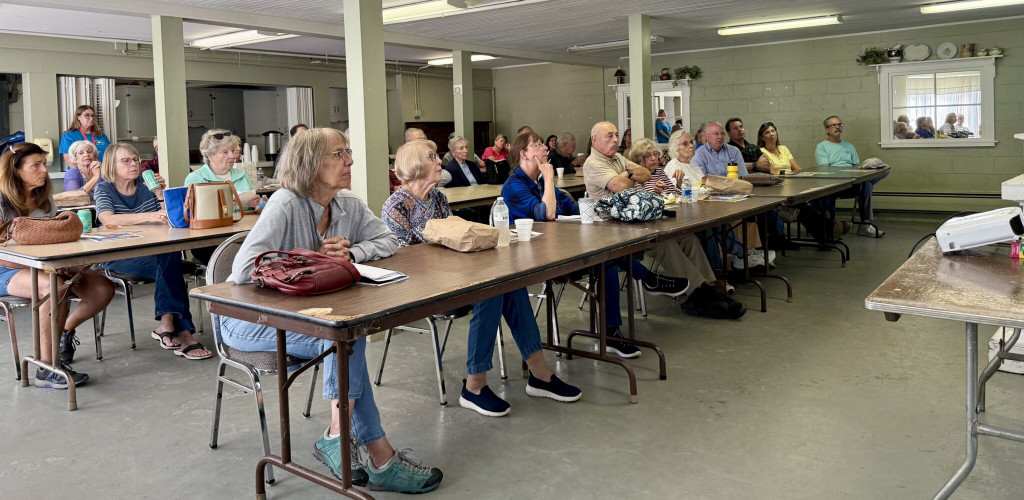
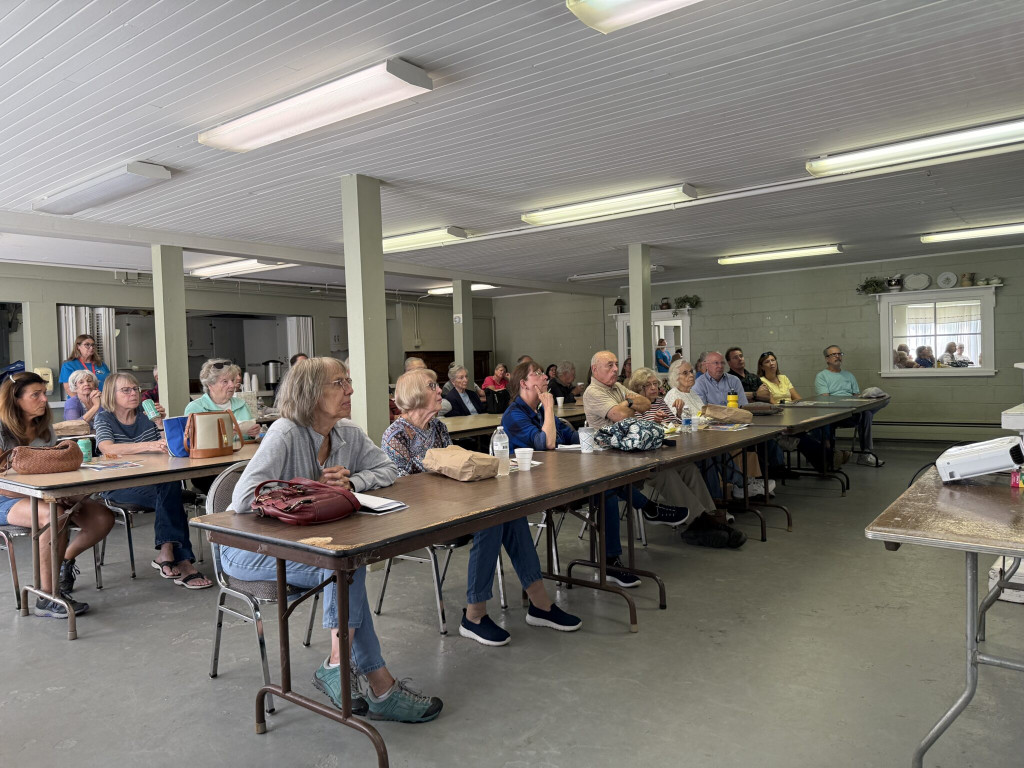
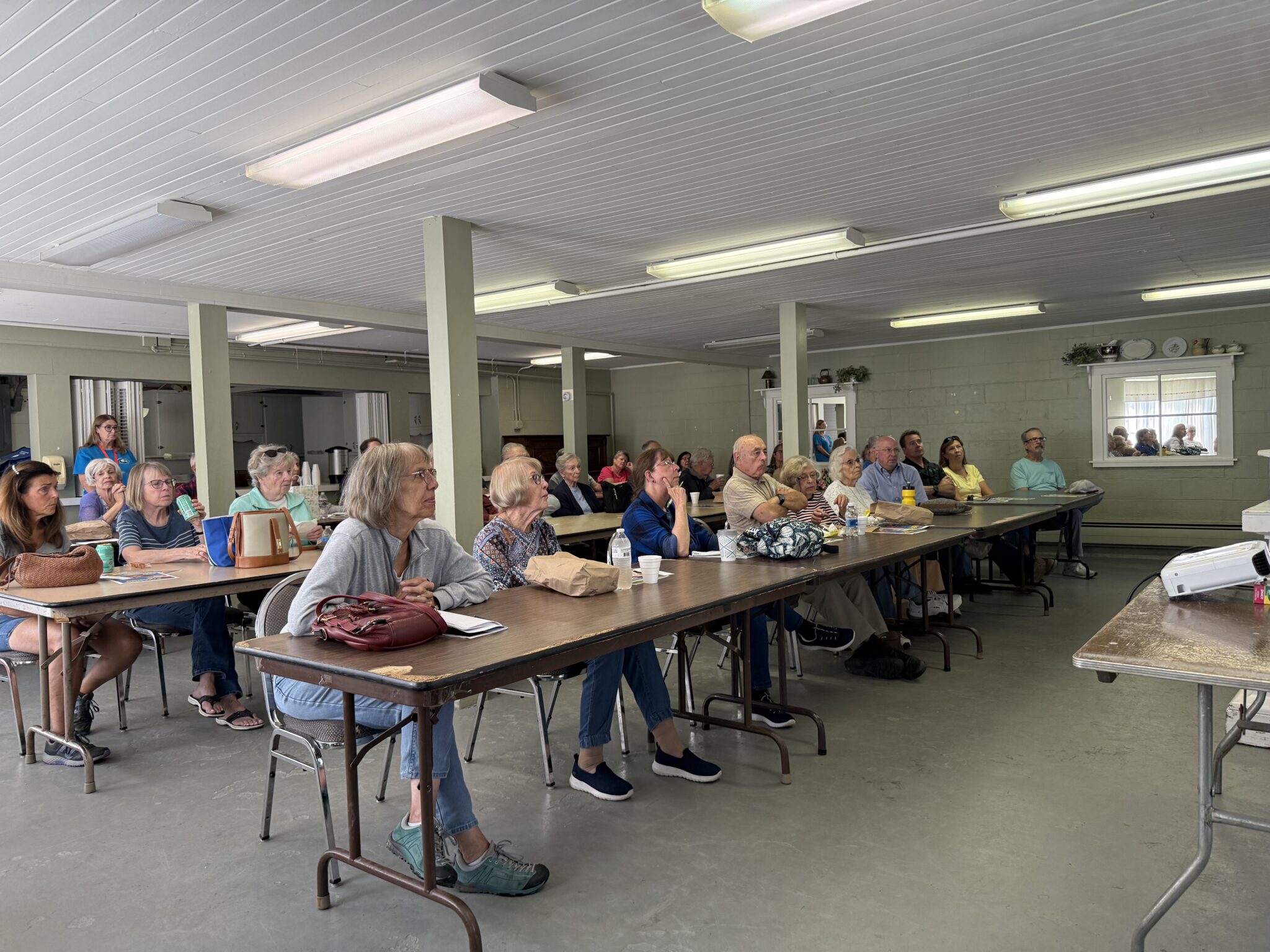
Chester Kurtz, of the Geauga Amish History Center, recently talked about the melting pot of Amish culture prevalent in the county, as well as the Amish history and customs that contribute to a thriving community during a “Lunch with the Curator” event Sept. 2 at Century Village Museum in Burton Village.
“The most important takeaway is to realize the Amish are people, too,” Kurtz said. “We are not specially gifted or have an inside track to Heaven. We are simply people trying to better ourselves by following Christ. The peace our community portrays is only found in Jesus Christ and is possible for everyone.
“It is also important to realize that the Amish and non-Amish communities are all part of a greater community,” he added. “Together, we are Geauga County.”
The lunch, hosted by the Geauga County Historical Society and Geauga County Department on Aging, was part of a speaker series and held inside the historic church’s community room on the village museum grounds.
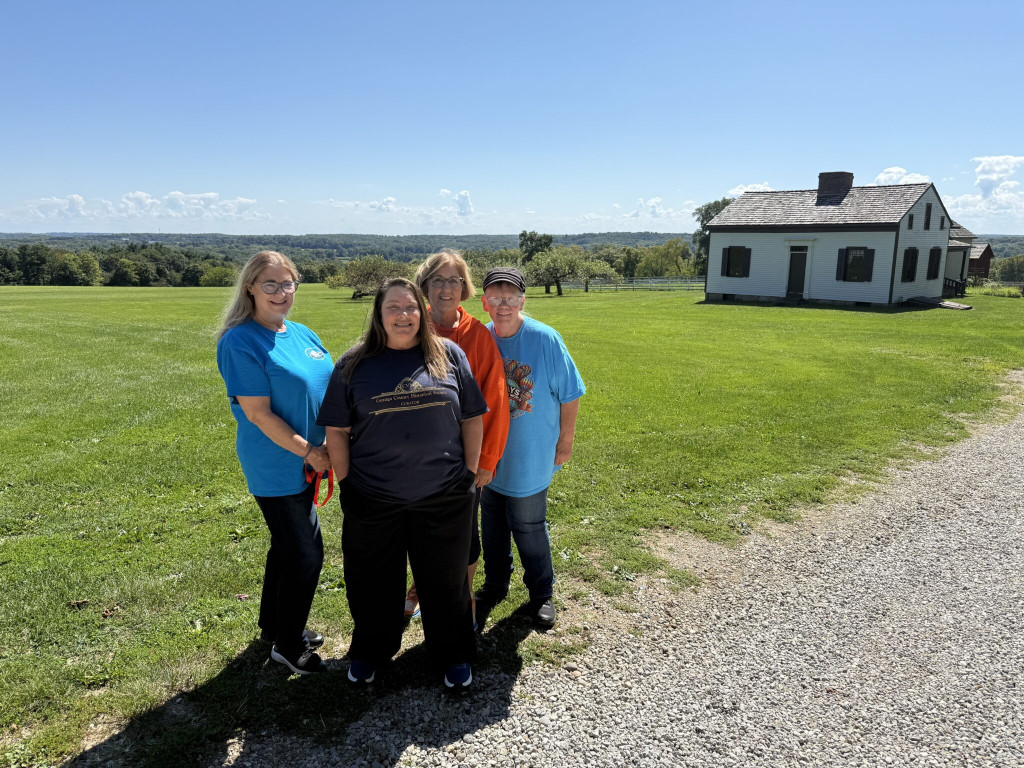
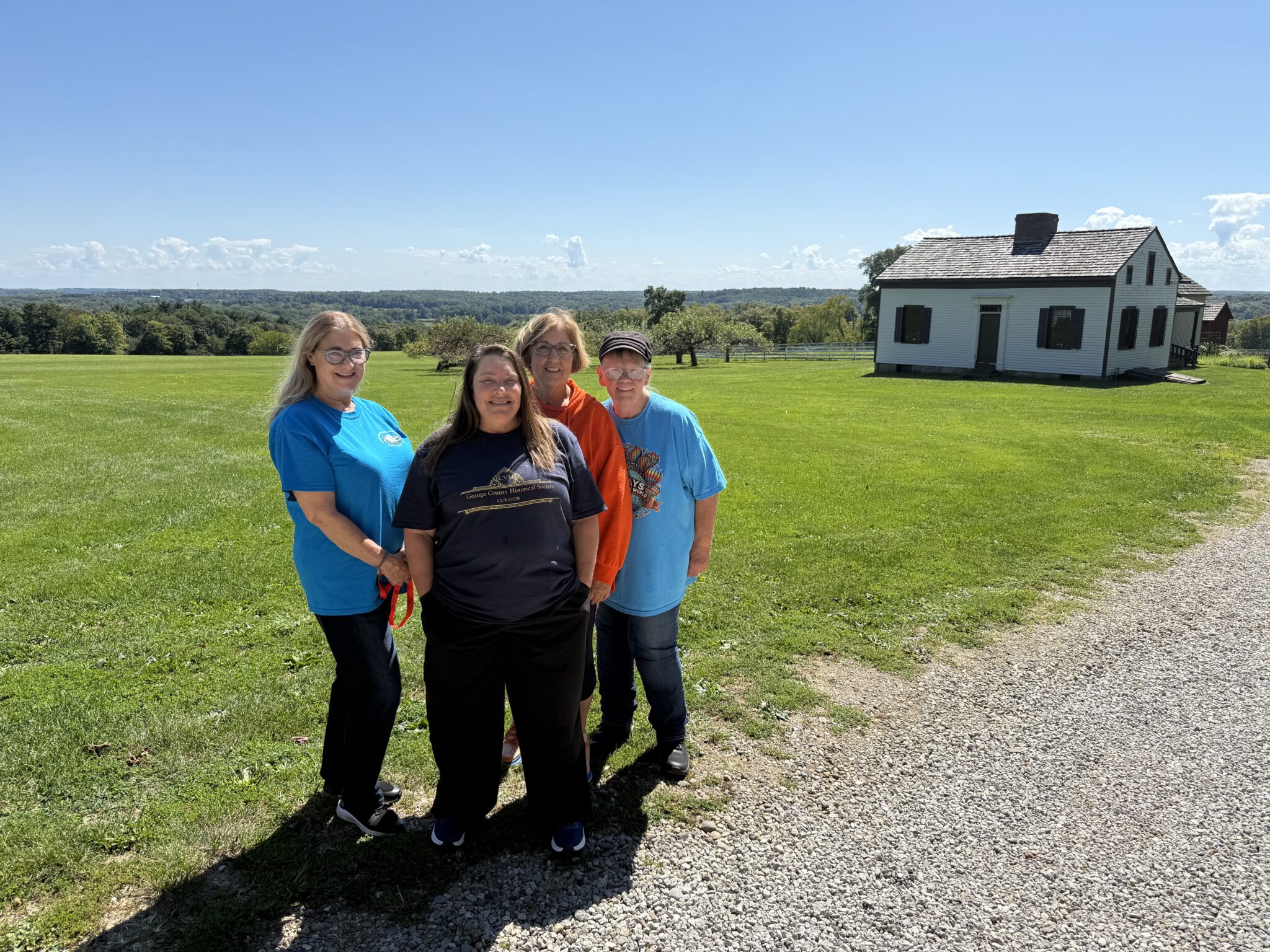
Stefanie O’Connor, historical society and museum curator and archivist, joined Sandy McLeod, senior center supervisor for the department on aging, for the monthly lunch event — which is open to the public and held every first Tuesday of the month between April and October.
The Geauga Amish History Center, previously known as the Geauga Amish Historical Library, is located on Nauvoo Road in Middlefield Township and was founded in 2014 by John Ginerich, a local non-Amish historian and Anabaptist collector with Amish ancestry, and a few other Amish members.
The center’s vision is to “engage our communities and enrich our faith in Jesus Christ by collecting and presenting Anabaptist artifacts,” Kurtz said.
“For the Amish community, we present the Anabaptist values that shaped our heritage,” he said. “Every culture in the world is always a generation away from extinction. If we forget our history, we lose our vision. For the Amish and non-Amish community, we also present our Anabaptist values as a witness to our Christian faith. In contrast to societal pressure for individual achievement, the Amish lifestyle promotes a family and community-based mindset. To be the best God intended, you need to be part of something bigger than yourself.”

The Geauga Amish population was 20,980 in 2024, according to the Young Center for Anabaptist and Pietist Studies.
The Geauga County Amish Community spans four counties, including Geauga, Trumbull, Ashtabula and Portage, Kurtz said.
The Amish originally settled in the Middlefield area, but later expanded east. At that time, there were about 86,000 Amish in Ohio in 74 distinct settlements, Kurtz said.
The Amish in Geauga County proper are concentrated in the southeast, with many in Huntsburg, Middlefield, Burton and Troy townships, and Amish homesteads north to the Thompson/Montville township line, he said.
“There are a few families on Rapids Road in Burton, but the Cuyahoga River mostly denotes the western extent of the Amish community,” Kurtz said.
Geauga County’s history provides insight into how and why societies, cultures and individuals have evolved over time, O’Connor said, adding it also offers a rich context that illuminates present circumstances and enables people to learn valuable lessons from the triumphs and failures of those who came before them.
“By reflecting on past mistakes, we can make informed decisions that shape a better future,” O’Connor said. “The study of history enhances critical thinking and analytical skills, empowering individuals to question assumptions and evaluate diverse perspectives.
“It aids in the understanding of both our individual identities and the collective identity of communities, revealing the difficult tapestry of human experience over time,” she continued. “Additionally, history fosters cultural empathy, encouraging us to appreciate and celebrate the diverse narratives that define humanity. Ultimately, it cultivates a sense of better citizenship by highlighting the interconnectedness of our shared experiences, reminding us that our actions today echo through time, influencing generations yet to come.”
Kurtz’ s presentation on Amish culture was captivating and revealed how the roots of their community began as well as highlighted the unique characteristics that distinguish each Amish settlement from another, O’Connor said.
“One of the most intriguing aspects discussed was the educational foundation of the Amish children,” O’Connor said. “It was also remarkable to learn how, despite their distinct way of life, they come together as a cohesive community, supporting one another in their endeavors. This collective spirit was truly phenomenal and spoke volumes about their values.”
Kurtz’s talk was heartfelt and expressed appreciation to all the area businesses, Amish and non-Amish, that work together in Geauga County, McLeod said after the presentation.
“(Kurtz) explained how each church was formed by location so that families were in close proximity and they could help each other,” McLeod recalled. “He did a wonderful job sharing about how they came to Geauga County and how and why they are still here today. I think every senior who came today left with a new appreciation of our Amish neighbors.”
Upcoming presentations at Century Village Museum include:
- Farming Focus on Oct. 7, which will delve into the agricultural heritage of the region and its significance throughout the years;
- Threads of Valor Exhibit on Oct. 14, which will pay tribute to the brave men and women who served the nation, spanning the timeline from Revolutionary War to World War II, and highlighting their sacrifices and contributions.
Admission is $5 at the door. Contact Sandy McLeod for more information and to register at 440-279-2137.