


Veterans Services Offers Mental Health Resources
We hear about it every single day, veterans killing themselves. It’s very sad. – Michele Pemberton
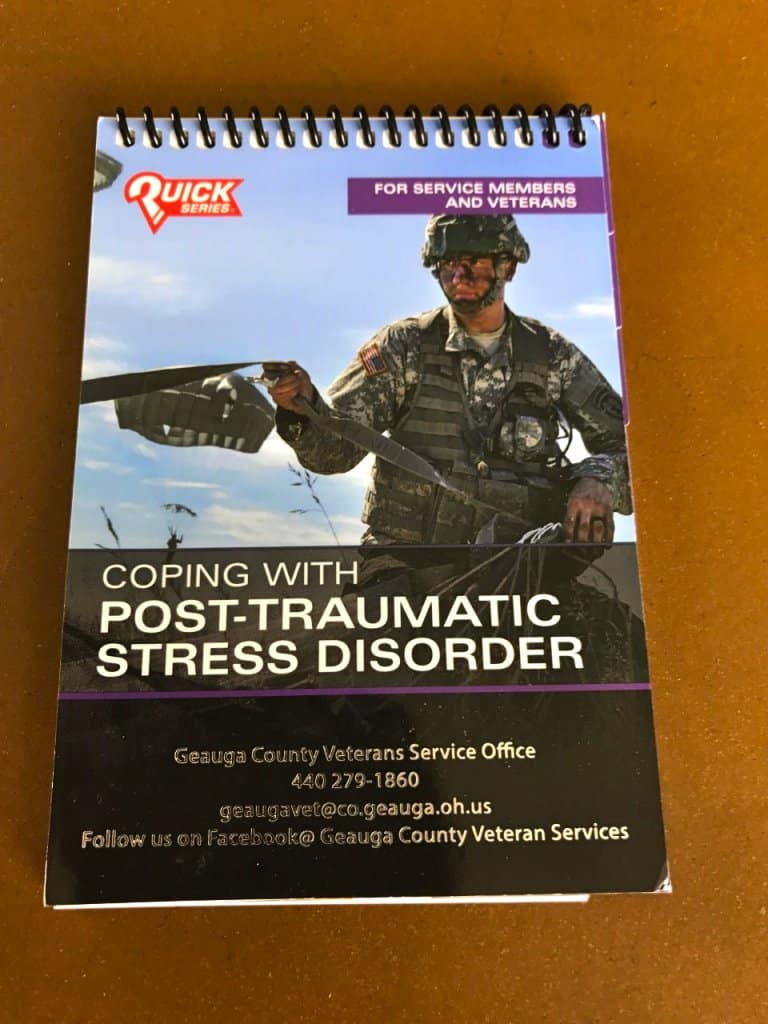
At least 20 U.S. veterans die by suicide every day because of their traumatic experiences during military service.
With only 1 percent of the population serving in the military, more than 7,000 veterans feeling so hopeless every year that they no longer want to live is a huge number, said Michele Pemberton, director of Geauga County Veterans Services office in Chardon.
“We hear about it every single day, veterans killing themselves. It’s very sad,” she said.
Although their many mental illnesses — anxiety, depression, post-traumatic stress disorder, traumatic brain injury, substance use disorder — have their roots in distant war-torn countries, when veterans leave their units to transition back into civilian life, their problems often develop.
“They have no one to turn to. Their battle buddy is not there,” Pemberton said.
Even if they have families, many will isolate themselves and make excuses not to seek help, such as not being able to get to the local U.S. Department of Veterans Affairs facility or they don’t want anyone to know they have mental health issues, she said.
Often, the veteran believes he or she cannot afford diagnosis and treatment and, if the individual is on a tight budget or homeless, that is a very real concern, Pemberton said.

While the Affordable Care Act required everyone to have medical health insurance, it did not require mental health benefits, according to an online article from August 2018 in the “International Journal of Mental Health.”
“Because of the excessive cost of providing comprehensive mental health benefits under existing employer-sponsored health plans for returning veterans, these benefits are often excluded,” said author Ronald Hester. “This lack of basic mental health benefits in the general public occurs at a time of mental health crisis exacerbated by the large number of veterans returning home from combat and often experiencing depression, substance abuse and family crisis.”
He reported more than 1.5 million of the 5.5 million veterans visiting VA hospitals in 2016 were diagnosed with mental health issues, about a 31 percent increase since 12 years before.
Pemberton emphasized she and her staff members are not trained counselors, but they have been taught how to spot symptoms of mental illness and will visit veterans in their homes to find help for them and their families.
“If they had a condition while on active duty, they can file. (The symptoms) don’t have to manifest during service,” she said. “Veterans have five years of free medical treatment if they were deployed.”
Privacy is strictly maintained by the veterans center and VA employees do not have access to patients’ records, Pemberton said.
The VA crisis hotline for veterans is 1-800-273-8255 or by texting 838255, she said. The Geauga County Veterans Service Commission phone number is 440-279-1860 to reach Pemberton or her staff at 410 Center Street in Chardon.


