


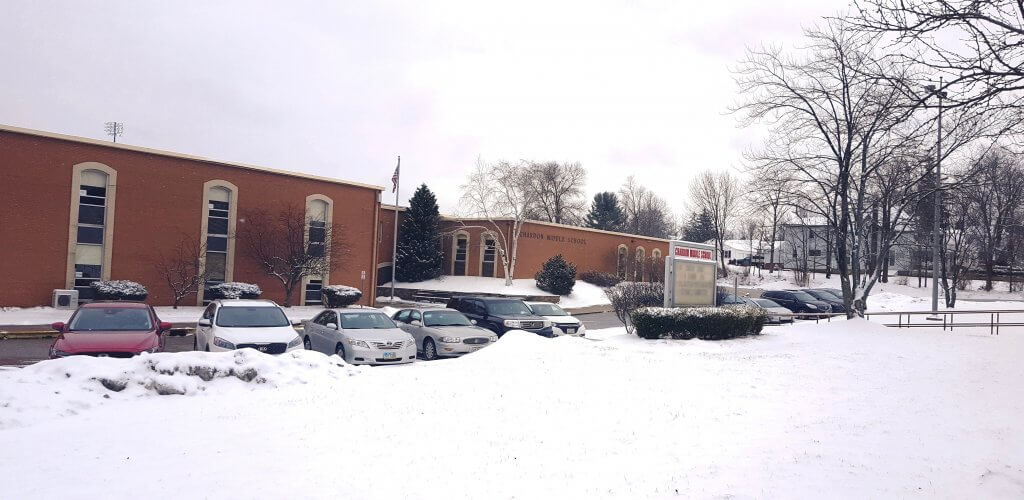
The Chardon Schools Board of Education will vote on whether or not to move forward with a district-wide reconfiguration at their Feb. 20 meeting.
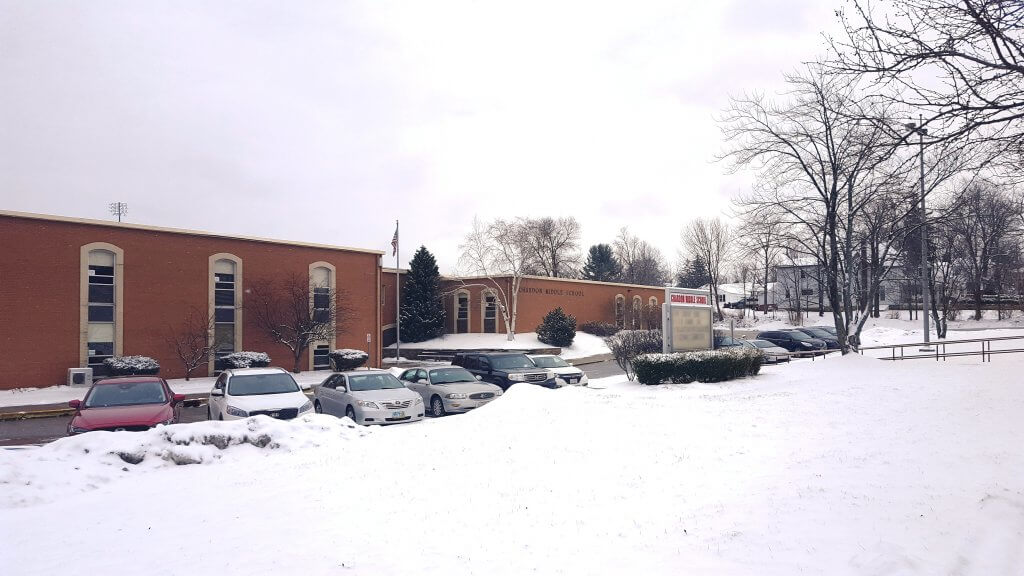
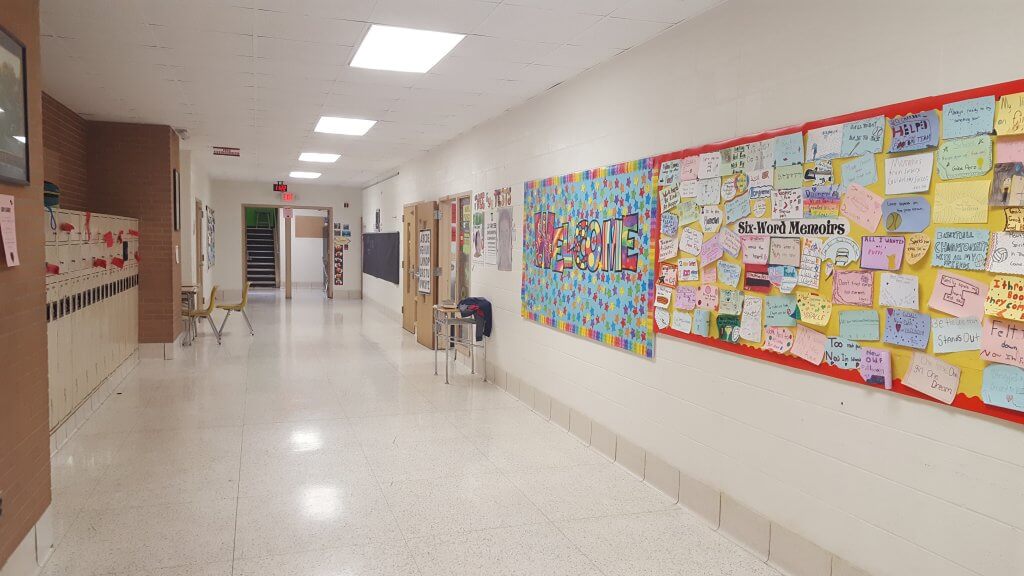
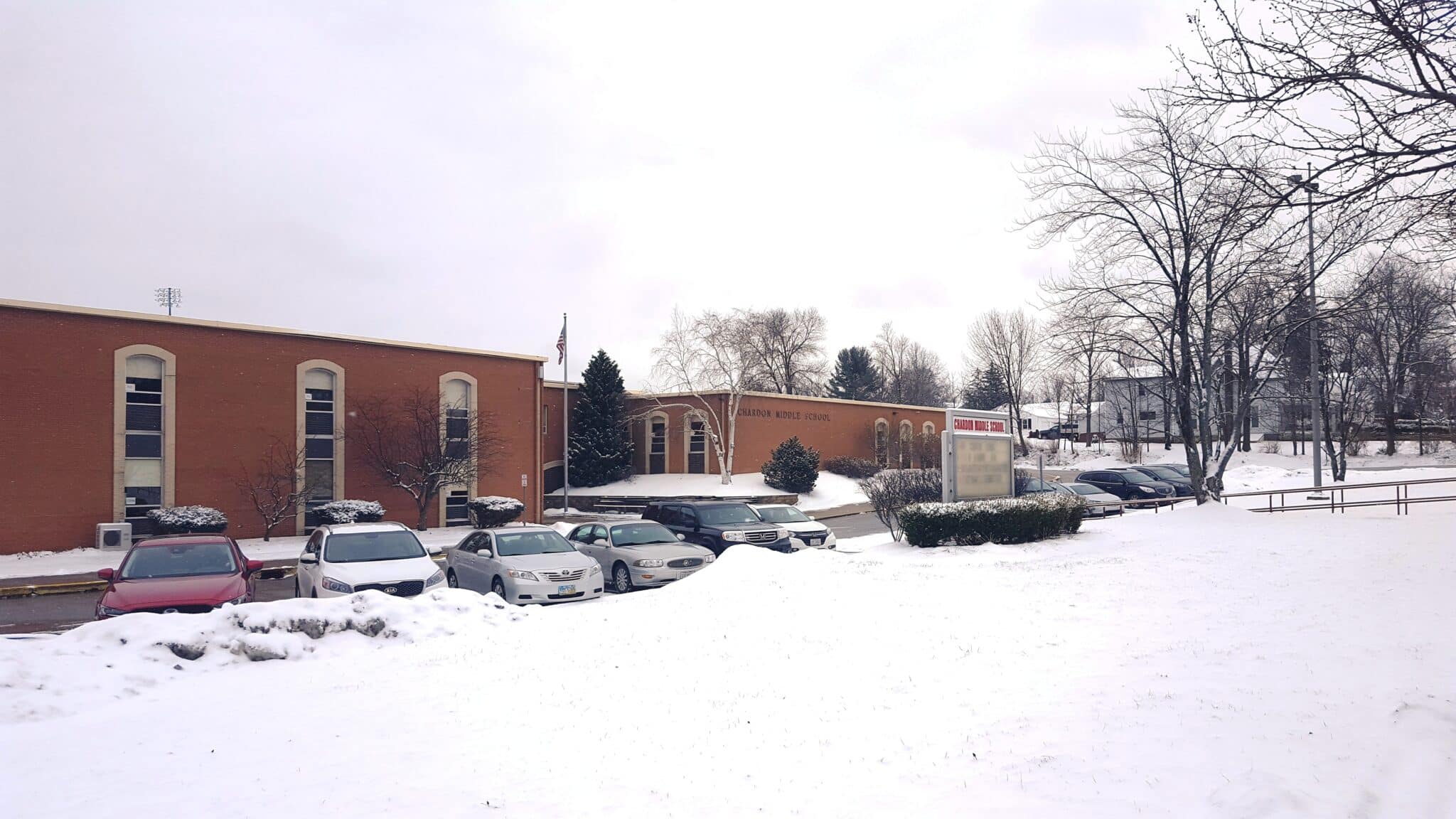
The Chardon Schools Board of Education will vote on whether or not to move forward with a district-wide reconfiguration at their Feb. 20 meeting.
If they endorse the plan, a cost-saving alternative to slashing staffing and services, Chardon Middle School will transition to a building for grades four through seven at the start of the 2018-2019 school year.
Principal Tim Velotta has been working hard with a team of teachers and administrators to make any proposed transitions go smoothly, but he wants parents to know they can throw out their perceptions of the traditional middle school experience.
“It was not about putting the fourth-graders into our current model. It is creating an entirely new model because this is as close as we can get to opening a new school,” Velotta said.
He said students will likely not see a difference from the elementary setting and everything from policies, procedures, scheduling and staffing have been rewritten from scratch.
If the proposed plan goes through, the middle school schedule will include 90-minute blocks for elementary-style language arts and math classes, a change Velotta said Chardon teachers have been requesting for years.
While children would transition to different classrooms throughout the day as they do currently at the four elementary schools in the district, a new proposed building layout would have each grade level in their own section of the building — meaning most classes would be next door to each other.
The proposed reconfiguration would move eighth-graders to Chardon High School, so roughly 75 percent of students next year would be new to the middle school building. But they would likely see familiar faces, Velotta said.
His plans propose teachers escort the younger students between classrooms and supervise their lunch periods, with non-supervisory lunch breaks dedicated to working within their Professional Learning Communities.
He hopes staffing will remain close to what it is currently, although some positions may be eliminated or some teachers may choose to stay in their current elementary building teaching an earlier grade level. Staffing decisions will have to be made before summer break and Velotta said his goal is that every teacher will have a temporary assignment in place before they leave for summer break.
Velotta plans to ask for input from staff, parents and students — if the plan goes through — regarding every aspect of the day-to-day life of students, including dismissal at the end of the day.
“Right now in middle school, (students) walk out and get on the bus. Does that need to look different for fourth- and fifth-graders? I want to hear from the parents about that,” he said.
One thing that would change for most of the incoming students would be access to clubs and extra-curricular activities. Velotta said most clubs and activities will be open to all students, although some younger students may have to form the practice squad for competitive teams.
These activities include everything from band and choir — with a choice between the two made a requirement for fifth-graders — to a LEGO Robotics team and the Power of the Pen writing team.
Velotta also hopes to see computer coding classes added to the fifth grade curriculum, as well as a STEM elective course with pre-engineering and problem-based learning activities.
He wants input from current third-, fourth- and fifth-graders about what they will expect from a new building.
“I think as adults, we say we need playground equipment. Do fourth- and fifth-graders think they need playground equipment? Or do they need blacktop and basketball hoops and sports equipment and benches and tables to sit and hang out on? I don’t know. I want to ask them. Do they need swings and slides or not? They’re going to drive that piece 100 percent,” he said.
In the past, fifth-graders from each of Chardon’s four elementary schools would visit the middle school near the end of their school year for an orientation. This year, if the reconfiguration plan happens, Velotta and his staff are prepared for visits from current third-, fourth-, and fifth-graders from across the district.
He is tentatively planning for a “Back to School Bash” before the beginning of the school year, but Velotta said most of the planning for those events relies heavily on the Parent Teacher Organizations of not only the middle school, but the elementary schools from which students may be moving.
When he spoke to the board of education at their January meeting, Velotta said educators have noted a shift in curricula between third and fourth grade, and another shift between seventh and eighth. This shift, which is evident in the different assessments and learning styles used by teachers from grade to grade, would make the new grouping of grade levels — kindergarten through third grade at elementary buildings, fourth through seventh grade at the middle school and eight through 12th grade at the high school – work well for students as well as teachers.
Another possible shift facing students, however, is in the morning bus schedule. Velotta said the district is working on plans to shift from the current two-tier bussing routes — which carry middle and high school students on one route and elementary students later — to a three-tier system.
The district, he said, is not planning to put fourth-graders on the same bus as twelfth-graders. If the plan moves forward, start times for district schools may shift.
Before he became the principal at Chardon Middle School in July 2017, Velotta said he began work on making school culture a priority.
He and Assistant Principal Adam Tomco both have experience in special education settings and Velotta said children will not see changes to services available through Individualized Education Plans or 504 plans.
The middle school would transition to a Title I school to allow for the continuation of Title I services — a federal program to ensure students at all income levels meet state academic standards — now available to children at Chardon’s elementary schools, he said.


