Dvorak Talks Openly About How Addiction Stole his Daughter’s Life
You analyze everything and everybody tells you, you did everything possible that you could do. But it still hurts. – Jim Dvorak

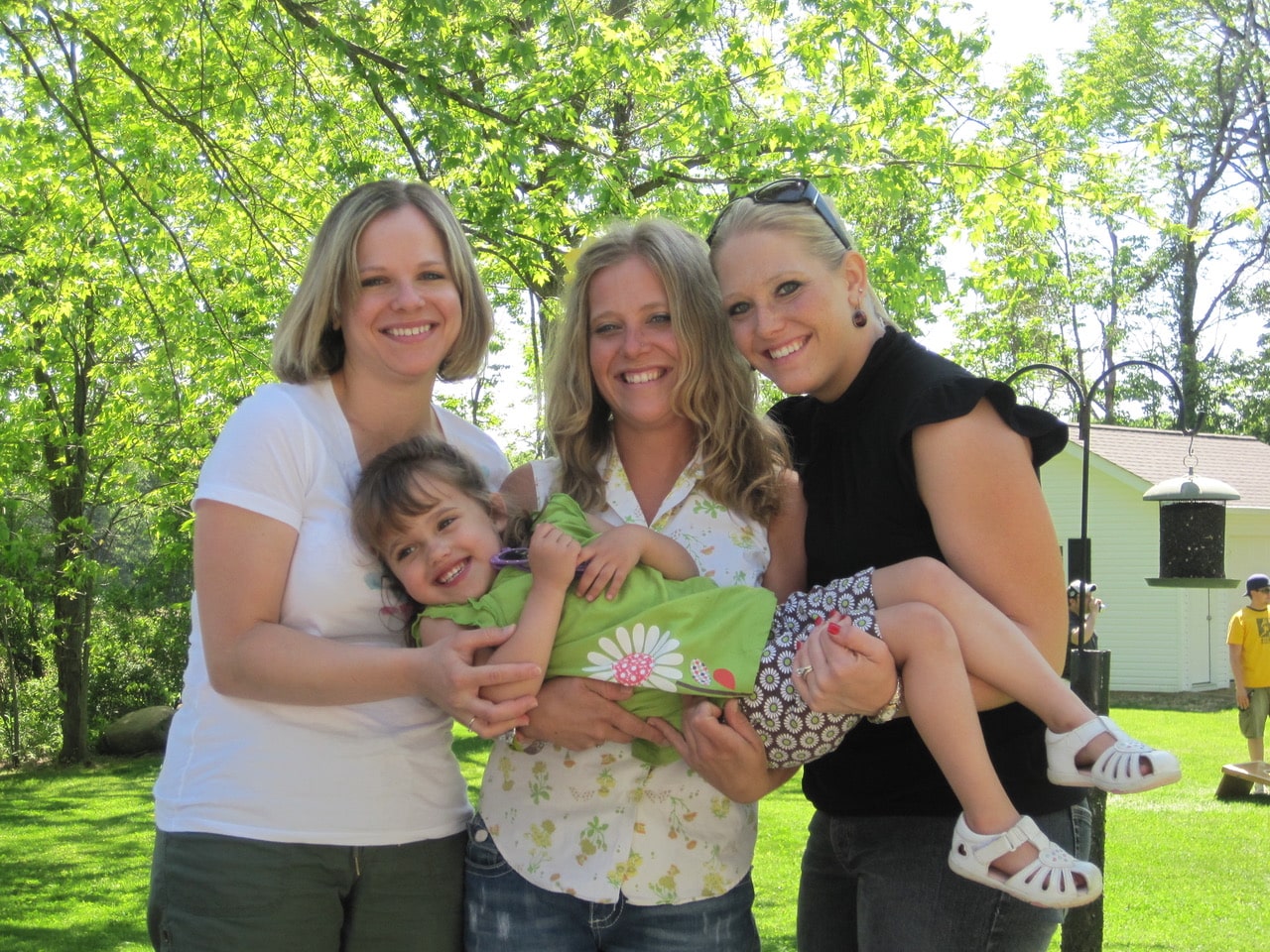
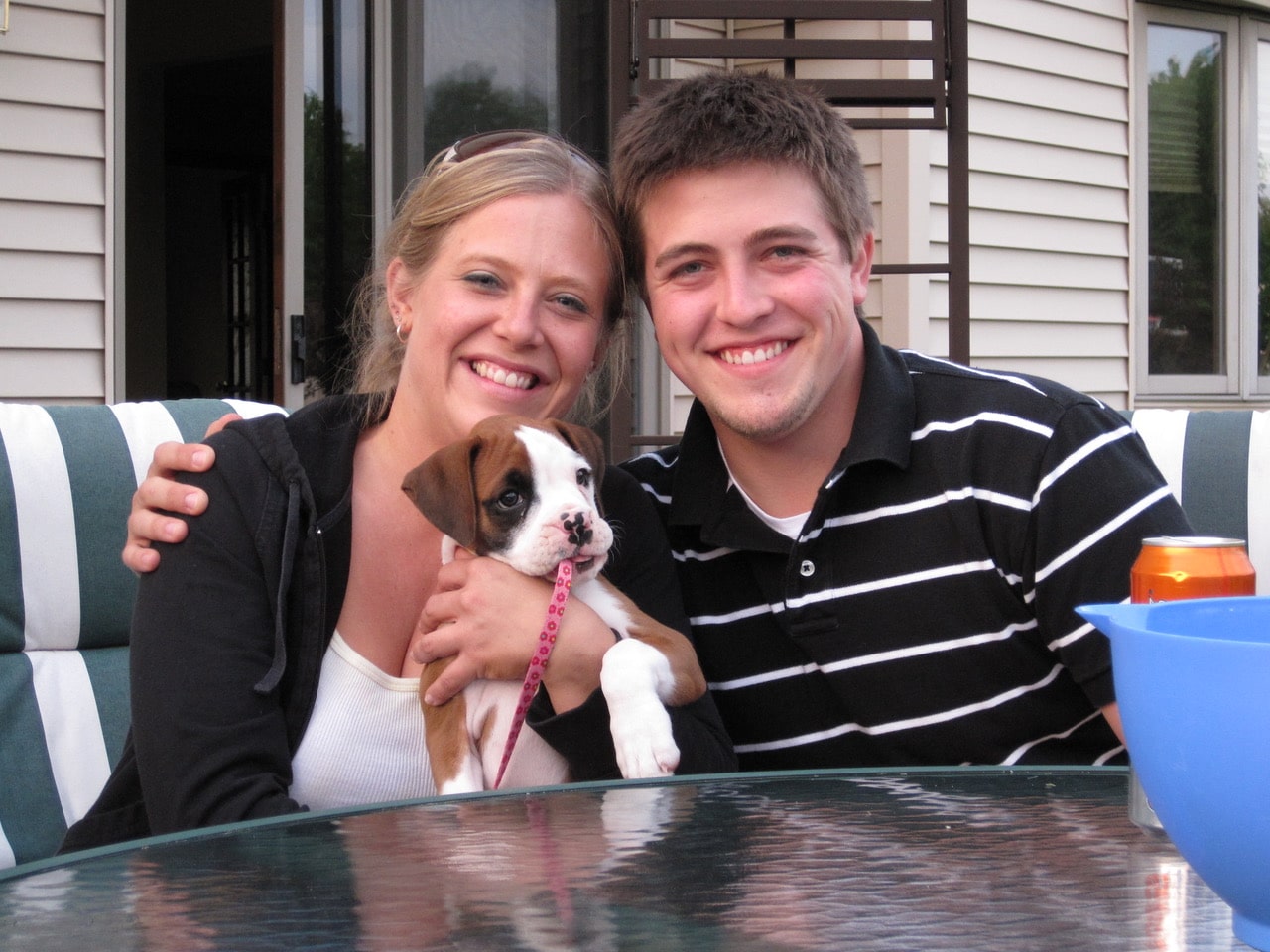
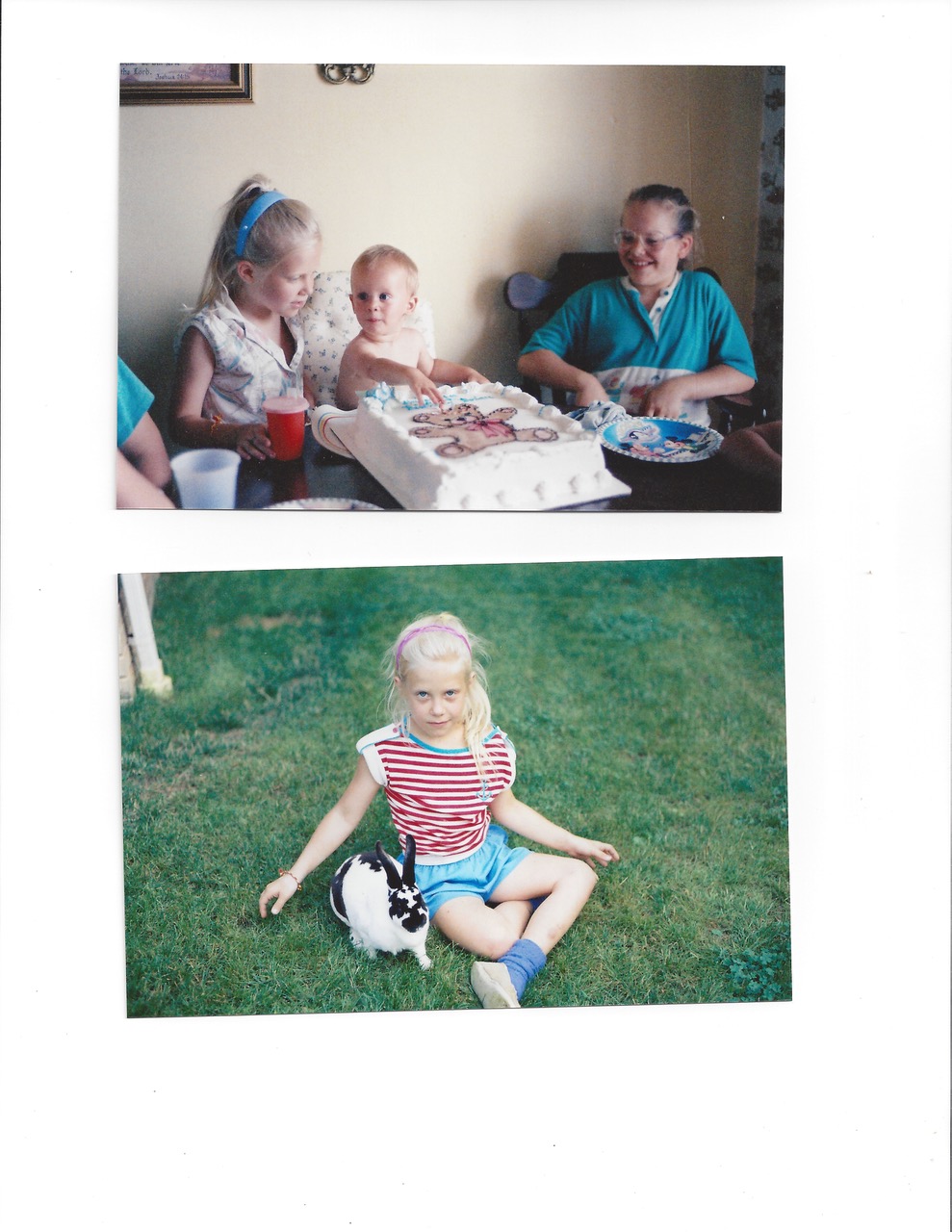
She might have only been 4’11,” but Jamie Dvorak was a blond-haired, blue-eyed spitfire who stood up to bullies and had a presence so electric, she lit up a room the moment she entered it.
“She had a heart of gold,” said Jamie’s father, Jim Dvorak, who recently shared his daughter’s story, which ended tragically Feb. 1, 2017, when her heart collapsed from longtime heroin abuse.
Jamie, a Newbury Township native who was 35 when she died, had been struggling with depression, possibly a bipolar disorder and drug abuse for many years, Jim said.
“Ever since high school, she was either high or she was low,” he recalled. “I think everybody is trying to seek normalcy or being comfortable and happy with your life. That’s what we’re all seeking. And so many people fight these demons in different ways.”
The Early Years
Growing up, Jamie was a special person who had challenges, Jim said.
“In grade school, she had attention deficit issues. So as parents, you don’t know how to handle certain things,” he said. “There’s not a book on how to be a parent for every issue, so we do the best we can.”
Jamie, one of four siblings, had two older sisters, Becky, 39, and Julie Ann, 37, as well as a younger brother, Mark James, 30.
“She had problems from day one, in grade school, and even when she was at home when the kids were little,” Jim said. “She was the life of the party, she made everybody laugh in the family. She was a real spark plug.”
Jamie bounced around several schools growing up because of various challenges, Jim said.
“In junior high, she had some anger issues for about a year and a half, two years,” he said. “She was at St. Helen’s (School in Newbury). They more or less asked her to leave.”
Jim said Jamie disrupted the classrooms a lot, gave the teachers a hard time and was often confined to the trailers behind the building for students with learning disabilities or challenges.
“We looked at it as they disciplined her so much, they broke her spirit,” Jim said. “It’s one thing to discipline, but when you break someone’s spirit down … it’s hard enough being a kid. Jamie leaving St. Helen’s was a perfect storm.”
Jim and his wife, Luanne, put Jamie in Newbury Junior/Senior High School for seventh and eighth grade. Jim said they weren’t sure where her anger issues stemmed from; perhaps hormonal changes or things that were not detected, such as the beginning symptoms of depression.
“And then for high school, she wanted to go back to private school,” Jim said. “We thought we had her on the correct path. She wanted to go to Notre Dame like her older sister.”
Jamie attended Notre Dame Cathedral Latin, however, two years in, the sisters said she had shown symptoms of being depressed, Jim said.
“She was put on medication. It didn’t make her feel normal,” Jim said, adding she was sleepy and wasn’t happy.
“Things were regulated with her medication, (but) being in high school, she self-medicated, trying to feel normal,” he said, referring to when Jamie started using drugs, such as marijuana.
Jim paused to recall Jamie’s desire to help others, even as she struggled with her own challenges growing up.
“If there was a kid on a bus sitting by themself, (Jamie) would sit with them and ask what was the matter. She would try to correct things that were wrong. If she saw bullying, she would step into it and confront the person who was the bully,” Jim said. “She was 4’11”, but she was like dynamite. When she could focus, you couldn’t compete with her. I coached her in basketball. She was my point guard in sixth and seventh and eighth grade. One tournament game, a referee comes up to me and said, ‘Is that your daughter? She’s going to be a CEO of some company someday.’ That’s how well she could focus when she was in it.”
Focus Begins to Crumble
For her junior and senior year, Jamie went to Berkshire Junior/Senior High School and the Auburn Career Center for secretarial work.
“So many times, we thought she was going on the right path and then so many times, she would tumble right off the path,” Jim recalled.
Jamie went to Lakeland Community College after high school for her freshman year and then went to Kent State University and obtained a Bachelor of Science degree in nursing.
“She worked at (University Hospitals’) main campus downtown,” Jim said. “And I think her focusing while she was a nurse, I think it crumbled. So the hospital bounced her around … because I think she was a problem employee.”
Jim said Jamie couldn’t keep her focus or manager her job, so she became a traveling nurse, working in San Diego as well as other cities in California.
“Maybe she chose to be a traveling nurse … maybe she figured by the time the hospital or her superiors would catch onto her faults, she would be packing up and moving on to a new city,” Jim said.
In 2007, when Jamie moved to California, she worked at a couple hospitals and things started falling apart for her, Jim said, adding she eventually lost her nursing license, which was devastating for her.
He said throughout all this time, Jamie was not taking medication for her ADHD, but he suspected she was self-medicating with various drugs, eventually including crystal meth and heroin.
“When your child’s in another state, you don’t know,” Jim said. “She’d come visit. We’d beg her to stay home. We knew she was having all kinds of problems. But she would say she had to go back. I think she didn’t want to be a burden to us.”
Around 2011, Jamie began getting into the heavier drugs — crystal meth, heroin — in San Diego, Jim said.
Luanne visited her several times in an attempt to get her back home.
Jim believed Jamie was doing heroin on and off for the last four or five years of her life.
“She didn’t talk about it,” he said. “As a mom and dad, most dads are the enforcer and most moms are the communicator with the children. And again, as parents, we don’t know how to handle it. We’re not counselors and so many people, law enforcement and people from the county (such as Geauga County Job and Family Services), they said, ‘You can’t do anything about it. She’s in her 30s. You can’t go out there and handcuff her and bring her back home. It’s against the law. But sometimes, I wish I would have done it anyways.”
The Dvoraks only saw Jamie once a year during the last four or five years, Jim said.
“But she would communicate with my wife frequently,” he said.
However, there were times she would go without talking to them for several months, he added.
“Her last text to me was for my birthday. It was Dec. 3, 2016,” Jim recalled. “And she talked about all the things I did with her, coached her in basketball … and looking back, it was her farewell text to me because there were songs we liked and she mentioned the songs and thanked me up and down for taking the time to coach her in basketball and she said so many parents do not do anything with their children, but she said, ‘You stepped up and participated in my activities.’ And that goes for my wife and I. We both participated in her activities.”
The Descent to Rock Bottom
Having been a nurse for many years, Jamie would admit herself to the emergency room several times to get antibiotics for swelling of various joints in her body due to infections from the heroin needles, Jim said.
“Her being a nurse, she knew how to survive this long with this cycle,” he said.
Jim recalled asking her a few years before she passed away to come home, promising her he and Luanne would send her to a drug rehabilitation center and get her an apartment, help her to get a job or start a new career as anything she wanted.
“Everything was spiraling quickly the last three years of her life,” he said. “I think my wife communicated with her on New Years Eve, 2016.”
Then on Jan. 31, 2017, Jim and Luanne received a phone call from St. Joseph’s Hospital in Burbank, Calif.
“They said, ‘Your daughter is not going to be able to leave the hospital. Her heart valves are leaking. Due to her lifestyle, she’s not a candidate for heart surgery.’ They said, ‘Please get out here as soon as you can,’” Jim recalled.
The next day, the Dvoraks flew out. However, when they called the hospital during their layover in Denver, Col., the nurse said Jamie had passed away.
“Her heart collapsed,” Jim said. “When you start reading (about heroin), heroin really attacks the heart. So heroin ultimately killed her.”
Jim said it had been “a long haul” for him and Luanne, roughly nine or 10 years of wondering where Jamie was, what she was taking, how she was doing.
“So a half of 1 percent, you’re relieved of this,” he said of his initial emotions. “And then you snap out of it a half a second later and then your sorrow begins. And then with me, it’s regret. What more could I have done, should I have done this or should I have done that? It’s the blame game with yourself. And I know you’re not supposed to do that. And you tell yourself you shouldn’t do it because our other three children, they’re OK. They went to college, they’re productive people, but Jamie has always fought these challenges from day one.”
Jim said many times he would feel like he had given up on Jamie.
“But, then you analyze everything and everybody tells you, you did everything possible that you could do,” he said. “But it still hurts.”
Grief is a Personal Journey
“My counseling is Red Tulip and talking to different groups about it,” Jim said of his role in creating a sober house for female addicts in Claridon Township, which is still in the works. “That’s been therapy in some ways.”
The family, all in all, is doing well, Jim said.
“We are doing things differently now. Last year, we went on a family vacation,” Jim said, adding they decided to do it every year.
“We’re closer now than we ever have been before. Jamie has given us that,” a somber Jim said.
He said during his daughter’s calling hours, several of Jamie’s friends told him of their own struggles with addiction and recovery, including a member of the family, who, as a result of Jamie’s death, went into recovery and has been successfully clean so far.
“This really turns a family upside down, but it affects the whole county,” Jim said. “There’s so many people who said, ‘Jim, when this happened to you, it shook the whole county.’ They said, ‘I can’t believe this happened to you.’ And I said, ‘It can happen to anybody.’”
The Dvoraks recently set the gravestone for their daughter.
On the front is a picture of butterflies, Jim said.
“It says at the bottom, ‘We will always love you. Jamie,’” Jim said, adding there are two hearts at an angle, one representing Jamie’s heart, the other representing the family’s hearts, and then there is a poem on back.
Jim said he visits her grave two or three times a week and often talks out loud to her throughout his day.
“We read every morning, a daily word and things on grief,” Jim said. “We are working to develop a bereavement group at St. Helen’s.”
Jim said the main advice he could give other parents of children with addiction is to “never give up on your kids.”
“Parents should go to counseling for suspected children that are using drugs or alcohol to learn how to handle this,” he said. “Because inside your household, it can turn upside down very quickly. And we have to be better trained as parents to notice things that are happening around you and there has to be a reason why. Even if you don’t know what’s going on, you should seek help through professionals.
This concludes Part II of a six-part series on the opioid crisis in Geauga County. Read related story here.