


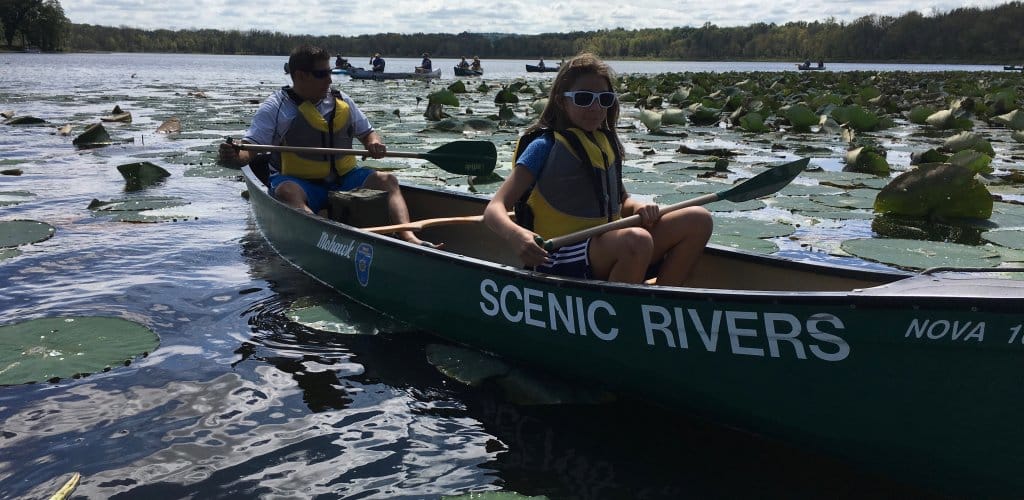
Whether resting on a riverbank, paddling on canoe or casting a rhythmic line, rivers have forever bonded us with nature.
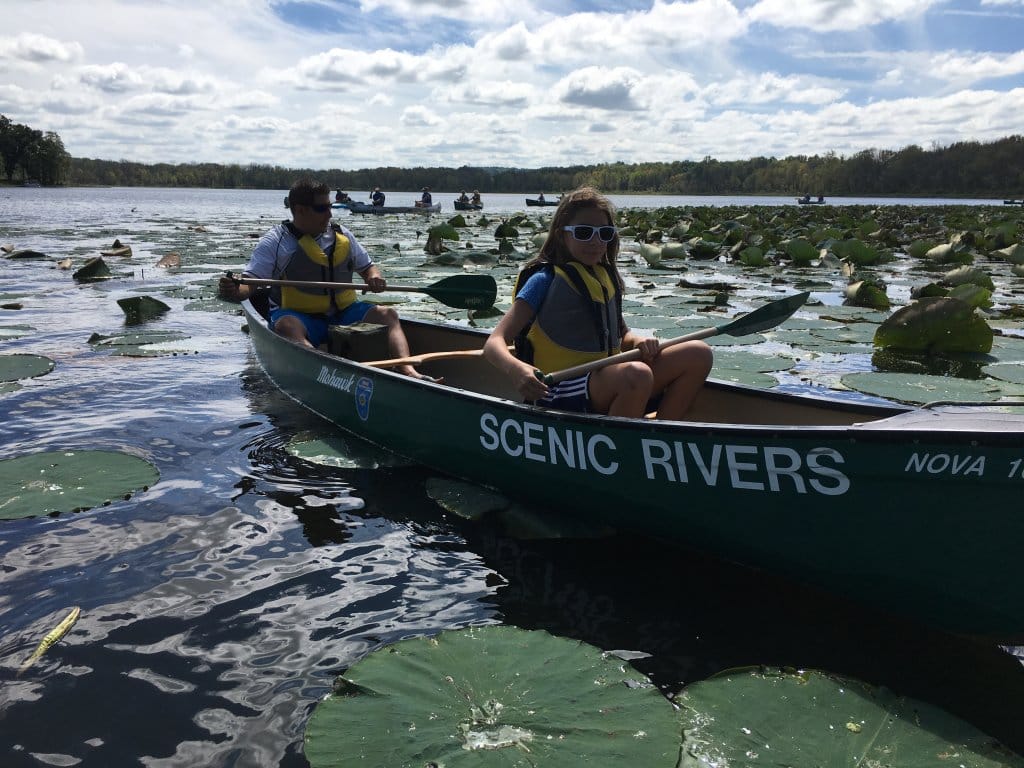
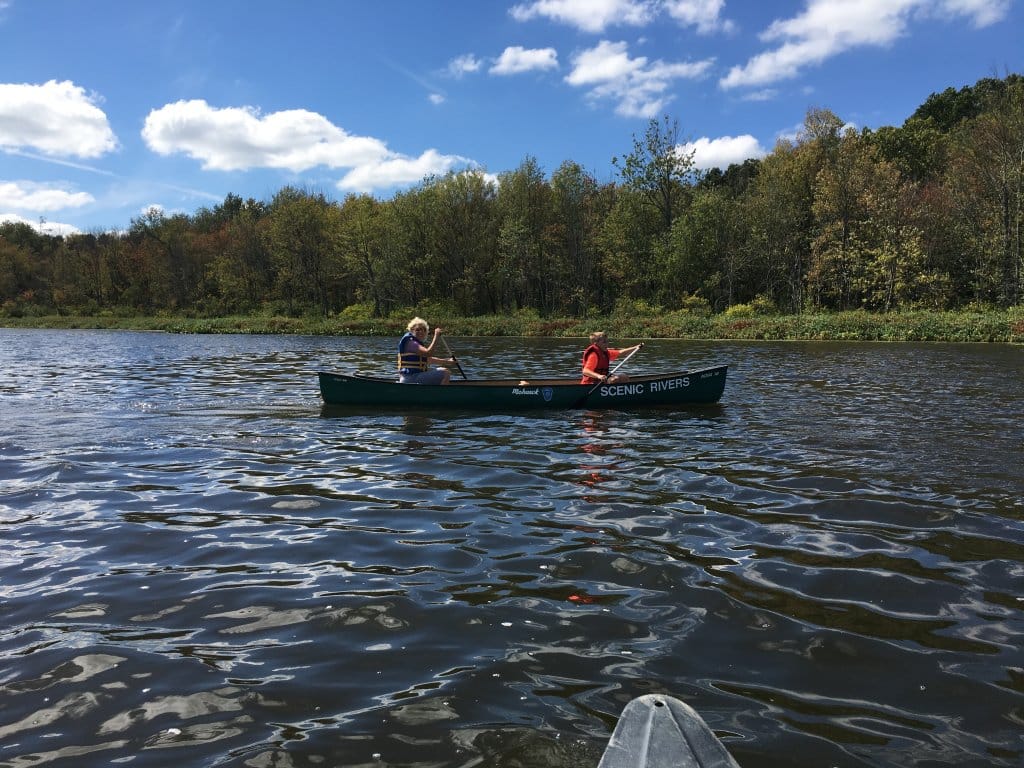
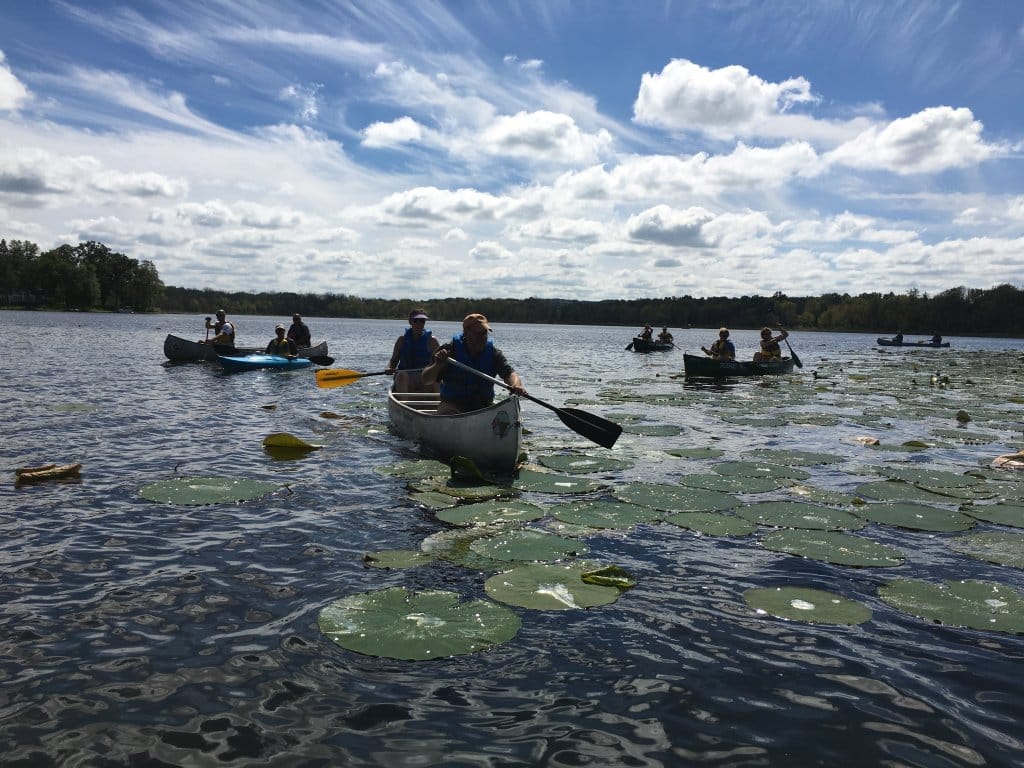
Whether resting on a riverbank, paddling on canoe or casting a rhythmic line, rivers have forever bonded us with nature.
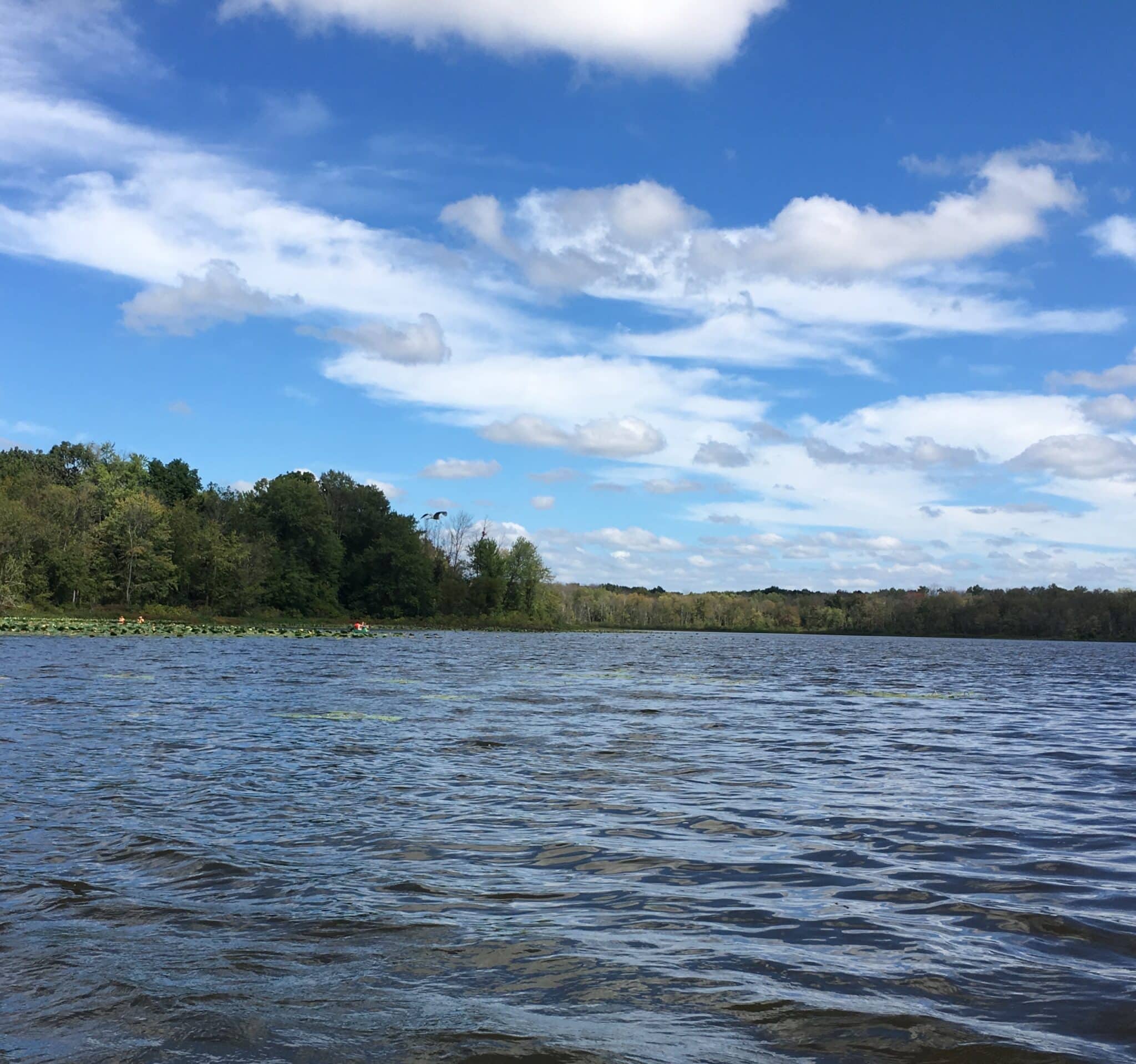
Ohio’s Scenic Rivers Program celebrated its 50thanniversary event Sept. 16 at Geauga Park District’s Bass Lake Preserve, a designated scenic river site and natural lake on the headwaters of the Chagrin River.
“Bass Lake is an ecologically and historically significant natural area,” said Dan Best, Geauga Park District naturalist. “The small streams that feed Bass Lake are the uppermost headwater streams, the origin of the Chagrin River, a designated Ohio scenic river.”
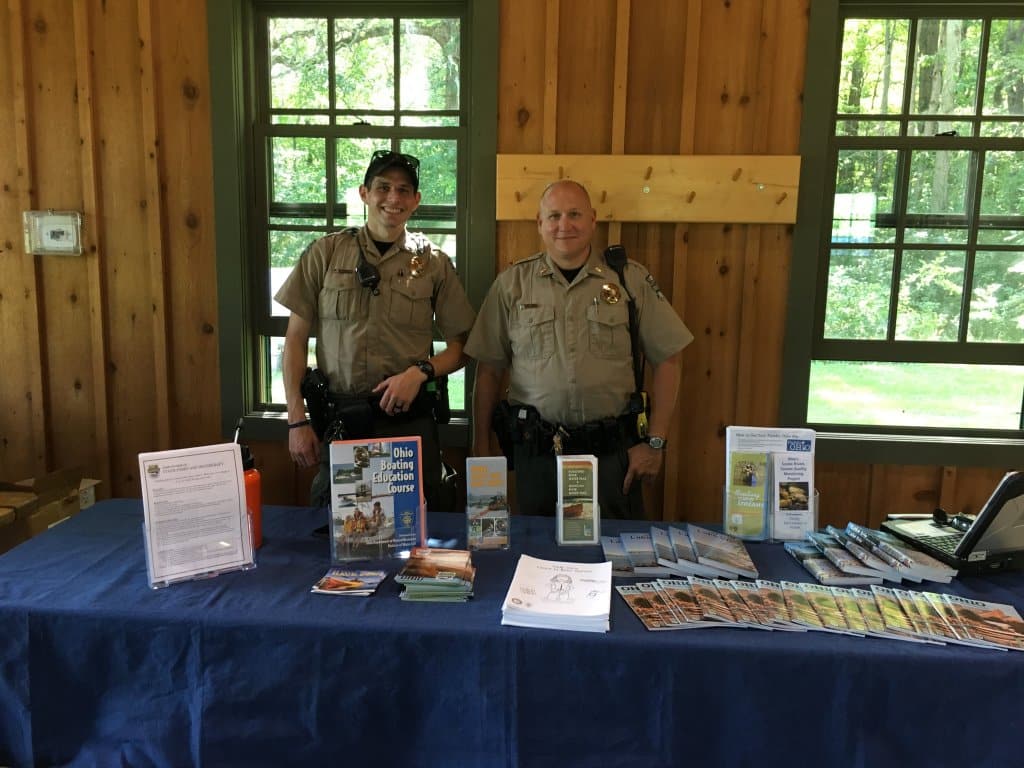
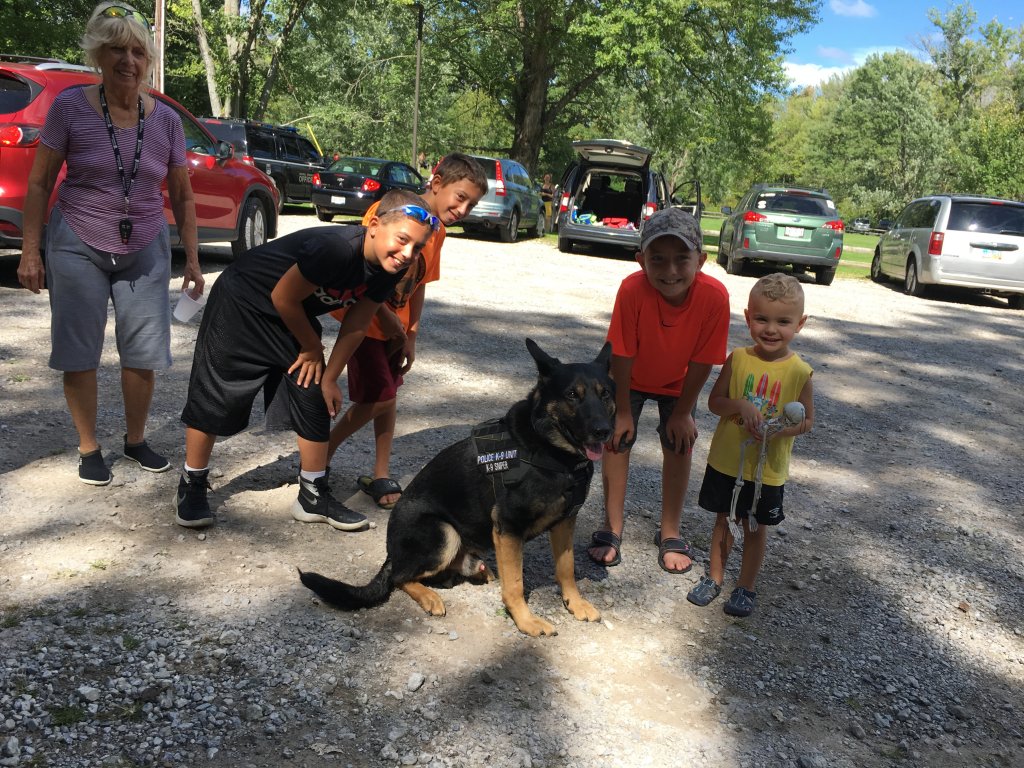
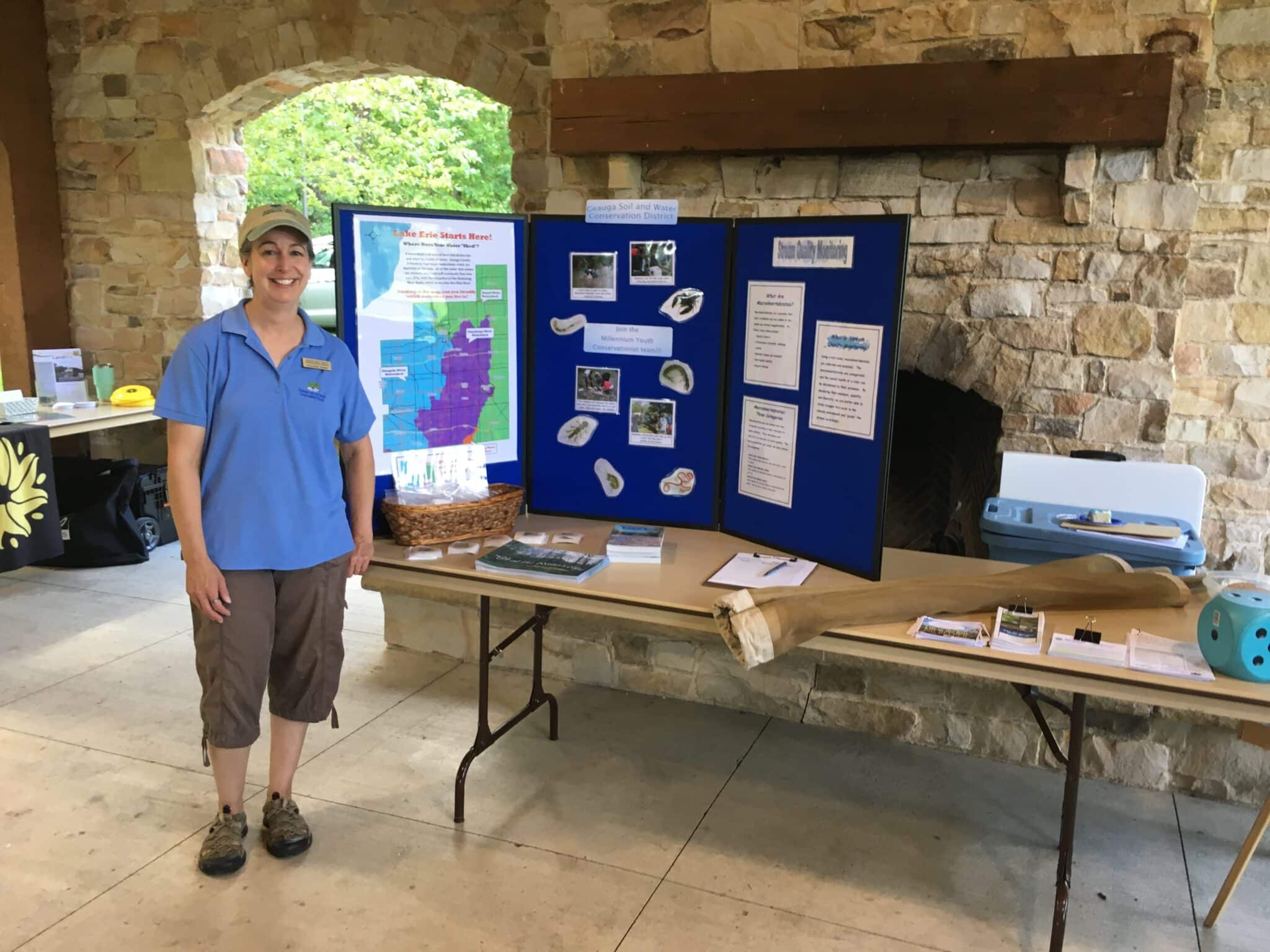
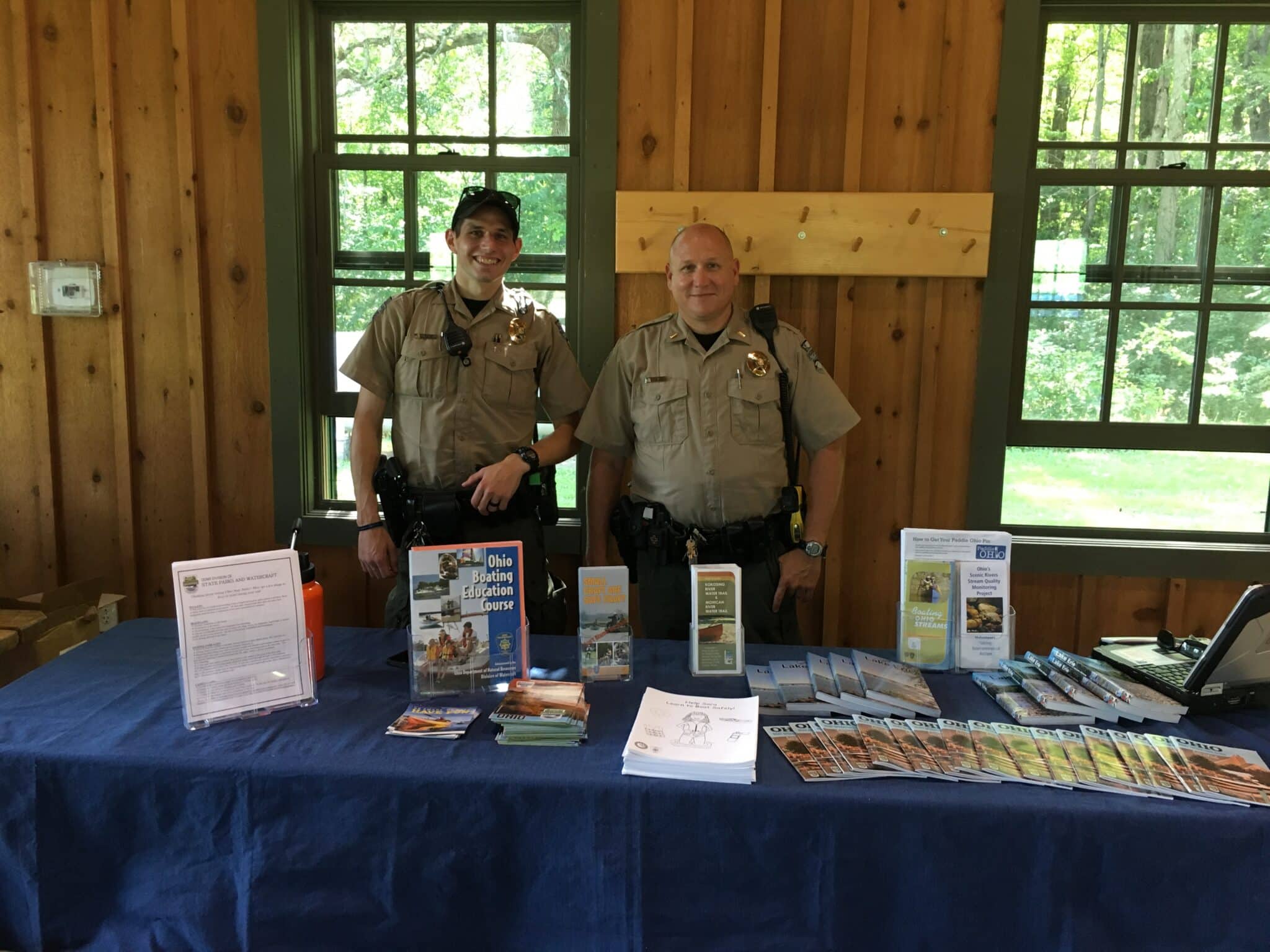
Visitors from Geauga County and surrounding counties savored a late summer day and collaborative program co-presented by Geauga Park District, the Geauga Soil & Water Conservation District, Ohio Department of Natural Resources Division of Parks & Watercraft, the Scenic Rivers Program and other conservation partners.
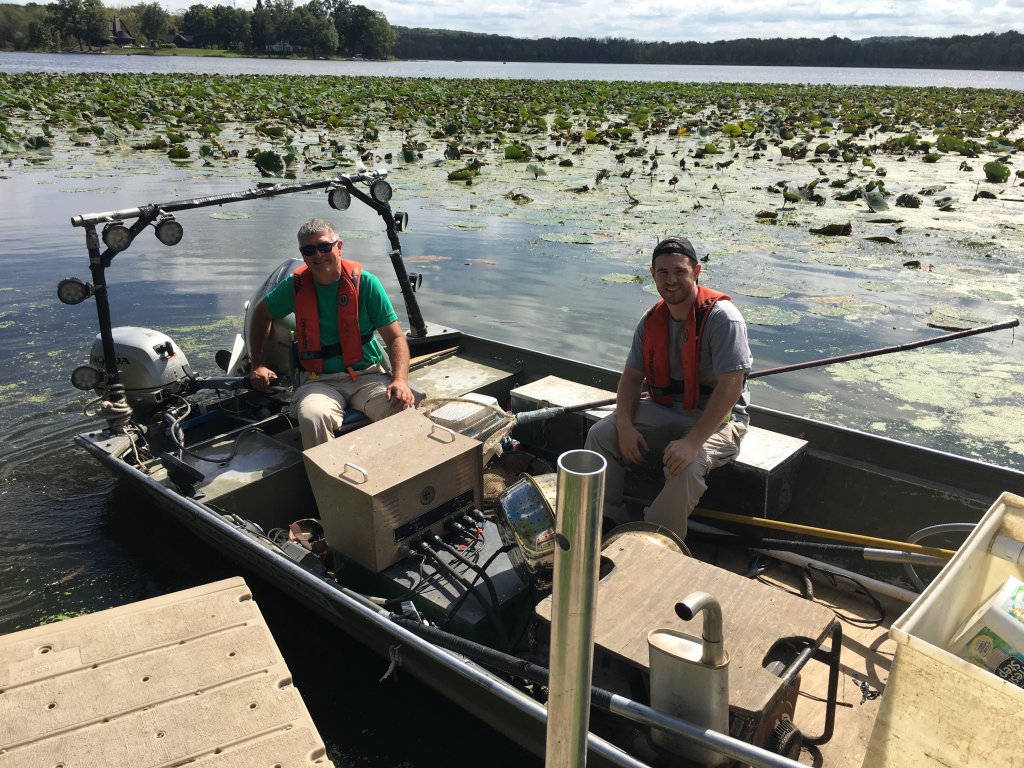
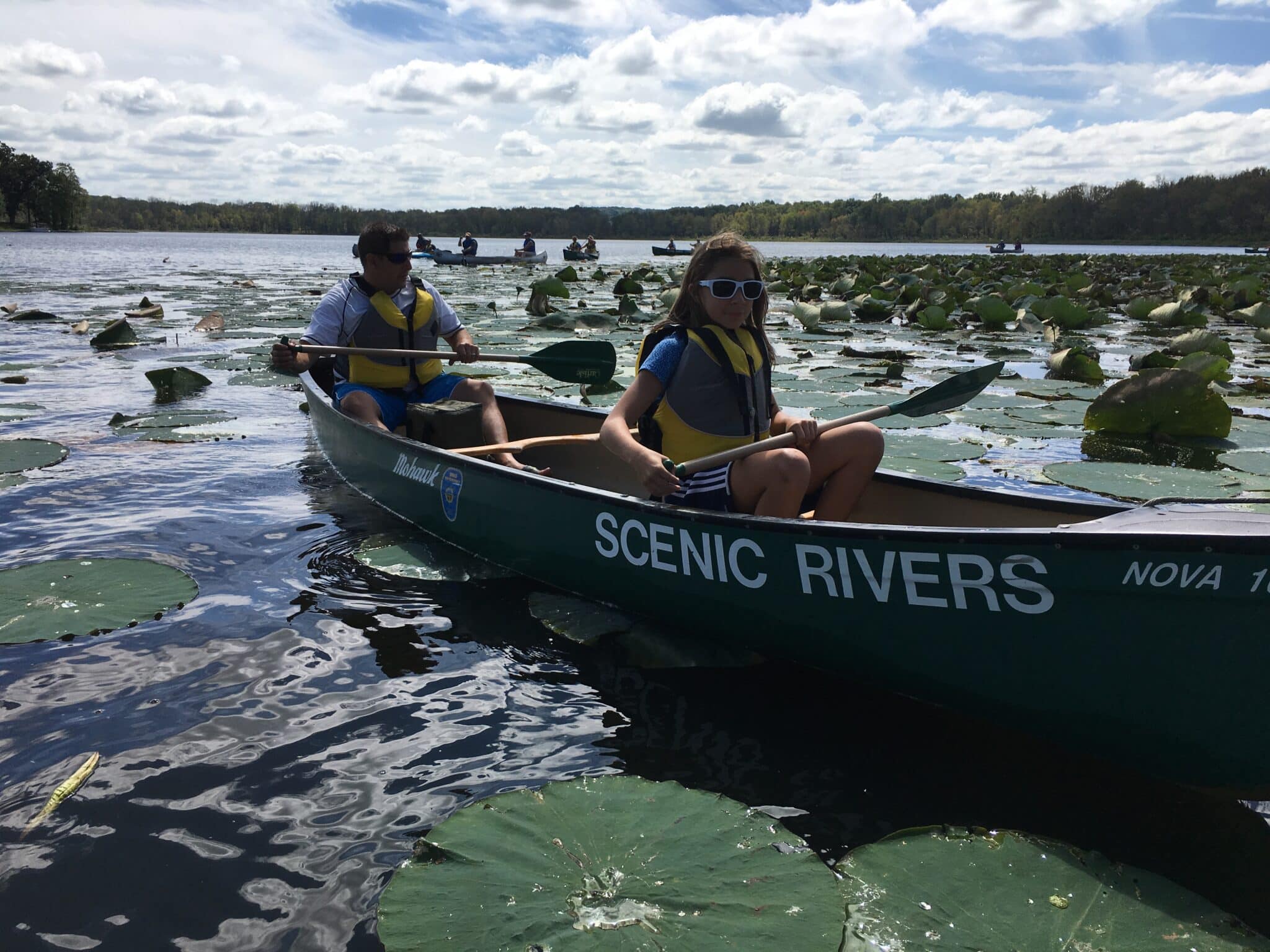
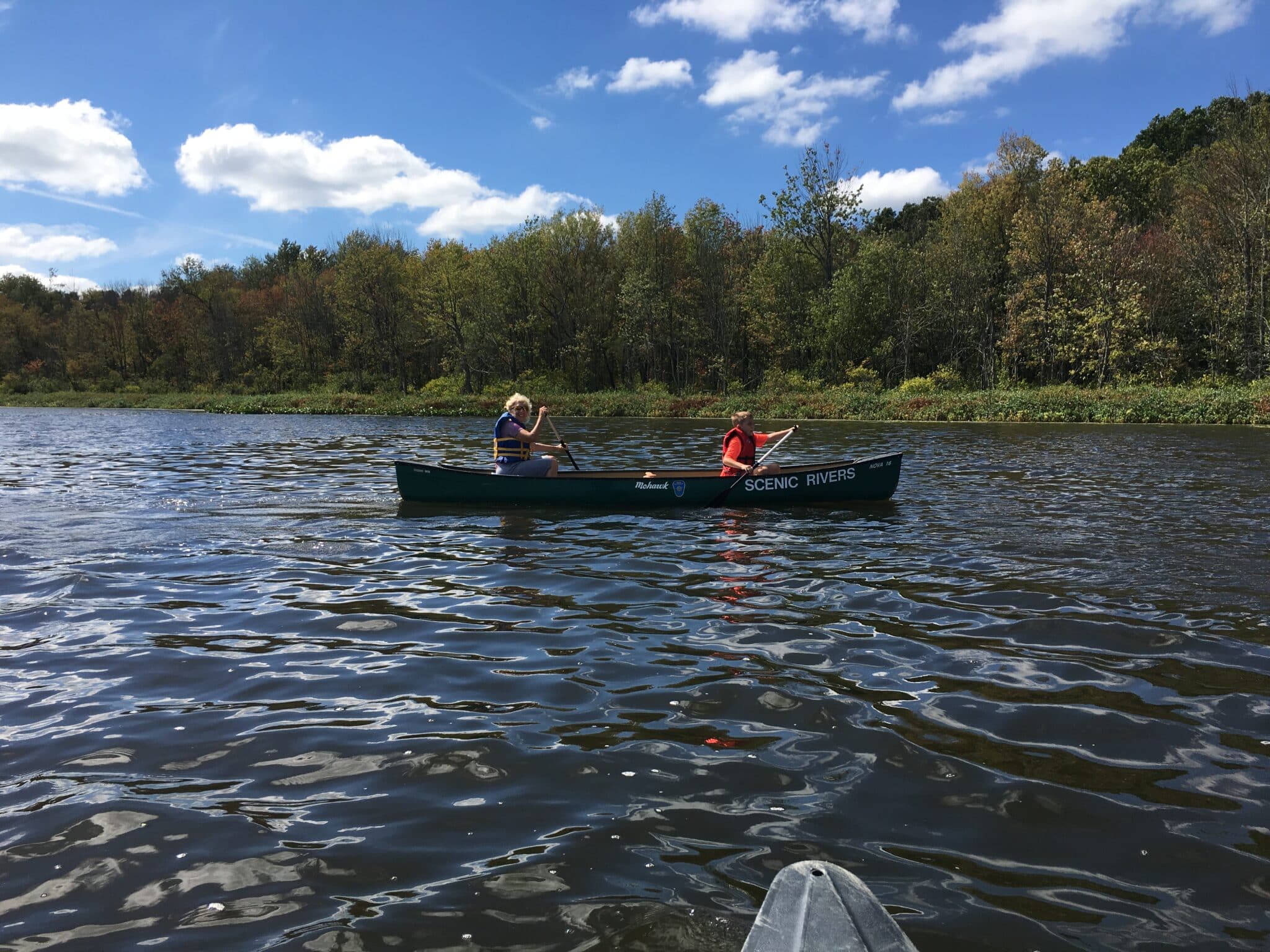
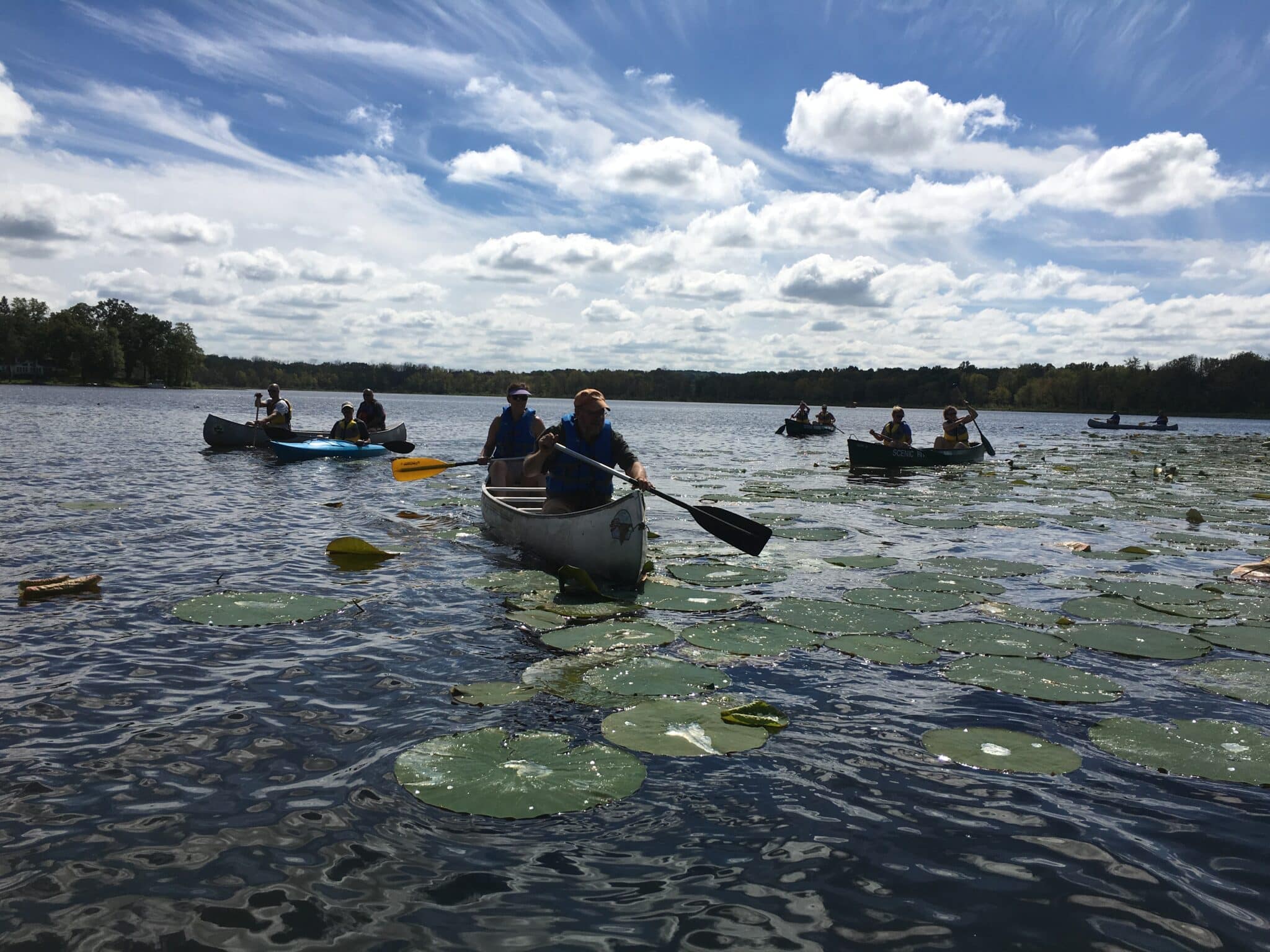
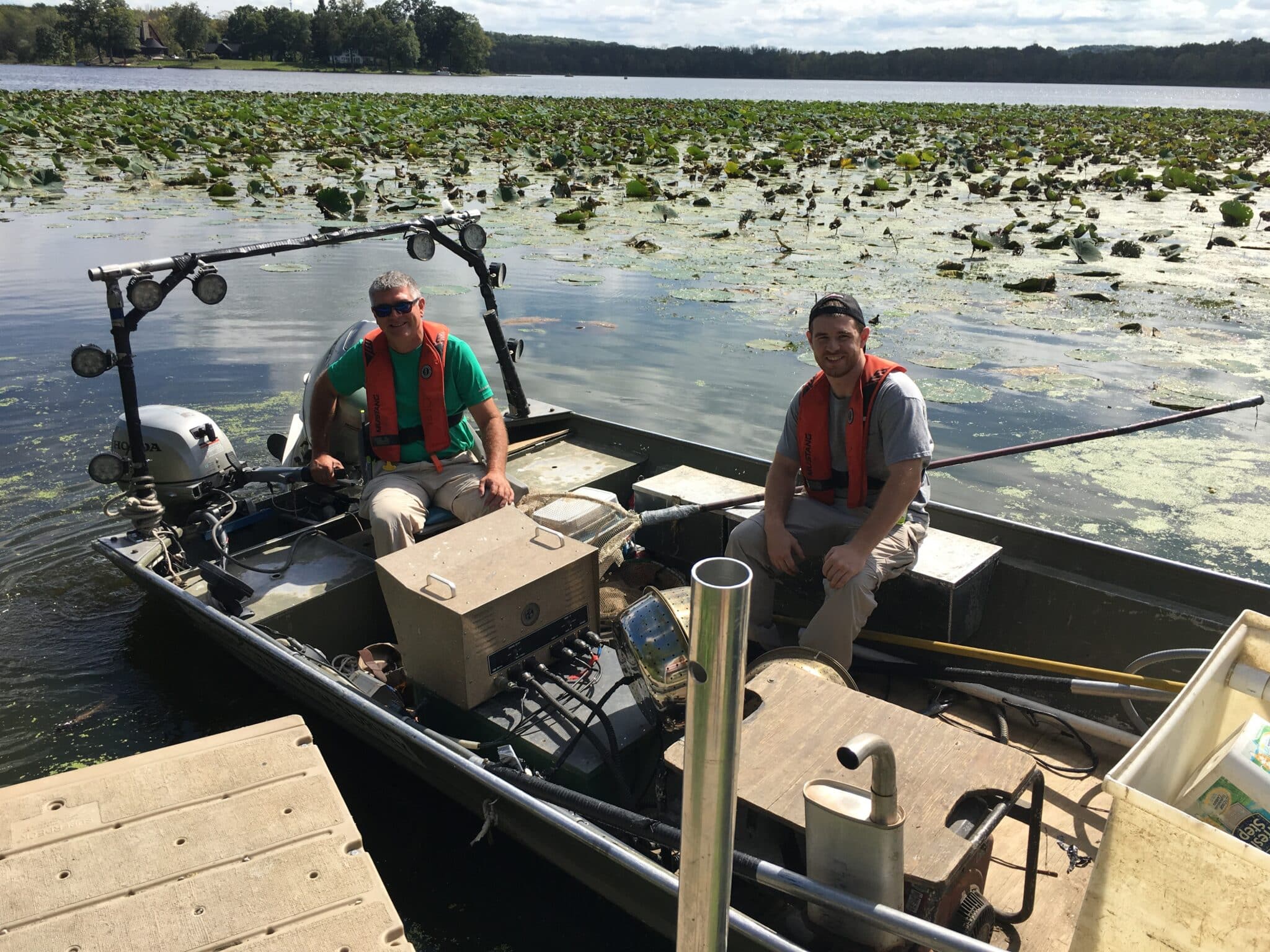
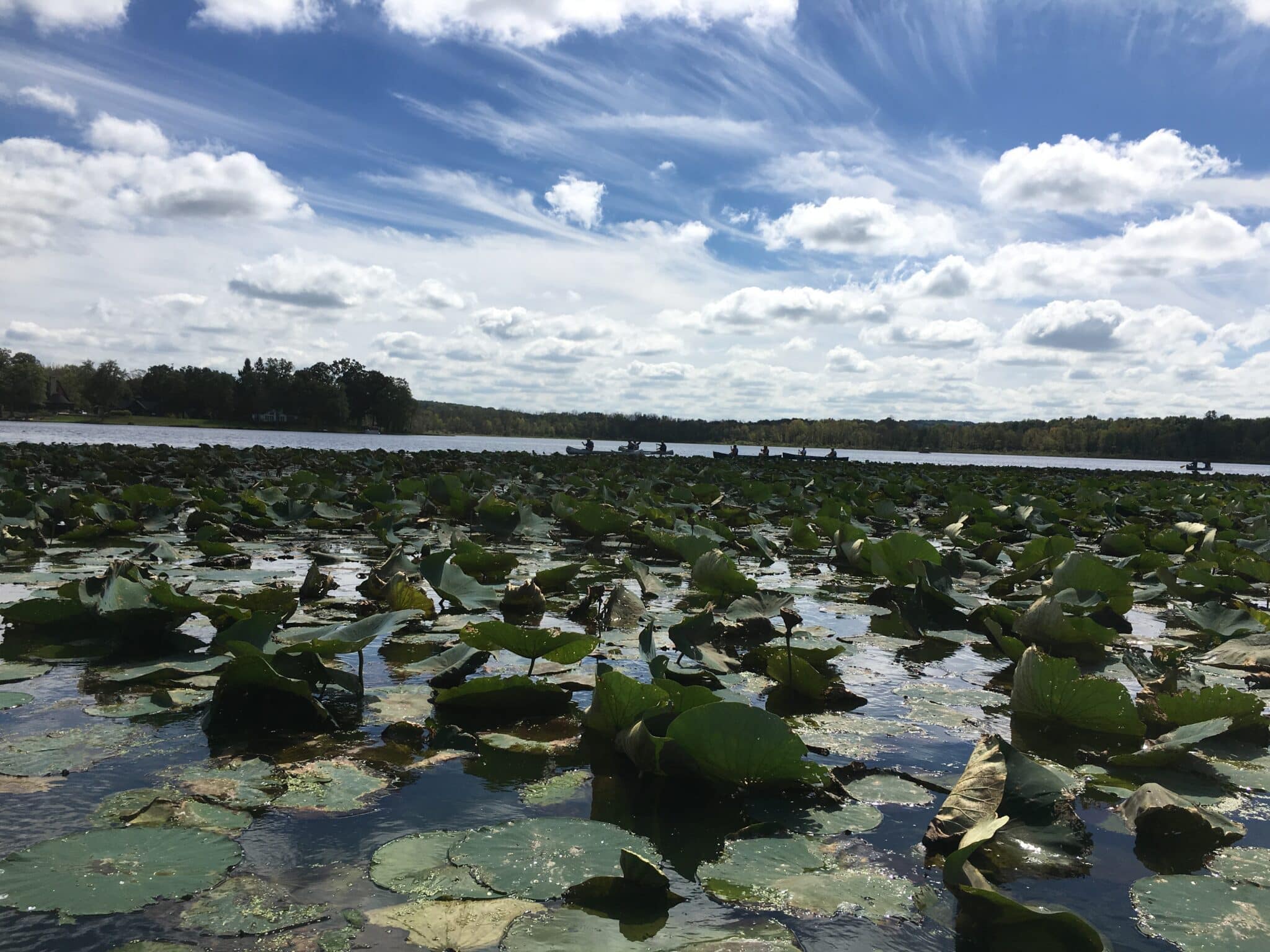
The free event featured canoeing, fishing, strolls through Spring Brook Sanctuary, stream-life sampling and encounters with anticipated sightings of Chagrinwatershed wildlife such as bald eagles, osprey and Ohio’s treasured native brook trout.

The United States has more than 2.9 million miles of rivers ranging from small streams and wetlands to large waterways.
According to Ohio’s Scenic Rivers Program, Ohio has 800 river miles on 14 rivers throughout the state designated as components of the scenic rivers system.
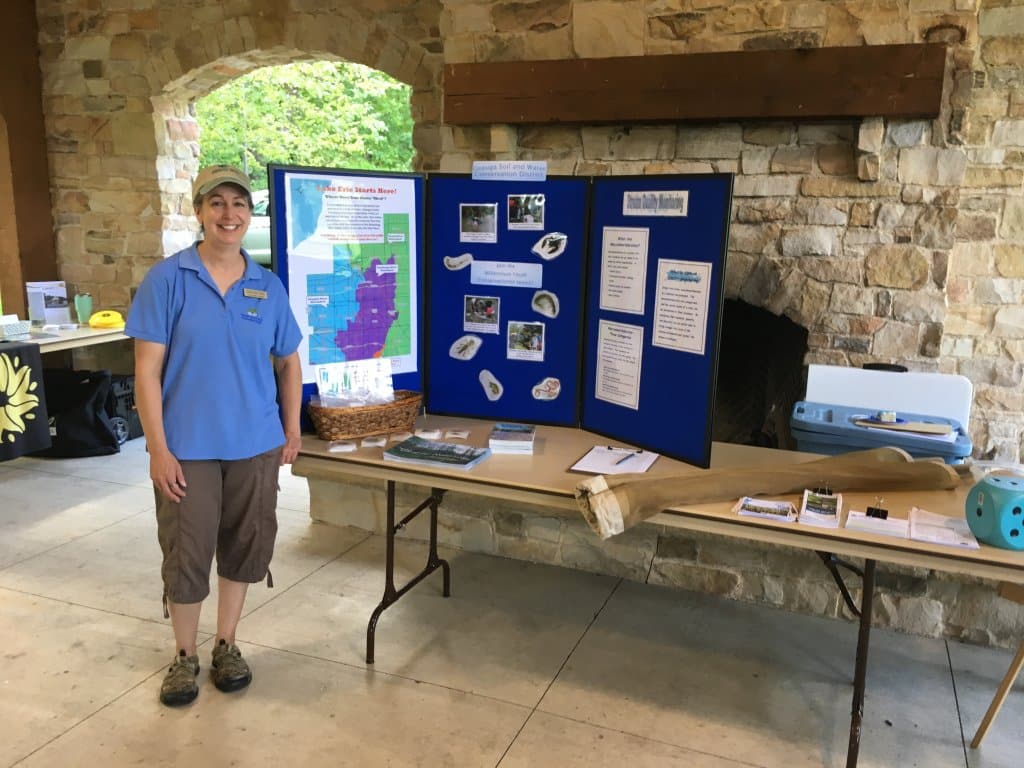
“When we found out the ODNR Scenic Rivers Program would be celebrating its 50th anniversary this year, we felt it was an important milestone that the public should be aware of,” said Colleen Sharp, a natural resources technician with the Geauga Soil & Water Conservation District. “Knowing the importance and wanting as many people from the public to participate, we knew we needed to partner with other organizations to make this an event to remember.”
Sharp said we hope people will come to appreciate what the Chagrin River has to offer.
“The scenic river designation is given to protect high quality streams and 71 miles of the Chagrin River meet the criteria to meet this designation, so get outside and enjoy it,” Sharp said.
For almost a century prior to Geauga Park District owning and managing Bass Lake Preserve and the Spring Brook Sanctuary — both also designated as state nature preserves — access to Bass Lake and its surroundings was limited to property owners who either owned lakeside land and/or were members of the venerable Bass Lake community.
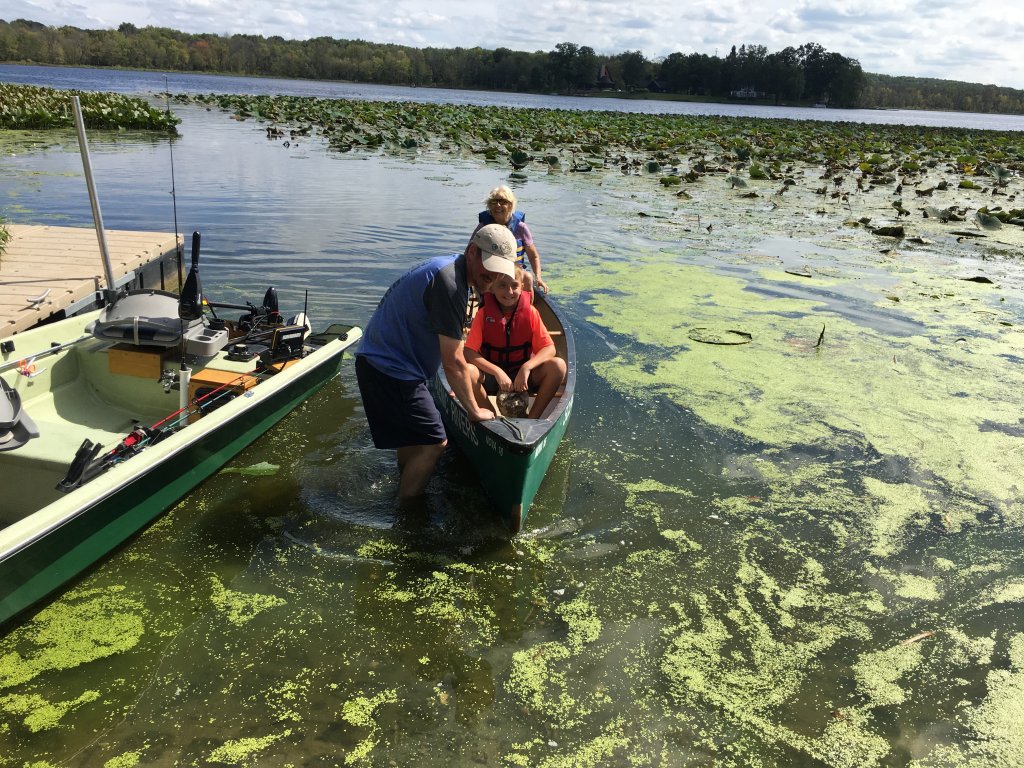
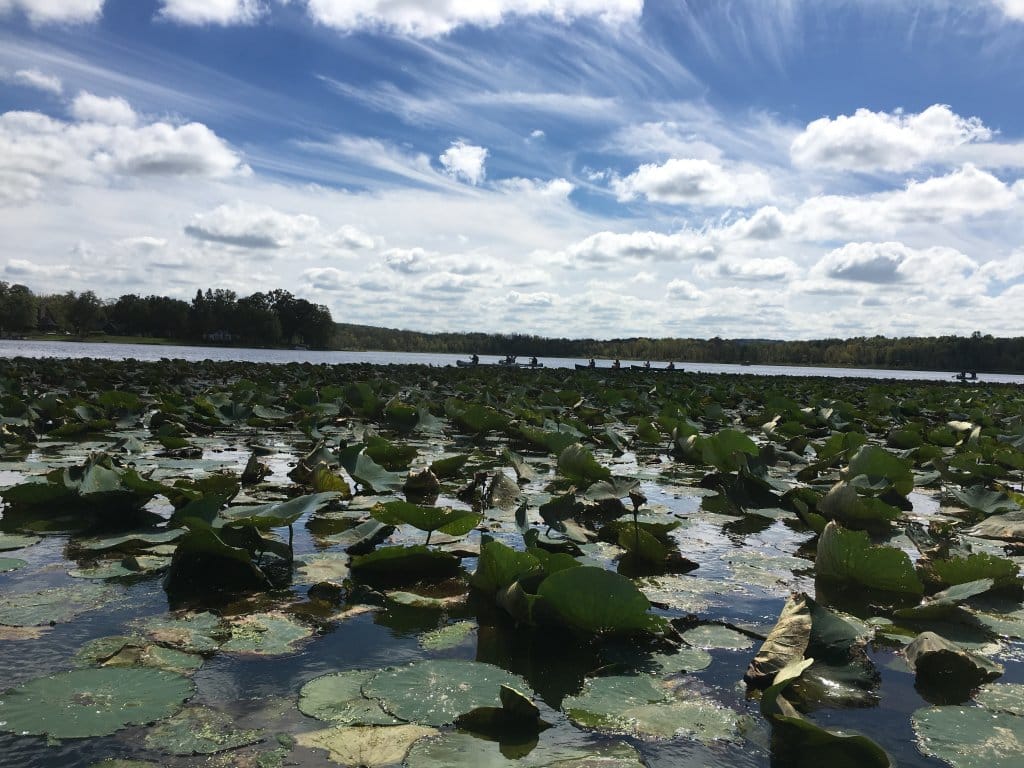
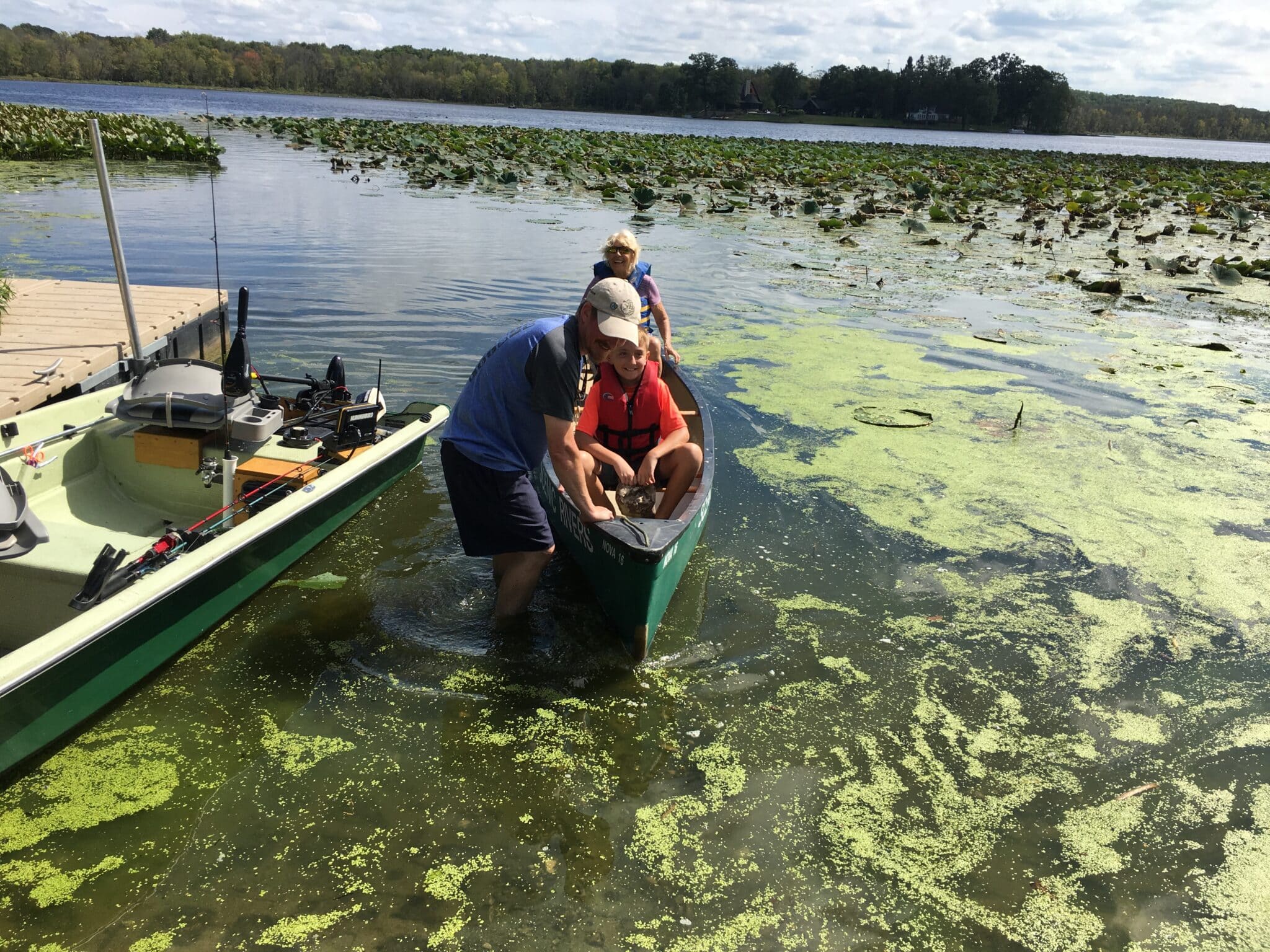
Sunlight glistened on the lake as GPD volunteer John Kovacevic shuttled back into shore via a canoe rescue boat.
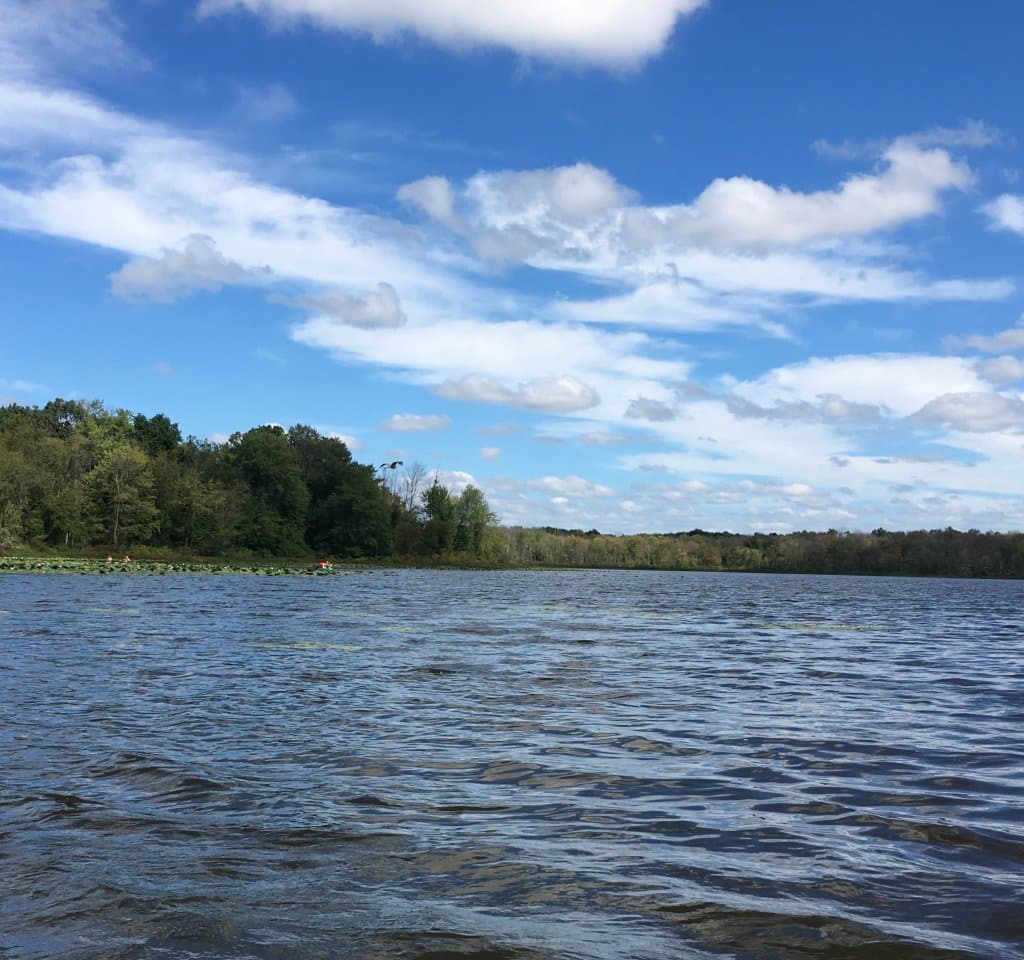
“I think that Bass Lake is a special place because the native brook trout are here, it is mostly surrounded by woods, very peaceful and quiet, and especially a great place at sunset or on a full moon, as well as during spring and fall bird migrations,” Kovacevic said.
Historically, Bass Lake is a remnant of a larger glacial lake surrounded by a bog wetland.
Best said the Chagrin River outlet of Bass Lake was dammed in the 1800s presumably to raise the water and make the muddy boggy margin of the lake accessible to livestock watering as well as boating and fishing.
“Thus the original name went from ‘Munson Swamp Hole’ to Munson Pond,” Best said. “A clever marketing scheme by promoters of the hotels that existed on ‘The Island,’ the point of land that juts out from the east side of the lake, to attract anglers and socialites to their facilities, which featured comfortable lodging, fine dining, boating and other leisure activities.”
He said the hotels that existed on the “island” hosted various kinds of celebrations including balls, cotillions, wedding receptions, political rallies and so on from the 1880s to the early 1900s.
Ecologically, The Bass Lake Preserve earns its status as a wildlife sanctuary as it harbors rare plants, hosts a nesting pair of bald eagles and other rare nesters, including the prothonotary warbler and yellow-bellied sapsucker.
“Migratory waterfowl, including various ducks, tundra swans and common loons pause on Bass Lake during spring and fall migration, sometimes in impressive numbers,” Best said. “Other uncommon wildlife include river otter and, most significantly, Ohio’s only known native population of brook trout, which have persisted in Spring Brook and Woodiebrook, Chagrin headwater streams feeding Bass Lake.”
The best way to explore or fish the lake is by boat (canoe, kayak or small craft with an electric motor — no gasoline-powered motors allowed).
There is no fee, however, a permit is required to boat on Bass Lake, which can be obtained online at www.geaugaparkdistrict.org/park/bass-lake/or by calling the park office at 440-286-9516.


