


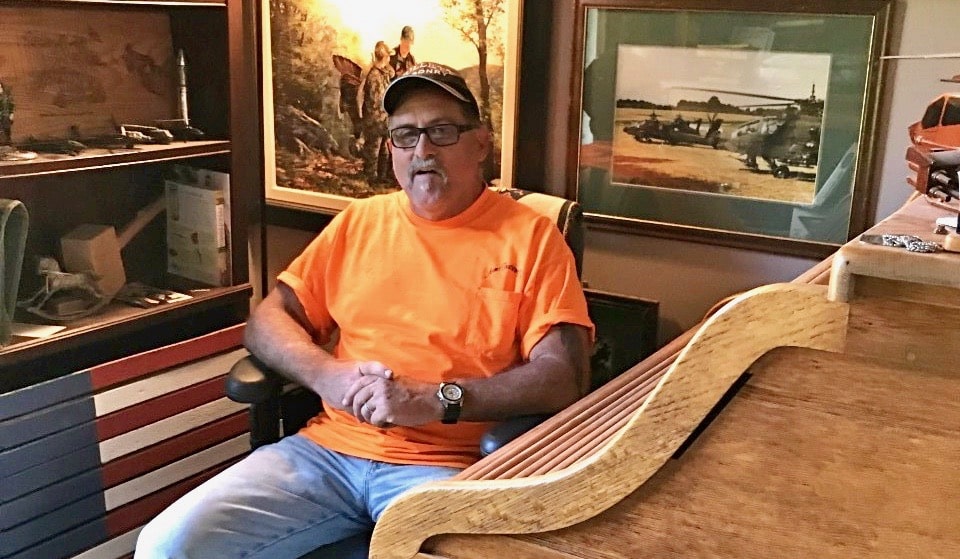
Everyone thinks they are going down this path alone. That’s the worst thing you can. – Michael Blair
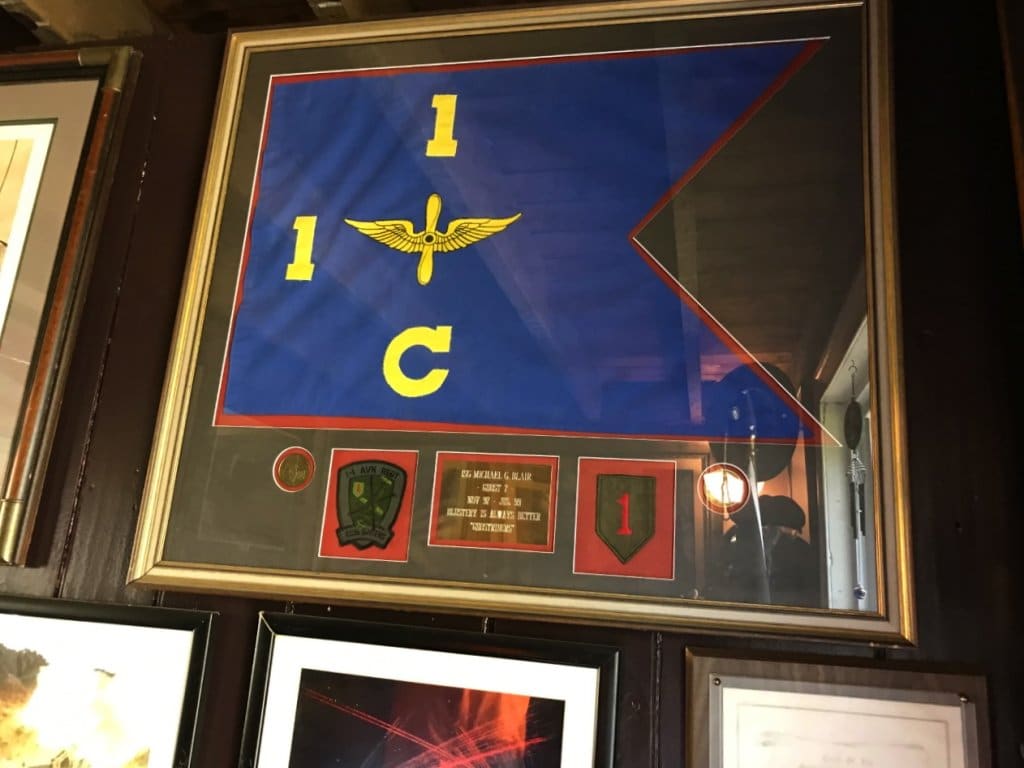
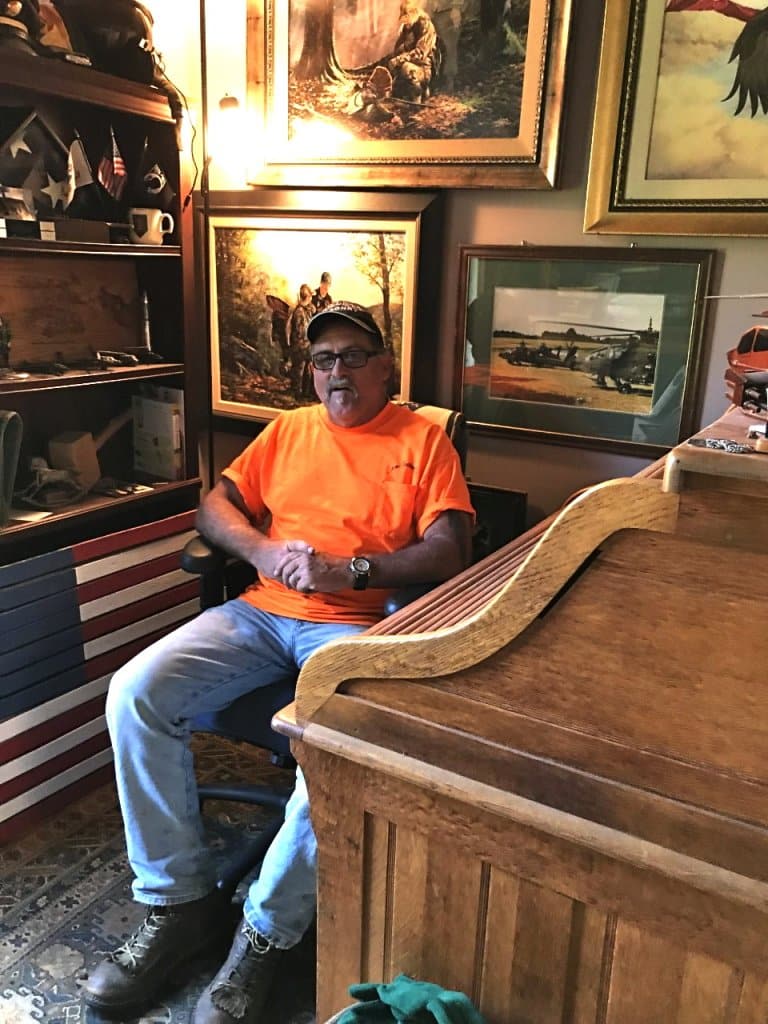
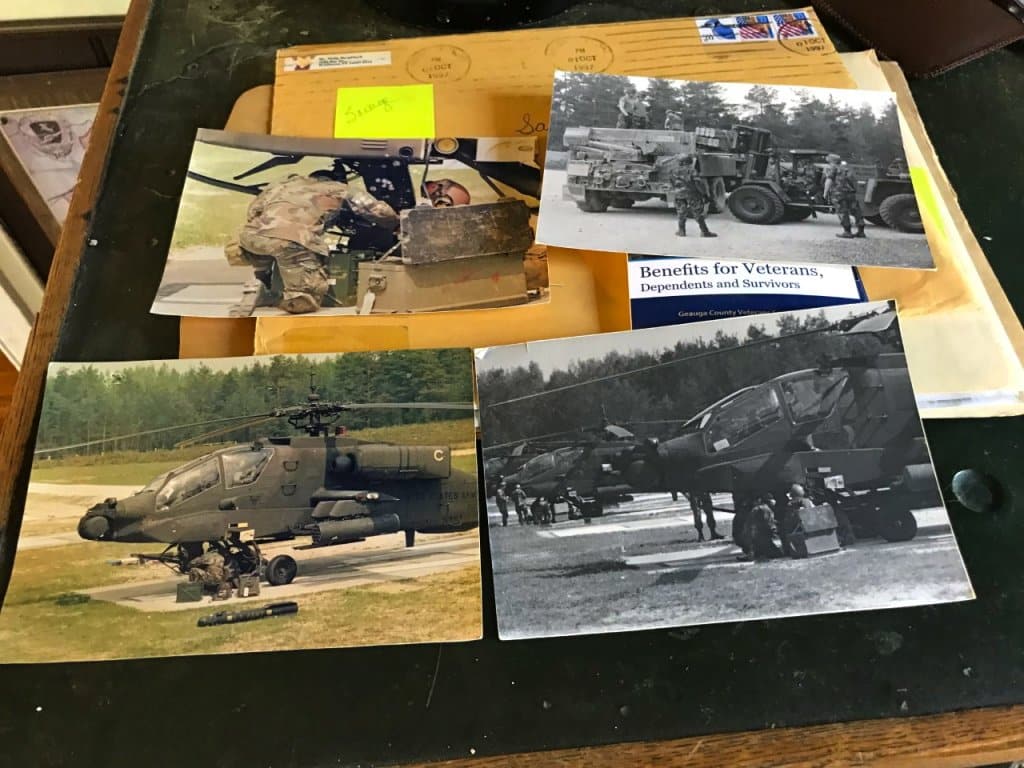
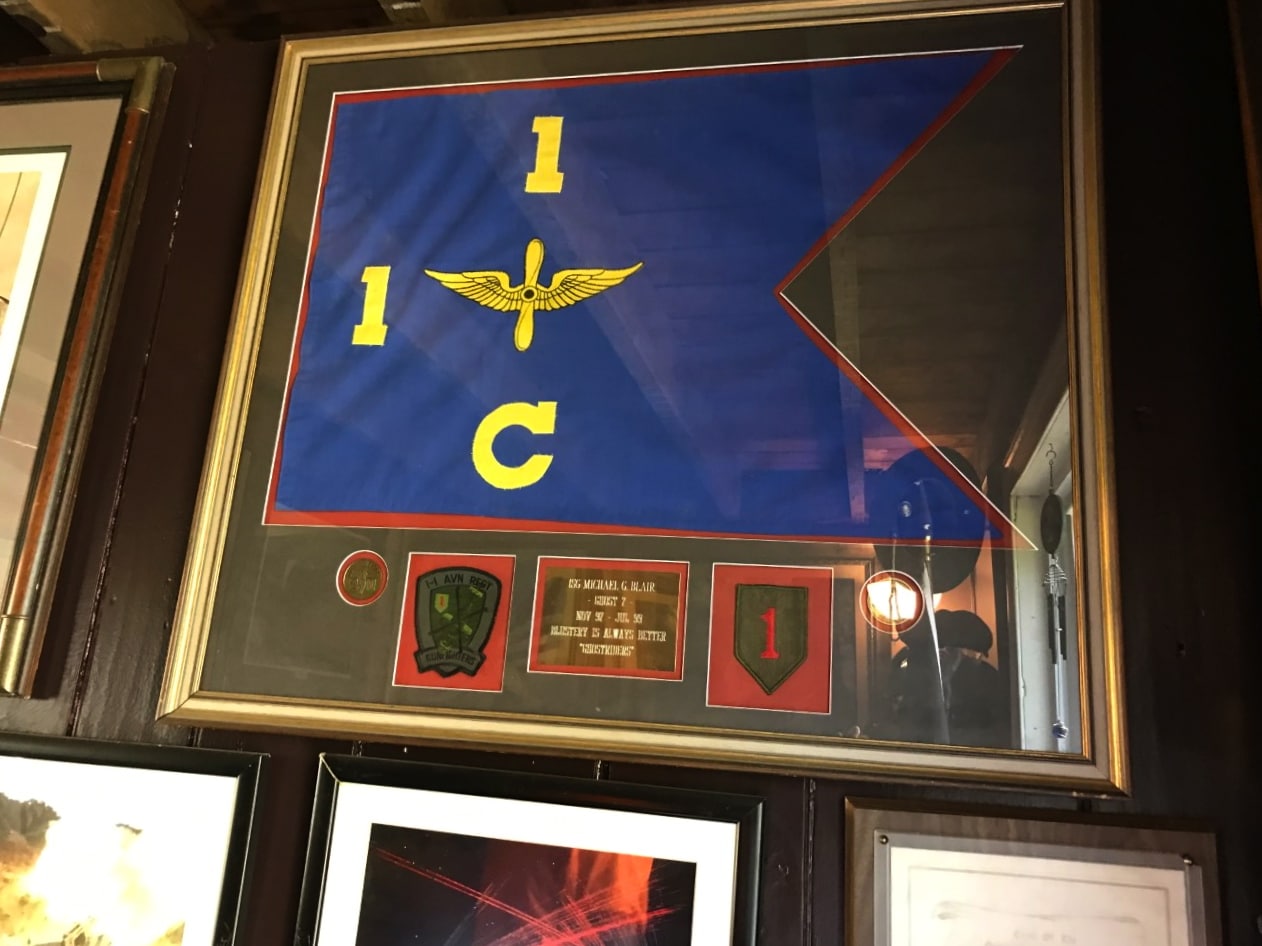
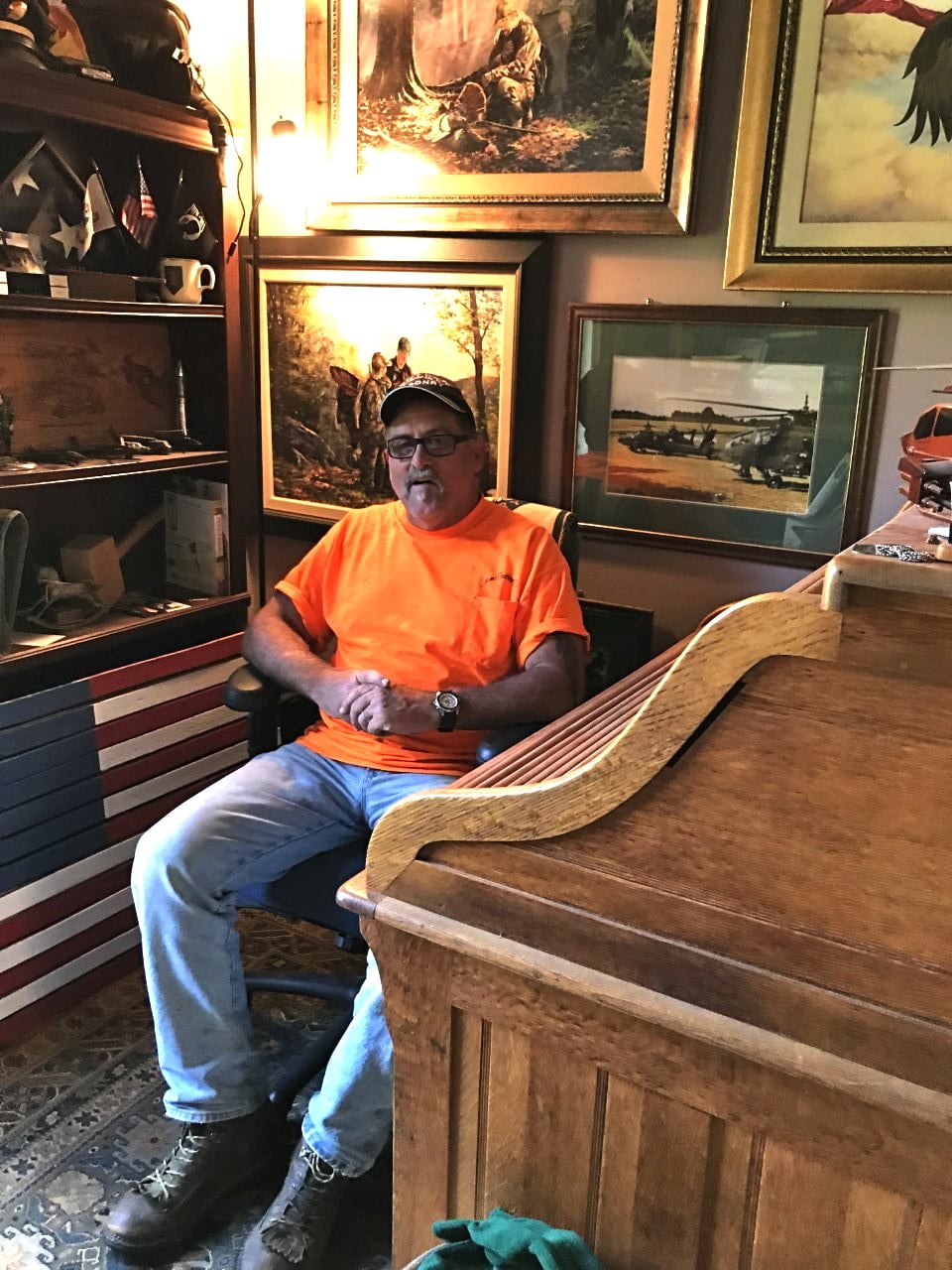
After 21 years in the U.S. Army Aviation, Mike Blair retired on July 1, 2003, to rejoin the civilian life he’d left behind in Burton.
As a first sergeant, he’d been in a leadership position and figured, with his experience and skills, he would fit into the non-military world successfully.
He was wrong.
“The transition process back then was poor, at best,” he recalled, sitting on his back patio in Burton Township.
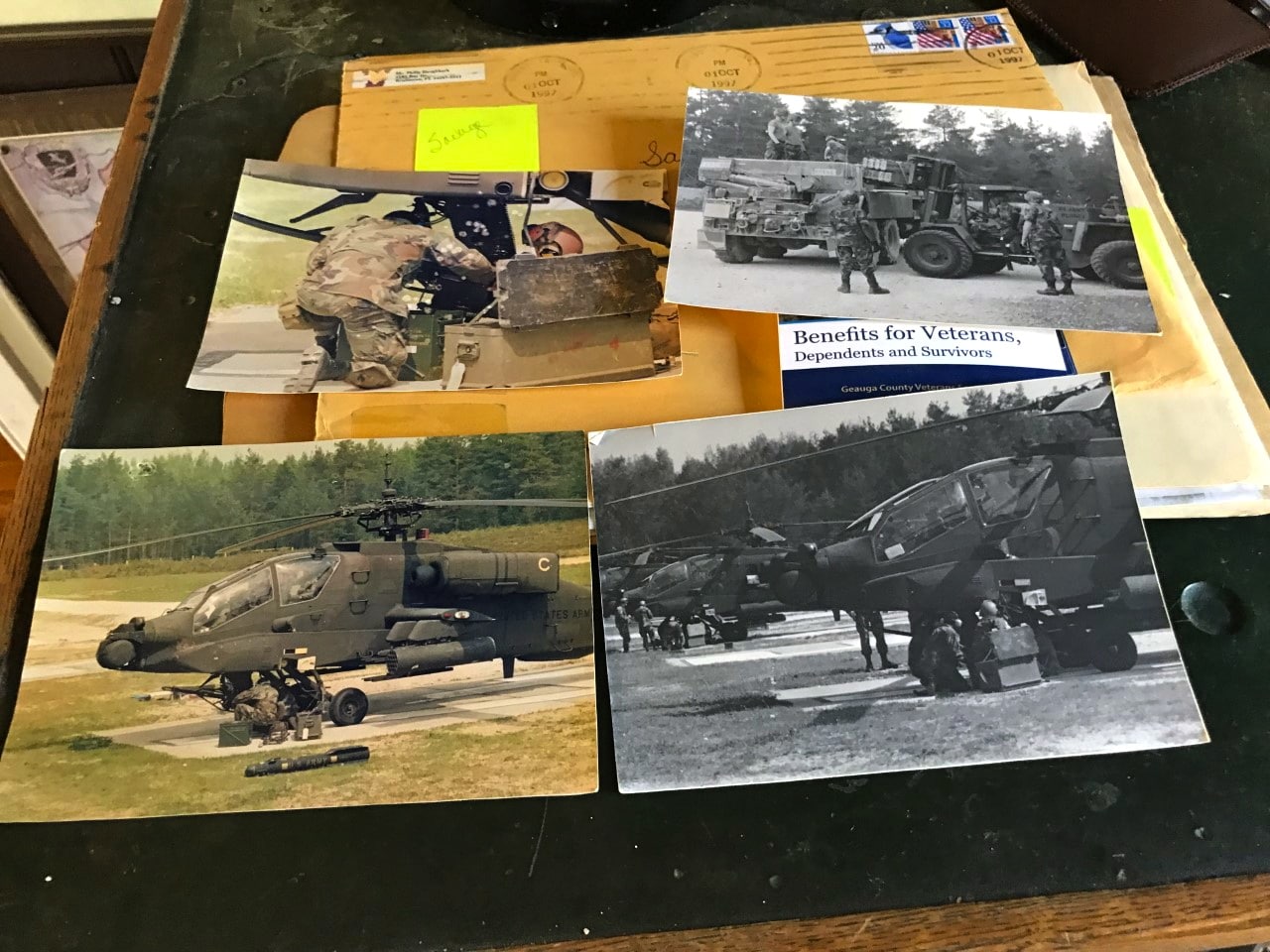
His four tours, starting as an Army aviation helicopter mechanic, carried him to hot spots all around the world.
He hit the ground in Iraq in 1990 during the 100 Hour War, a tour that stretched to 14 months, and Blair was redeployed to the region for the next decade.
“We never stopped running for 10 years. The tempo was fast,” he said.
It was also physically brutal. The pressure to keep the Apache attack helicopters air born meant long, hard hours.
When Blair, now 56, came home, he had two bad knees, a cranky back and migraines and discovered he hated being in a crowd. His pain triggered outbursts. He quit or was fired from a series of jobs and couldn’t sleep more than three hours at a time. He was not good company.
“I was just an ass to everybody,” Blair said.

Help from the VA
After five miserable years he decided to see if the U.S. Department of Veterans Affairs could help with his physical problems and went to see Michele Pemberton, director of Veterans Services in Chardon.
She recognized he had more problems than his knees and back.
“She said ‘You need to talk about this,’” Blair said. He pushed back but finally gave in, visiting a VA psychiatrist.
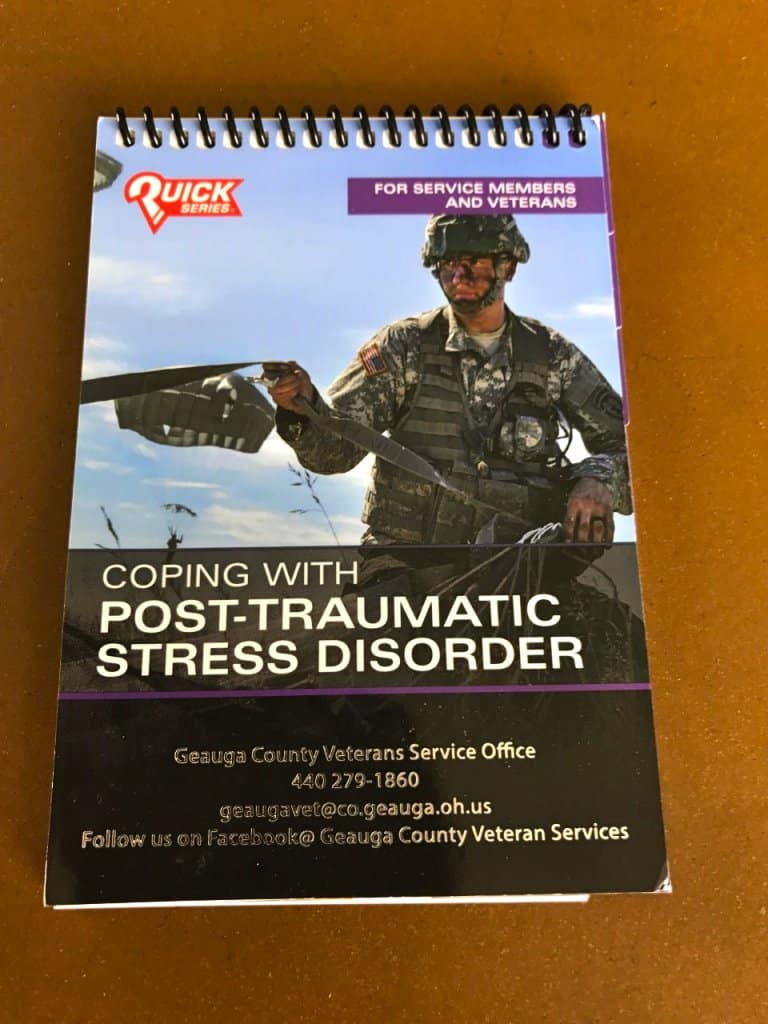
“It turned out I was 70 percent disabled for PTSD from the VA,” he said. “Obviously, it was a lot worse than I thought it was.”
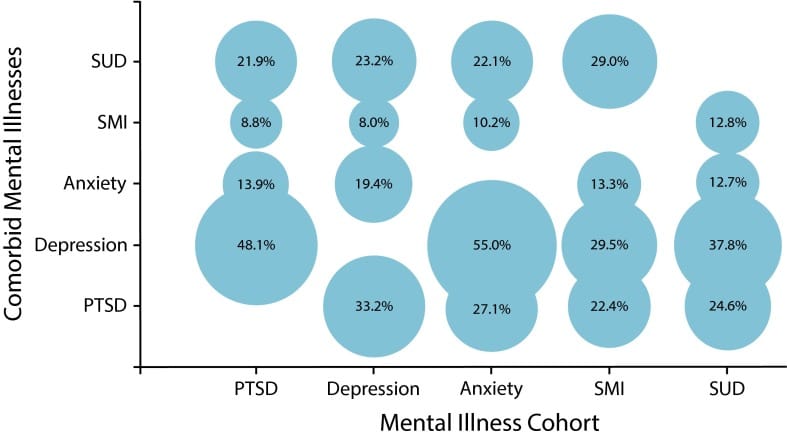
Post traumatic stress syndrome covers a multitude of ills and medication for them often is only marginally successful.
“I was on 14 meds at one time. I had pills for depression, anxiety, hyper vigilance … I was a wreck. Home life was caustic,” Blair said, adding he spent 12 years trying to find a combination that worked for him.
He had both knees replaced – one twice – and finally agreed to back surgery three years ago.
“An older nurse told me I had to get off the pills,” he said. “I needed a holistic approach.”
The VA’s treatment for PTSD had entered the 21st Century and he was able to access therapy for his mental illness, chiropractic treatments and acupuncture and he finds practicing yoga to be very calming.
“I started acupuncture two-and-a-half years ago. I go two times a month for an hour and my headaches are almost completely gone,” he said. “I’ve been extremely happy with the treatment I’ve received through the VA. It’s been first class.”
His mother, Kathy Blair, also of Burton, was relieved.
“My mother said ‘I finally have my Michael back,’” he said, adding family visits are much better without the arguments, yelling and screaming.
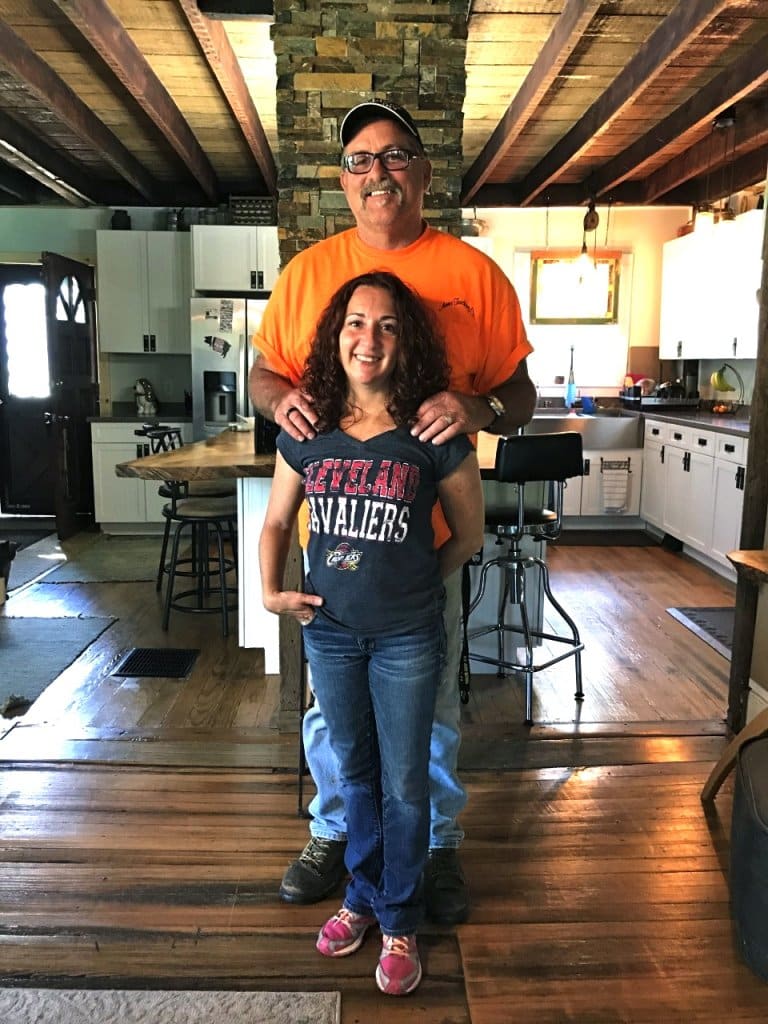
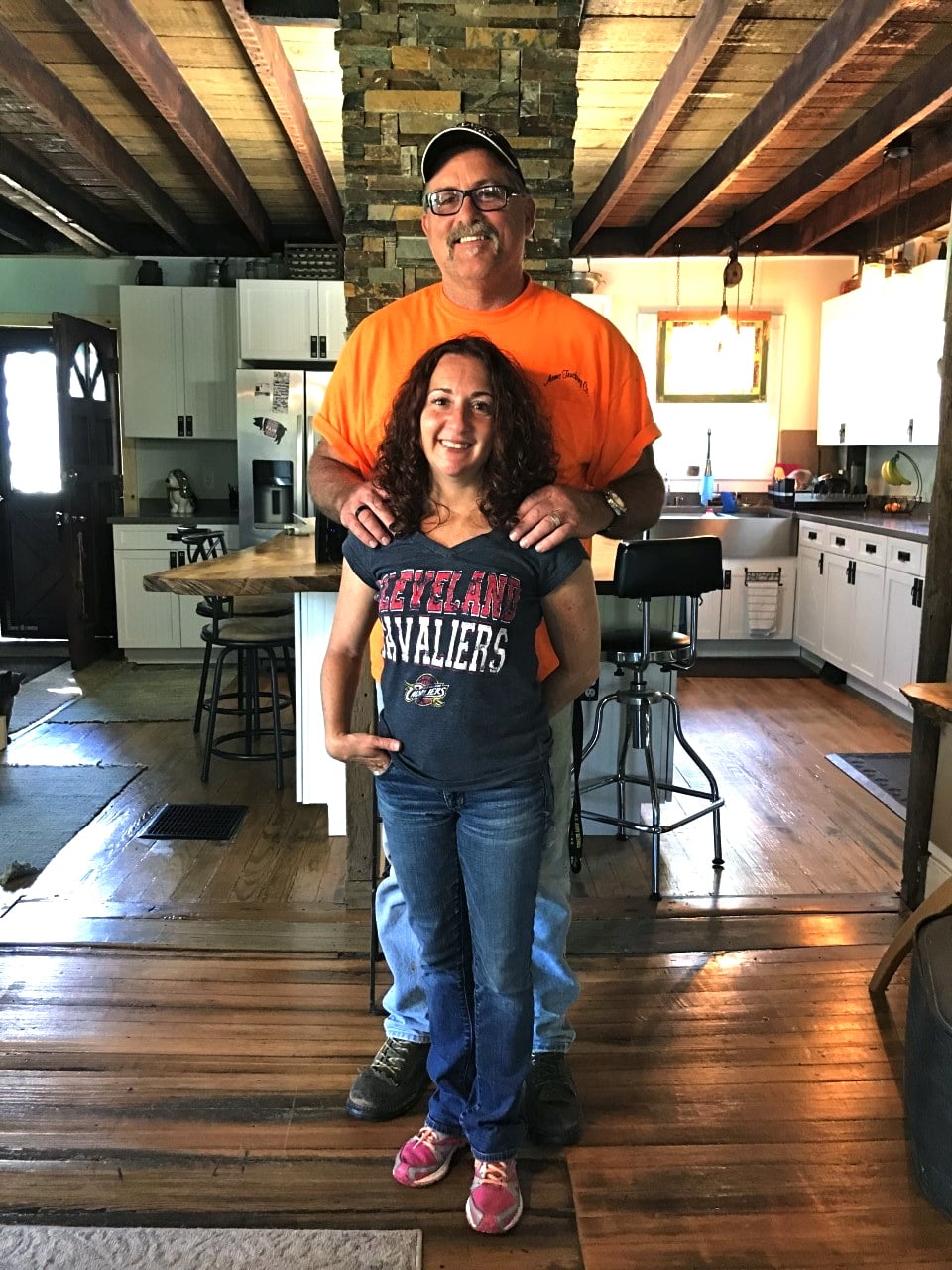
Blair credits his wife, Melissa, 48, for helping him keep his balance.
They have been together six years and, although she sat quietly on the patio as he talked, the veteran was clear he depends on her to help him keep his balance.
“You’ve gotta have the right person. Melissa’s been very good for me,” he said. “I never want to disappoint her.”
Blair said he has a core of 10 or 12 people in his life who anchor him, including three young grandchildren and some local veterans.
“It’s always nice to be around fellow vets,” he said, but it was more than six years after he left the service that he was able to think about joining the Veterans of Foreign Wars. Now he and Melissa plan to travel around the country visiting those with whom he served.

From Then to Now
Joining the military was a choice Blair made after he was laid off from his factory job in Chagrin Falls in the ‘80s, he said.
A Berkshire High School graduate, he didn’t want to go to college so he joined the army and went to Fort Jackson, South Carolina, for basic training. His aptitude for mechanics got him 10 months schooling in, Eustis Virginia, then a ticket to Monterrey for his first duty assignment and his first brush with trauma.
He was all set to go with three buddies from basic training for an evening’s entertainment over the mountain when he got called for staff duty at the last minute and his friends left without him.
“They were killed that night coming back to base,” Blair said. Their car went off the road and crashed.
Over the years he served in multiple aviation units, where he loved the camaraderie, but the emotional toll extended service takes was not a topic for discussion.
“You never think anything about it,” Blair said.
During two tours in Germany where he became a first sergeant and later when he was deployed to Iraq and Afghanistan he can’t recall hearing about the many symptoms of PTSD.
“They never talked about any of this stuff,” he said, adding that is still true of some of the guys with whom he served. “I’m not sure any guys have issues. We’ve never talked about it.”
But he met a local man who was an engineer in Iraq during Blair’s tours there and they have had some great discussions about their lives and what it means to overcome or live with their problems.
Blair participates in the Wounded Warrior program and urges young veterans to seek help from professionals and support from friends and relatives.
“Everyone thinks they are going down this path alone. That’s the worst thing you can do,” he said, sharing a few words of advice:
- You cannot do this alone;
- Find non-toxic people in your life and get rid of the toxic ones;
- You have to be able to ask for help;
- You have to be stronger than your weakest moment and have the fortitude to come out the other side.
Veterans can be great employees but it’s important for a vet to recognize his or her limitations in the workplace, Blair said. He still has trouble working when there is activity behind him and crowds can trigger bad reactions, too.
He currently works as a home inspector and for a township where he enjoys mowing lawn and plowing snow.
“It’s quiet. No one bothers me,” Blair said.
Over the years of therapy and study he has learned PTSD means different things to different people and there is no prescription that fixes everyone’s problems.
“What works for me may not work for the next guy,” he said. Between therapies and good relationships he has managed to get off medication and build the life he wants.
“Now I know I have a problem. I’m just trying to deal with it,” Blair said.


