If Geauga County bird watchers think they have seen a decrease in the number of their feathered friends raiding the feeders this year, it may not be their imagination.
If Geauga County bird watchers think they have seen a decrease in the number of their feathered friends raiding the feeders this year, it may not be their imagination.
The Geauga Park District’s Christmas 2019 bird count in Burton revealed 10 fewer species of birds were spotted than in the previous year, said GPD Naturalist Linda Gilbert, adding the mild winter might be allowing some species to find food in their natural habitats without relying on generous bird lovers.
A number of factors influence when and where birds decide to chow down, said GPD Naturalist Dottie Drockton.
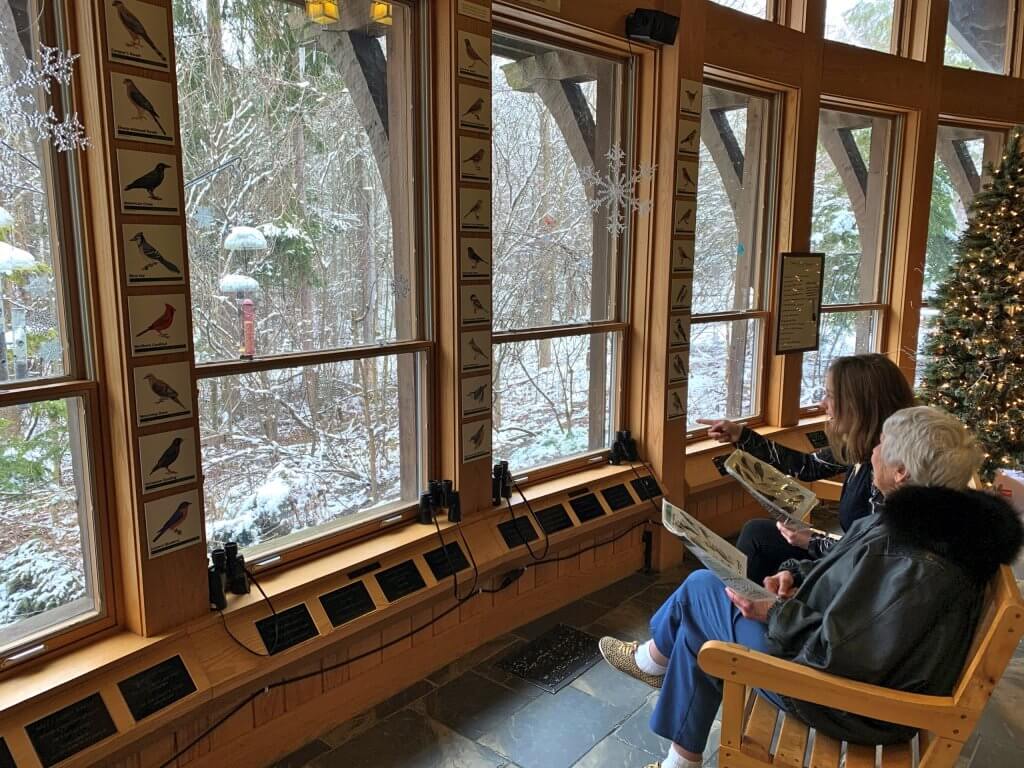
“Our feeders at West Woods and my feeders at home have good numbers,” she said.
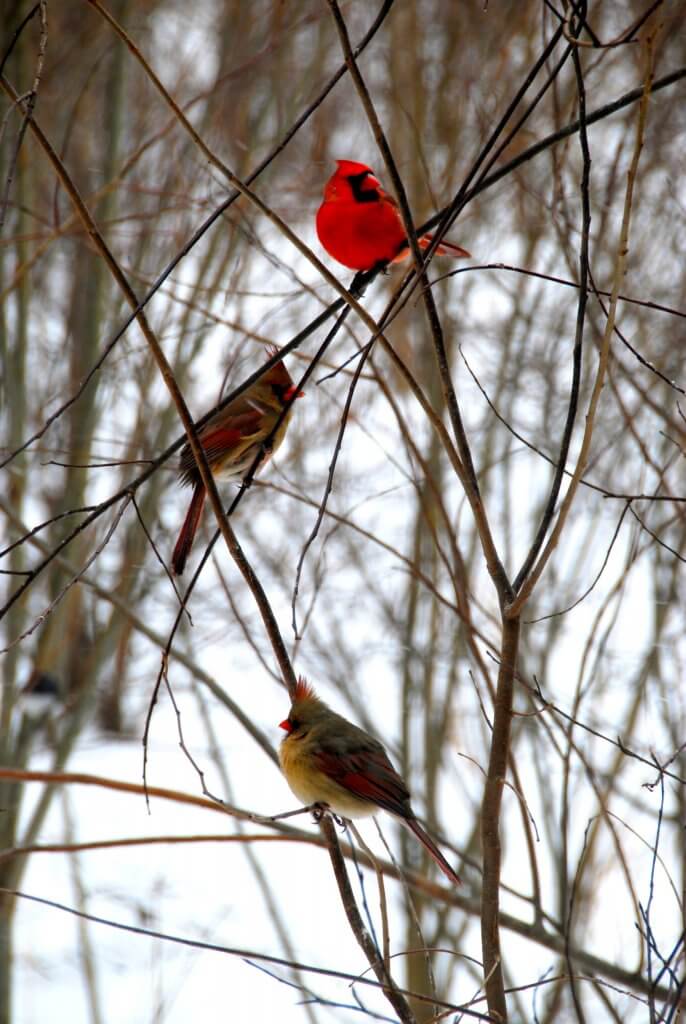
When people noticed a decline in the number of gold finches flitting around the feed trough, the staff added niger seed to encourage attendance, she said.
So, just because you might not have seen a tufted titmouse or a chickadee so far, doesn’t mean some won’t appear out of the blue, Gilbert added.
“Birds are kind of nomadic in the winter. They travel in little feeder groups,” she said.

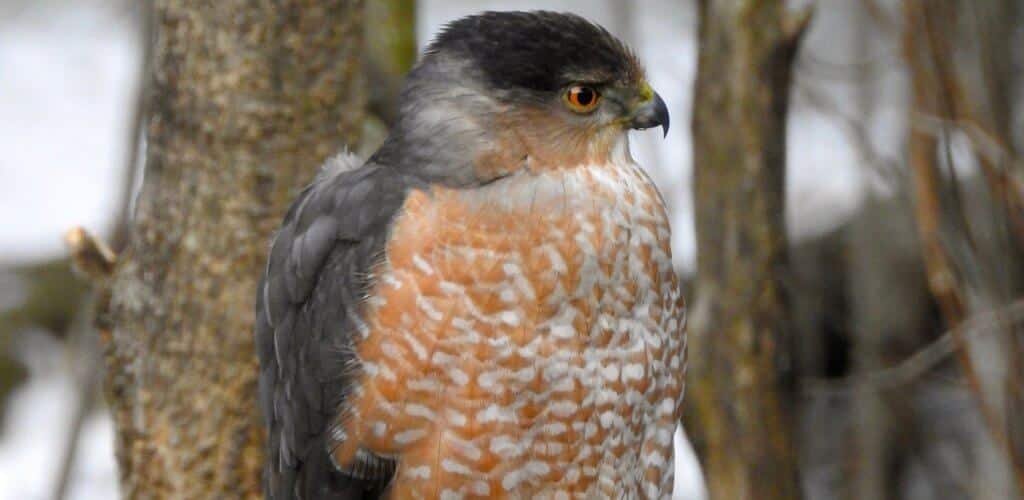
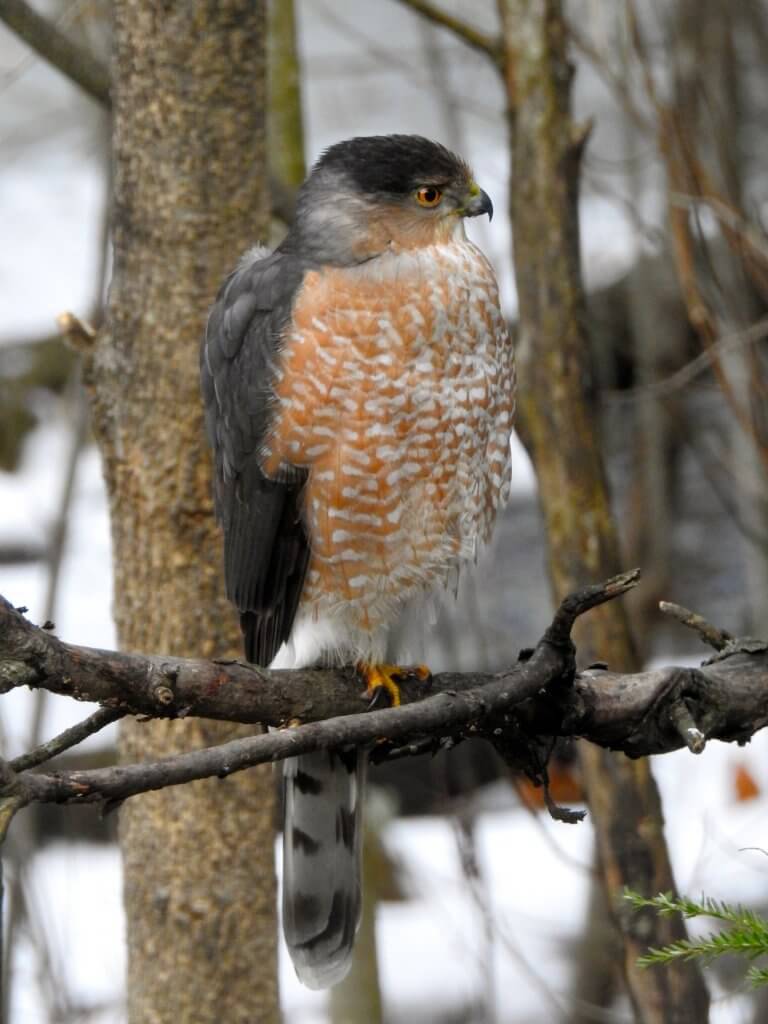
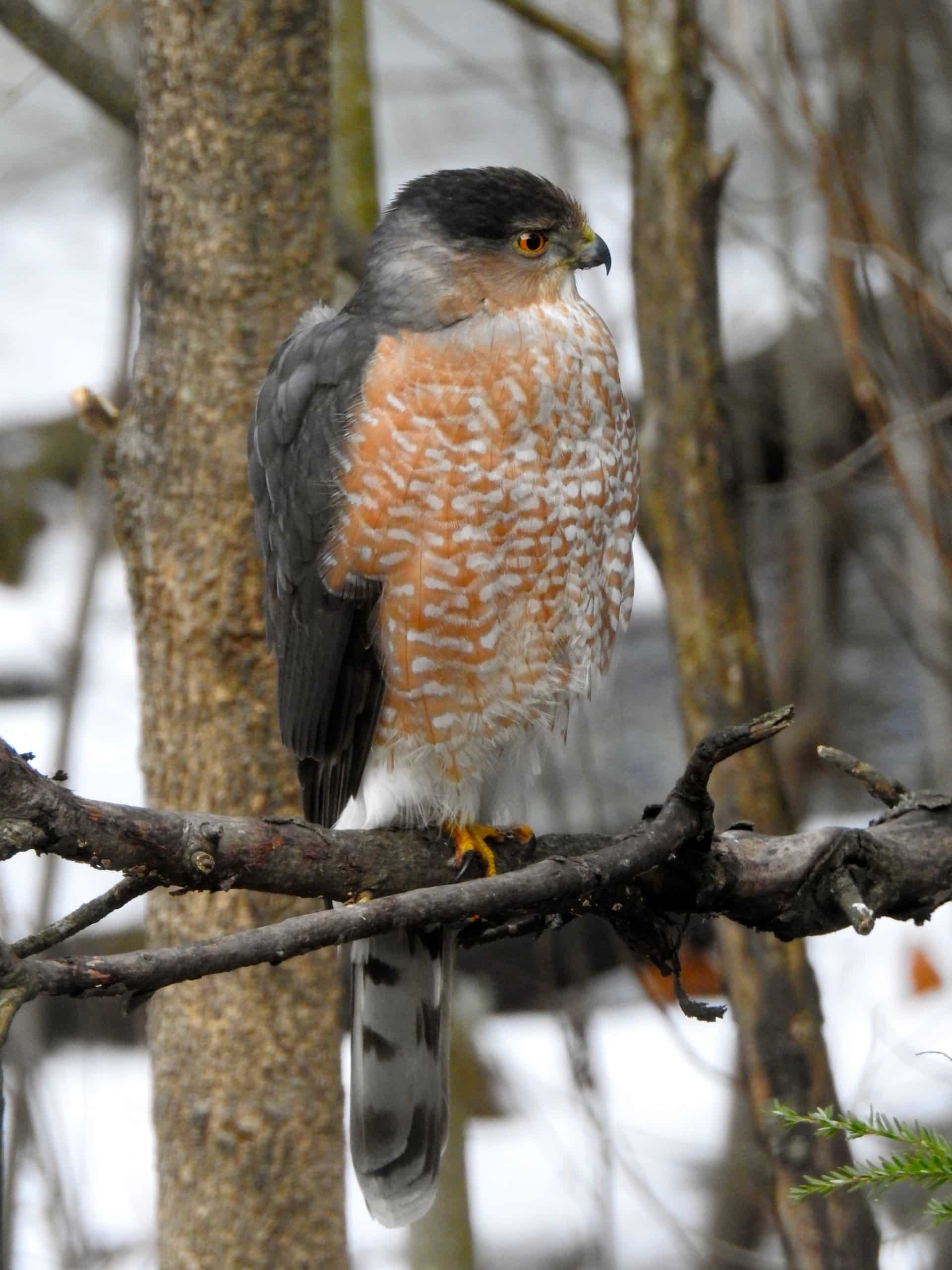
They can also be spooked to find other feeding grounds by marauding hawks, such as the Cooper’s hawk, which is notorious for thinning the flock.
“Birds want a place to fly into that’s safe,” Gilbert said. “They need to be able to dash for cover if a predator flies by.”
However, deforestation causing habitat loss, climate change and insecticide use may all be contributing to a decrease of birds globally, Gilbert said.
In an effort to track the decline in birds, bird watchers in Geauga County are urged to participate in The Great Backyard Bird Count Feb. 14 through Feb. 16, which is sponsored by Cornell Lab of Ornithology and The National Audubon Society.
“In order to understand where birds are and how their numbers are changing, we need everybody’s help,” says the Cornell Lab of Ornithology’s Marshall Iliff, a leader of the eBird program that collects the GBBC data. “Without this information, scientists will not have enough data to show where birds are declining.”
There is an app that can be downloaded to smartphones called eBird Mobile. When participants of the GBBC note the birds they see, the information provides in-the-field data to help the study that started in 1970. Project Feederwatch also provides important information, Iliff said.
The following websites provide more information about the GBBC:
https://www.audubon.org/conservation/about-great-backyard-bird-count, and
https://ebird.org/news/great-backyard-bird-count-2019-take-someone-birding