


A new wetlands project will see the restoration of about half an acre of wetlands in Chardon, after the city acquired a $244,000 grant from the Ohio Environmental Protection Agency to restore the stream and wetland area between Water Street and Park Avenue behind Chardon Plaza.
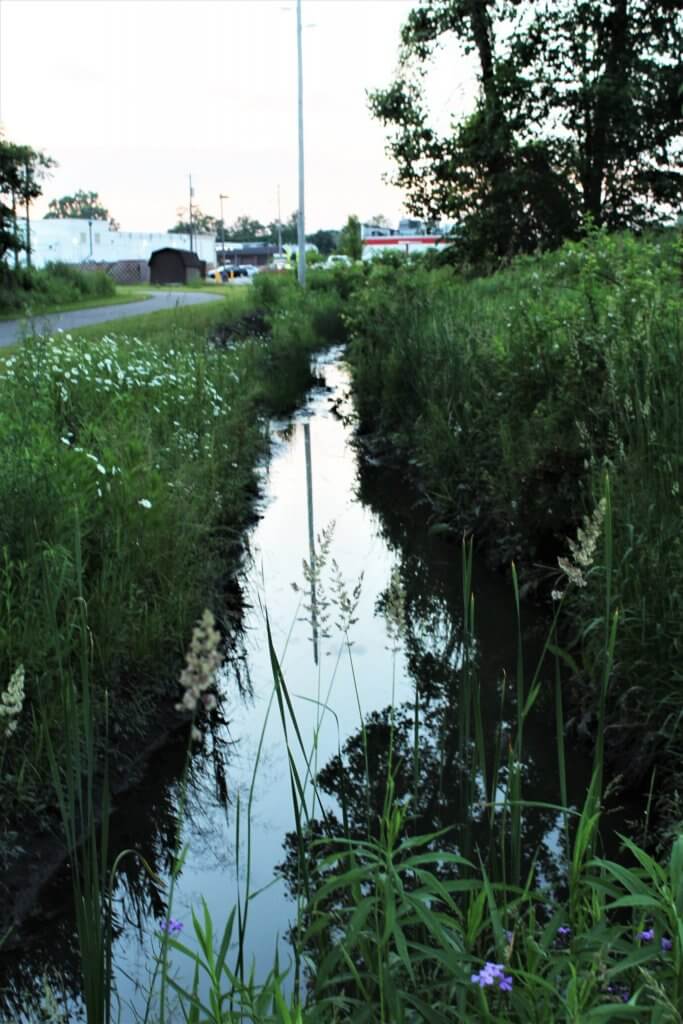
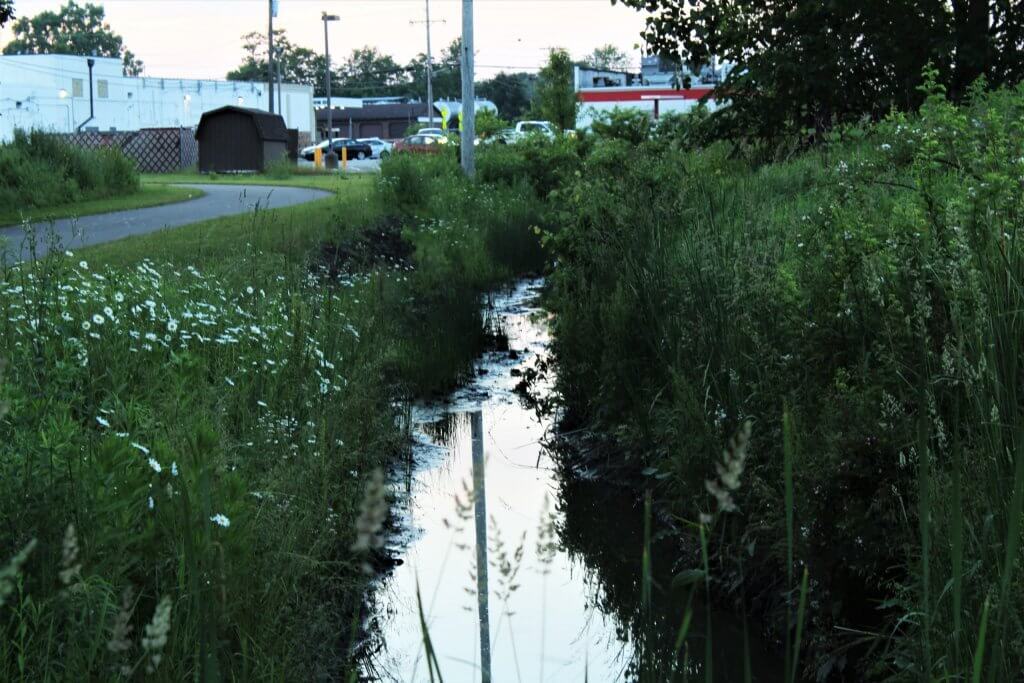
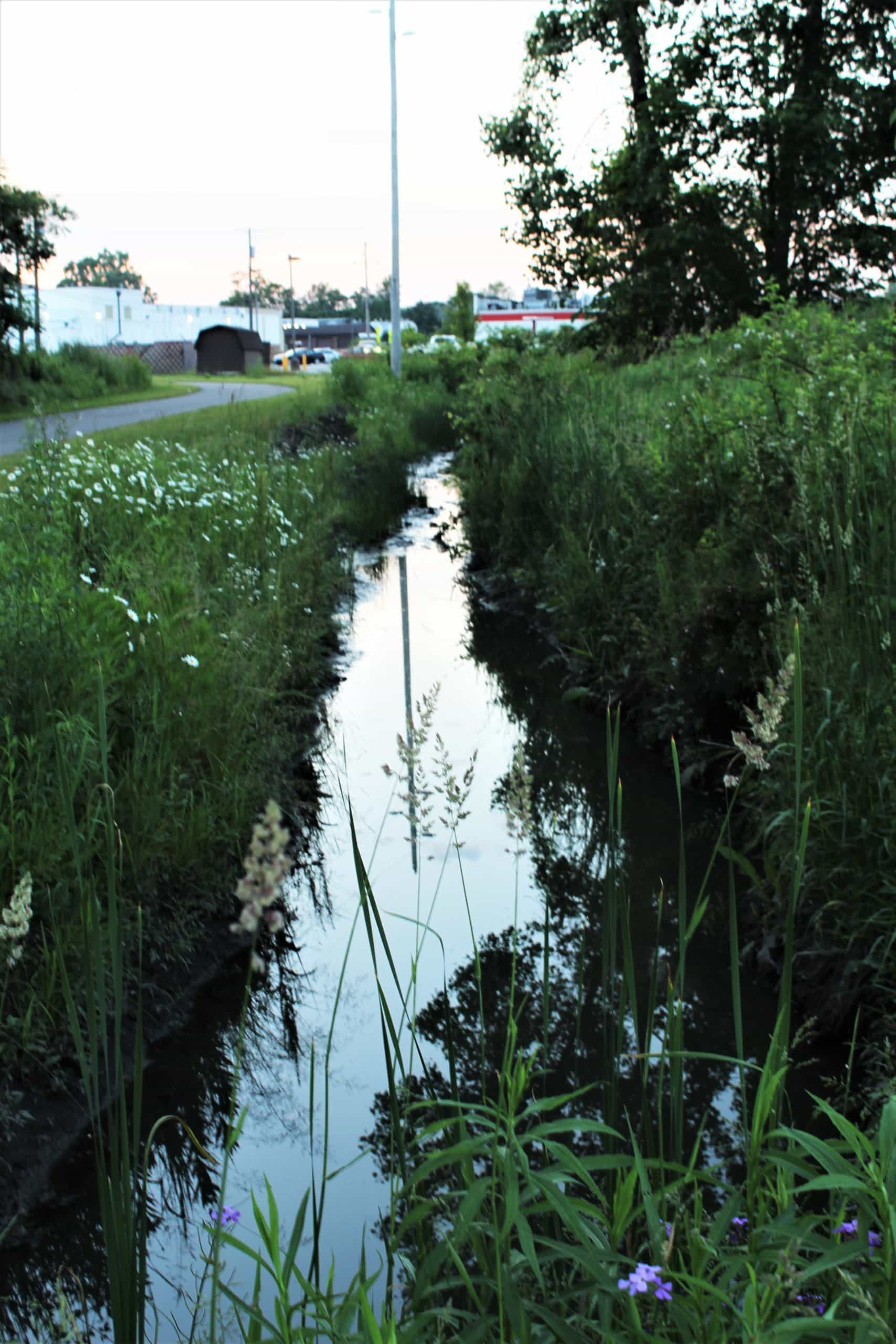
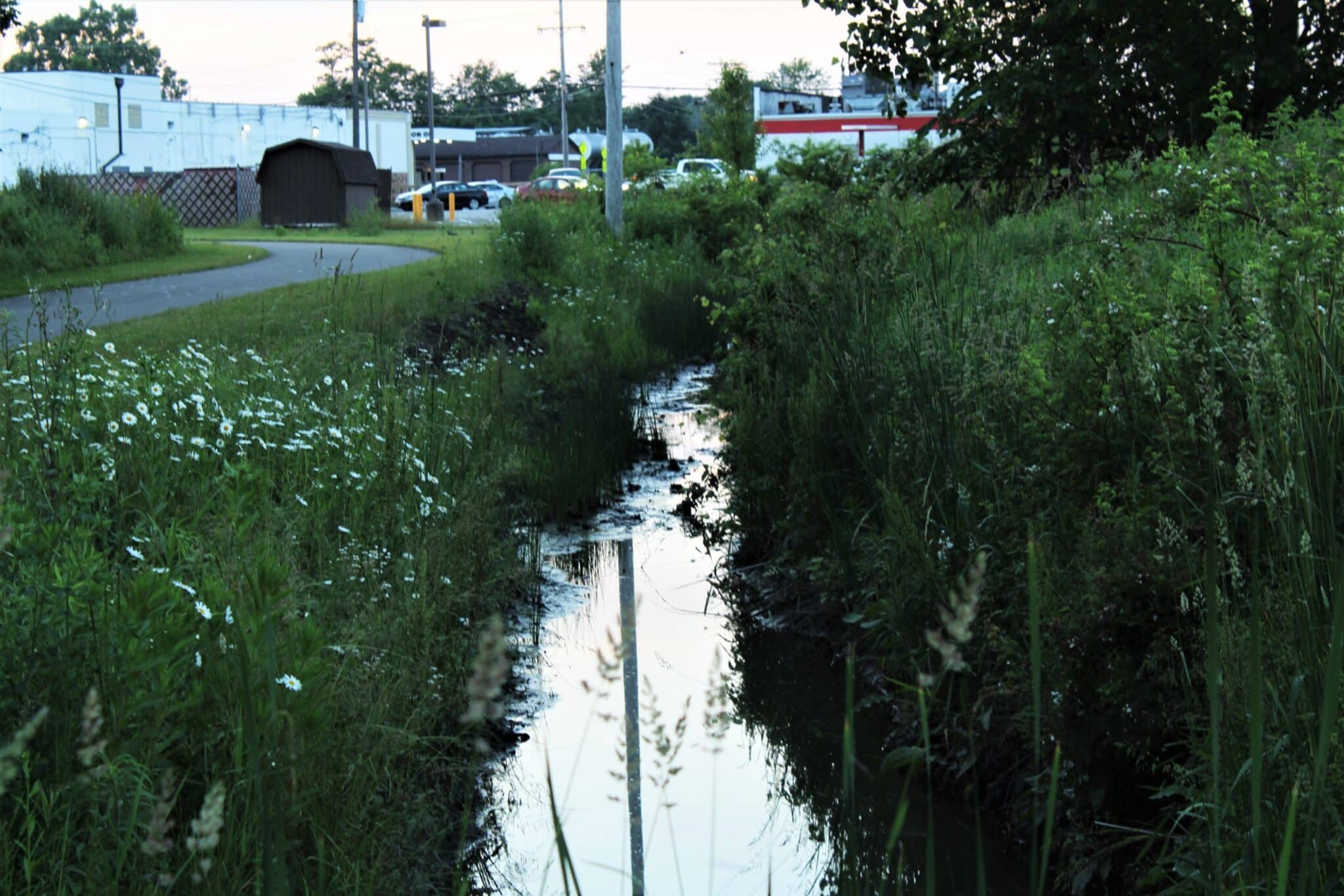
A new wetlands project will see the restoration of about half an acre of wetlands in Chardon, after the city acquired a $244,000 grant from the Ohio Environmental Protection Agency to restore the stream and wetland area between Water Street and Park Avenue behind Chardon Plaza.
Director of Public Service Paul Hornyak said the area has been a maintenance issue raised by business owners and staff for years. Its inability to direct and drain storm water has caused flooding, erosion and pollution.
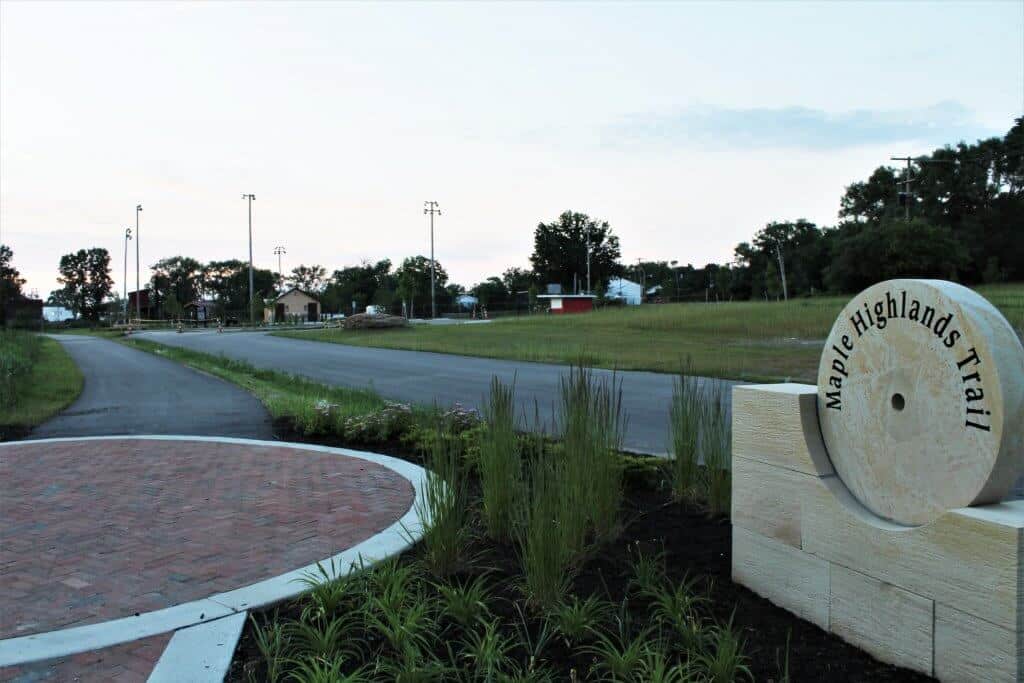
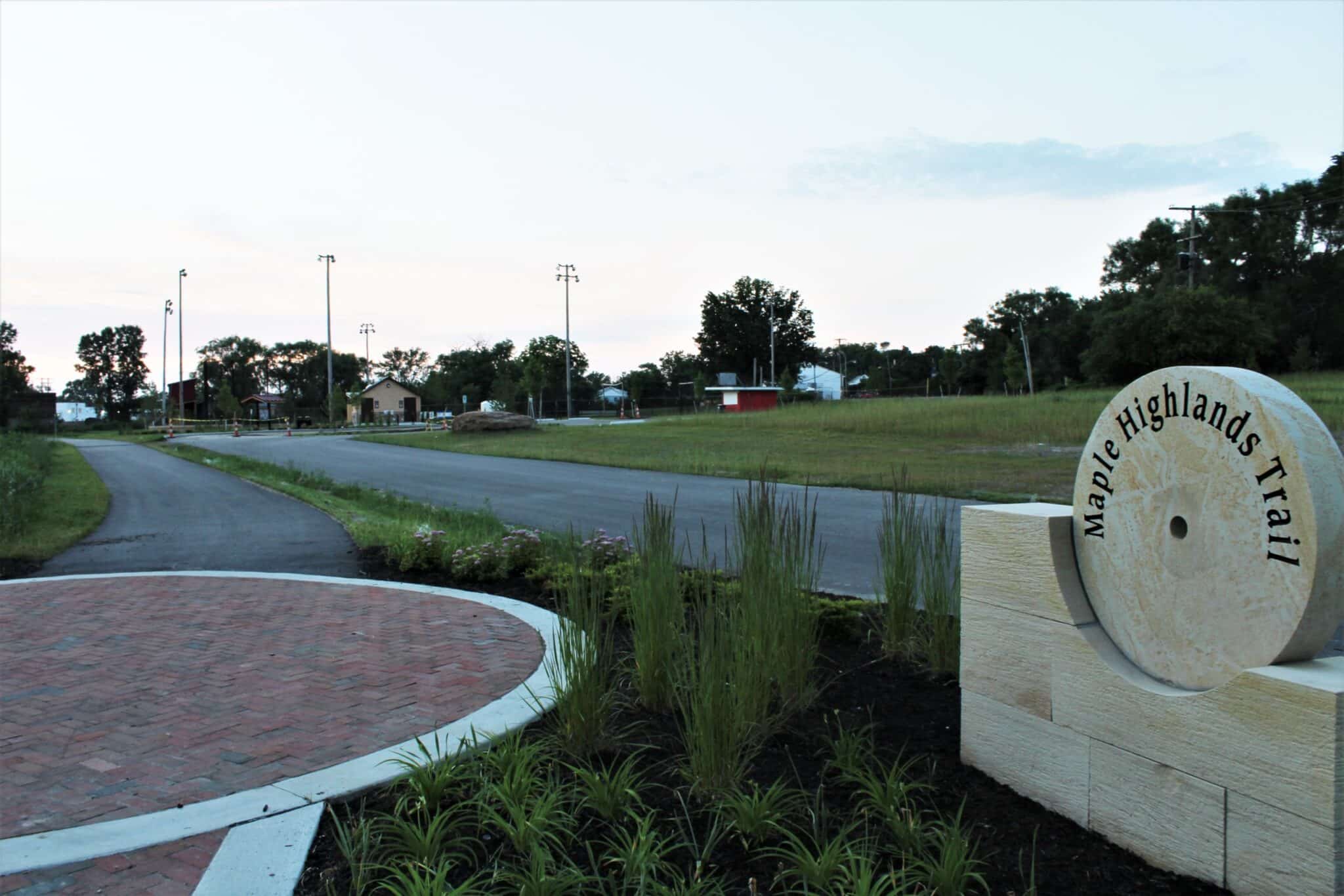
Earlier projects, including a sanitary sewer installation and the Maple Highlands Trail bike path, attempted to address the problems. When funding for those projects were not available to fund the restoration, Hornyak said the city looked to alternatives.
“We took the idea to Chagrin River Watershed Partners to see if it was a viable project for the Section 319(h) Nonpoint Source Grant Program,” City Engineer Doug Courtney said.
Throughout the summer of 2020, CRWP took up the grant application process with the city. In May it was one of 12 grants awarded from 20 applications.
The Chardon Maple Highlands Trail Stream and Wetland Restoration Project will restore a total of 940 linear feet — about a half an acre of wetlands — create roughly 300 linear feet of cascading waterway and revegetate three-fourths of an acre of a riparian area, said Courtney.
Restoration will take a few different forms, said CWRP Senior Project Manager Laura Bonnell. For example, 680 of the 940 linear feet will be restored to a meandering stream. Regrading the slope of the streambank will result in a reliable floodplain, giving the water a place to go and placing less stress on culverts after a heavy rain, which only continues bank erosion, she said.
Brush layering, or adding woody vegetation, will be employed, increasing habitat for riparian wildlife like invertebrates, as well as stabilizing the streambank, Bonnell added.

“A stream should be able to access its floodplain so it can slow it down, it can help filter the water… you don’t want fast water. When it rains, storm water runs off impervious surfaces like Marc’s parking lot, the roof, Arby’s parking lot and it’s picking up all these pollutants as it goes, sentiments, debris, and even oils and gas from cars. It’s draining right into these streams. (The flood plain allows) water to spread out and soak into the ground,” Bonnell said. “Having access to the flood plain, you will reduce the burden on the storm sewer system, as well.”
The natural filtration will enable nutrients to find ground rather than flushing downstream and aid water treatment. Bonnell said components like the culverts will be replaced by the city as part of a local funding match.
For now, plans for setting a timeline are in progress, Courtney said.
Bonnell anticipates construction from the three-year-grant to begin in the summer of 2022, with completion in June 2024.
“The Chagrin River Watershed Partners are very important because they’re the ones with the good ideas on storm water management,” Hornyak said. “This is a unique project because we need to keep the water flowing from point A to point B and point south of that, but yet we don’t want to do it in a manner that’s destructive to the area where you’re promoting erosion and thereby eliminating property owners’ property. More importantly, (we need to) keep the water off streets and keep things safe.”


