


District Partners with ESC for Replacement Search
Brian Bontempo recently announced he would be stepping down from the helm of Auburn Career Center by the end of July.
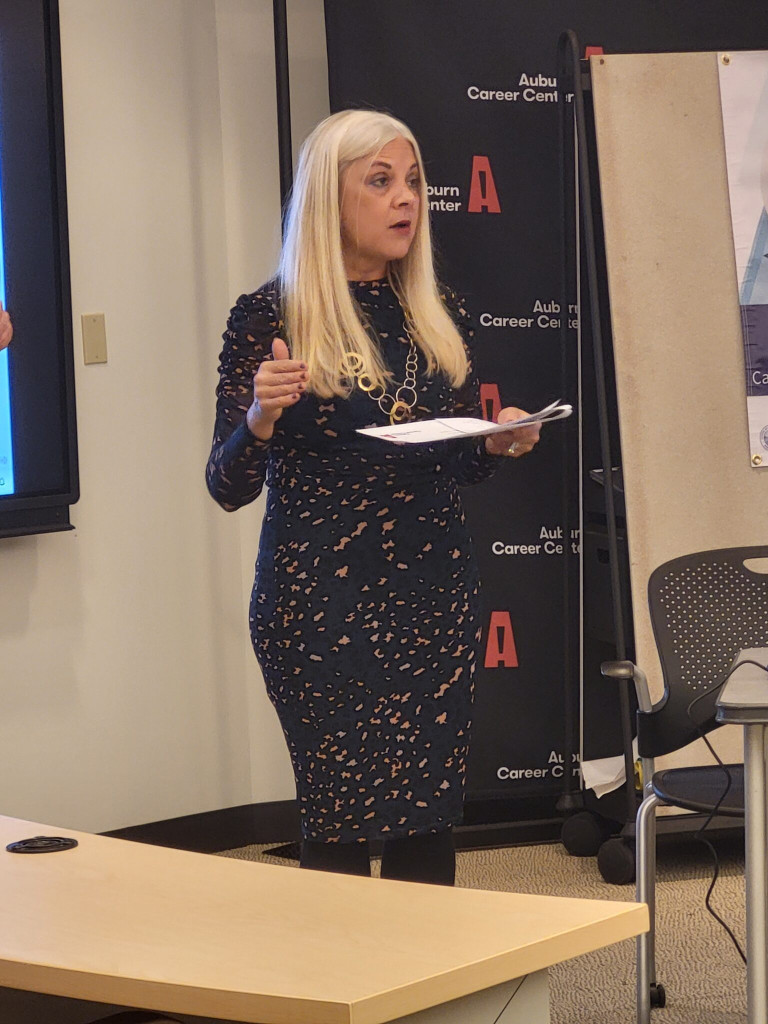
Brian Bontempo recently announced he would be stepping down from the helm of Auburn Career Center by the end of July.
During a special ACC board of education meeting Feb. 27, Bontempo — who had taken over for previous Superintendent Margaret Lynch in 2017 — announced his intention to retire.
“My experience as the superintendent of the Auburn Career Center has been a highlight in my career. I have worked with outstanding board members, amazing teachers and staff, and an administrative team that is thoughtful, smart and courageous,” Bontempo said in a public statement. “But most of all, my interactions with bright, young students have truly been the most rewarding.”
Bontempo’s retirement comes during a time of both expansion for ACC, as well as ongoing litigation between the board of education and teachers union over back pay, which has been in progress since 2011.
When asked if the ongoing case with the teachers union impacted his decision to retire, Bontempo sent a followup email noting the significant partnerships, investments and expansions propelling ACC forward, including a grant to renovate the school’s healthcare wing and the construction of a new public safety training facility.
“After years of significant accomplishments and planning for the future, the district is in a strong position and has a clear vision for the future, making it an ideal time for me to move on and for a new superintendent to step in,” he said. “It’s bittersweet, but I am confident that the foundation we have built will continue to drive success for students, businesses and the community.”
Board President Roger Miller thanked Bontempo for his leadership and dedication to the students and staff in a public statement, and wished him well for the future.
“We are grateful for Superintendent Bontempo’s dedication and vision, which have positioned Auburn as a leader in career technical education,” he said. “(Bontempo) sees the big picture regionally and brings people together to solve regional challenges. He is consistently looking for ways to improve the people or the situation, challenging everyone to be better. His commitment to excellence has left a lasting impact on our students, staff and community.”

The ACC board appointed the Educational Service Center of the Western Reserve to aid in their superintendent search March 4.
“This is a board process,” ESC Superintendent Jennifer Felker explained in a presentation at the meeting. “I wanna emphasize, we help facilitate that process, we do not make the choice of who your next leader will be.”
The ESC also protects the board, she said.
“Using a superintendent search process is essential, especially right now, to do due diligence to the community, to the staff, to the school districts,” she said, adding the process typically takes about six to eight weeks.
“We share all candidates that apply for the position to the board,” Felker said. “Our job is really to build consensus.”
ESC also helps to build transparency in the board’s next steps and in recent searches, it has engaged the community for focus group input, she said.
The search process will focus on the key qualifications, professional experience and leadership qualities necessary, ACC said in a March 13 press release.
“It’s the board that develops this profile and with that in mind, what we have is a profile survey that … we’ll send out electronically to all the board members tomorrow so that you can start filling it out,” explained ESC Director of Superintendent Support Services Bob Scott.
Once they’ve received that information, they can put together a profile for the job that will be posted to online platforms, he said.
Applicants will likely have a vast range in terms of previous experience. ESC will sit down with the board to go over each one and filter down the general crowd to a group of possible candidates and again, to a group of serious candidates, from which they will decide who to interview, Scott said.
Boards will usually end up interviewing five to seven candidates, with two or three in a final interview, he said.


