


The Geauga County Board of Health voted in favor of establishing a $300 fee for septic system violations as part of their operation and maintenance program March 26.
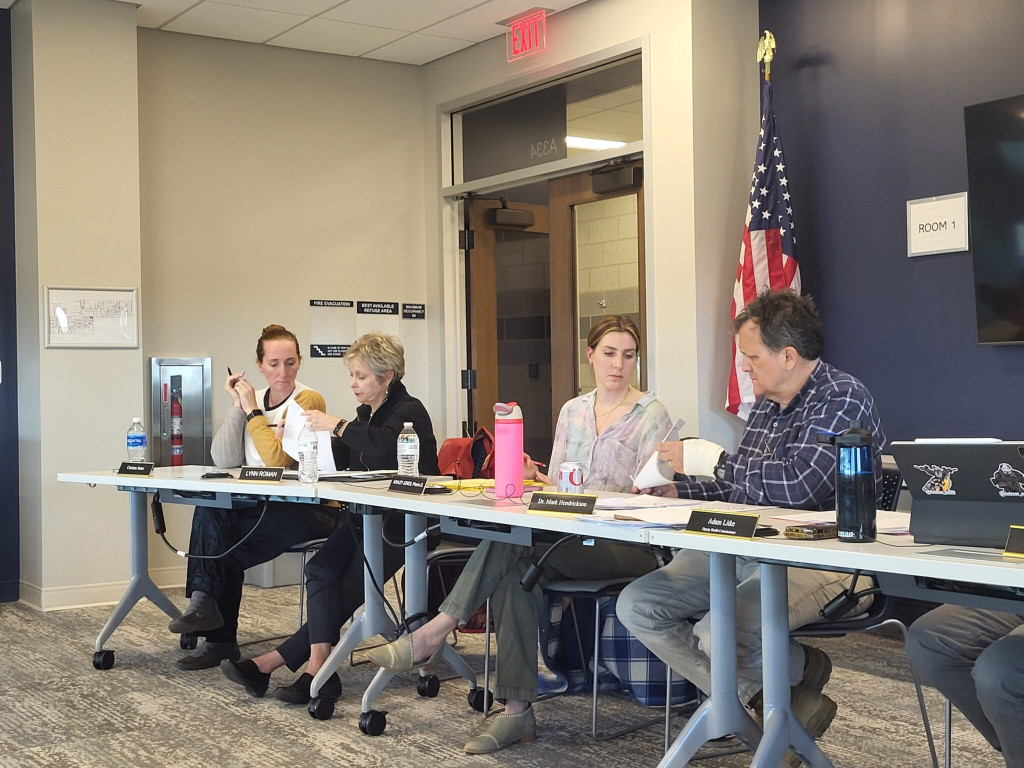
The Geauga County Board of Health voted in favor of establishing a $300 fee for septic system violations as part of their operation and maintenance program March 26.
The meeting marked the first vote and reading of the resolution for the fee. Two more readings will follow.
The O&M program is a state-required, but not state-funded, program mandating health departments to ensure the proper maintenance and function of septic systems under their jurisdiction.
GPH’s rollout of the program is ongoing. Homeowners with a home sewage treatment system must obtain and renew an operation permit and must submit evidence of their system receiving the minimum maintenance it requires as part of the program.
Homeowners who do not comply with the O&M program requirements — i.e. they do not do the required maintenance or any maintenance on their septic system — will be charged the fee, Environmental Health Director Dan Lark said.
The law requires the health department to do compliance inspections on systems to make sure they’re not creating a public health nuisance and the fee will recoup costs to the department in such a situation, he explained.
“Hopefully, we never have to charge this fee. Our goal is for the homeowners to call the septic tank pumper or service provider to do whatever is the appropriate service for their septic system,” he said.
The fee covers inspector time, mileage and administrative time, Lark said.
For the past 20 years, GPH would check septic system maintenance under its for sale of property program and the system failure rate in Geauga County was 41%, Health Administrator Adam Litke said.

Lark noted 10% of National Pollutant Discharge Elimination Systems had been noncompliant, discharging raw sewage into ditches or waterways.
GPH officials have seen systems fully turned off while doing inspections, Litke added.
“We don’t necessarily want to charge these fees. We have the lowest in the state that we’re aware of,” he said. “This noncompliance fee is hopefully enough that people don’t want us to do it.”
Homeowners will have multiple chances to get into compliance before they are hit with the fee, board member Lynn Roman added.
The inspections are an alternative to referring noncompliant individuals to the Geauga County Prosecutor’s Office, as the projected number of violations would overwhelm them, Lark said.
Individuals with an NPDES system sign a contract with the Environmental Protection Agency promising to do certain things, but previous health boards have not enforced that contract, Litke said.
“I think it’s important for the people in the audience to understand, when we say, ‘The job wasn’t being done,’ it wasn’t this group of people,” Roman said. “It was 17 years ago, long before this group of people were in.”
The process of turning things around has been difficult, board member Mark Hendrickson lamented.
Any additional money generated from the program will go into a fund to help low-income people in Geauga offset costs, Litke said.
The intent is not a money grab, he added.
A Munson Township resident in the audience said she was told in 1998 that getting maintenance work done on her system once every three to four years would be frequent enough.
With only two people in the house, yearly maintenance seems too frequent, she said.
As someone who has been regularly maintaining her system, it feels like she is being penalized for someone else’s misdeeds, she added.
Lark said state code currently recommends yearly maintenance for her type of system and Health Commissioner Ron Graham said recommendations have changed over time.
He and Lark have talked about offsetting costs for people who consistently take care of their systems, Litke added.
With Geauga’s program in year two of its rollout, it is something they are keeping in mind, he said.
Lark said he is currently looking at all O&M-related fees, as the department reassess fees each year.


