Budget Commission Reluctantly Approves GPH Budget
After denying and tabling Geauga Public Health’s 2026 budget last month, the Geauga County Budget Commission reluctantly approved it in a split vote June 30.


After denying and tabling Geauga Public Health’s 2026 budget last month, the Geauga County Budget Commission reluctantly approved it in a split vote June 30.
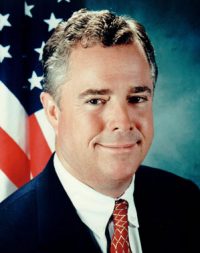
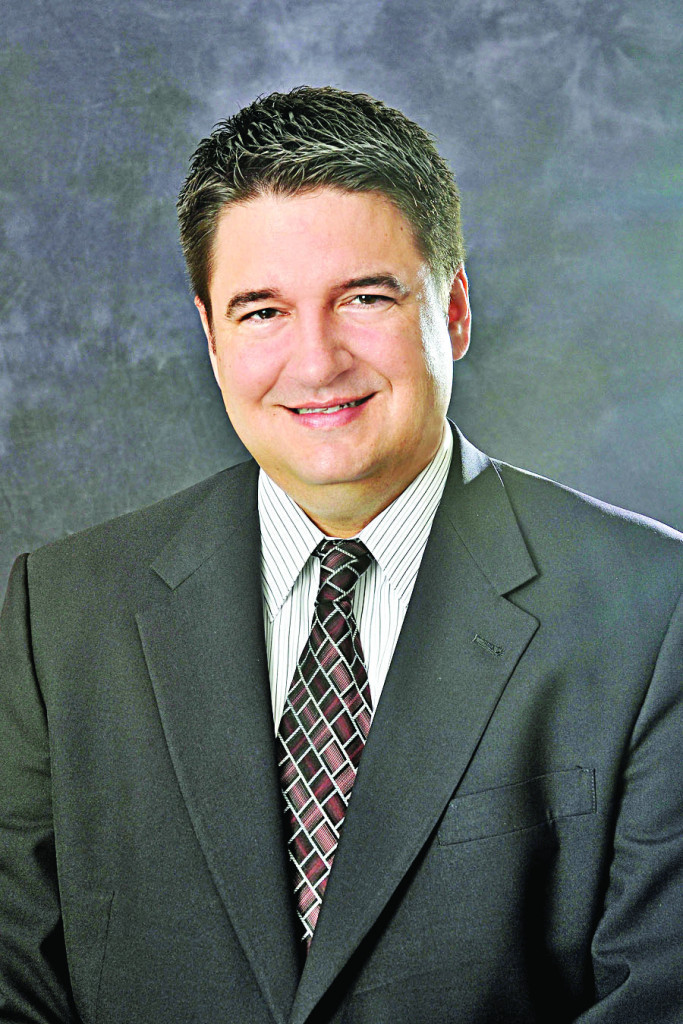
The budget passed 2-1, with Geauga County Treasurer Chris Hitchcock — who sits on the commission with county Auditor Chuck Walder and Prosecutor Jim Flaiz — the sole dissenting vote.
The commission originally rejected GPH’s budget June 2, with Deputy Auditor Kristen Sinatra noting at the time that no changes had been made to the numbers between GPH’s first budget hearing in April and that meeting.
Walder had expressed concerns about GPH’s accounting and an audit he believed was not going well. The commission also took issue with high balances in multiple accounts.
No one from GPH was present at that meeting due to a miscommunication, Geauga County Health Administrator Adam Litke said at the time.
He and Geauga County Health Commissioner Ron Graham were both present June 30.
While on the surface, GPH appears to have a lot of money, Walder said he does not believe that to be the case.
“The reality is, the reason why you appear to have a lot of money … is because you had a lot of obligations you had not yet done your encumbrances for. A whole year, for example,” Walder said, adding that over $1 million worth of obligations had not been on the books at the time GPH submitted its budget.
“You accrued the revenue, you accrued the grants you received so your revenue got boosted, but your expenses weren’t aligned because you had no expenses reported because you hadn’t obligated anything,” Walder said.
A series of then-and-now purchase orders from 2024 are going to be paid this year, Walder told the budget commission.
Prior to obligating money, a subdivision or taxing unit must certify through a purchase order that the appropriate amount of unencumbered money is available for that purpose, Walder explained in a July 7 follow-up email. If the obligation pre-dates the purchase order certification, a then-and-now purchase order is permitted — meaning unencumbered money was available both then, at the time of obligation, and is available now.

Essentially, GPH paid for specialty services in 2024 out of the general fund due to not having enough money in the special service fund at the time and now wants to backfill the general fund money from the special service fund in order to repopulate its balance, he said.
“It really doesn’t change their bottom line. It’s just a movement between funds,” he said.
GPH needs to be careful about mixing general fund money with specific monies, Hitchcock warned, comparing the process to a loan.
Invoices going forward will charge to the fund incurred in rather than the general fund, so there will not be reimbursements after the fact, Litke said.
He also addressed a few other items with the budget commission.
“What we’ve noticed in general with the things Mr. Walder spoke about, which was the 2024 issue with the then-and-nows, it mostly goes back to a single employee who is no longer with GPH, they’re about to be done with GPH,” he said.
Litke said he is working with GPH legal representative Bryan Kostura on proactive purchase order management to avoid the then-and-now process.
Documents should also be submitted to the auditor’s office quicker, he added.
The finance team will be restructured and there will be new policies and procedures regarding timelines and signatures to get things through faster, Litke said.
In terms of returning money to the taxpayers and reducing fund balances, the Geauga County Board of Health is looking to create a GPH version of the state Water Pollution Control Loan Fund, hoping to allow people — depending on income and need — to request funding from the health department.
“We would take the internal dollars we have right now that we went over last time, the funds that have higher than normal balances, request approval to have those transferred appropriately, and what I would like to do … to move about $500,000 from the other funds that is not currently being used into that Water Pollution Control Loan Fund, and the public can then request assistance through the health department through a process we’re working on Mr. Kostura about,” he said.
The money would be used for septic systems and operation and maintenance relief, he said, adding despite it being called a loan fund, repayment would not be expected.
The money in that fund will be gone in a heartbeat, Hitchcock said.
It might be, but it’s still better to go back to the public than sit in a coffer, Litke replied.
There are going to be old septic systems that cannot meet current criteria, he added.
The board is also in the process of lowering multiple fees for 2026, he said.
Walder questioned Litke’s explanation that the then-and-now use issue was caused by one employee and would be resolved moving forward.

“You got over a million dollars in then-and-nows for 2024, which tells me you’re using then-and-nows like everyone else uses purchase orders. Which is not right,” Walder said. “You’re doing the same thing in 2025. That employee’s gone.”
The 2025 then-and-nows are a result of billing processes related to GPH’s cross-jurisdictional agreement with the Lake County Health Department, Litke said.
Lake County is a vendor to Geauga, but is also generating purchase orders, putting the entity on both sides of the equation, Walder said.
“Normally, people call that conflict of interest. I have not found a single entity in Geauga that has that flexibility of being the vendor, but also can write the very purchase order that grants the vendor something to do. That’s a huge issue for me,” Walder said. “Therefore, somebody else needs to vet this, somebody between us being the auditor and you being the vendor.”
The health board may need a fiscal officer, he said, adding GPH also needs to find a way to record any future expenditures on a time delay that aren’t reflected in the budget.
Despite GPH providing updates on previous concerns, Hitchcock was not satisfied, once again citing high fund amounts and calling the numbers shown in the budget faulty.
Geauga County Prosecutor Jim Flaiz questioned what the path forward was, noting the commission is at deadline on the matter.
“I think it’s fair to say there are issues. We’ve been identifying them now for the past several months and I think that GPH recognizes those and frankly has taken steps to try to address them,” Kostura said. “I think they were larger than expected, but at the end of the day, they’re not sitting on their hands, they are moving forward, they are taking advice and they are trying to implement the advice that is being given to them.”
Based on GPH’s commitment to continue addressing the budget commissions’ concerns, Flaiz motioned to approve the budget.
Walder voted a reluctant yes, but warned that if things are not moving in the right direction by next year’s budget hearings, he would join Hitchcock in a “no” vote.