Three Vie for Two Bainbridge Trustee Seats
Three candidates are competing for two Bainbridge Township trustee seats in the Nov. 4 election. They are incumbent Michael Bates, Matthew Domonkos and incumbent Jeff Markley. Below are responses to our candidate questionnaire. Bates did not respond.
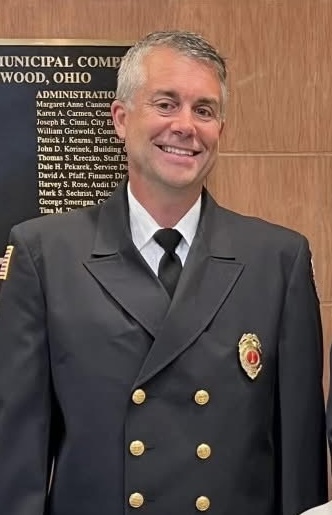
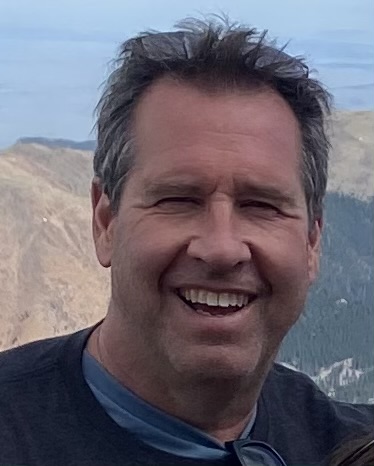
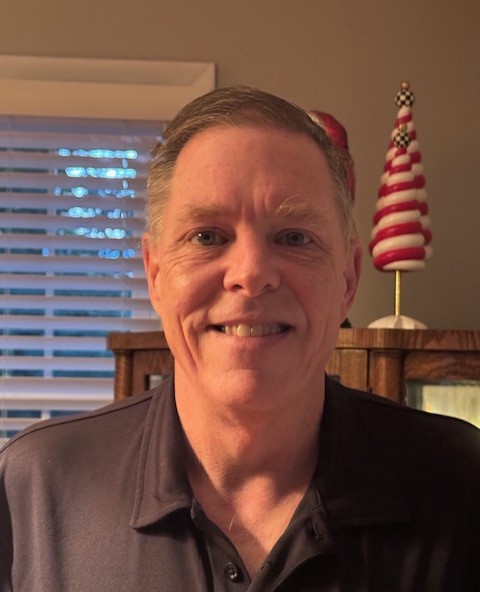
Three candidates are competing for two Bainbridge Township trustee seats in the Nov. 4 election. They are incumbent Michael Bates, Matthew Domonkos and incumbent Jeff Markley. Below are responses to our candidate questionnaire.
Michael Bates
Age: 59
Current Occupation/Employer: Teacher, Kenston Schools
Education:Bachelor of Arts degree (Philosophy, French and German), 1988; Master of Divinity degree, 1991; Master of Education degree, 1997; Doctor of Education degree (Leadership), 2010
Matthew Domonkos
Age: 51
Current Occupation/Employer: Assistant Fire Chief/ City of Beachwood
Education: Bachelor of Science degree, Ohio University
Jeff Markley
Age: 61
Current Occupation/Employer: K. Hovnanian Companies
Education: Bachelor’s degree in botany, Miami University; Master’s degree in landscape architecture, The Ohio State University
- Why are you seeking this position?
Bates: I was once told that the first term for a local official should be filled with a lot of listening. I have followed that advice and have listened to the needs of employees, fellow trustees, leaders from other communities, and most importantly, residents. I believe that I the temperament and judgement to continue to be a leader in the township. I also believe that my lifelong dedication to public service makes me an excellently qualified candidate to continue my role as a trustee. Every decision that I have made over the past four years has been with the residents of Bainbridge as the most important factor my vote.
Domonkos: I am seeking the office of trustee to ensure that our township remains a strong, safe, and thriving community for all residents. My commitment is to maintain essential services, preserve green space, and support responsible growth without raising taxes. I believe in open transparent government where residents’ voices are heard and respected. With a background of service, leadership, and dedication, I will work to protect our quality of life while planning wisely for the future. As a trustee, I will listen, act with integrity, and place the needs of the community above all else.
Markley: The role of a Township Trustee is to be a steward for its residents, guiding the departments that serve those who live and work in our community. My thirty-plus years of experience in township, community, and county roles continues to shape my ability to lead effectively, represent residents fairly, and work collaboratively to represent Bainbridge and ensure our township remains strong, responsive, and forward-looking.
I would be honored to continue to provide the leadership and ensure transparency of discussion and decision-making that makes Bainbridge a great community to live and work.
- If elected to this position, what would be your top priorities?
Bates: Bainbridge Township is a unique community in Geauga County. We have areas of development that are very suburban, with the majority of the township being rural or residential. It is my hope to help to preserve the unique character of Bainbridge. This includes overseeing the development of the Geauga Lake District, making sure that the developers are living up to agreements they have made with the township and ensuring that the residences and businesses in that district compliment the overall character of our community. I also hope to continue my record of balancing fiscal responsibility with meeting the needs of the residents in our township.
Domonkos: If elected trustee, my priorities will be preserving our townships character while planning responsibly for the future. I will protect green space, support local businesses, and guide growth in the right areas to strengthen our tax base without raising taxes. Maintaining strong safety services, roads, and community interaction will remain essential. I will also ensure open, transparent communication so residents are informed and involved. My goal is to keep our township safe, welcoming, and vibrant for families and future generations.
Markley: Our top priority is funding Bainbridge Township services (Police, Fire/EMS, Roads, Zoning, Parks/Properties, and Administrative) with property taxes that are unpopular with residents and facing statewide scrutiny. Township services are funded by property taxes alone with limited other revenue options; townships cannot impose an income tax. The costs for these services continue to increase while the value of an existing levy that supports these services is fixed at the time the levy was passed. My top priority is to ensure that departments operate efficiently and within a diminishing budget.

- What project(s) would you like to see township government accomplish over the next four years?
Bates: In my first term, I worked for several months to bring livestreaming to our trustee meetings. In fact, when the Town Hall was judged to be structurally unsound, we were only weeks to a month away from beginning to offer that option for residents to observe the meetings. In my second term, I would like to complete that project to make Bainbridge government more accessible to the residents. Secondly, the township will be experiencing turnover in leadership in three of our four departments over the next four years. I hope to be able to help to make decisions to provide strong leaders for each of those departments.
Domonkos: Over the next four years, my goals are to keep Bainbridge Township strong, safe, and fiscally responsible. I will support our police and fire departments so they have the tools to protect residents. I will prioritize maintaining and improving roads and infrastructure while preserving green space and quality community services. By carefully managing resources and pursuing opportunities like responsibly development and smart use of incentives, I will work to strengthen our tax base while keeping taxes low, ensuring no added burden for residents.
Markley: There are projects initiated by the township and those that are imposed on the government by private interests. Township-initiated projects are limited due to funding for both capital and long-term maintenance obligations. Improvements to our citizen outreach (tech and social media) would be most impactful to a majority of our residents. Privately initiated projects, and typically land development projects, can affect residents positively or negatively, depending on the actions of township leaders and staff. Active discussion and open-minded review of all options is required for success.
- A significant amount of your time will be allocated to township board responsibilities, such as planning, zoning, budgeting, re-zonings, land use, economic development, labor negotiations and audit review. What prior experience do you have with the above? Do you feel a trustee can “learn on the job?”
Bates:My first four years on the board have shown me that a trustee can “learn on the job”, as I took on that role for the first time. Many of the responsibilities listed above I was able to take on for the first time in my life. My experience with various leadership positions within the Kenston Schools and in individual buildings in the district gives me the ability to continue to learn new skills that can be helpful to the township.
Domonkos: I bring hands on experience as Assistant Fire Chief, managing budgets, reviewing development and rezoning plans, and observing planning and zoning meetings. As former union president, I handled labor negotiations, resolved disputes, and worked closely with staff to ensure fair outcomes. I have overseen department operations, coordinated resources, and participated in strategic planning. While a trustee can learn some responsibilities on the job, my practical experience in governance, budgeting, and personnel matters provides a strong foundation to serve effectively from day one.
Markley: Thirty-some years ago, I was asked to join the Bainbridge Park Board as a landscape architect. Since then, I served on the township’s Cemetery Committee, its Zoning Commission, and as trustee for the last 20 years. I started my career in residential land development, left to create my own company for 25+ years, then re-entered the housing and land development realm. I currently serve as a board member for GMHA and remain active with Ohio Township Association. All of these positions develop experience and require expertise with the above responsibilities. “Learning on the job” is not ideal.
- Some entities have adjusted zoning to increase business and development, while others have worked to protect or preserve undeveloped land. What is your vision for zoning and development in your township? Do you feel changes should be made in zoning laws or policies? If yes, how so?
Bates: I think that Bainbridge has a nice mix of residential, rural and economically developed land. Our Zoning Commission has done a nice job of updating the Bainbridge Zoning Resolution and I believe they will continue to make minor changes in the coming years. That said, I do not think that there is a need for more economic development, except in the areas that are already zoned for that purpose. Residents have made it clear to me that they are satisfied with the current makeup of the township regarding economic development and I plan to support that vision over the next four years.
Domonkos: My vision for Bainbridge Township is responsible growth that strengthens the tax base while preserving the community’s character. Zoning and development should remain in defined districts, avoiding intrusion into residential neighborhoods. Any changes would need careful consideration and not be made generally. Development should maintain infrastructure, green space, and quality of life. I support transparent planning that keeps residents informed and engaged in shaping our townships future.
Markley: Zoning in Bainbridge evolved over 50+ years, responding to land use trends as well as case law resulting from zoning lawsuits. Private property rights has always been front and center in court cases and there is a necessary balance between those rights and the good of the community. Economic development tools and zoning case law provide the basis for proper development and re-development of the township. Bainbridge has always been a pioneer in defending its zoning to maintain a semi-rural character while respecting the ability to privately develop one’s land. A balance of both is essential.

- Some townships have merged Police and/or Fire/EMS services with neighboring communities or the county, while others remain independent. What do you feel is the best approach? Should changes be made in your township?
Bates: I believe that there is always room for conversations with other communities when it comes to cooperation, especially for emergency services. Bainbridge Township has excellent emergency services, along with a top Service Department. Therefore, I think that the township is just fine with our independent first responder services. However, fiscal challenges could make conversations with other communities necessary, and if those challenges arise, I feel that I am capable of researching and helping to make those difficult decisions.
Domonkos: I oppose the regionalization of police and fire services in Bainbridge Township. Our local departments know our neighborhoods, and residents personally, allowing faster, more effective responses. Regionalization could slow response times, reduce accountability, and dilute control over budgets and priorities. Keeping strong, locally controlled services ensures dedicated protection, preserves community trust, and allows township leaders to make decisions tailored to Bainbridge’s uniques needs, maintaining safety and quality of life for all residents.
Markley: Safety department mergers present opportunities but come with significant constraints. Townships are generally 25 square miles, with ideal response times less than 5 minutes. This becomes more difficult, and potentially more costly as boundaries expand. Bainbridge is fortunate to have residents that financially support its own police, fire, and service departments that offer unparalleled service directly to its residents, without relying on mutual aid from other communities or from the county. Opportunities for partnership that surface (like the merging of dispatch did) will be considered.
- There have been movements both on the local and state level for property tax reform and relief. Do you believe property taxes need reform? If so, what would you do, as trustees, to provide property tax relief to residents and/or work with legislators on reform?
Bates: Two years ago, when the current reassessments were completed, Bainbridge Township was one of the first townships in Geauga County to vote to give back a portion of the increase in taxes that the reassessments caused. I believe that the Board should always look for ways to bring tax relief to residents wherever possible. I think that most people agree that property tax reform is necessary; however, because townships rely on levied revenue in order to provide needed services, property taxes (or something to replace them) are necessary in order to run a functioning township.
Domonkos: With varies proposals at the state level, we need to carefully monitor developments on property tax reform. There is a clear need for reform, but until more is known, our focus must remain on fiscal responsibility and maintaining essential township services. As a trustee, I will stay engaged with state legislators and local officials to explore opportunities for meaningful reform that benefits residents while ensuring Bainbridge Township continues to operate efficiently and responsibly.
Markley: As indicated above in #2, this should be a top priority for all Ohio townships for the reasons discussed previously. I have, and continue to be, directly involved with Ohio Township Association leadership and with our state representative on this issue. The solution cannot simply be to eliminate property taxes, or reduce levies, as doing so affects the ability of 1308 townships in Ohio to provide services to its residents. Changes must be made to the Ohio Revised Code, revising levy structure, and enabling townships to fund its services in other ways, consistent with villages and cities.