


While fire departments across the nation have sounded the alarm on recruitment and retention challenges, they have also been brainstorming solutions to stymie the staffing crisis.


In honor of National First Responders Day, Oct. 28, the Geauga County Maple Leaf is running a four-part series on the myriad challenges first responders have and continue to face in an ever-changing world and society — ranging from staffing shortages and high-turnover, to burnout and public perception.
While fire departments across the nation have sounded the alarm on recruitment and retention challenges, they have also been brainstorming solutions to stymie the staffing crisis.
Much like national trends, many Geauga County fire departments have suffered dwindling applicant pools, high turnover and a generational shift that is demanding more work-life balance.
As Chardon Fire Chief Justin Geiss recently noted, fire tests in the early 2000s would have around 200 participants, whereas now, it’s around 20 to 30 participants.
Geauga County also has an aging population, as well as continued residential and commercial growth, which is causing an increase in fire and EMS service demands, Geiss said.
And many fire departments, especially smaller ones, have struggled to offer salaries that compete with larger departments.
Chester Township Fire Chief Andrew Nagy recently lamented his department constantly competes for staff with neighboring departments to the west.
However, those tides are beginning to change, Nagy said, adding he has seen an uptick in new applicants.
“Might be because a new generation is coming up and the trades are becoming more popular,” Nagy said. “There is an interest shift among the younger applicants.”
Geauga County also has the added benefit of the Auburn Career Center in neighboring Concord Township, which currently has a bustling fire and emergency medical technician program.
ACC is busting at the seams with students interested in its fire and EMT programs, said ACC Superintendent Joe Glavan in a recent interview.
“It doesn’t fluctuate with the economy,” he said Sept. 3. “It’s always — you’re always going to need firefighters and paramedics, and we’re getting paid really well now.”
There’s very little competition for fire and EMT roles, echoed Ryan Davis, director of ACC’s EMT program.

Start Recruiting Early
One way ACC is attempting to curb the staffing issues is by recruiting students early on.
“The reason our paramedic program is so successful is because you have … kids in that class that are 19 years old and then you’ll have kids in there that are 34 years old that are doing a second career,” Glavan said.
ACC currently starts recruiting students in ninth and tenth grades, but is hoping to begin targeting eighth-graders, as well, he said.
“Not just having additional programs that are at those junior and senior levels, but also having them at the younger levels — at their (school) districts — and meeting them where they are, so we can expand that reach,” Glavan said.
One of his current goals is to create a curriculum that involves ACC and a higher-education program offered under one roof.
Chardon Fire Department sets up booths at high school career fairs to attract members, Geiss said.
Nagy said he became interested in fire service through a Boy Scouts of America Explorer Post — a program that helps teenagers discover career opportunities.
Both Chardon and Chester fire departments are considering beginning a similar program, Nagy said.
“It got me exposed to the fire department,” he said, adding he would like to start a cadet program, but obtaining the proper insurance can be challenging.
BSA is, however, starting to provide the necessary insurance for younger people who want to get involved, he noted.

Lessen Need for First Responders
Being more proactive instead of reactive is another way fire departments have been combatting growing fire and EMS demands across the county.
The 65-plus population in Geauga County grew 46.4% between 2010 and 2022, according to the U.S. Census Bureau.
Fire departments have begun implementing programs aimed to reduce non-emergency calls, Geiss said.
CFD, for example, offers a Community Risk Re-Education program that provides in-home safety inspections and addresses injury prevention, tripping hazards and other things to help emergency preparedness in the aging population, Geiss said.
“Everybody’s been a great fan of this,” he said. “This is a great way for us to get out in the community a little bit more.”
His department collaborates with Geauga County Job and Family Services and Geauga County Department on Aging to provide these resources, the chief said.
“A lot of people don’t know what programs are out there,” Geiss added.
Hiring Incentives
Because many fire departments in Geauga County, especially the smaller ones, have struggled to compete with larger department salary offerings, they have had to get creative with their incentives.
“The physically-demanding nature of the job, coupled with low entry-level pay in some regions, necessitates strategies to enhance the profession’s appeal,” wrote Bruce Varner, past president of the Institution of Fire Engineers USA branch, in the Fire and Safety Journal Americas.
Mental health is one area local fire chiefs and education programs have homed in on.
Most firefighters work long hours and have overtime requirements, ACC Paramedic Program Coordinator Joe Cooper said.
Sometimes, firefighters work up to 24 to 48 hours at a time, Geiss added.
“It’s really not sustainable,” Cooper said. “Hopefully, with our education here and getting kids out into the workday world, we can mitigate that to a degree. Part of that has to do with the mandatory overtime.”
Oftentimes, firefighters have to miss important events like their children’s birthday party or trip to Cedar Point to meet the demands of the job, he said.
“That’s a newer thing now,” Cooper said.
Parkman Township Fire Department may not be able to pay as high as others, but it does offer an employee assistance program, which provides counseling services to firefighters.
“There’s a ton of support services for spouses of first responders,” said Parkman Fire Chief Mike Komandt.
The program costs the department a very small amount each year. The fee is less than $25 per employee and includes 10 to 12 visits without a co-pay, he said.
Providing mental health resources fosters a culture that “prioritizes well-being,” Varner wrote in the JFSA article.
“The kids worry (about the lifestyle),” Komandt said, referring to younger generations expressing concern about the job’s impact on their physical and mental health.
“There wouldn’t be problems if solutions were easy,” Nagy added, regarding recruitment challenges.
“Improving compensation, healthcare benefits, working conditions — including shift schedules — and recruitment efforts through targeted outreach is vital,” Varner wrote.
Chester’s department has a part-time and full-time firefighter union to help retain staff, Nagy said, adding his department also offers specialized training in fire investigation, dive team and water rescue, in addition to a familial atmosphere.
Bainbridge Township Fire Department offers firefighters a 48-hour work week, great health insurance and pensions, as well as tuition reimbursement, said Bainbridge Fire Chief Lou Ann Metz.
“We’re trying to meet what today’s wants are for our employees,” she said. “It’s expensive to keep them here.”
Luckily, Bainbridge Township Trustees provide a lot of fiscal support for the department, Metz said.
“The trustees care about us,” she said. “They want to keep people.”
Retaining staff requires them to be treated well, Metz said.
“Money isn’t what makes (the) fire service successful,” she said. “It’s how you treat your people.”
Because Middlefield Fire Department contracts out its EMS services, it hasn’t run into a lot of retention issues, said Middlefield Fire Chief Bill Reed.
“They’d rather just fight fires,” he said, adding MFD does not have to do much recruiting either, due to only needing two or three staff 24/7.
Cooper noted that in Ohio, firefighters have a real pension, not a 401K, which is also a noteworthy incentive.
“It’s an actual pension that’s mandated by the state of Ohio,” he said.

Moving From Volunteer to Paid
Newbury Township Fire Department’s recent move from volunteer-staff to paid-staff illustrates a trend across the county and beyond.
“I believe Newbury fire department was one of the last few departments in Geauga County that moved from volunteer to staffed,” Newbury Fire Chief Ken Fagan said. “It was just becoming harder for the few remaining volunteers to handle the increase in calls.”
People have less unpaid time to dedicate outside of their personal life, he added.
“(There are) fewer people able to volunteer the amount of time required to do this,” Fagan said. “Calls have increased significantly over the last decade and are only going to increase in the future. People having to manage their time between family, and (for) some, working more than one job left little time for volunteering at the fire department.”
Other incentives his department offers include multiple benefits for full-time staff, he said.
“Pay is always something that new people are looking at and comparing to other departments,” Fagan said. “We may not be able to offer the highest hourly pay, but we supplement that with our health, vision and dental insurance for full-time staff. We also offer a 401k plan with the department currently matching a percentage of what the employees pay.”
Like other fire chiefs in the county noted, Fagan expects fire calls to increase even more in the next decade, causing departments like his to continue to explore ways to meet those demands while also prioritizing firefighters’ needs and wellbeing.
***Part III, scheduled to run in the Oct. 23 edition of the Geauga Maple Leaf, will explore the ongoing challenges Geauga County law enforcement agencies have been facing and how they compare to national trends. ***




Photo captions (3)
CHESTER FIRE DEPARTMENT
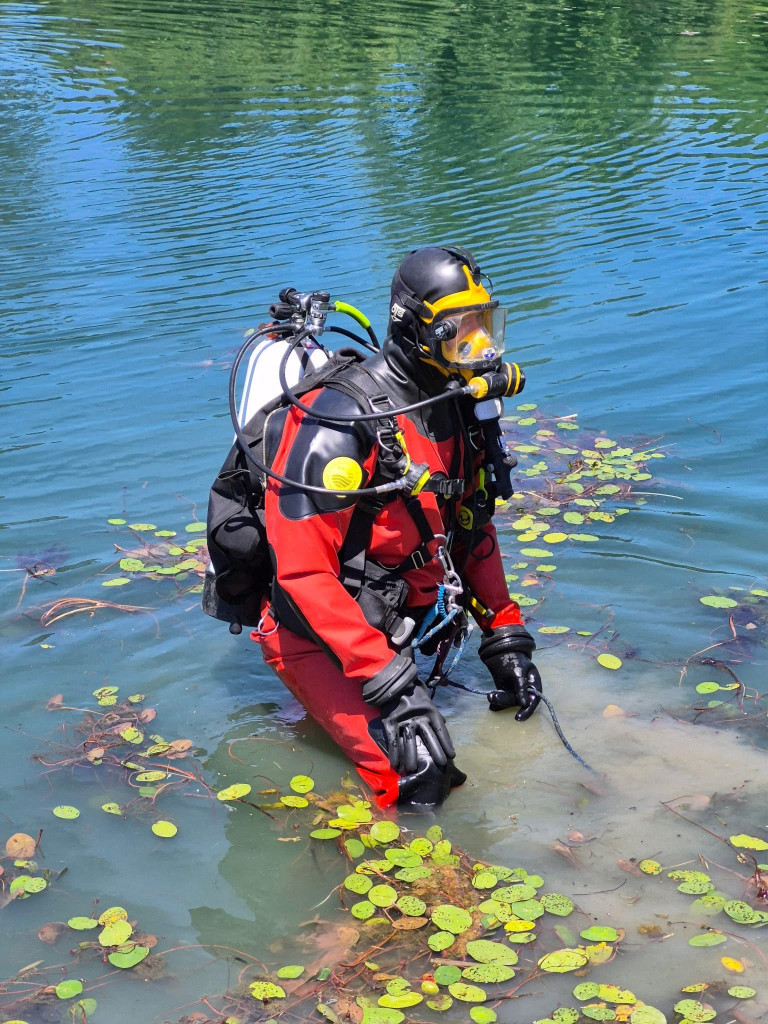
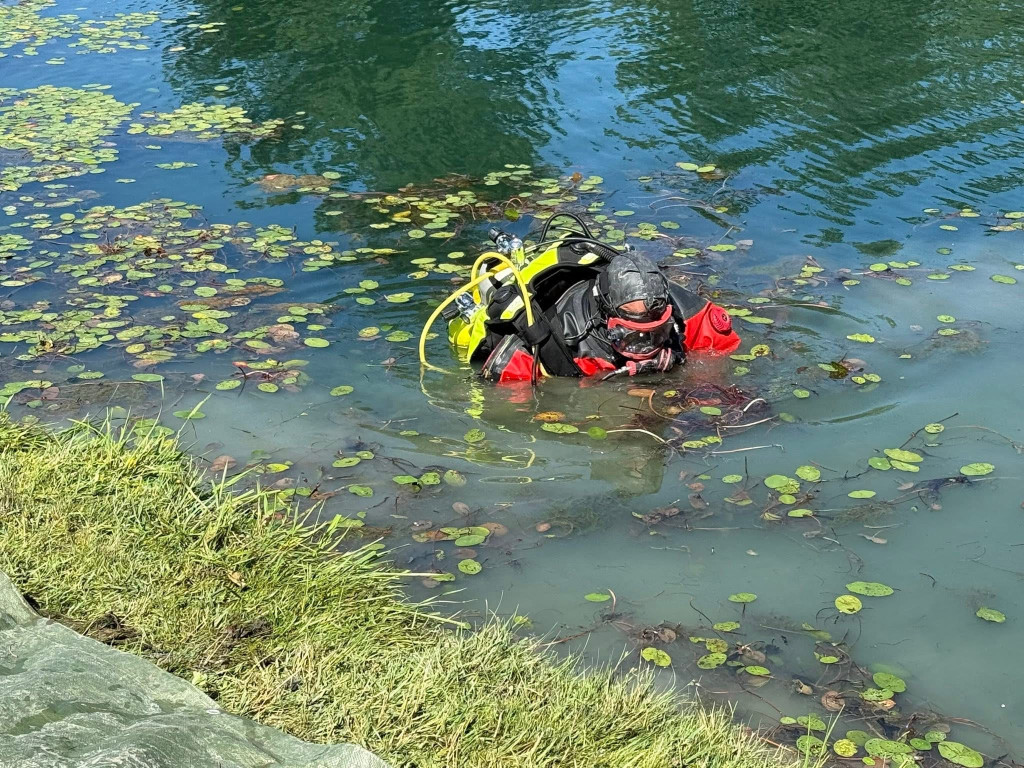
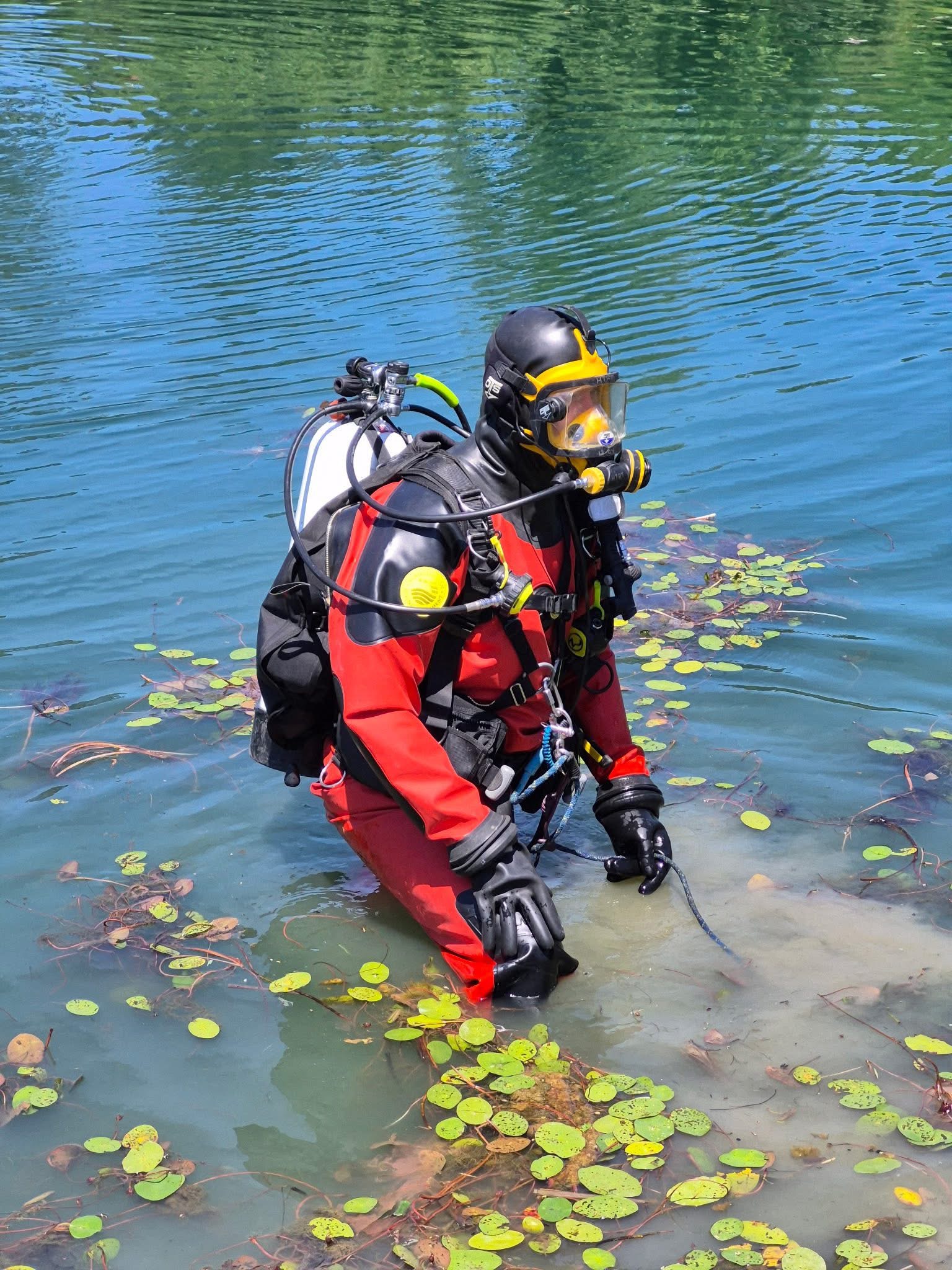
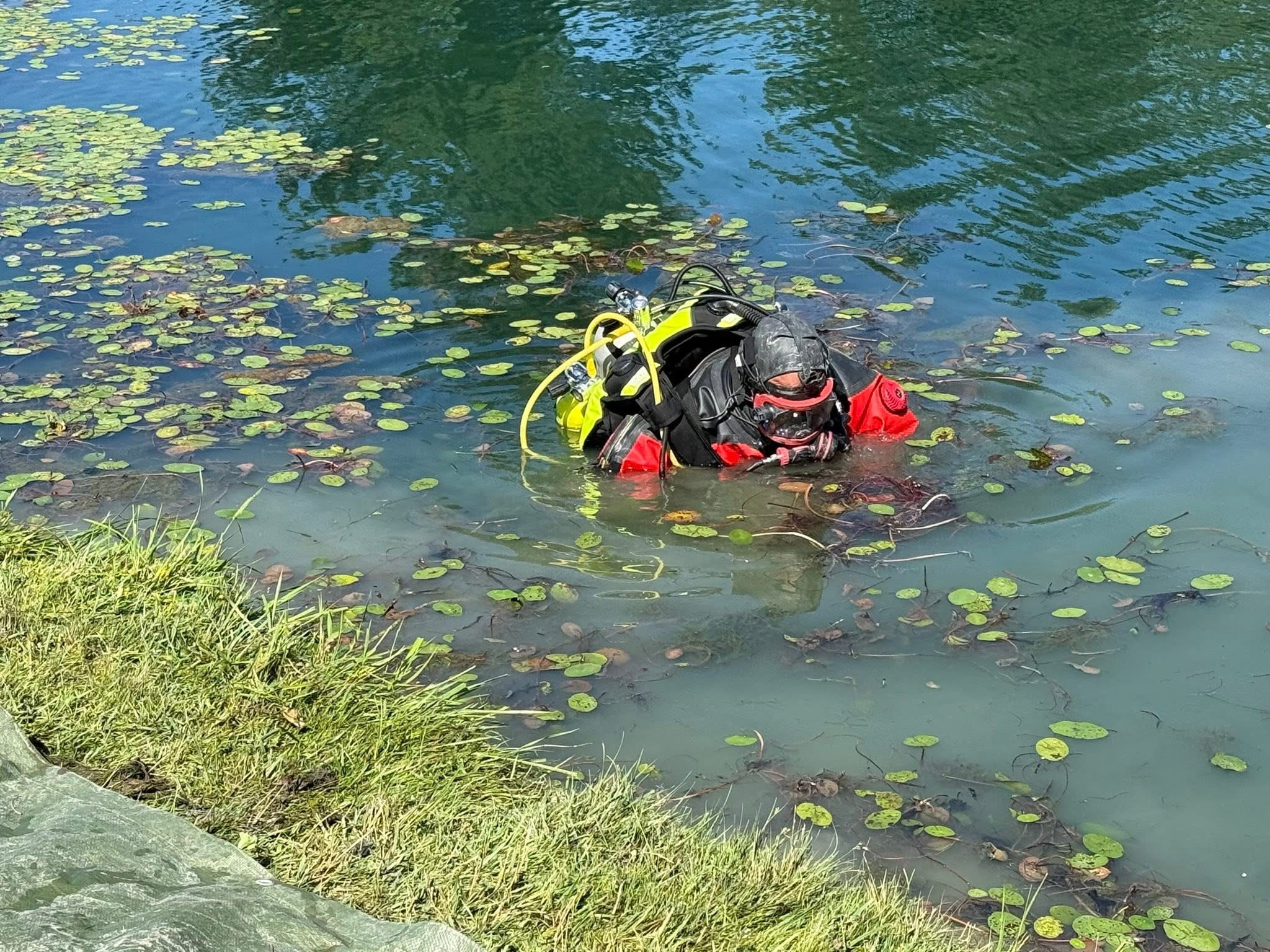
The Geauga Water Rescue Team trains the Chester Fire Department and Chardon Fire Department on water-related emergencies July 23.
CHESTER FIRE DEPARTMENT
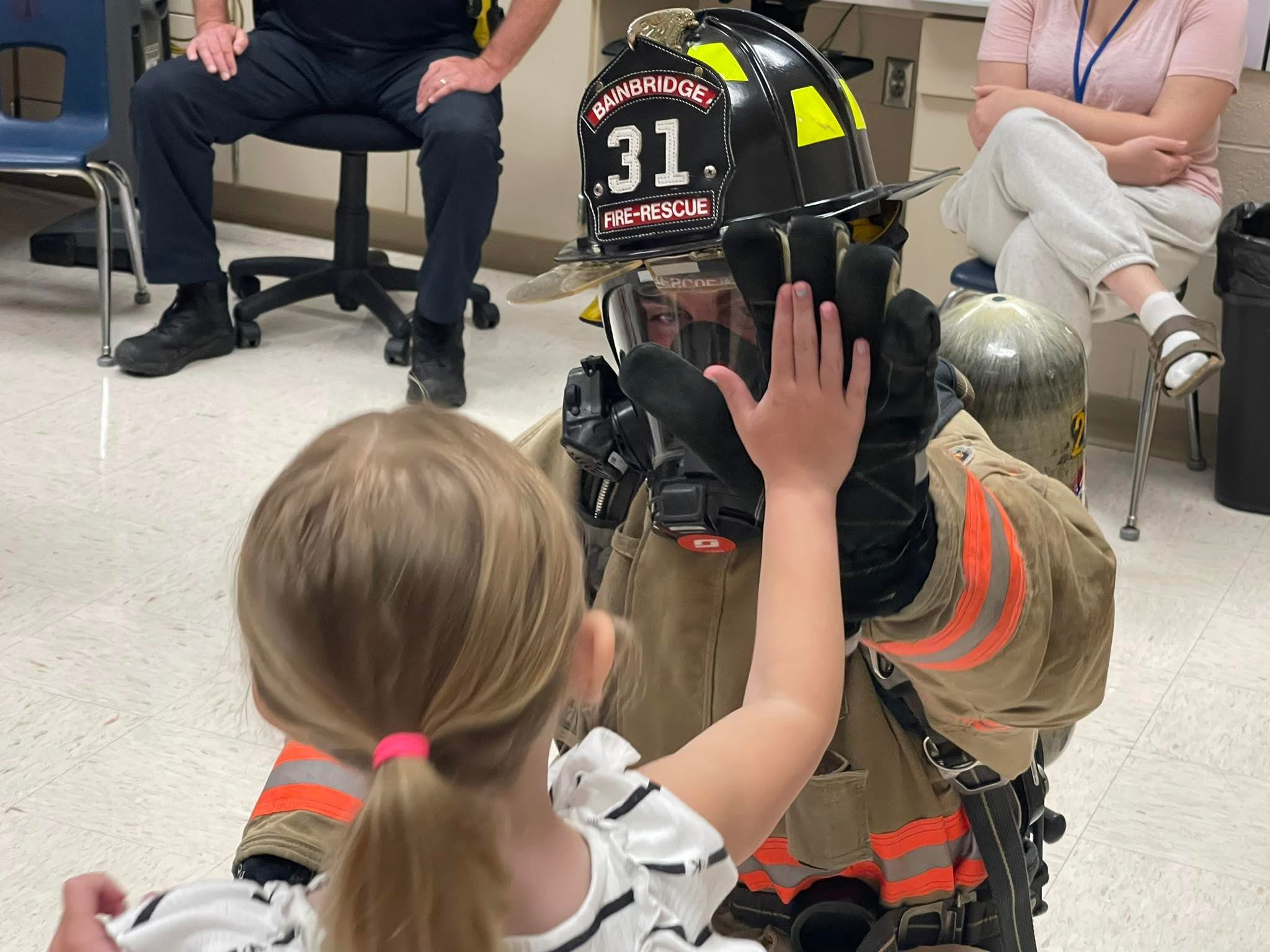
Chester Fire Department hosts their annual safety town July to teach children the basics of safety.
BAINBRIDGE FIRE DEPARTMENT
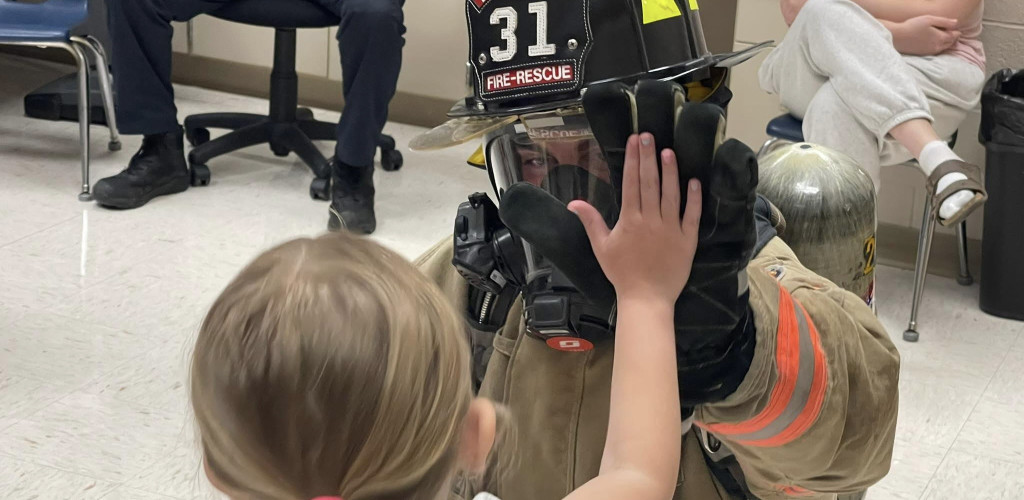
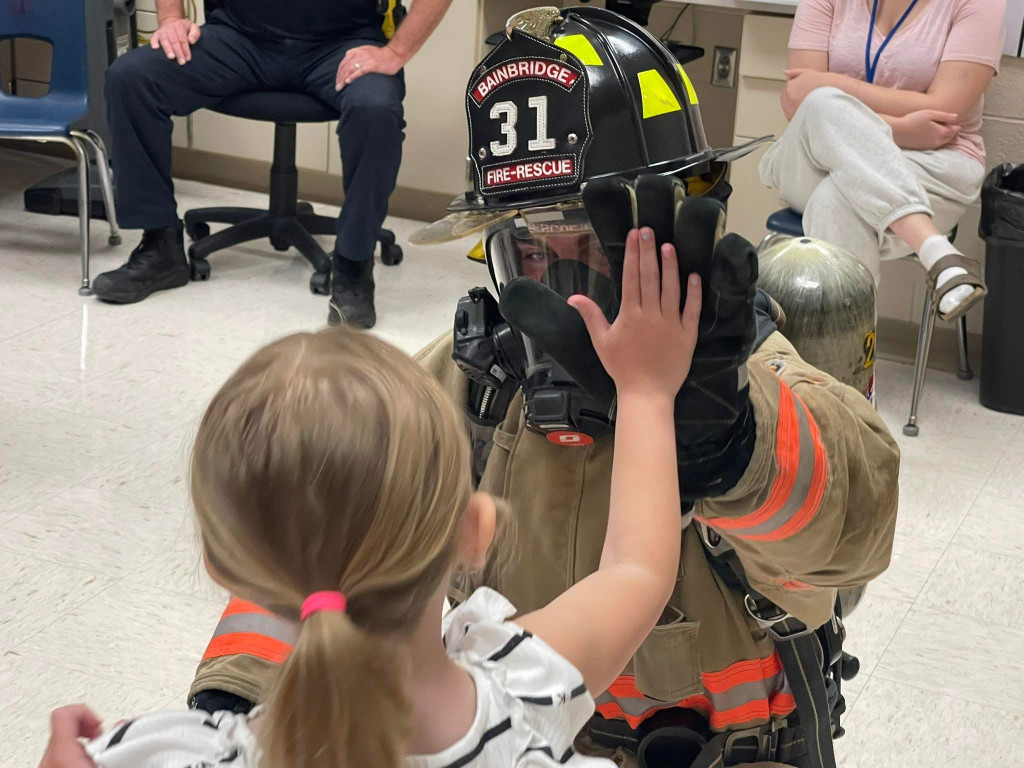
A Bainbridge firefighter teaches a child safety practices at a safety town program July 17.


