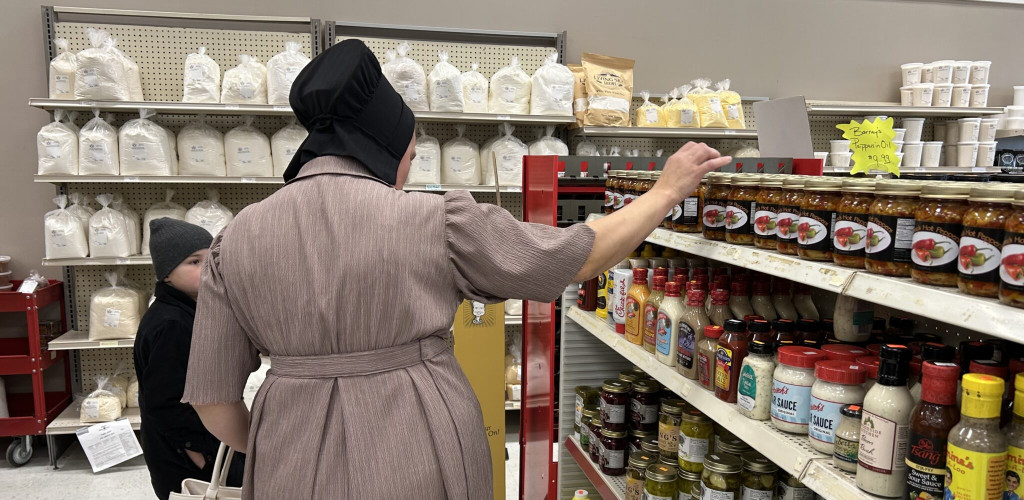
High quality products are drawing customers to Heritage Meats in droves, and John Kempf expects even more traffic as upgrades are made to the store at 15561 West High Street Harrington Square in Middlefield Village.
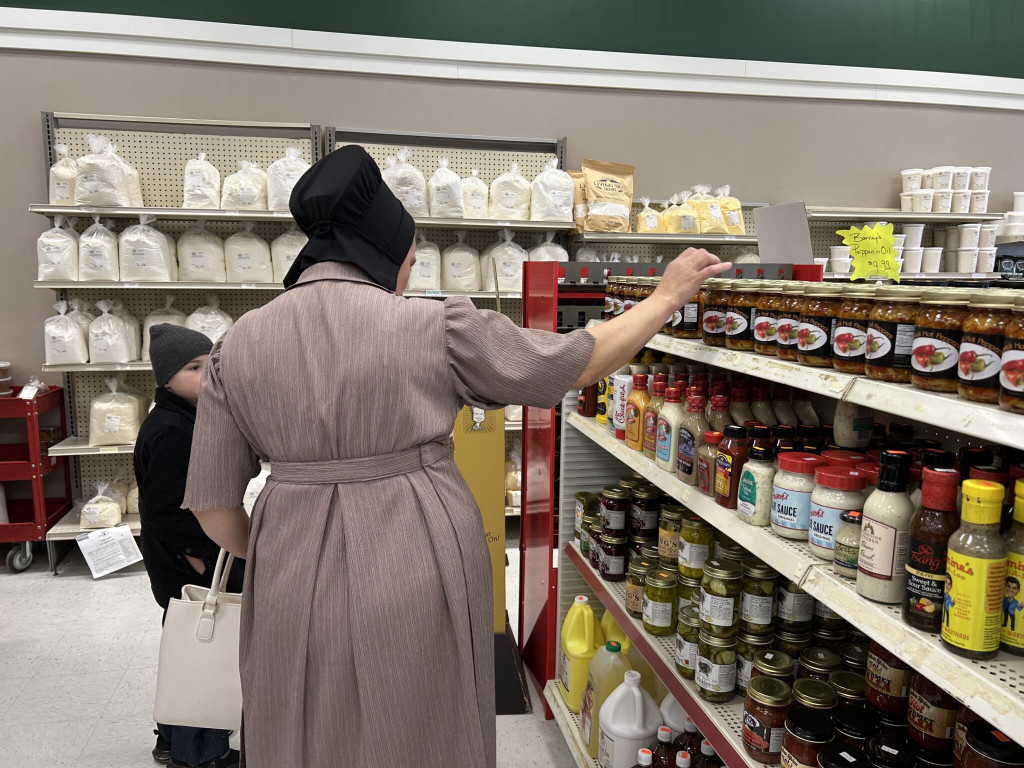
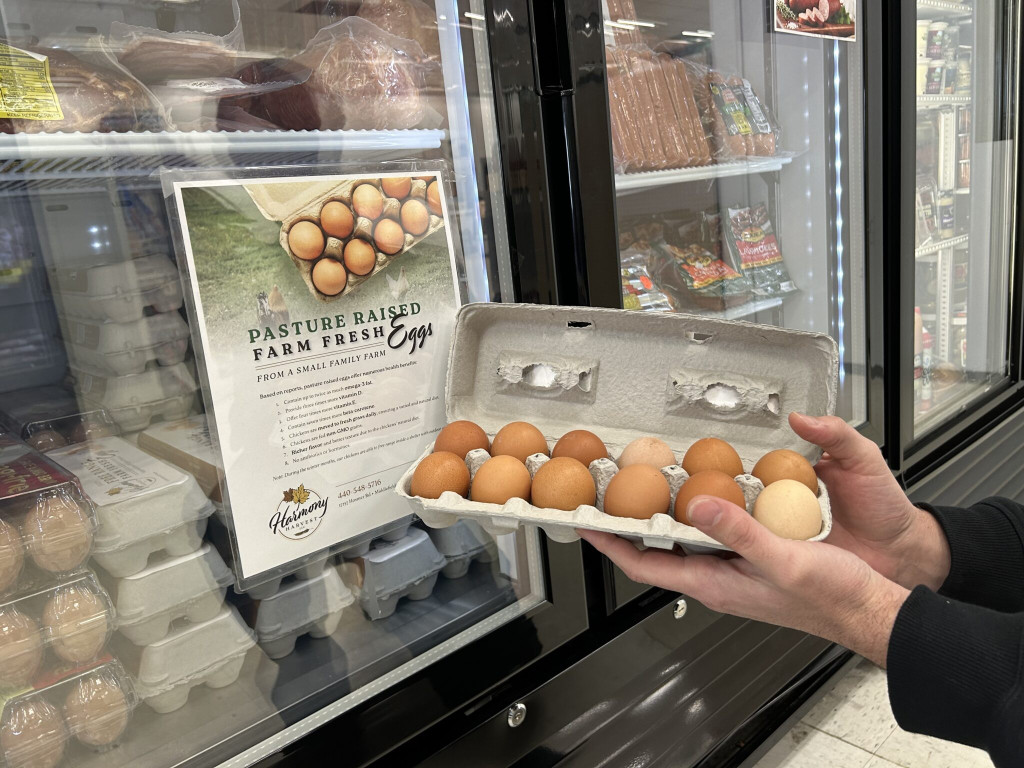
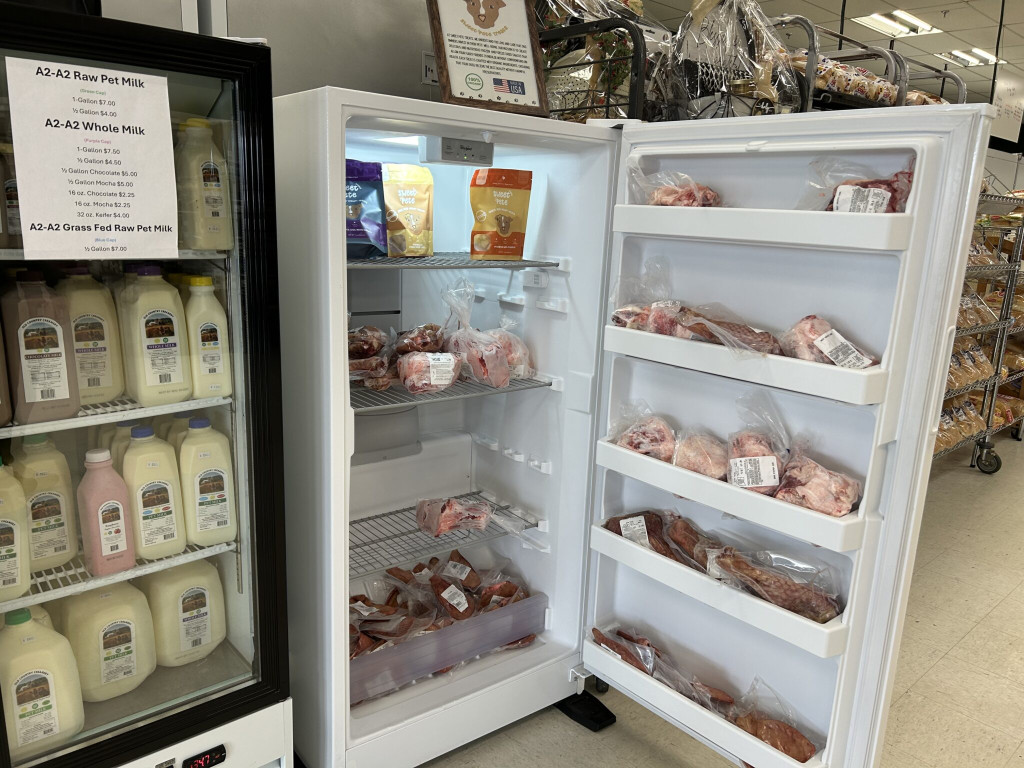
High quality products are drawing customers to Heritage Meats in droves, and John Kempf expects even more traffic as upgrades are made to the store at 15561 West High Street Harrington Square in Middlefield Village.
“Heritage has established a reputation for exceptional beef quality. We want to build on that and expand that quality reputation to other items,” said Kempf, a nationally-respected agriculture consultant known for his expertise in soil, plant and human nutrition and food system health.
He recently partnered with previous owner Mark Miller, combining their commitment to quality food for the benefit of the customers and the community.
“Our vision for Heritage Meats is to become the destination for staple foods that are selected for flavor as the first priority and that have a beneficial impact on health and vitality — meat, eggs, dairy, flour, oil and more,” Kempf said. “We want to provide products that deliver exceptional flavor and quality, and also improve people’s health.”
Healthy Soil, Plants & Food
For 25 years, Kempf and his team have worked with growers across North America to help them produce nutrient-dense crops aimed at improving livestock nutrition and quality, he said.
As a result of experiences on his family’s produce farm, he developed a different system of crop nutrition management that produces crops almost completely resistant to disease and insects, while regenerating soil health.
His system — used on millions of acres of farmland throughout the country — has increased yields and improved food quality. His philosophy of healthy plants, healthy soil, healthy food guides his approach at Heritage Meats.
The end goal is simple.
“I’ve always been passionate about exceptional flavor and aroma to produce great eating experiences,” he said. “Most of us know the difference between a garden grown and store bought strawberry or tomato. We can have a similar impact on the flavor and quality of Heritage Meats products.”
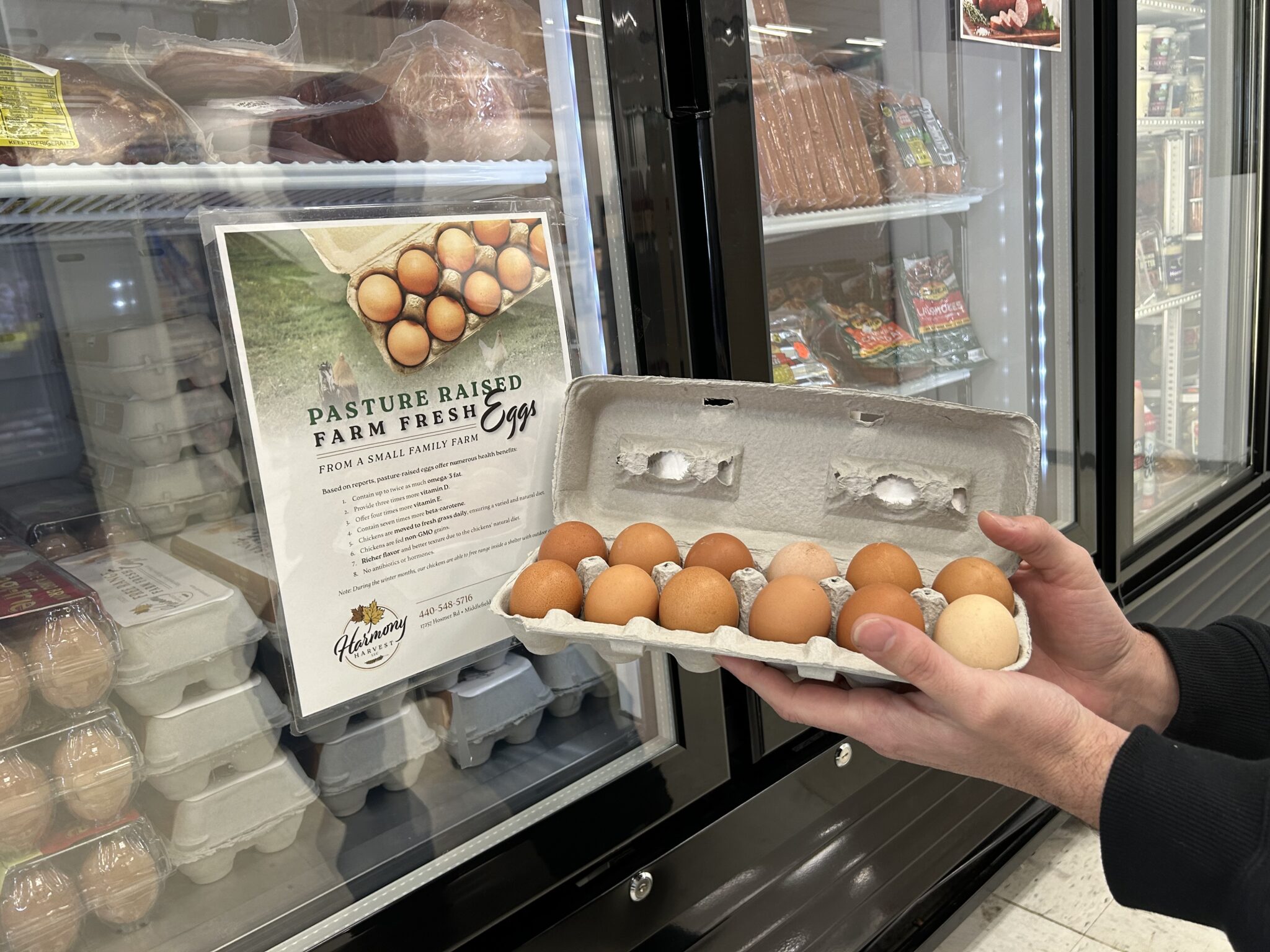
Mark, an Amish local farmer, has been a leader in developing grass-fed beef genetics and pastured livestock production in the region. He is leading the development of the livestock production and meat quality standards Heritage Meats will use to source meat and eggs locally as much as possible.
“We have access to animals of superior quality from outside our region,” Mark said. “We can bring in hogs, lamb, grass-fed beef, dairy products, chicken, turkey and eggs from outside our community. However, we prefer to source from the community if our quality and flavor standards can be met. But, we will source outside the community before we compromise on flavor and quality.”
Building on Reputation
Kempf was familiar with Heritage Meats’ reputation for high-quality beef, pork and chicken before he and Mark bought the business.
Since then, Kempf and Mark have developed plans to increase the selection of products at the store while maintaining customers’ expectations for top-tier beef.
“At Heritage Meats, we are improving and expanding our product offerings in several ways,” Kempf said.
His consulting relationships with farmers around the country have created a pathway for the highest-quality products to flow in from a variety of proven sources.
“Many of the farm products I have access to are being grown regeneratively, so they optimize nutrition with an emphasis on eating quality,” he said. “I have access to foods of such exceptional quality that you generally cannot find them on retail shelves. The best quality foods often go into holiday gift boxes or to export markets where they are willing to pay for exceptional quality.”
Heritage Meats is maintaining how they have traditionally sourced beef, where Willy Miller — not related to the co-owner — evaluates cattle and buys animals at Bloomfield Livestock Auction that meet their high standards, Kempf said.
Mark’s sons, Kevin and Joey Miller, work on the store’s cutting floor to ensure quality carries all the way through processing to the customer.
Kempf is sensitive to customers’ high expectations.
“Our community cares that the quality of beef remains the same,” he said, adding, with a wink, “But, we expect it to get even better.”
Looking ahead, Kempf said they want to help local farmers further improve the quality of products Heritage Meats buys.
“Over time — you don’t pivot a supply chain on a dime — we want to work with farmers to improve the quality of the grains they are feeding,” he said. “We want to get to a point where we can be relied on to have affordable quality meats that are known to be produced without antibiotics, hormone implants or GMO grains.”
Meanwhile, reliable sources across the continent will continue filling Heritage Meats’ coolers, freezers and displays.
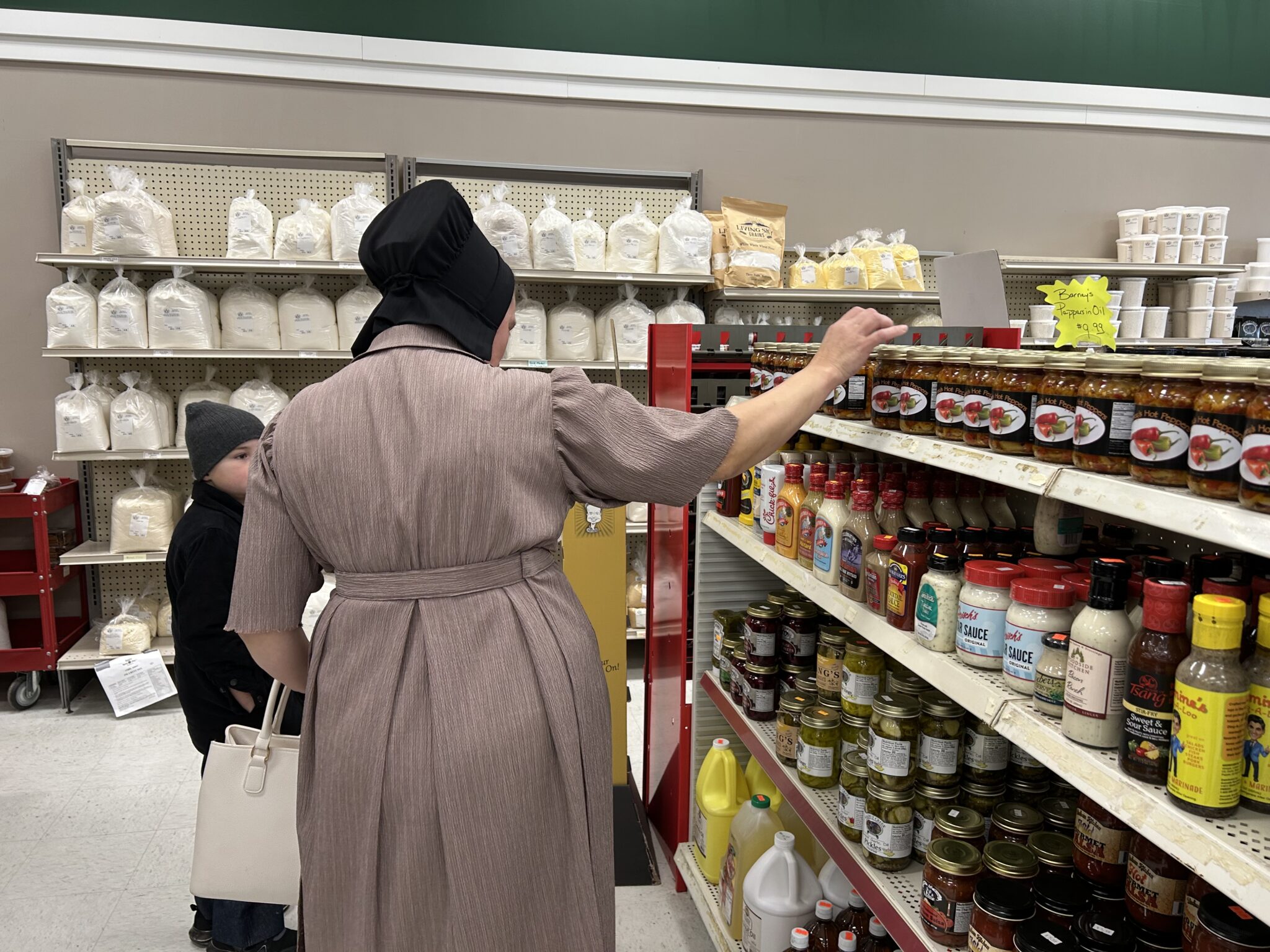
Heritage Meats will source products such as wheat flour, pecans, almonds, pistachios and safflower oil directly from farms around the country. Kempf emphasized the partners prioritize the eating experience first — ensuring every product has outstanding flavor — followed by exceptional nutritional value.
How Production Affects Allergies
Many perceived food allergies are actually multi-dimensional sensitivities related to production methods, Kempf said.
For example, dairy sensitivities may stem not just from lactose, but also from homogenization, A1 proteins, pasteurization or toxins from genetically-modified feed.
“One individual might be sensitive to one of those factors and someone else is sensitive to a different factor,” Kempf explained. “At Heritage, we want to solve for all of them at once by bringing in products that are completely clean and can be consumed by anyone. In the case of dairy, that can mean sourcing from 100% grass-fed, A2/A2 protein, non-GMO, non-homogenized, and available both pasteurized and unpasteurized, depending on people’s needs.”
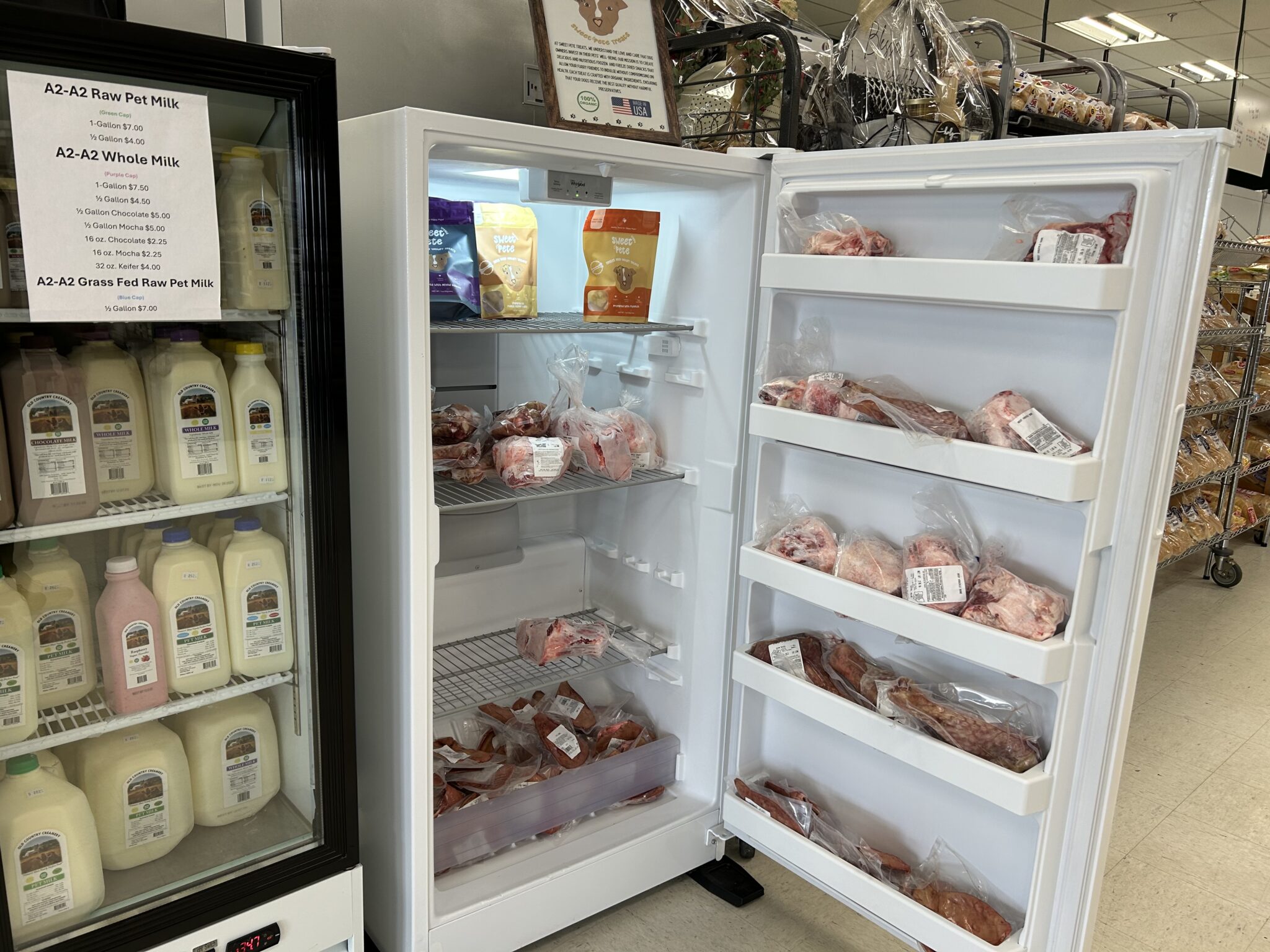
Dairy products sourced from outside the community are chosen for flavor, quality and nutritional value, complementing local offerings such as Old Country Creamery’s unpasteurized milk and ensuring options for families with diverse needs.
Restructuring Bricks & Mortar
The further development of Heritage Meats will not be limited to its products.
Kempf and Mark intend to expand the freezer and cooler shelf space, to accommodate an expanded product lineup, as well as operating a smoker and offering their own smoked and prepared meats, such as hams, bacon, sausage, smokies, jerky and more.
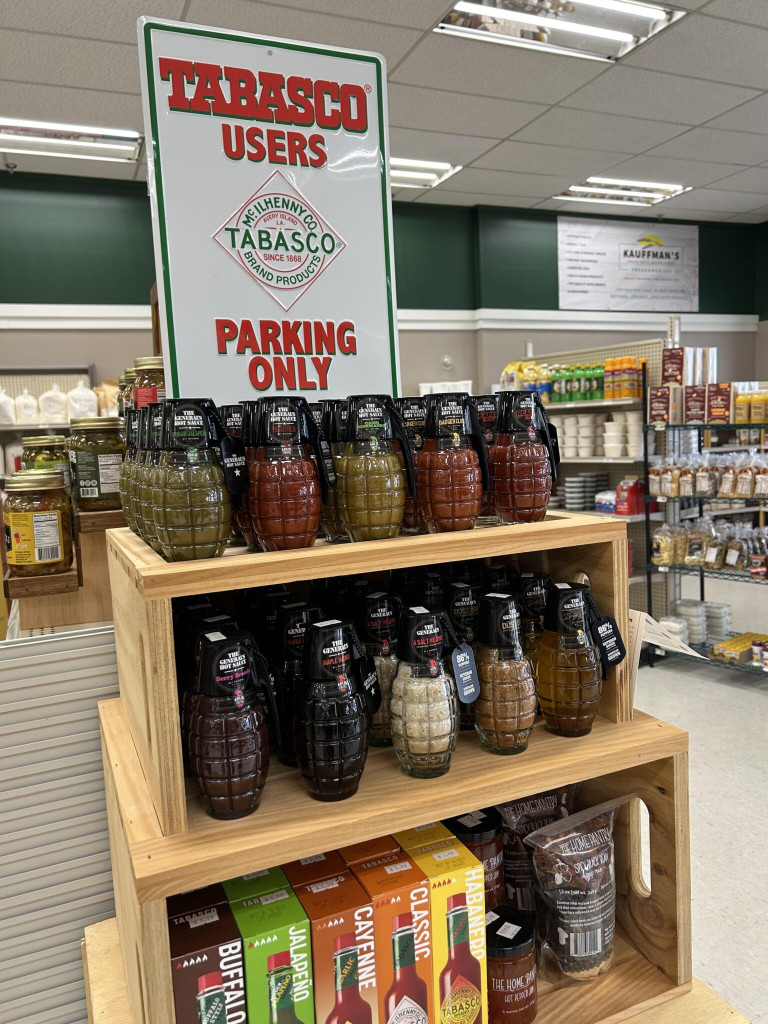
While beef, pork, chicken and deli meats and cheeses will remain the core products, they expect a broader selection of prepared meats, new quality cheeses, charcuterie boards, holiday gift boxes and other exceptional farm products to be very attractive to customers as the business develops.
In addition to the storefront, Heritage Meats has also expanded its delivery service, with a full-time dedicated driver delivering orders throughout the community. They charge a small delivery fee for small orders, but any order above $200 is delivered free within 20 miles of Middlefield. Orders are delivered on the same day when the order is placed before 10 a.m.
“We want to source locally as much as possible. There are many growers in our region who can produce to our quality standards if they want to,” Kempf said. “Our job is to make quality food accessible, consistent and trustworthy. We want Heritage Meats to be the place people know they can count on for the foods that truly nourish their families.”
South East Geauga Quarterly contributed to this article.