


Adams, Board Members Reject Call for Resignations
One day after Geauga County Commissioner Ralph Spidalieri demanded the resignations of members of the Geauga County Board of Mental Health and Recovery Services and CEO Jim Adams, Adams and board members agreed to scale back controversial salary increases until more money becomes available.
One day after Geauga County Commissioner Ralph Spidalieri demanded the resignations of members of the Geauga County Board of Mental Health and Recovery Services and CEO Jim Adams, Adams and board members agreed to scale back controversial salary increases until more money becomes available.
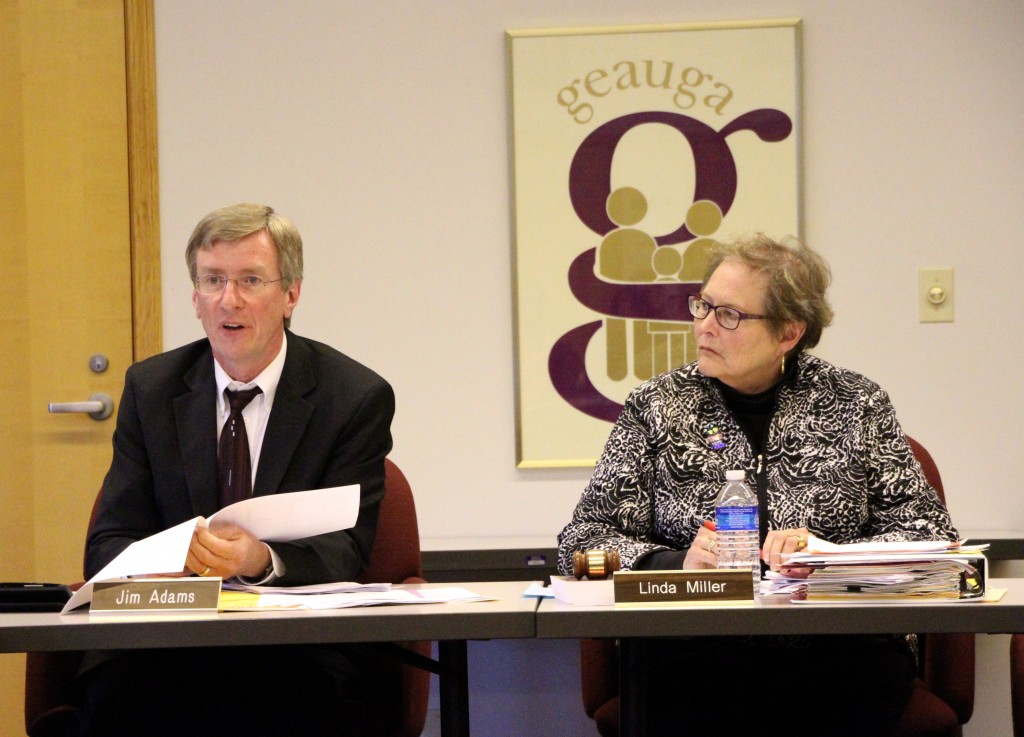
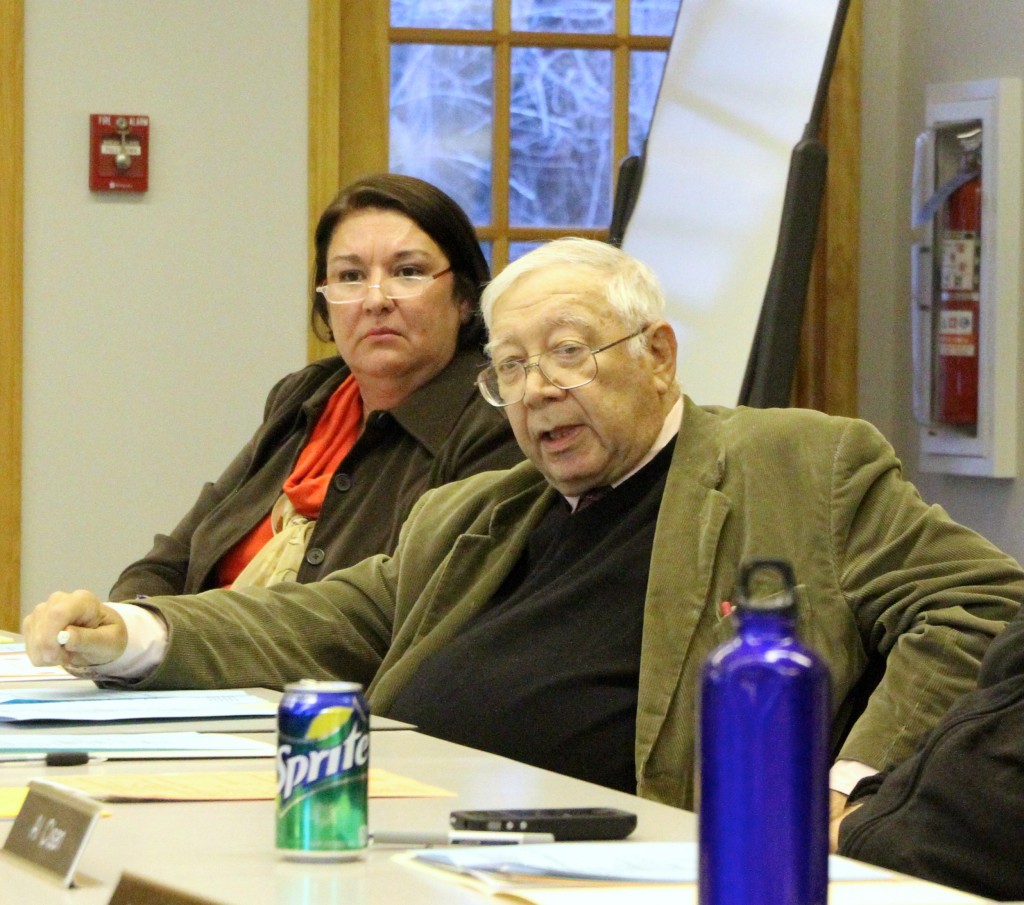
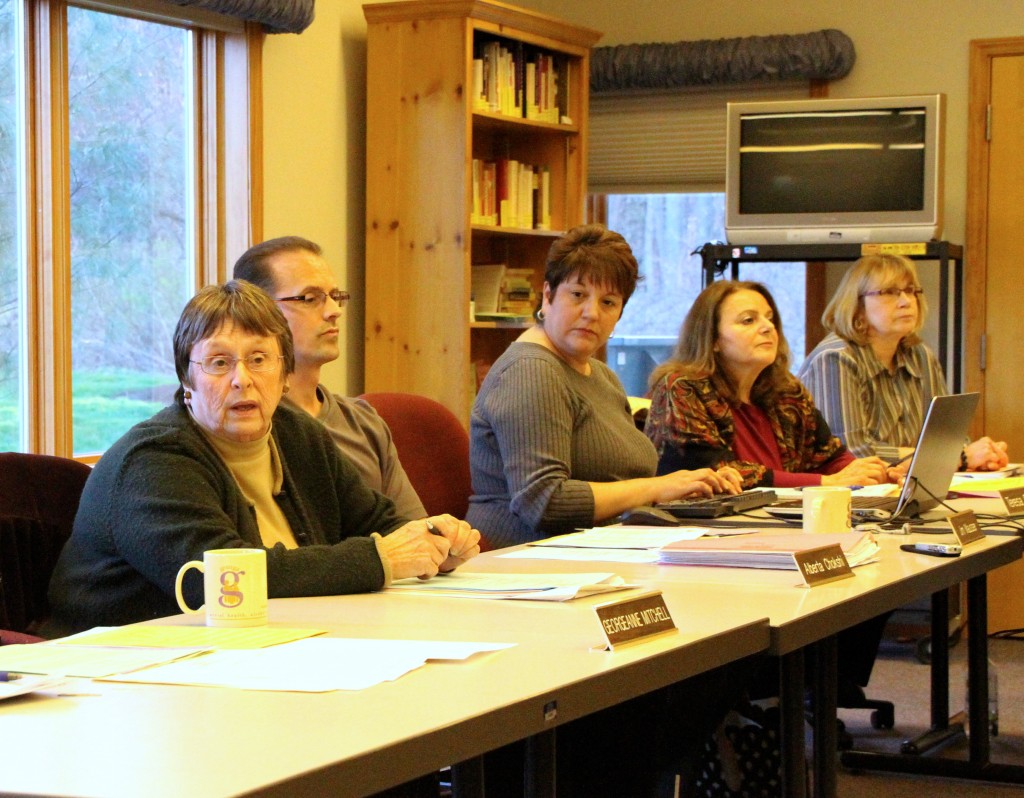
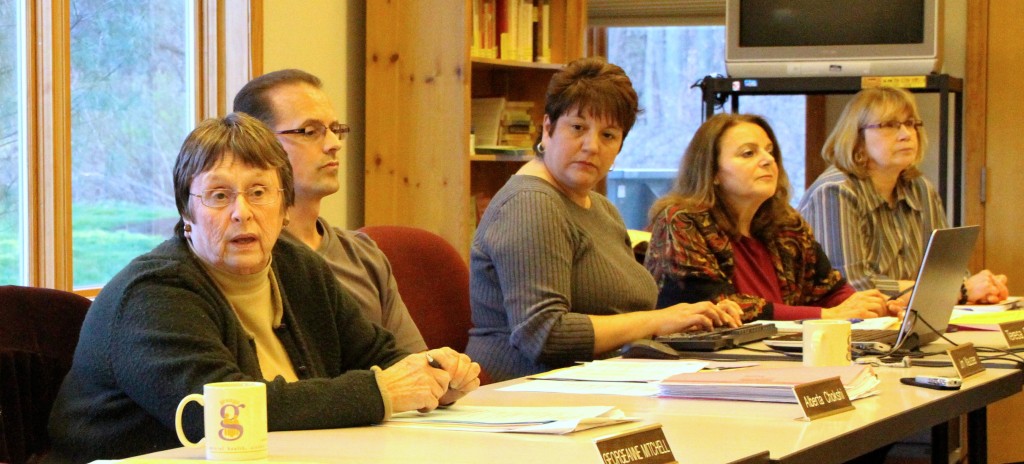
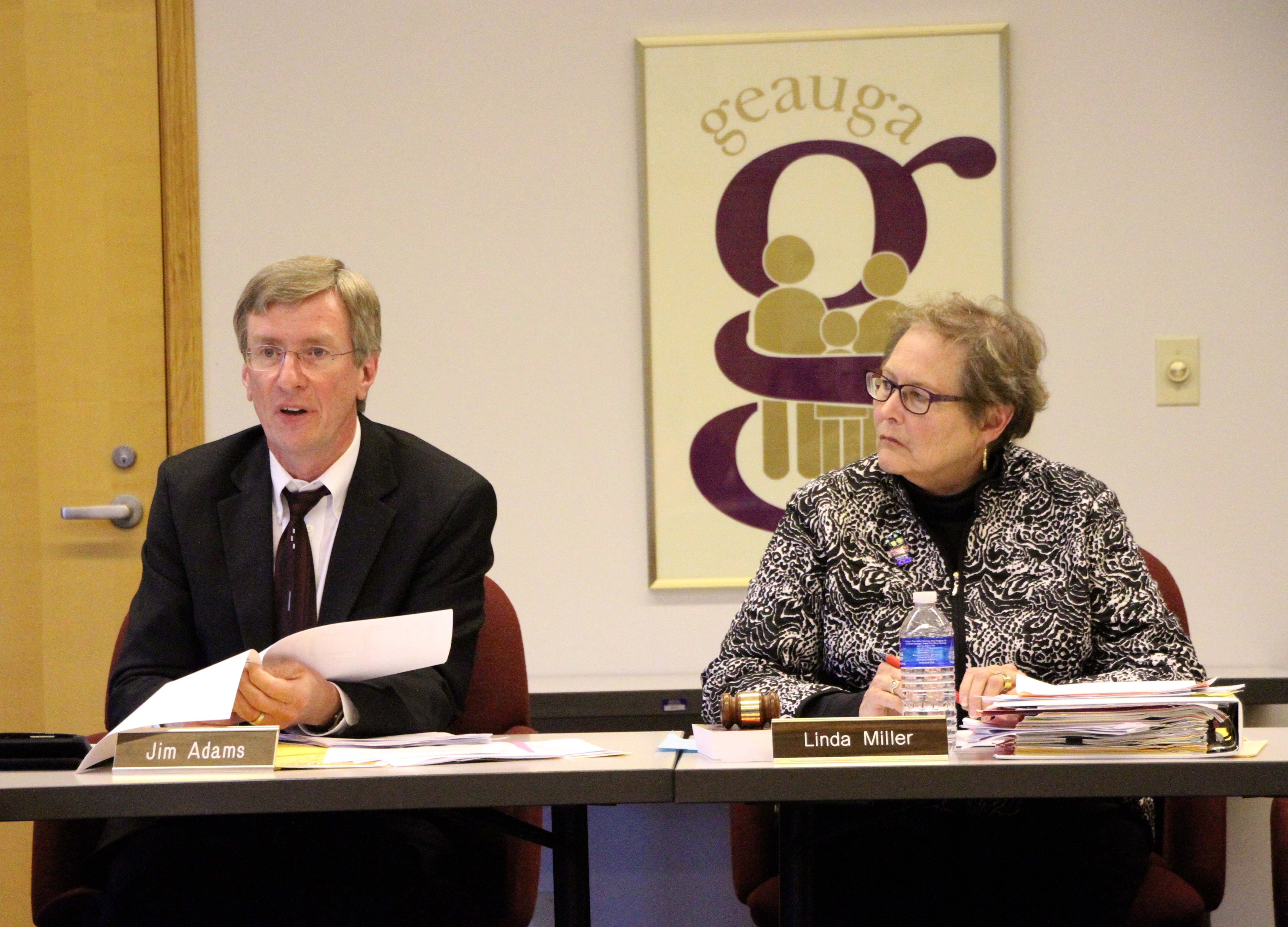
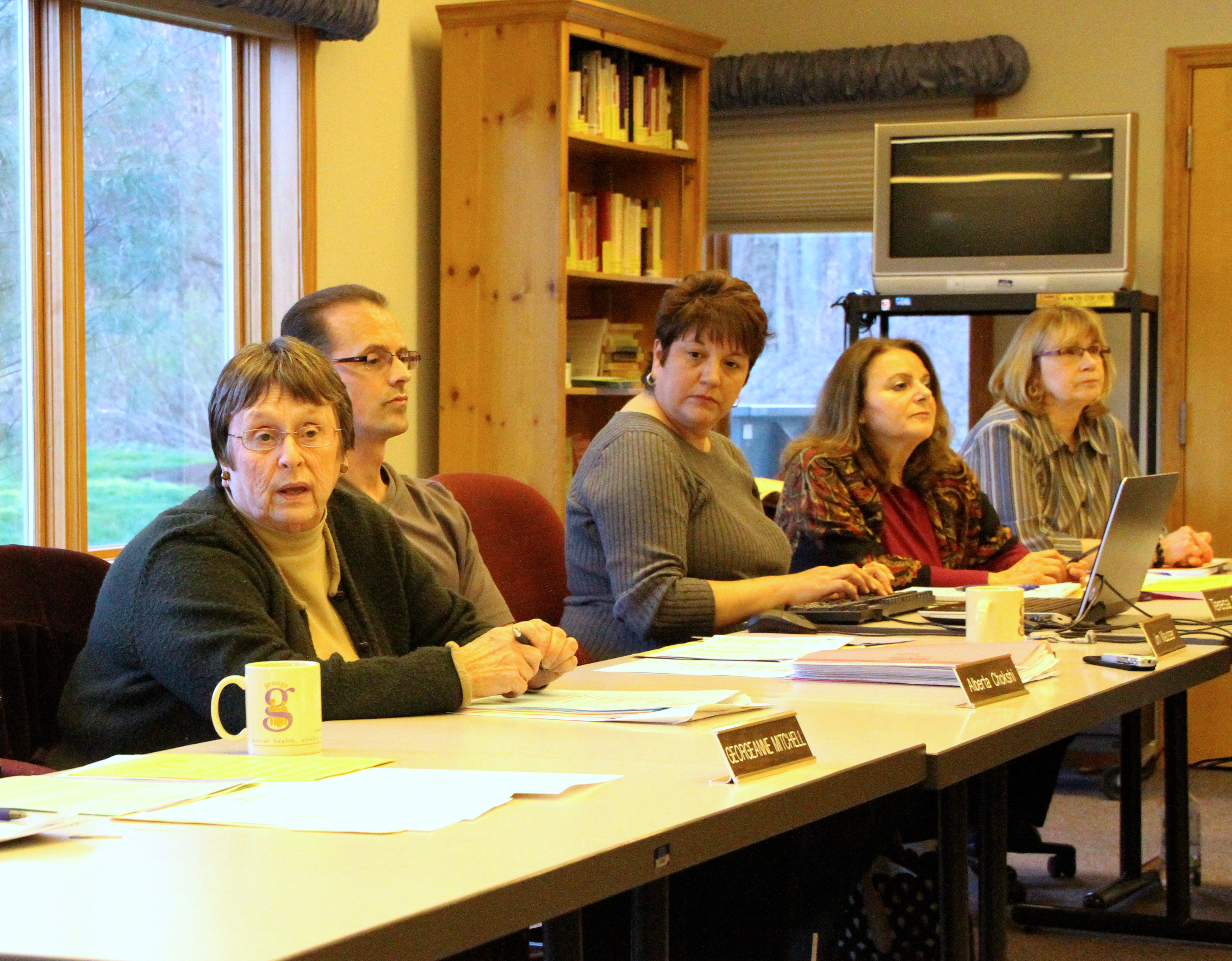
Supporters and opponents of the embattled mental health professionals descended on the board’s Ravenna Road offices Wednesday night to learn how Adams and board members would respond to Spidalieri’s demand.
During Tuesday morning’s commissioners meeting, Spidalieri asked for Adams and board members to resign over “absolutely ludicrous, absolutely irresponsible and ridiculous” pay raises doled out in 2013.
For Adams, in March 2013, the board approved a new three-year contract that increased his salary from $111,741 in January 2013 to more than $153,000 in December. Thereafter, Adams gave board staff two pay increases ranging from 20 percent to 25 percent.
The salary increases came to light after Adams submitted to the commissioners in late March 2014 a supplemental appropriations request seeking an additional $99,805 in funding “for new position, rate changes, sick leave/vacation buy back.”
CEO’s Report
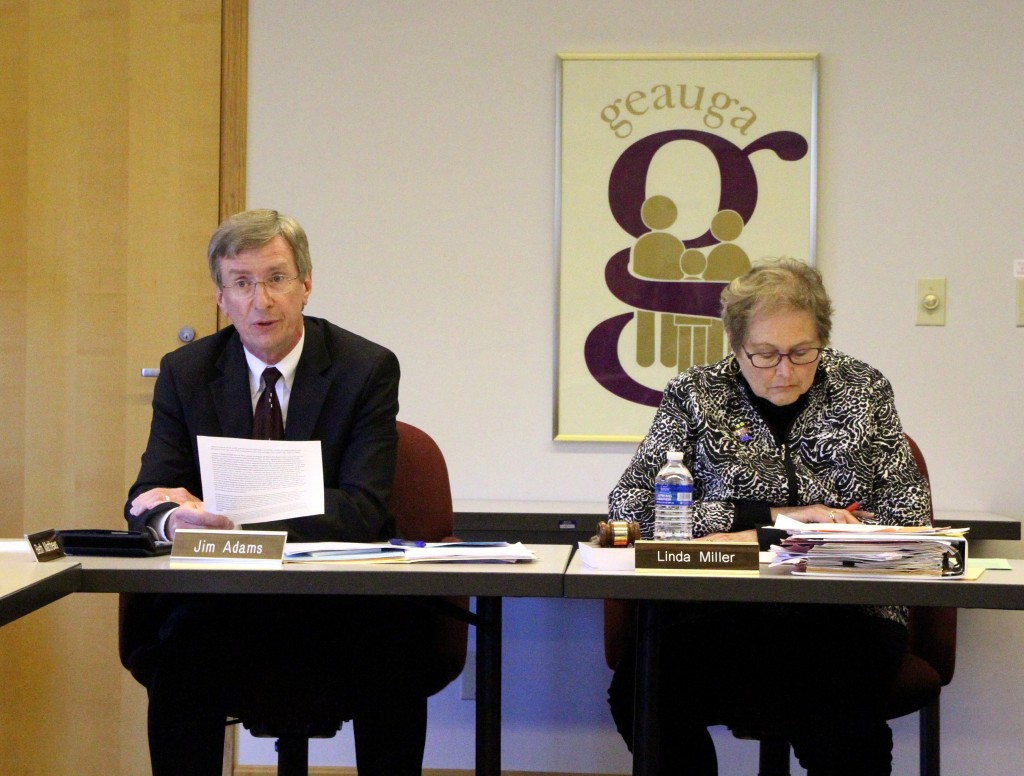
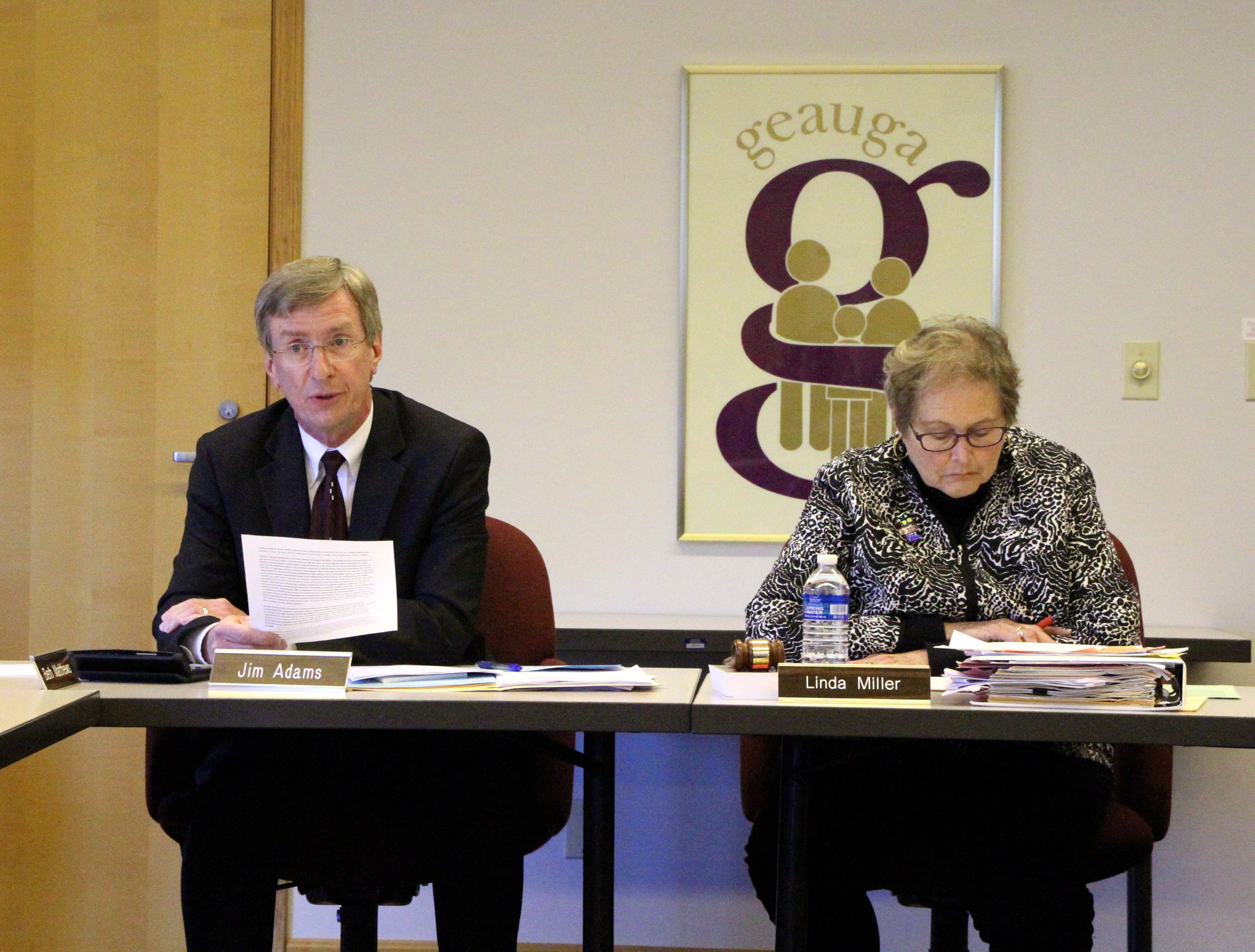
Following perfunctory business, Adams read a prepared statement in response to the issues and concerns the county commissioners raised during their Tuesday morning meeting.
“I had responded positively to a request from the county commissioners to meet, but was not given that opportunity before these issues were brought up Tuesday,” he said, adding he wanted to clarify misinformation that has been published and reported.
First, the mental health board did not cut programs or services in Geauga County after voters passed a renewal levy and rejected a new levy in November 2012.
“In fact, we’ve increased many programs, including an increase to the number of the beds in both the crisis center and the transitional living center, and the opening of the new supportive living facility,” Adams said.
Services also have been increased to children, he added.
“In total, the board has awarded an additional $1,905,242 in new funding just since November 2012, all the while maintaining ongoing programs and services, none of which were cut,” Adams said, explaining those hikes largely were due to increases in grant funding the board and staff successfully brought to Geauga County.
Second, Adams said staff pay raises were based on salary surveys of other boards, other behavioral health care agencies and the county-approved salary schedule for the Geauga County Department of Job and Family Services.
The results, he said, showed the mental health board staff were making “significantly less than individuals doing comparable work.”
“After two years of no pay increases in state fiscal year 2010 and 2011, the staff got 3 percent raises in state fiscal year 2012 and 6 percent in 2013,” Adams said. “In state fiscal year 2014, those raises went to approximately 15 percent with understanding of the staff and the board, that those would be set for an additional two-year period of time.”
Over that seven-year time frame, the average pay raise within the staff is 2.86 percent, he added.
Finally, Adams addressed his salary, explaining that in August 2012, he and the board entered into a three-year contract.
“In that agreement, I requested of the board a 1 percent increase in year one, a 3 percent increase in year two and a 3 percent increase in year three. That was after my previous contract of three years where I requested no raises at all,” he explained. “That was the extent of my request.”
The board agreed to the new contract and it was signed.
Later in 2012, the board received additional information on a statewide salary survey and Adams said he was asked to provide more information on staff and community salaries as well.
“After months of review, I believe the board felt the data showed that I was not compensated to the level of other board directors with the same experience around the state and passed a resolution which would increase my salary based, I believe, on 26 consecutive years of excellent director evaluations and the ability we share in bringing new dollars to this community.”
Adams called the board resolution to award consecutive merit raises of 15 percent “humbling,” but tragic at the same time.
“I know it was not your intent as a board to do anything that would harm the critical care we have created, which you have supported with your time and talents for so many years,” he told board members.
Adams said he shared the same concern and, while he believed the increases implemented were well documented and warranted, he said he understood the county’s concern with remaining within salary line item constraints.
As such, Adams asked the board to:
• Revise its resolution and lower his salary back to his previous contract levels;
• Reduce the previous staff raises to the July 30, 2013, levels; and
• Reduce or eliminate the vacation/sick leave buy-back provisions of the board policy, which fluctuate from year to year.
“I believe these changes in addressing the challenges together will continue to create a quality of care in Geauga County that is next to none,” Adams said, adding the board soon will be receiving its three-year Culture of Quality cerfication from the Ohio Association of County Behavioral Health Authorities.
“We are only the third board in the state to receive this designation for the highest level of care three times,” he said.
Public Comment
Chester Township resident Skip Claypool told Adams he was uncomfortable with his response.
“And I’m very curious about the response from the board, because I’m not seeing any regret from the board in the raises that were given,” he added.
Claypool said a comparison of salaries is just one part of the pay-adjustment process.
“You also have to compare the standards that exist within the community that you live,” he said. “To see the kinds of increases that I’ve seen on this document demonstrates a complete disconnection from the community we live in and the perceptions that are created when you give these huge increase in a time when levies are failing and people are feeling themselves impacted by the financial condition of the country.”
Claypool asked board members how they could “possibly justify” and “feel good about” a salary hike of more than 45 percent and said he supported a call for their resignations.
“This is totally inappropriate in the time that we live, with how people are struggling today in our communities to exist and you want to give yourselves a significant pay increase,” he said. “That’s the kind of nonsense that we’ve seen in California and some of the public sector increases … that people have just rejected wholly.”
Chairwoman Linda Miller thanked Claypool for sharing his comments and question.
“I’m expecting a response, not just a thank you for sharing,” he retorted. “I mean that was a question. I’m expecting a response. I’d like to see resignations on the desks next week as a result of the findings here.”
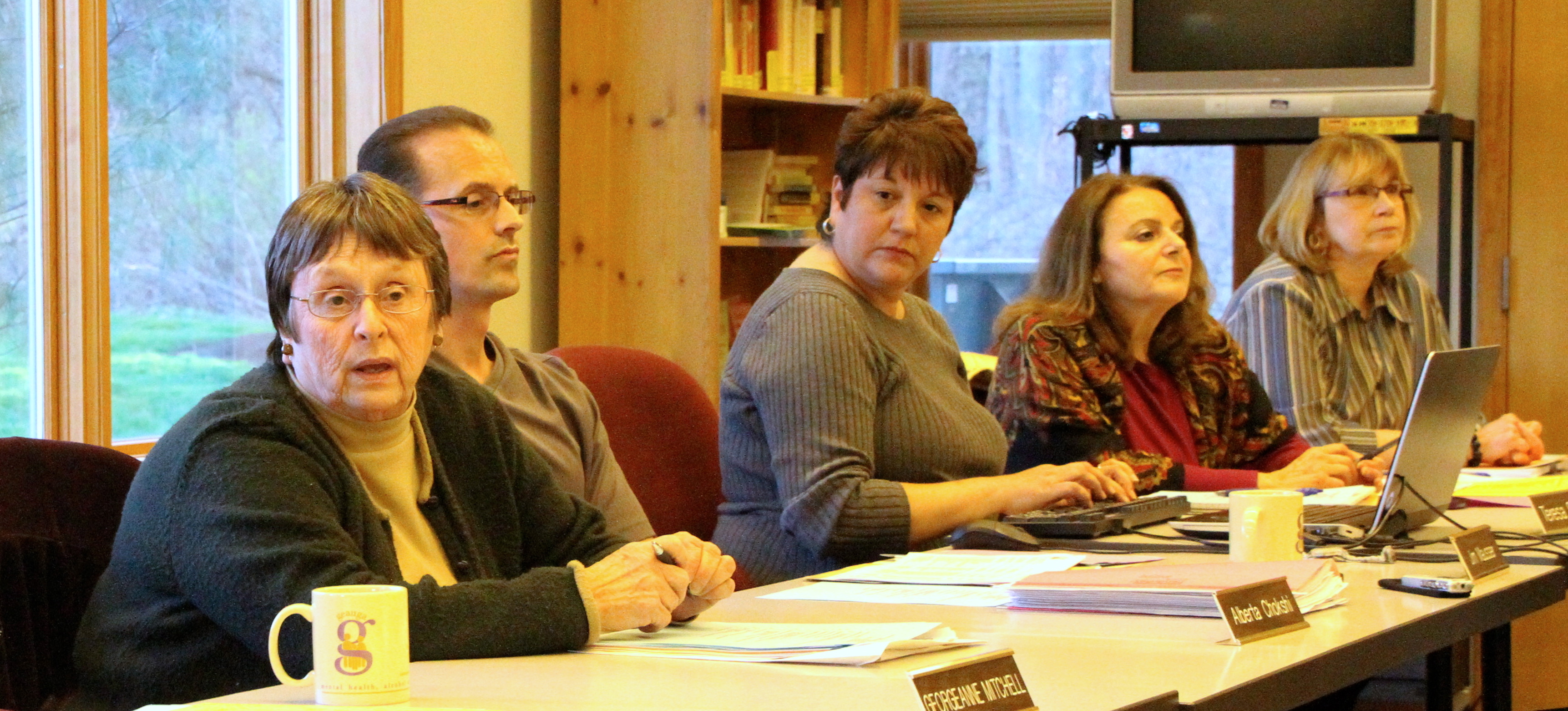
Board member Alberta Chokshi, who voted for Adams’ salary increases last year, said she would not resign from the board.
“This was a process. This was not something that was done overnight,” she said.
Chokshi explained the issue was addressed in committee, where board members looked at other agency salaries in Geauga County, including Ravenwood, and concluded mental health board salaries were not comparable to those other salaries.
“And when you look throughout the state, for the quality of care that we give here and that our director (Adams) has been here that long, I think it was at that point justifiable, because he had not taken raises for two years,” she explained. “He did not ask for all that. He did ask to look at the salary and the raise, but the raise did come from the committee and the board as a whole. That’s my response.”
Russell Township resident Joy Willmott, social worker and licensed independent social worker with 52 years experience, thanked Adams and the board for their service and pleaded with them not to resign.
“We need you in this county,” she said, to applause from some audience members. “I saw the agency goes through its struggles over the years … I’ve seen all of these agencies, all of these mental health services, struggle and get better and get better and get better and get better.”
She added, “Jim, when you came along, you made a big difference. And I want to thank you for that. As a citizen of this county, I want to thank you.”
Willmott said she wanted to attend last night’s meeting to hear from the public, but feared it would be “loaded one way.”
“I just really want to say how much I support this movement,” she said. “And it seems to me kind of ludicrous that a particular person who does not understand mental health would even have anything to say about it.”
Chester Township resident Mike Petruziello, who has a mentally handicapped child, analogized that board members robbed a bank by giving excessive raises and thought everything would go away if they just gave the money back.
“And then you’re asking for a tax levy on top of it,” he said. “I mean, you’re robbing the bank, you’re going to give it back. But when you rob the bank, you commit the crime.”
Added Petruziello, “This whole board needs to be replaced. Everybody should resign.”
Linda Miller explained the mental health board is under the “auspices” of the county commissioners and they see the board’s annual budget.
The 14-member board is made up of appointees, eight of whom the county commissioners appoint and six of whom the state appoints.
“The majority is always appointed by the local county commissioners,” Adams said, adding the commissioners see the department’s budget, agency allocations and salary line items.
He also said the commissioners have seen some of the raises, but admitted the appropriations for 2013 is the issue at hand.
Adams further explained the mental health board operates on a fiscal year while the county commissioners operate on a calendar year.
“So some of the raises that were given at the end of the last fiscal year showed up as a calendar year raise last year, and the ones that were given in the current fiscal year for us showed up in the last half of the calendar year for the county commissioners,” he said. “So that is part of why those percentages look like they do.”
This year, the mental health board also asked for a supplemental appropriation to hire another staff person to work on a grant-funded research project.
Claypool said he did not question the quality of care the mental health board or its staff provides. Instead, he questioned the board’s judgment in granting Adams a “significant bump” in one year from $110,000 per year to more than $153,000 per year.
“You’ve got to start questioning the judgment of the board at that point in time, because if you look across the percentages for all the people who are getting raises, you have to wonder what’s going on,” he said. “Is there a little cronyism, a little favortism thing going on here?”
Board member Dr. Daniel Schweid said he has served on the mental health board on and off since 1982 and is familiar with the agencies and community.
“I’ve seen several CEOs. When Jim came a long, community mental health in this county was OK, but not great,” he said. “Now, I’d say it’s great. It’s very good, much better than you see in adjoining counties.”
Schweid said Adams’ salary over the years has been at the low end, even for counties of Geauga’s size.
“And remember, Geauga is the most affluent county in the state. Now that doesn’t mean that everybody has money, but it does mean they can afford to pay their top people,” he added. “His job is not a county job and county politics are only part of it. And I think this whole thing is being politicized for God knows what reason and inflammatory language like criminal activity and this and that is wrong, it’s not true.
“This is a catch up raise. Over many years, he’s been way down at the low end and I’ve been on the board here, even when we actually had future county commissioners and administrators on the board … They understand the board and everybody knew that Mr. Adams wasn’t making what he should make.”
Schweid also said insinuation that Adams colluded to make more money is untrue.
“This was, first of all, a three-year increase based on some kind of percentages that we worked out — and we did argue about what’s the public perception going to be if it turns out to be a little higher than most people would see to be a good one-year increase, so we cut it down,” he explained. “However, he definitely deserves that raise, even though it may look bad at this particular moment in time because we do want that levy to be renewed. He deserves it; it’s not political.”
Said Schweid, “We needed to catch up. He’d been overlooked for years and the staff have been, too. This was entirely based on merit. There was no other consideration whatsoever … I would suggest that whatever political hay somebody wants to make out of this, why don’t they just put it aside.”
But Claypool would not put it aside. He pointed out that, based on the board’s 2012 salary survey, the average director salary in peer counties was $121,840.
Board Action
Following a more than one-hour executive session to discuss compensation, board member Darlene Violetta moved to read the board’s response:
“Because the county commissioners of Geauga County did not act on the request for supplemental appropriation for the Geauga County Board of Mental Health and Recovery Services, the board defers previous salary increases until feasible.”
The board then voted 10-0 to adopt the response.
Thursday morning, Adams told the Geauga County Maple Leaf he needed to get clarification from the board on what action it actually took with respect to his request, acknowledging its response was vague.
On Friday, Adams provided the Maple Leaf with clarification.
The board decided Wednesday night to retain the 6 percent salary increases for staff over the next three years, which amounts to a 2 percent average increase each year, Adams said.
In order to stay within the county commissioners’ budgetary constraints and allow staff to keep their 6 percent raises, Adams said he has agreed to reduce his salary for calendar year 2014 to approximately $104,000, which is less than his 2009 salary of $111,741.
The board did not take action on his request to eliminate the vacation/sick leave buy-back provision due to time constraints, he said.


