


Let's do something before more lives are lost. Terri StupicaLet's not put the first home right near our schools. There are kids everywhere. Ali Dreher
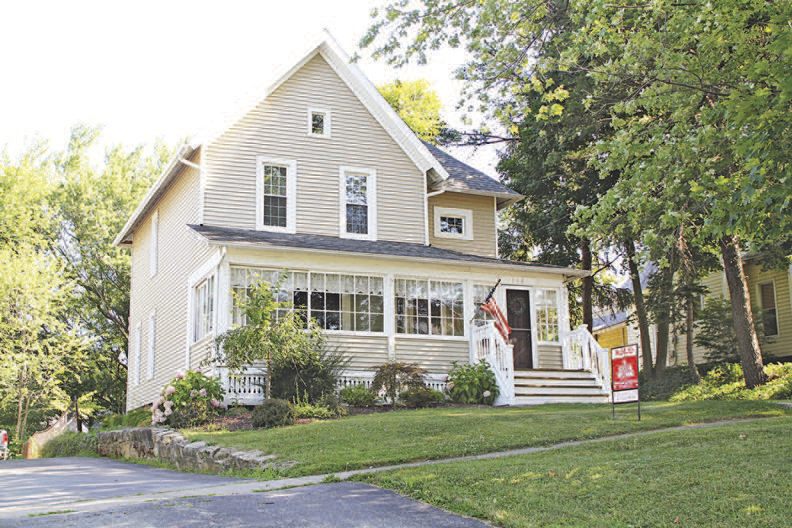
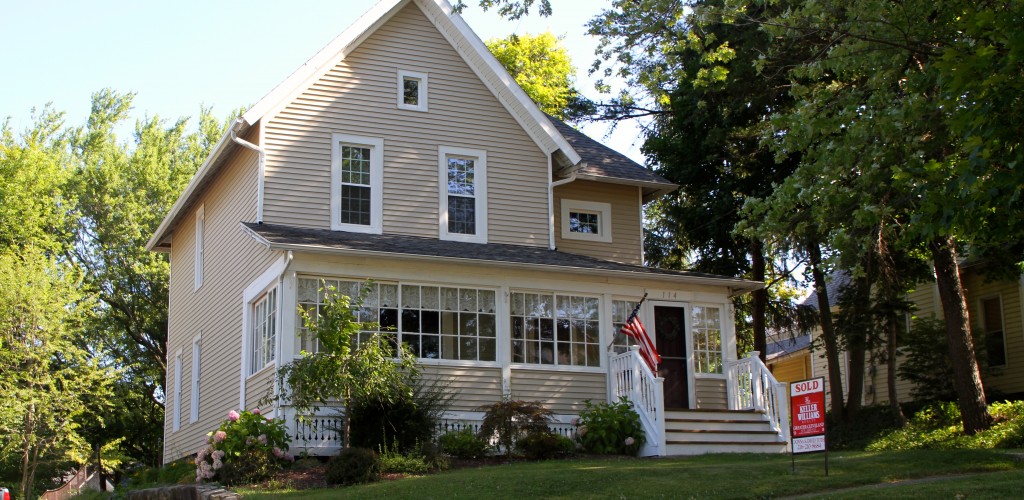
If the pending sale of a Chardon house goes through, the city will host the first recovery home for addicts in Geauga County.
Melanie Blasko, president and CEO of Lake-Geauga Re-covery Centers, said her organ-ization has received about $89,000 to help purchase and furnish the house at 114 Water St. for recovering male addicts.
Addicts are defined as people who regularly abuse drugs, alcohol, prescription medications or other substances, she said.
The Ohio Department of Mental Health and Addiction Services provided the funds as part of a $10 million program to fund recovery housing in areas of the state that are underserved, she said, adding she and her organization are concerned many people don’t understand addiction or what is needed for an addict to begin his or her recovery.
“Addiction is a chronic disease, not an acute health problem that is cured by a single dose of treatment,” said Ohio MHAS Director Tracy Plouck in a Nov. 7, 2014, press release announcing the grant. “Recovery housing supports long-term recovery success and helps individuals working to overcome addiction live productive lives.”
Plouck said the investment in underserved communities will aid recovery and stability of the addicted faction, so those areas were given priority when grants were awarded.
“There is no safe, sober place for people to live (in Geauga County),” Blasko said, adding a harbor away from previous environments is what recovering addicts need after they receive treatment, begin sobriety and then work to become contributing members of a community.
“It has been lacking in Geauga County,” she said.
Once an addict or alcoholic, at least 18 years old, has spent 90 days in a primary treatment program, he or she can apply to live at a recovery residence, Blasko said.
The recovering addict is required to get a job, pay rent and participate in a 12-step program such as Alcoholics Anonymous four times a week, she explained.
In order to apply, the recovering addict must complete a treatment program, present references and cannot have any charges pending against him or her, Blasko said.
The house will have a qualified individual overseeing the occupants when they are not working, and each of the four or five residents will be required to do chores and help maintain the property, she said.
“There will be absolutely no use of drugs or alcohol by the residents,” Blasko said, adding they will be subject to random drug testing.
Lake-Geauga Recovery Centers chose an urban setting so the residents have more opportunities for employment, but also so they have a variety of things to do and people with whom to interact, she said.
Chardon has a number of churches, places to shop and activities at the library, the theater and on the square, all within walking distance.
“They need to change their whole life style,” Blasko said, adding a city or village is the best place for that.
People who live near Chardon Square along Water Street have called the Geauga County Maple Leaf worried about the purchase of the house and its intended purpose.
Water Street resident Ali Dreher said she heard about the pending sale at the end of July and wonders how the presence of a handful of young recovering men in the area will affect families.
“I have two young children,” Dreher said. Her children are 10 and 4 years old.
She said she has spoken on the phone with Blasko, but has not been satisfied.
“I still have some serious concerns,” Dreher said.
She said she would like some hard data about the random testing for drug or alcohol use Blasko said will be done and concrete reassurance the residents of the recovery home will not make the neighborhood unsafe.
“It’s irresponsible for Lake-Geauga not to have that data,” Dreher said, adding she would like to see the operation located elsewhere.
“Let’s not put the first home right near our schools,” she said. “(Lake-Geauga Recovery) could find a better location. There are kids everywhere.”
Many students walk along Water Street on their way to Park Elementary as well as to the middle school and high school, Dreher said. She believes it would be a bad idea to put “five transient men in the middle” of the neighborhood.
A secondary concern is the salability of homes near a recovery residence, but she has done no research on that issue, Dreher said.
Two other Water Street residents weighed in with Dreher, but asked their names not be used.
One man said he understands the need for recovery residences, but setting one up in the middle of a neighborhood with so many kids around is a concern.
“We’re obviously biased, but it could be in a better location,” he said. “We’ll have to see.”
Another wo-man from Water Street said Lake-Geauga Recovery Centers should have chosen an area where the houses aren’t so close together. She also questioned why recovery residences are necessary.
“Why aren’t (the addicts) going back home?” she asked.
Mayor Phil King said the nay-sayers may not have a clear picture of how a recovery residence operates or the challenges addicts face in becoming and staying sober, so the not-in-my-back-yard comments are a classic reaction.
“I think we tend to reject things we don’t understand and don’t know anything about,” he said, adding he would be happy if a recovery residence opened in his back yard.
“We, as a community, need to be behind that, no matter where we live,” King said.
Opal House in Jefferson, the Ashtabula County seat, has been a women’s recovery residence in the center of the city and he said he has heard no public outcry to remove it and the 16 recovering women it houses.
“I do believe the City of Chardon will work hard with Lake-Geauga Recovery to make this a success,” King said. “We will do everything possible to make (the neighborhood) safe.”
He has not ruled out the possibility of difficulties.
“If there are problems with this home and we find it’s not a good fit, maybe after trying to deal with it, then we look at something else,” King said, adding it is important for the community to nurture the program.
“We will regret it, if we don’t,” he said.
Marci King, Phil King’s wife, said she believes the support the community exhibited by raising $30,000 during a Bridges for Discovery fundraiser last year is an example of how important residents feel it is to address its addiction problems.
The group gave Lake-Geauga Recovery the money for a recovery residence in Geauga County to combat the opiate culture taking hold in the area, she said.
“Let’s do something before more lives are lost,” she said.
Her husband said those recovering men will have a better chance if attention is not drawn to the residence.
“They need to discretely mesh with the community,” he said, adding the success of the recovery residence reflects on the character of Chardon.
“I think we need to identify what kind of community we really are,” King said. “This will define us for some time.”
The existence of a home for four or five men determined to stay sober represents negligible danger to the community, said Chardon Mun-icipal Court Judge Terri Stupica, add-ing city residents face more risk from active addicts stealing to support their habits or just acting out because they are agitated from drugs, alcohol or the lack of them.
She sees many addicts in Chardon Municipal Court and hears of more. The vast majority of crimes are committed by people under the influence, she said.
“Sheriff Dan (McClelland) and I are pretty much on the same page as far as crimes that are potentially jailable,” she said.
They estimate 95 percent of people already in jail are there because they were driven to crime to support their drug or alcohol habits, or on charges like domestic violence related to drug or alcohol use, Stupica said.
People who apply to enter a sober living house program, as she called it, are committed to resisting that kind of behavior and know they have a better chance of a full life if they stay off drugs and alcohol.
The Chardon sober living house will be supervised by an individual with the training to help the men reclaim their lives and stay on the right track, Stupica said.
“The overriding message to the residents is to succeed at these houses. If you aren’t (working toward lifelong sobriety), you get kicked out,” she said.
Some of those applying to stay, following months of treatment at a different facility, have been enabled to continue their addictive behavior by sympathetic family members, Stupica said.
However, sober living houses and groups like Alcoholics Anonymous have a better record of success helping those determined to stay sober, she said.
Other recovery residences such as Lantern House in Cuyahoga County have very good success rates, but the judge warned about asking for statistics on recovery.
“Statistics can be skewed,” she said, adding she relies on the evidence from many residence recovery programs.
“There is no better way to keep sober than to live with other sober people,” Stupica said. “Sober people helping other people stay sober, that’s the best route.”


