


Founders Recall Successes, Credit Positive Communication
Develop relationships with your financial and legal partners so they understand you and the nature of your business. It is essential to get involved on the right footing. – Bill Conway
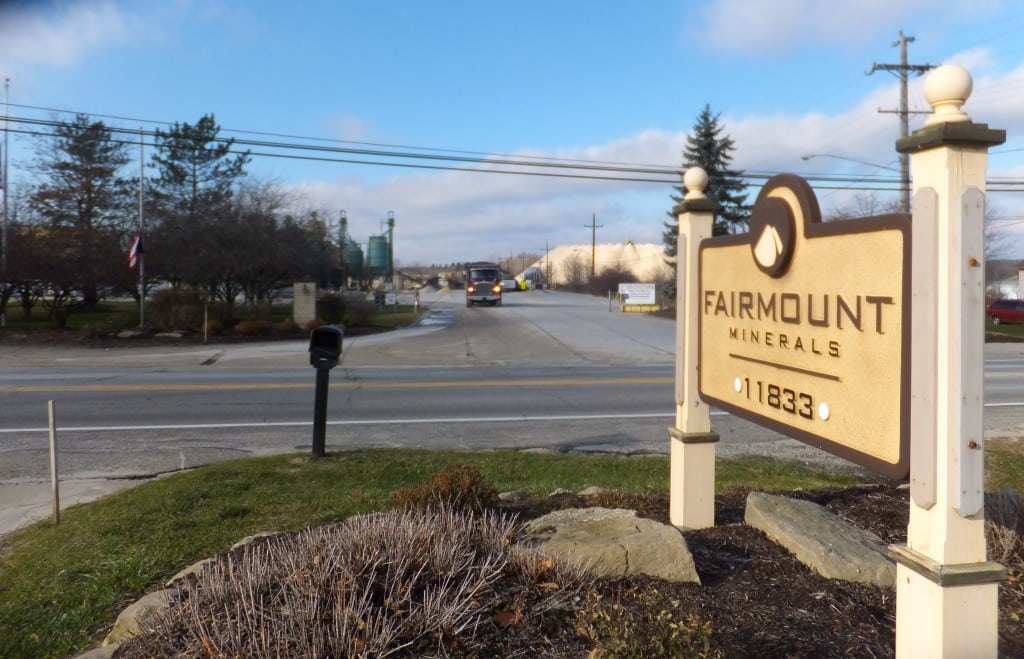
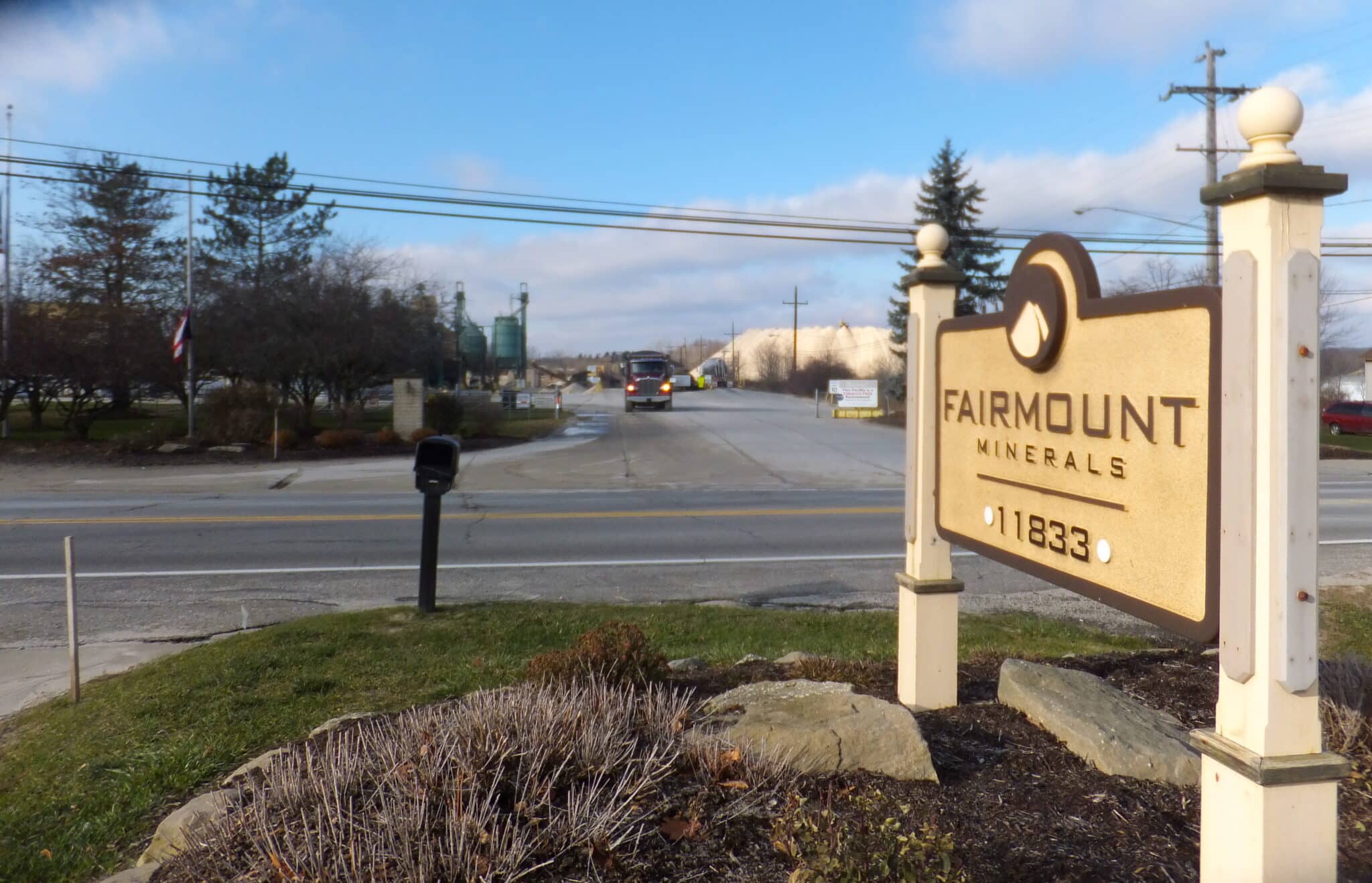
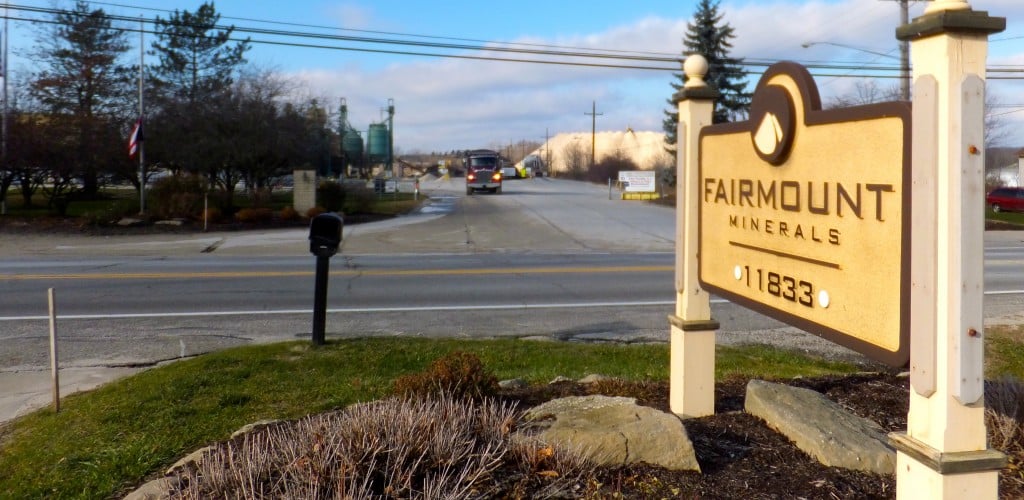
When Walter Best started Best Sands in Munson Township in 1948, it is doubtful he imagined it would mature into Fairmount Santrol Corporation.
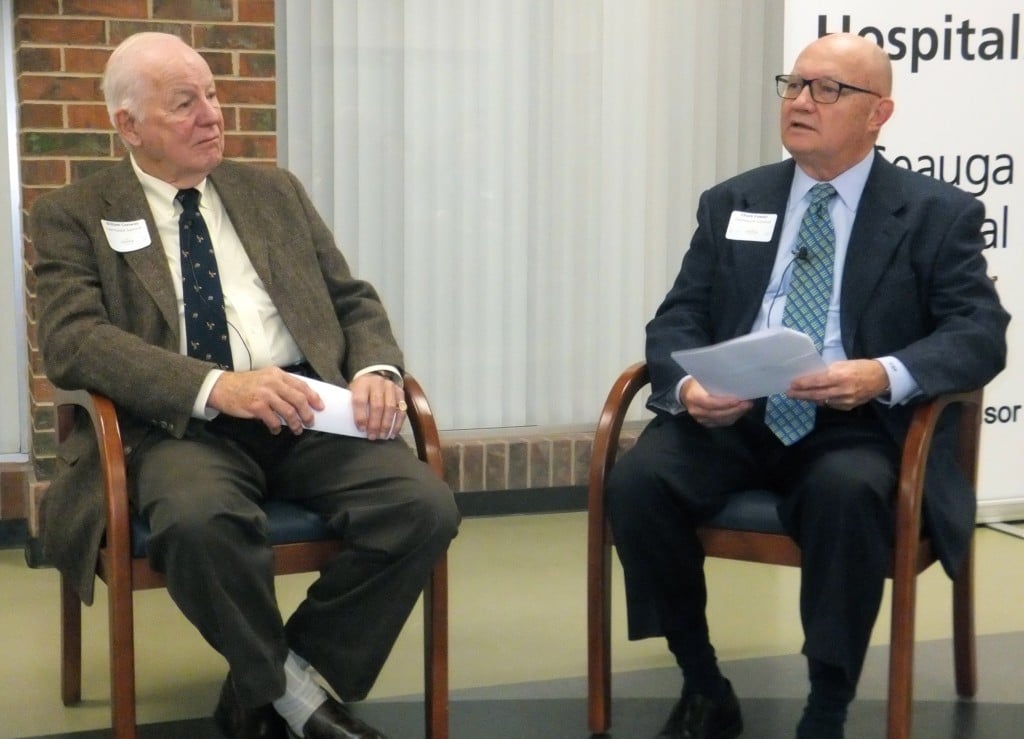
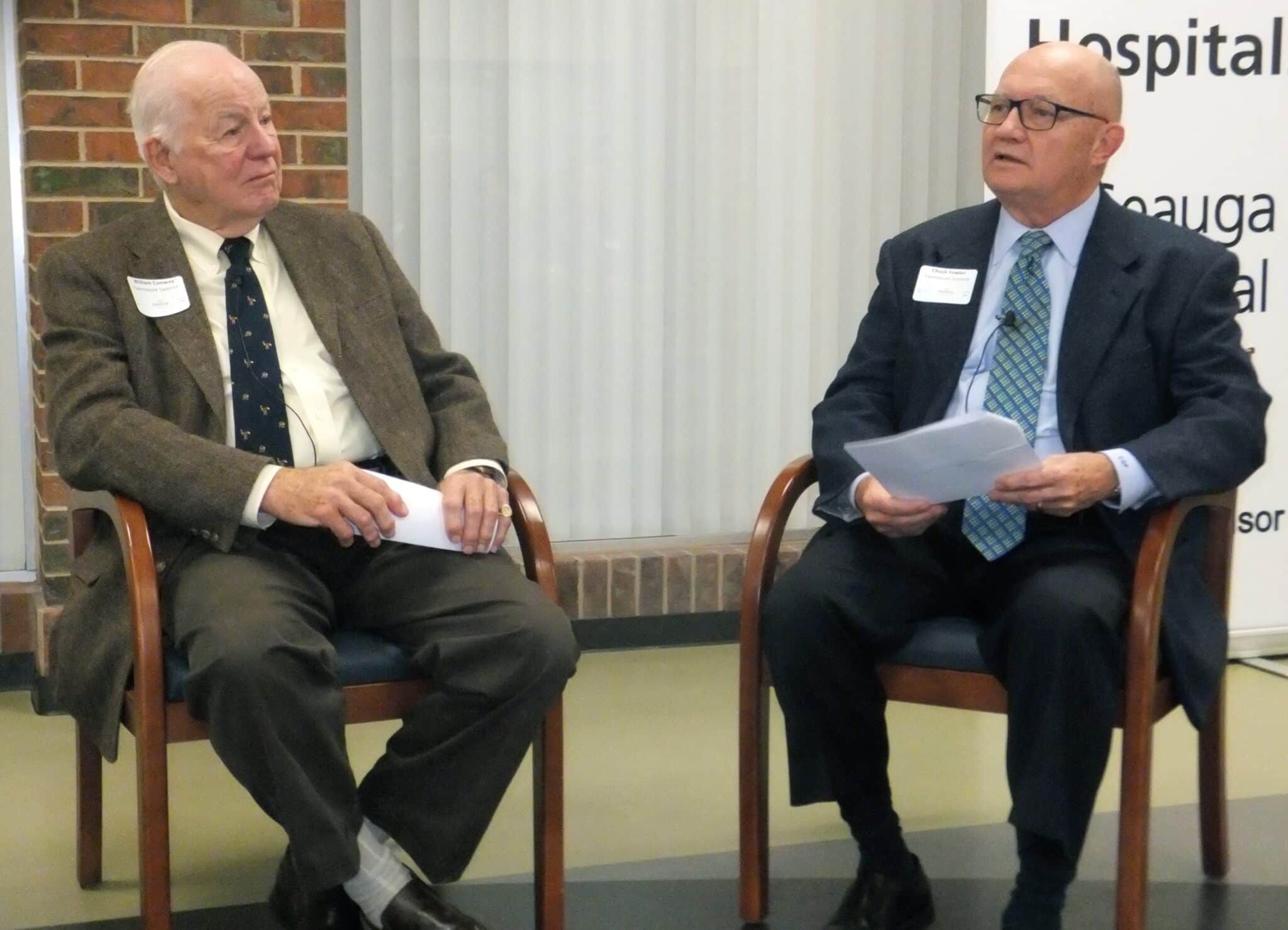
The international, multi-million dollar company’s two founders, Bill Conway and Chuck Fowler, traced the growth of the business from Conway’s relationship with Best that started when Conway was still working in iron foundries in Minnesota.
“He was quite a character – brilliant, creative and difficult to get along with,” Conway recalled during a presentation Dec. 2 at a Geauga Growth Partnership breakfast.
Best was “a process guy,” with a few interesting quirks.
“He loved front-end loaders. He bought one every year, whether he needed it or not,” Conway said.
Best was also very interested in conservation, he said.
When Conway met Best, the mining company was in trouble. Of the 60 employees, only six had stayed more than two years.
“This was not the way to run a business. You’re only as good as the people you have working for you,” Conway said.
But he knew the operation had promise and negotiated a partnership with the help of attorney Larry Dolan.
Sand was used primarily in foundries at the time, but the sand in Chardon is of such high quality, it can be turned into glass and that market grew.
“Now our best customer is in Meadeville (Pa.) — our trucks go there every day,” Conway said.
Construction, golf course bunkers and water filtration system all use the high-grade sand and demand was not a problem. But demand was due to increase, thanks to technology, and Best Sands entered into another partnership to pursue it, this time with Fowler in 1982.
“In 1980, Halliburton was looking for frack sand for wells in western Pennsylvania,” Conway said.
Best Sands went to the Geauga County Community Investment Corporation with a proposition for an operation built on sand and, with the support of banks, got industrial revenue bonds amounting to $10 million for a plant that would produce frack sand. It was a leap of faith on a lot of fronts.
“Our total asset value was $4 million,” Conway said, adding it was the frack sand operation that led to the glass market. “You’ve got to be prepared to take advantage of market opportunities.”
He and Fowler did their due diligence and decided the frack sand venture would be a success, but, in the end, it was a gamble.
“Chuck and I are risk takers,” Conway said.
Fowler recalled he’d been asked by Conway to come on board, but he was doing well working in foundries in Indiana and Illinois – until his boss said the president of the foundry, who was never on the floor, wanted Fowler to stop whistling in the plant.
“These were game changers. I like to whistle. That was it,” he said.
He left the company and joined up with Best Sands.
In 1983, interest rates were above 18 percent. Regardless, he and Conway and some other players negotiated to buy a silica plant in Illinois from Martin Marietta Corp.
The merger came together in 1984 thanks, in part, to some determined networking, despite what Conway said was a “modest balance sheet.” They pooled their resources, took second mortgages, and put everything on the line.
“The partners you work with are very important,” Conway said, and creativity is vital. “Develop relationships with your financial and legal partners so they understand you and the nature of your business. It is essential to get involved on the right footing.”
That practice allowed the company to expand to include the purchase of a British company that owned sand mines in Michigan and a couple of operations coating sand with different resins, Conway said.
A plant in Oklahoma was coating sand for fracking.
“That was kind of a throw-in – not our objective,” Conway said. That division was Santrol, which has been a driving force in sand industry technology.
When they talked to a scientist at the plant, they were told investment of $50,000 for equipment and to hire a chemist would really boost the business. They took the chance.
“That grew to be 80 percent of our business,” said Conway.
Fowler took advantage of living near Cleveland to enroll in the Western Reserve University Weatherhead School of Business, where he was introduced to appreciative inquiry, a philosophy that fosters positive communication.
“Asking positive questions yields positive responses,” Fowler said. “It’s the way we run our business and treat everyone. This continues to reap benefits. Our customers are our friends.”
They held their first corporate summit in 1995 and received good feedback from people across the organization due to the appreciative inquiry process, Conway said.
Success followed.
Today, Fairmount Santrol has 52 terminals in North America, six active mines and an operation in Denmark serving the North Sea region, he said.
Both partners credit the appreciative inquiry process for good relationships throughout the Fairmount Santrol “family,” where committed members want to improve the environment and help out their communities.
Reducing energy consumption, water use and waste are all priorities, with 30 percent of the company’s operations having attained zero waste, Fowler said, adding about $5 million has been spent in the last 15 years on sustainable development, which will yield much more in savings and benefits.
“We encourage involvement and activity. We want to be in a community that is prosperous and encourage education or skills training. That’s important to us,” Conway said.
When asked about the expected lifespan of the mine south of Chardon, Fowler said the sand there is about 350 million years old and there are expansion opportunities in that mine that should keep it going 30 to 40 years.


