


Chasing Gable’s Shadow
With the 75th anniversary of the release of "Gone With the Wind" upon us, I can't help but reflect on my brush with the shadow…
With the 75th anniversary of the release of “Gone With the Wind” upon us, I can’t help but reflect on my brush with the shadow of Clark Gable
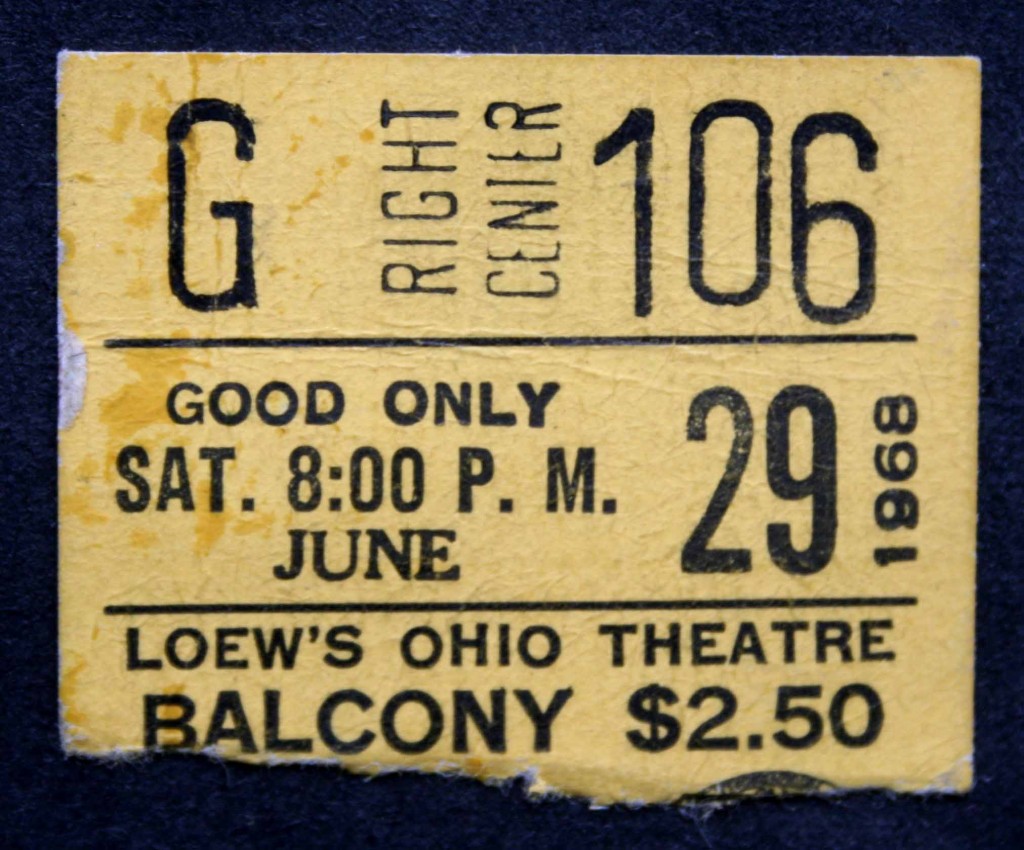
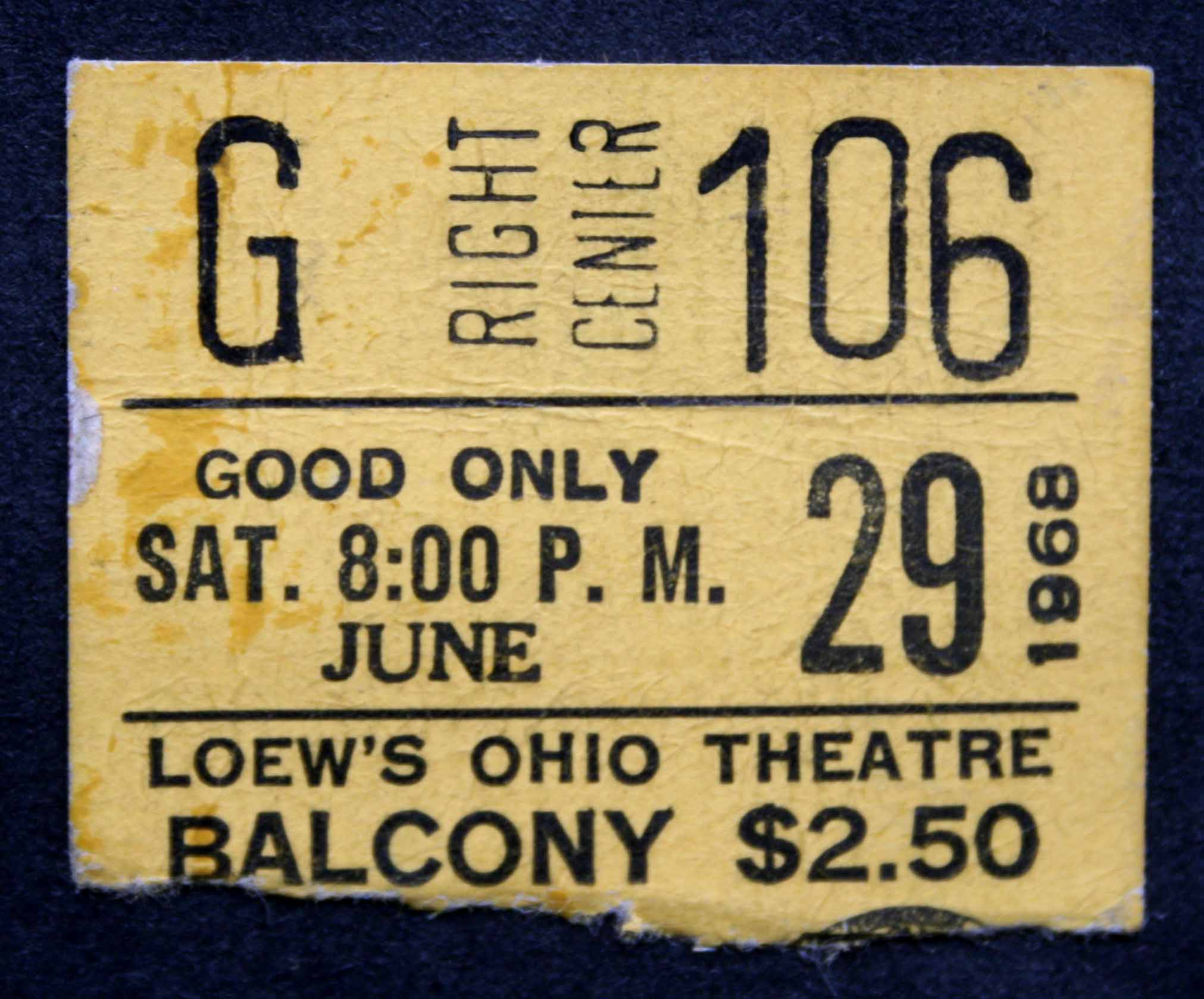
My first real recollection of Ohio’s favorite son occurred in the 1960s when I attended a showing of “Gone With the Wind” at Playhouse Square in downtown Cleveland.
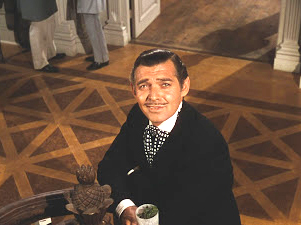
Gable’s first appearance on screen in scene 46 (the banister shot) caused a young woman seated in front of me to became so excited I thought she might jump from the balcony. Moved by the power of his presence, I, too, caught “Gable fever.”
Clark Gable’s Roots
Clark Gable was born on Feb. 1, 1901 in Cadiz, Ohio in a second floor apartment that once stood at 138 Charleston Street. He was the only child of German descendants William and Adeline Gable.
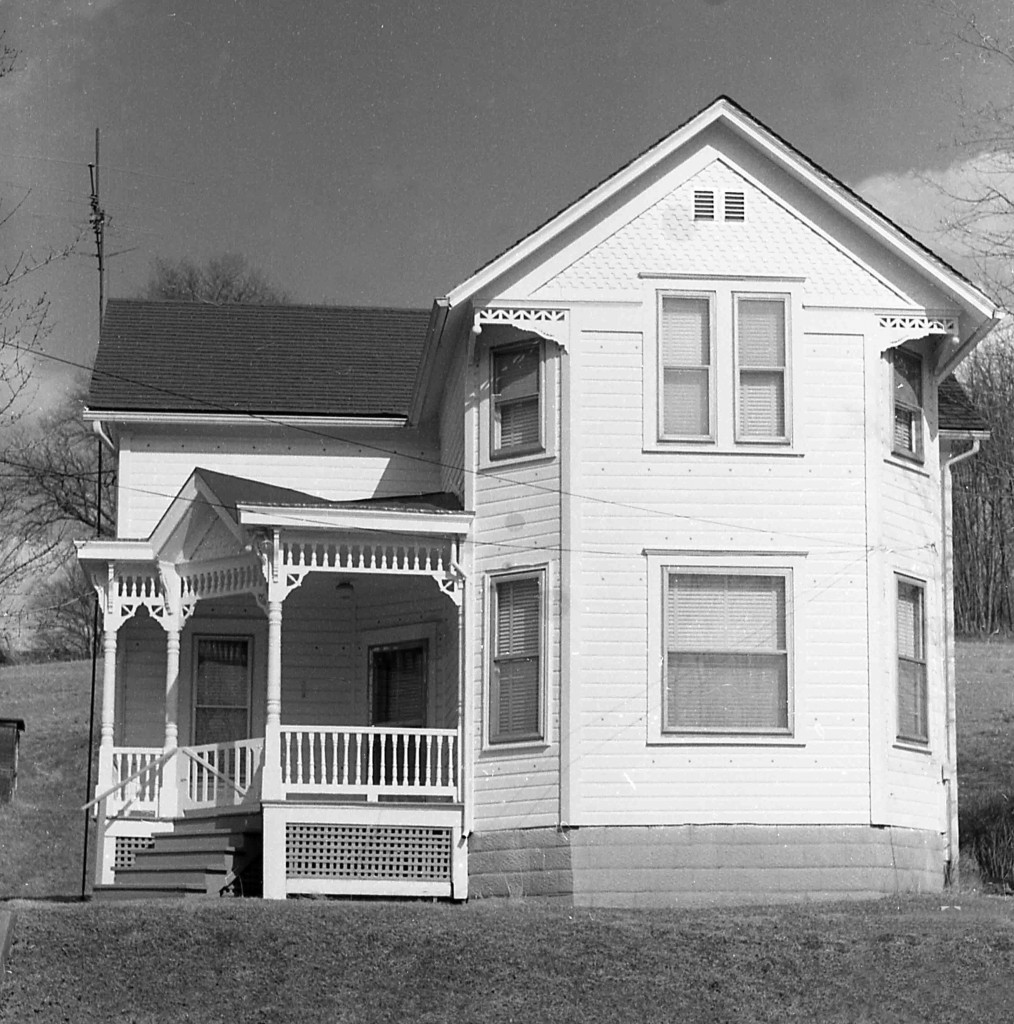
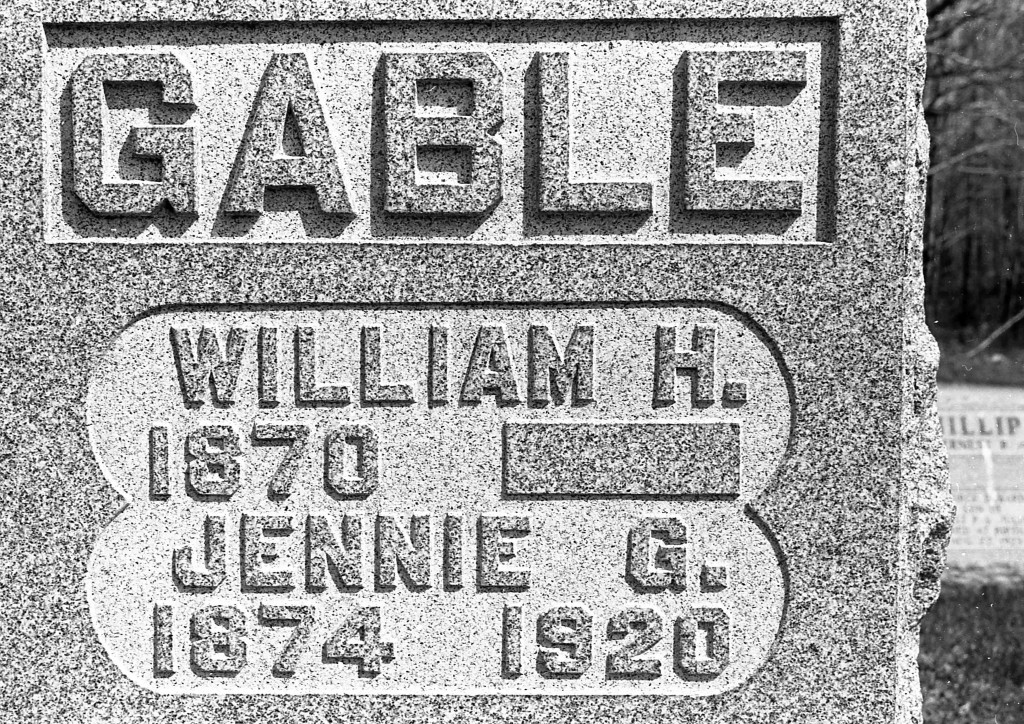
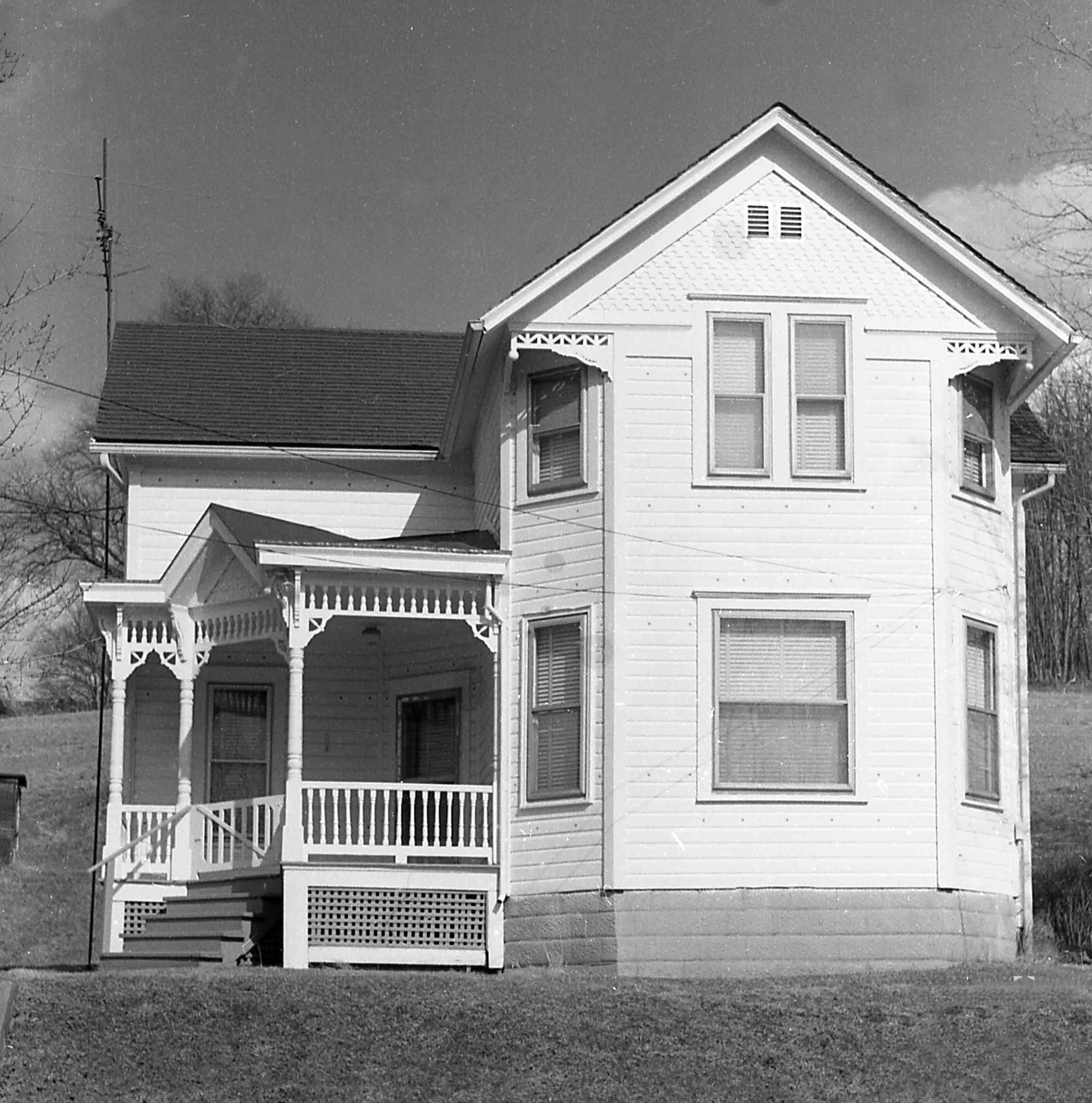
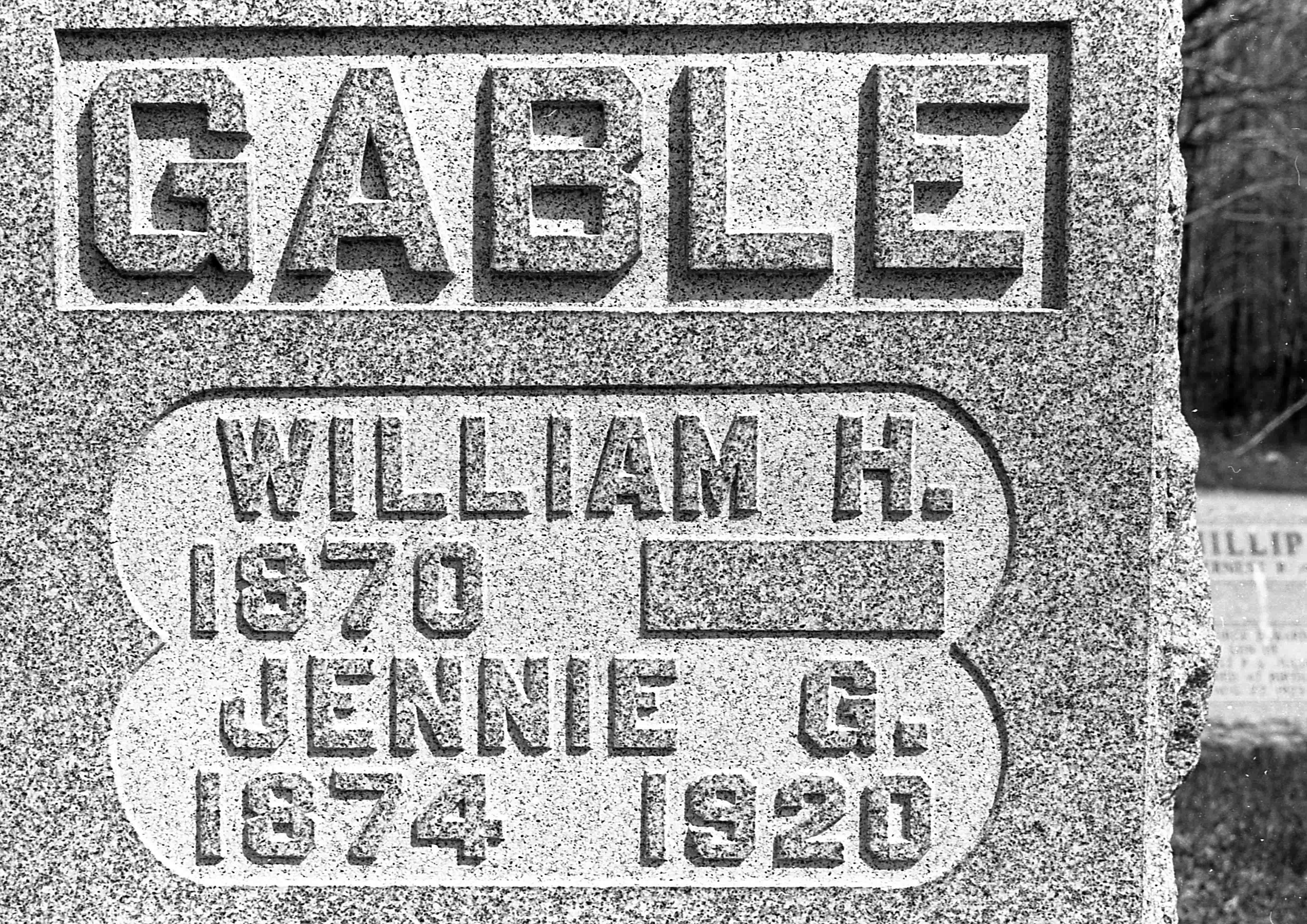
In November 1901, Adeline died of epilepsy. Barely 10 months old, Clark was sent to live with his grandparents in Meadville, Pa. Less than two years later, the infant Gable returned to Ohio when his father married Jennie Dunlap of nearby Hopedale, Ohio. Bill bought 4 acres of land in Hopedale and built a charming six-room house that would be the home of the three Gables until 1917.
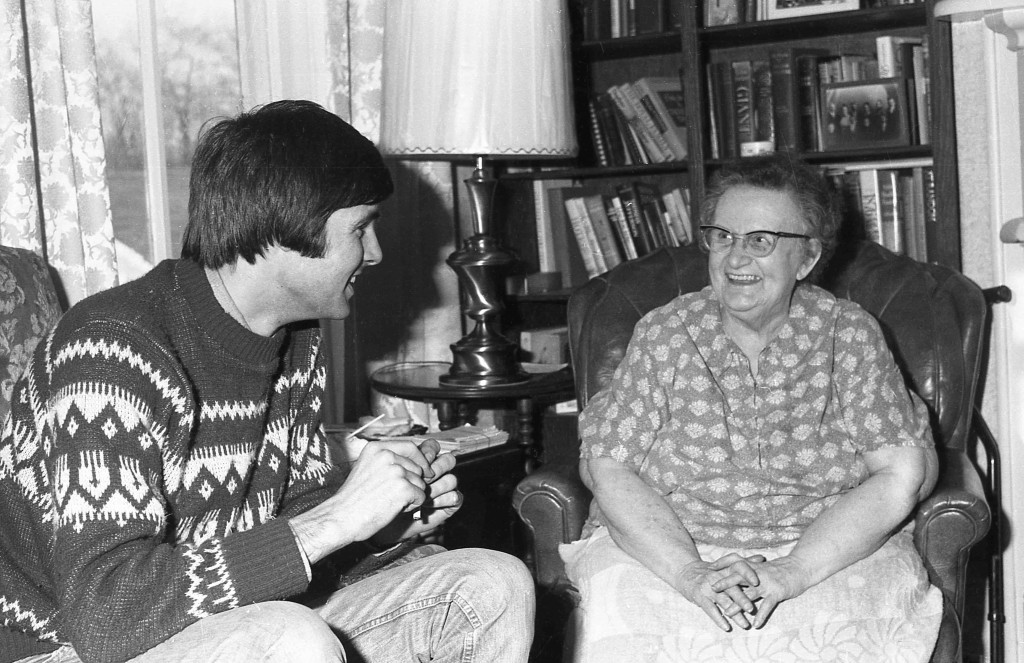
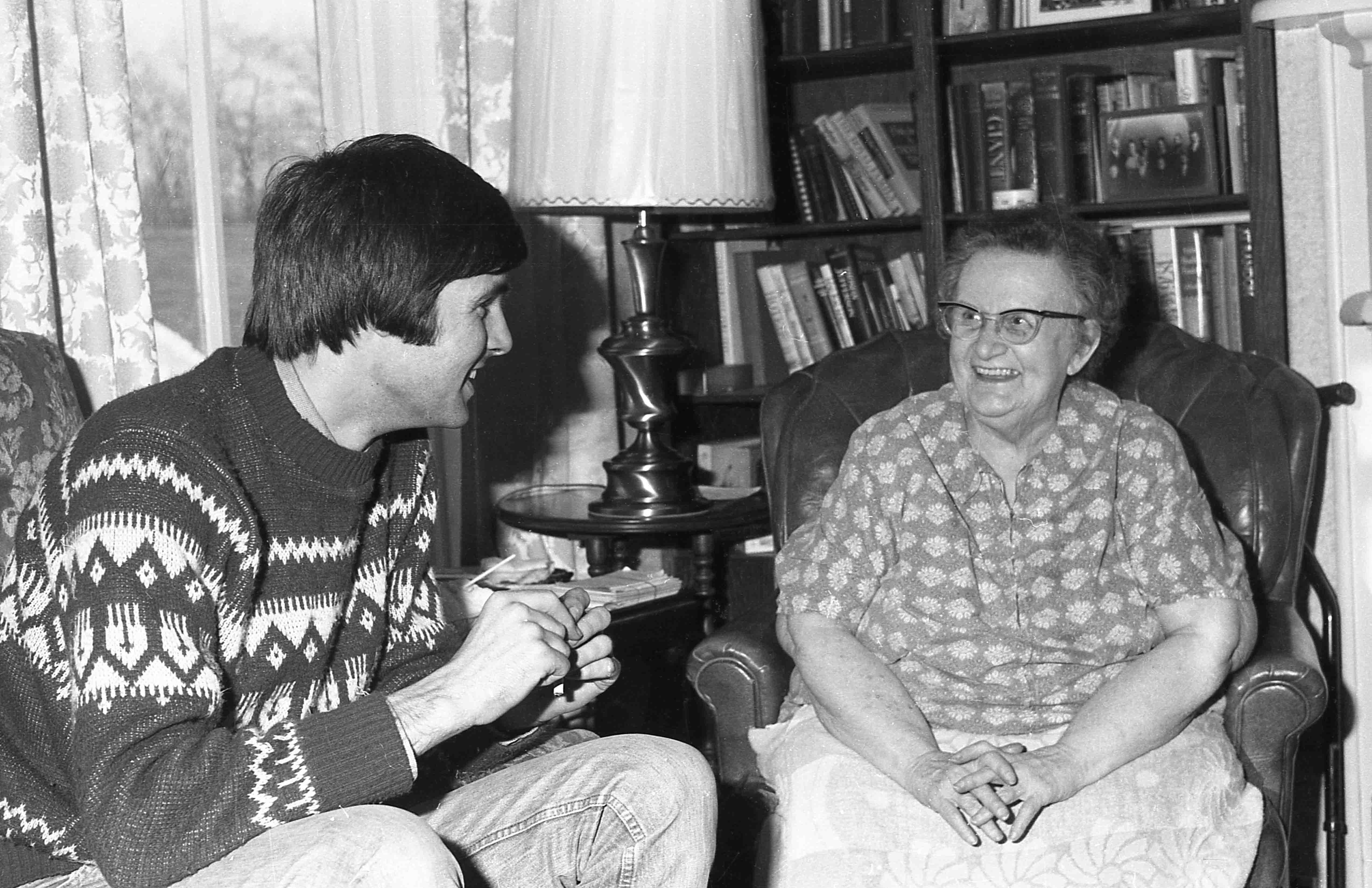
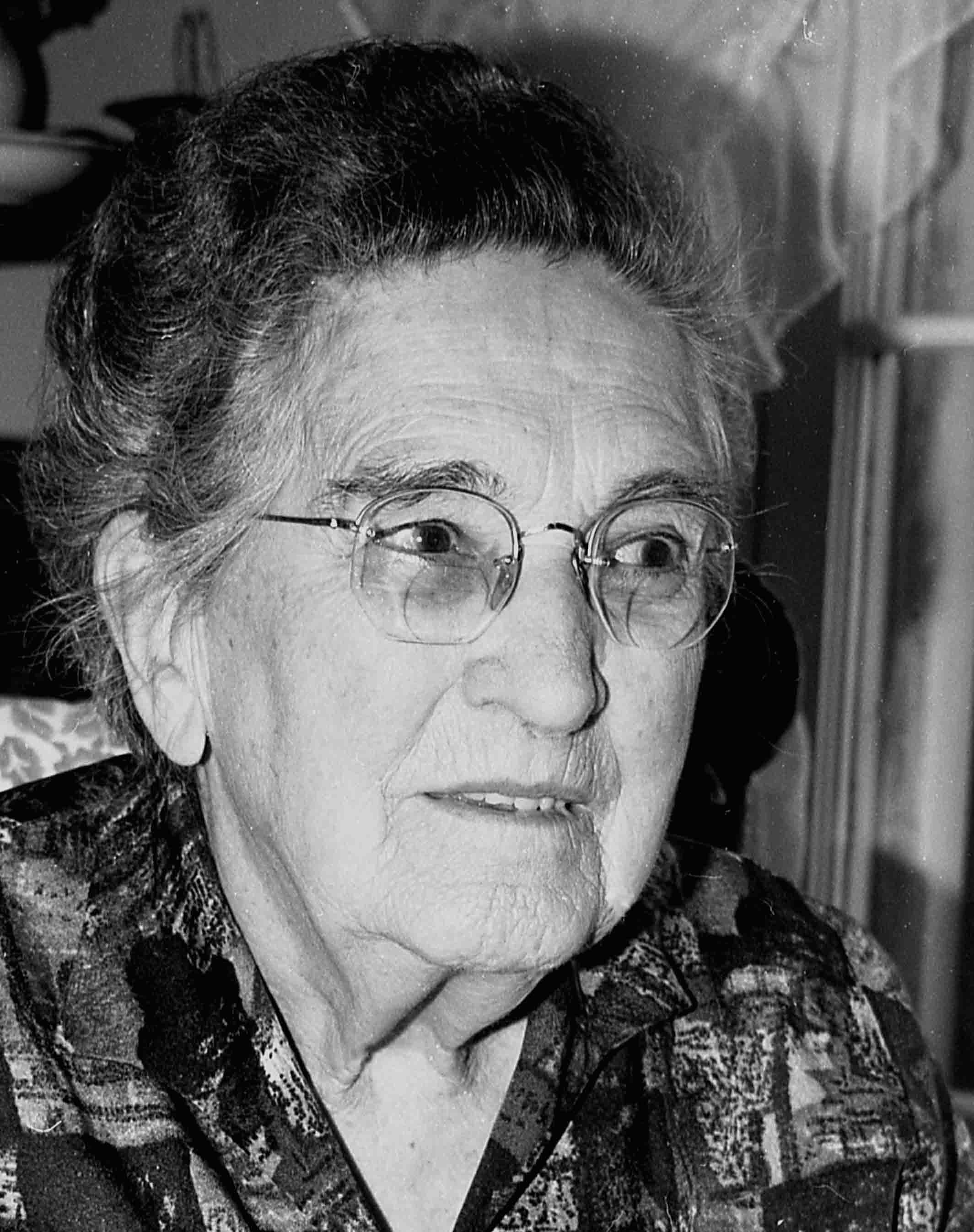
On a whim in April 1978, my wife, Mary, and I jumped in the car and drove the 120 miles from our home in Northeast Ohio to Cadiz with the hope of finding anyone who might have had any connection with Clark Gable. To our good fortune, we were told about a woman living in nearby Hopedale by the name of Lucille Kyle Taggart, who went to school with Clark.
Mary and I drove the seven miles to Hopedale, found Taggart’s house and knocked on the door. An elderly woman’s voice from inside invited us in. We politely introduced ourselves, and for the next two hours, had the most delightful conversation with Lucille.
Q & A With Lucille
Lucille: I had a date or two with him (Clark). He had an old Ford. This one time we went out riding. When we got back, he went to get outthere was this nail sticking up and ripped the whole seat out of his trousers. (laughing)
Question:What kind of family did Clark come from? Were they nice people?
Lucille: Oh, yes. I don’t recall that much about Mr. Gable, except he was the superintendent of the Methodist Sunday school. I think that’s a pretty good recommendation. They were poor people. But they were very nice people. Clark’s stepmother was a very nice person. Jennie. She always kept herself looking very nice and neat.
Question: Were you ever in the Gable home?
Lucille: Oh yes, lots of times. Clark used to have parties like the rest of us. His stepmother was very gracious and nice. She was a lovely person to be about. And would always fix nice lunches and make things very pleasant for us.
Question: Did he take part in the activities around the neighborhood?
Lucille: Oh, yes. He was popular. He was well known and well liked.
Question: Was he a shy boy?
Lucille: Oh, no. (chuckling) He was full of fun. One year he sat back of me in school, and the next he sat in front of me. Back of me one year was all I could stand. (laughing) But he was a nice boy. ‘Course, there were several really nice boys in the school at that time. Our class was small. There were only seven of us. We were an intimate bunch.
Question: Were you surprised when Clark found his way to Hollywood and into the movies?
Lucille: No. We had heard different things in a roundabout way. I suppose through Andy Means and Bill Henry who were two of Clark’s friends. Occasionally, they would hear of the things he was doing. The biggest shock was when we heard his voice for the first time. It sounded so like him it made cold chills run up your back.
Question: Did he look different up on the big screen?
Lucille: No, I don’t think he did at all. Gable was a rugged type. He had very large features big feet and big hands. As a freshman he was big and tallbroad shoulders. And he was good at sports of any kind.
Question: Do you have a favorite Gable film?
Lucille: I liked him in GONE WITH THE WIND. To me, Rhett Butler is Clark Gable. I don’t think that part could have done better by anybody else.
Not long after our visit, I had more questions for Taggart. When I called, her son answered the phone and gave me the startling news that his mother had passed away unexpectedly a few days before. All these years later I still wonder what motivated me to make that unplanned trip to Cadiz.
Palmyra Township
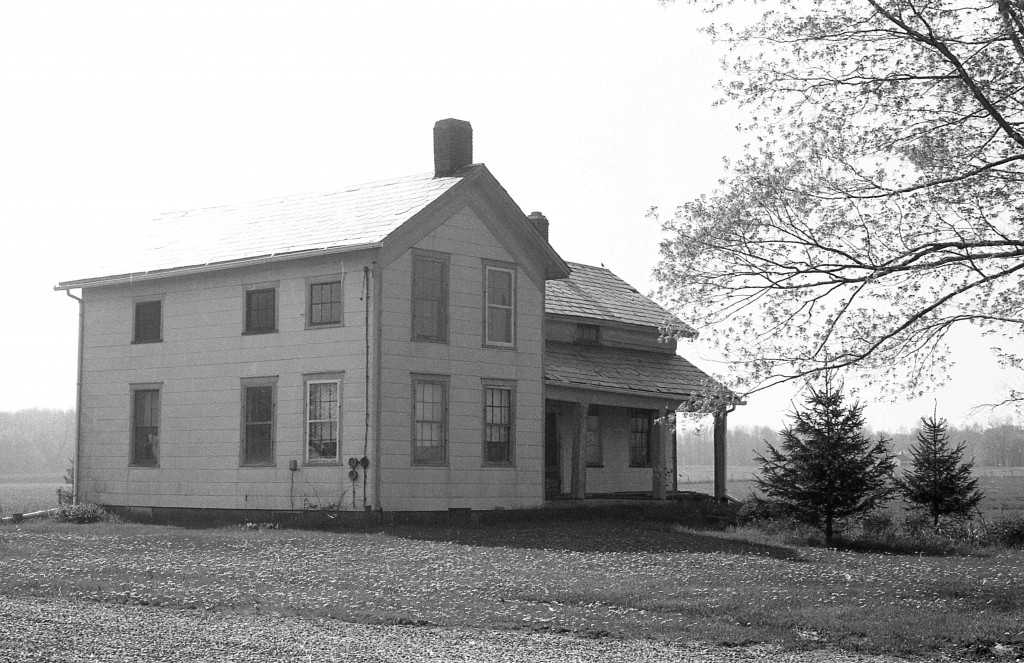
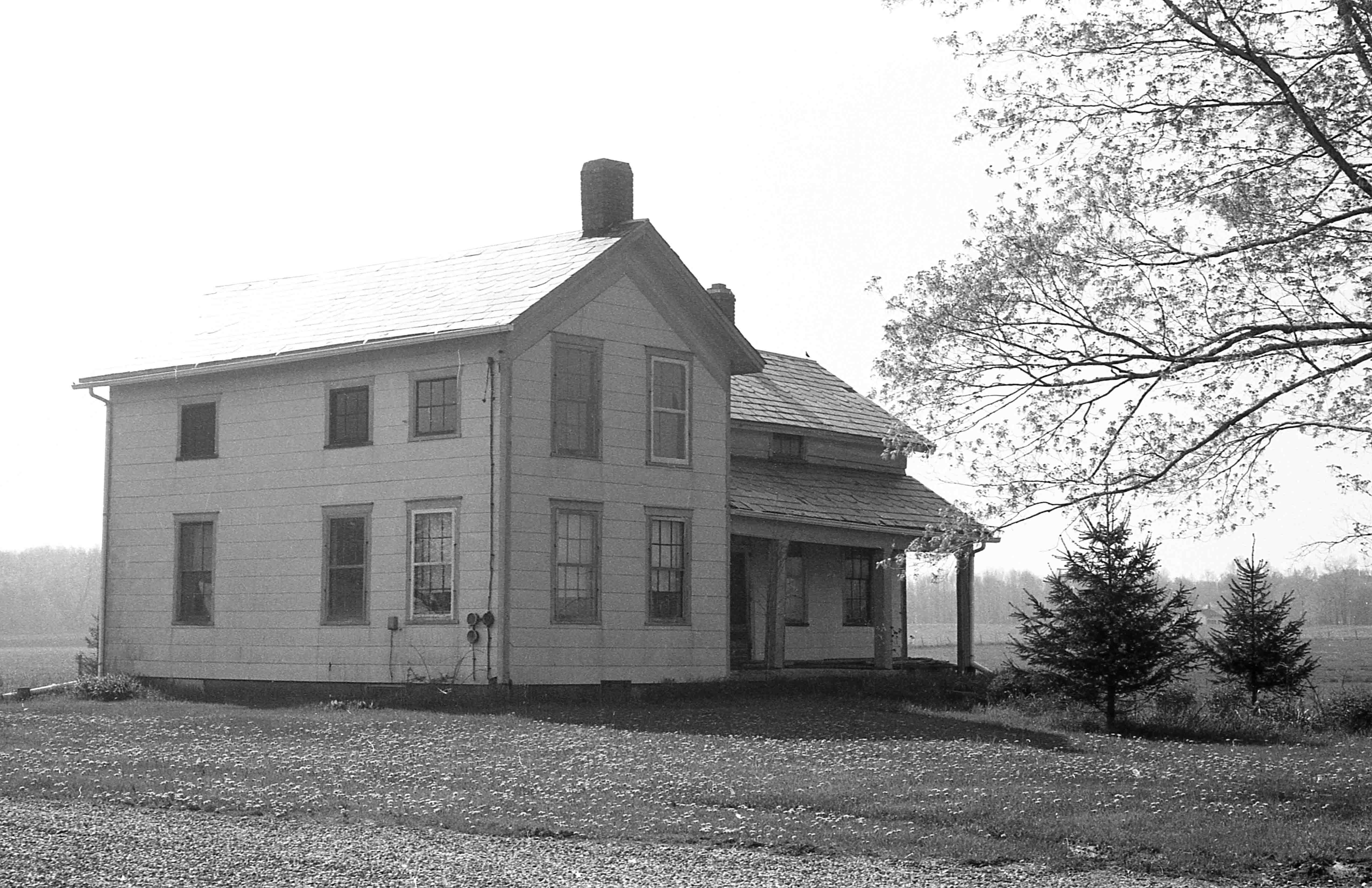
In the summer of 1917, Bill Gable, an oil wildcatter by trade, decided to try his hand at farming. He and Jennie acquired a 74-acre farm from Mary and Wesley Ensinger in Palmyra Township in Portage County, 85 miles north of Hopedale.
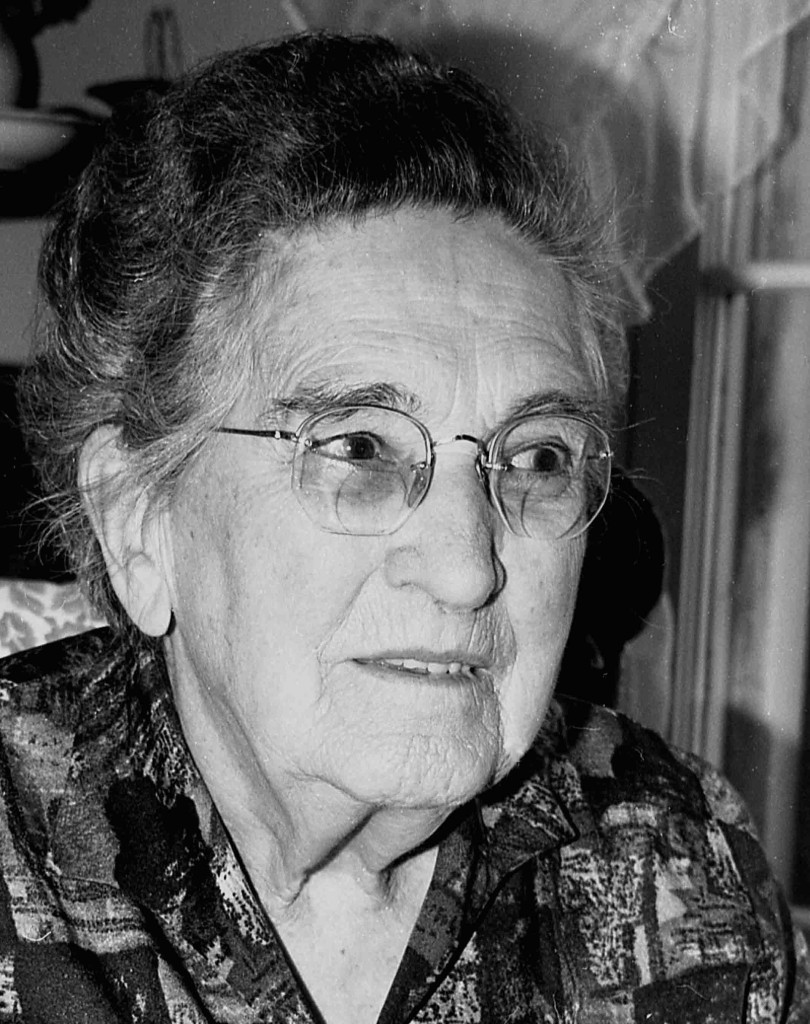
An agreement was made to have Clark and Jennie move in with the Ensingers until Bill could tie up loose ends in Harrison County. In 1977, I sat down with Mary Ensinger for the first of several chats we had about the Gables.
Mary Ensigner’s Insights
Ensinger: Clark and his mother moved in with us at the end of August so Clark could start school the first of September. My husband and I moved out after Mr. Gable arrived a few weeks later.
Question: Do you recall where Clark slept?
Ensinger: He slept with his mother in a large double bed in a downstairs bedroom that was off the living room. Of course, one thinks it’s strange a boy that age sleeping with his mother.
Question: Bill Gable was an oil man. Why do you suppose he suddenly decided to become a farmer?
Ensinger: I don’t think he did. I think that was his wife’s idea to get him away from the rough sort of men who worked in the oil fields.
There may be a nugget of truth to Mary Ensinger’s assessment of the circumstances, but the Gable’s didn’t land in faraway Portage County by happenstance. A photograph published in the Ravenna Daily Record on January 23, 1932 shows Clark as a young boy surrounded by relatives. The caption reveals the Gables had family ties in Ravenna, the seat of Portage County.
Question: What do you remember of the Gables?
Ensinger: I only saw Mr. Gable a couple of times. Just the day we made the sale and I think one other time. He looked just like Clark, I remember that. He wasn’t as large a man as Clark. But his features were very much like Clark’svery heavy eyebrows. I remember those heavy eyebrows.
Clark was good sized for a 16 year-oldbroad shoulders. As I think of him, I think of him as being very quiet. I also recall him coming home from school and going out to the barn to see the horses. He liked the horses.
She (Jennie) was slender. She had a slender face, rather long. But if I were to meet her on the street today I don’t suppose I’d know her. I remember she wasn’t well. She was very, very miserable. She had migraine headaches just so terrible that she had to be in bed two or three days at a time. We didn’t talk very much. I kind of felt as if I resented them coming into my house. I remember her singing church hymns. She had such a sweet voice. But I don’t know what became of the piano. Mrs. Gable had a piano. It was moved across the way, but those people are all gone. I also remember her making school lunches for Clark, and I’ve got the knife she used to spread butter on the bread with.
In 1985, Mary Ensinger gave me the knife as a keepsake. It’s my most treasured piece of Gable memorabilia.
Speaking of butter, Carl Byer, who lived with his family three houses north of the Gables, recalled getting butter from Mrs. Gable. “My folks sold cream. They used to ship it to Cleveland. I remember going down there (Gable’s) for butter. Clark’s mother used to make butter and I’d go down once a week to get enough to run us another week.”
Edinburg Centralized School
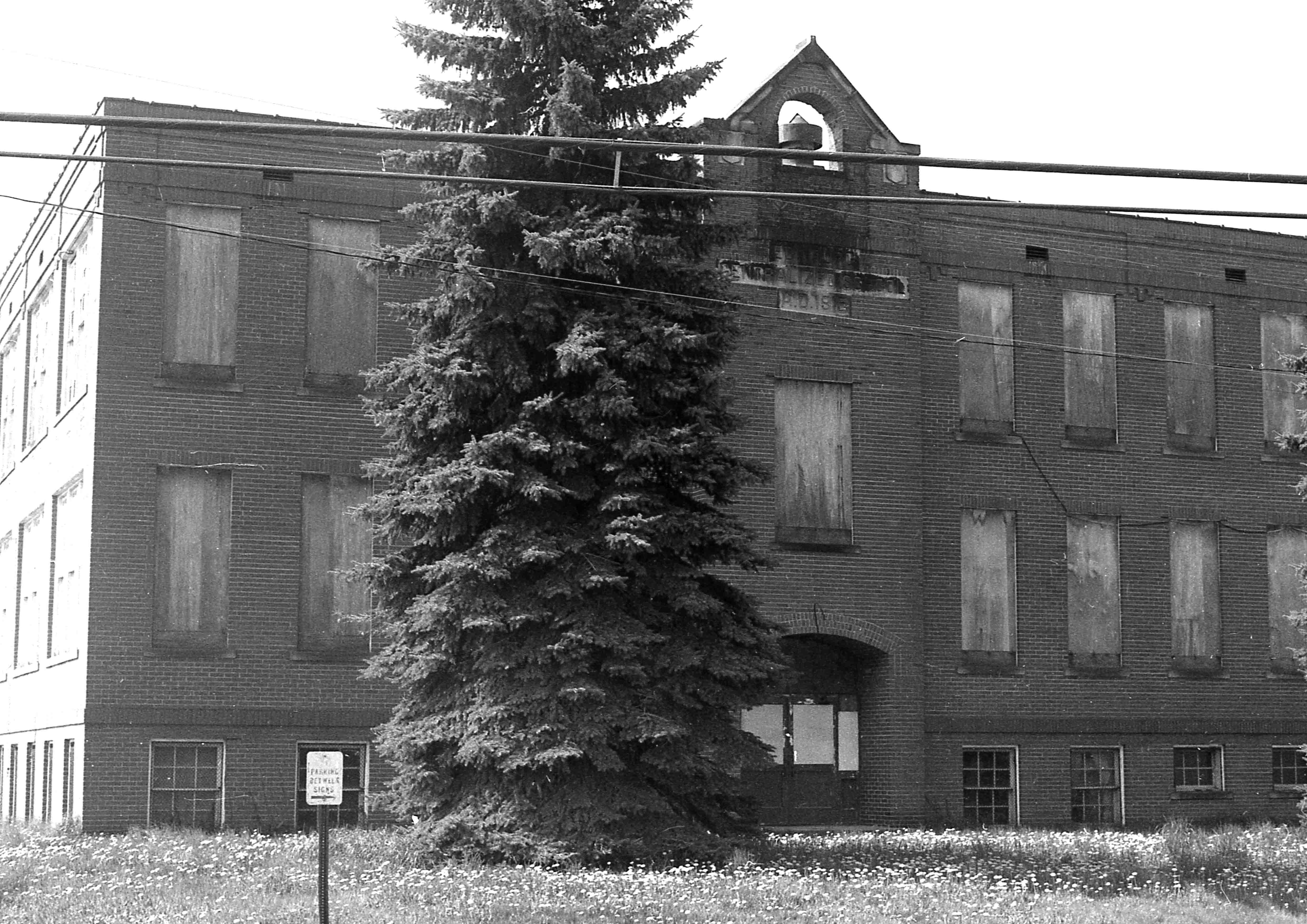
Clark began his junior year at the new Edinburg Centralized School in September 1917. Although the school system provided transportation for the students in the form of horse drawn wagons or “kid hacks,” as they were known at the time, Clark preferred to travel the nearly four miles to school on his father’s horse drawn express wagon when weather permitted. Schoolmate and neighbor Morris Stewart remembered the first time he met Clark.
“I was riding my bicycle to school one particularly bad morning when I shouldn’t have been,” Stewart recalled. “Clark came along and we put my bicycle in his little wagon and we rode to school together.
I asked her what Clark did with the horse during the school day.
“All the horses were stabled at the Methodist Church barn near the school,” she said.
Even though Clark was well-liked and quickly made friends at Edinburg School, he was still terribly homesick for Hopedale and the friends he grew up with. Possibly the only activity that appealed to him about his new surroundings was playing on the high school baseball team.
“Clark was the catcher on the baseball team which was a fall sport at the time,” Morris Stewart recalled. “They didn’t play football in those days. The only outdoor athletic activity they had at the time was baseball. I remember distinctly Principal Bill Cooper (also the baseball coach) scolding Clark for throwing too hard to first base. He threw so hard that kids his own age couldn’t catch him.”
One morning before the baseball season was over, Bill Gable found Clark moping around the backyard when he should have been in school. When asked why he wasn’t at school, Clark said he didn’t want to go to school with kids half his size and wasn’t going back. Morris Stewart remembered it a different way.
“Clark smoked, and Bill Cooper didn’t like it. Clark told me that Cooper was going to kick him off the baseball team if he didn’t quit. He (Gable) was pretty independent and didn’t like Cooper yelling at him, so he quit school,” she said.
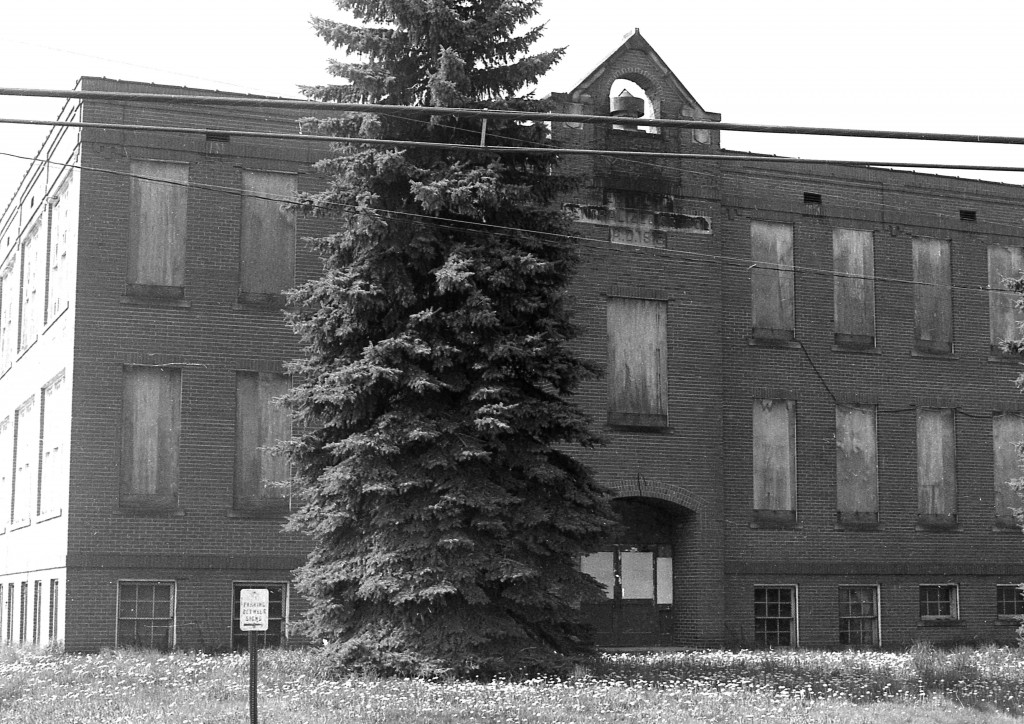
After Clark dropped out of school, he remained in Portage County and helped his father around the farm. But it wasn’t all work, all the time. Young Gable also found time to socialize. According to Irma Hostetler, who was related to the Shilliday family that lived just north of the Gables, Cark liked visiting with the two older Shilliday daughters.
Morris Stewart also recalled Gable spending quite a bit of time with Lew Morrison, a farmer who lived directly across the road from the Gables.
“Mr. Morrison was much Clark’s senior and had a wife a son,” said Stewart. “Often on the weekends he would attend used farm equipment sales in the area taking Clark with him.”
It didn’t take long for the future king of Hollywood to realize that living in the boondocks, raising livestock and working the land wasn’t the life he wanted for himself. By December, he had had enough of barren Palmyra Township and returned to Hopedale. Although he was back in his beloved hometown living with relatives and working for the Harmon Coal company, he was still restless. Within six months, he returned to Northeast Ohio and found a job at the Firestone Tire and Rubber Company in Akron. Jennie was delighted, and often went to see him on weekends.
In November 1919, Jennie became seriously ill. The diagnosis was dropsy and tuberculosis of the bowel. The disease was terminal. Her doctor speculated she had just months to live and advised her to get her affairs in order. She immediately signed the farm over to Bill, and then waited for the inevitable. Clark came to see his mother every weekend and was with her when she died on Jan. 11, 1920. She was just 46 years old.
“When she died, I felt I had lost the greatest friend I ever had,” Clark was quoted as saying in later years.
According to burial records, a small service officiated by Rev. Stewart of the Methodist Church was held at the Gable house on Jan.13 with music provided by “two ladies.”
Following the service, Jennie’s body was placed on a two-horse bobsled “on account of deep snow” and pulled a mile down the Alliance Road where it was transferred to an auto hearse in Yale. Burial took place at the Palmyra Cemetery. According to Carl Byer, the snow was so deep, it took two boys one full day to hand shovel the driveway at the cemetery.
Nine months after Jennie’s passing, Bill Gable sold the farm to Ira and Cora Baily and made his way to Oklahoma to work the oil fields there. Clark followed a few months later. The road west would eventually take him beyond Oklahoma to Hollywood.
Tinseltown
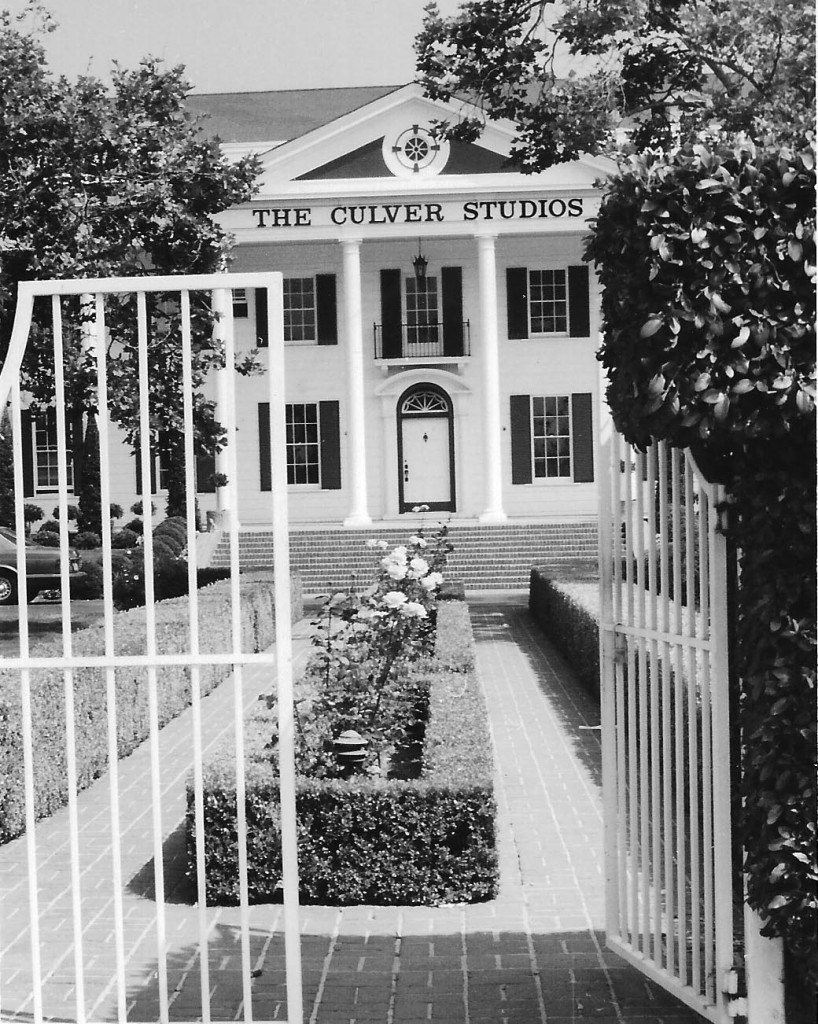
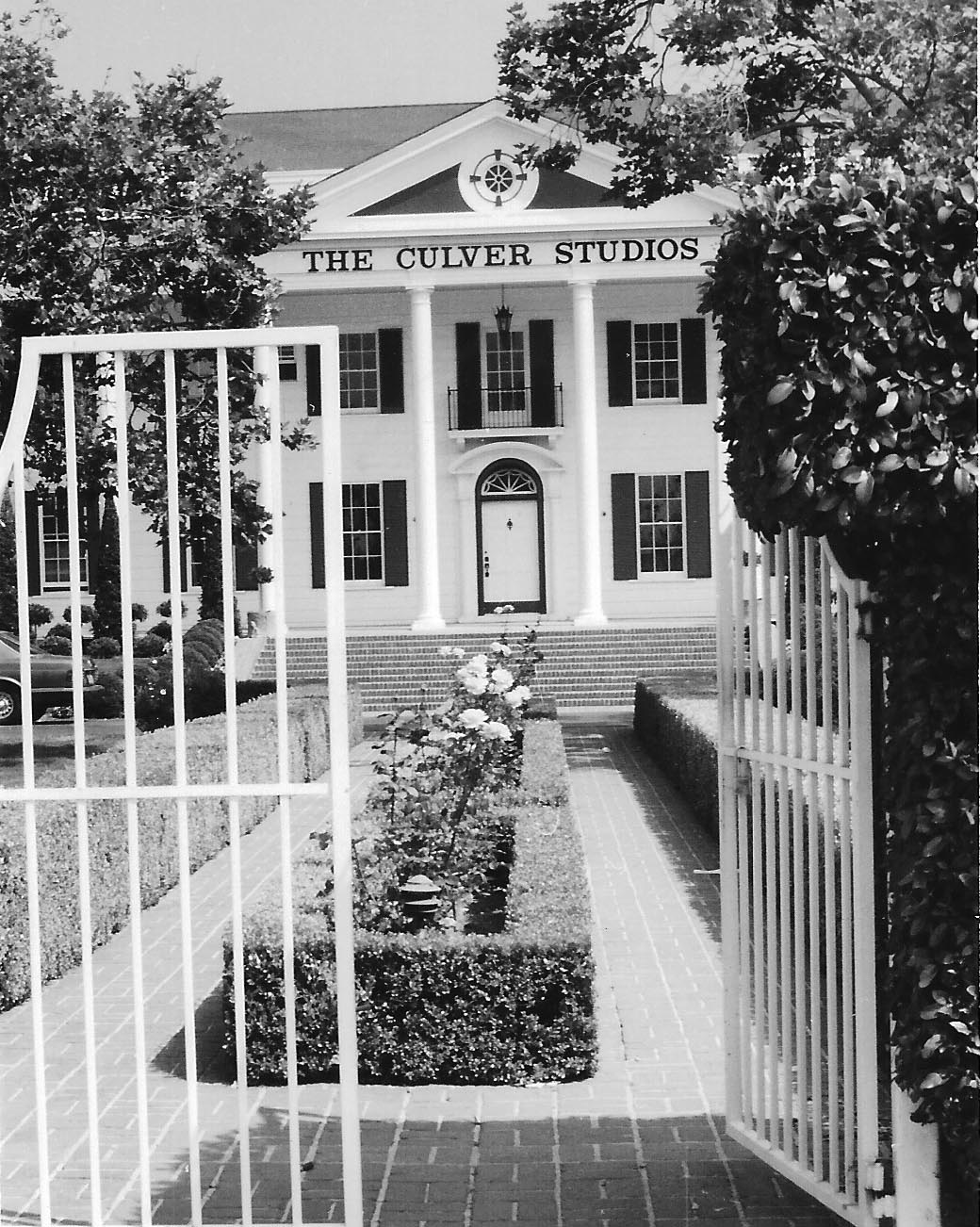
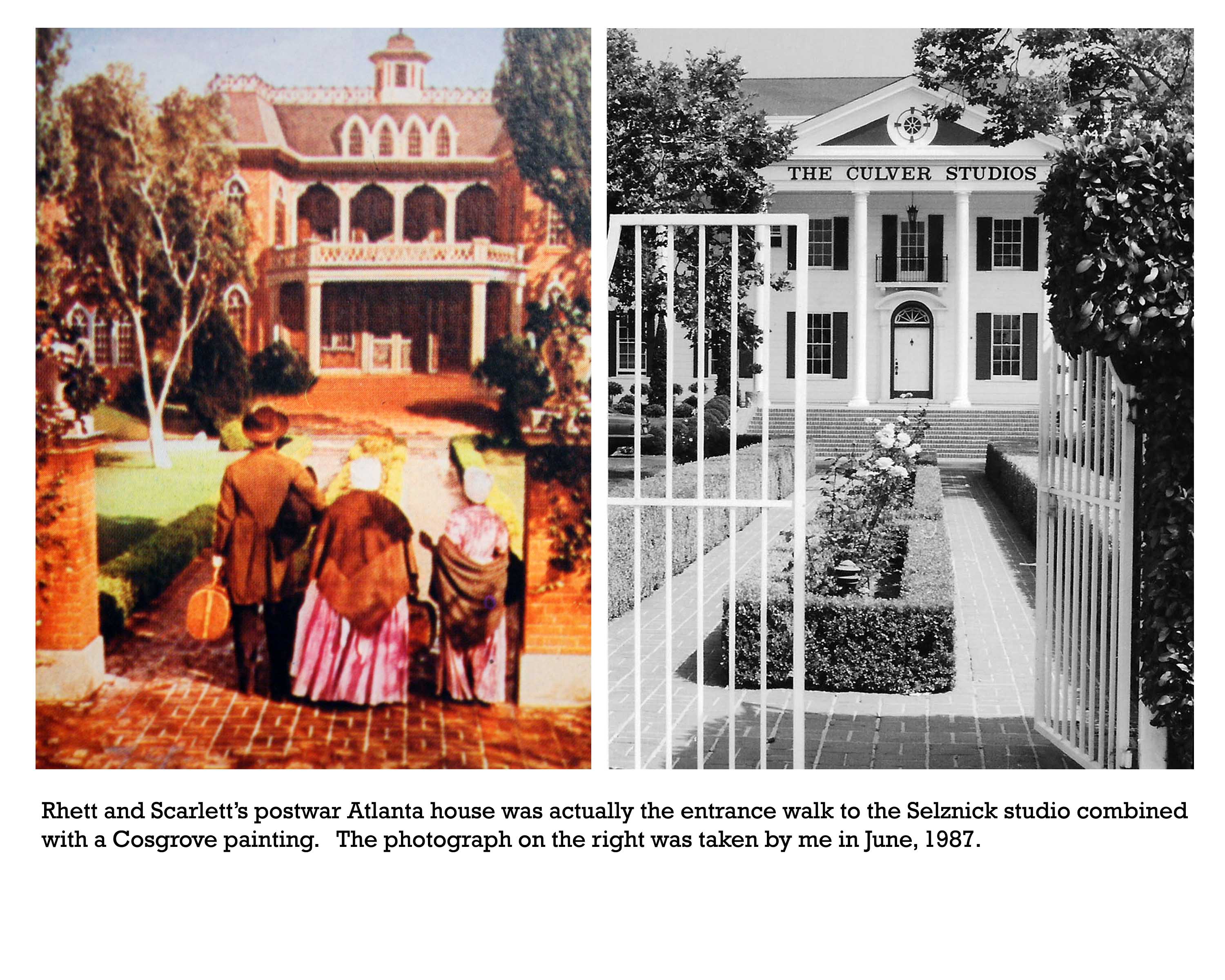
Sixty-six years later, the old dirt road in front of this writer’s home in Geauga County also led to Hollywood. As a new talent in the City of Angels, one of the early projects I had the good fortune of working on was at Culver Studios where “Gone With the Wind” was filmed nearly 50 years before.
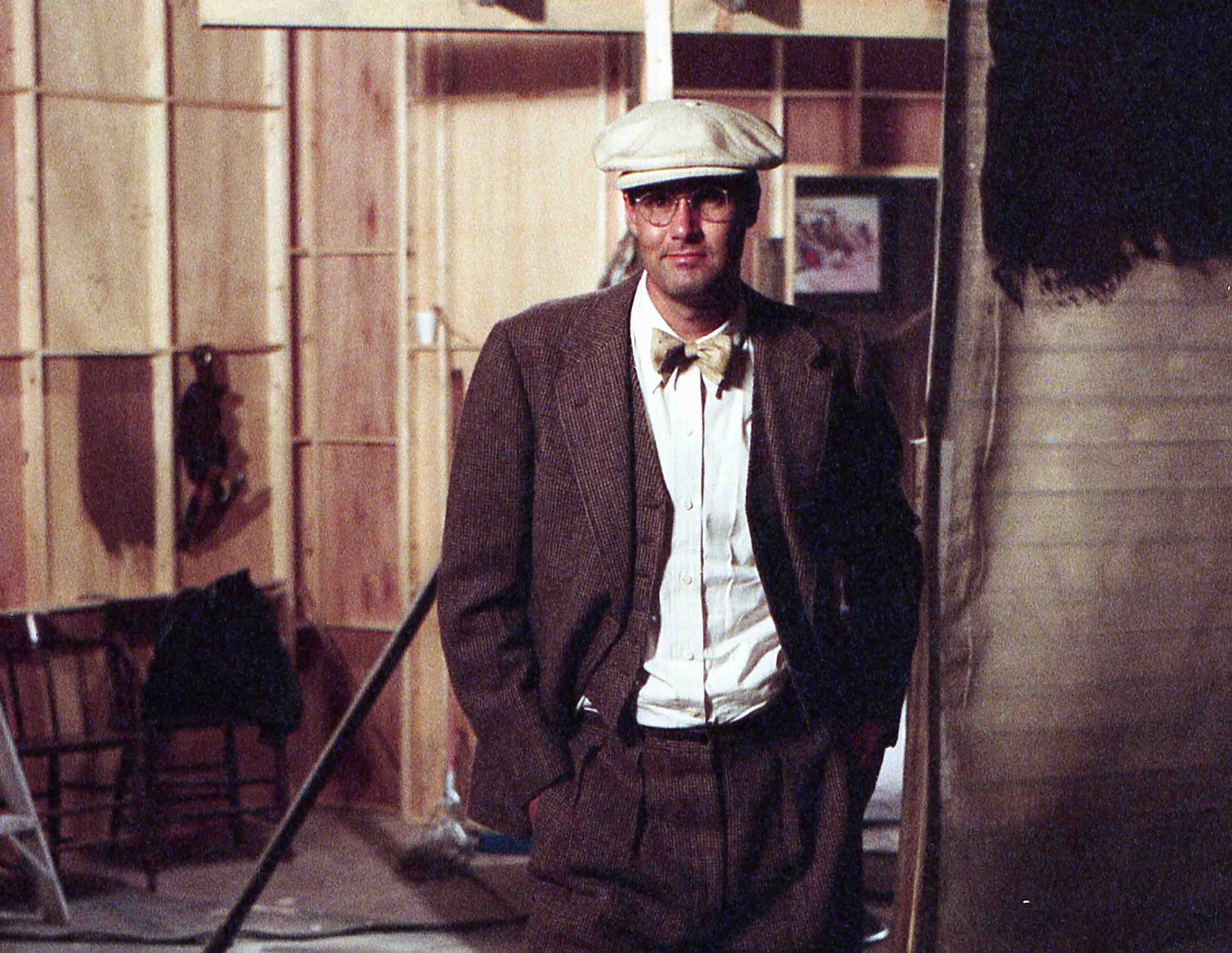
It all began one June afternoon in 1987 when my agent called to tell me Director Blake Edwards, who was well into production on the feature film “Sunset,” was looking for a photo-double for actor Jon Van Ness, who was having emergency eye surgery.
I was instructed to see Edwards 1st assistant director on location along Melrose Avenue. Fortunately, there were only four other actors interviewing for the partrare by L.A. standards.
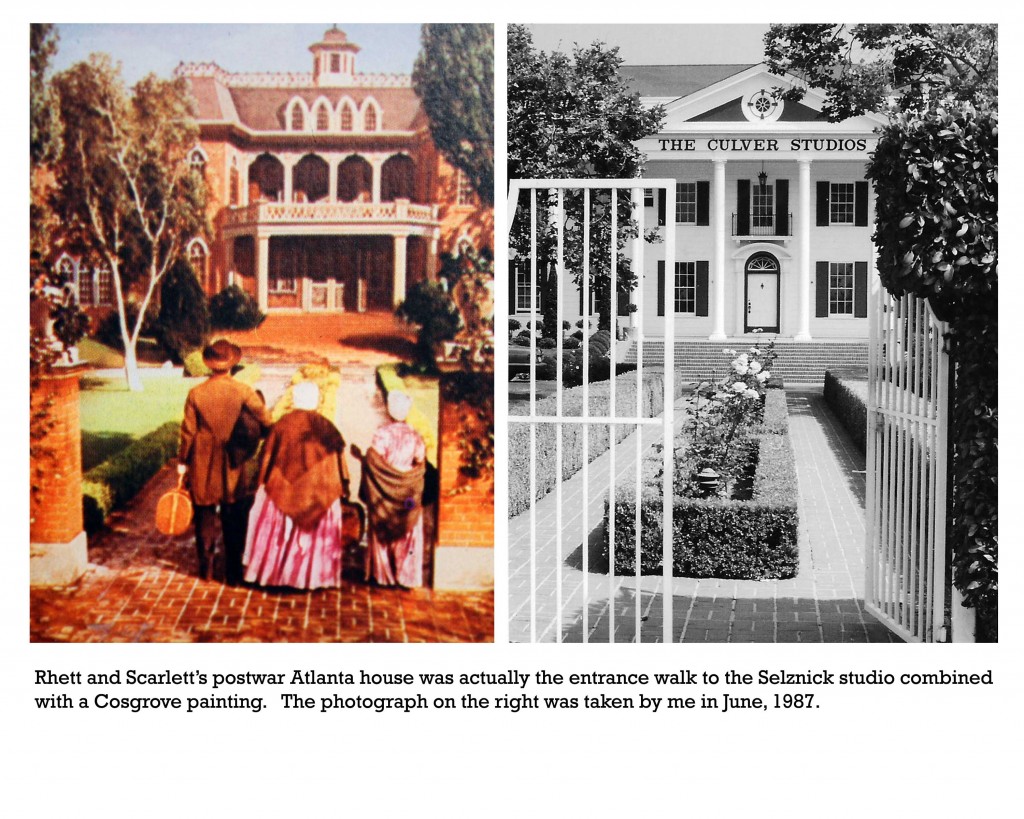
After a long wait, and several cups of coffee, Edwards finally had a chance between setups to look at the Polaroids that had been taken of us. Bingo! I was the guy. I was told to drive immediately to Culver Studios for a wardrobe fitting. It wasn’t until I pulled up in front of the administration building facing Washington Boulevard that I realized where I was.
“Oh, my gosh,” I said to myself. “This is Selznick International where ‘Gone With the Wind’ was filmed.”
The buildings were vestiges of Hollywood’s Golden Age and looked exactly as we see them on the opening of the film. As I entered the gate on Ince Boulevard, my mind was not on the business that had taken me there, but rather on the business that had taken place there. Walking among the old sound stages the “wind” filled my senses. When I eventually found the wardrobe department, I could almost imagine seeing Clark Gable slipping out the back door.
My call time the next morning was 8 am. Instead of taking the 405 freeway from my home in the San Fernando Valley, I took Sepulveda Boulevard, the road that Clark would have used before the freeways were built.
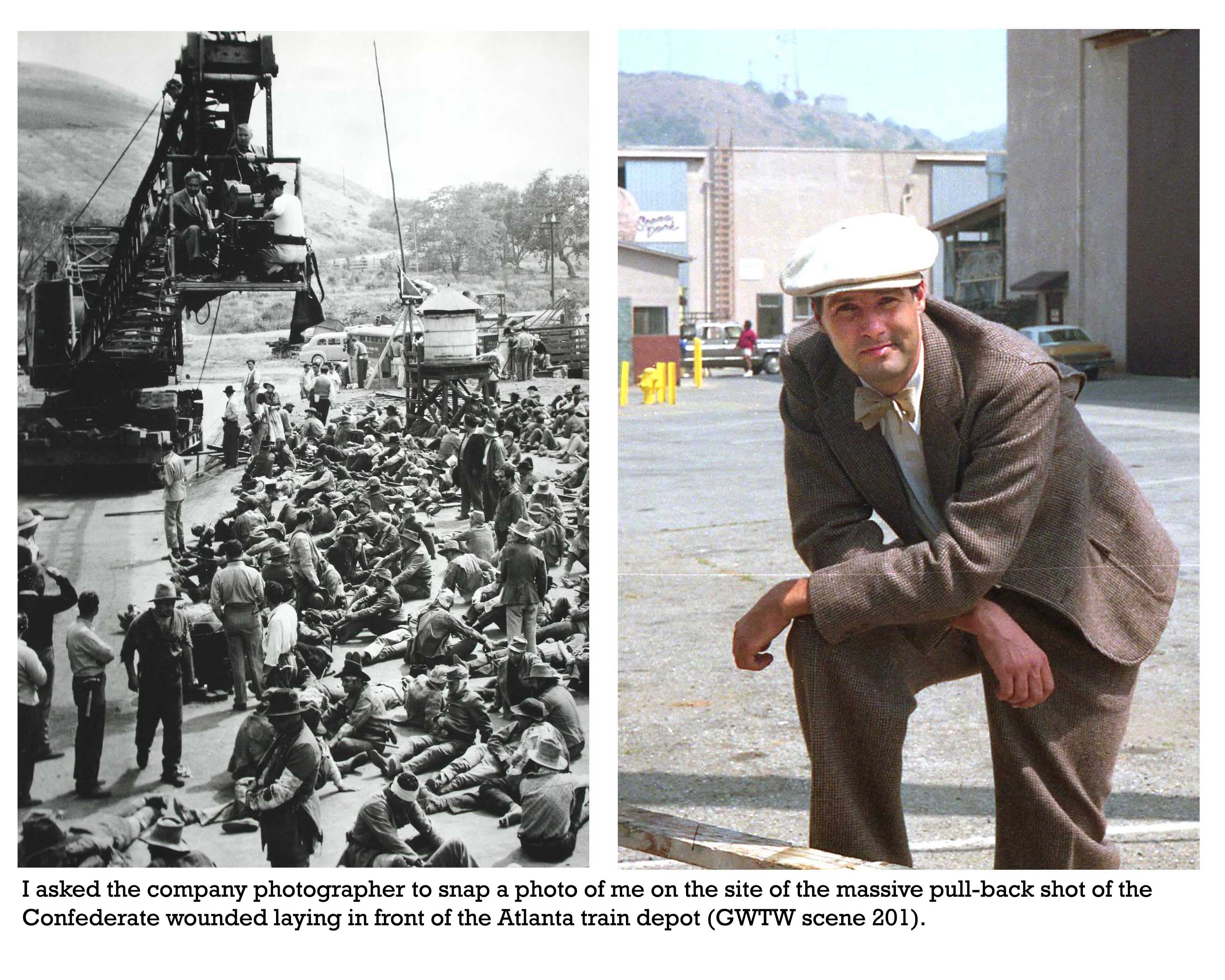
I arrived at the studio well before schedule and reported directly to the wardrobe department. Following a few minor adjustments to my costume, I was escorted to the make-up trailer. By 9 a.m., I was standing in front of Stage #3camera ready. I asked a security guard the question that had been on my mind all morning. He answered in the affirmative.
“Yes, Stage #3 was used for many of the interiors in GWTW.” I was then taken onto the set by an assistant director and introduced to legendary Director Blake Edwards. We shook hands and exchanged pleasantries.
Sunset
“Sunset” is a light adventure set in 1929 Hollywood about screen cowboy Tom Mix (Bruce Willis) and legendary lawman Wyatt Earp (James Garner) joining forces to solve a murder.
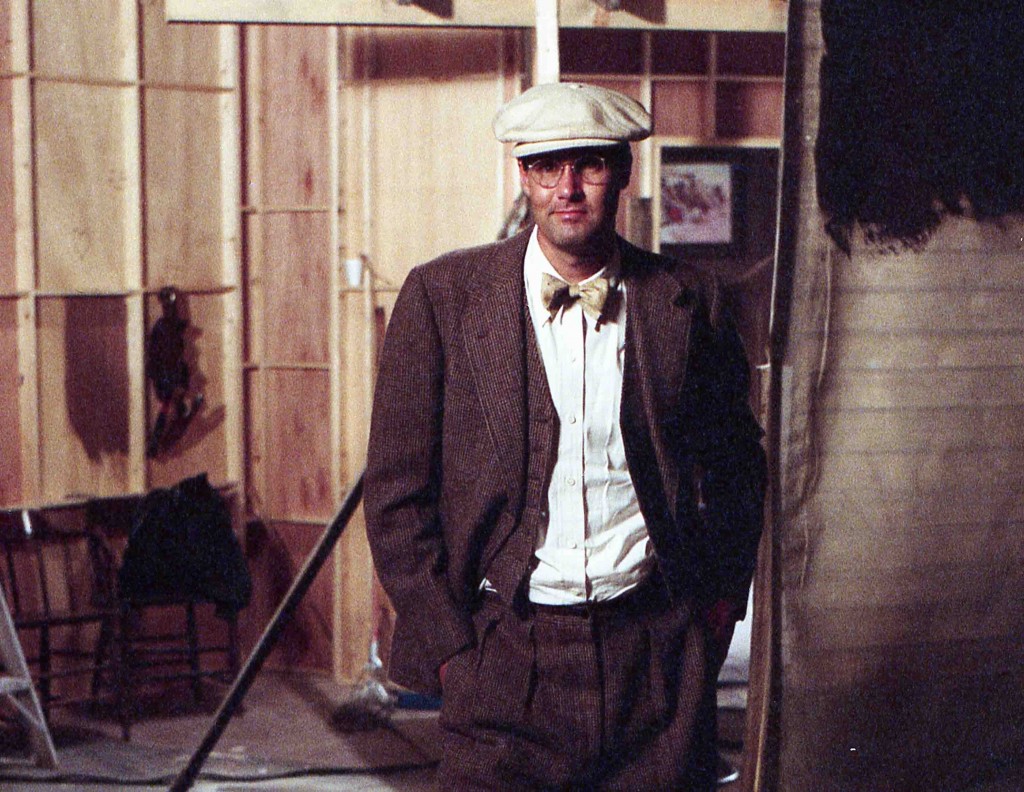
The part that I would be playing that day was the director of a movie crew filming Mix in a barroom brawl. The morning was spent blocking and choreographing the fight scene. James Garner showed up on set mid-morning with a terrible head cold and pretty much kept to himself, while Bruce Willis entertained the grips with a story about his recent run-in with the Beverly Hills Police Department. Ironically, I worked with Willis a few weeks later as a correctional officer in an episode of “Moonlighting.”
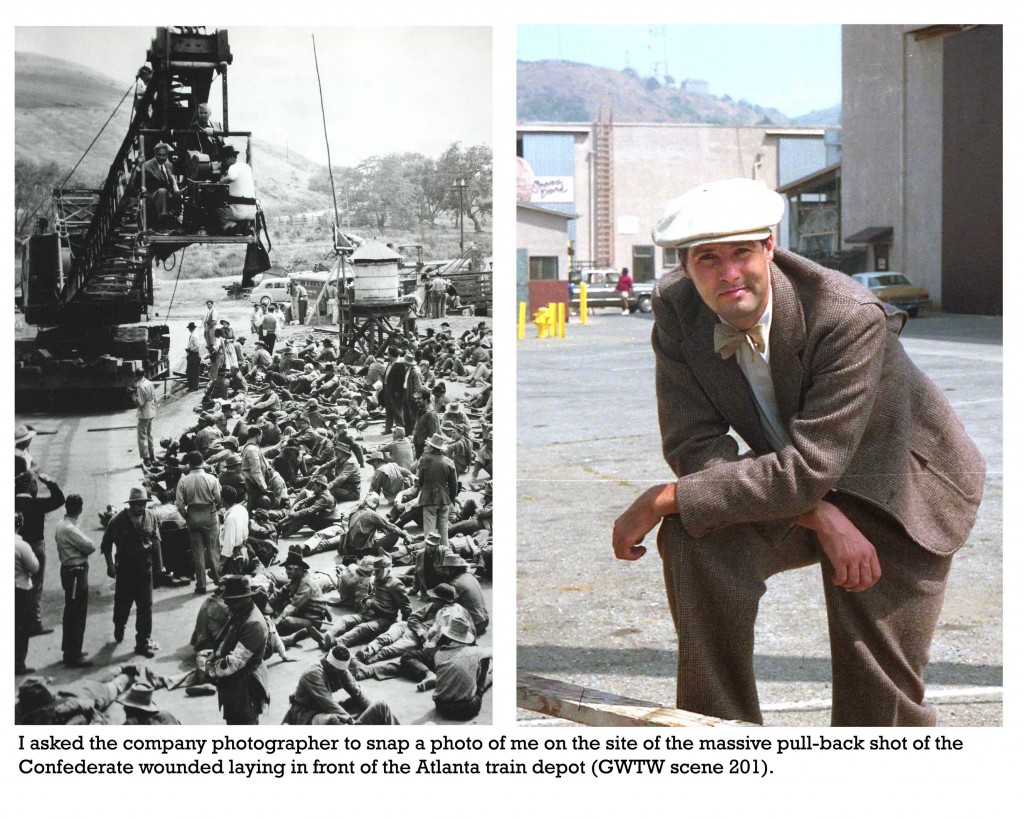
At noon the company broke for lunch. After a quick burger, I walked to the back lot hoping to see some remnants of Tara or the Atlanta train station, but those structures had long since crumbled away. Beyond a scene dock, there was an expanse of unimproved land where the old South once existed.
At 1:30 on Stage #3, the Panaflex Cameras were turning. Blake Edwards called “action” and the brawl began. When Bruce Willis tumbled over the bar, Edwards cut the shot, turned to me and said, “You’re the director. You need to say something when he (Willis) goes over the bar.”
I asked him what he wanted me to say.
“Whatever comes to mind,” he responded. “You know what to do.”
Again, the Panaflex Cameras turned and this time when Bruce Willis went over the bar, I yelled, “Cut. That was great. Print it.”
Edwards in turn said, “Cut. Good. One more time.”
One take later, it was in the can.
I’ve since gone on to a long career playing more substantial roles, but my memories of working at Culver Studios are among my fondest.
To have been a player on the same stage where Gable’s close-up in scene 46 (banister shot) was filmed in GWTW was like something out of the movies.




Stay Connected


