West G Treasurer Warns of Potential Tax Change Impacts
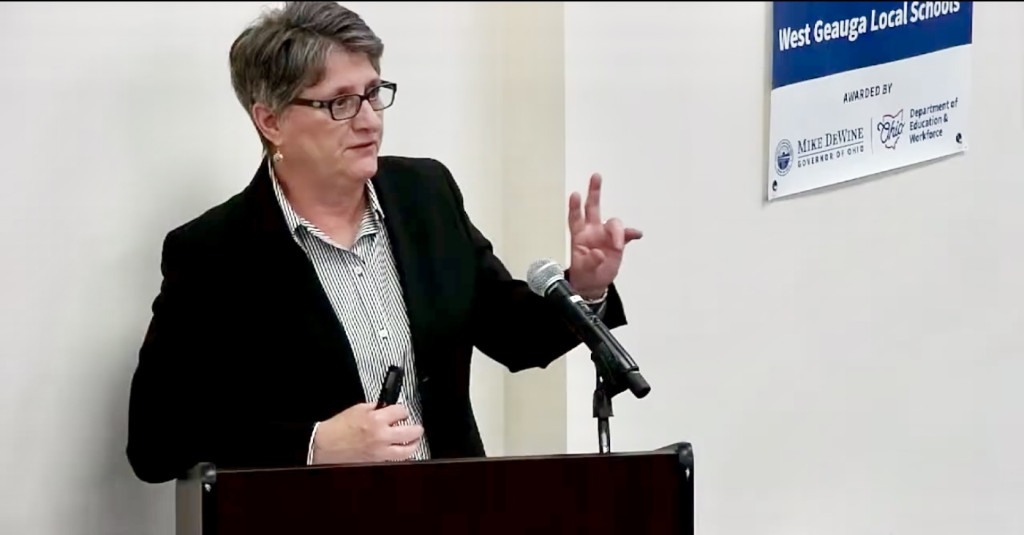
West Geauga Schools Treasurer Karen Pavlat cautioned Oct. 13 that proposed changes in state tax legislation could threaten the district’s financial stability in the coming years.
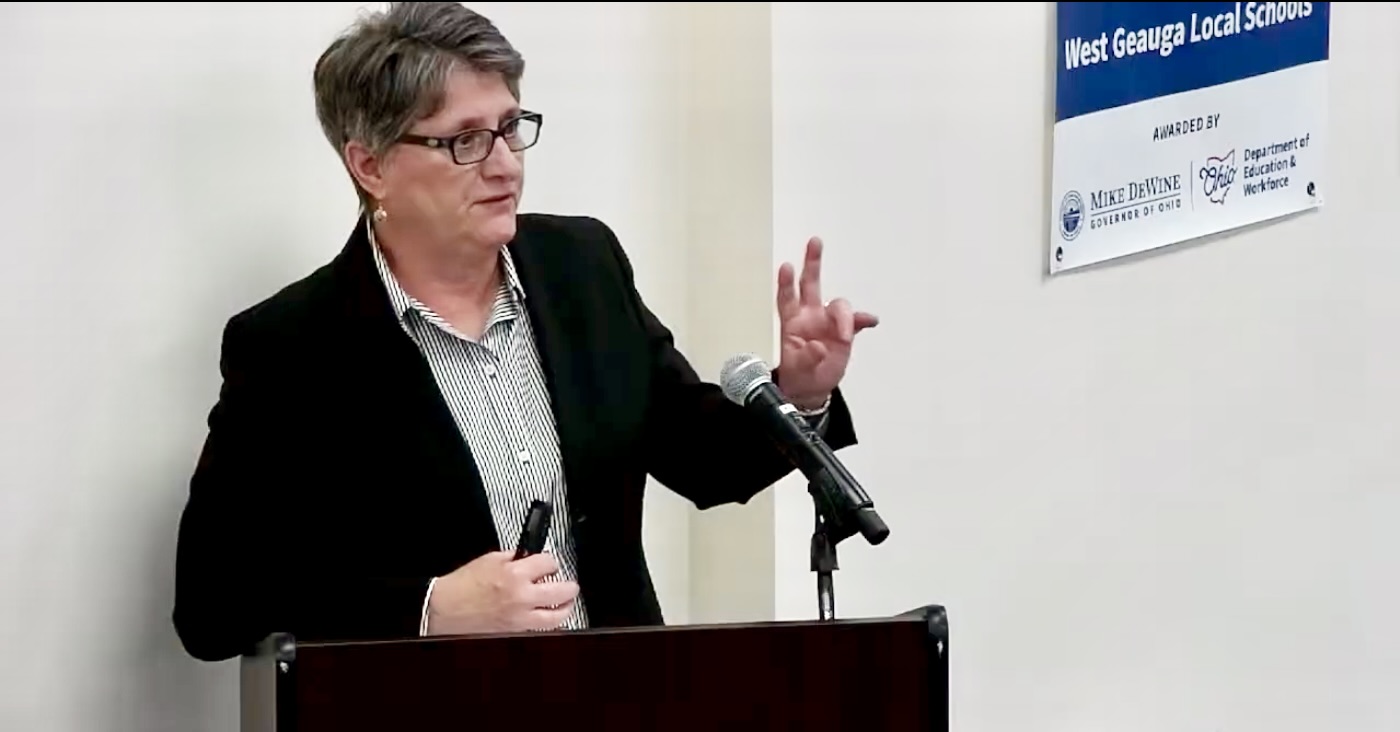
West Geauga Schools Treasurer Karen Pavlat cautioned Oct. 13 that proposed changes in state tax legislation could threaten the district’s financial stability in the coming years.
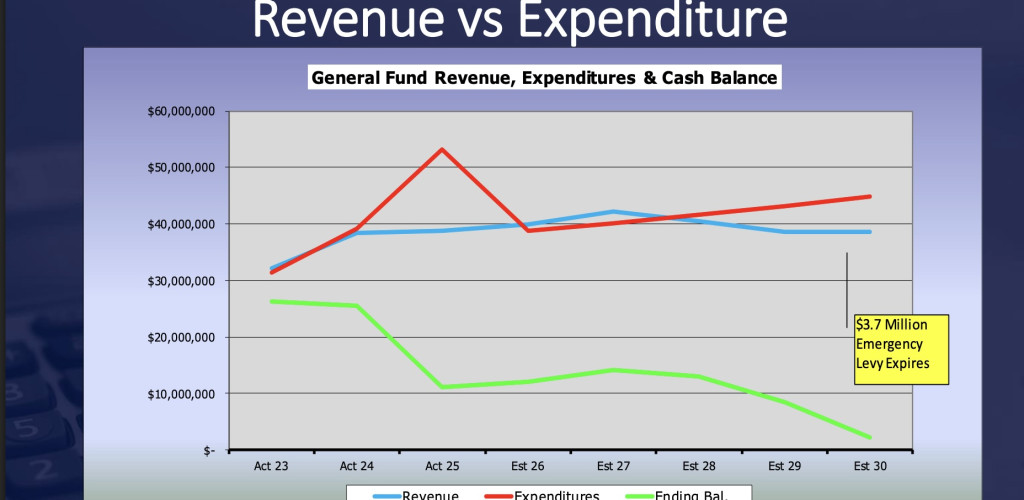
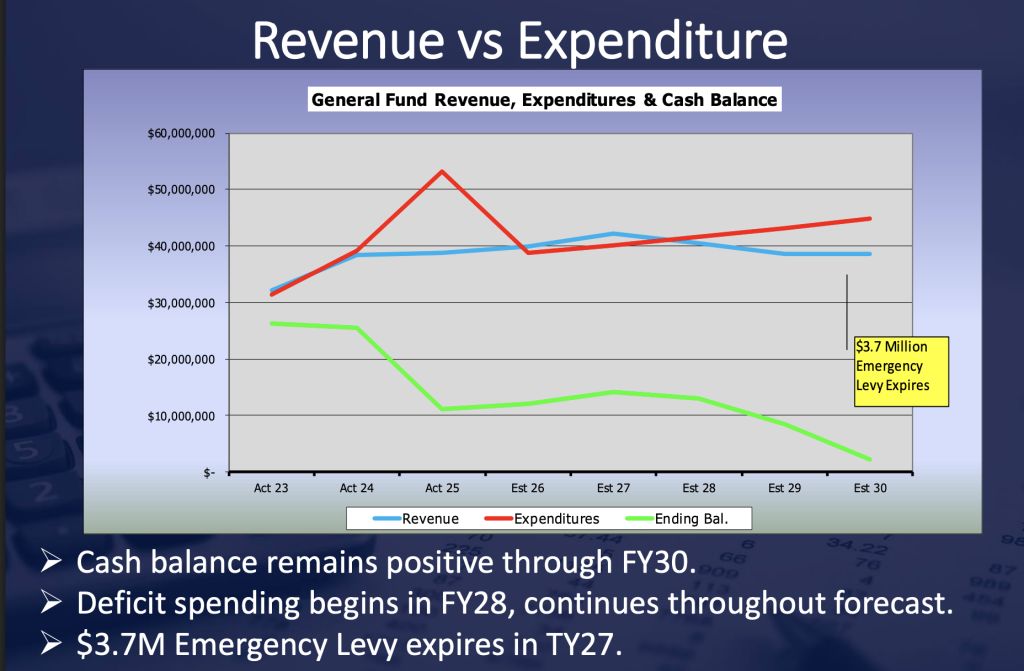
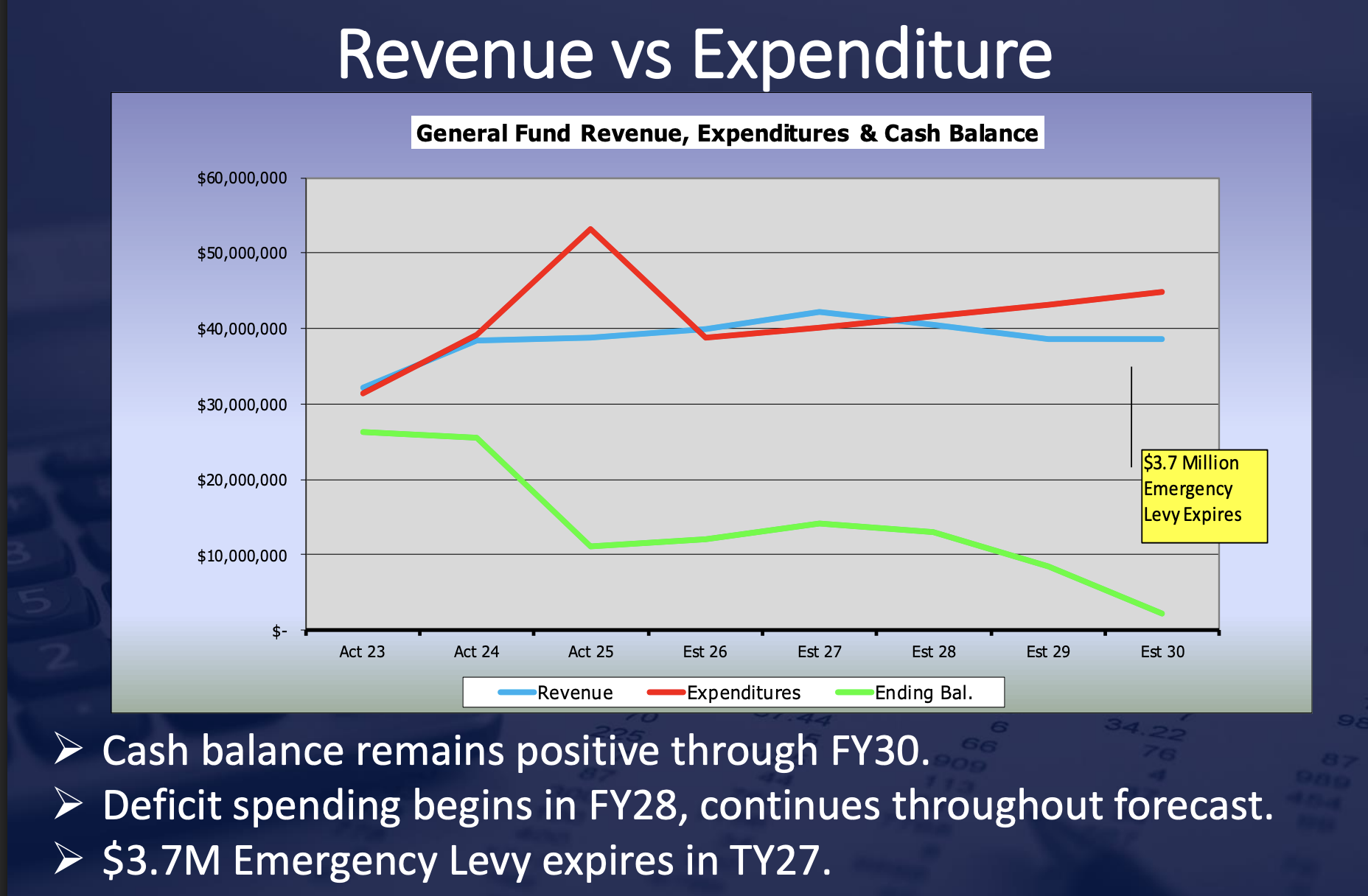
In her five-year-forecast, Pavlat predicted the total revenues for the district to be $39.8 million for fiscal year 2026, $42 million for FY 2027, $42.1 million for FY 2028, $42.2 million for FY 2029 and $42.2 million for FY 2030.
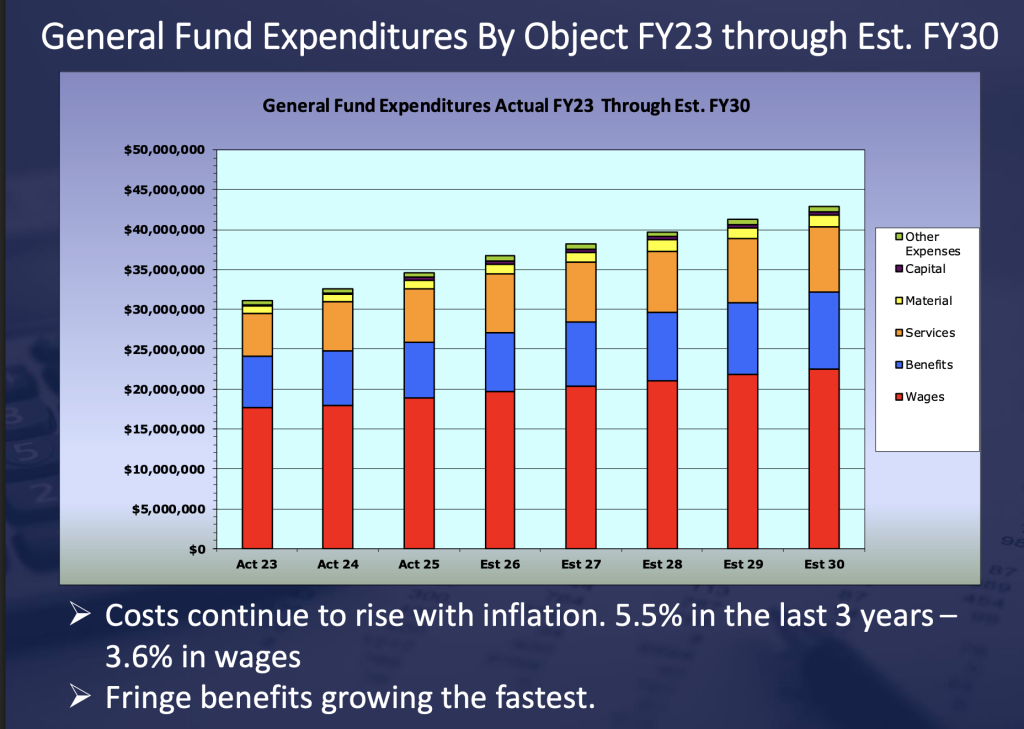
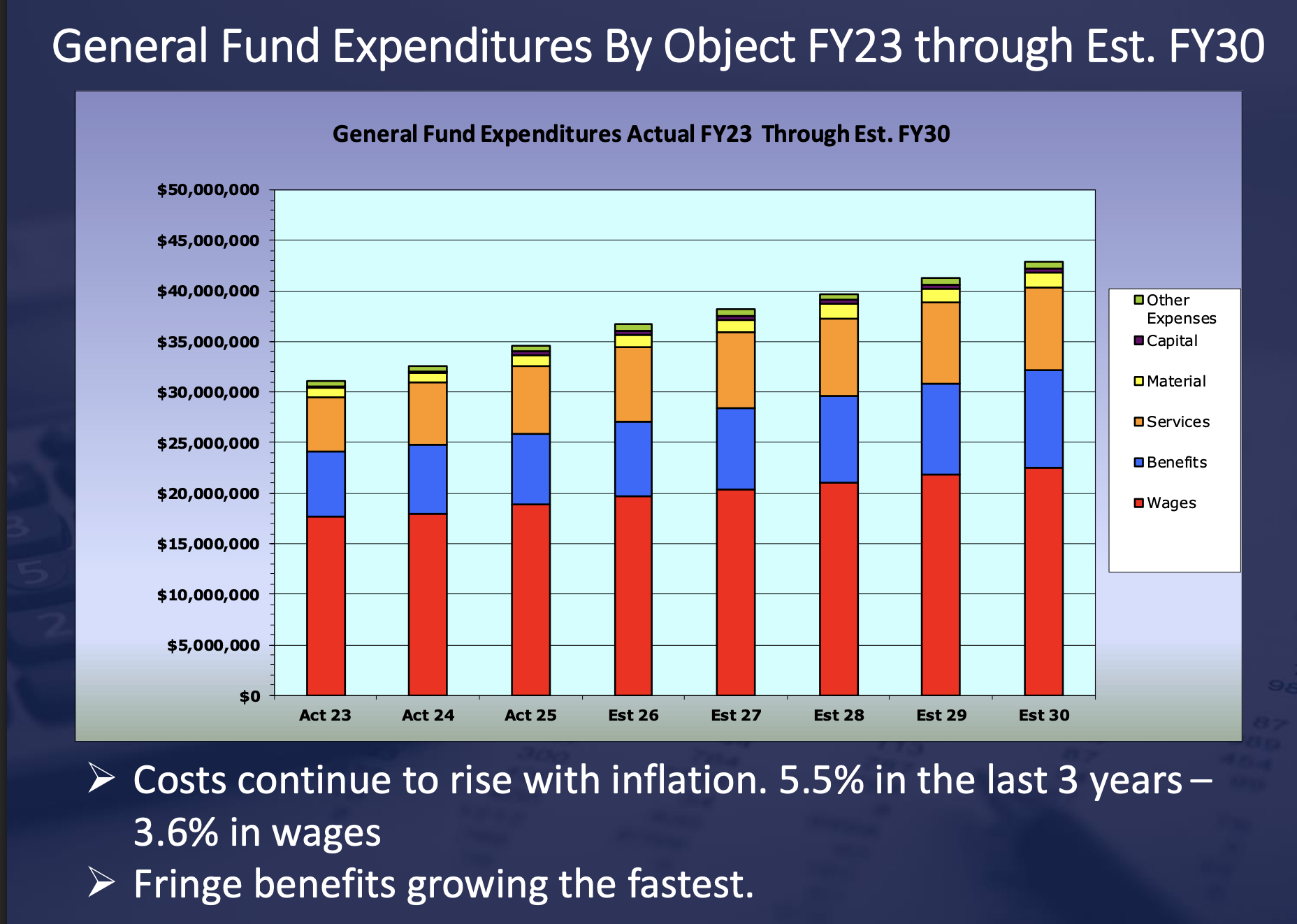
Operating expenditures are projected to be $36.8 million for FY 2026, $38.3 million for FY 2027, $39.7 million for FY 2028, $41.3 for FY 2029 and $42.9 million for FY 2030, according to her forecast.
District officials will be unsure about future levies until they know the results of an upcoming 4.82-mill continuing substitute levy on the Nov. 4 ballot.
“If this one is not approved by the residents, then we would be back on the ballot in May,” Pavlat said.
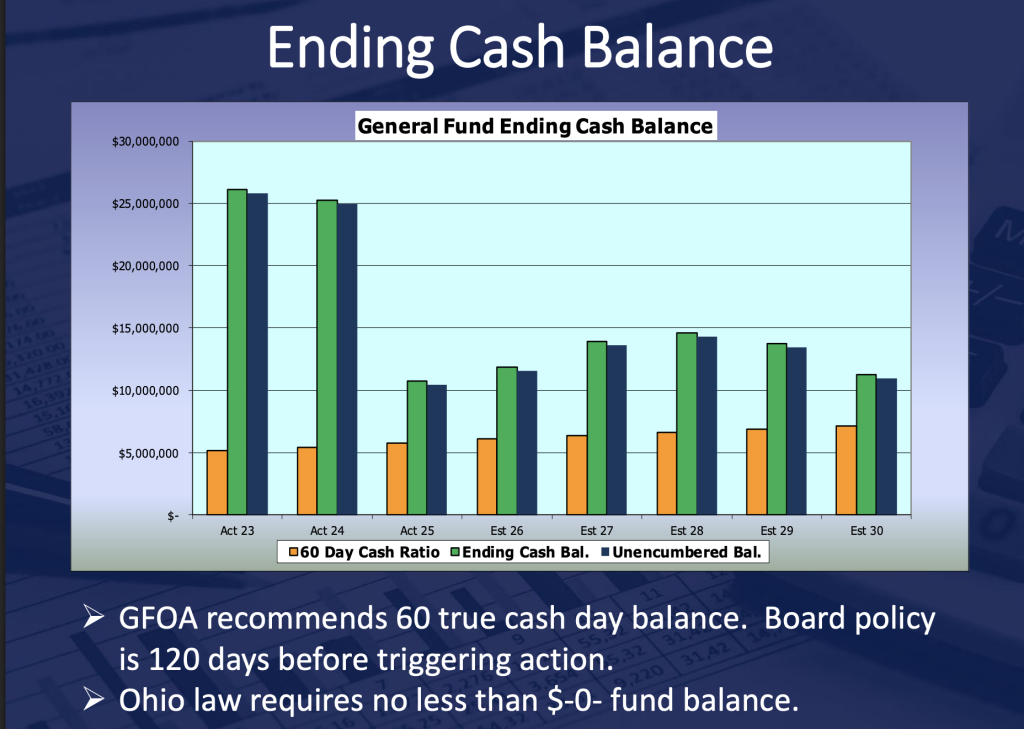
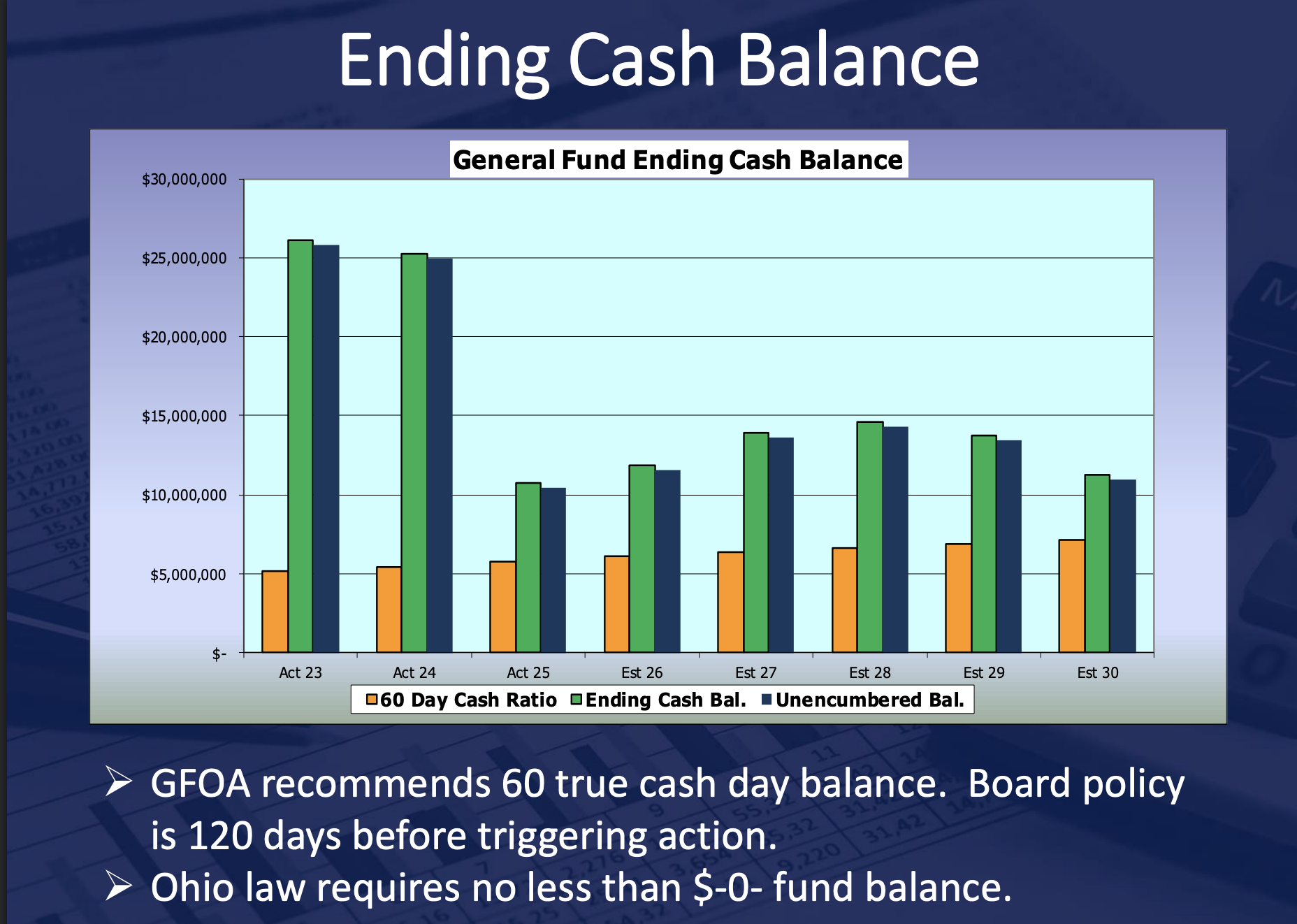
If the levy passes, the treasurer expects the district to have a cash balance of $11 million in 2030.
“If the $3.7 million emergency levy expires and is not renewed through the substitute levy, the balance will be closer to $2 million, requiring a new levy of some type in May 2026,” Pavlat added.
The FY 2026 and FY 2027 biennium budget may contain property tax changes that could significantly impact the district, she said, adding things could also change depending on state legislation, like House Bill 96, which could cause a $835,000 loss for the district.
“House Bill 96 includes property tax relief for Ohioans by empowering county leaders to take direct action and enhancing local control over property taxes,” according to a press release from the Ohio House of Representatives. “House Bill 96 allows the board of county commissioners to provide a local owner-occupancy tax credit of up to 2.5% and a local homestead exemption for those who qualify for the state’s homestead exemption.”
In addition, HB 129, currently in the Ohio Senate, could affect the district’s funding by getting rid of “emergency levies.”
“So, we would have to determine what the impact of those would be,” she said. “So, in some situations, the emergency levies would not be able to be renewed and in other legislations, it would be able to be renewed.”

HB 186 would also have a big impact on the district, Pavlat said.
“(HB 186 establishes) a new Inflation Cap Credit that prevents increases in school district taxes from exceeding the rate of inflation,” according to a press release from the Ohio House of Representatives. “This legislation will protect homeowners from surprise hikes in their property tax bills when they live in a district that is on the 20-mill floor.”
She added, “That would have been the one that was catastrophic to us.”
The House Ways and Means Committee came out with a way to pay for that through the state so that the district would not be harmed, Pavlat said.
“That was through canceling the extension of the sales tax holiday,” she said, adding the bill was passed by the House and has moved to the Senate.
As far as enrollment, Pavlat expects the district’s enrollment to continue to go down, which is similar to trends across the state.
While the district’s financial future is uncertain, Pavlat remains proud of their current financial standing.
“I think we are very prudent with our financials and financial expenditures,” she said. “We’ve been putting back money for long-term repairs and renovations, so we put ourselves in a
good position for that and then we monitor our expenditures on an ongoing basis, and we don’t overspend.”
However, many treasurers are in the same boat she is with five-year projections, Pavlat said.
“I think that there is a great deal of uncertainty surrounding school funding right now,” she said. “And that makes it very difficult to forecast and project things for five years because we don’t know what that’s going to be.”