

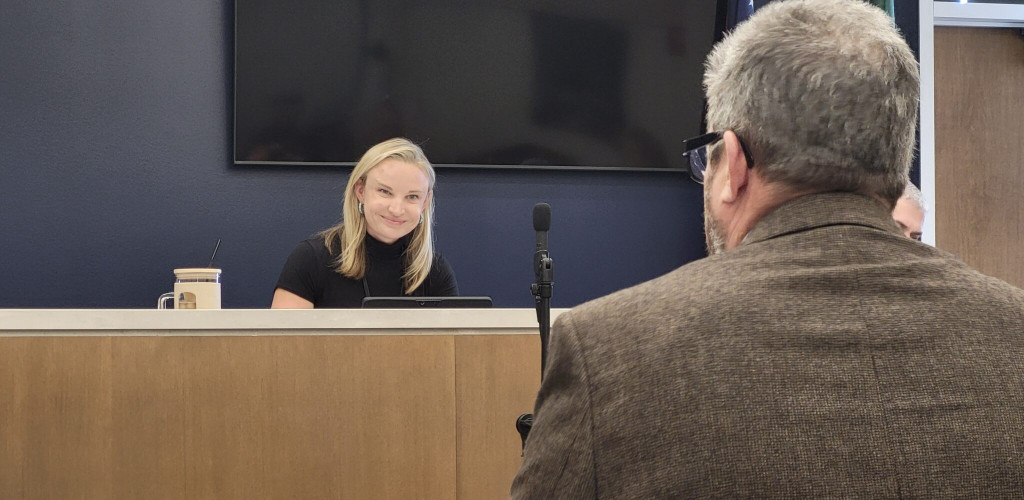
A months-long conflict between the Geauga County Commissioners and Geauga County Airport Authority over money for a new T-hangar finally came to an end April 24, with commissioners voting 2-1 in favor of a new resolution allocating $800,000 to the airport.
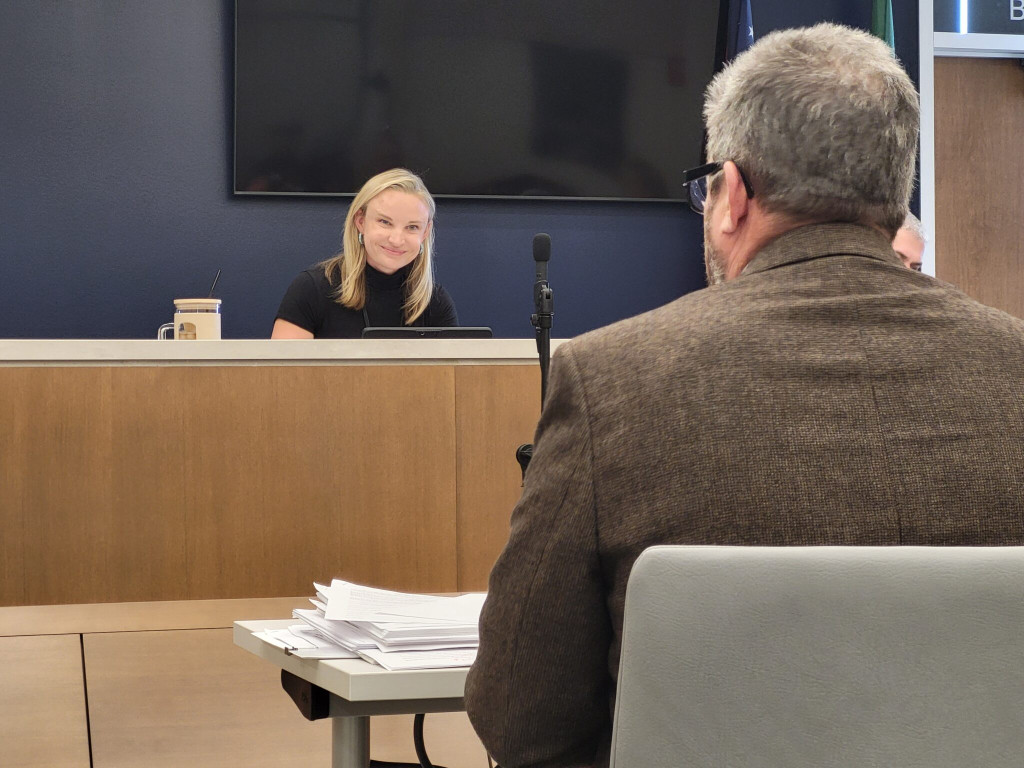
A months-long conflict between the Geauga County Commissioners and Geauga County Airport Authority over money for a new T-hangar finally came to an end April 24, with commissioners voting 2-1 in favor of a new resolution allocating $800,000 to the airport.
Commissioner Carolyn Brakey was the dissenting vote.
Per the resolution, commissioners will appropriate $800,000 from the county’s general fund to the airport construction fund, and authorize its encumbrance and expenditure to the airport.
The resolution also requires the airport to provide quarterly reporting to commissioners for three years following the hangar’s construction, including copies of leases, occupancy rates, rental income and other similar documents.
In December, commissioners voted to allocate $1.3 million to the airport for construction of a new T-hangar and the improvement of airport facilities. The transfer of money was contingent upon an agreement that was never finalized.
In February, commissioners rescinded the old motion and re-negotiated a new agreement, which stalled out in the Geauga County Prosecutor’s Office.
Commissioners approved a resolution April 8 allocating $800,000 to the airport for the hangar.
However, the resolution had accountability measures the airport did not agree with.
As a result, the airport authority presented a modified resolution April 15, drawing criticism from Brakey on some of the redlines. The matter was tabled.
Multiple items related to the airport were removed from the commissioners’ April 22 meeting agenda after the airport authority rejected the terms of a draft resolution the prosecutor’s office had approved, Brakey said, adding the airport authority decided, instead, to request the money as a loan rather than a grant.

Confusion Turns to Resolution
The April 24 meeting began with confusion.
Brakey recapped the events leading to the meeting from her perspective.
She and Commissioner Jim Dvorak had spent Easter weekend working with the prosecutor’s office to reach a resolution more acceptable to the airport, which would have been voted on Tuesday, she said.
“How are we here voting on a loan?” she asked.
Acting County Administrator Linda Burhenne said it was her understanding the new resolution had elements the airport could not agree to.
Airport authority President Chip Hess said the new resolution was an attack on the airport.
Because the resolution had been through multiple variations, officials had difficulty locating the correct document to reference when Brakey asked the airport why they disagreed.
Hess and airport authority Vice-President Greg Gyllstrom listed a number of issues, including terminology referencing fraud, malfeasance and misuse of funds, as well as a provision that would allow commissioners to turn the funds into a loan and ask for accelerated repayment in the event the airport authority was not complying with the resolution or a 2018 lease agreement with the county.
These are not terms appropriate for partners and co-sponsors, Hess said.
As discussion turned to the loan, Commissioner Ralph Spidalieri pressed Commissioner Jim Dvorak about his change of heart.
“All the way up until December 31, you were in support of (the original arrangement with the airport), and then all of a sudden, that changed,” he said, asking what happened.
Dvorak replied he still wants to support the airport, but wants stipulations.
“Do we then make this a common practice, that anyone who comes and asks for us to improve county facilities, that we’re going to create loans now for them?” Spidalieri asked, listing the courthouse extension, Geauga County Safety Center roof project and prosecutor’s office improvements as examples.
Those are existing buildings carrying out the statutory function of government, Brakey replied. Spidalieri noted commissioners also granted funds to the Geauga County Fair Board.
There were bonds involved with the money for the fair board, Dvorak said.
Spidalieri motioned to give the airport $800,000 plus an additional amount not to exceed $50,000, with no interest or repayment. It died without a second.
As both parties went back and forth on the loan details, Spidalieri once again advocated another option.
“We have the ability … to be able to just do a transfer of funds,” he said. “Just like we do a transfer of $20,000 to the airport annually, that we would be able to just do that to avoid all of this craziness.”
While Brakey said this was just a repeat of Spidalieri’s previous motion, Dvorak asked to mull it over for a moment.
Brakey noted Dvorak had promised there would be conditions on the $800,000 to protect the taxpayer.
Dvorak asked the airport representatives what conditions they would accept.
Hess and Gyllstrom replied they would accept the 2018 agreement and agree to a three-year period of providing commissioners documentation on the project.
Dvorak said he would be willing to give $750,000, the same amount given to the fair board. Hess said the airport would come up short if given that amount.
Spidaleri motioned for an $800,000 transfer to the airport. Dvorak once again asked the airport, if they were given the $800,000, what conditions they would accept along with the 2018 agreement.
Hess and Gyllstrom said they would provide whatever commissioners want to see.
Officials drafted a new resolution outlining the transfer of the $800,000 and requiring quarterly reporting from the airport for three years, which commissioners passed in the 2-1 vote.
Brakey expressed her dissatisfaction with the vote in a statement April 26, emphasizing the need for safeguards for taxpayers.
Thursday’s result was the culmination of good-faith public work being discarded in favor of a shotgun allocation of money, she said.
“There was well-crafted and reasonable contractual language — approved by the prosecutor’s office — that would have afforded taxpayers standard protections and assurances,” she said. “There is no excuse for abandoning it. Something was — and remains — seriously amiss.”


