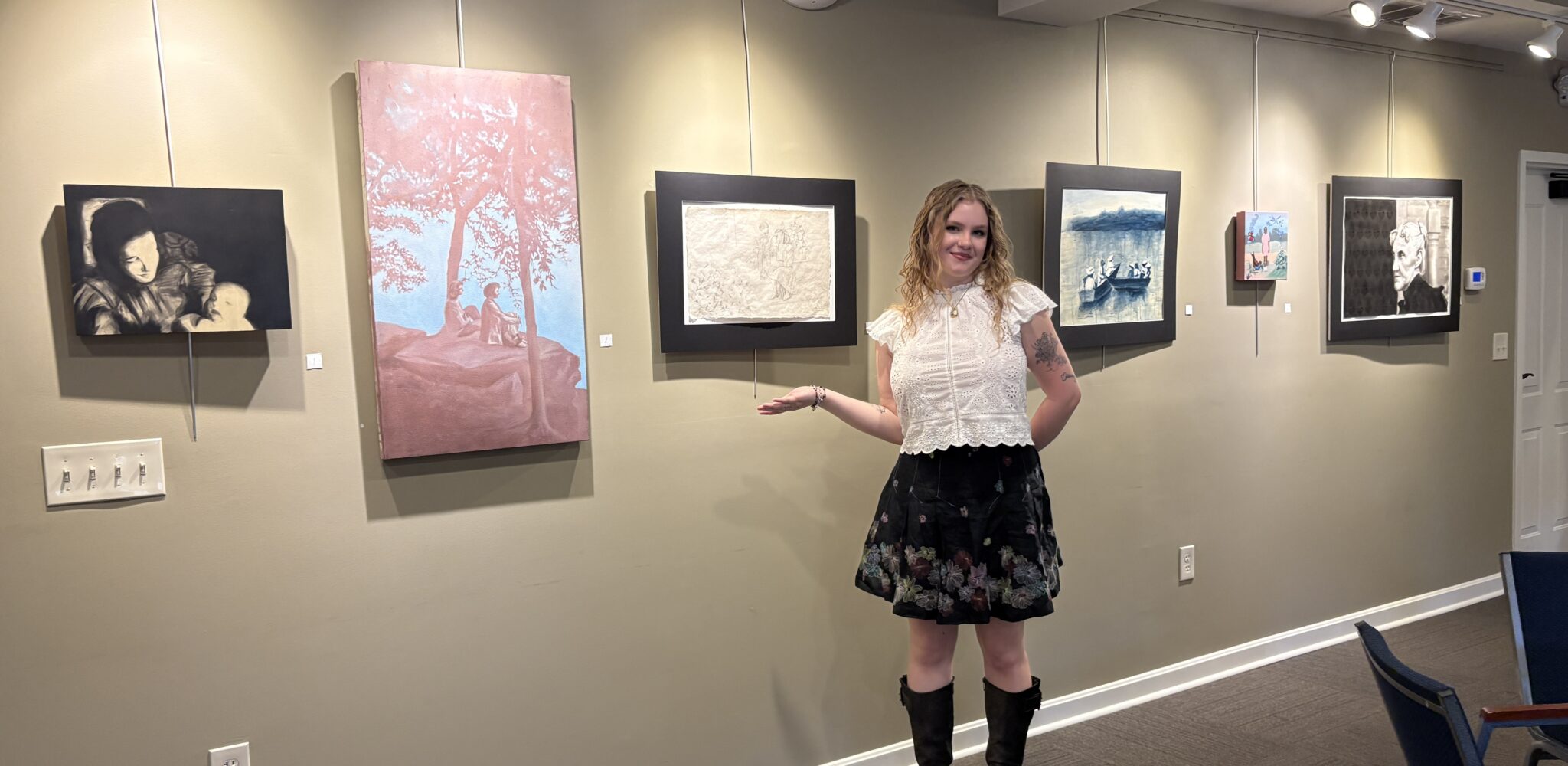
When 21-year old Bainbridge native Amelia Vinson began digging through thousands of artifacts at the Chagrin History Center, she was not looking for famous names or major historical events.
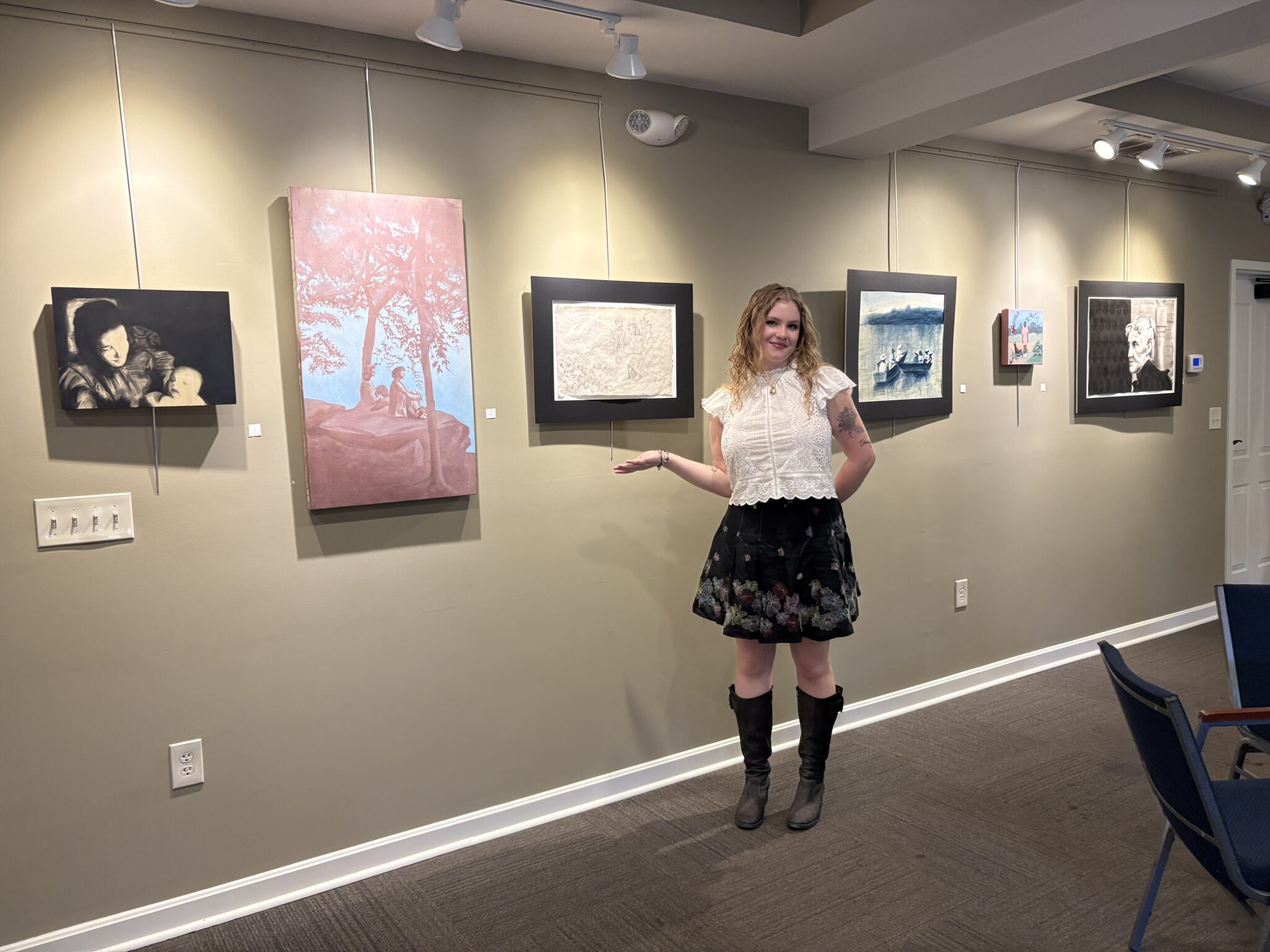
When 21-year old Bainbridge native Amelia Vinson began digging through thousands of artifacts at the Chagrin History Center, she was not looking for famous names or major historical events.
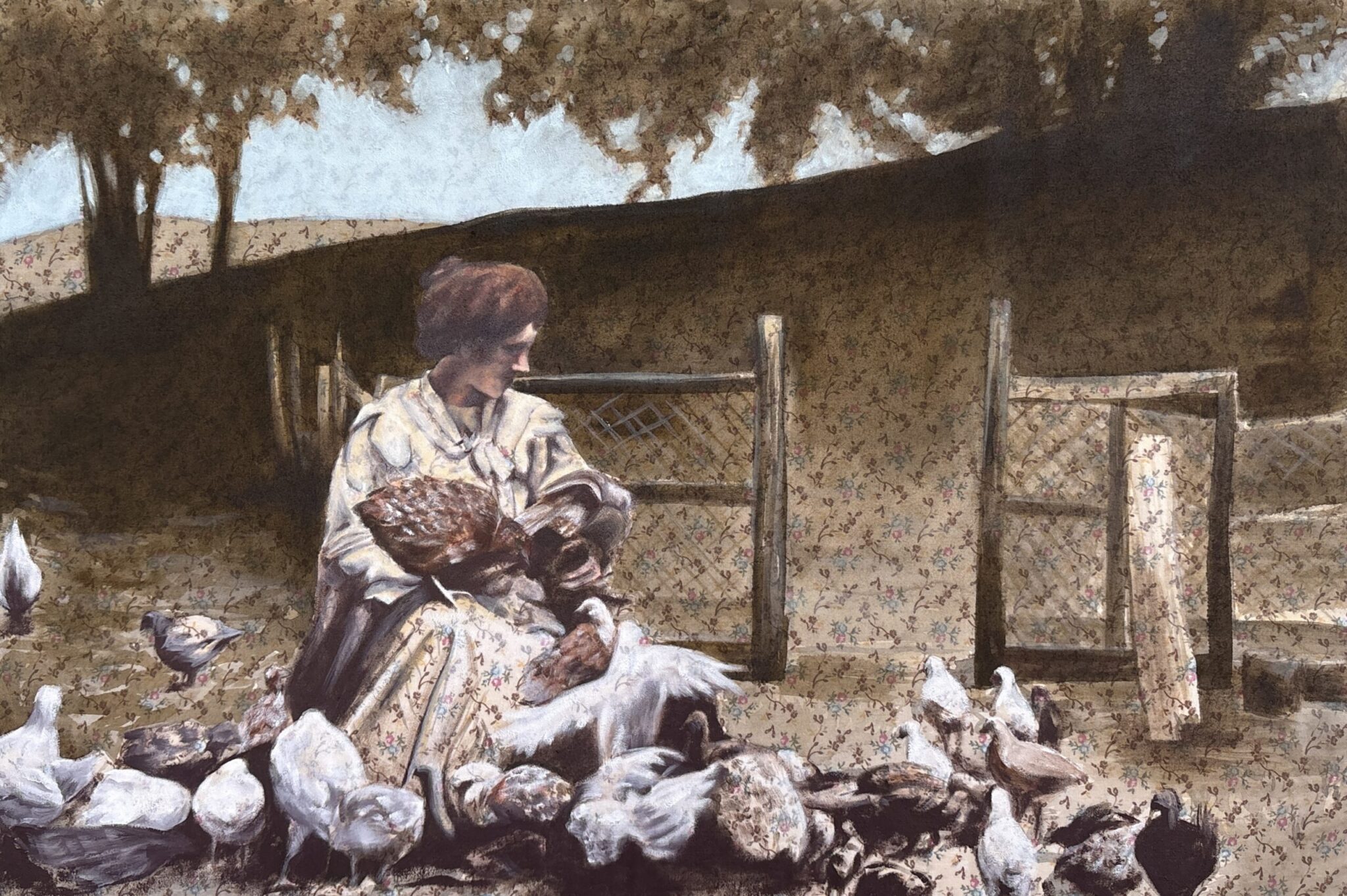
Instead, she found herself drawn to candid photographs of ordinary women in moments of rest, reflection and everyday life. Those images became the inspiration for her new exhibition, “Drawn from the Archive: Remembering Women from Chagrin Falls History.”
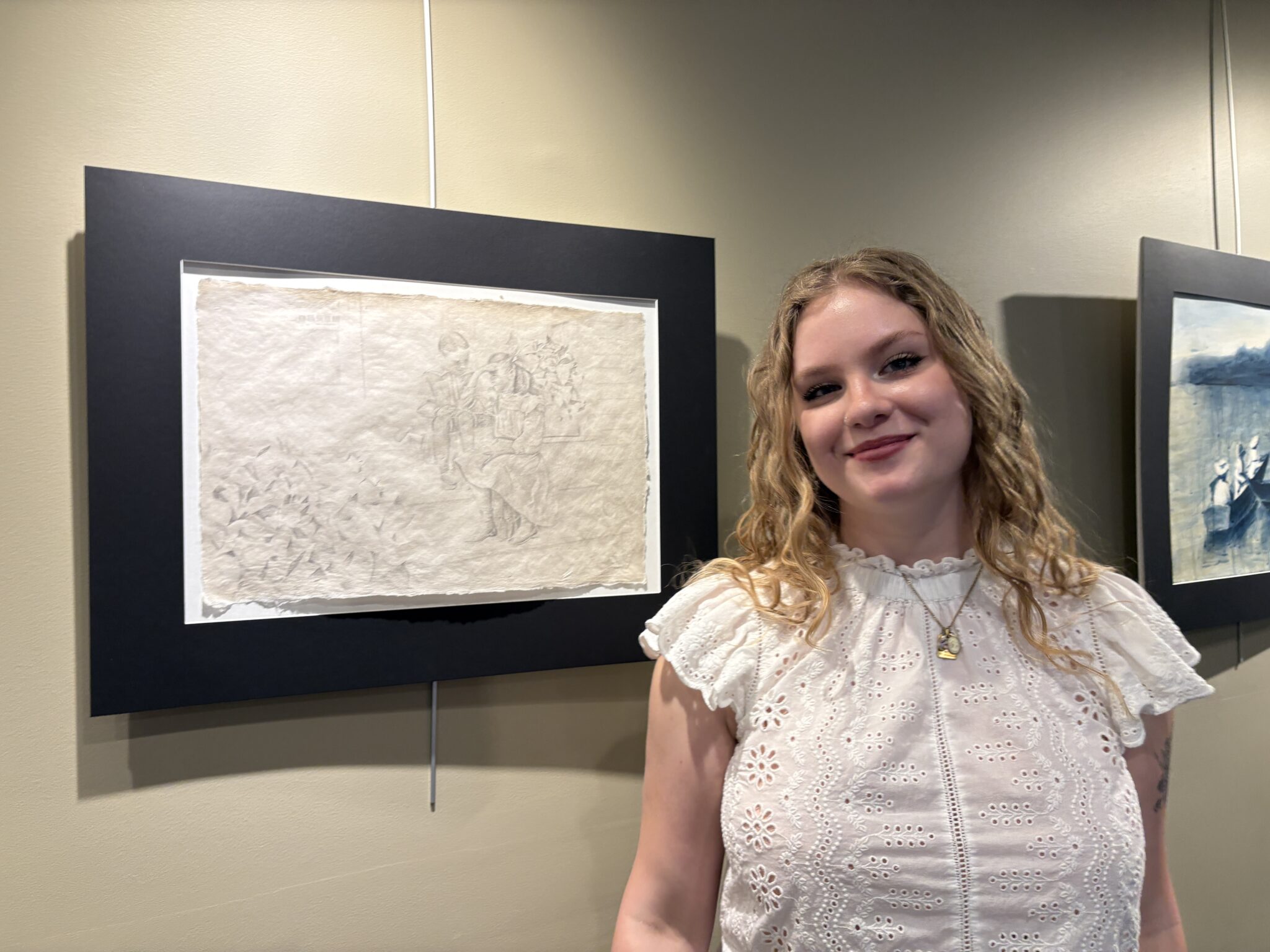
Vinson, a former Kenston High School student, is a painting and drawing student at the Cleveland Institute of Art. Her showcase features 11 paintings and drawings inspired by materials in the history center’s collection.
She initially studied microbiology at Michigan State University before realizing her true passion was art, she said in a June 4 interview. Vinson credited former Kenston art teacher Andie Quinn with encouraging her to pursue that path.
“She was always very supportive and pushing me to pursue art, and she still keeps in contact and comments on my Instagram posts,” Vinson said of Quinn.
Quinn said she spotted Vinson’s artistic gifts immediately.
“Amelia has amazing talent,” she said. “It was something I recognized right away. I found out she was moving (in high school) and I was disheartened. I immediately found out who her future teachers were and contacted them to let them know what an amazing artist Amelia was and the potential in her. I’m so proud of Amelia and all that she has accomplished.”
As Vinson reflected on her current exhibit, she said she drew inspiration from the Chagrin History Center’s extensive collection of artifacts, including photographs, clothing and dolls that once belonged to women.
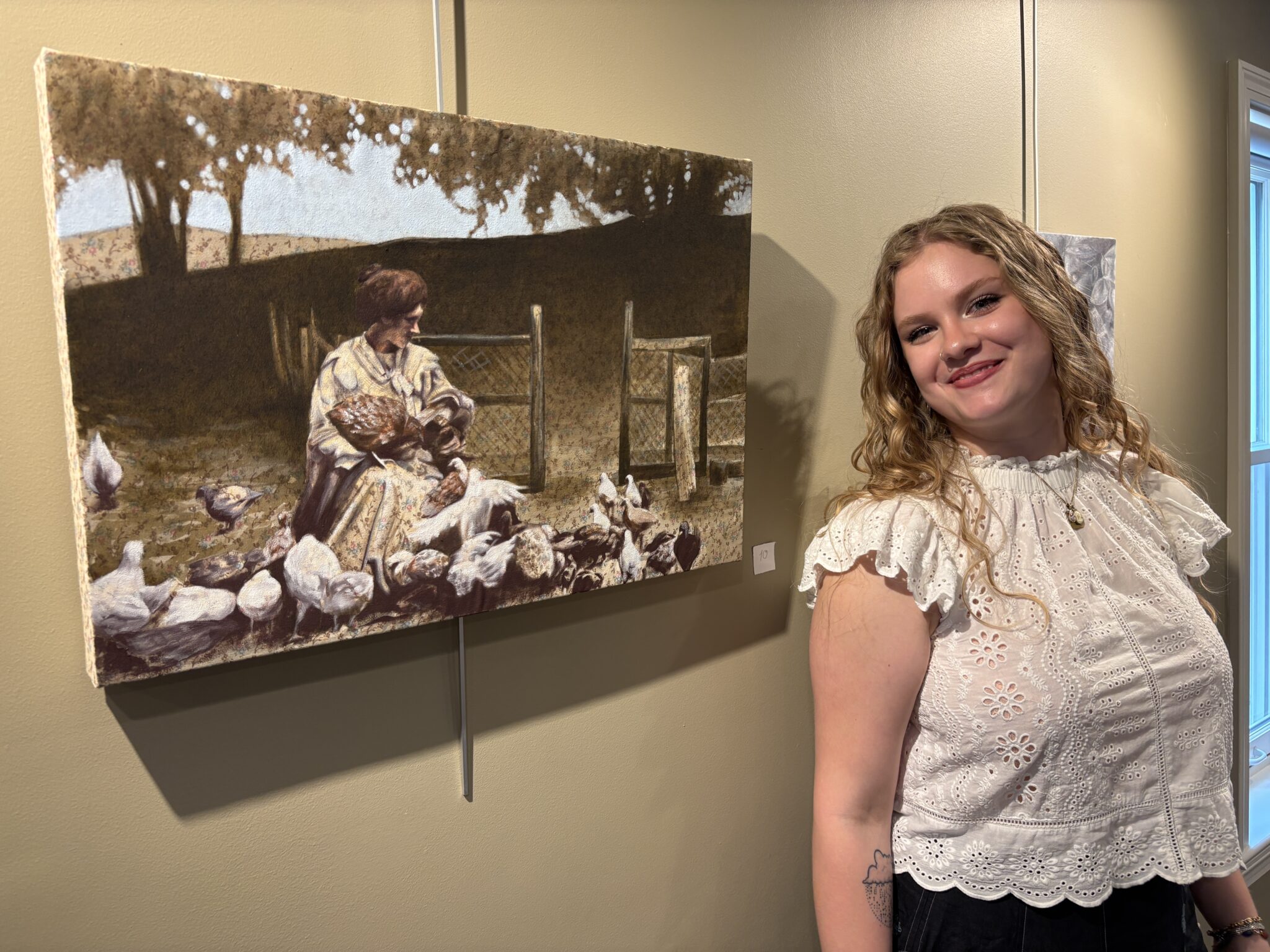
“I started looking through their photographs for moments that I thought were genuine and like I felt like I could connect with the subject,” she reflected. “I created a series of 11 paintings and drawings based on those photos and textiles and patterns that I noticed throughout the collection.”

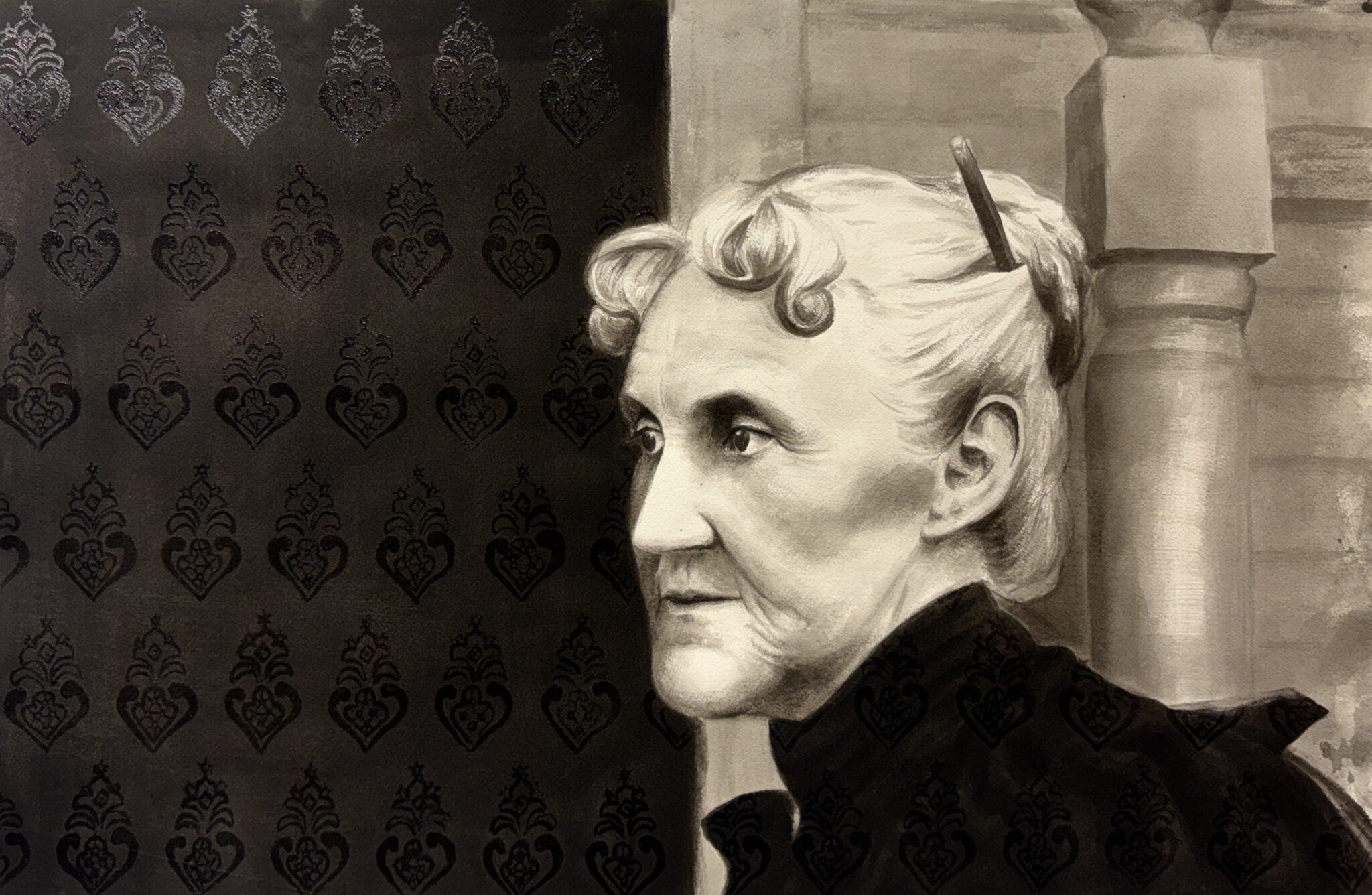
Among the artifacts that stood out most to Vinson was a collection of Victorian mourning clothing.
She explained that during the Victorian era, families commonly wore simple black clothing following a death. If the clothes were too flashy or ornate, it would be viewed as celebrating the loss rather than mourning it.
“I thought in times of grieving, how difficult it must have been to not be able to fully express yourself for fear of backlash, so … that’s what originally (got) me thinking about who these people were (and) what their lives were like,” Vinson said.
One garment featured shiny embroidery thread, which inspired Vinson to apply gloss over ink in her drawing, “Emma Squire Rose Sitting on the Porch.”
Throughout the exhibition, Vinson’s work portrays women in states of rest and relaxation — providing a glimpse of moments not often captured in historical artifacts, she said.
“A lot of time in history, we look back and people are sort of flattened or only like large monumental moments remembered or written down, so I really connected with these women (in) their everyday lives,” Vinson explained. “A lot of the photos that I was looking at were just mini candids that were just living their lives, they happened to be captured, but I felt they captured part of who they were and I really wanted to think about the person behind these images.”
When asked why she chose quiet moments over dramatic scenes, Vinson said she believes people reveal their truest selves when they are at ease.
“I think that people are their most authentic when they’re at rest, and that sort of quiet calm where you put down your defenses and you’re able to be vulnerable and be your true self,” she said. “I think those are the moments I’m most drawn to as an artist because that was what feels most authentic to me.”
The exhibit also provided Vinson the opportunity to highlight women whose stories are often underrepresented in historical accounts.
“Learning about a lot of history — it’s mainly male focused, and I think it’s important to remember women who have had an impact on the world and highlight those women and the things that they’ve done,” she added.
Vinson completed the collection between late March and June 3, she said.
“I really hope people just think about history, think about who these people were that are depicted and just connect (with them),” she said. “I hope they’re curious about the stories behind them and (get) curious about Chagrin history.”
The exhibition opened June 6 and will run through Aug. 28 at the Chagrin History Center, at 87 E. Washington St.
Viewing hours are from 2-5 p.m. Thursdays and 11 a.m. to 3 p.m. Fridays, or by appointment.
“I think it’s like an incredible opportunity and I’m so grateful to be given this incredible exhibition,” Vinson said.