


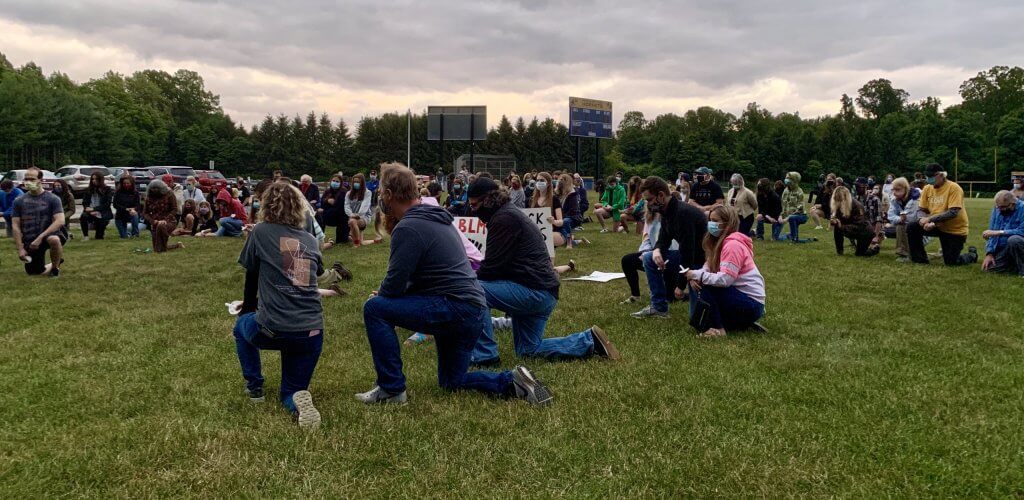
During a recent Black Lives Matter Solidarity Vigil June 23 in Kirtland, Reverend Ian Lynch, of Old South United Church of Christ, wrote that Americans are experiencing a pandemic, but he wasn’t referring to COVID-19.
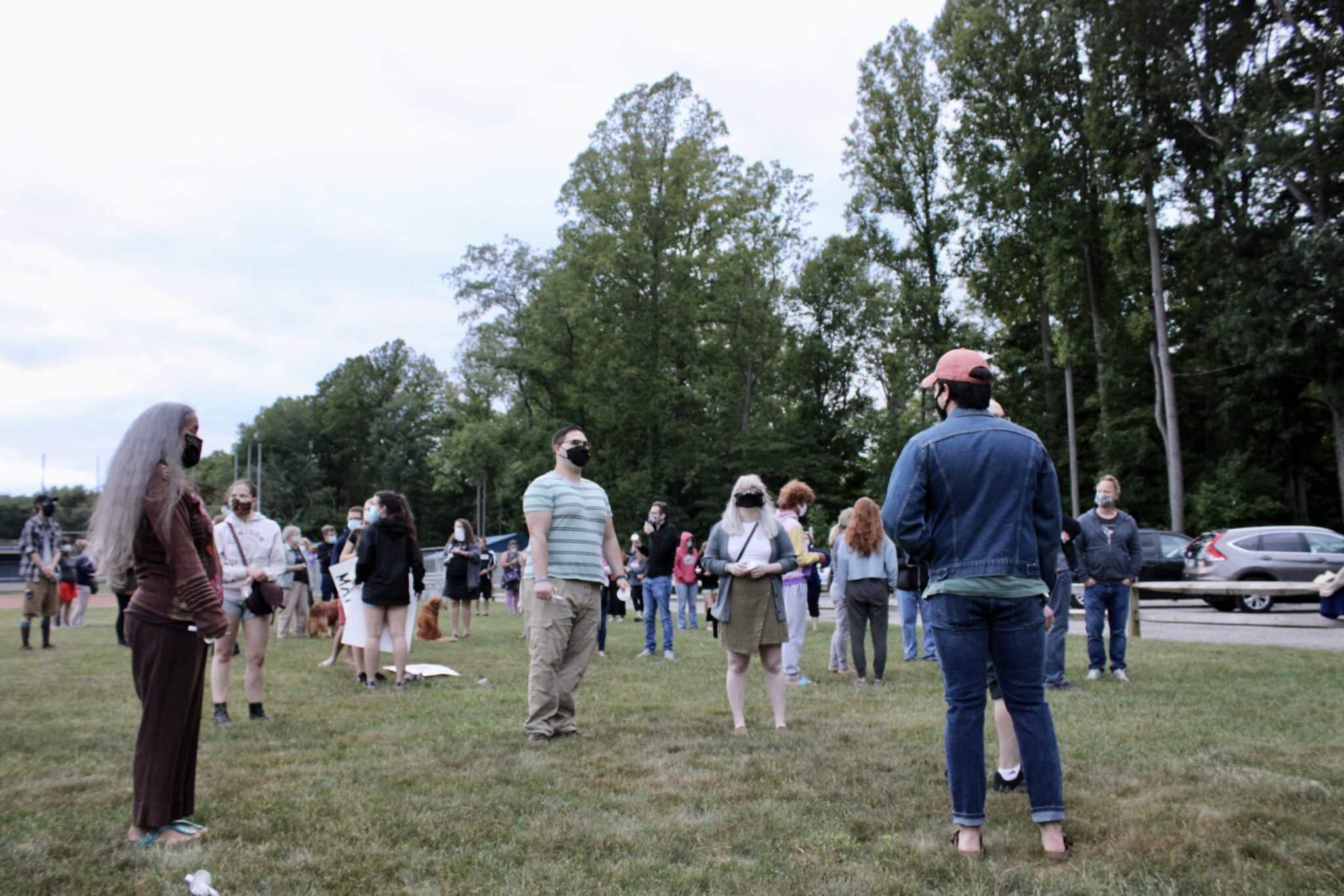
During a recent Black Lives Matter Solidarity Vigil June 23 in Kirtland, Reverend Ian Lynch, of Old South United Church of Christ, wrote that Americans are experiencing a pandemic, but he wasn’t referring to COVID-19.
Like the novel coronavirus, this virus is easy to transmit. Unlike COVID, this one has been around for a long time and has infected many people early in their lives.
“Even if our families were careful to protect us, exposure to the racism virus is unavoidable in America,” Lynch wrote.
One of five vigil organizers who wished to remain anonymous read Lynch’s words during the June 23 event at Kirtland Recreation Park, as he has family members who are high-risk to the novel coronavirus, so he could not attend in person.
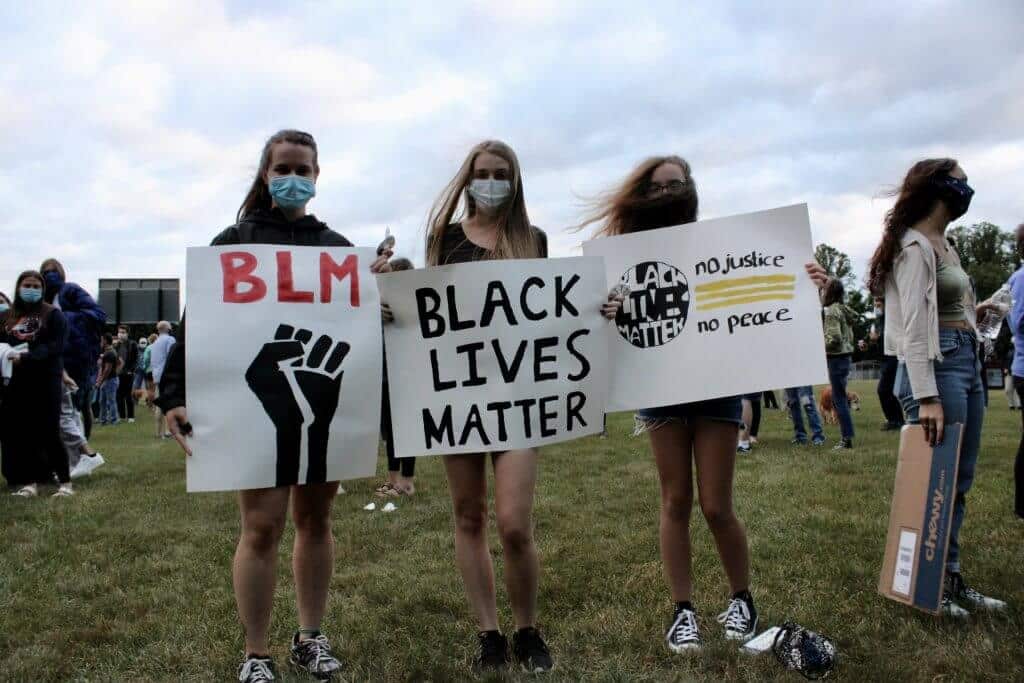
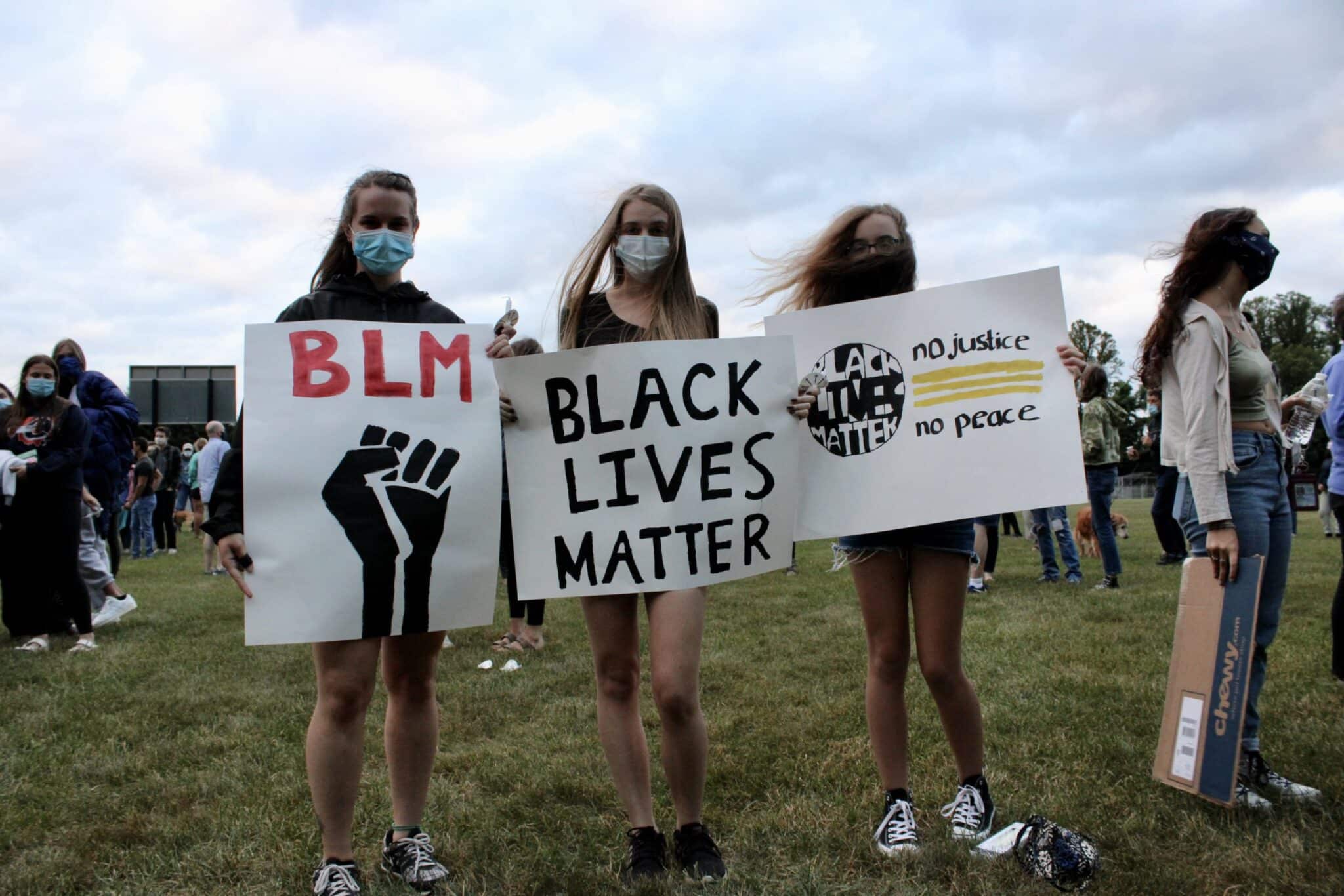
The vigil demonstrated Kirtland community’s solidarity with the Black Lives Matter movement and honored Black Ohioans killed by police violence.
“Every time we feel nervous driving through East Cleveland or picture a Black man when we here the word ‘thug,’ we demonstrate that we host the virus, even if unwittingly,” Lynch continued.
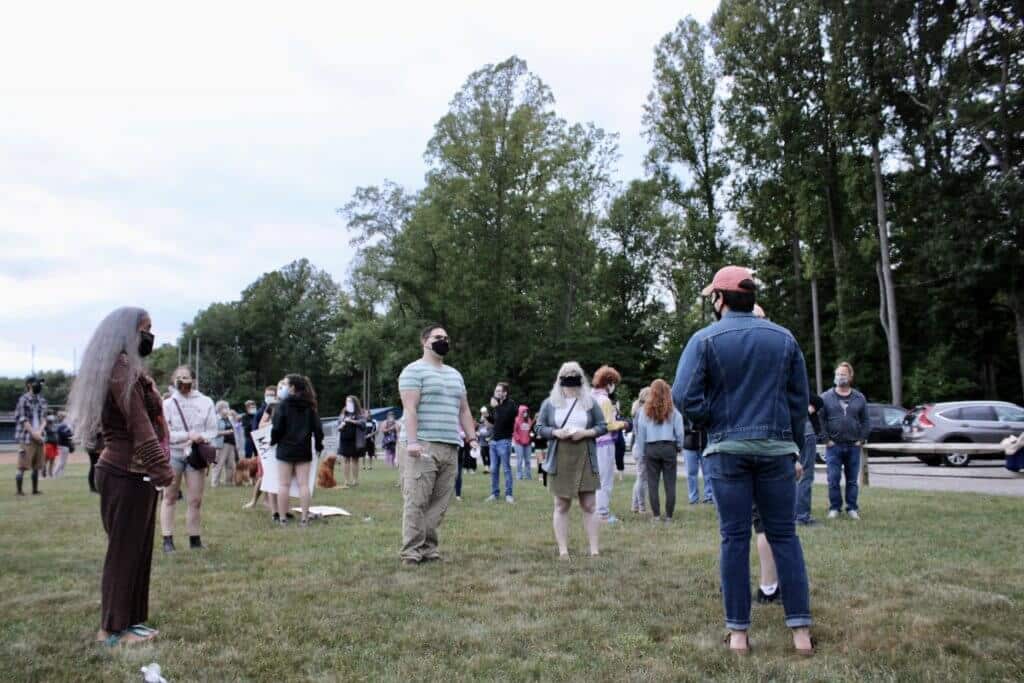
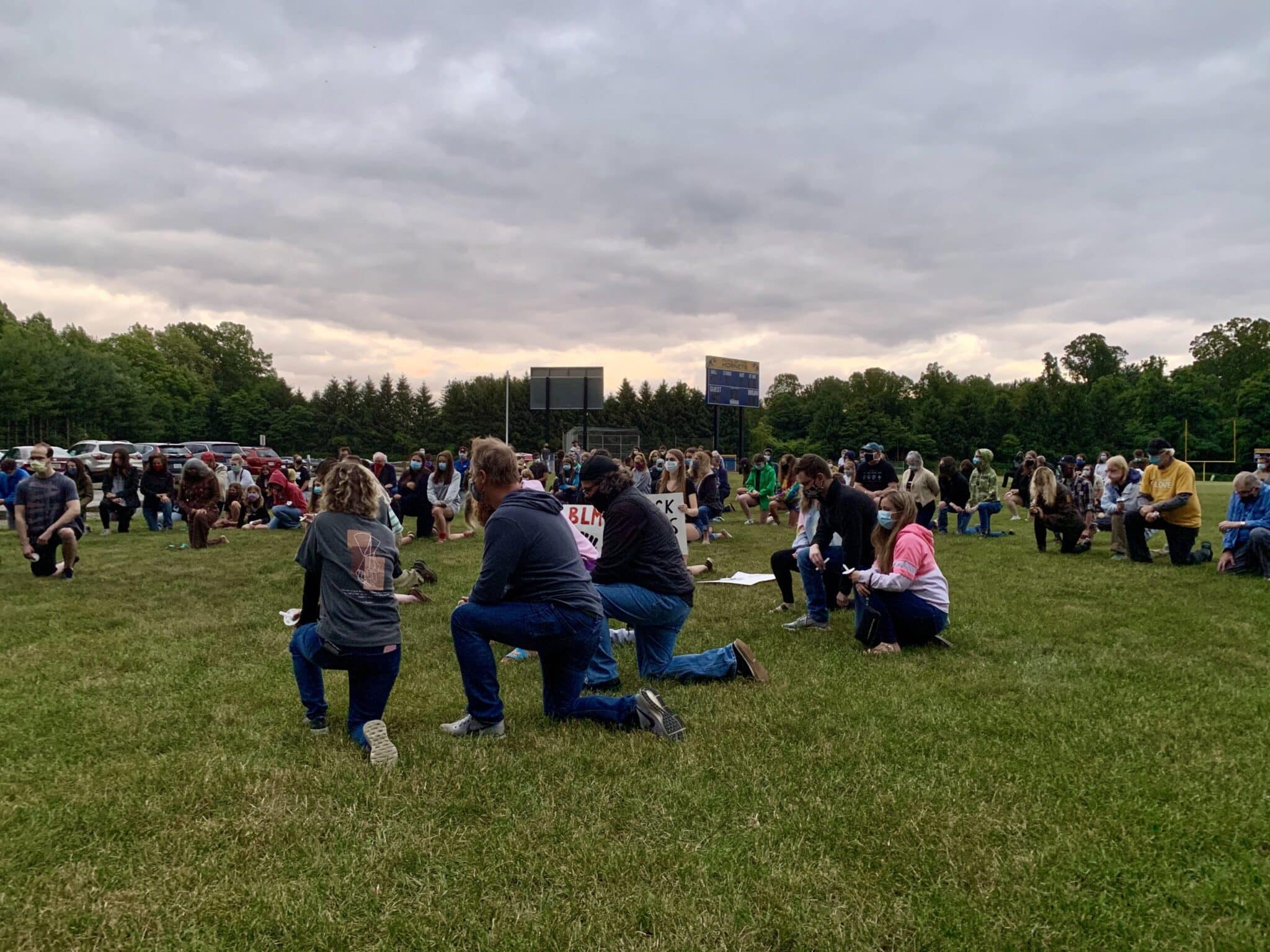
Nearly 200 people of all ages attended the vigil from Kirtland and surrounding communities. Masks and social distancing were required.
“Acts of violence or hate speech will not be tolerated,” the Facebook post about the event said.
Candles were spread across the grassy area of the rec park — spaced apart for social distancing. Attendees were invited to pick up one of the available candles or use their own, and 71 candles had a name and age for unarmed or allegedly armed Black Ohioan killed by police between January 2013 and December 2019.
Three local church pastors — Lynch (via his written speech), Reverend Lisa O’Rear, of St. Andrew’s Episcopal Church in Mentor; and Reverend Denis Paul, of East Shore Unitarian Universalist Church in Kirtland — led the vigil.
The 71 Ohioans honored were between 12 and 64 years old. The organizers lit candles at the end of the rows, asking the participants to then light their neighbor’s. As each name was read aloud, the candles were to be snuffed out by a vigil organizer.
“It’s symbolic in a huge way,” one of the organizers said afterward. “To snuff a candle, you literally take the air out of it, and in a lot of cases, that’s what happens to Black Americans when they’re murdered.”
Paul then spoke on the killing of George Floyd, who died on May 25 in Minneapolis and sparked nationwide protests against police brutality.
“George Floyd’s death was neither the first nor the last act of deadly police violence in our nation, but the scene that played out, and the video that was witnessed by hundreds of millions of people around the world, had a consequence,” Paul said.
Paul said that consequence is the awakening of many white individuals to the inequal treatment people of color face compared to those with white skin.
“After that video, we can no longer pretend that racism is a problem somewhere else. We can no longer be comfortable with the status quo,” Paul said.
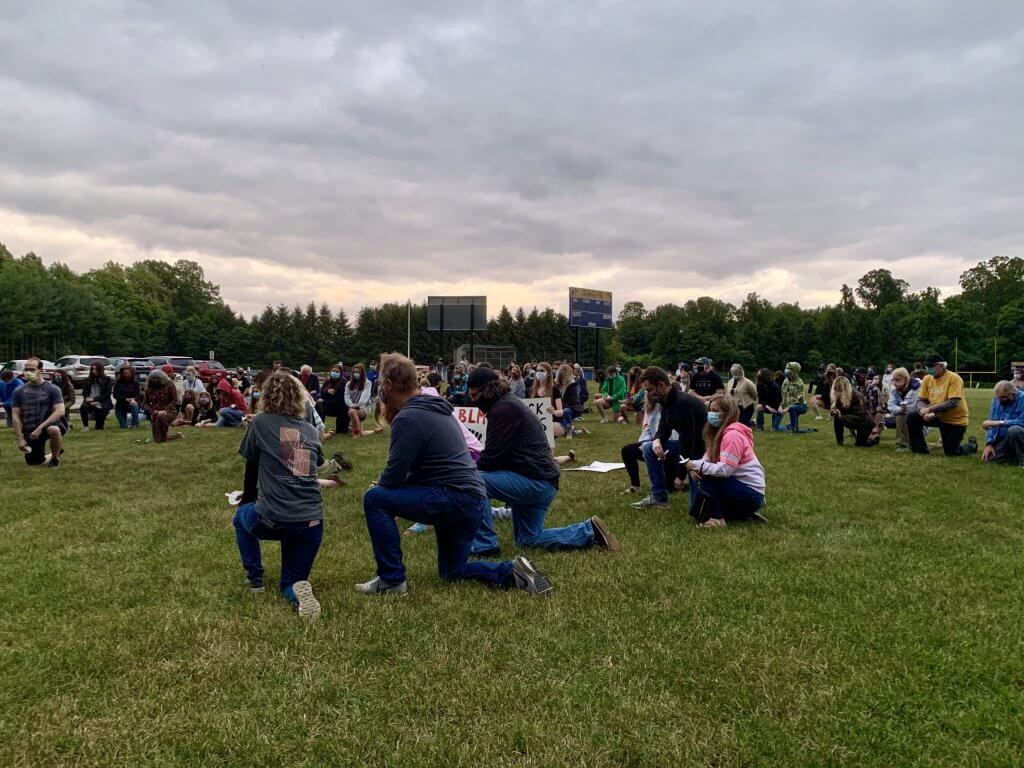
He then called the crowd to kneel silently for eight minutes and 46 seconds — the amount of time Derek Chauvin, a police officer in Minneapolis, knelt on Floyd’s neck — to be uncomfortable.
Attendees were originally going to conclude the vigil by relighting their candles as “a symbol of hope.” But due to wind preventing the candles from remaining lit, Paul recrafted the message.
“Take the candles that you have in your hand and don’t relight them. Bring them home with you,” he said. “Keep them as reminders that our best intentions don’t always work out and yet, there’s always hope.”
With the Kirtland community being over 96 percent white, some attendees expressed a responsibility in dismantling racism.
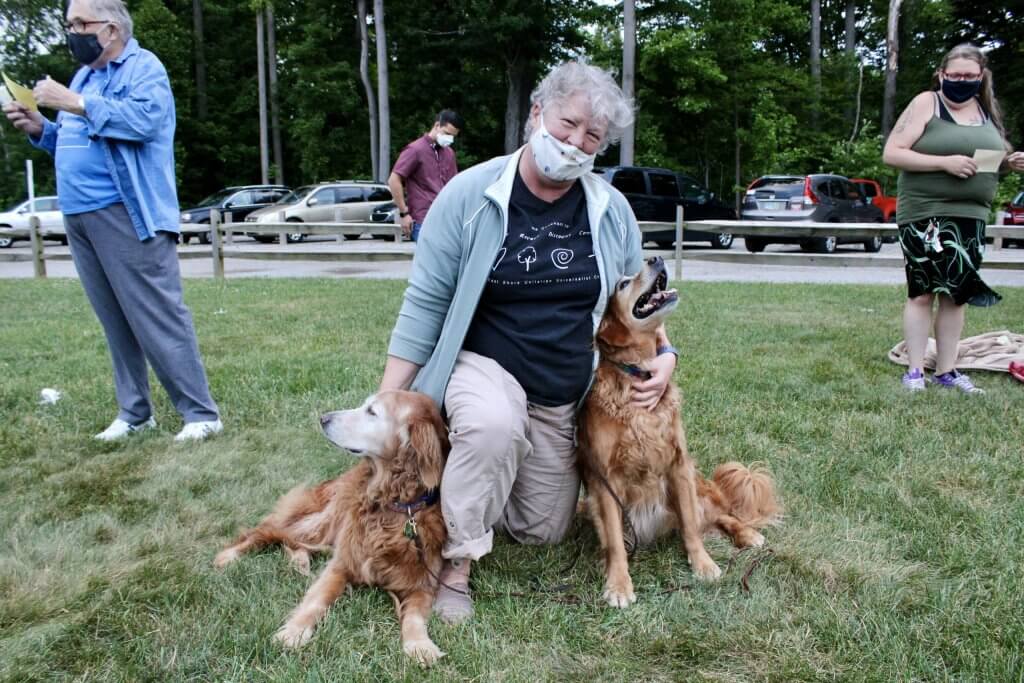
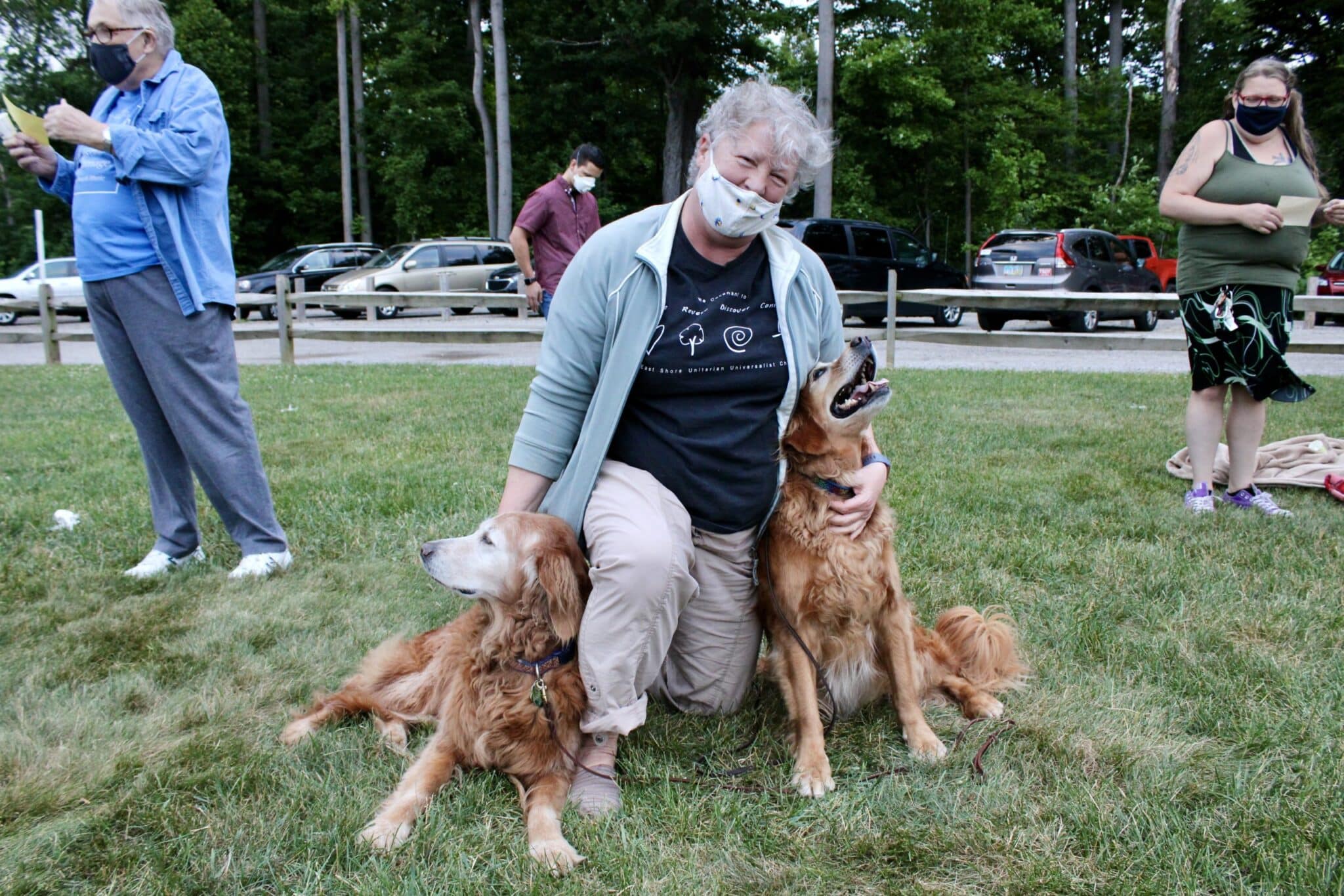
Maggie Calkins, a member of the East Shore Unitarian Universalist Church, brought her two therapy dogs, Tici and Aquila, to provide comfort if emotions ran high.
“Despite the fact that Kirtland is a predominantly white community, we are the ones who need to learn how to recognize our privilege and address the considerations and the concerns that people of color are facing that we aren’t aware of,” Calkins said.
Amy Greicius, of Kirtland, reflected on viewing racism as a white responsibility.
“I think a lot of times, we look at it as a Black problem, like they need to solve it, but no. We need to educate ourselves and be out here and take responsibility. Because I benefit from white privilege,” Greicius said. “I’m not outright racist, but I have prejudices. Every white person does, in my belief.”
The event organizers asked to remain anonymous because they wanted to focus coverage on the vigil. As long-time residents of Kirtland and alumni of Kirtland High School, they said they intimately knew of the work that needs to be done in the community.
All organizers have attended protests held in other cities and have viewed them as a positive force.
They said they chose to have a vigil as it is “familiar” to the Kirtland community, and they wanted individuals to feel comfortable finding a starting point to begin their own education and allyship.
While the organizers were surprised with the number of citizens who attended, they were proud of how many came.
“Those people came out here and they made a change,” one organizer said. “Some people think that coming to one (event) can’t do anything. It really does and it starts the conversation. So I’m really proud of the people that came out.”
Each attendee was given a QR code which, when scanned, shows a Linktree website with statistics and information on systemic racism, as well as resources on how to be a white ally. The Linktree can also be accessed through the Kirtland BLM solidarity Facebook page and the Facebook livestream of the vigil itself.


