


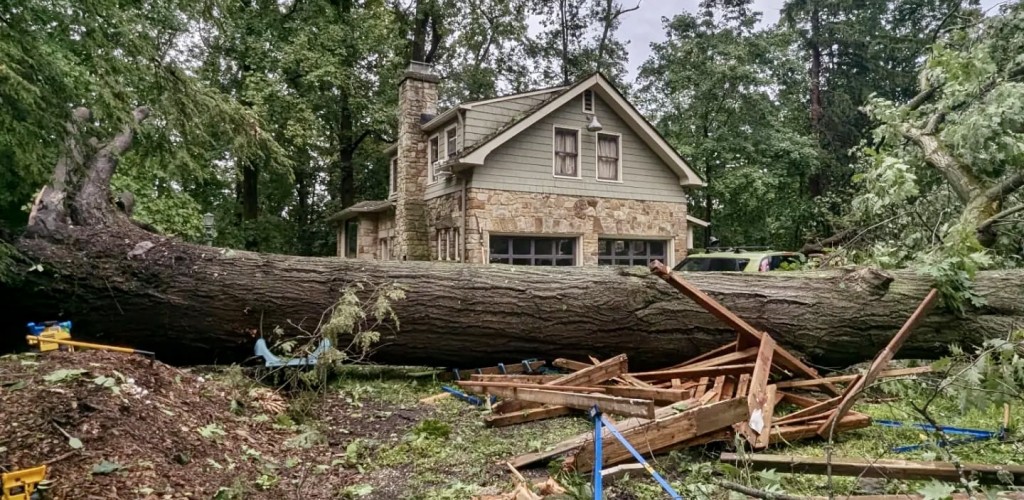
After a powerful storm tore its way across Northeast Ohio Aug. 6 — dropping four tornadoes, including one in Chester Township — Gov. Mike DeWine declared a state of emergency Aug. 10 to help expedite state assistance to eight affected counties.
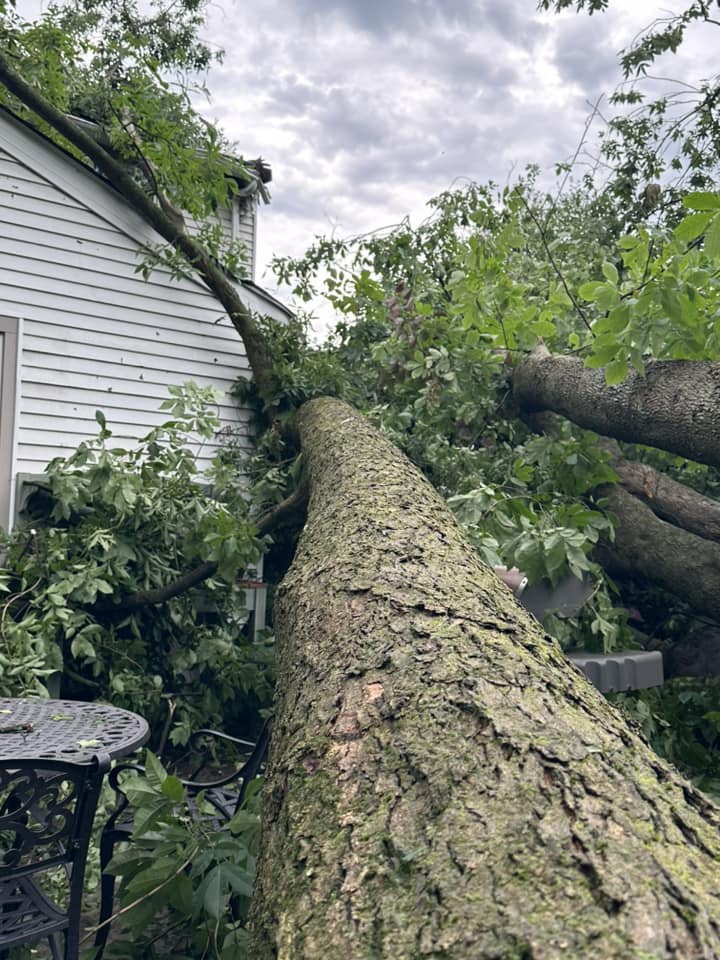
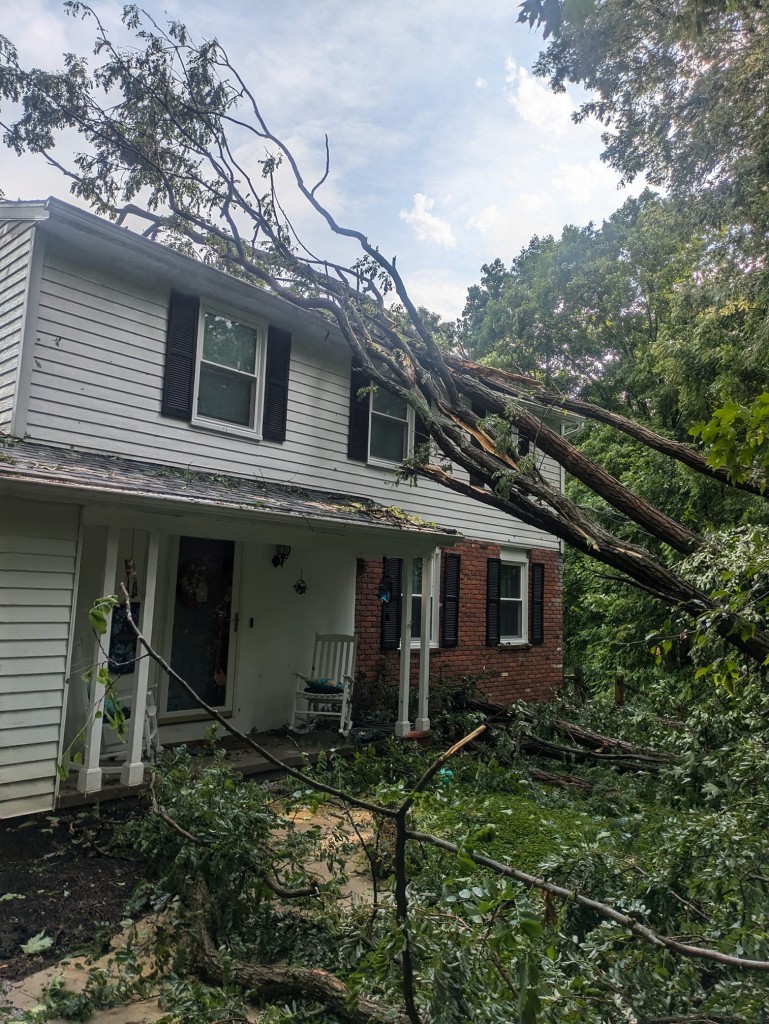
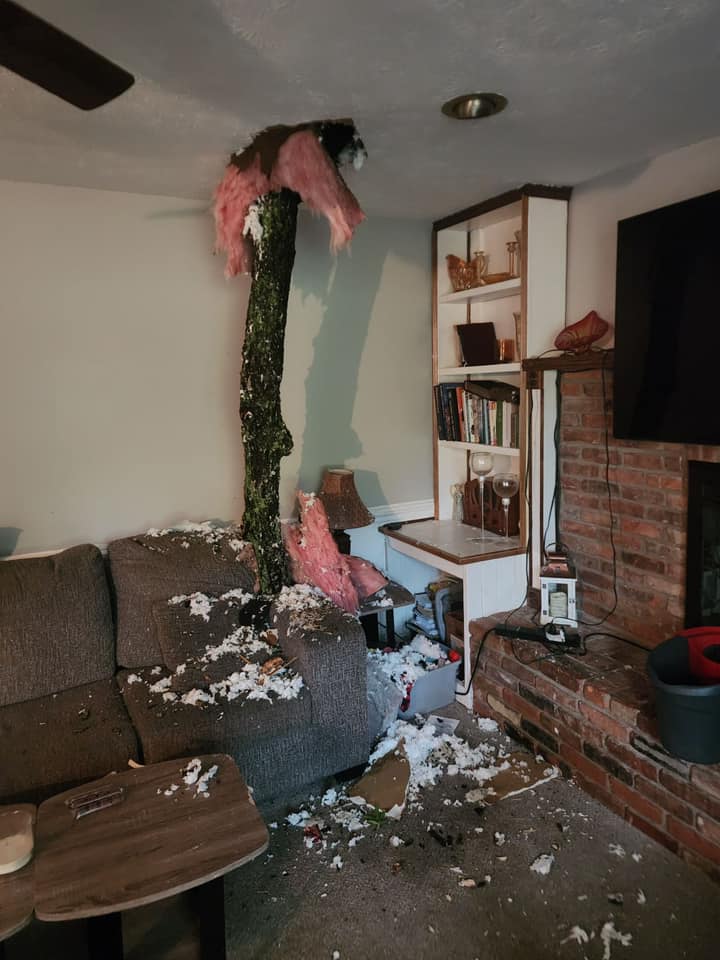
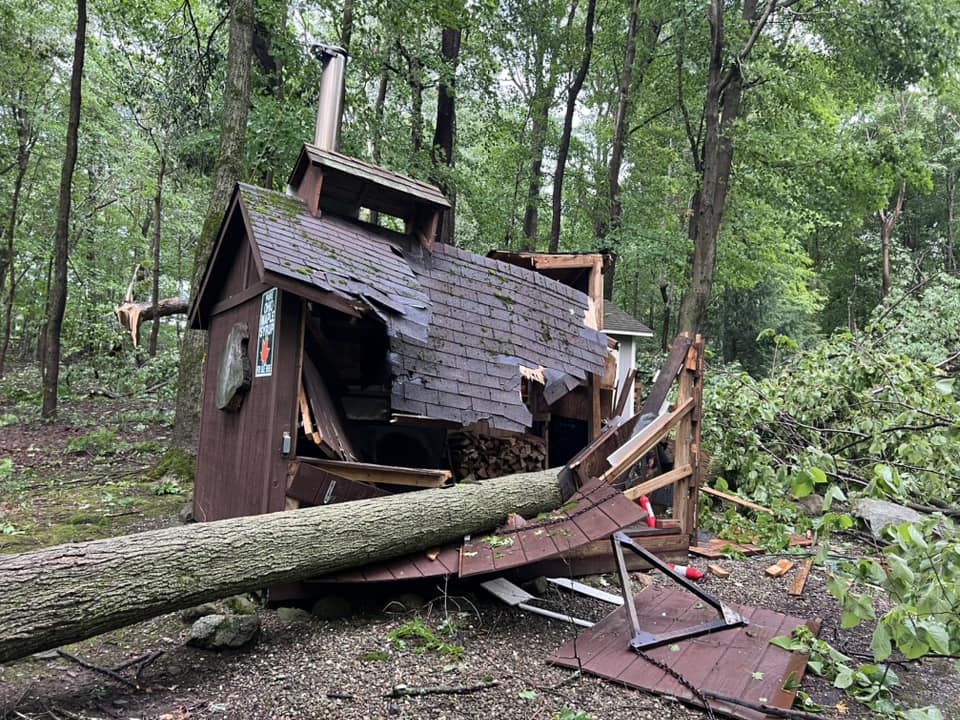
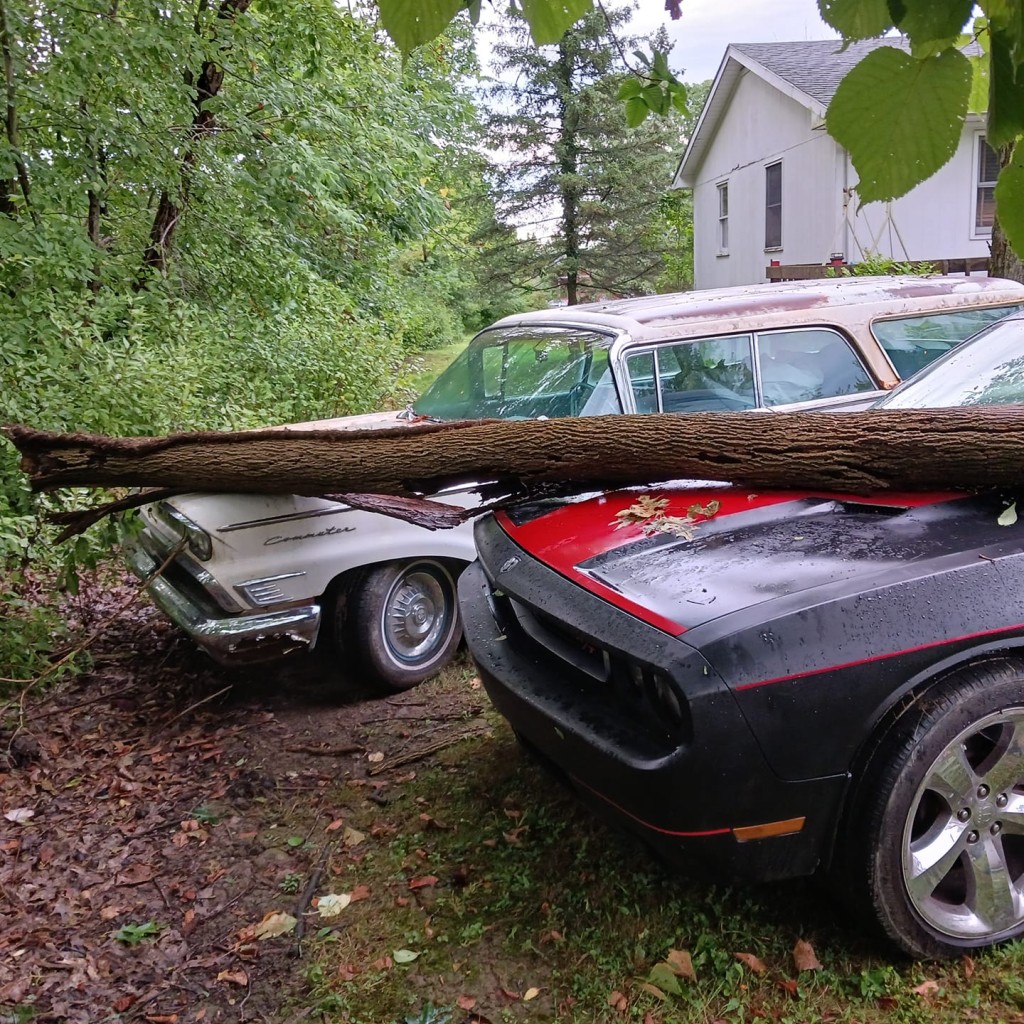
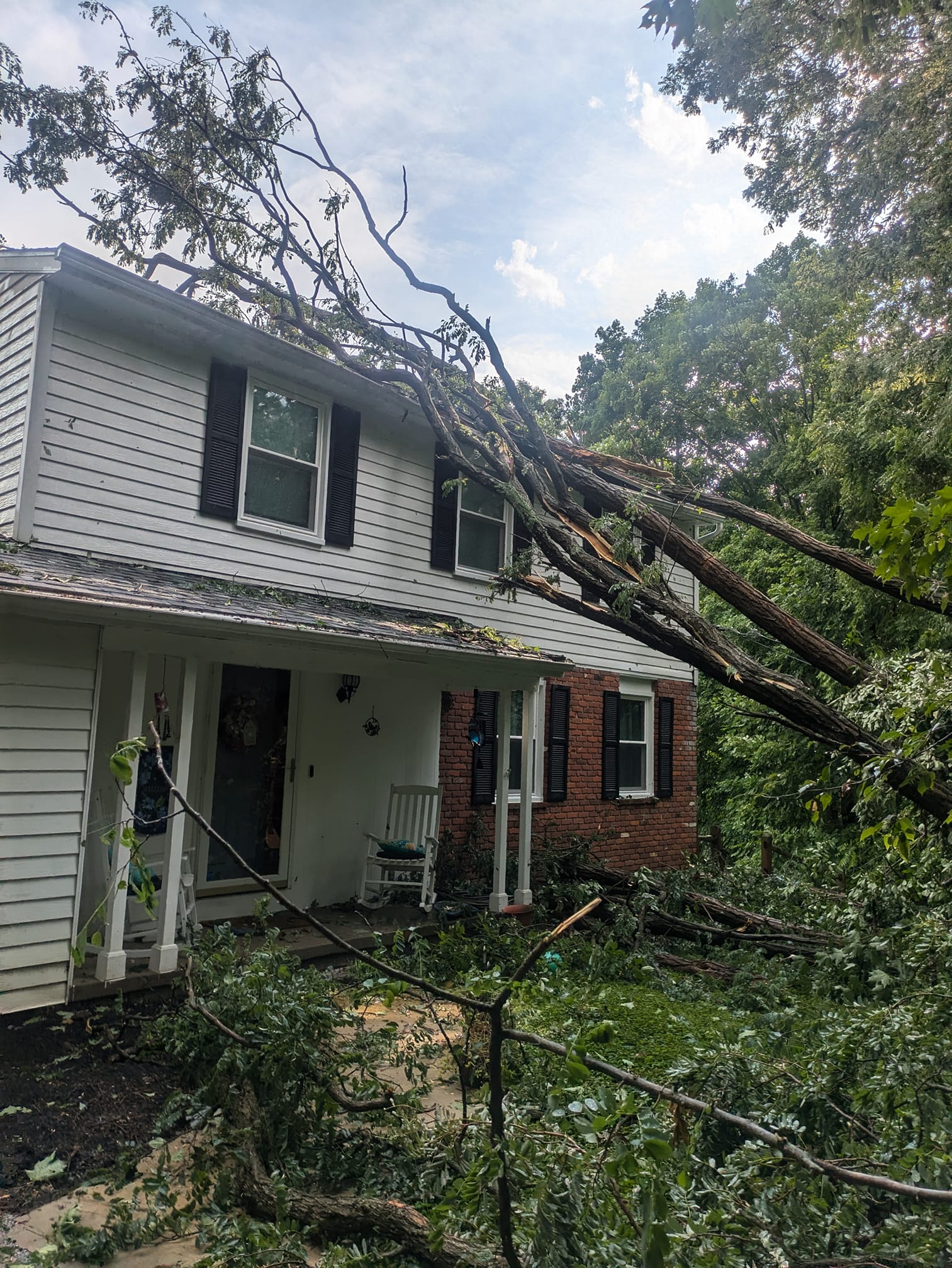
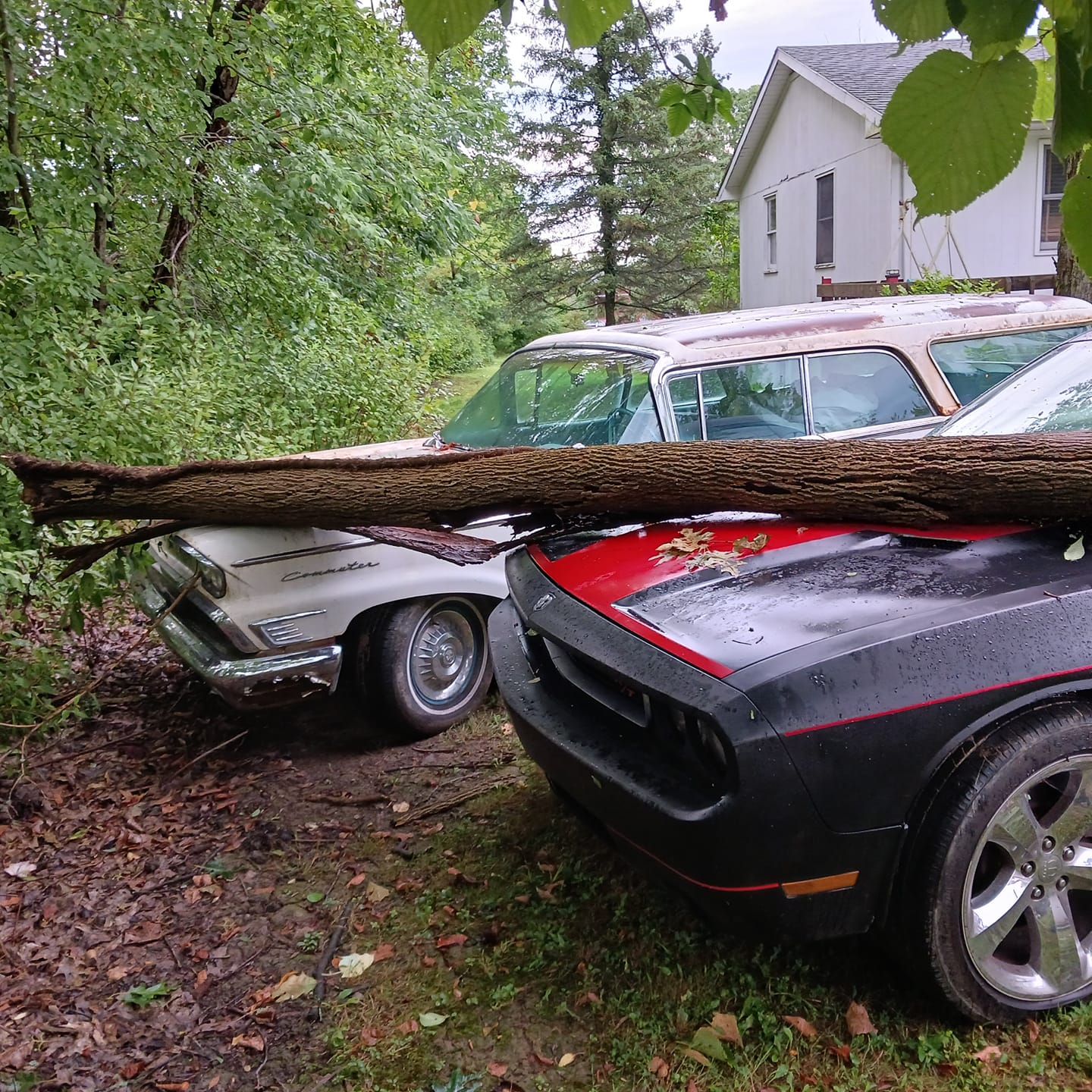
After a powerful storm tore its way across Northeast Ohio Aug. 6 — dropping four tornadoes, including one in Chester Township — Gov. Mike DeWine declared a state of emergency Aug. 10 to help expedite state assistance to eight affected counties.
The declaration of emergency covered seven storm-ravaged counties in addition to Geauga — Ashtabula, Cuyahoga, Lake, Lorain, Portage, Summit and Trumbull.
“This declaration of a state of emergency will give the state the ability to give these communities expedited assistance,” DeWine said, adding that at the time, the state did not have any outstanding requests for services to the affected communities.
“However, we are in this for the duration and will continue to help local communities in Northeast Ohio as they recover from the damage left by the storm, should we receive any new request for services the state is able to provide,” he said.
DeWine also directed the Ohio Emergency Management Agency to work with its federal counterpart, FEMA, on a damage assessment of the storm-affected areas. OEMA is also working with county-level emergency management teams on conducting public damage assessments for potential reimbursement, DeWine’s statement said.
In a press release Aug. 12, Geauga County Department of Emergency Services Director Roger Peterson said while the state disaster declaration makes state assistance available to local governments and some private nonprofits, it is not designed to assist individual residents or businesses.
“Residents and businesses with storm damage should contact their insurance carrier for assistance,” he said.
Peterson said FEMA has acknowledged receiving Ohio’s request for a Joint Preliminary Damage Assessment for the counties affected by the storm.
Peterson included information for those working on cleanup. Tree debris removal is the responsibility of the property owner, as is the cost of food lost during the electrical outage, except in certain cases.

Those who receive Supplemental Nutrition Assistance Program and experienced food spoilage during the power outages may be eligible for replacement benefits, Peterson said.
Recipients who lost food purchased with SNAP benefits due to a power outage can apply to receive replacement SNAP benefits for the amount of food lost, as long as it does not exceed their monthly allotment.
Peterson said impacted households need to fill out JFS Form 07222 within 10 days of food loss and submit it to the Geauga County Job and Family Services.
Geauga JFS can also assist with information about local food pantries and the Geauga County Department on Aging has been serving congregate meals for qualifying residents at their senior centers, Peterson said, adding those who wish to attend can contact their local senior center ahead of time.
As of noon Aug. 11, FirstEnergy reported via a statement on social media a team of nearly 7,500 had restored power to almost 90% of customers in the storm-affected area, with fewer than 35,000 remaining without service.
Initial reports showed about 578,000 customers in Northeast Ohio lost power after the storm, the company said, with some being told their power would be restored as late as Aug. 14.
“Crews from Ohio and beyond are working around the clock to restore power to customers,” DeWine said in his statement. “For the safety of everyone, please give the crews plenty of space to do their work when they are in your neighborhood.”
Peterson urged the public not to call 9-1-1 for unmet needs, except in the case of an emergency.
“Call the non-emergency number of your local fire department and assistance will be sent,” he said.


 Amy
Amy


