


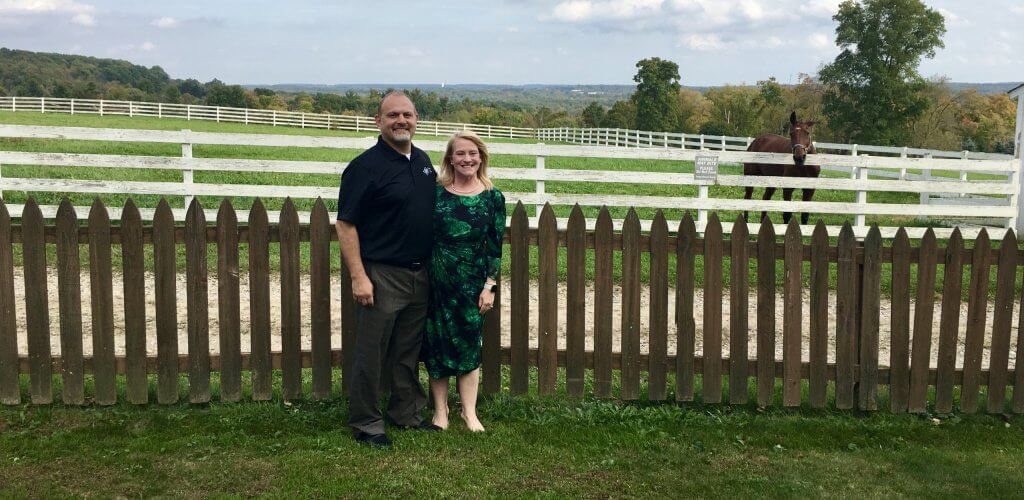
A 3-acre setting bordering Century Village Museum amid quaint and serene rolling farmlands and forests is home to the new McIntyre Center Recovery Living Facility at 14707 South Cheshire Street in Burton.
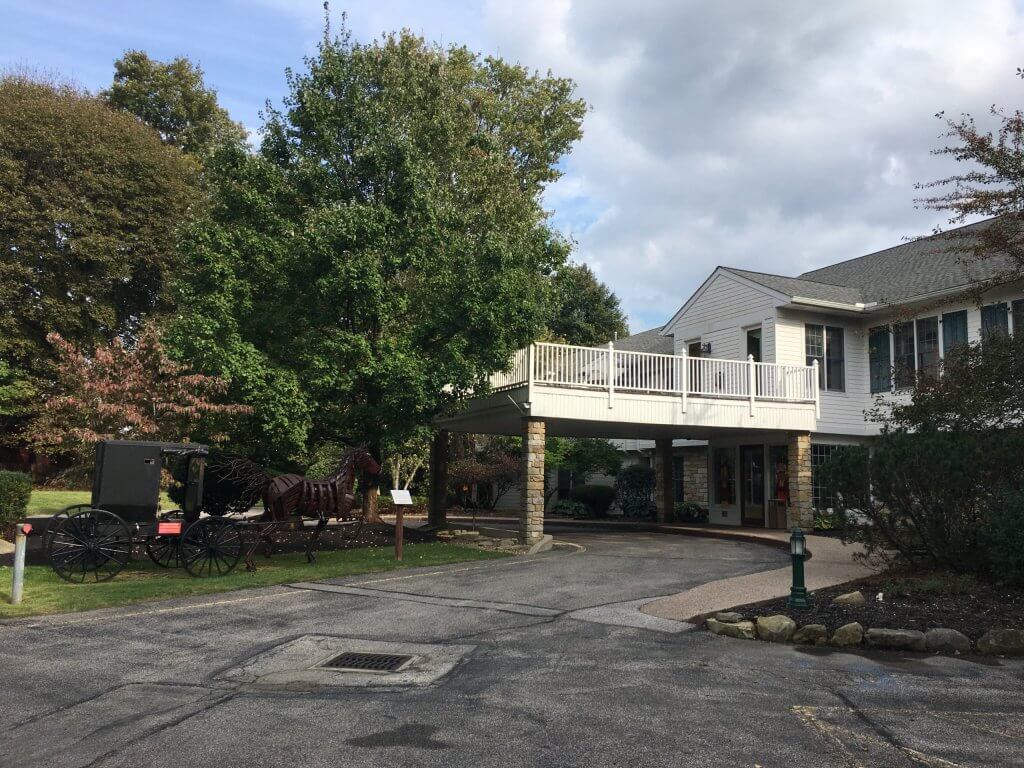
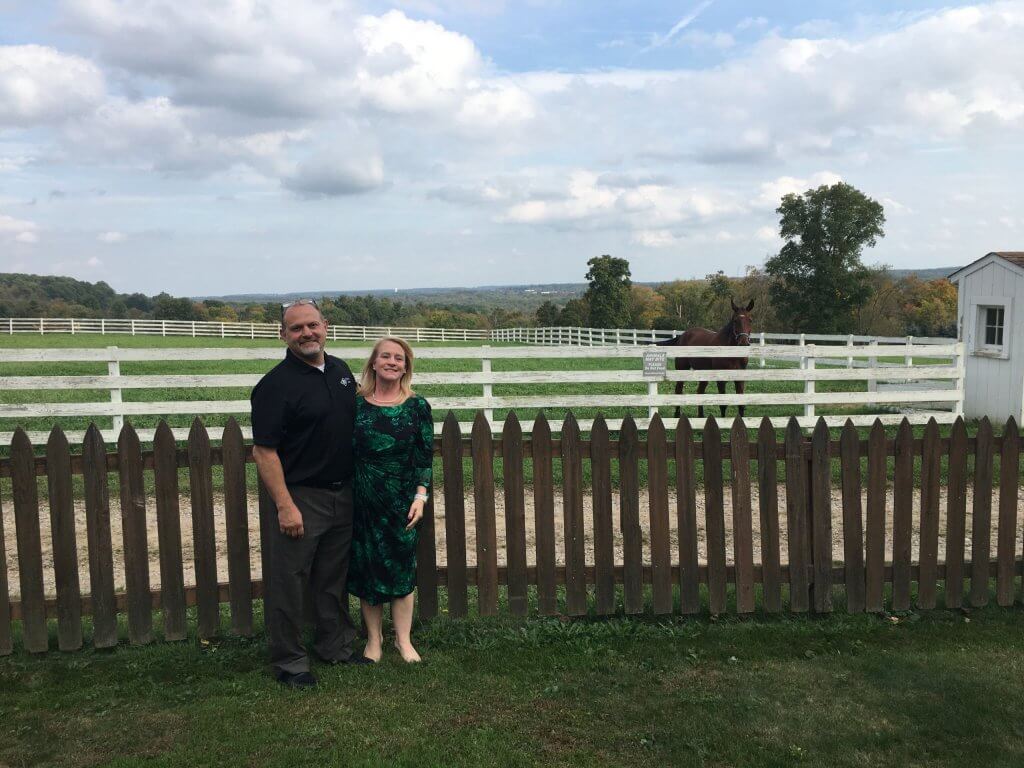
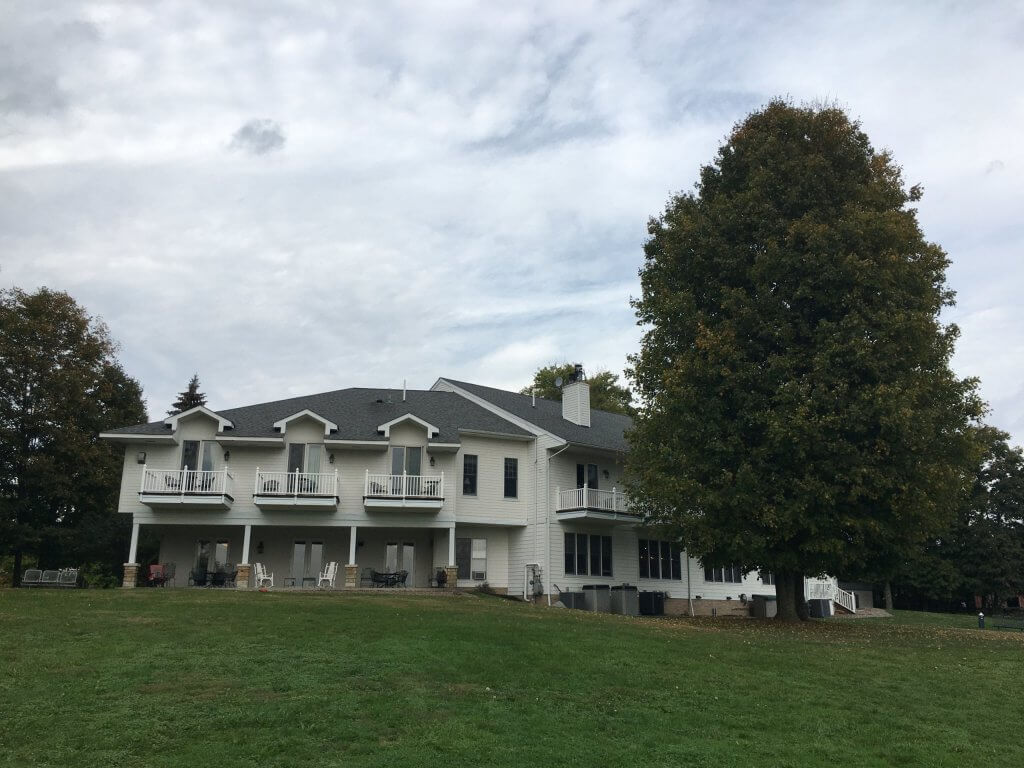
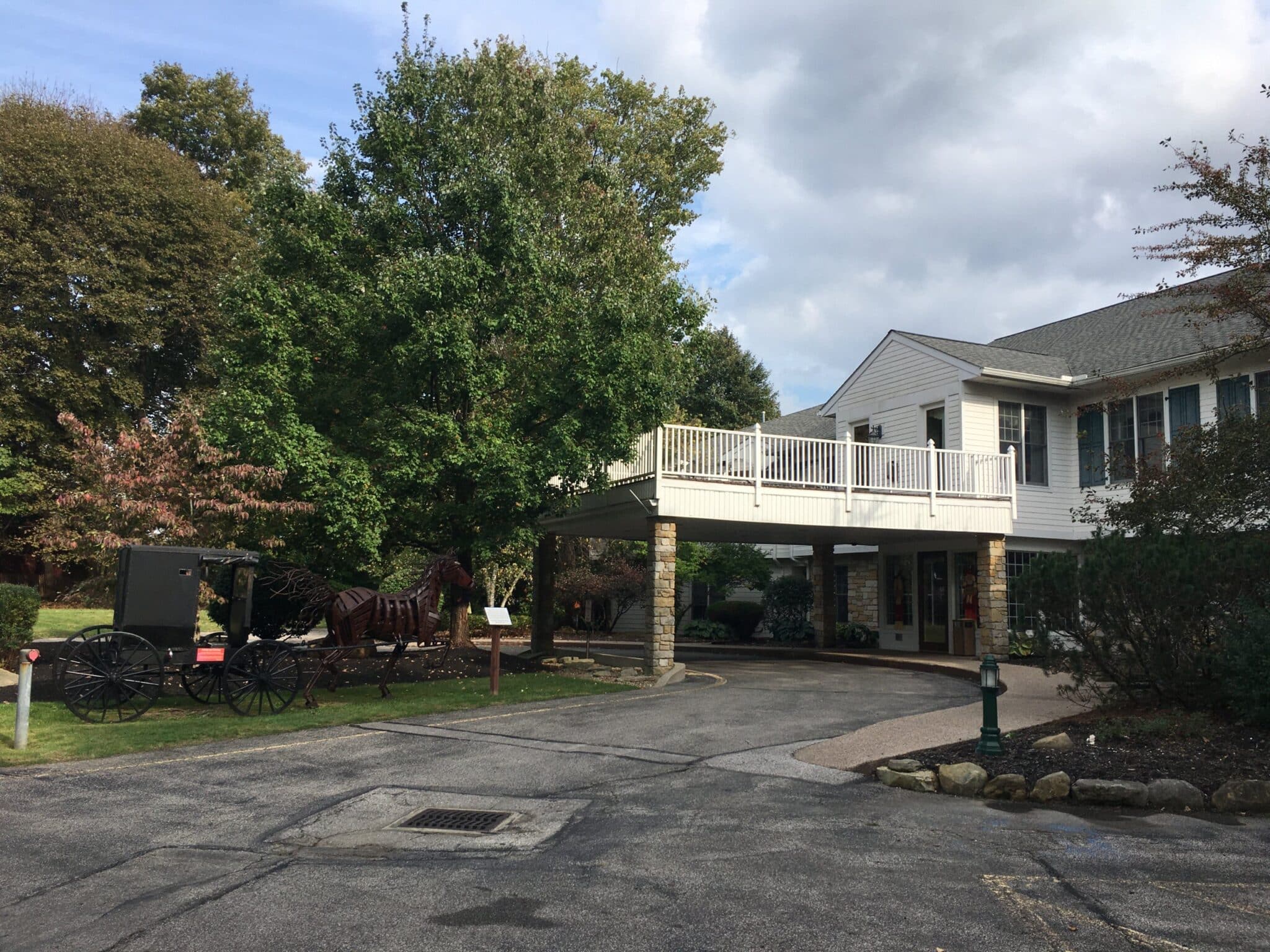
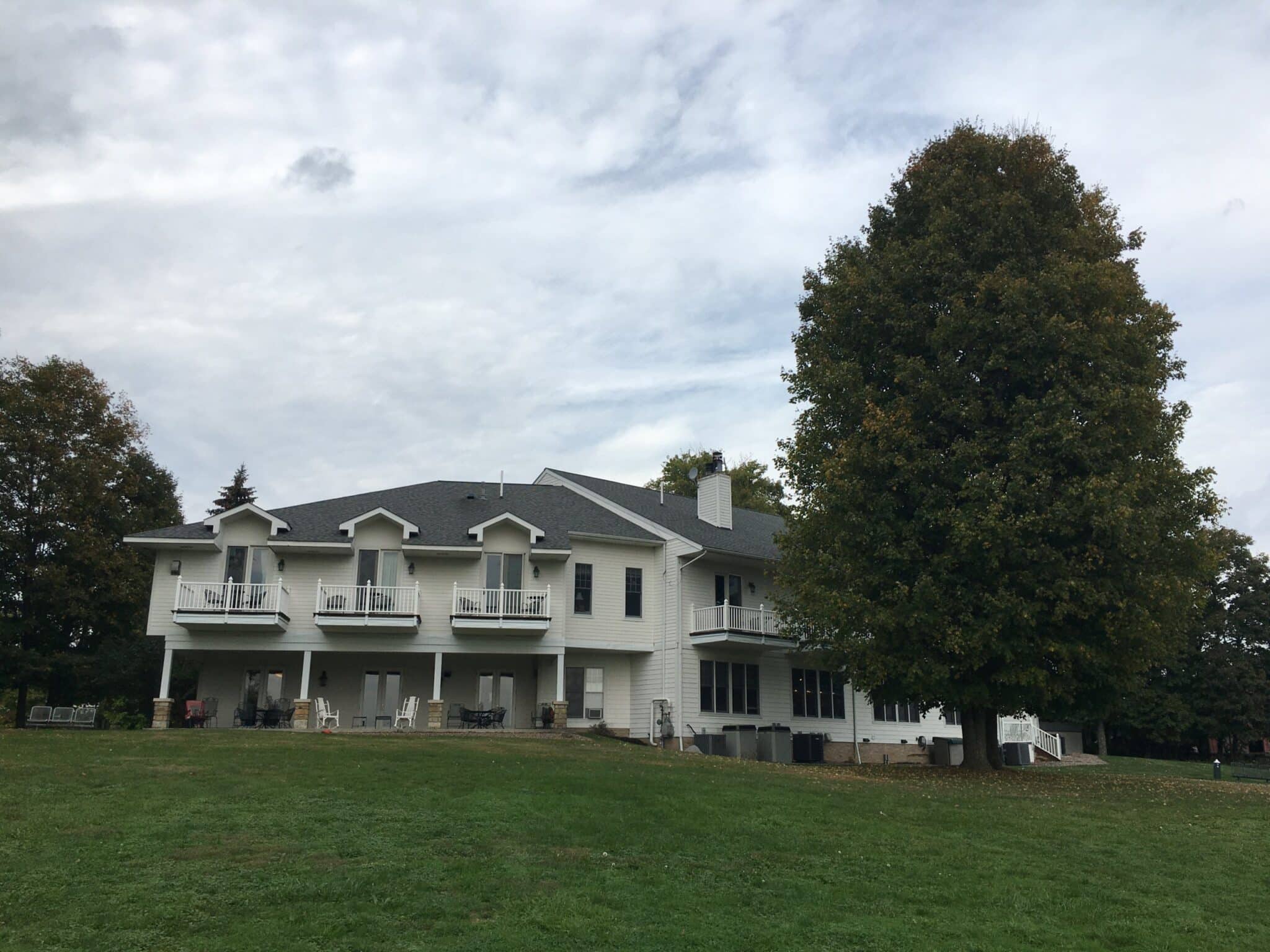
A 3-acre setting bordering Century Village Museum amid quaint and serene rolling farmlands and forests is home to the new McIntyre Center Recovery Living Facility at 14707 South Cheshire Street in Burton.
“The new McIntyre Center is a beautiful facility that provides a great setting for people seeking to address substance use disorders,” said Geauga Count Court of Common Pleas Judge Carolyn Paschke during a recent interview. “The owners and staff demonstrate a commitment to the individuals they serve.”
Deir Properties LLC, of Parma Heights, purchased the former Red Maple Inn for $1.5 million in February 2020, weeks prior to the onset of the COVID-19 pandemic.
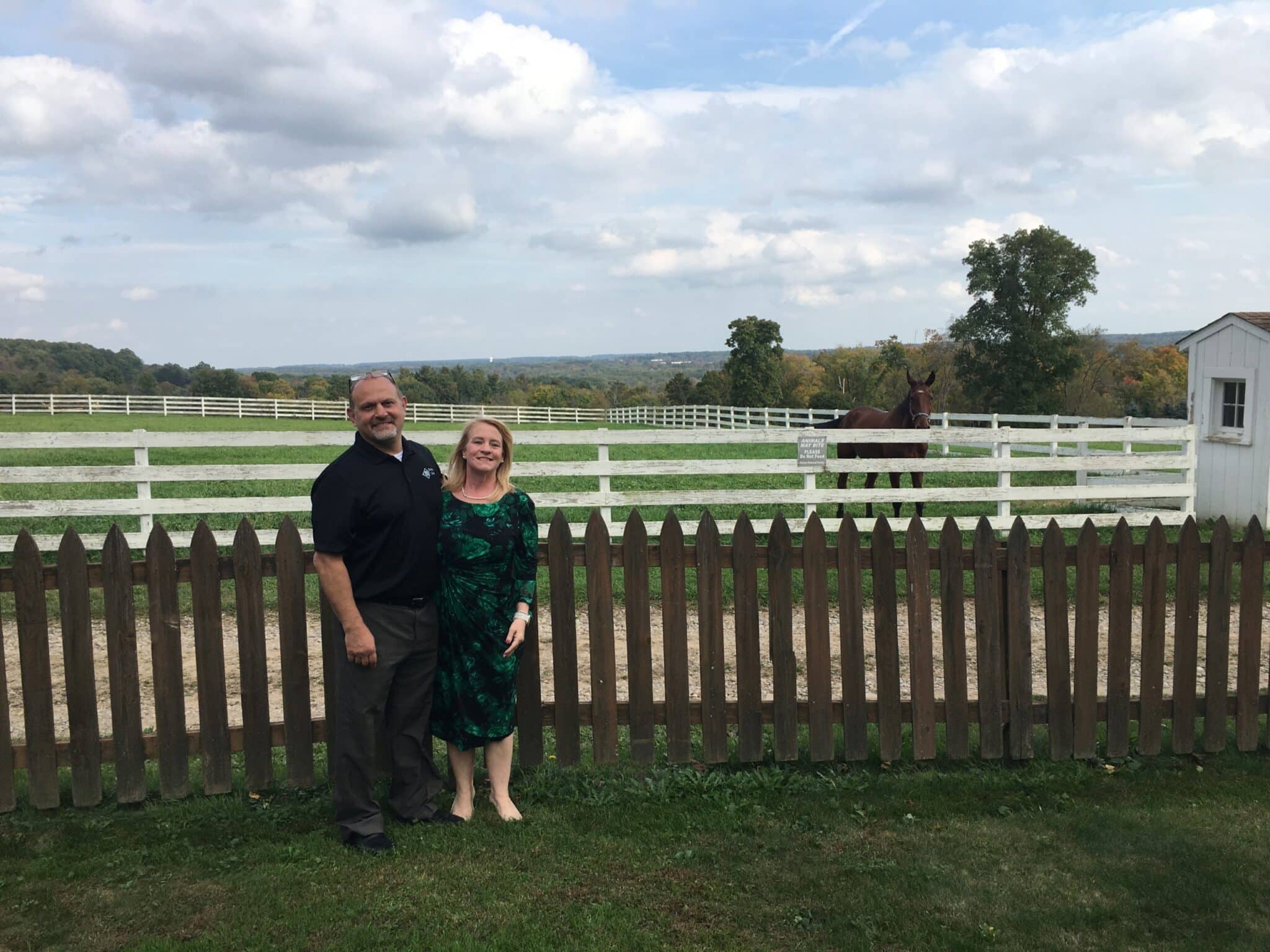
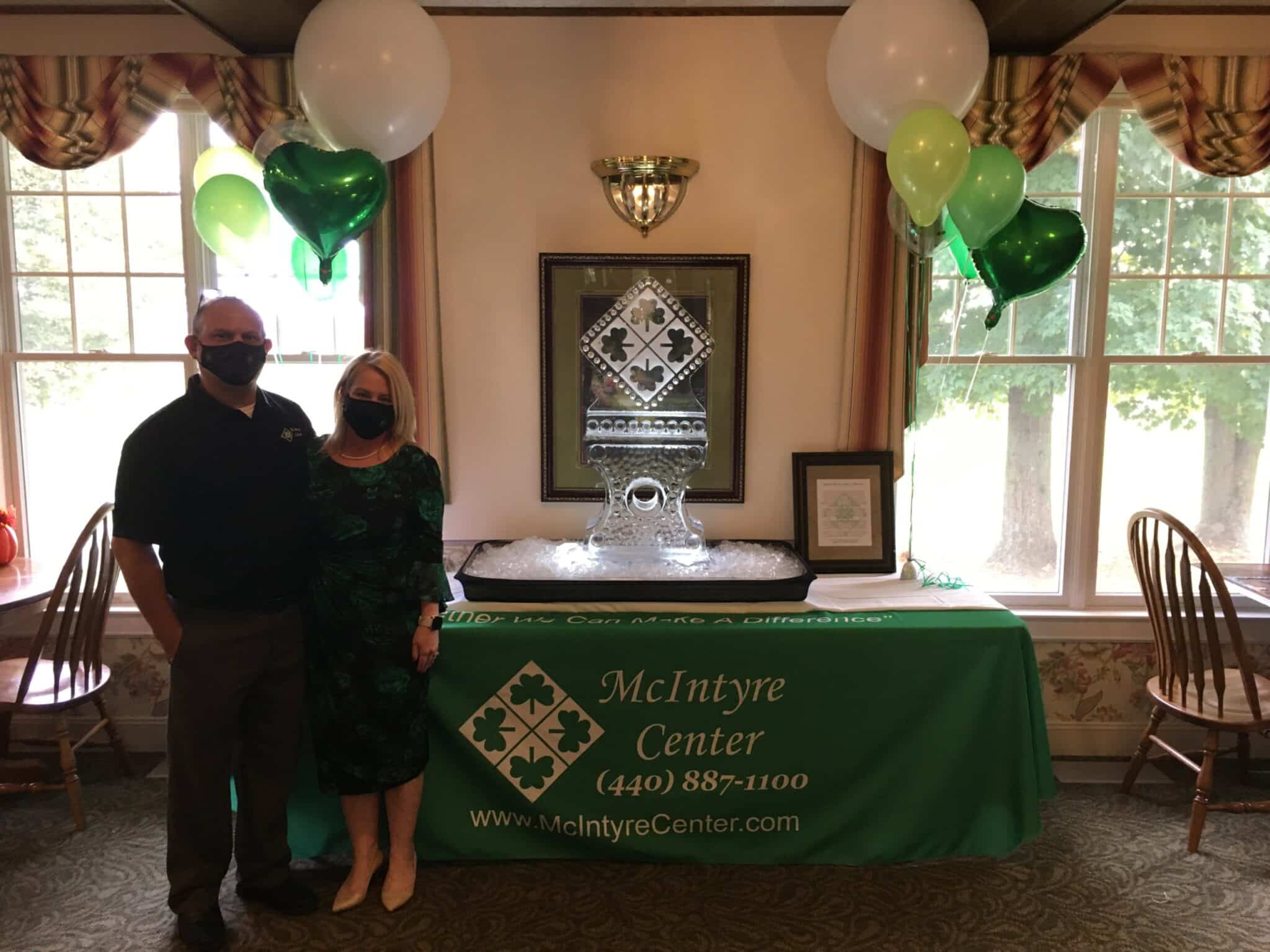
Husband and wife, JD (Jehar) Deir and Kelley McIntyre-Deir, said they are committed to continuing a family legacy started by Kelley’s parents, Edie and Joe McIntyre.
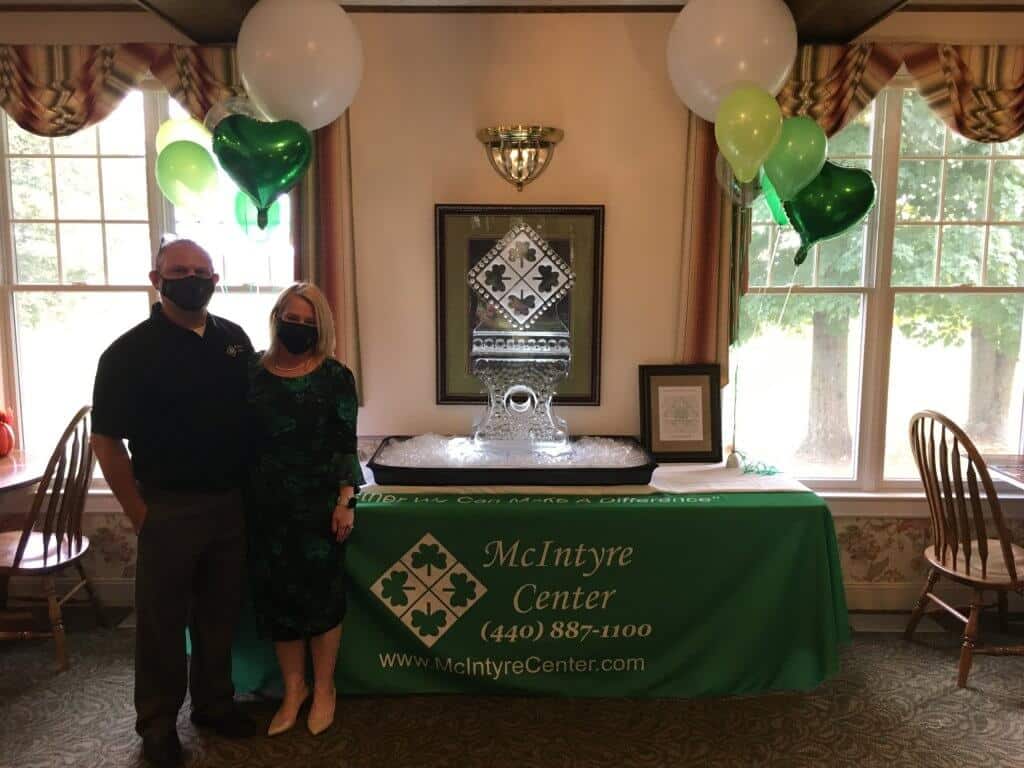
A framed photo of her parents — founders of the first McIntyre Center in Parma Heights — sat prominently by the couple as they explained their newest chapter, the Burton facility, during an Oct. 14 open house.
The center aims to provide a “wonderful recovery living environment for those in need of long-term care” they said, adding it has about 125 sober living beds to serve the male, female and LGBTQ+ adult populations.
About 19 clients are presently staying at the facility and were on a field trip during the open house.

During their stay, clients will be professionally monitored 24/7 while participating in a comprehensive program, including group and individual counseling, psychiatric services, general health services, peer support activities, development of coping skills, social and life skills development, educational and employment skills development and 12-step activities for teens and adults, JD said.
“The length of stay for each guest is individualized and based on their clinical needs,” he said. “McIntyre Center does not preset a length of stay for anyone.
“We have learned that while short-term ‘detox’ programs or 30-day treatment programs are often a good start, a much longer more comprehensive program is needed for long-term sustained recovery,” Paschke said.
The New Leaf Program, the drug court for the Geauga County Court of Common Pleas is a 16-to-24-month program.
“I was pleased to hear the owners and staff at the McIntyre Center demonstrate an awareness of this and a commitment to doing what is necessary for long-term, sustained recovery,” Paschke added. “They also showed their commitment to making connections and building partnerships with other resources in the community such as our New Leaf Program.”
Kelley, McIntyre’s executive director, became emotional when sharing the story of her parents’ history and commitment to the needs of those suffering from substance abuse and addiction since the first facility opened in 1985.
“I will have to ask for your forgiveness in advance, as I rarely tell publicly the story of the McIntyre Center because it’s a pretty great story,” Kelley said. “For me, it’s not business, it’s personal.”
Her mother was a high school teacher and guidance counselor in late 1970s and during that time, noticed a lot of students with alcohol and drug issues.
But, she said not a lot of resources to help at that time were available.
Edie went back to school to learn about chemical dependency and treatment and Kelley said her mother became a local expert.
“Through her research, Edie was captivated about dual diagnosis,” Kelley said, adding she became a pioneer in the world of treating the whole person.
Her father had firsthand knowledge of substance abuse and was almost 40 years sober before he died.
“I am so proud of what my parents did,” Kelley said. “They truly did pave the road less traveled.”
In 2008, Edie was diagnosed at age 60 with early onset Alzheimer’s and her father had stage-3 cancer.
Her father went into remission for a few years before both of her parents passed away in 2011 six weeks apart.
To uphold and honor the family legacy left by Edie and Joe, JD and Kelley left other successful careers, JD gained some additional education, and they took over the first McIntyre Center.
On July 13, 2020, when it was announced at the Burton Village Council meeting the former Red Maple Inn would be transformed into a rehabilitation center, some residents voiced concerns.
During a recent phone interview, one Burton Village resident said he didn’t know the mental states of the residents being treated there.
“But so far, they are being good neighbors and (he) prays that that continues,” he said.
The biggest fear for many people is the fear of the unknown,” JD said regarding the prior concerns residents voiced. “Combine that with the stigma associated with individuals suffering from mental health and substance use disorders and we sadly see and hear public opinion of fear and frustration. I would like to believe that those with early concerns have been able to see, better than we could have ever convinced them with words, that the facility is quiet and the guests that are there are there because they want to be there and for that occasional person that does not want to be there, we work with them to help them find another facility that is a better fit for them as efficiently as possible.”

Paschke estimated more than 85% of the felony criminal cases in Geauga County are related to drug and alcohol use.
“Without treatment, we often see defendants over and over again with numerous cases and multiple charges,” Paschke said. “While we need to address the criminal behavior, I believe that the key to breaking the cycle of criminal behavior and incarceration lies in treating the underlying substance use and mental health issues.”
She said currently, two of their New Leaf Program participants are at the McIntyre Center and she is hopeful this will be a part of the long-term recovery process for each of them.
“The cycle of criminal behavior and incarceration has proven to be costly to the community and taxpayers,” Paschke said. “There is clearly an investment involved in treatment and supporting people through long-term recovery, but when we are able to successfully break the cycle of criminal behavior and incarceration and help people transform from being a burden to being healthy, productive, contributing members of society, the entire community receives a benefit.”
JD and his wife are thankful to the community for providing them an opportunity to help people in a beautiful setting.
“In the short time we have been in our new location, we have met many wonderful people and local businesses who have provided their support and partnership to make a significant difference in the lives of the guests we serve,” JD said. “We look forward to continuing to grow future relationships in any way that will allow us to help the overall wellbeing of community, remembering that together, we can make a difference.”


