


While some forest fires, such as wildfires, can wreak havoc on vegetation, habitats and ecosystems, others, like prescribed fires, can benefit nature, according to the Geauga Park District.
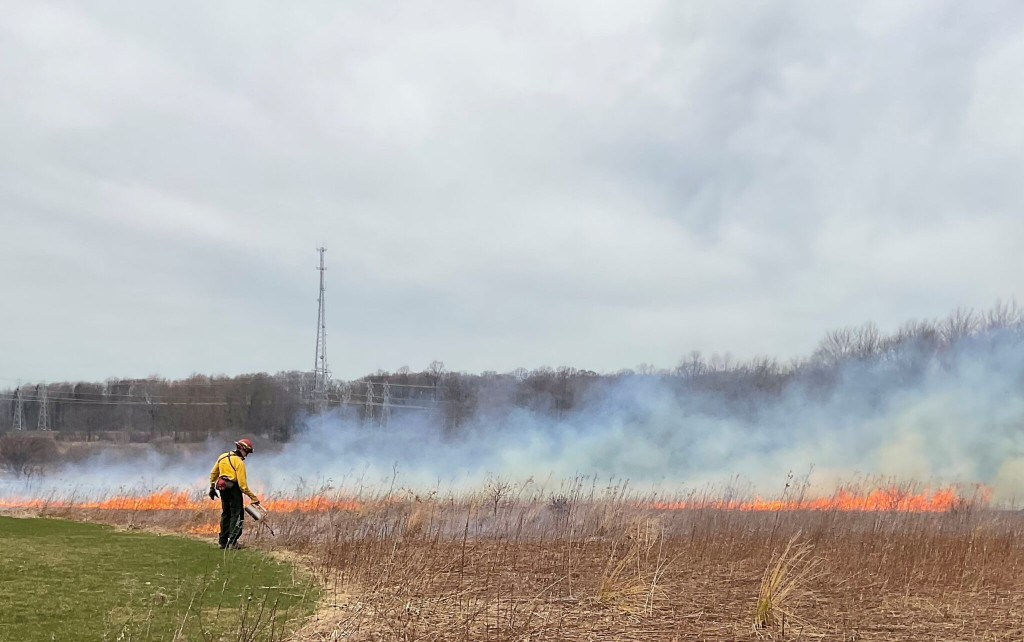
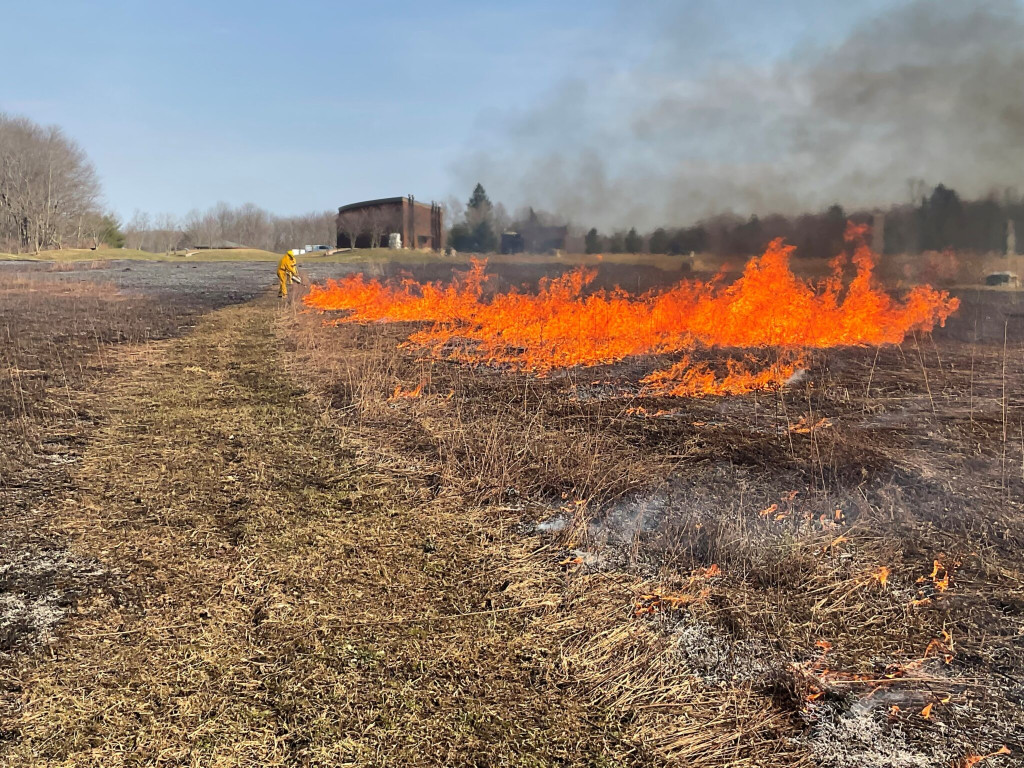
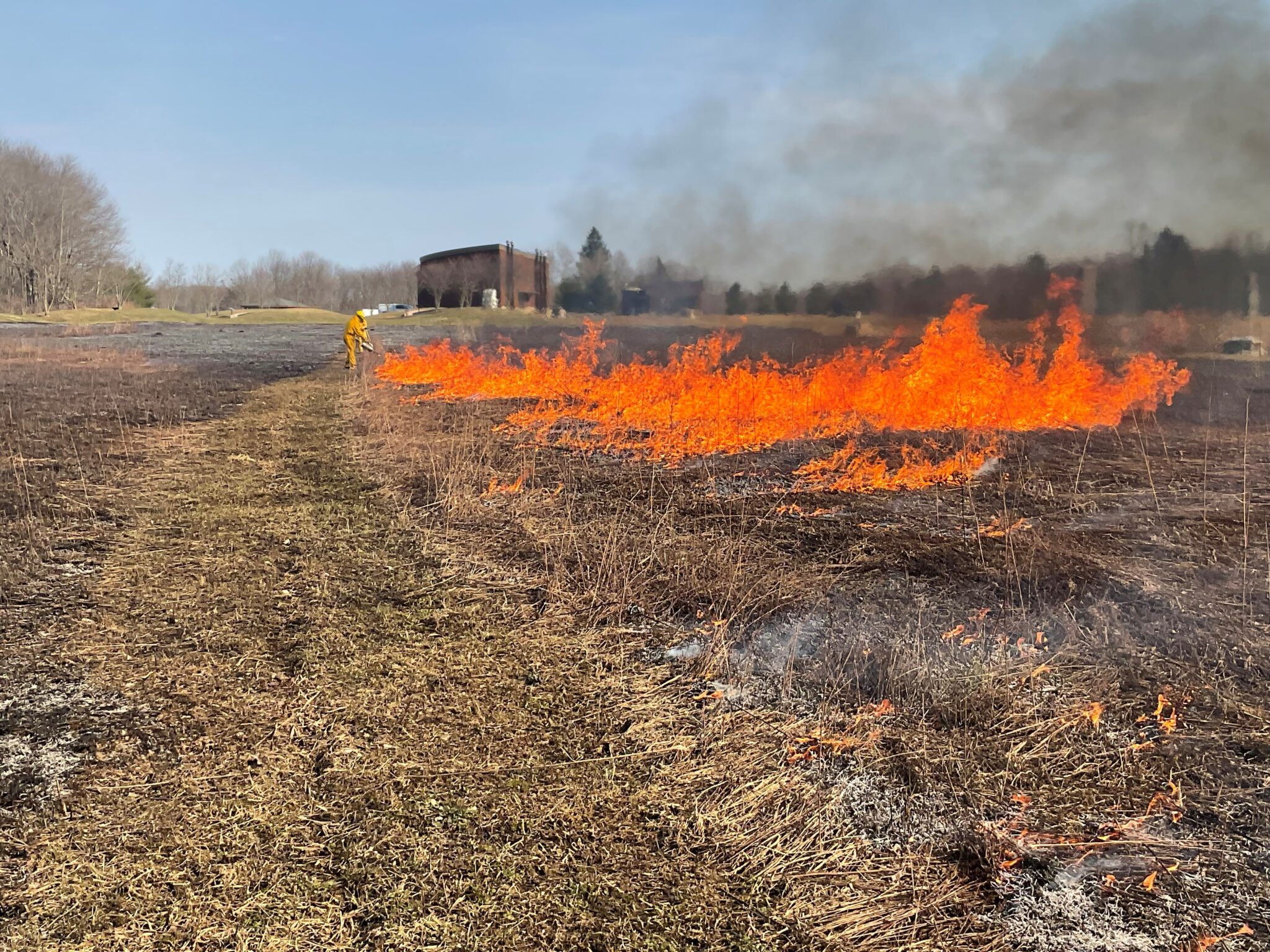
While some forest fires, such as wildfires, can wreak havoc on vegetation, habitats and ecosystems, others, like prescribed fires, can benefit nature, according to the Geauga Park District.
After many years of fire exclusion, an ecosystem that needs periodic fire becomes unhealthy — trees are stressed by overcrowding, fire-dependent species disappear and flammable fuels build up and become hazardous, according to the United States Department of Agriculture’s Forest Service.
For more than two decades, GPD Biologist Paul Pira, a certified prescribed fire manager, has been successfully using this land management tool in collaboration with others every spring on park district land.
“Cooperative partnerships are how we are able to accomplish so much here at Geauga Park District,” Pira said. “This has been particularly evident over the last two weeks as we’ve been quite busy with our annual meadow management.”
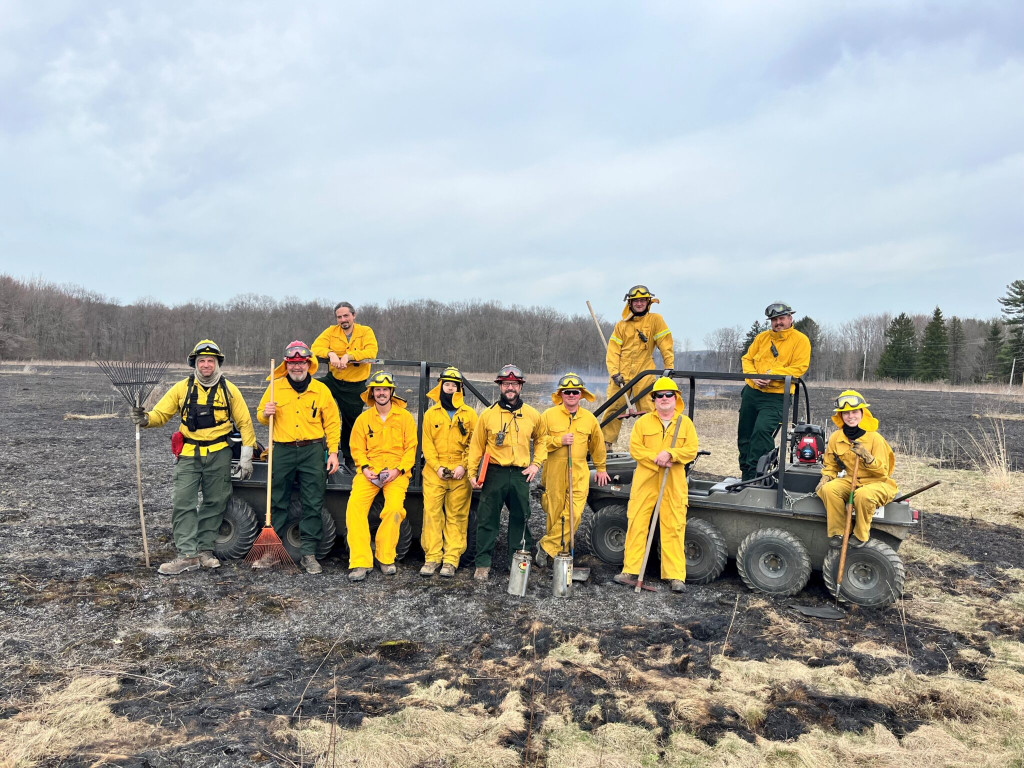
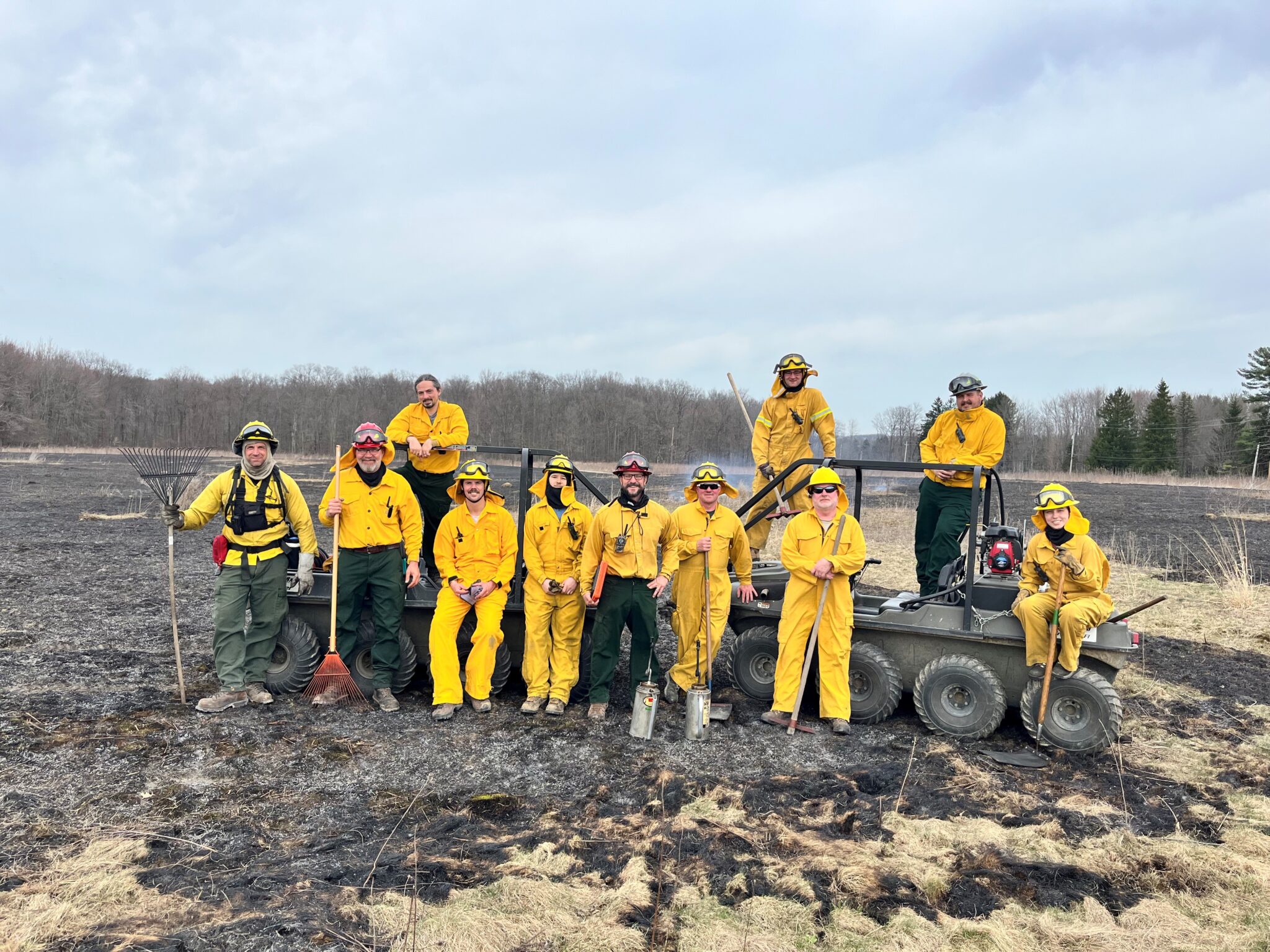
GPD’s Natural Resources Management team and partners from Portage Park District, the Ohio Division of Natural Areas and Preserves and Western Reserve Land Conservancy assisted with prescribed fire management burning on more than 40 acres of meadow at Observatory Park in Montville Township and Frohring Meadows Park in Bainbridge Township.
“People working together on cooperative management projects like prescribed fire is how conservation and meaningful land stewardship is accomplished,” Pira said. “It is how we are able to achieve many of our lofty goals. It takes time and effort to develop these working relationships, but it is all worth it when you have great outcomes like a beautiful meadow full of native wildflowers and wildlife for people to enjoy and learn from.”
Certified through the State of Ohio’s Division of Forestry, prescribed fire managers annually apply for special waivers, permits and permissions from the division of forestry, the Ohio Environmental Protection Agency and local fire departments in order to use prescribed fire on park district lands.
“For more than 20 years now, we’ve been using this tool and as the name implies, we ‘prescribe’ very specific weather and site conditions that will result in safe and effective fire management,” Pira said. “As you might imagine, we are very mindful of day-to-day weather conditions, such as temperature, winds and humidity, which play a critical role in our prescription for successful fire management. Here at the park district, we also notify our neighbors ahead of time that this management technique will be used in their neighborhood during March and April (and sometimes, also, in the late fall).”

Pira said fire has played an important role in Ohio’s landscape ecology and history for thousands of years.
“Native Americans used fire to their advantage for hunting, gathering, etc.,” Pira said. When implemented correctly, it creates unique conditions that burn off excess grass/leaf litter, adding nutrients to the soil; promotes the growth of many desirable native plants, which is great for pollinators and wildlife; and often top-kills/permanently kills unwanted woody species, such as shrubs and small trees just starting in the meadows, he said.
GPD is very careful about timing prescribed fire management to have minimal effects on wildlife and never burn all of the existing meadow habitat at once, Pira said, adding they rotate between fields every year and always leave some areas untouched, benefitting insects and small mammals.
“It takes a large group of experienced and knowledgeable people to use a tool like fire for land management,” Pira said, extending thanks to the Montville and Bainbridge fire departments for their assistance this season.
One of the most challenging aspects is getting the weather and variable site conditions to align, he said.
Very early in the spring, March through April, they have a small window of opportunity when the days are sunny, windy, warming — above 45 degrees — and low in humidity, Pira said.
“These are ideal conditions for fire because the ground and dead vegetation really dries out quickly and new plants have not yet sprouted/greened up,” he explained. “This means that the meadows will be dry enough for proper hot fires that will accomplish our management goals of killing undesirable small shrubs and trees and promoting excellent native pollinator-friendly wildflowers.”
There are parks GPD purposely manages with fire more often than others.
“For example, Frohring Meadows and Observatory Park are two of our parks that are well suited for this type of management because of our habitat and wildlife goals there,” Pira said. “A big feature that people really enjoy at these two parks are the wide-open flower-filled meadows. Proper use of fire promotes healthy native meadow habitat, which is really great for pollinators — butterflies, bees, etc. — meadow nesting birds and small mammals. People then come out specifically to see the spectacular displays of colors from the native plants in late summer and also love seeing the abundant wildlife that call these meadows home.”
GPD is fortunate to be located in Northeast Ohio where there are many conservation partners and organizations working cooperatively to better the natural world and manage places for people to enjoy Ohio’s wildlife, Pira said.
“Stewardship of close to 11,000 acres of land can be a little daunting at times, but because we routinely partner with other land managers, Geauga Park District is able to accomplish so much more,” Pira said. “Personally, I have worked really hard for the past 20-plus years on developing good working relationships, networks and collaborations, which I like to think has resulted in healthier, more ecologically-sustainable park lands for all to enjoy.”


