


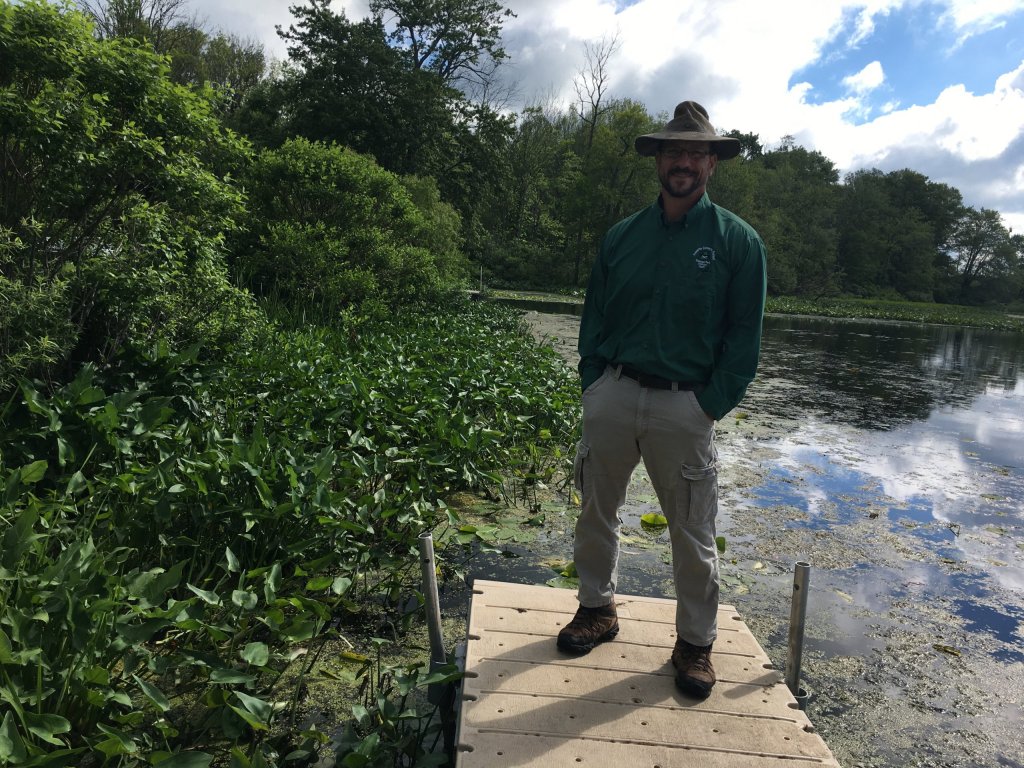
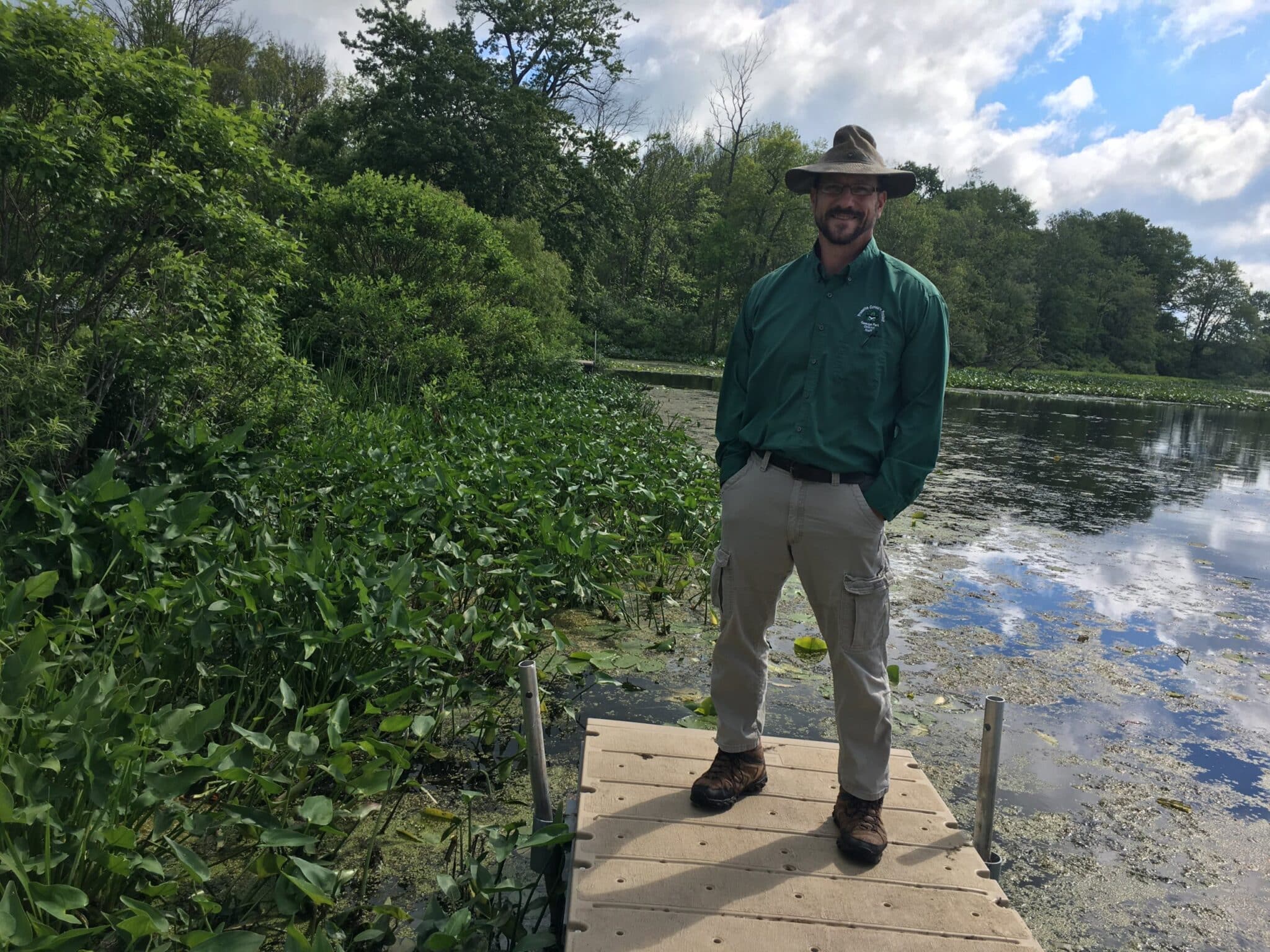
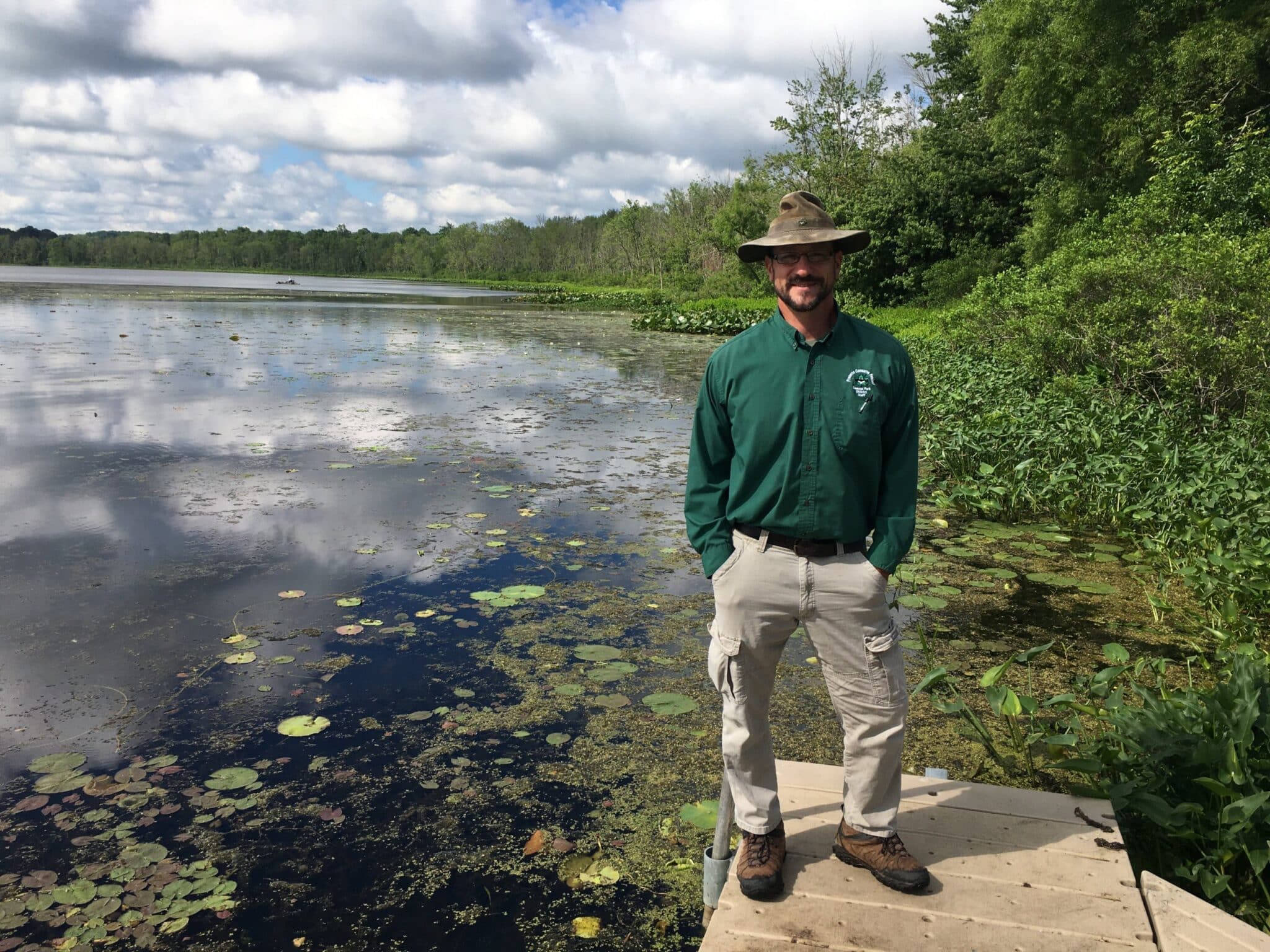
Bass Lake Preserve is a pristine gem tucked away in Munson Township.
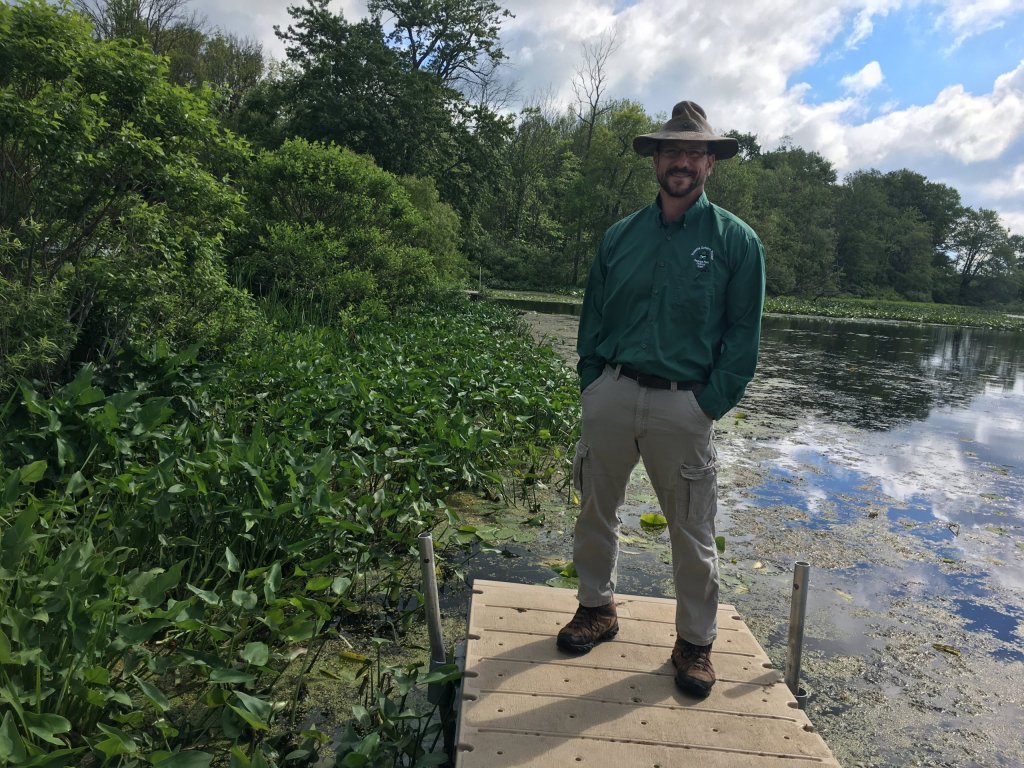
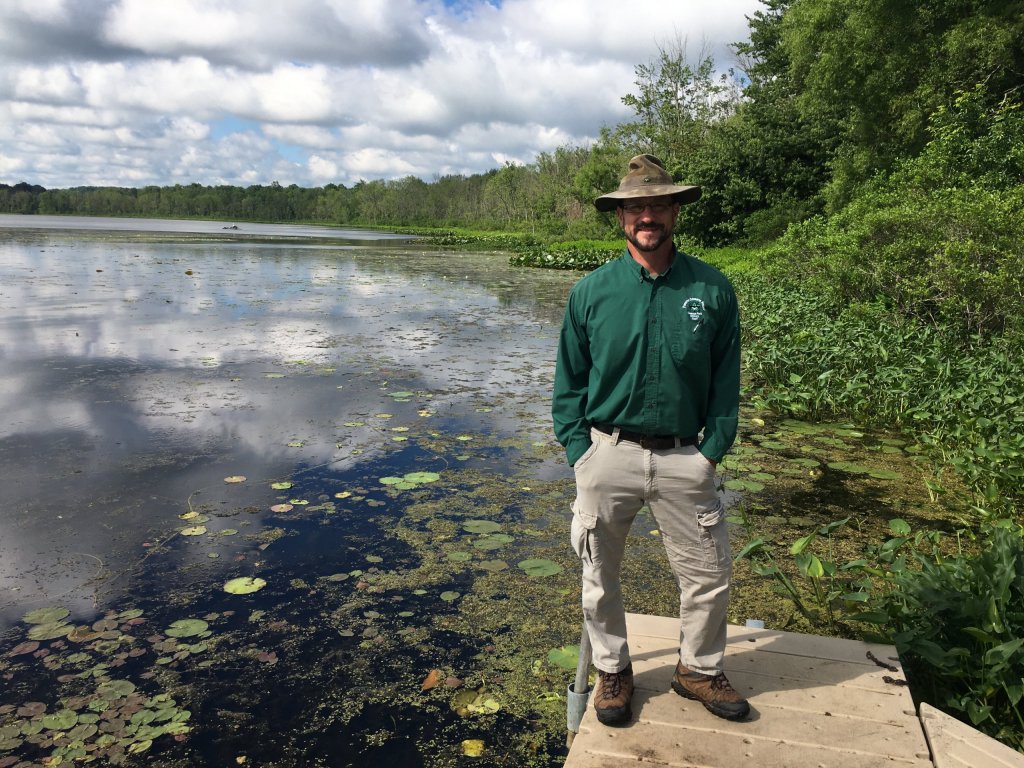
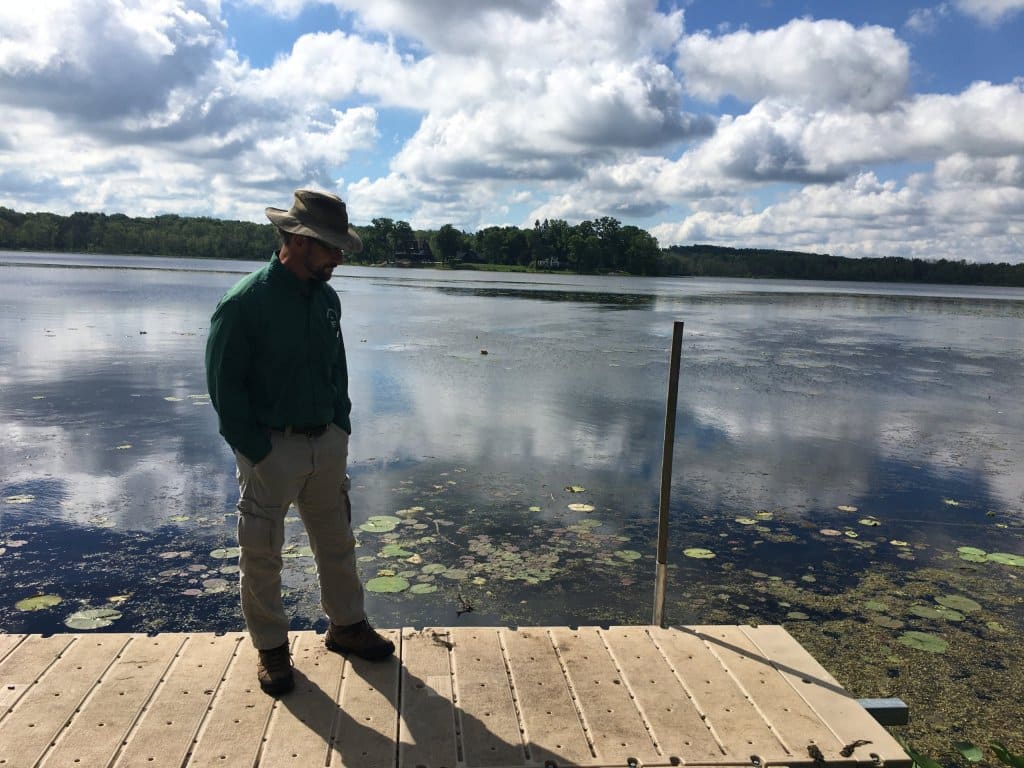
Bass Lake Preserve is a pristine gem tucked away in Munson Township.
The Geauga Park District, Chagrin River Watershed Partners, Bass Lake neighborhood and others want to keep it that way.
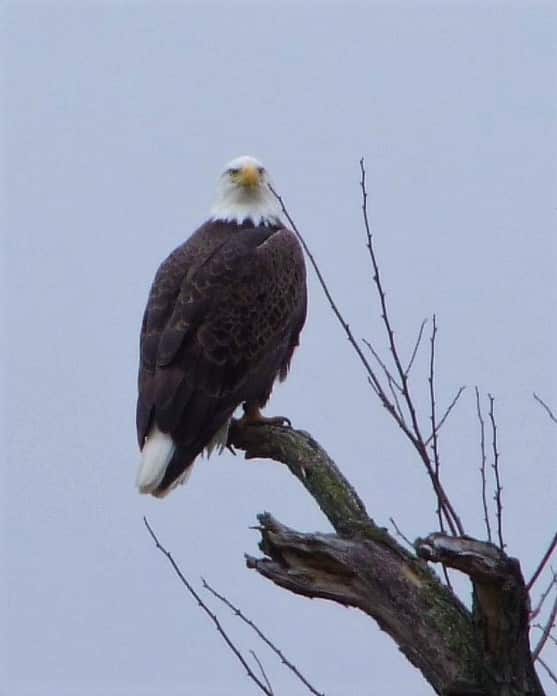
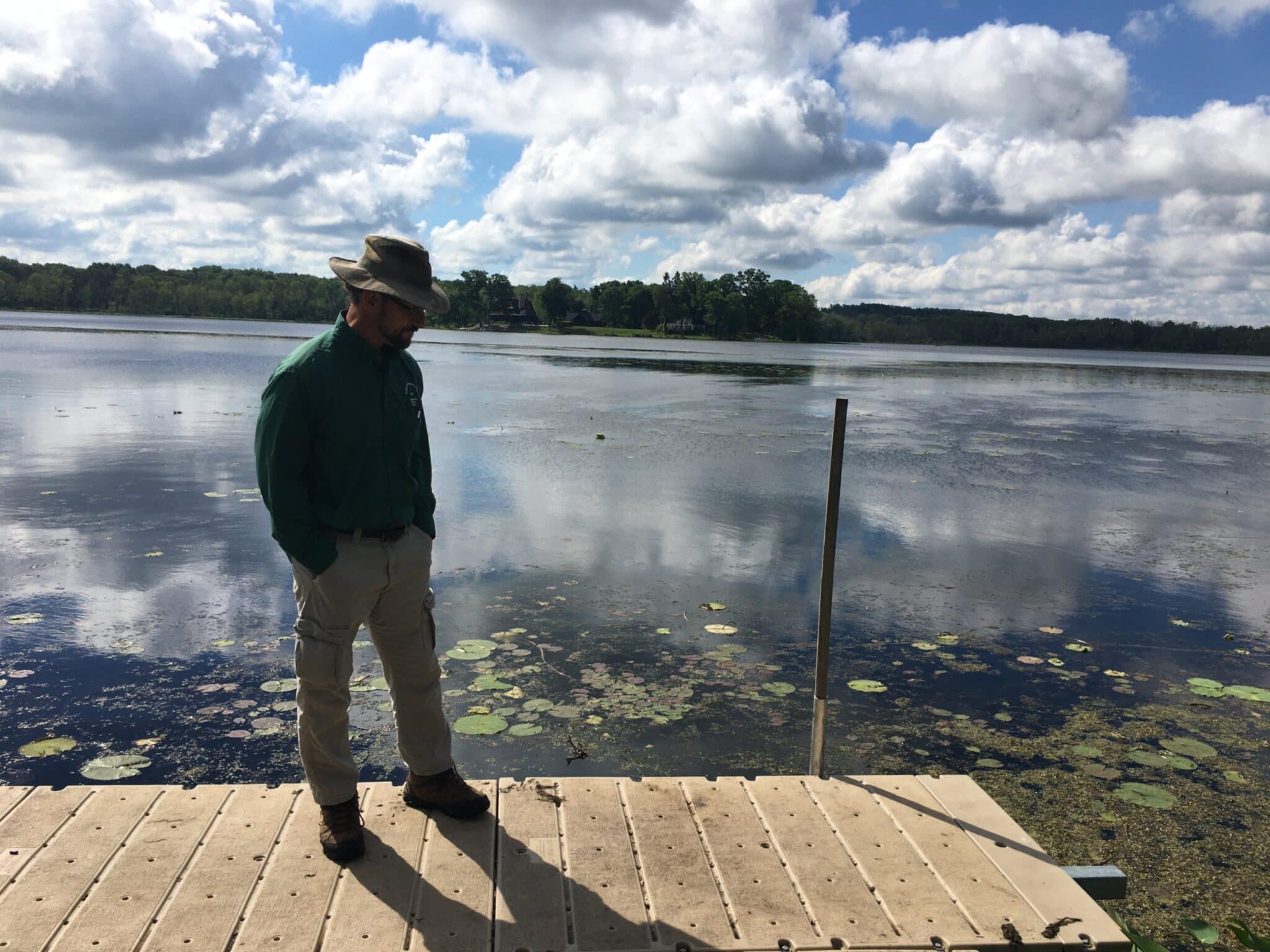
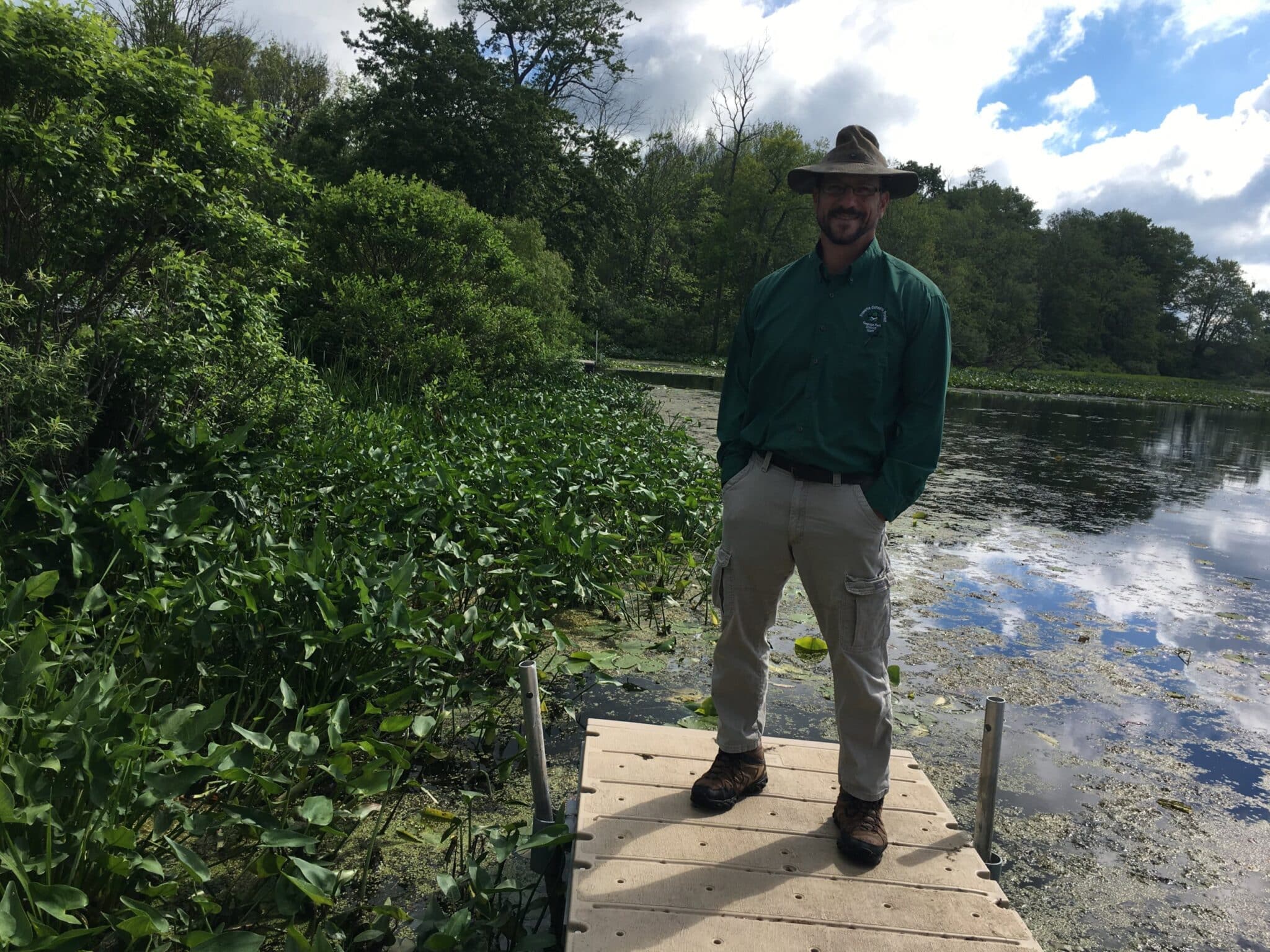
“Bass Lake is definitely a special place for both Geauga County residents and wildlife,” said Geauga Park District Biologist Paul Pira. “This extremely scenic 170-acre natural lake was formed thousands of years ago by glaciers and is home to lots of great wildlife such as bald eagles, ospreys, migratory waterfowl, all kinds of wetland and songbirds, river otters, dragonflies, etc.”
The GPD and CRWP recently teamed up for the Beaver Creek Restoration Project to improve water and habitat quality for Bass Lake and the Chagrin River watershed by restoring a natural channel flow, floodplain and wetland habitat.
Prior to restoration, the lower mile of Beaver Creek was severely channelized and entrenched, preventing access to the floodplain, Pira said, adding channelized streams tend to lose their ability to naturally process water pollutants as the water cannot spread up and over a floodplain to settle nutrient-laden sediment.
These, along with other changes, have led to the degradation of the surrounding wetlands and promoted conditions for invasive species, causing a significant ecological loss at the site, he explained.
The restoration helps to improve water quality within Bass Lake Preserve by reducing sediment and nutrient loading, and by directly addressing other known water pollution concerns for this tributary, Pira said, adding it also benefits amphibians, birds and other wildlife requiring large, connected corridors of high-quality forested wetland habitat.
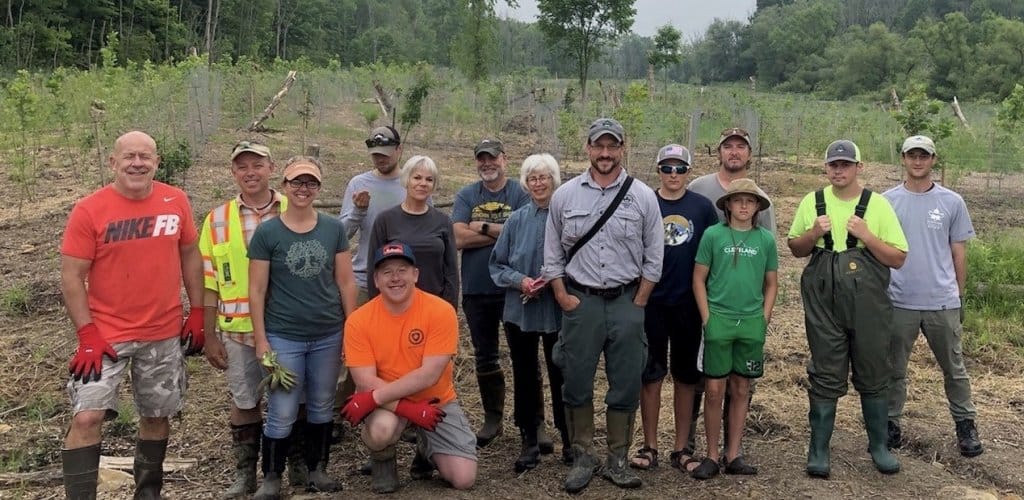
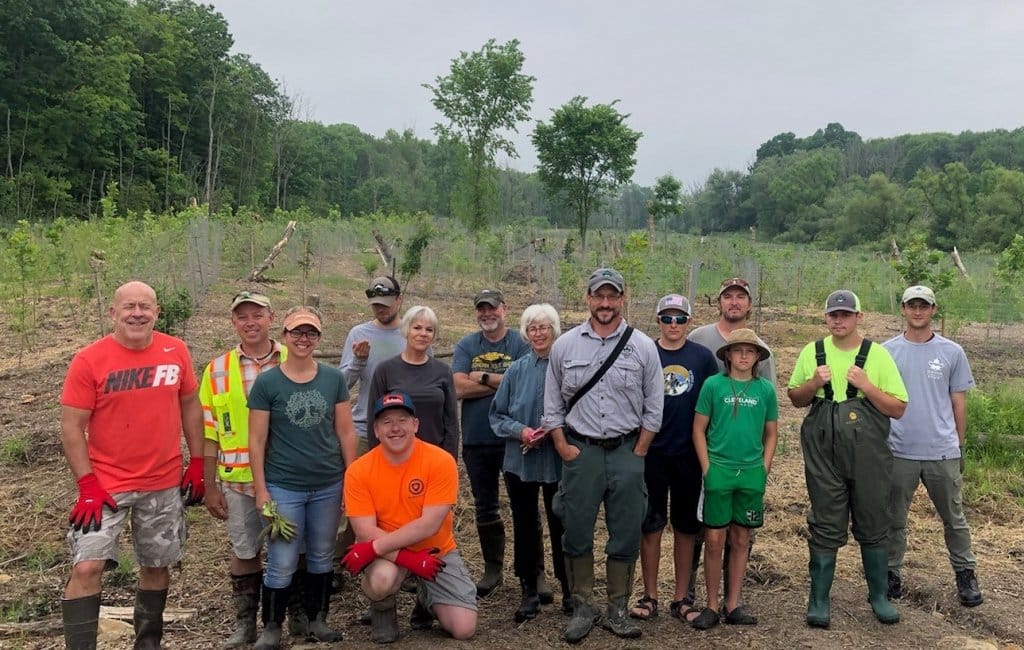
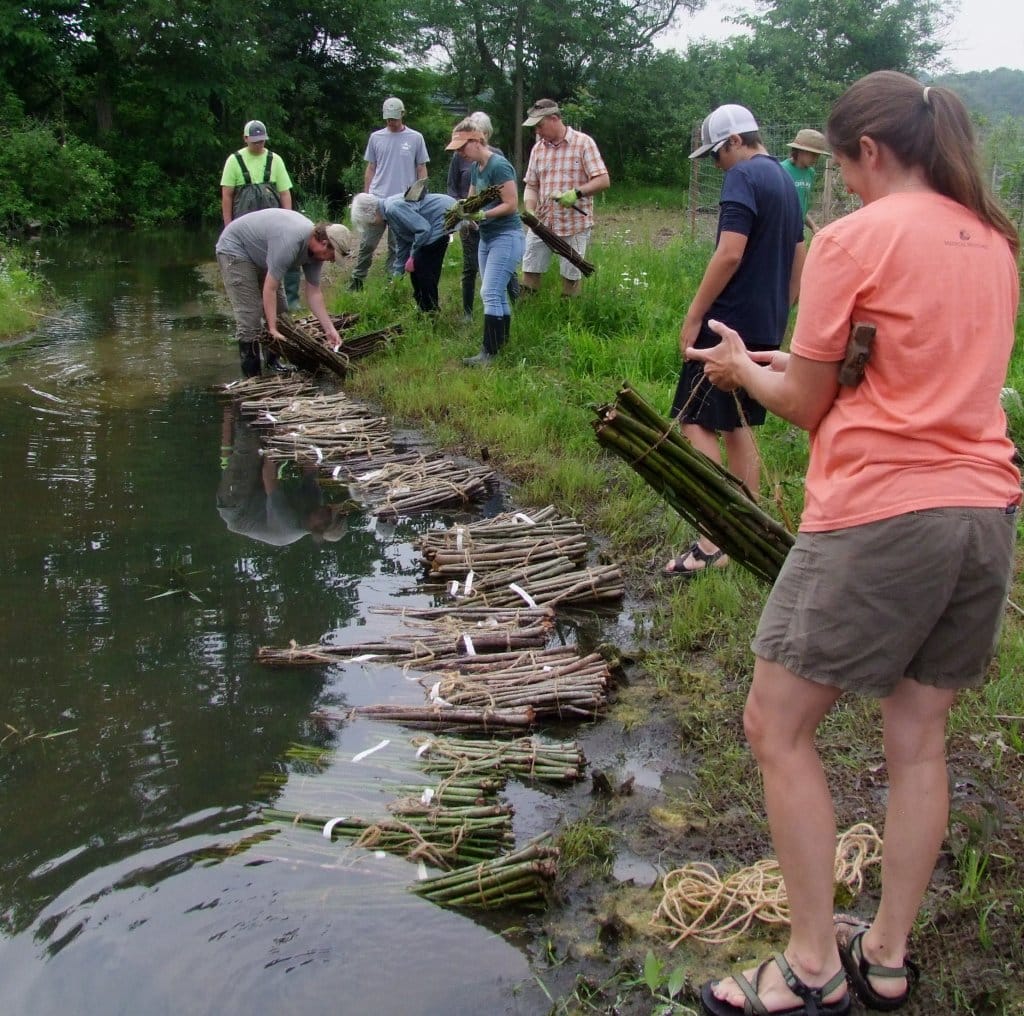
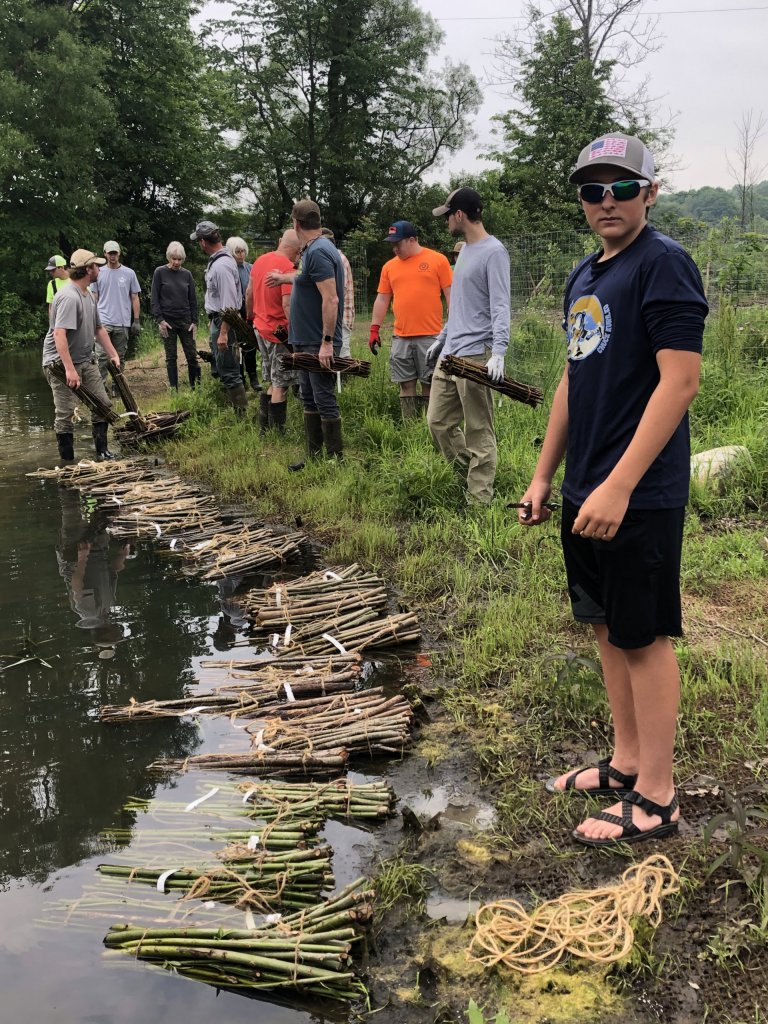
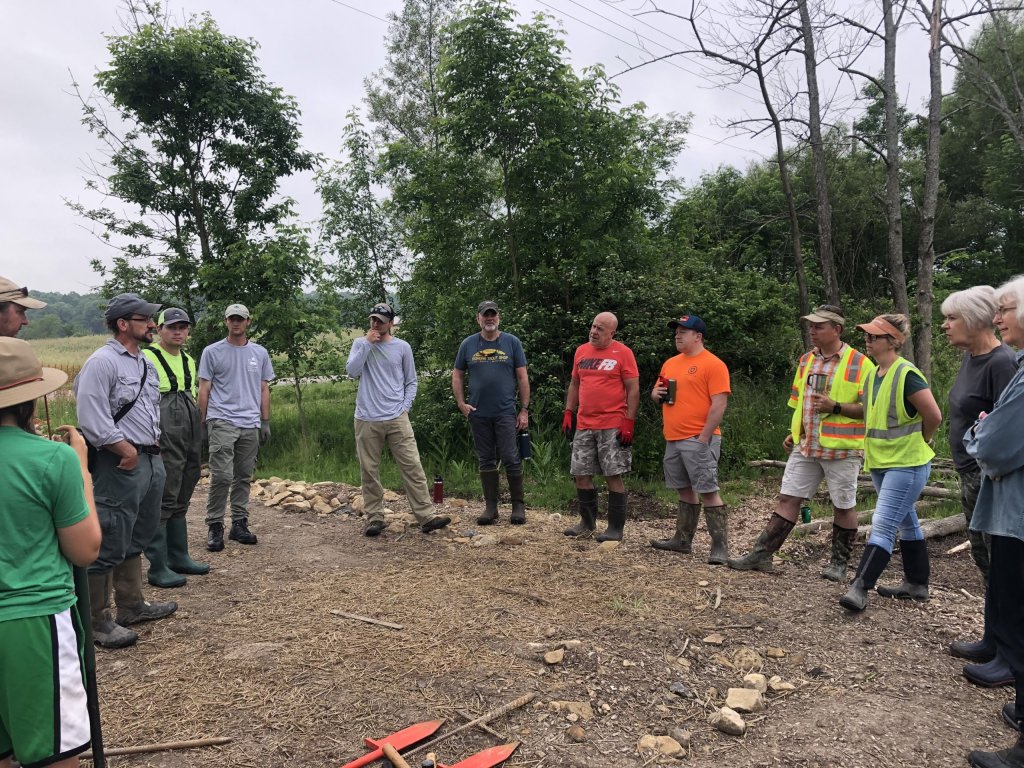
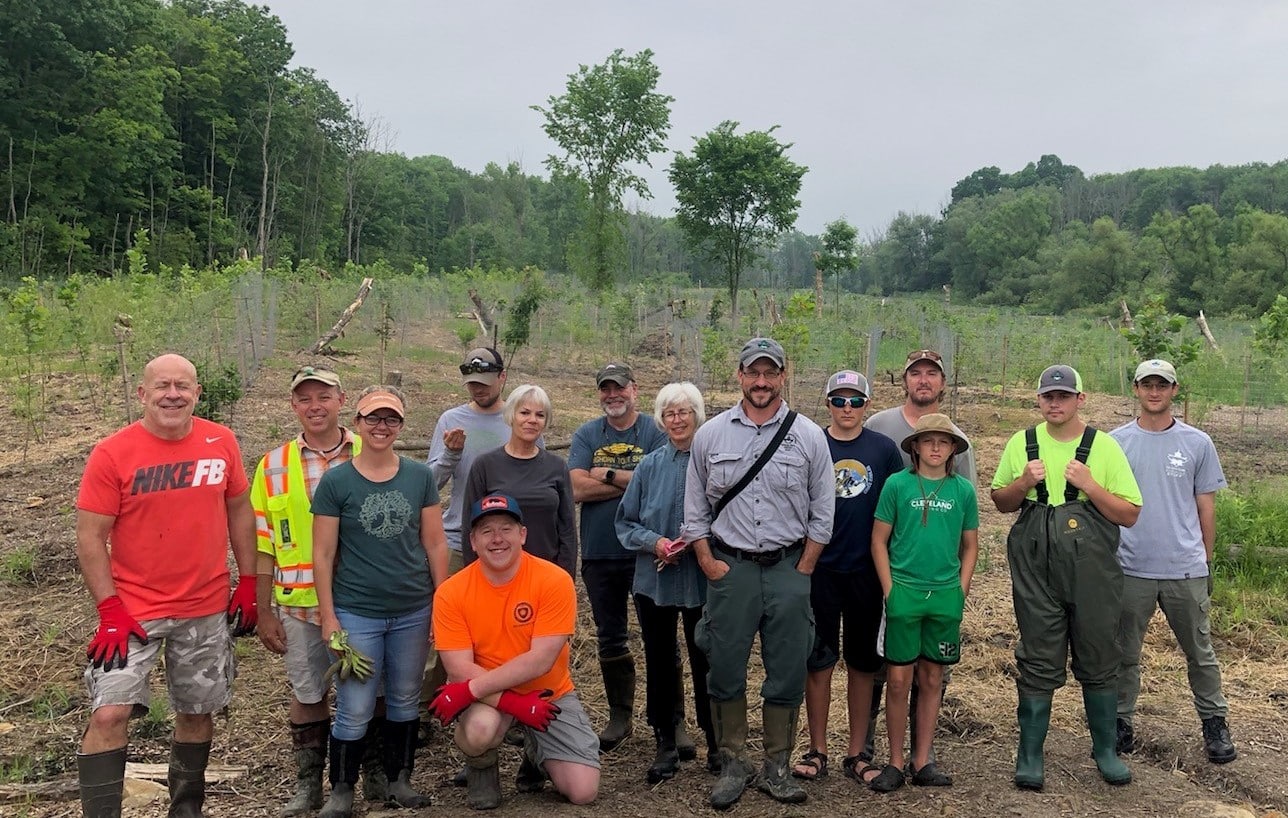
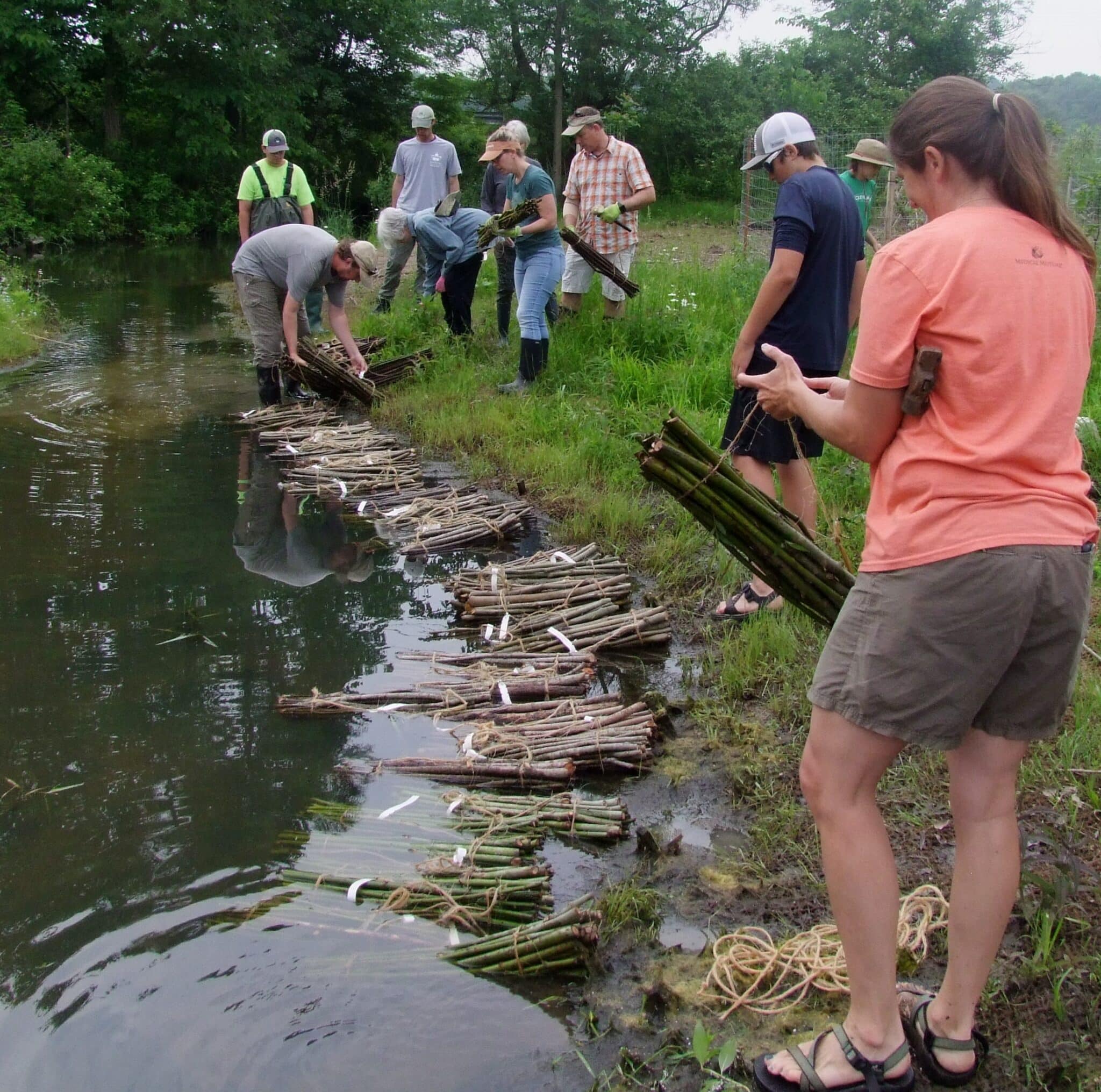
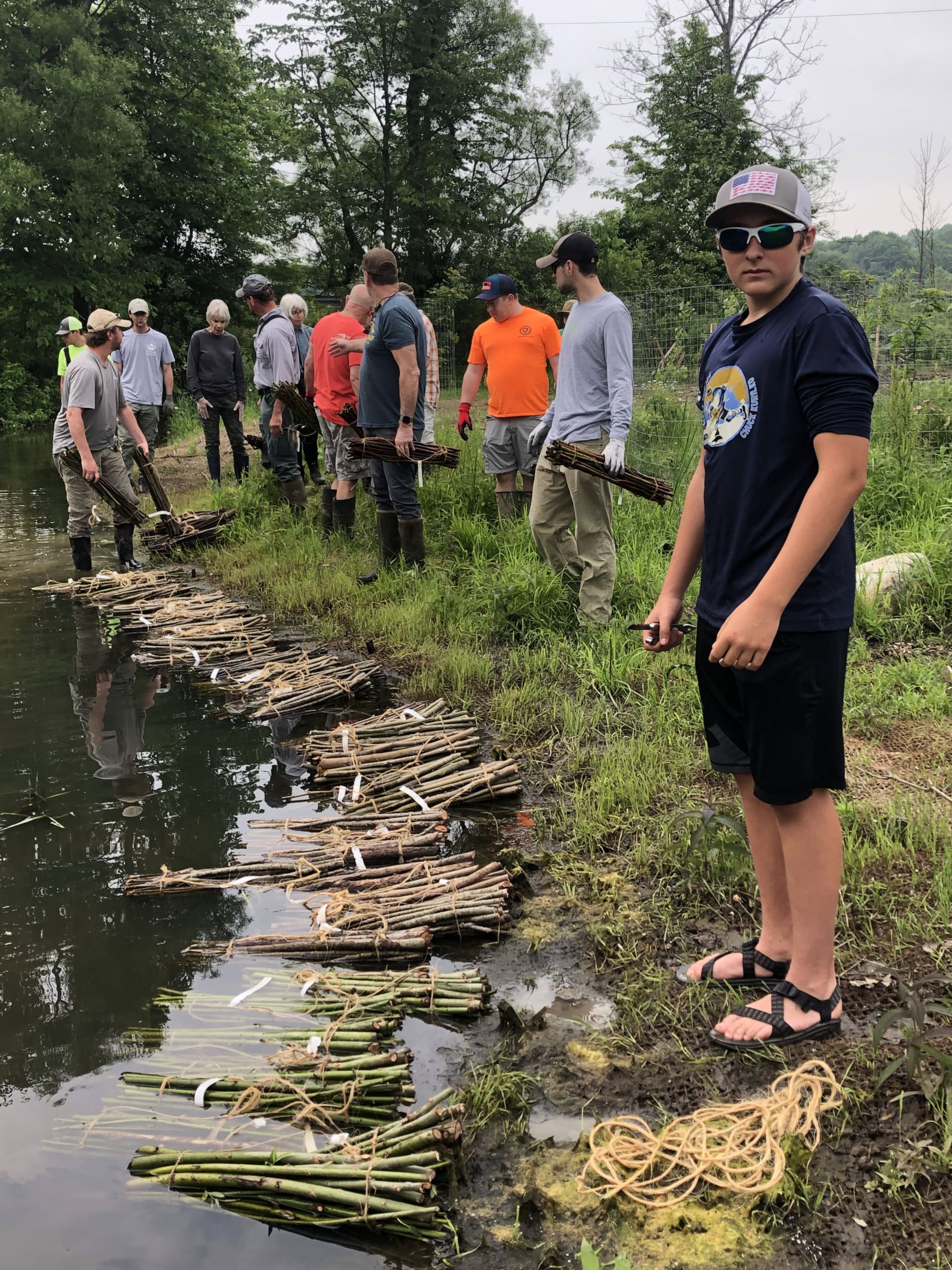
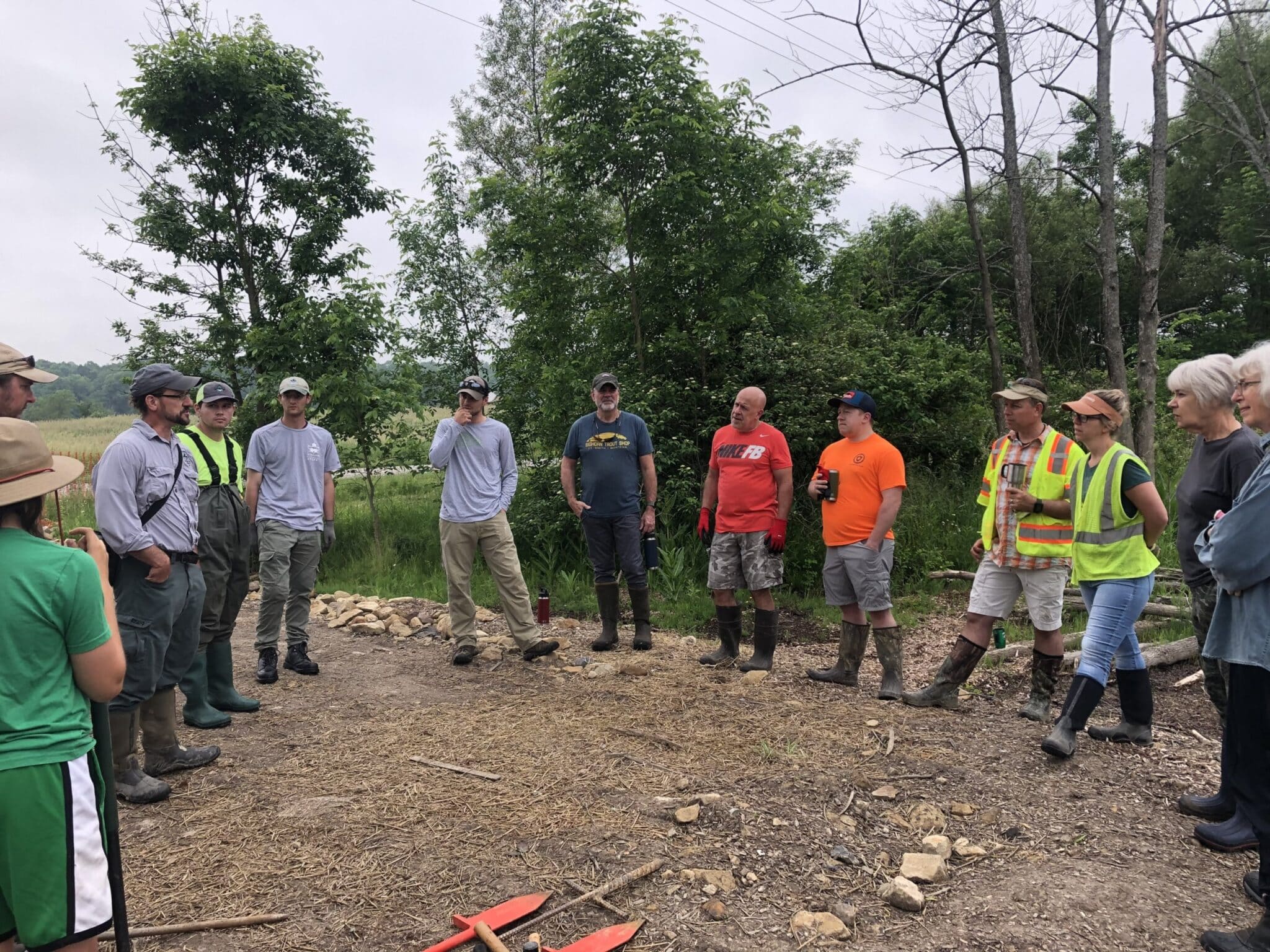
During a volunteer work day June 12, Bass Lake Association donated several live stakes, i.e. dormant shrubs or trees that sprout once they are planted, which were installed throughout the preserve.

Bass Lake Association member J. Meiring Borcherds said the association — which once owned the lake before handing it over to the park district — has been working with GPD for decades.
He said his community is a healthy environment to live and raise children in, and has many educational programs for its members, such as the volunteer workday.
Munson Township is also dedicated to a healthy environment and taking care of its land and open spaces, he added.
Pira said overall, the restoration project would facilitate the recovery of the ecological functions of Beaver Creek and Bass Lake Preserve, buffer Bass Lake from the stressors in the Beaver Creek watershed and provide habitat to sensitive wildlife.
“The Chagrin River Watershed Partners is a wonderful nonprofit organization with a shared mission of land and most especially, water conservation,” Pira said. “They have been great partners with Geauga Park District over the years and have given us valuable assistance with the preparation and writing of grants for much of our recent ecological restoration work. They also lend their expertise with developing and reviewing restoration plans and designs and help the park district with educational outreach. They have knowledgeable and energetic staff that truly care about the health of the Chagrin River and the watershed’s community.”
CRWP project manager Laura Bonnell said in 2017, CRWP assisted GPD in successfully nominating the Beaver Creek Restoration Project for an Ohio Environmental Protection Agency Water Resource Restoration Sponsor Program award in the amount of $842,840 through a sponsorship agreement with the Northeast Ohio Regional Sewer District.
“The Bass Lake Preserve is a signature feature of the Chagrin River watershed,” Bonnell said. “Restoration of Beaver Creek and riparian wetland habitat is identified as a priority in the Chagrin River Watershed Action Plan. This restoration will benefit amphibians, birds and other wildlife requiring large, connected corridors of high-quality forested wetland habitat. It will improve water quality at Bass Lake Preserve by reducing sediment and nutrient loading, and directly addresses known water pollution concerns identified in the plan for this tributary.”

CRWP has worked with GPD on several projects in their long history, including reforesting riparian corridors, addressing flooding issues, restoring wetlands, restoring thousands of linear feet of streams, implementing forest management projects and planting trees.
“Over the past few years, CRWP has worked with Geauga Park District to obtain grant funding and implement these restoration projects, including a stream restoration project at Bessie Benner Metzenbaum Park funded through the Great Lakes Restoration Initiative program,” Bonnell said. “Including the Beaver Creek Restoration Project funded by WRRSP, these five projects together total over $2.2 million. CRWP greatly appreciates and values our longstanding partnership with Geauga Park District and is so proud of all of the good work that we have accomplished by working together.”
The lake, known for its really good fishing, catches, filters and cleans much of Chardon’s watershed before it forms the very beginning headwaters of the Chagrin River, Pira said.
“That is why it is so important for local people to realize that what they do in their backyards ends up in this lake and can effect wildlife and plant communities downstream,” he said.
Surrounding the lake is GPD’s Bass Lake Preserve, a 606-acre park well known for its forested wetland complexes and high-quality tributaries.
“It was a fantastic day for planting native Ohio trees and shrubs …,” Pira said. “We planted a total of 1,675 live stakes comprised of buttonbush, redosier dogwood, silky dogwood, sycamore, peachleaf willow, silky willow, pussy willow, sandbar willow and black willow. This is a large wetland and stream site, so things are really wet and muddy right now … perfect for wildlife and plantings just starting out. “
The project has meant a lot to Pira.
“Professionally, it is an extremely interesting and meaningful project because we have taken a long-time degraded ecological system and have now transformed it into a wildlife haven,” Pira said. “It has been amazing to see the rapid transformation. Within just a few weeks after completion, we have already documented water birds foraging along the banks of the greatly improved Beaver Creek habitat and amphibians breeding in the new wetlands. Wildlife is amazingly resilient and if given half a chance, will come back.”


