


Geauga Park District Park Biologist Paul Pira vividly remembers the first time he toured the former Wicked Woods Golf Course back in 2018.

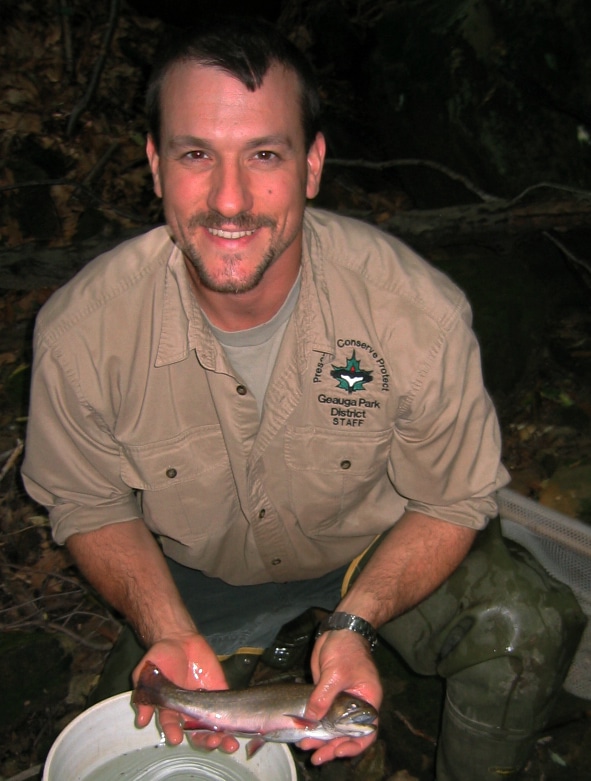

Geauga Park District Park Biologist Paul Pira vividly remembers the first time he toured the former Wicked Woods Golf Course back in 2018.
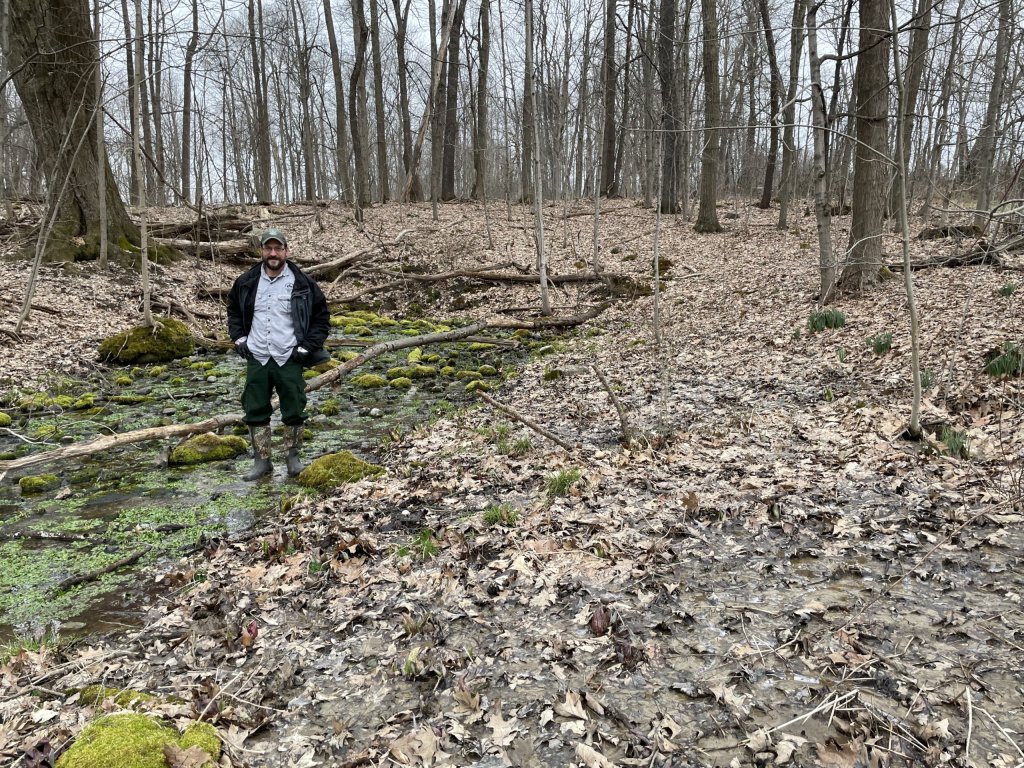
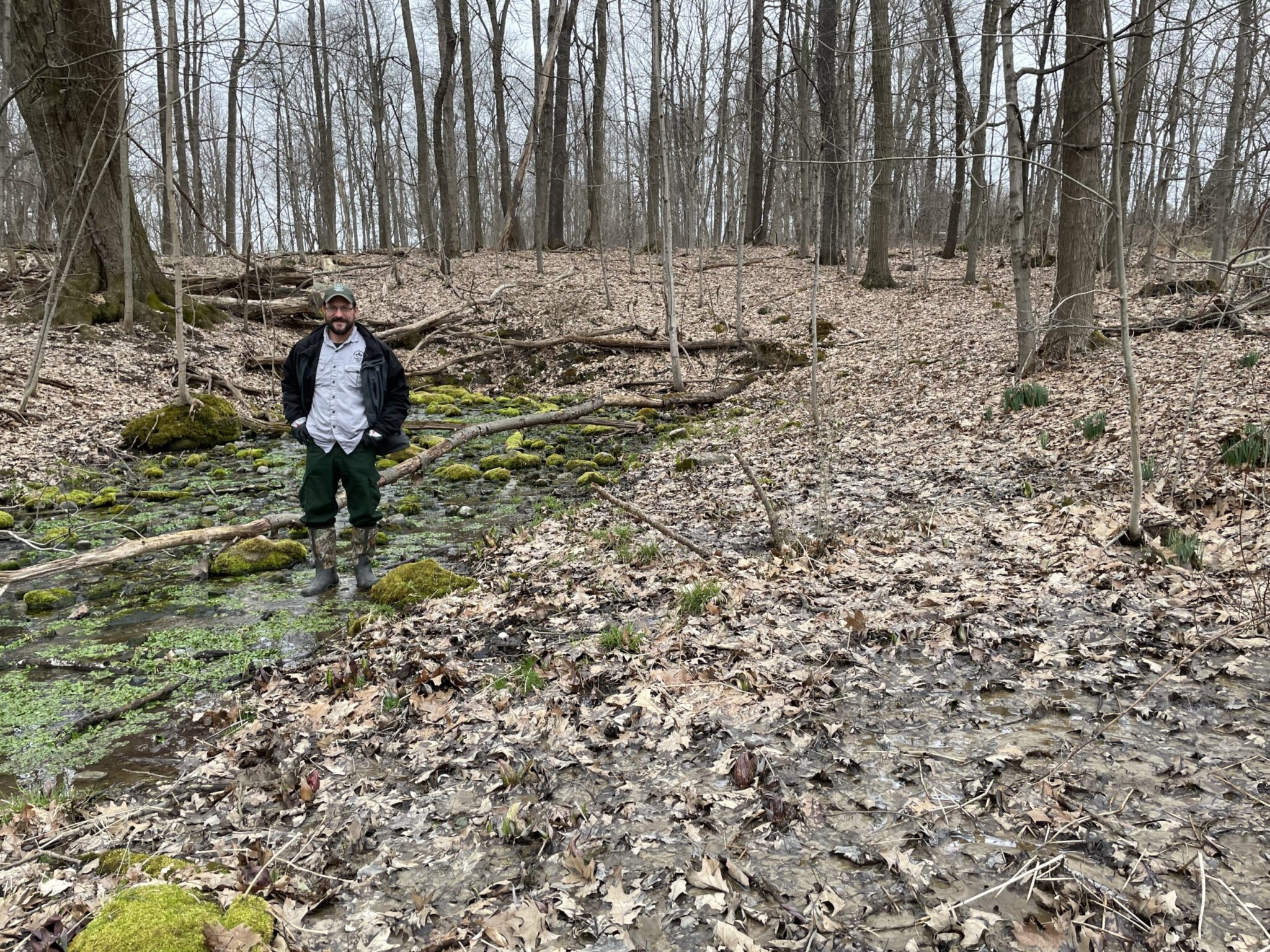
He recalled spotting a particular spring-fed stream system.
“Wow, I thought immediately that this place had enormous potential to be a significant spot for conservation and maybe even a totally unique and imaginative hair-brained idea that I had of somehow turning it into a native Ohio brook trout stream,” Pira said.
In November 2018, the park district purchased the site with intent of restoring the picturesque rolling lands to a more natural state.
“One of the more interesting things that I do here at the park is look at potential new land acquisitions and write assessment reports and recommendations on the ecological significance of the land,” Pira said.
His vision for the 180 acres of the upper west branch of the Cuyahoga River watershed within Newbury and Burton townships was one such example.
And as fate would have it, the GPD was awarded a $1,166,575 restoration grant from the Ohio Environmental Protection Agency, with assistance from Chagrin River Watershed Partners, to restore streams and forests at Veterans Legacy Woods in Newbury and Burton townships.
The goal of GPD’s stream restoration efforts is to create a headwater stream for environmental integrity.

“CRWP is very excited to be working with Geauga Park District on this project to restore the park’s streams and surrounding riparian corridor to improve water quality and prevent the loss of biological diversity in the area,” said Laura Bonnell, CRWP senior project manager. “Our partnership with Geauga Park District has enabled our organizations to accomplish more by pooling our combined resources and expertise. CRWP works with our members and partners to get valuable projects like these funded and constructed. CRWP will provide technical assistance and review, develop educational and outreach materials, and administer the sponsorship award.”
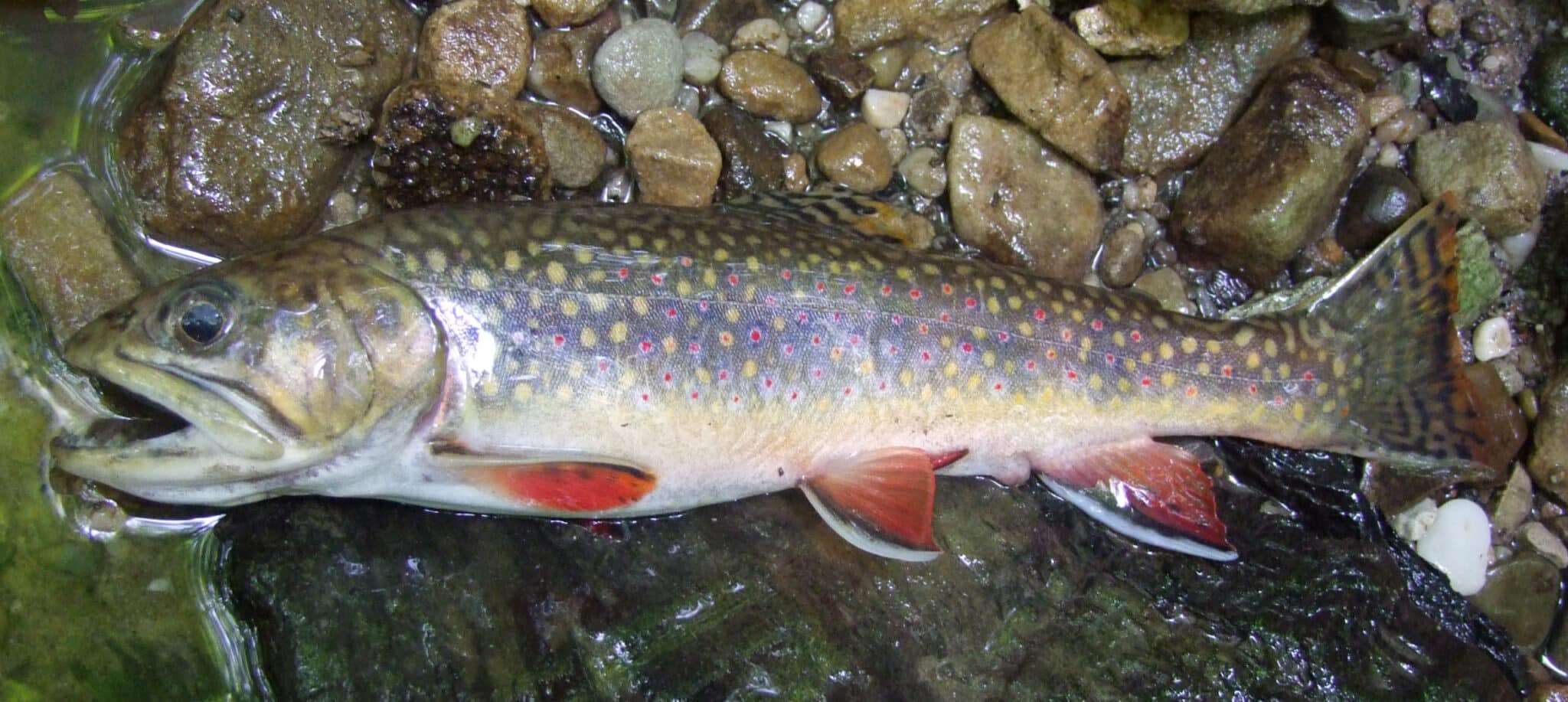
Pira said this grant will help ensure the county has another cold-water stream habitat that is potentially an introduction site for Ohio brook trout.
In addition, 5 acres of prior fairway will be reforested with native trees and shrubs, providing shaded stream and wetland environments.
“This project is important for a couple of reasons. First, it perfectly aligns with the mission of the park district,” Pira said. “We were created over 60 years ago in order to protect and conserve the special natural resources of Geauga County.”
The cold-water habitat found at the park is a clear, clean, groundwater fed stream which is becoming less and less common in Ohio.
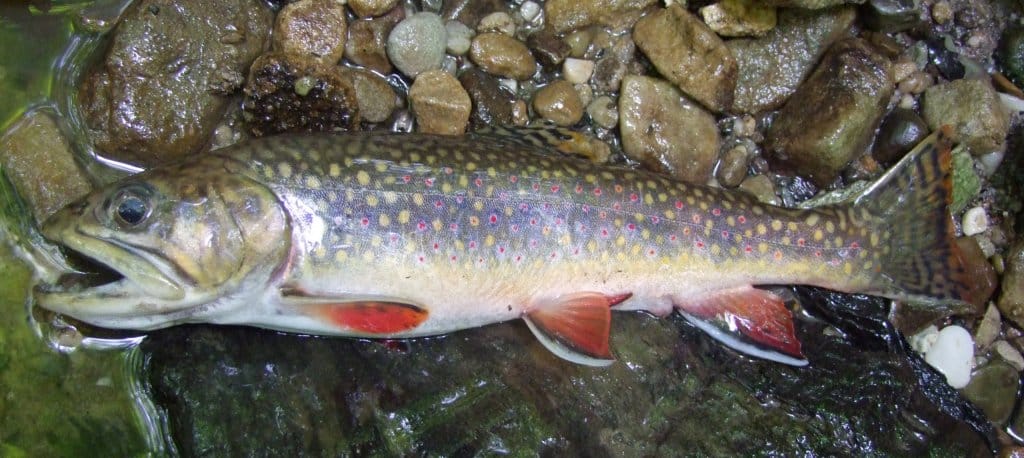
“This type of special natural resource (habitat) may be able to support the totally unique native Ohio brook trout, which are only found in Geauga County,” Pira said.
“Second, this grant will be a major jumpstart to healing a damaged landscape. Ecological restoration is intentional work that aims to accelerate the recovery of an ecosystem’s health, integrity, resilience, etc. We have a lot of work ahead of ourselves and the OEPA is key to allowing us to make these important changes. This a damaged landscape.”

Saving a Threatened Species
Pira journeyed on a recent late afternoon by golf cart to the northern section of the park, past former greens and tee-off spots, stopping at the future home for the state-designated threatened species.
“Personally, this fish is probably my all-time favorite aquatic species,” Pira said. “I have been obsessed with fishes ever since I was a young boy and this is arguably one of the most beautiful and stunningly colored fish in Ohio and is so darn rare here. It also represents a time of unspoiled natural wildness in Ohio before this land was settled.”
This fish has been here since the last ice age.
“Only 30 years ago, we were down to only one stream left in the entire state that harbored these gems,” Pira said. “They were close to being gone forever.”
Thanks to The Ohio Division of Wildlife, The Ohio EPA and several other key partners, there are about three streams, all managed by GPD, that are self-sustaining, he said.
“Anytime we can take a parcel that has been adversely altered and restore functioning wildlife and aquatic habitat is an exciting adventure,” said Curtis Wagner, ODNR fisheries management supervisor. “Paul and Geauga Park District are extremely conservation conscious and I have no doubt this will be a great headwater habitat. If the project goes well and resultant habitat and water quality characteristics are appropriate, it may well be a great candidate for native Ohio brook trout transplant.”
Pira said they have to slowly bolster the number of streams with Ohio brook trout in them in order to help ensure future survival of the species.
“Not that the species, brook trout, are necessarily special in their own right — although I do have a soft spot for these gorgeous fish — but rather the fact that we know from genetics work that these Geauga County brook trout are wild fish and remnant post-glacial Ohio populations,” Wagner said. “This uniqueness of their wild lineage in Ohio is what makes them so special.”
Of all the native Ohio fishes, this species requires the most pristine of habitats.
“They require constant supply of cold flowing water and a low to no silt environment with just the right rocky substrates to thrive,” Wagner said, adding they are a
“gem indicator” of the best that Ohio headwater streams has to offer.
“Having an imagination, and sometimes almost crazy ideas, is actually an important part of science and land management,” Pira said. “It is really rewarding to have these ideas come to you, then pursue the actual means to make it happen with the help of great conservation partners … and then see it all eventually come to fruition.
“It is so satisfying to be part of protecting the future for plants and wildlife and then educating people about it. Then you see them truly get the importance of it. That is inspirational and one of the very best parts of this job,” he added.
Pira will speak about rare species protection and ecological restoration April 1 at a mid-west science conference hosted in Cleveland by Cleveland Metroparks for The Society for Ecological Restoration meeting.


