


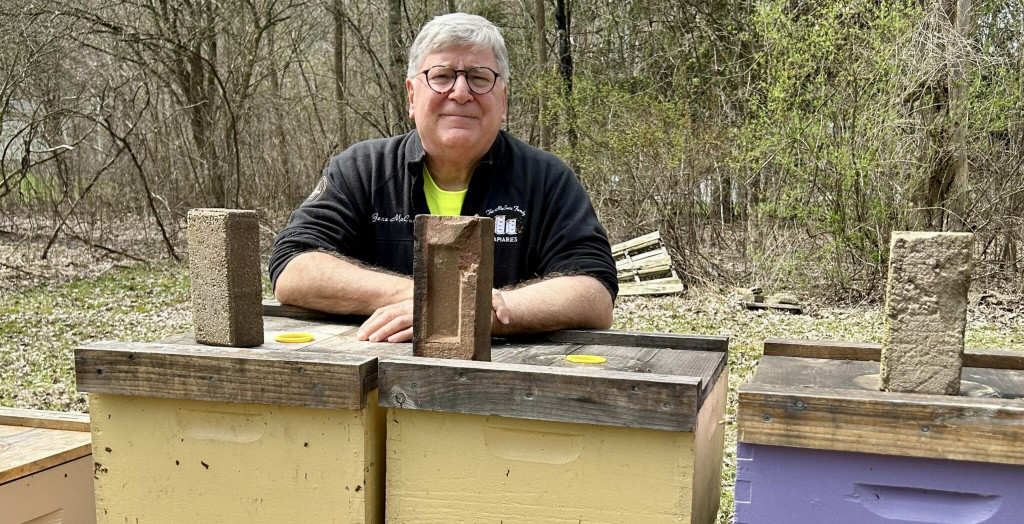
Gene McCune, of Auburn Township, considers himself lucky this year — only about half his bee hives died during the winter.
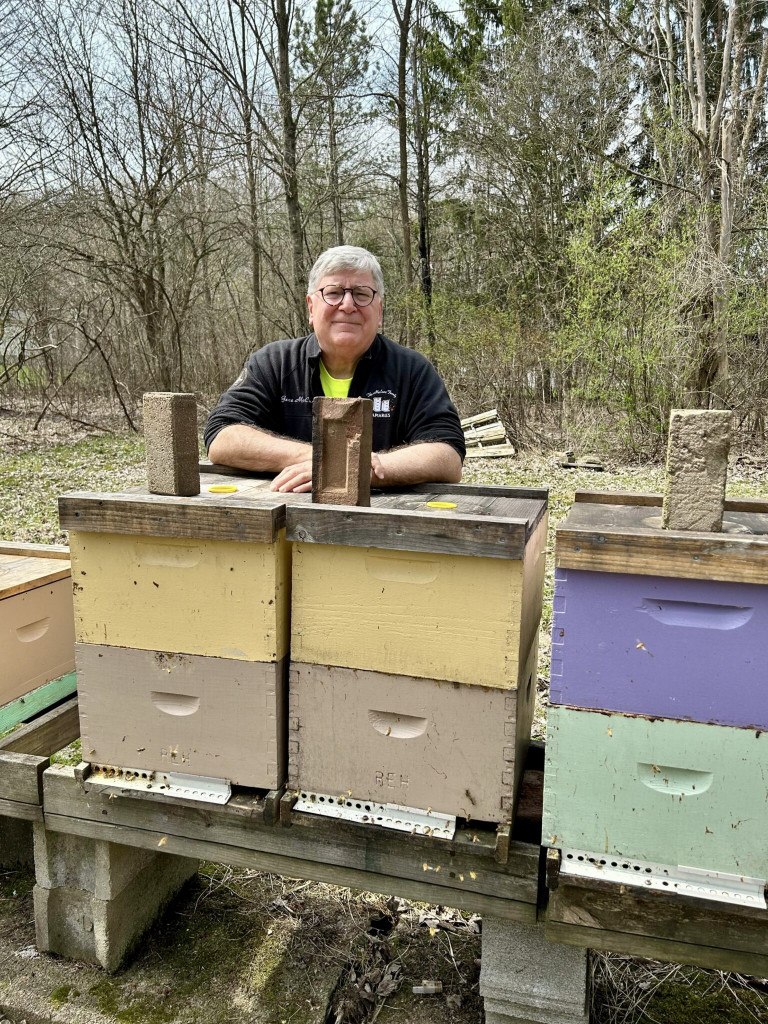
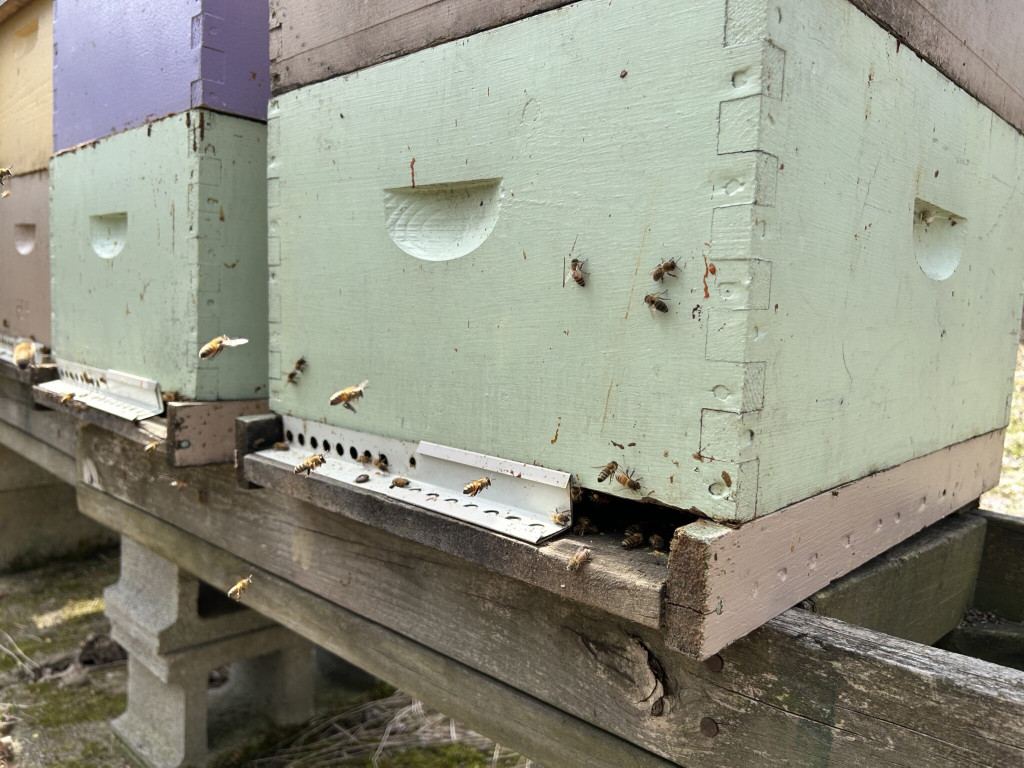


Gene McCune, of Auburn Township, considers himself lucky this year — only about half his bee hives died during the winter.
Throughout the apiary industry, many beekeepers lost up to 80% of their hives since last fall, he said, adding the almond industry in California that depends on commercial beekeepers hauling thousands of hives in to pollinate their trees may be in trouble.
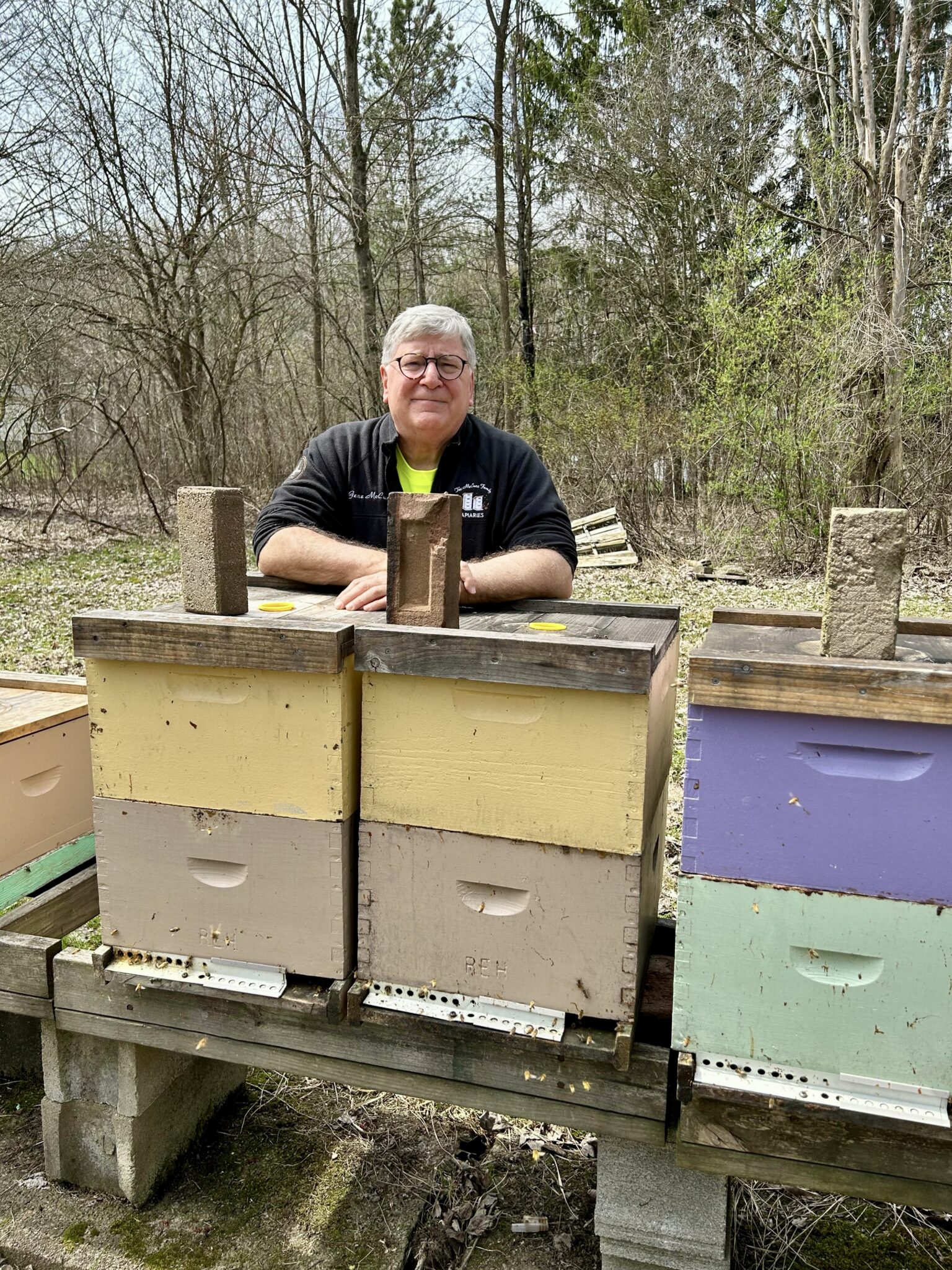
“This was a sad winter. It was the worst die-off in 20 years,” McCune said, standing by a row of wooden hives in his side yard.
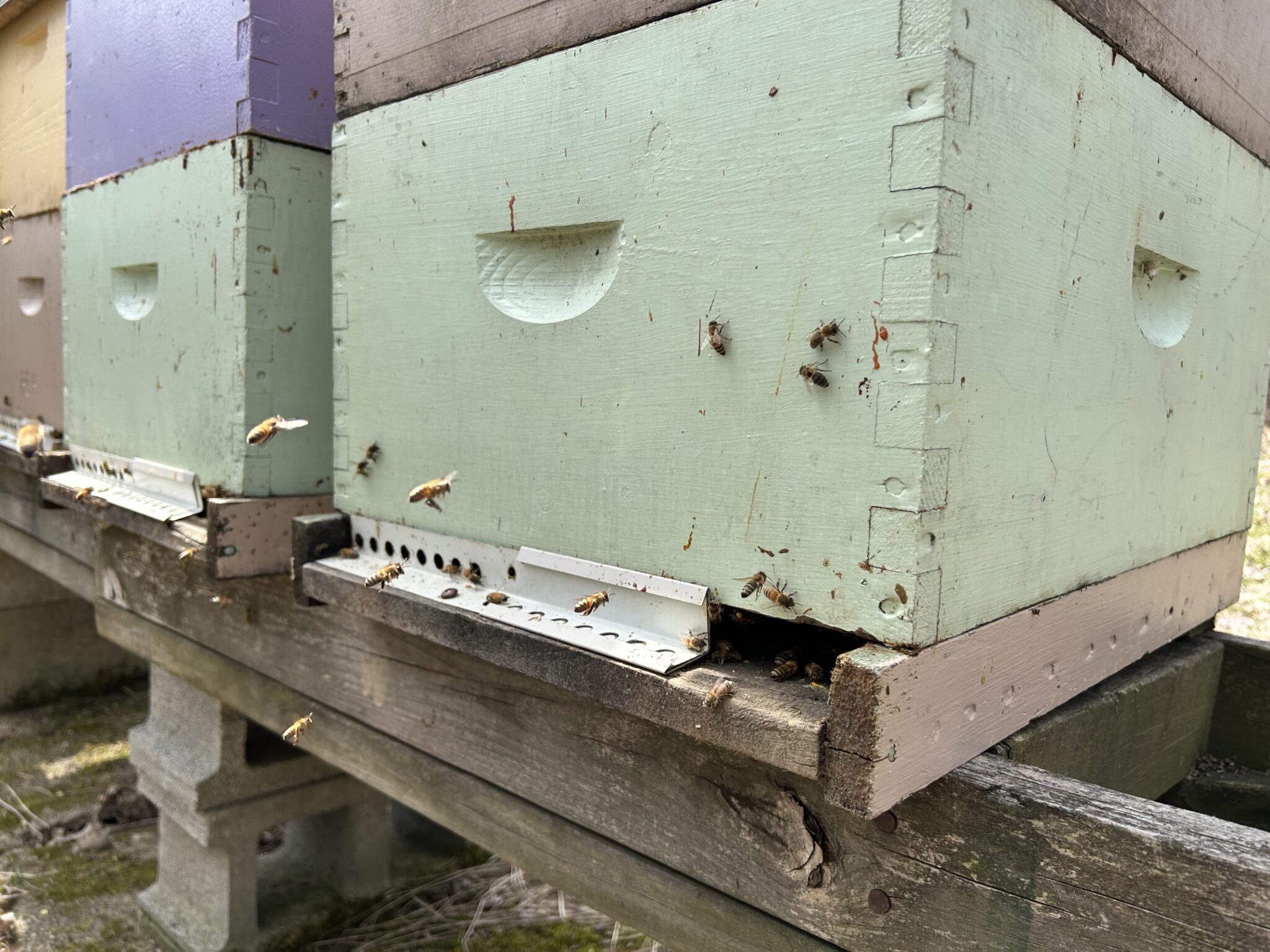
Six painted hives were buzzing with bees arriving with yellow, pollen-laden legs. Six hives were full of dead bees.
Founder and owner of McCune Family Apiaries, the township trustee has about 200 hives in 15 locations around Northeast Ohio, and said he expects to lose at least 35% of his bees every year.
“Forty years ago, you would expect to lose 10-to-15%. Now it’s 35-to-50%,” McCune said.
Good hive management can minimize losses, but beekeepers are not able to successfully combat the tiny mites that kill whole hives in a single season, he said.
The mites came from Asia and were first found in Florida in 1987, spreading inexorably across the country. Within five years, they arrived in Geauga County.
“By 1993, I had 125 hives. I came out of that winter with two hives still alive,” McCune recalled.
The mites infest the hives and, through the winter, they suck all the fat out of the bee larva so there are no young bees come spring, he said.

“Now, they are also vectoring viruses in the hives,” McCune said, adding there are four or five different viruses spread by the mites.
Bees faced an additional challenge last fall as they gathered food to store for the cold season, he said.
Some experts suggest plants produced low quality pollen last fall, causing the queens to stop laying eggs late in the season, McCune said, adding no baby bees is a bad sign as temperatures drop.
“You need a big supply of winter bees to keep the hives going,” he said.
When the spring heats up, queens start laying between 1,500 and 2,000 eggs per day. In April, the drone bees gather pollen from daffodils and maple tree blooms to feed the hive and make honey, McCune said.
Come May, he splits the hives so they don’t become overcrowded and he checks each hive regularly. If he doesn’t see eggs in a hive, he knows it is queen-less, so he grafts a new egg into a queen cup cell and a queen hatches for the hive, he said.
May is also the month of abundant dandelions — the favorite source of pollen for honeybees, McCune said.
“I ask my neighbors not to cut their grass until the dandelions have a good thing going,” he said.
In the fall, his bees visit a nearby field of goldenrod to help fill the hives. McCune said people who believe honey helps relieve their allergies are regular customers.
McCune’s interest in bees and honey started about 40 years ago when he needed a hobby.
After planting 30 blueberry bushes, he decided to improve his berry yield by acquiring a bee hive for better pollination, McCune said.
“I went from five hives to 10 hives to 50 hives to 100,” he recalled. “It’s a passion.”
In 1989, he created McCune Family Apiaries, favoring the new world Carniolan breed over Caucasian and Italian bees.
“They’re good producers and they’re gentle,” McCune said, admitting, however, he has been stung thousands of times over the years.
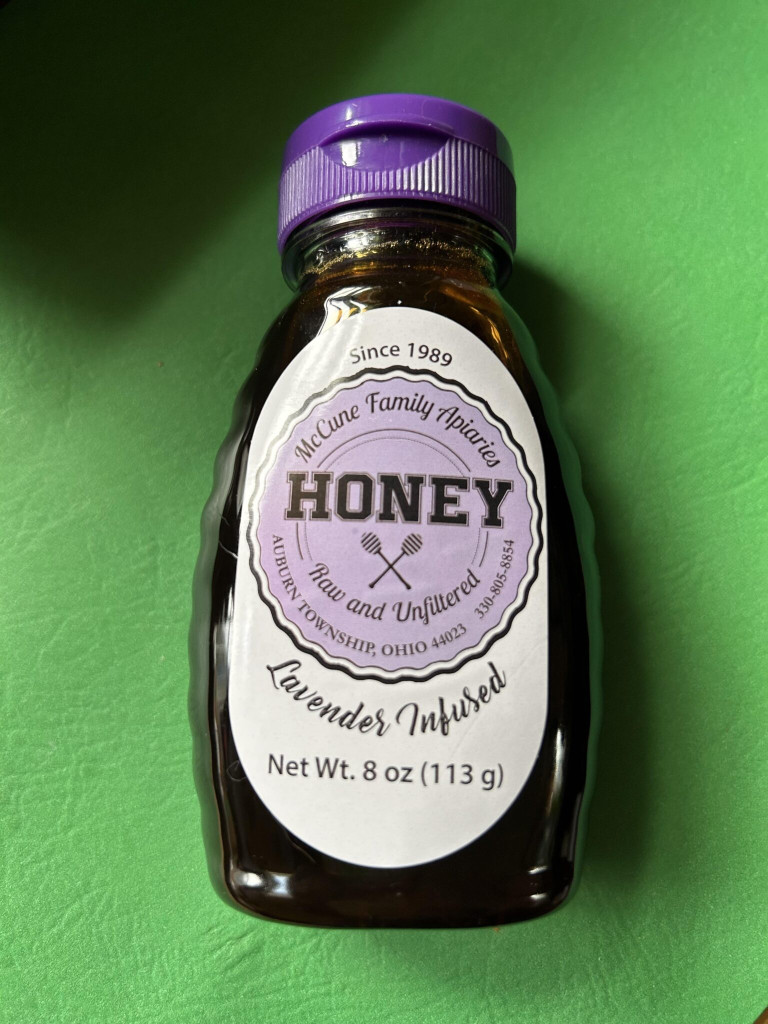
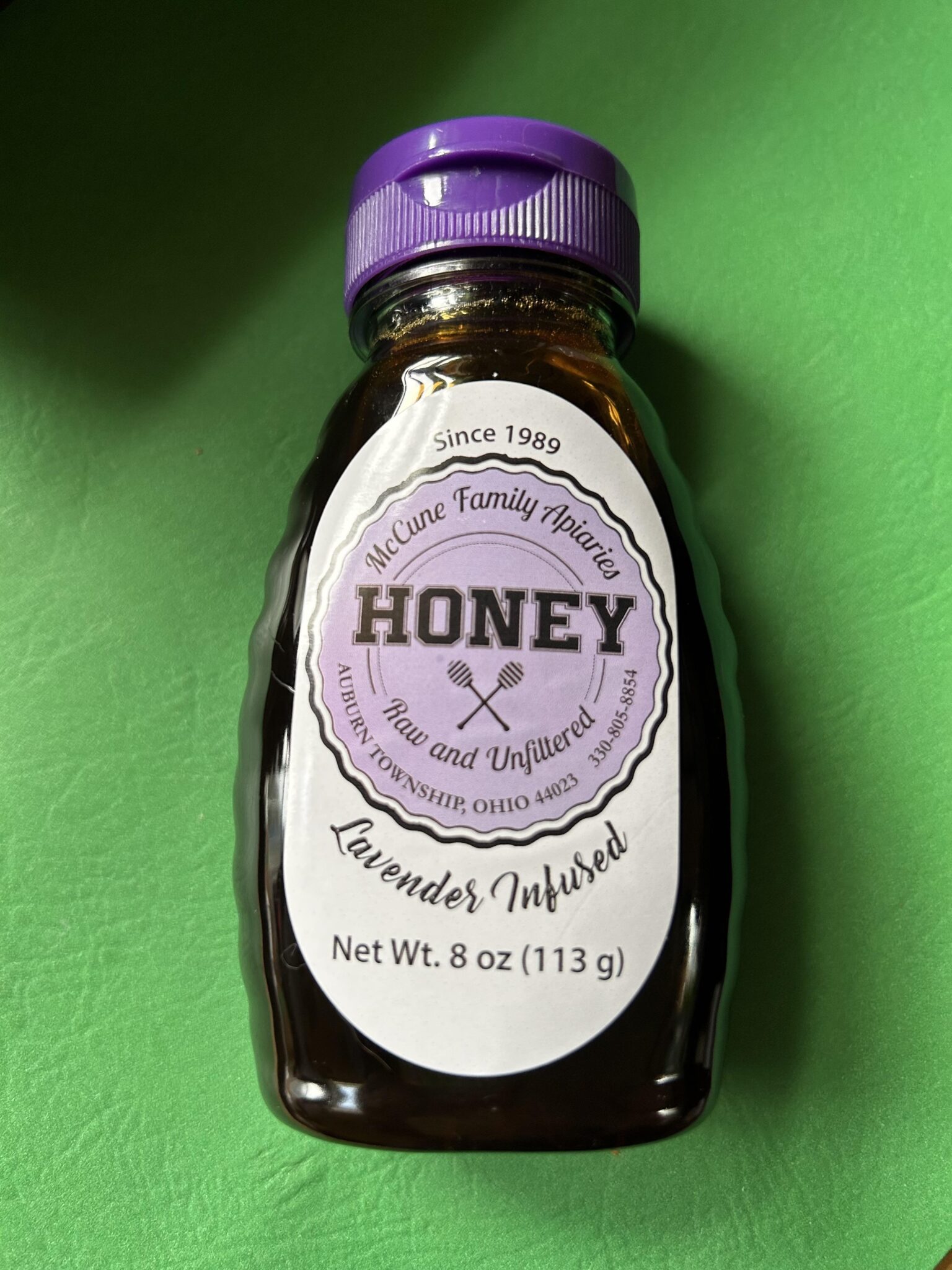
When the combs in the hives are full of honey, McCune collects the golden liquid in his workshop, bottling it — raw and unfiltered — for sale.
Four stainless steel tanks labeled wild flower, sweet heat (flavored with habanero peppers), lavender and bourbon barrel set on a bench, filled with honey being infused with flavor.
“Last year, I processed more than seven tons of honey,” McCune said.
All his bees are domesticated. There may be no wild bees anymore. Those bees homeowners see are likely from a busy hive, somewhere nearby, he said.
“Before the mites, I used to get 100 swarm calls a year,” he said.
Now, if McCune sees a swarm, he knows someone isn’t taking care of their hives and the bees are looking for a new location.
“If you’re a good beekeeper, that doesn’t happen,” he said.


