Appeal in the Wings, but Law Says Bill Must be Paid First
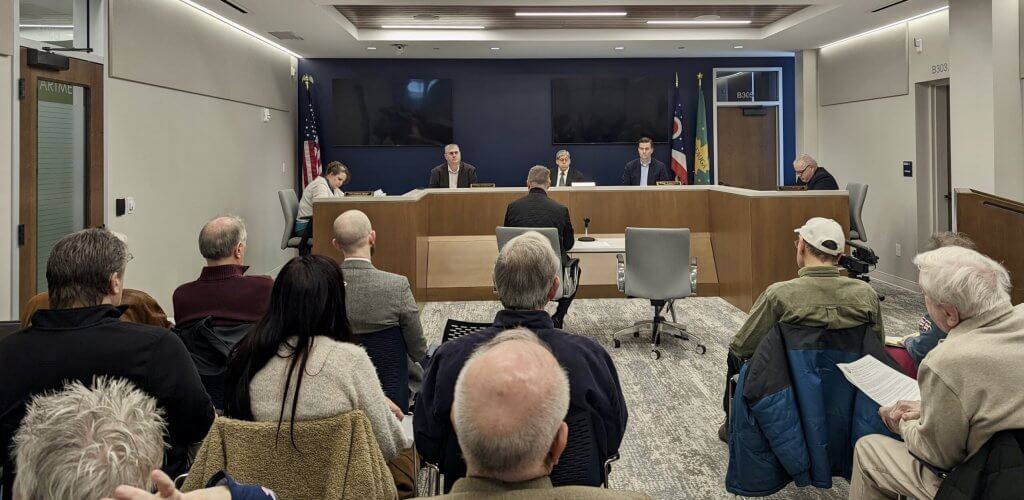
Geauga County Board of Developmental Disabilities Superintendent Don Rice expressed surprise and dismay at a $771,000 tax bill for properties leased to care providers.
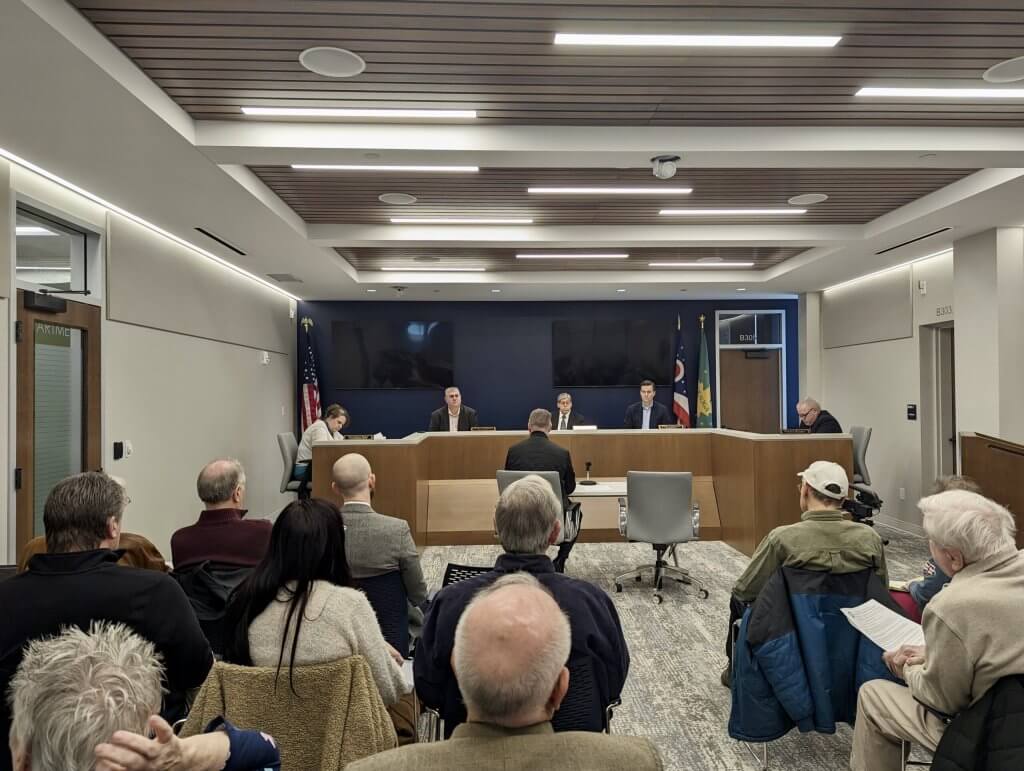
Geauga County Board of Developmental Disabilities Superintendent Don Rice expressed surprise and dismay at a $771,000 tax bill for properties leased to care providers.
Geauga County Auditor Chuck Walder’s office determined county-owned GCBDD properties on Cedar Road in Chester Township are taxable, Rice told Geauga County Commissioners during their meeting Jan. 30.
In response, Walder said after the meeting his office received no notice of a change in use for any county-owned GCBDD facilities now leased to non-governmental entities, adding such notice is required by state law.
Since 2003, the state government has moved away from providing care for people with developmental disabilities in large, congregate settings and toward small-group and employment programs with a goal of integration into the community, Rice said.
“So, we started to do that and we’re working through that,” he said. “(But), we knew that that would mean that there’d be empty spaces in our buildings.”
From 2019 to December of 2023, two open buildings on the property were leased to Emerald Rose, an independent nonprofit care provider for people with developmental disabilities, which has since moved out due to staffing issues.
Last August, Rice appeared before Chester Township Trustees to defend GCBDD’s decision to rent to the nonprofit. The township alleged renting to Emerald Rose violated zoning laws due to the nonprofit’s status as a non-governmental entity.
“I don’t agree with having someone that is not (a government entity) on that property renting,” Chester Township Fiscal Officer Patricia Jarrett said at the Aug. 24, 2023, trustees meeting. “If (Emerald Rose) went anywhere else, they would have to pay us real estate taxes and they would have to adhere to our zoning. They are not. It is unfair and it’s unfair to anyone else that is in their business.”
In September 2023, Chester trustees filed a formal written complaint challenging the GCBDD’s property tax exemption status related to the Emerald Rose lease, Walder said.

His office found merit with the Chester complaint and removed the tax-exempt status from the GCBDD properties, which allowed county commissioners to file a new application with evidence to justify renewing the exemption.
“The (commissioners’) application for property tax exemption was received on Dec. 29 and is awaiting a corrected treasurer certificate clearing its past due taxes,” he said in an email Jan. 30, adding Ohio law requires any back taxes to be fully paid before an exemption application can be processed — meaning GCBDD must pay the back taxes before the state can consider renewing the exemption.
Walder said Rice’s reasoning for tax exemption was “flawed” because while 501(c)(3) entities like Emerald Rose are exempt from federal income tax, they are not exempt from property tax.
“It is wrong for government to use property tax exemption as an advantage in the commercial real estate leasing market,” Walder said. “Those of us who pay our property taxes should not be funding this operation of commercial leasing.”
Rice said Jan. 30 other counties have rented space to outside nonprofit entities, leading him to believe the GCBDD setup was not out of the ordinary.
However, Walder said leases of public property to private companies — even nonprofits — potentially change the use of land that previously qualified for tax exemption.
Rice said he had heard nothing from Walder’s office related to the issue.
“I’ve seen the bill, I heard about the bill from you guys and I looked it up online. I believe it’s going to be appealed to the state tax commission where I expect it to be overturned,” Rice said. “We certainly had no desire to do anything wrong. We thought what we were doing was appropriate and certainly helping the community.”
The auditor’s office found GCBDD has been leasing tax-exempt property to private enterprises for years without following proper notice requirements established in state law, which says the property owner — in this case county commissioners — must notify the auditor of a potential change of use that could cause a reevaluation of property tax exemption, Walder said.
“The board of county commissioners own the property and are responsible for the property’s use and property tax exemption qualification,” he said, adding his office has had numerous written communications with commissioners on this matter.
GCBDD board member and former County Administrator Dave Lair spoke from the audience, telling commissioners he was very disheartened with the lack of communication from the auditor’s office.

“(In the past), the auditor’s office was seen as somebody who was a partner and worked with people who weren’t as versed in the law and made sure you are doing it the right way. But, they do it in a very professional, quiet way,” Lair said. “The people are just trying to serve the developmental disability community and all the other agencies. The employees of the county see all of this dysfunction and are like, ‘What in the world is going on?’”
In his email, Walder said while he appreciates the positions held by both Rice and Lair, it would have been inappropriate for his office to communicate with the GCBDD because they are tenants on the property and not the owners.
Commissioner Ralph Spidalieri told Rice the $771,000 tax bill is hard to swallow.
“You and your board have done a phenomenal job of trying to keep the finances in check, being able to make it doable for the county and for your organization to continue to serve these people,” Spidalieri said, adding there is a “groundswell of support” for GCBDD.
“We have gotten quite a number of calls and I’ve spoken to a lot of people about this. They are really upset that this is even an issue,” Spidalieri said. “Hopefully, we are gonna get past this here soon and focus on the things that we should be doing.”
While investigating the Emerald Rose lease, Walder said his office found GCBDD had entered into at least seven lease agreements for profit with non-governmental entities.
“No notices of any of these potential changes of use were previously reported to my office as required by Ohio law,” he said. “Ironically, most of these leases appear to also come as a surprise to the (county commissioners), who own the property. So, it would seem that the inherent dysfunction and breakdown in communication is between GCBDD and the (commissioners), and their failing to report these leases to my office as required by law.”
Staff writer Brian Doering contributed to this article.